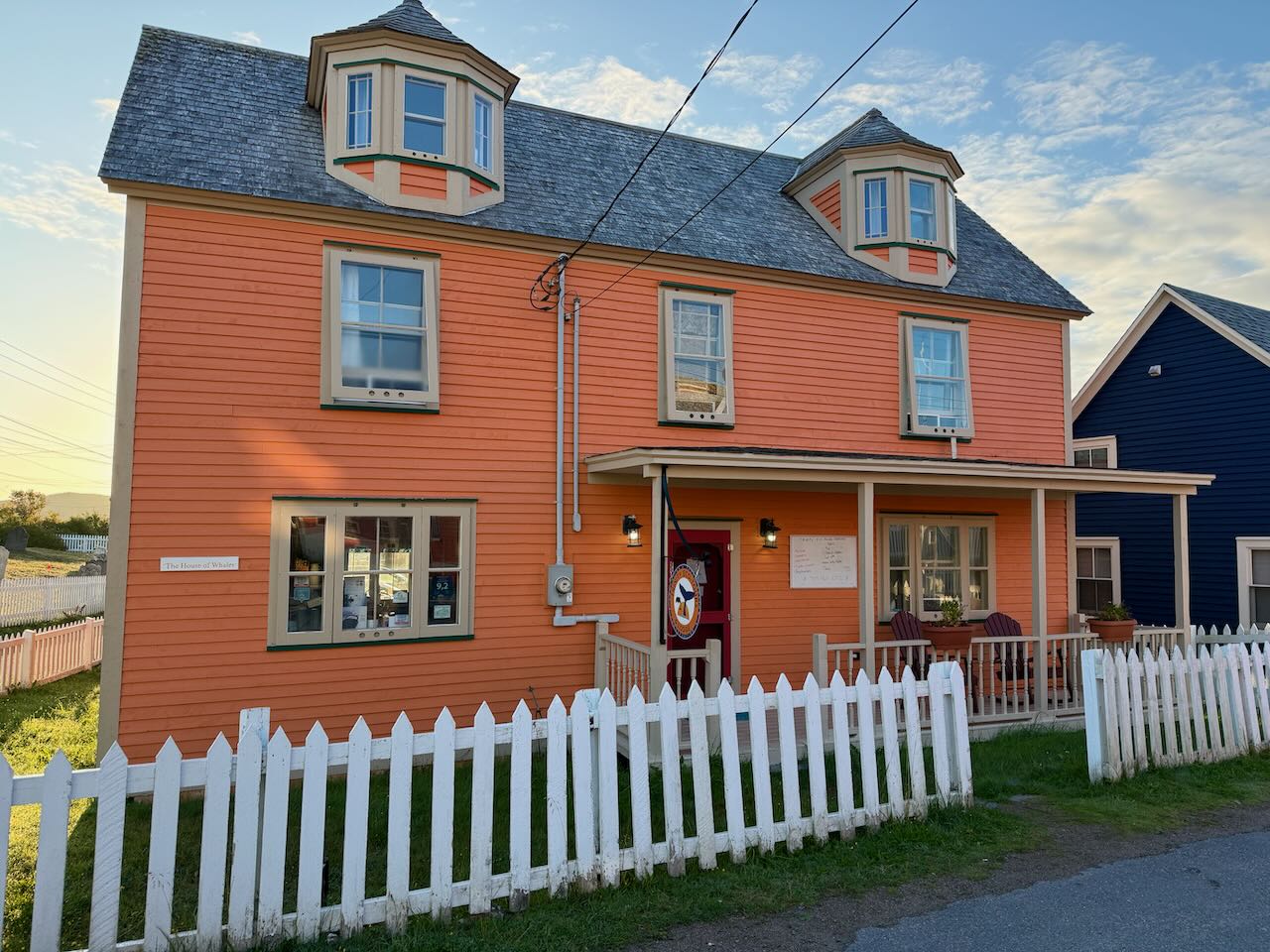
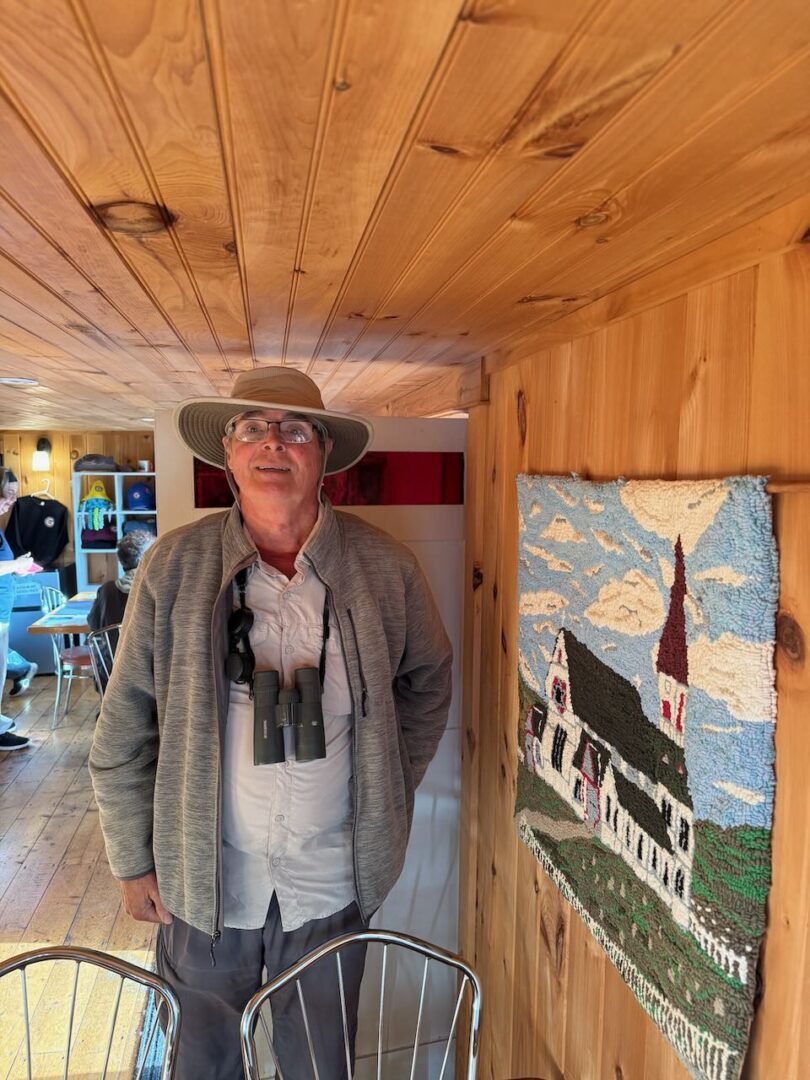
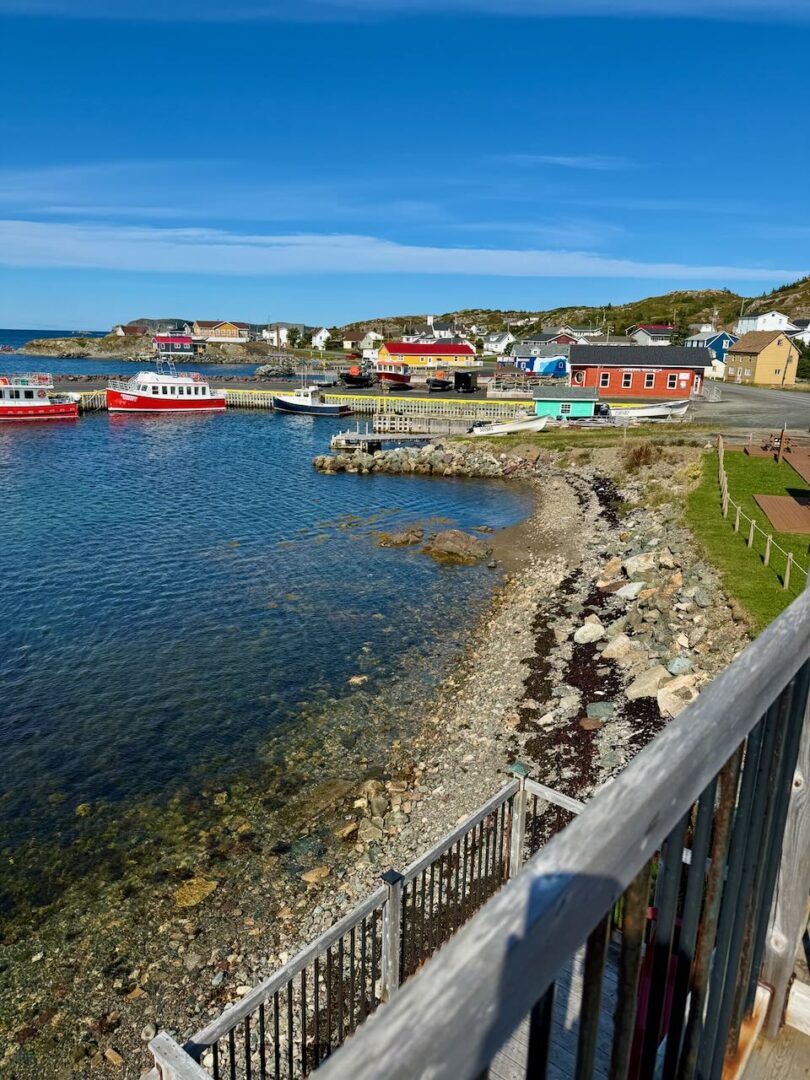
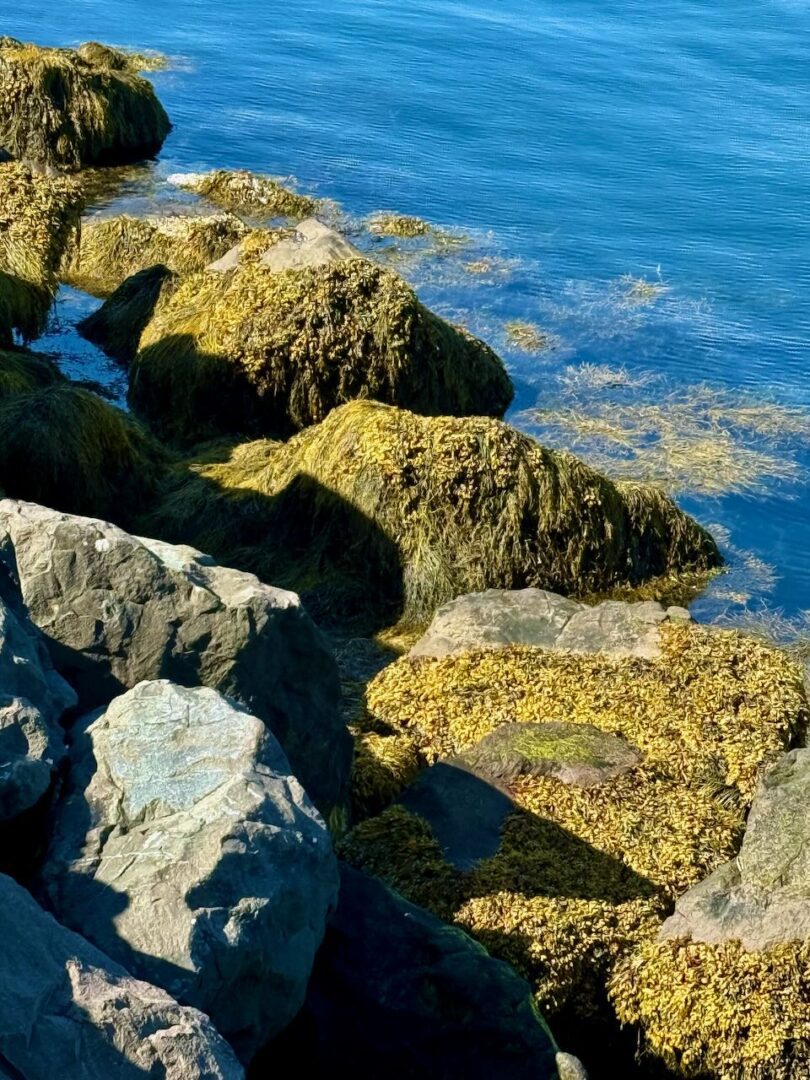
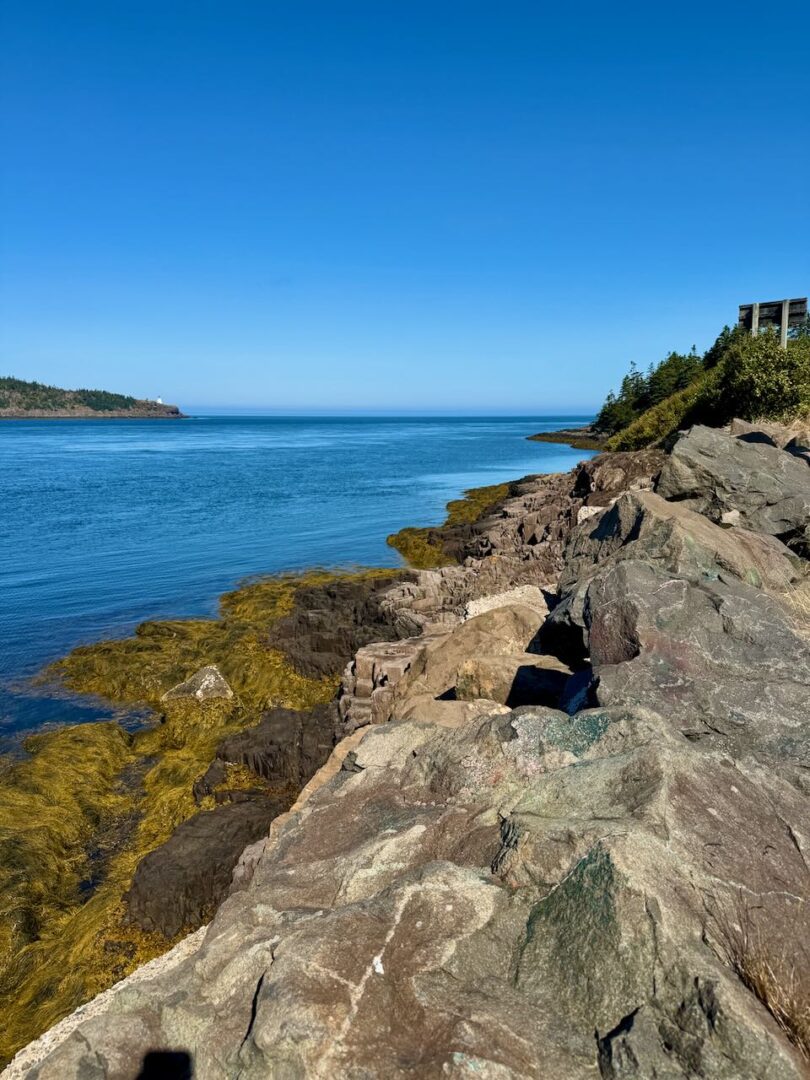
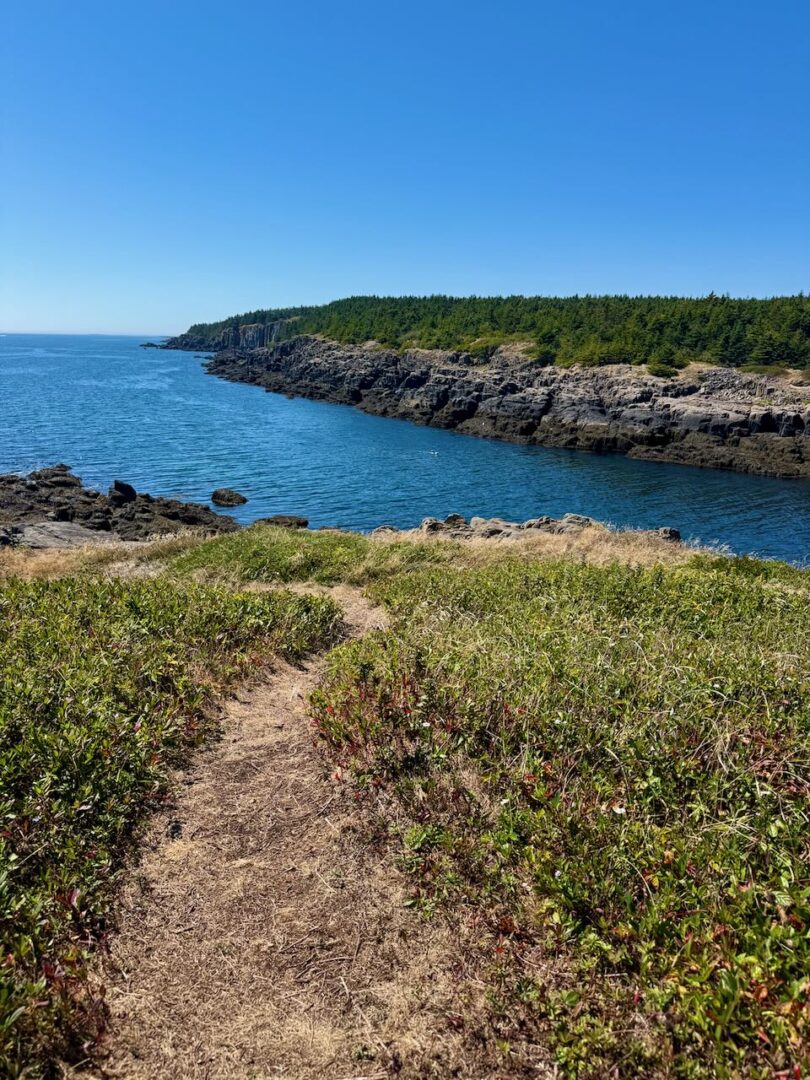
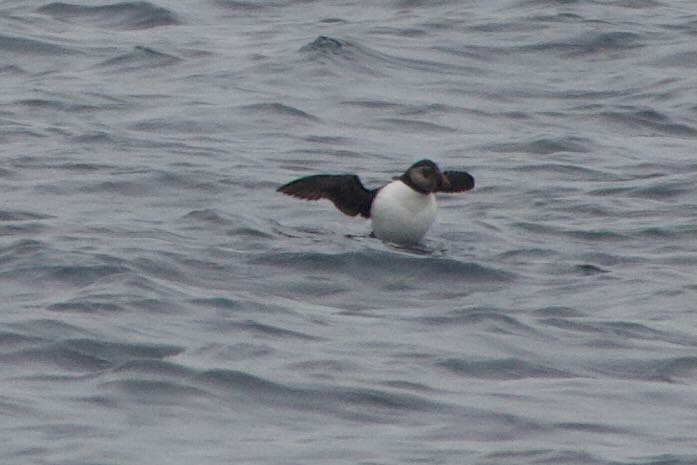
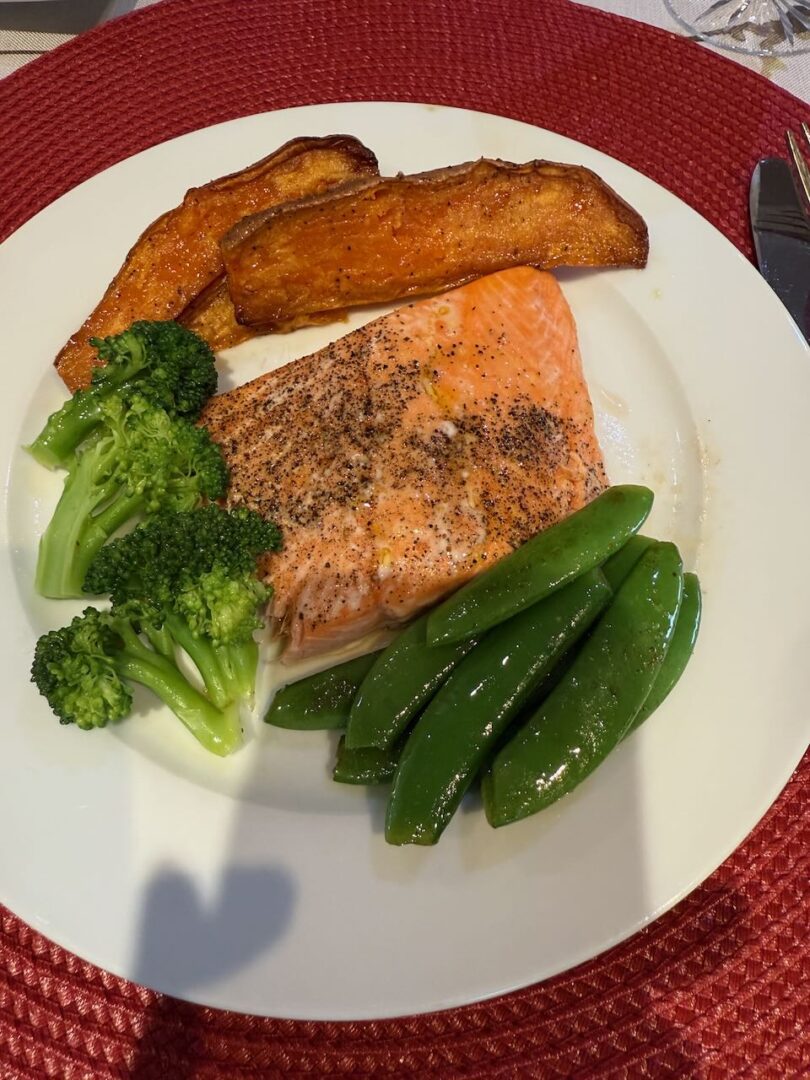
Trinity was lovely and picturesque, we loved grabbing a tea from the lodge and wandering the roads first thing in the morning before breakfast. We even did a bit of birding and had great views of Red Crossbills next to our Guesthouse.
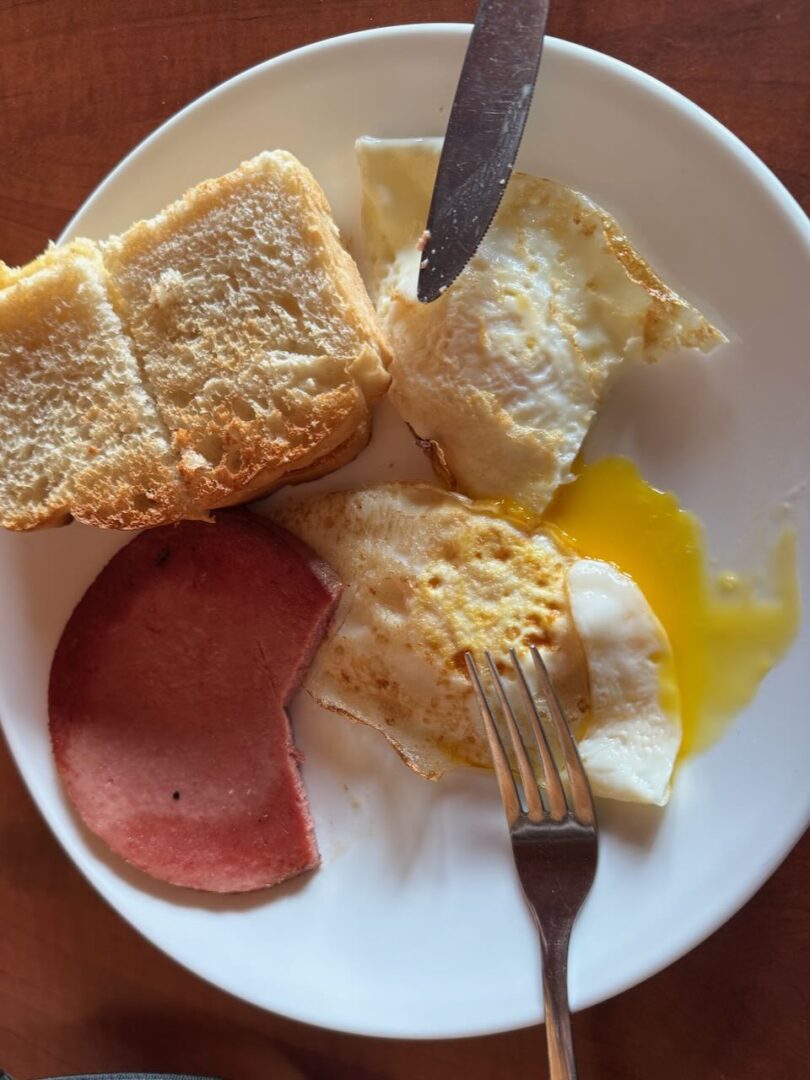
Red CrossbillTrinity Eco LodgeMuseumWe stayed in the Gannet room in the Bird HouseThey were shorter back then…Newfoundland breakfast – fried bologna, eggs, fresh sourdoughTrinity
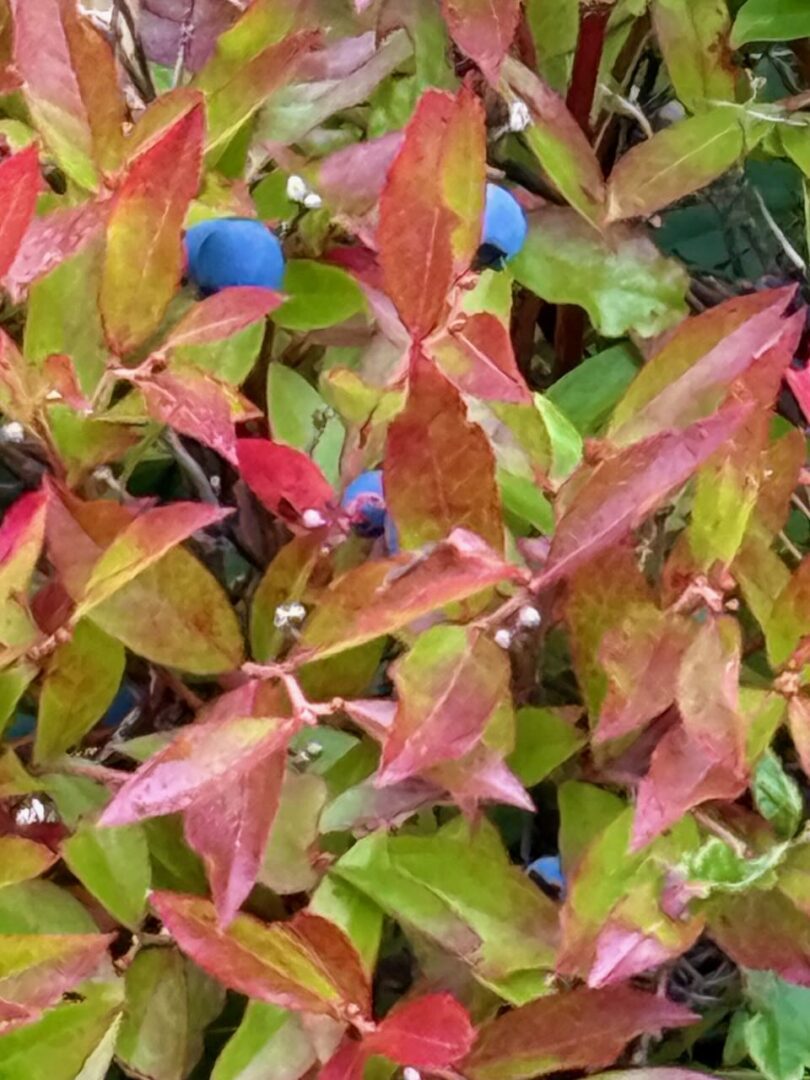
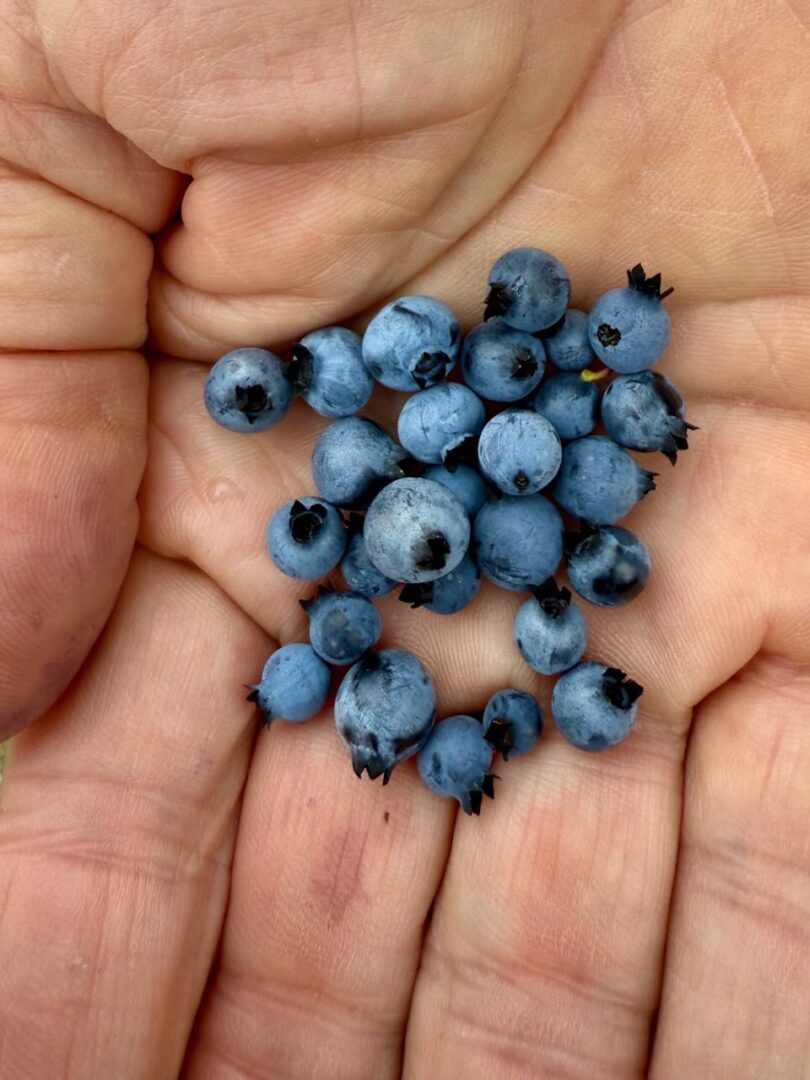
We drove up to Bonavista on Monday intent on doing some sea watching. We stopped at Elliston, the Puffin area, but all the puffins had left as we expected. We will have to visit during nesting season another time. We moved on to Cape Bonavista where the winds were coming in from offshore but it was foggy and rainy. We waited it out for a bit in the car and then got out with the scope for a bit but conditions were not great. We lasted only a short time and decided to move on to a hike along the Klondike Trail. We were cold enough that we pulled out our Canada Goose jackets for the first time this trip and were comfortable walking the windy shoreline. We happen to be here at peak blueberry season and so every hike involves picking wild blueberries for snacks along the way when it is allowed…
Elliston Puffin AreaKlondike TrailKlondike Trail
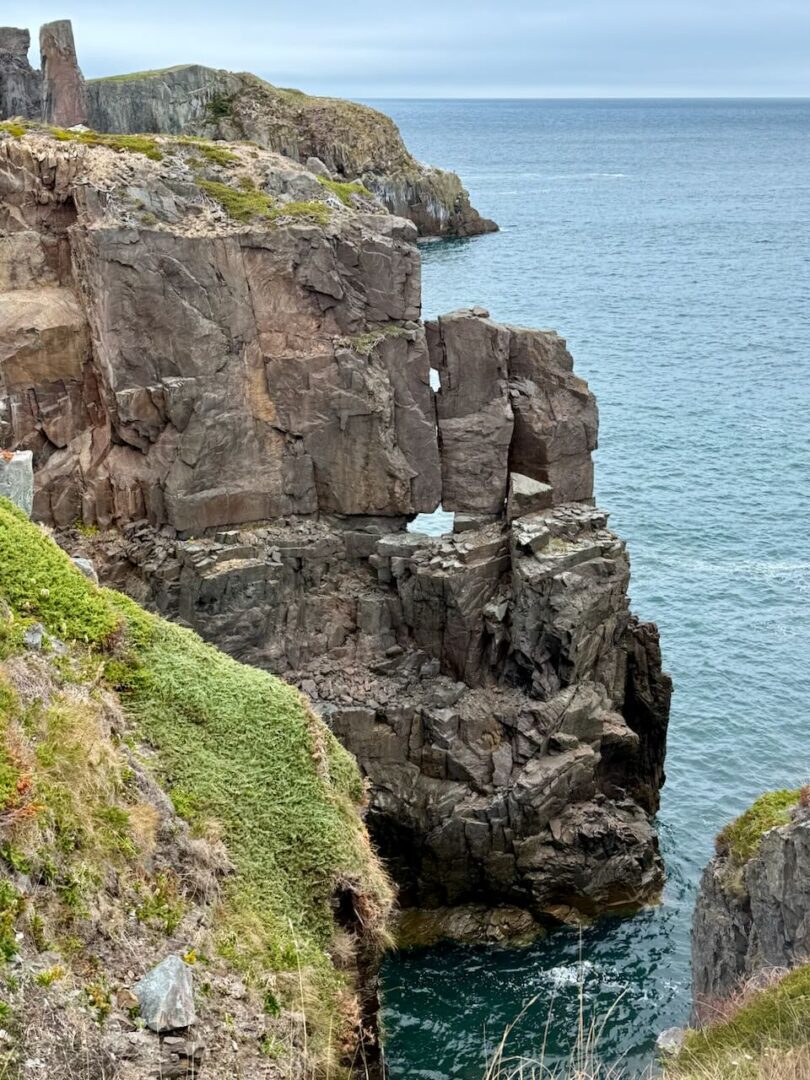
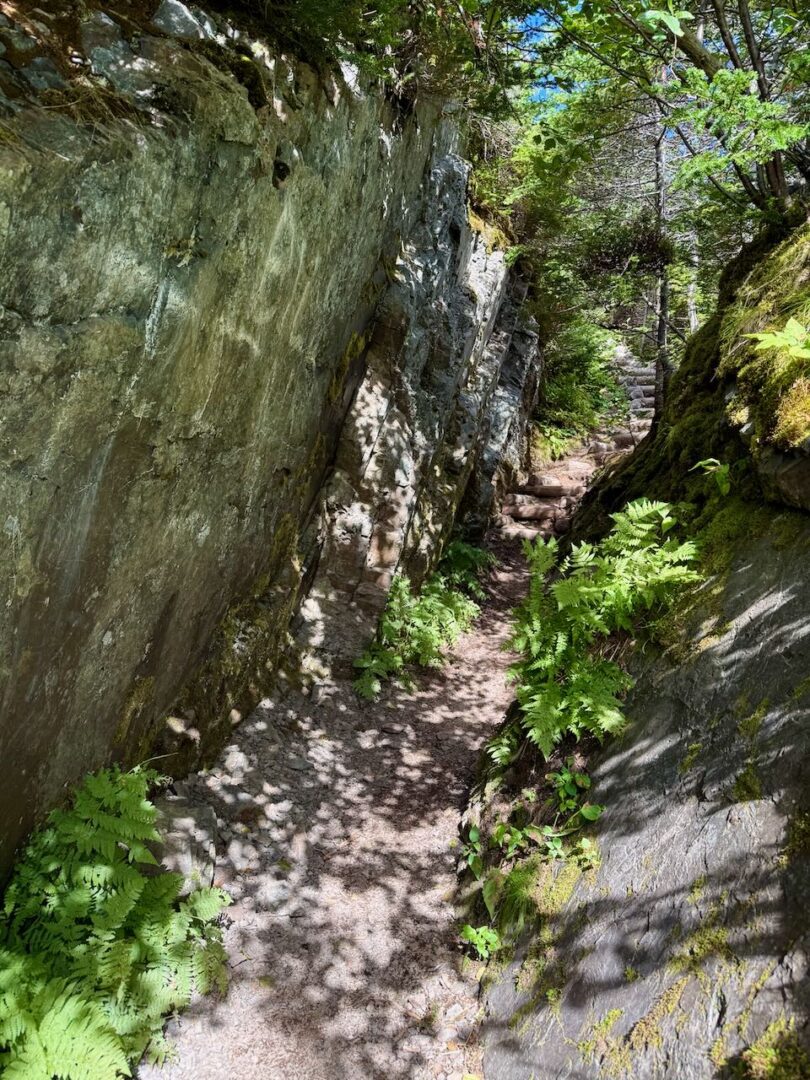
Our friends from NOTL arrived in Trinity and we spent Tuesday with them going on the Skerwink Trail, ranked one of the top 35 trails in North America. The trail is moderately difficult with stunning views. It started to rain for the last few kilometres and we ended up soaked but energized from having completed it. We ended the day having a delicious home-cooked meal courtesy of Julia and Nancy followed by a competitive game of Five Crowns. It has been nice to meet up with friends and family and spend time with them instead of it all being about birding. Jerry foraged some mushrooms, Chippewa Boletes apparently, and cooked them up for the guys to enjoy with their dinner. The wives watched and waited…but they all survived. LOL
Wednesday we headed to St. Johns but took the long route by driving down to Cape Race and covered many kilometres of road looking for a Willow Ptarmigan. The Willow will be the third and final Ptarmigan found in Canada. I didn’t go for it in the winter because we were involved with Babi stuff and our Quebec trip did not happen. I was pretty confident that we would see Willow in Newfoundland as there are many reports from the Cape Race area. Of course, once you start driving and seeing the vastness of the potential area you realize the huge task ahead. The White-tailed Ptarmigan took 5 hours at the summit of Whistlers and the Rock was found easy but required the 17km hike over 9 hours. We spent 4-5 hours driving the roads very slowly, stopping to scan and scan and nothing.
Where oh where is a Willow Ptarmigan?
We consoled ourselves by having the “best” Cod and chips we have had on the Island at Chafe’s Landing Restaurant in Petty Harbour just outside St. John’s. The fish was thick and sweet with a tasty light batter. Yum!
Thankfully, Alvan came through with some information of a Willow Ptarmigan family that seemed to be hanging around the St. Mary’s Ecological Reserve, specifically Bird Rock so we made plans to go there Thursday. We arrived at the Reserve at 8:30 and spoke with Chris at the Interpretive Center, watched a short documentary about the Northern Gannets that nest there and then headed out. Our focus was the Willow Ptarmigan but there were 9,000 Northern Gannets still on the nesting grounds! It was a Birding Spectacle! Which is the next thing I want to concentrate on after this Canada Year. We walked the trail looking for the Willow but saw nothing. Once we got to “Bird Rock” as it is known, we had to spend some time with the Gannets. I won’t add too many pictures because I will do a separate blog in January of this incredible “spectacle”.
We walked the trail back still scanning and got some snacks and my scope and headed back again along the trail. Scoped and scoped and still no Willow. We visited the Gannets again while we were out there and then sadly headed back to the car. By this time it was noon and I decided that we should give up. I knew I could most likely get one in December in Quebec and we had other things we wanted to see. The forecast was for heavy rain on Friday so we were trying to see as much as we could before that. I hate to give up but Chris had told us the birds had not been seen that morning, when they usually were seen. We got in the car, drove out of the parking lot and I looked along the side of the road and there were the Ptarmigans out on a rock quite a distance from the road but only 200 feet from the parking! Jerry thought I was talking about some American Golden Plovers which also happened to be close to the road at the same spot and was not understanding me when I said “pull over, its our bird”. When we both got out of the car he could then see the distant birds. We got the scope out and confirmed what we already knew – our Willow Ptarmigan!!! I went back to the Center to let Chris know I had seen them and to ask permission to walk in a bit to get better pics. Apparently, a couple from Quebec had just come in to tell him about the birds and while figuring it out with google translate I came back to say we had found them. Total of about 10 hrs over two days to find the third Ptarmigan species.
Willow Ptarmigan
Birding is all about timing!! We now have seen the TRIFECTA of Ptarmigans in Canada!!
After the high of finding the Ptarmigan we headed to a few places around St. Johns first to try for Leach’s Storm Petrel at Kelligrews Pond and Outflow. We found a beautiful Black-headed Gull with the red feet and bill so that was really nice to see. We had some nice close views of shorebirds but nothing out in the water. It is only seabirds left on our list to see here but rarities can be on the shore too.
Black-headed GullDunlinGreater YellowlegsSanderlingGreater Yellowlegs with dinner!Semipalmated Plover
We then headed to Burton’s Pond, 5 minutes from our hotel where a Pink-footed Goose has been spending its time for the last year. We got our Lifer Goose back in April in pouring rain with dismal looks through a scope to the back of a field. We had to stop by and see up close and personal what a Pink-footed Goose actually looks like and take some pics and video of course.
Next we headed to our hotel, the Holiday Inn, and the pond right behind the hotel has been hosting 2 Tufted Ducks so we stopped in and Jerry got some pics of the ducks as they dove around for food. We saw a Tufted Duck in Toronto waaaay back on January 5.
Tufted Duck
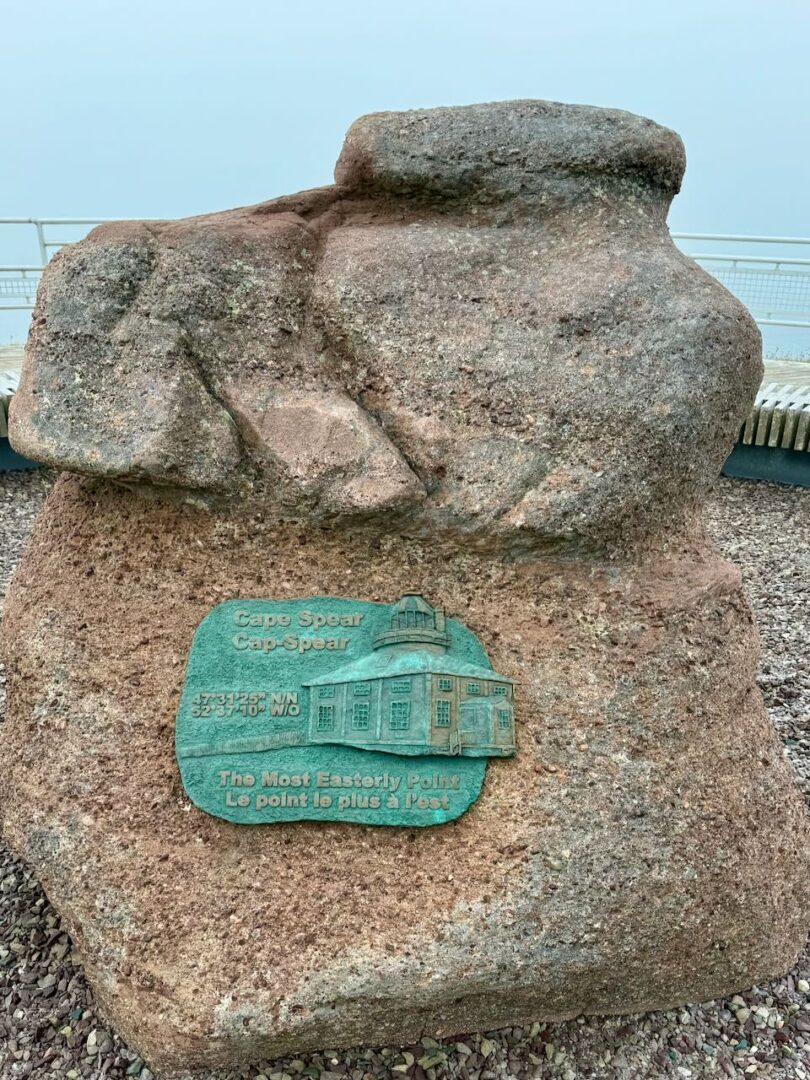
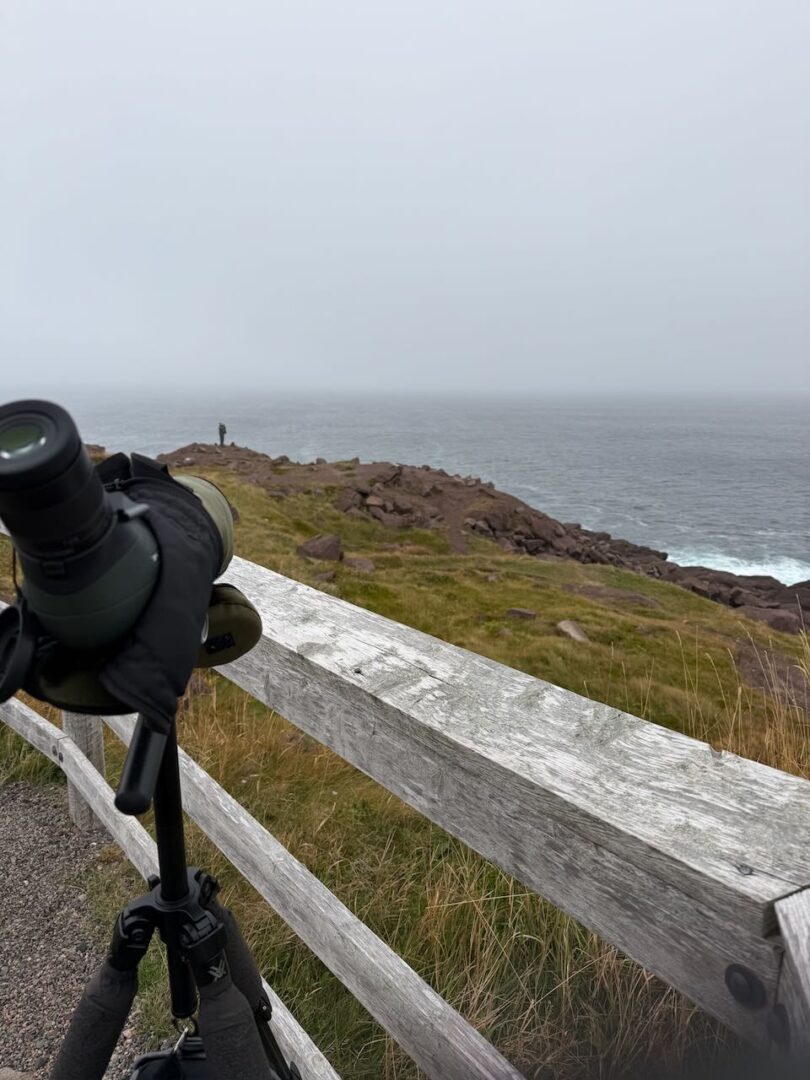
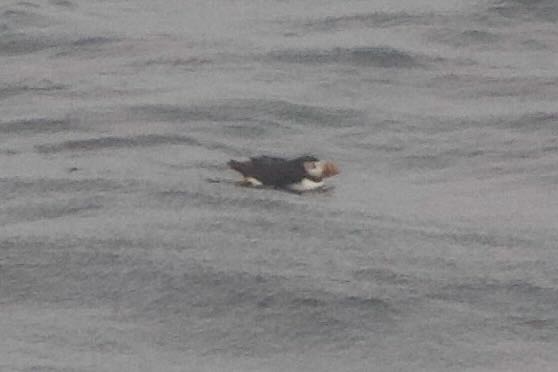
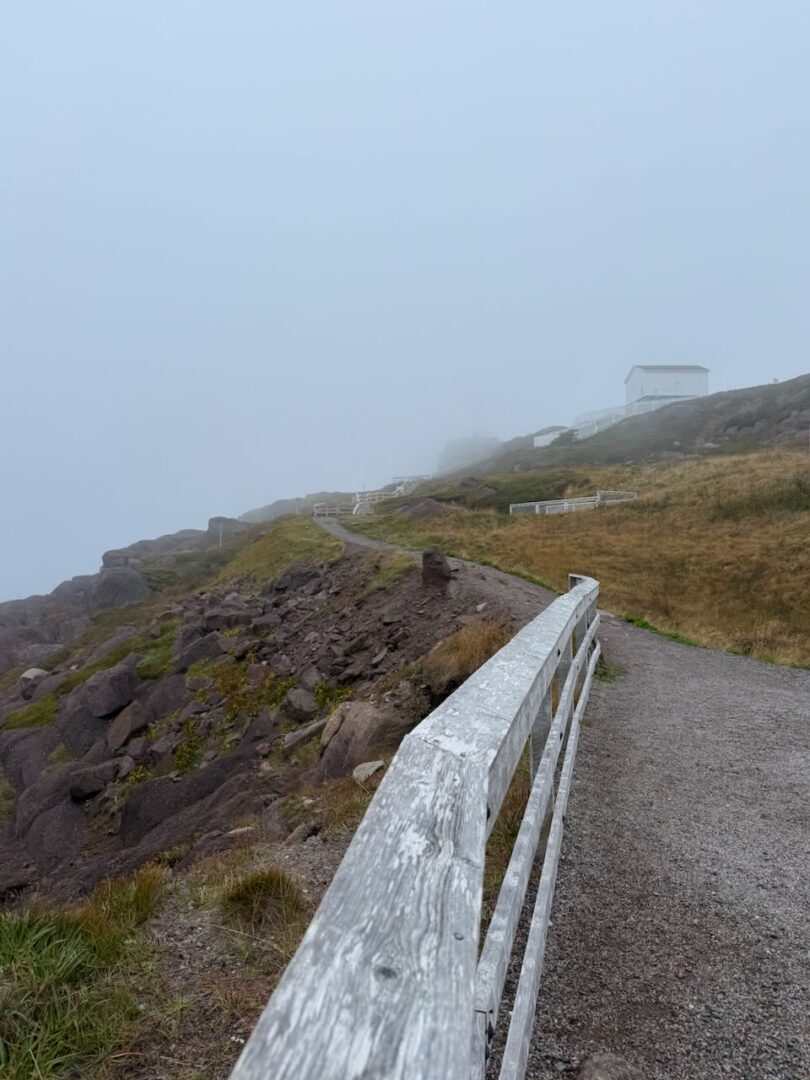
Friday the forecast was for rain most of the day but we headed to Cape Spear for a sea watch in the morning. It was clear in town but Cape Spear was in the fog. We could still see the coast line so we got out and found a spot near the point with less wind and as we stood there the fog moved out a way making it easier to see birds flying past. Just like lake watches, sea watches are usually about hours of watching and seconds of excitement. I found a Puffin on the water fairly close in with the orange on its bill still prominent.
Cape Spear – Eastern most point in CanadaSea Watch in the fogAtlantic Puffin in the fog
Shortly after as I was scoping across the water I saw 4 all dark small birds and knew it was the Leach’s Storm-petrels we were hoping for. I tried giving Jerry directions. Just above the water, 4 dark birds, long wings, smaller, moving right, a gull just flew left past them. It is not easy to help someone to find a bird when there is just water as a reference. He didn’t manage to get on them before they disappeared into the fog. We hoped others would show up. That was a lifer and while not a satisfying look, I will happily take it at this point. You will have to google Leach’s Storm-petrel to see what they look like. Northern Gannets flew past, Great Black-backed Gulls, some momentary excitement over a Common Murre and then finally Jerry got on 2 smaller dark birds with the distinct flight of Storm-petrels and he could add them too. Shortly after the fog started to come back in making it very difficult to see much, we waited a bit, but decided to pack it in.
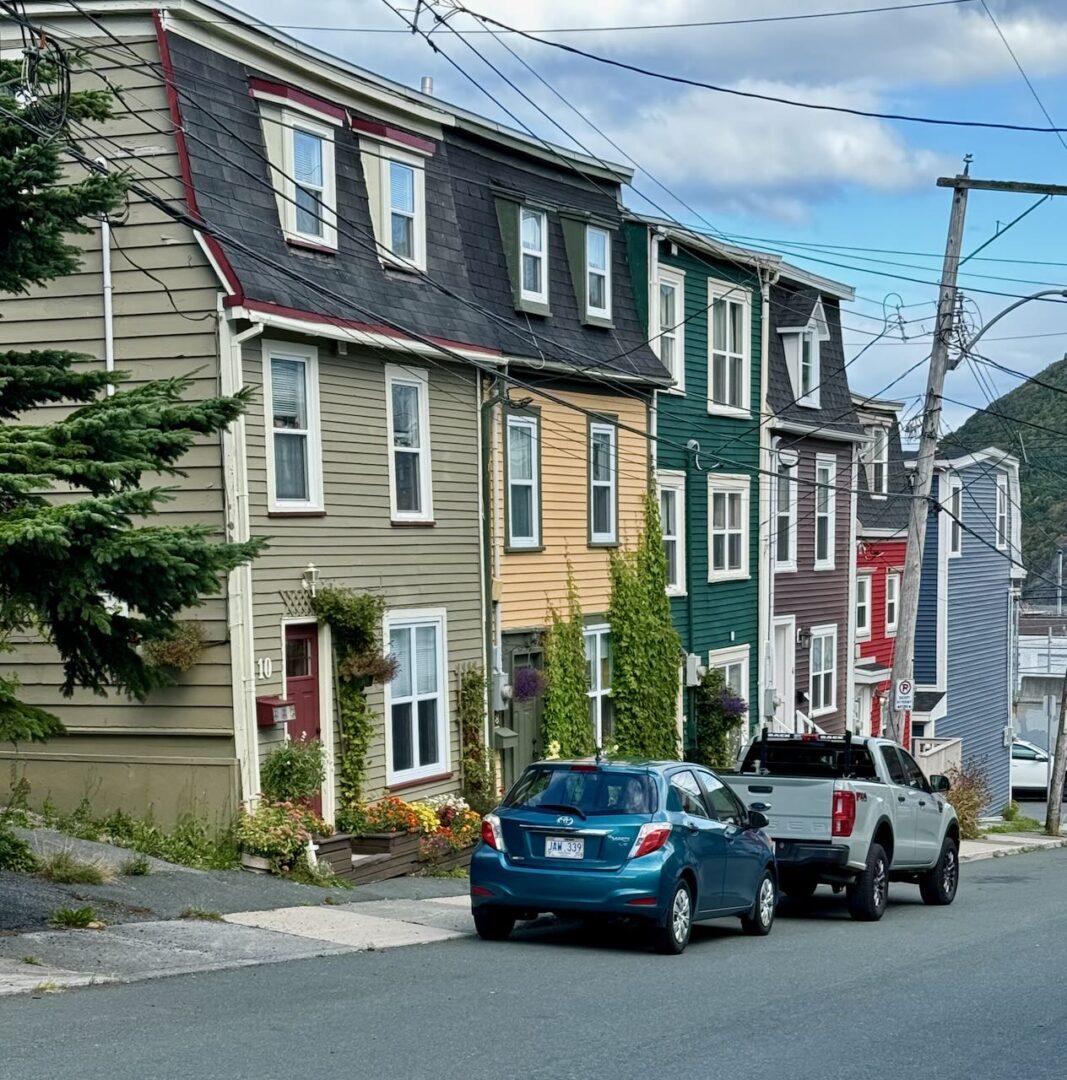
We did a bit of sightseeing around St. Johns, touring the downtown, going up to Signal Hill, Quidi Vidi and then back over to Kelligrews Pond for a bit before the rain started.
St John’s from Signal HillQuidi VidiDowntown St. John’s
Back in Victoria I took the picture of Mile 0 of the Trans Canada Highway, nice right? And I intended to do the same in Newfoundland.
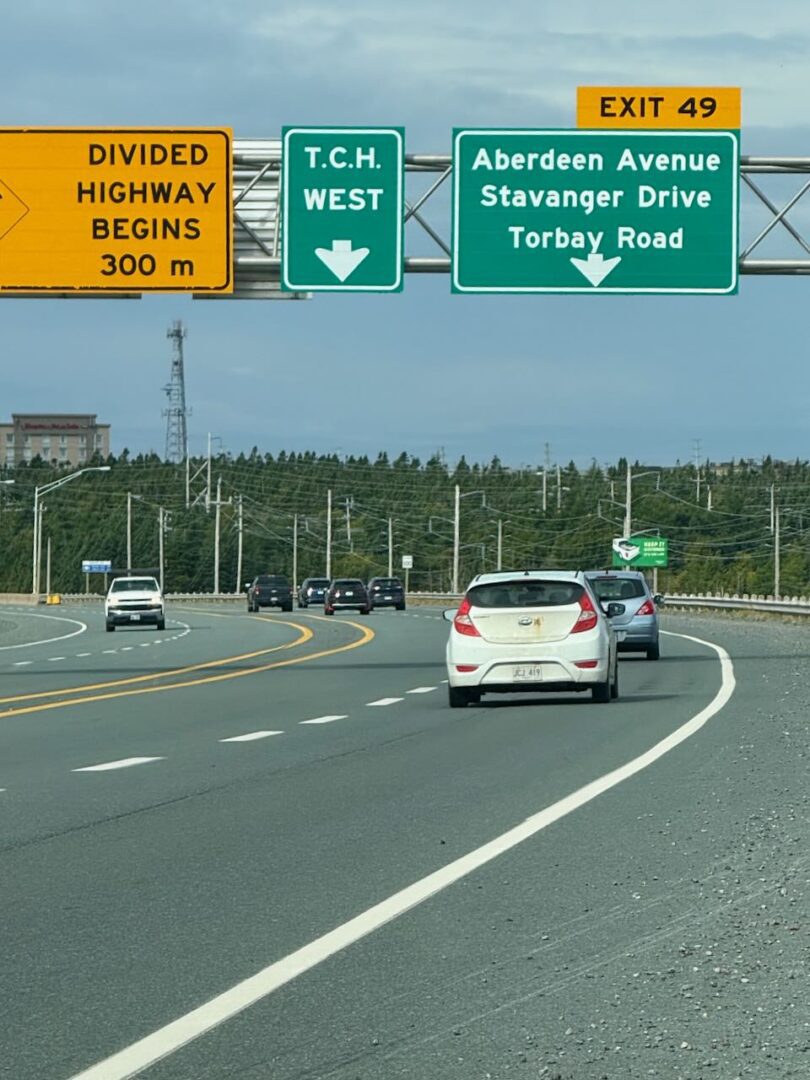
I looked it up on the map and google directed me to the end or start of the Trans Canada. This is what the start of the Trans Canada in Newfoundland looks like:
No sign, no gardens, no fanfare
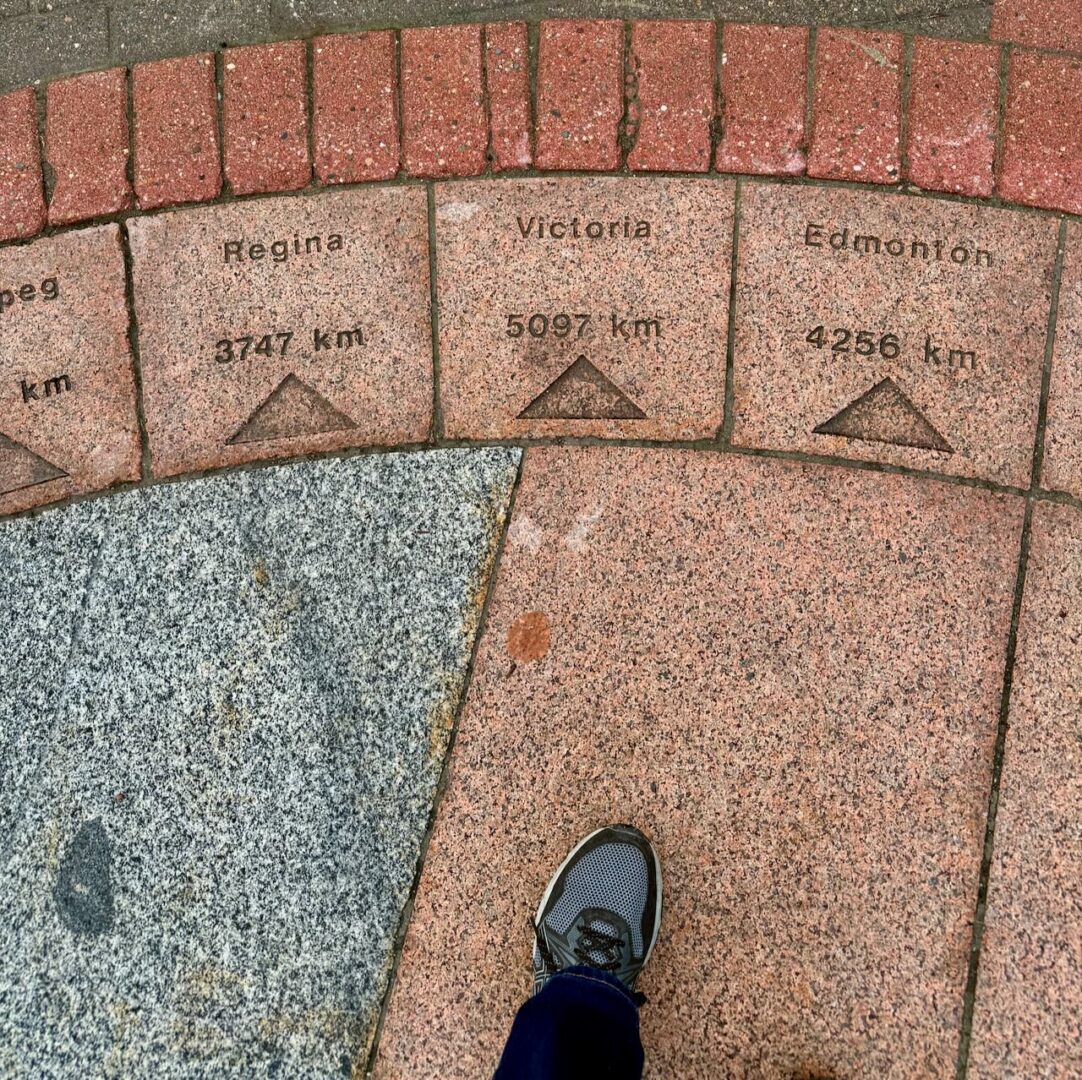
I did some research and found out that the highway used to end or start in downtown St. Johns and was then diverted outside the city. The Trans Canada is known as the road with two beginnings and no end as both “ends” are known as mile 0. What? Apparently no one wanted to be the “end” of the road. There is still a historical zero marker near the hockey centre, so Google told me. Friday we had dinner at the Gingergrass Thai and Vietnamese Restaurant. Sidenote: the food was delicious and I forgot to take pictures. After we walked downtown to find the Mile Marker. We had to ask a local parking lot attendant and finally found this:
The marker with no mention of the TCHKilometer 0?Victoria
Not really what I was looking for and the distance on the TCH between St. John’s and Victoria is about 7,821 kms soooo this will have to suffice to say that we have travelled from one end of Canada to the other, sometimes on the TCH and I have stood at both ends of Canada this year. When we got back to the hotel we made the bookings for ferries and hotels for the drive home.
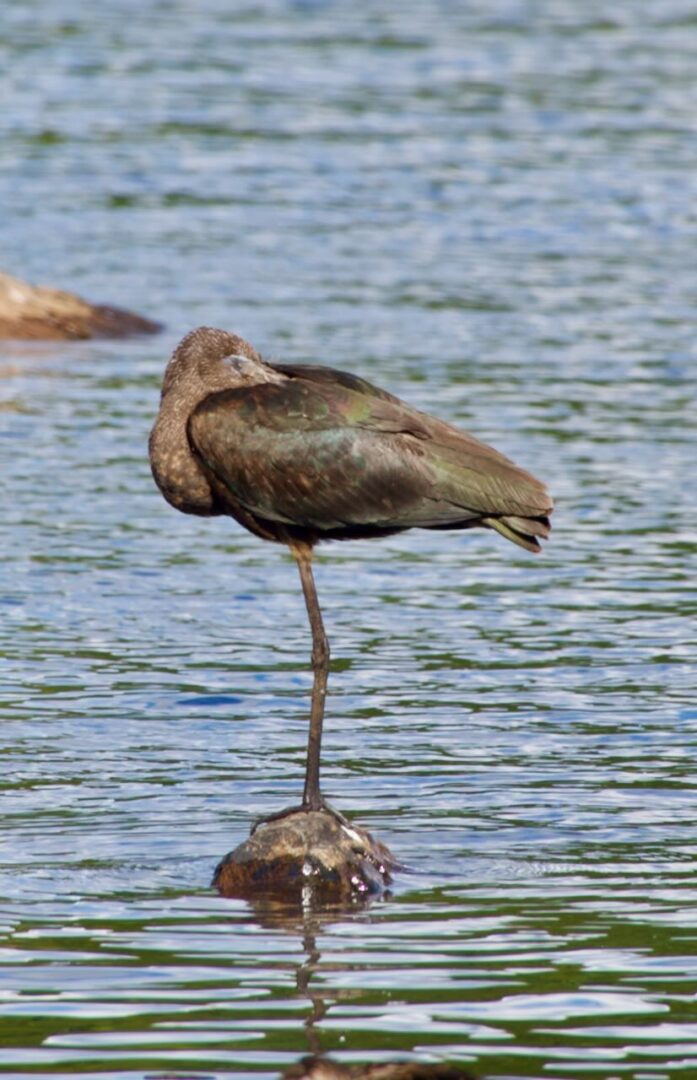
Saturday was our last day in St. John’s and we headed down to St. Michaels on the very off-chance that a Northern Fulmar was late leaving a nesting area on an island offshore. It was a lovely drive and we met a lovely local man who let us into his back yard to scope over to the island but all the Fulmars had departed. We then toured back north and stopped in Witless Bay where another offshore bird colony houses Leach’s Storm-petrels. We hiked a trail along the coast and scoped over to the island but sun and distance made it difficult. I saw some Leach’s along the cliff but Jerry could not get any pictures at that distance. We stopped for another rarity, Glossy ibis, that we already have on our list but thought Jerry might get better pictures.
Glossy Ibis
We then headed up to Cape Spear to see it in the sun and walked around the area and scoped a bit but nothing interesting turned up. What a difference between the foggy day and the sunny day.
Cape Spear in the fog and sun
We headed back into St.John’s for an early Mexican meal at Casa Amigos and toasted to the ending of our East Trip with a delicious margarita. We are both ready to go home, life on the road gets tiring.
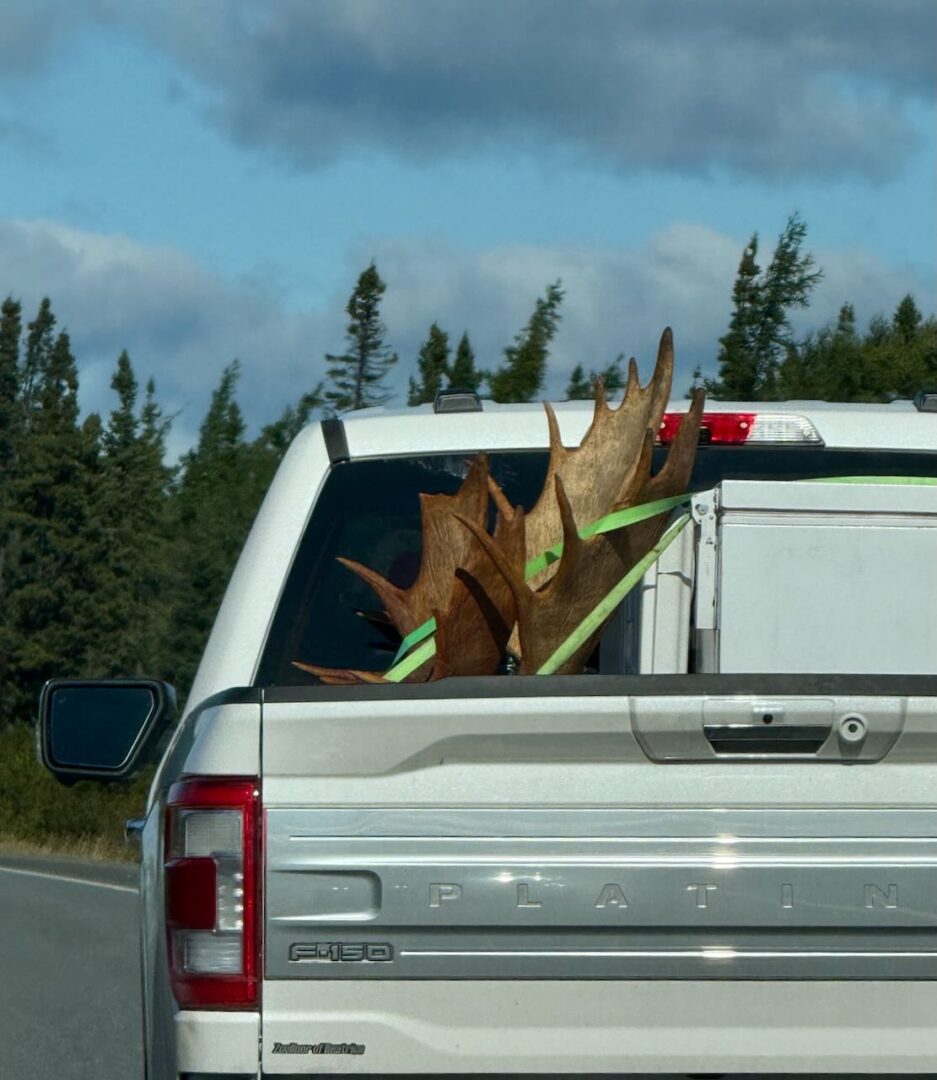
Sunday we drove the 9 hours from St. John’s back to Port aux Basques so we can take the ferry on Monday. The drive was lovely, with blue sky, little traffic and the tunes cranked in the car as we both kept an eye out for a moose. Despite there being a large population of moose we have not seen one. There are around 150,000 moose on the island and there are around 27,000 licenses given out each year to hunt. The hunt started last weekend so perhaps that is why we have not seen any. We did see one truck with the haul from what we assumed was a successful hunt. Most of the local families we spoke to depend on the moose hunt to feed their families.
Tomorrow is the 7 hour ferry back to the mainland and we hope we might see a pelagic species we need on the ferry across. There is still potential for more birds on the way home.
Week 38 2 new species added ebird #418, my list #419 E&J
Monday we started our day going through photos that we were still trying to ID and I sent one to the Discord group to confirm a Jaeger species we had seen on the whale watch. The response was quick and affirmative for Pomarine Jaeger so we added another bird without getting out of bed!
Pomarine Jaeger
We had another delicious breakfast at the East Wind Guesthouse and then did a final check for the Oystercatchers but they were still missing in action.
We changed our original plans to head to Halifax and Truro and instead drove to Antigonish Landing to see if we could find a Little Blue Heron that had been reported over the last week. We arrived around 1 and started down the path looking at some warblers bathing in a puddle and the Heron flew in behind. We had great looks and took many pictures and video of the Little Blue Heron catching fish. Because this is a juvenile Heron it is not blue but white instead. I’ve included a picture of what the adults look like – a spectacular shade of purple/blue.
Little Blue HeronLittle Blue Heron Adult (previous picture from US)
With nothing pressing to chase or rush to we took the time to walk the Antigonish Wildlife Area and enjoyed just looking for and recording the birds along the trail. We then headed to Sydney and made some calls to move up our ferry to Newfoundland to Tuesday from Wednesday and changed some hotel dates too.
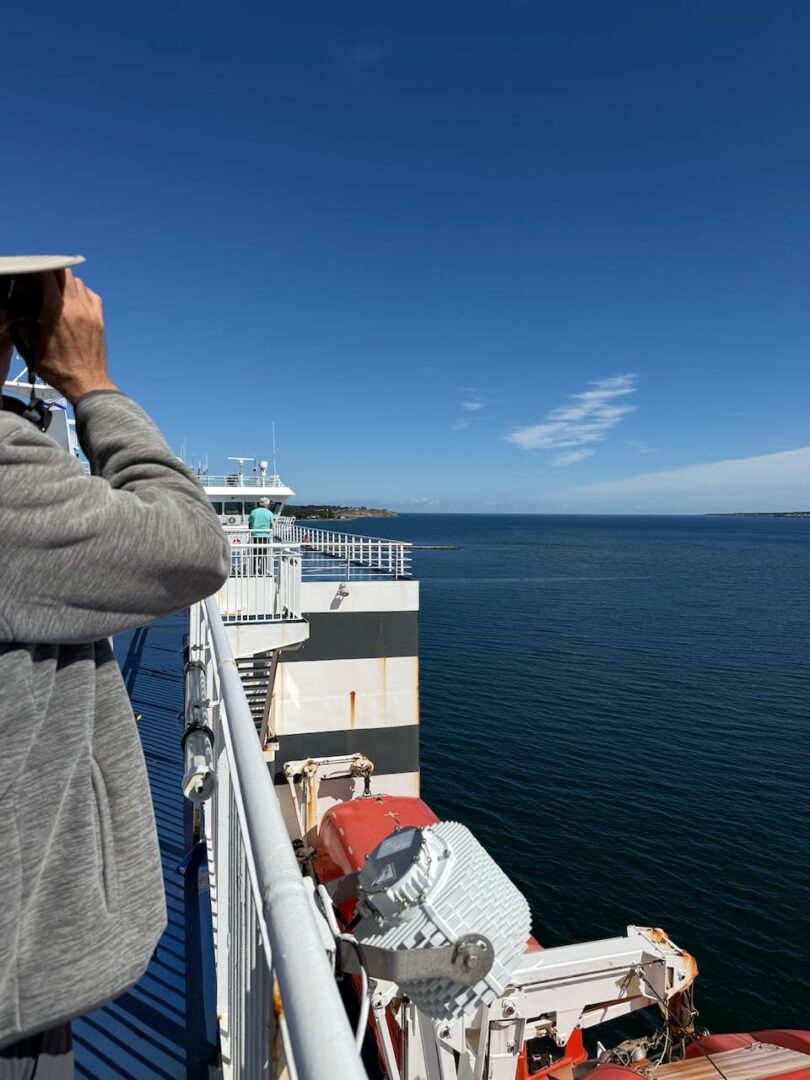
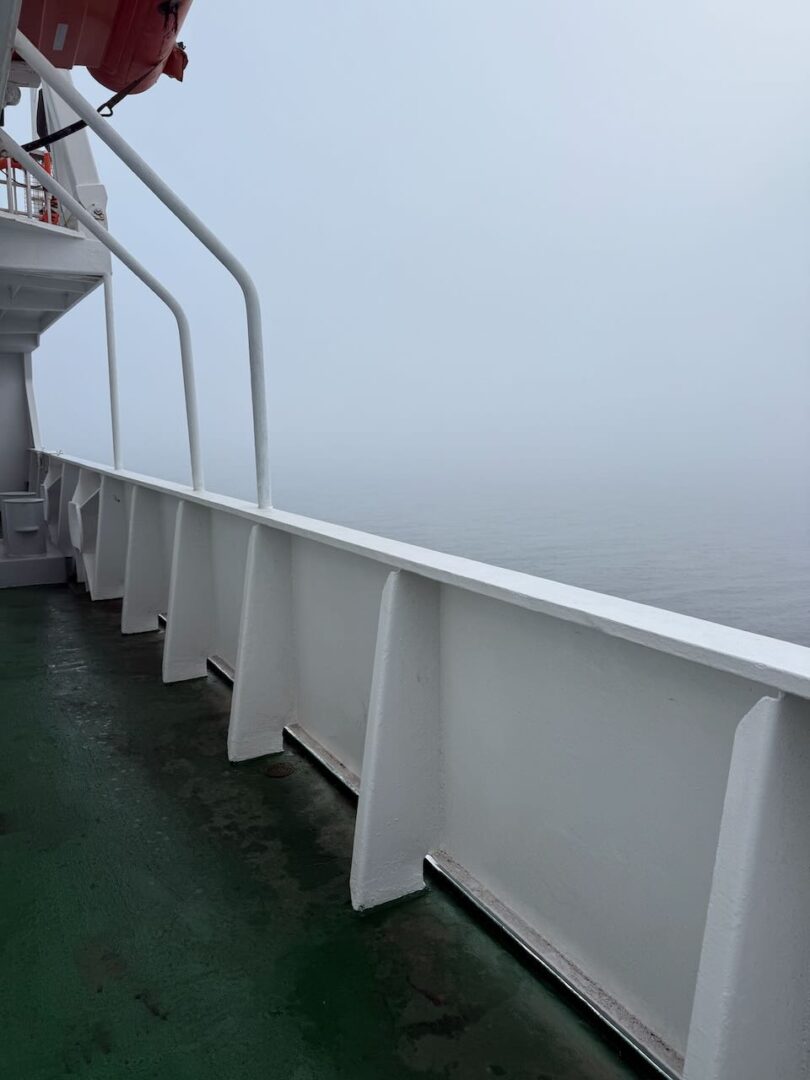
The ferry ride from Sydney to Port-Aux-Basques was 7 hours and we spent about 5 of them scanning the Gulf of St.Lawrence for possible pelagic birds. It was a bit windy but pretty comfortable when the sun was out but by the end of the trip I was chilled from standing so long.
Ferry to NewfoundlandScanning and scanning
We saw lots of Gannets and a few Shearwaters but nothing new for our list. We thought we saw a Storm-petrel and in the moment were pretty sure but Jerry did not manage a picture and after discussing it we did not add it as we would not be able to identify it to species anyway. While we were on the ferry reports came in from the area we just left in Nova Scotia of a Gull-billed Tern! Uggh! that would have been another great bird to add to our list! Perhaps it will still be there on our way back through. We stayed right at Port-aux-basques the first night so we could drive the lower coast road and check a possible spot for Rock Ptarmigan the next day.
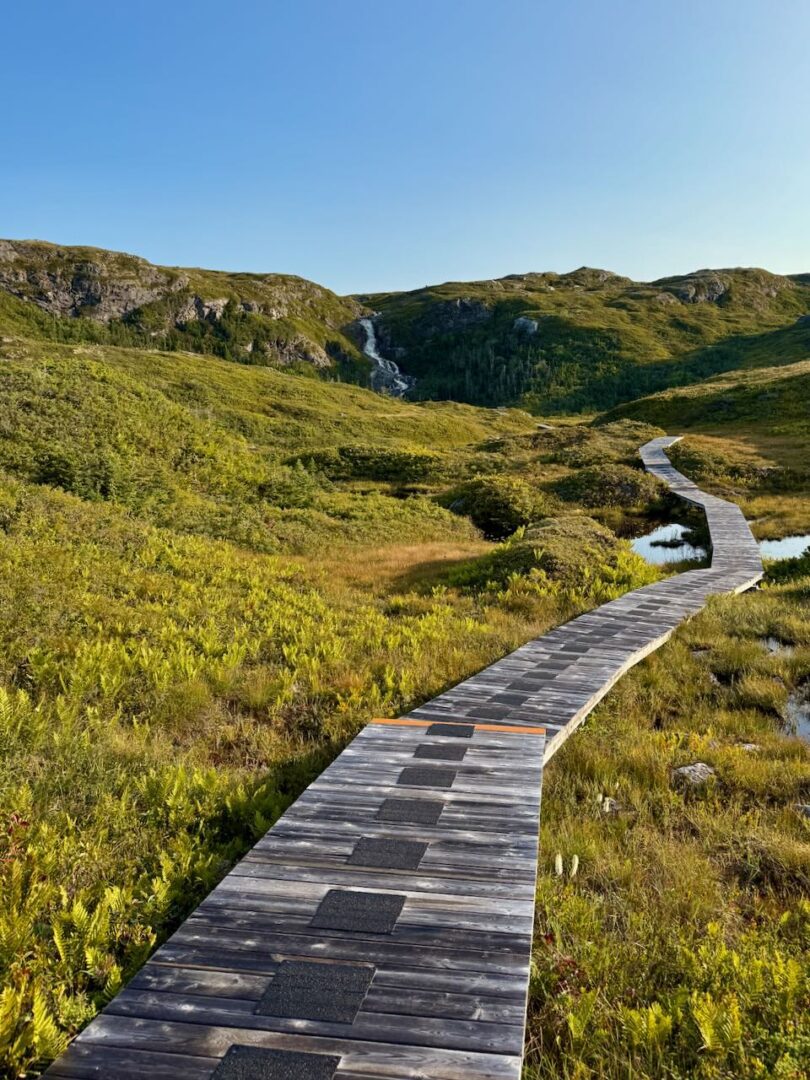
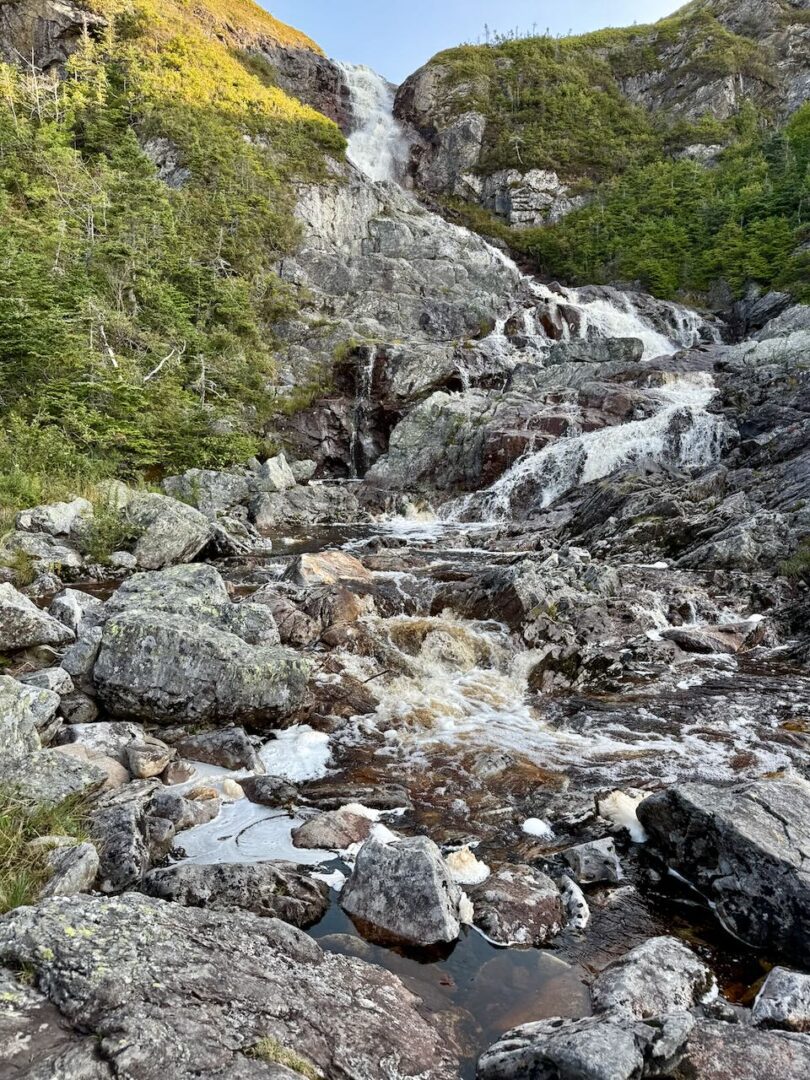
Wednesday we headed out at 7:30 and were hiking by 8 to the Barachois Falls. it was a very short hike but pretty and we took the time to scan along the grasses and tops of the surrounding hills for possible Ptarmigan.
Barachois Falls
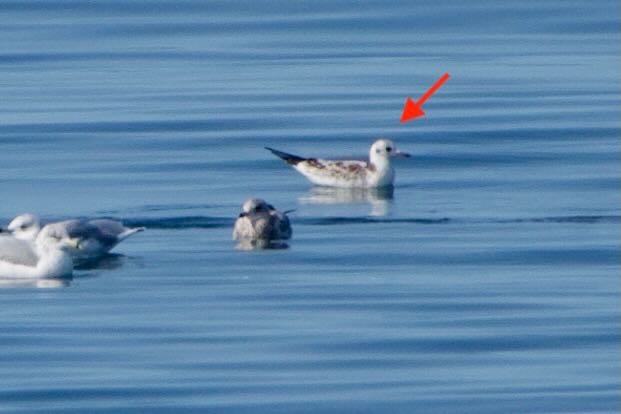
We then headed back to Port-aux-basques and on to Gros Morne with a stop along the way in Stephenville to see if a Black-headed Gull might be hanging around. We pulled up to the ebird spot and got the scope on some gulls milling around on the water and I had two smaller gulls that looked like they could be Black-headed Gulls. Another birder was parked further up so I wandered up and confirmed with her that they were indeed the ones we wanted. Jerry took some pictures and we scoped the other birds around and then continued to Gros Morne.
Black-headed Gull
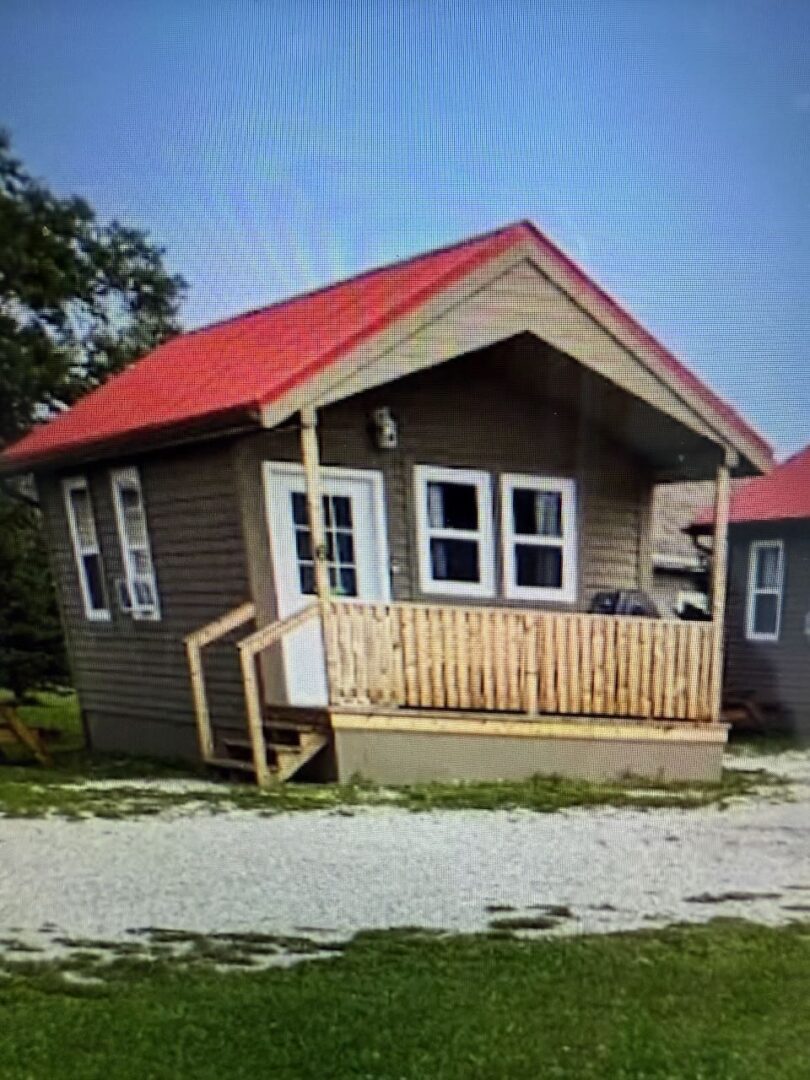
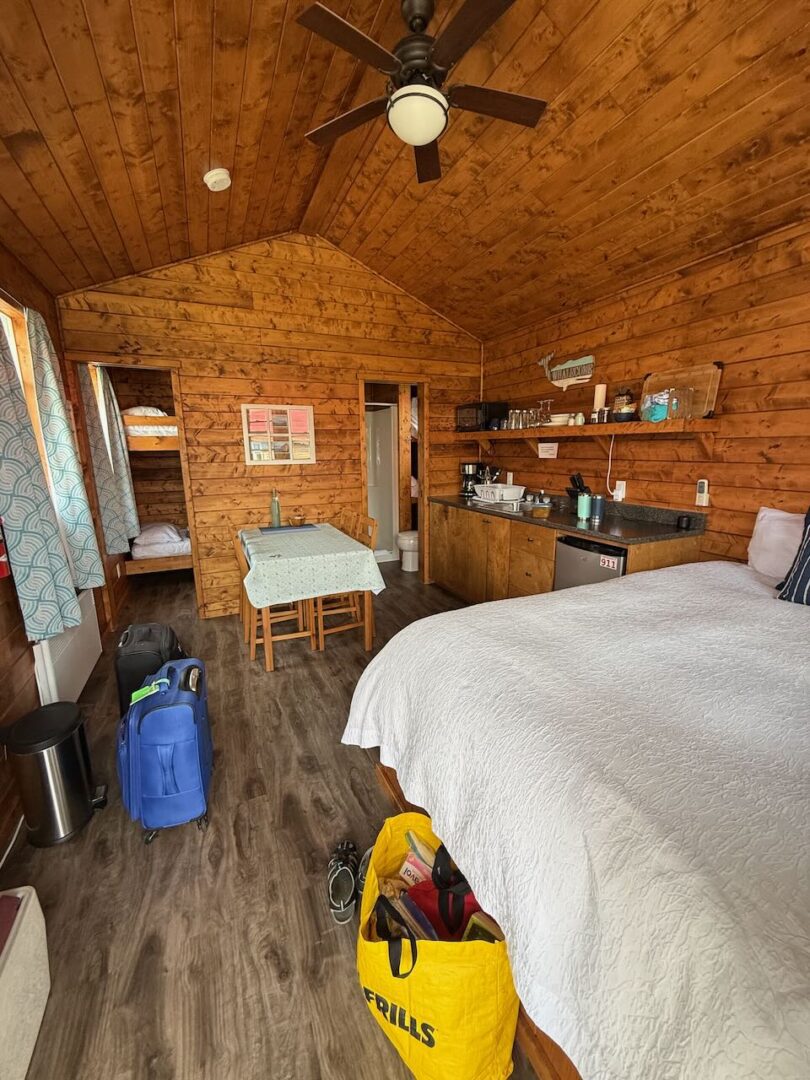
We stayed at the Gros Morne Tiny Chalets and were very pleased with the accommodations. You might have noticed a trend in my choice of havens – I love minimalism and tiny homes are the epitome of the movement. How cute is that?
Gros Morne Tiny Chalets
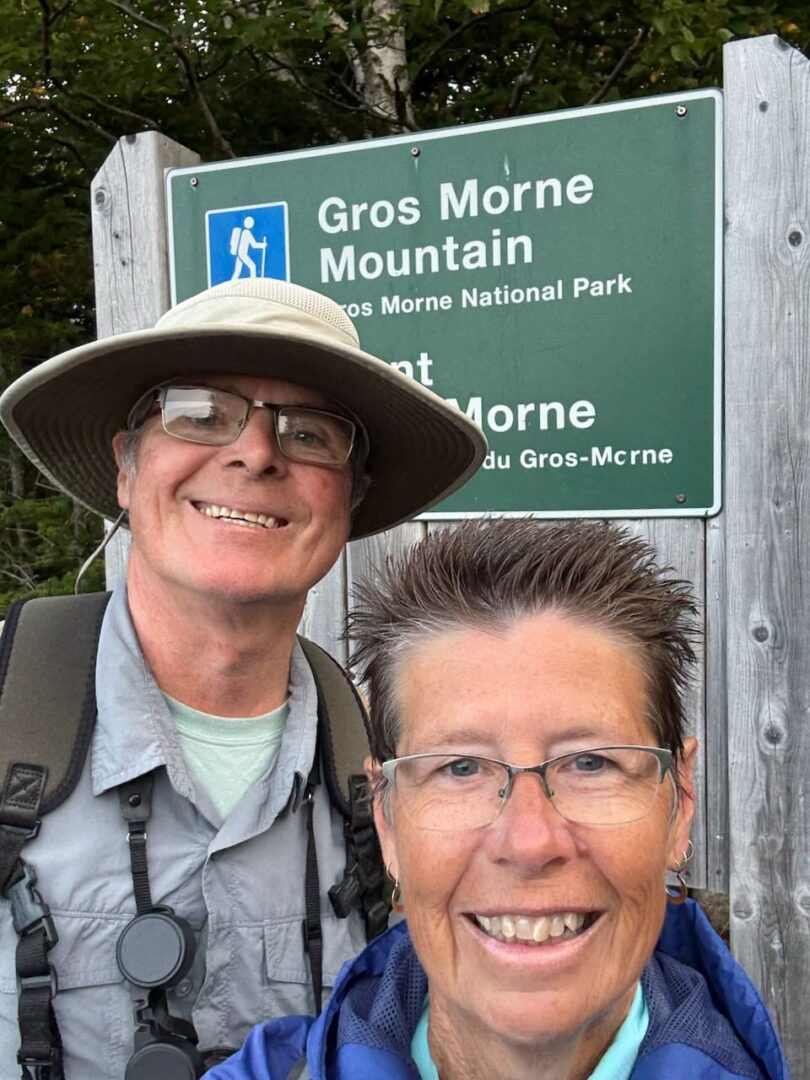
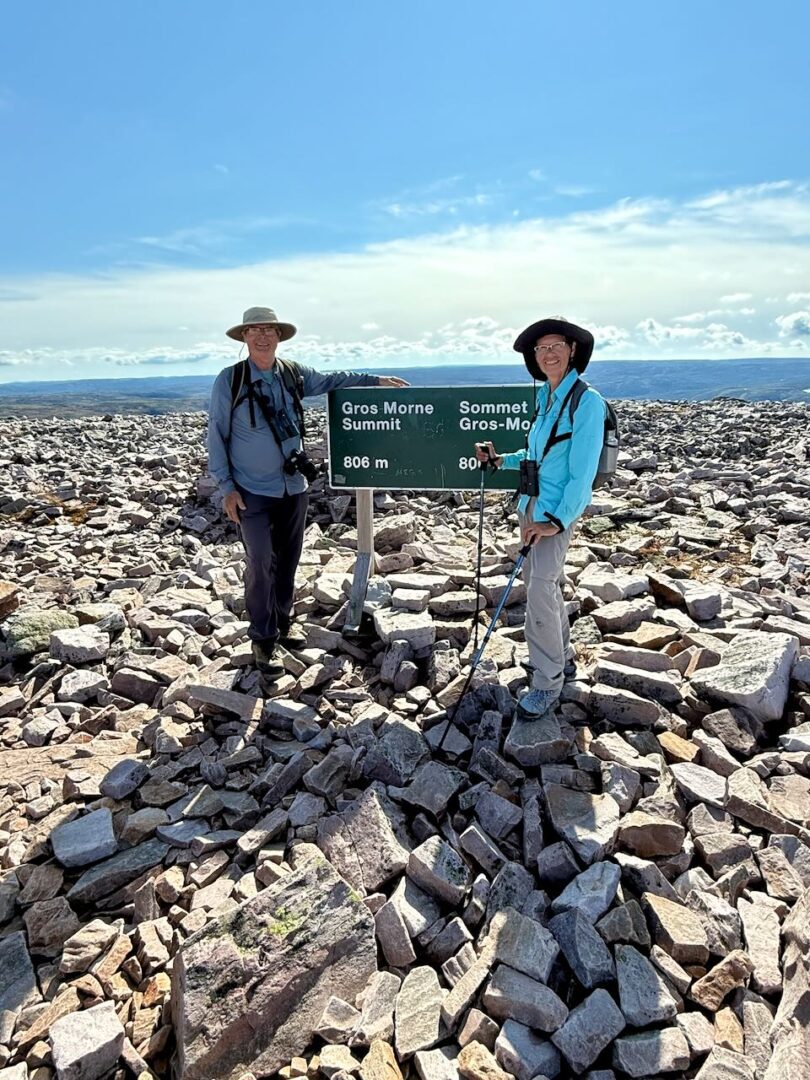
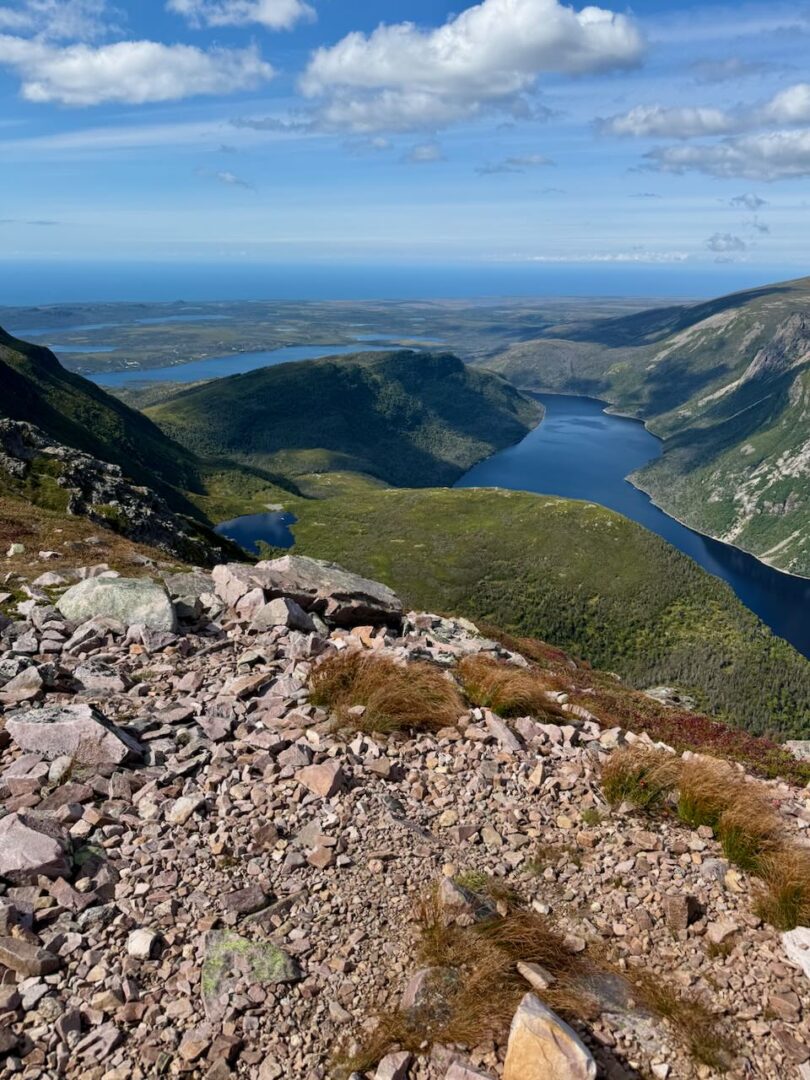
My original plan was to hike the Summit trail of Gros Morne for Rock Ptarmigan on my 67th birthday but the weather forecast was rain all day so we moved it up a day and went on Thursday. Friends from Niagara-on-the-lake were planning on doing the hike that day as well. The hike is difficult and long – 17km with the summit at 806 meters.
Gros Morne
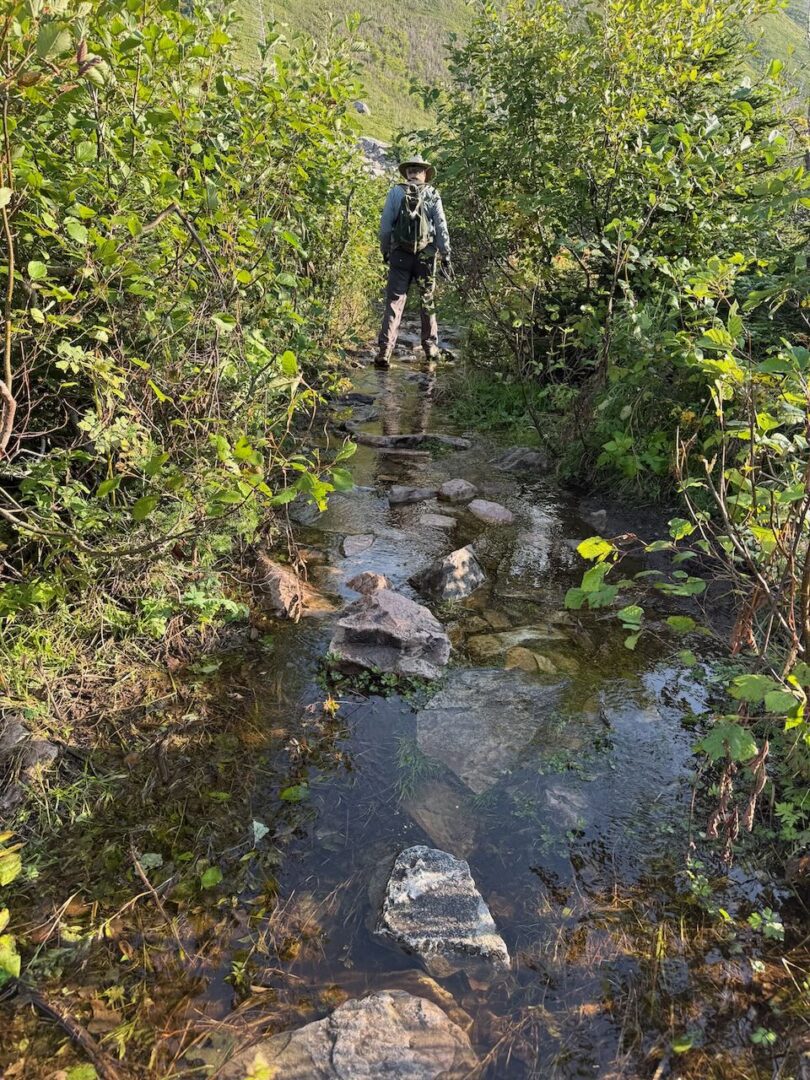
Jerry and I started at 7:13 and cruised along the first 4 kms because they are pretty easy, a wide trail, some rocks and with an elevation of 300m.
You then come to the “decision point”.
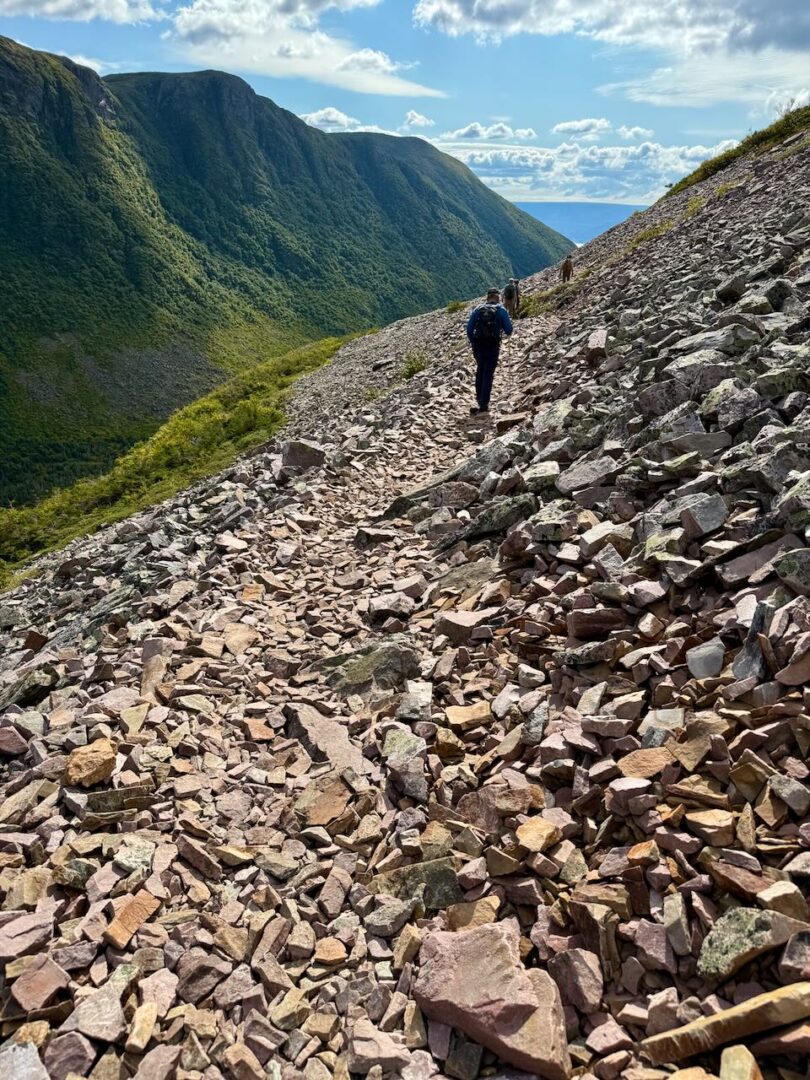
Then the climb is a scramble up large and small rocks, using your hands to negotiate the bigger, steeper areas. The top you see from below is a false summit with the real summit, hidden behind and to the left up the rock scramble.
We arrived at the summit at 11:15 – 4 hours from our start. It was tough but really not too bad. We both felt pretty good still!
The summit area is more of the broken rock but when you start to walk across the top you come to the alpine tundra where the Ptarmigan live and we started scanning.
Having spent those many hours at the top of Whistler’s in BC looking for the White-tailed Ptarmigan I was not overly optimistic that we would be able to find one quickly. But a few minutes later I saw one up on a rock a distance away. i can’t tell you how excited I was! We moved quickly to get closer and then found 4 working their way towards us and eating as they went. We had to make sure they were Rock and not Willow Ptarmigan as both can be found there. These were indeed Rock Ptarmigan!
Rock Ptarmigan
We spent the next couple of hours watching them as they moved around feeding, we had some lunch, we showed the birds to to other hikers as they went past, we took many pictures and video. This might be the only chance we have to see this bird unless we travel to Alaska or the Yukon so I wanted to enjoy “the moment”.
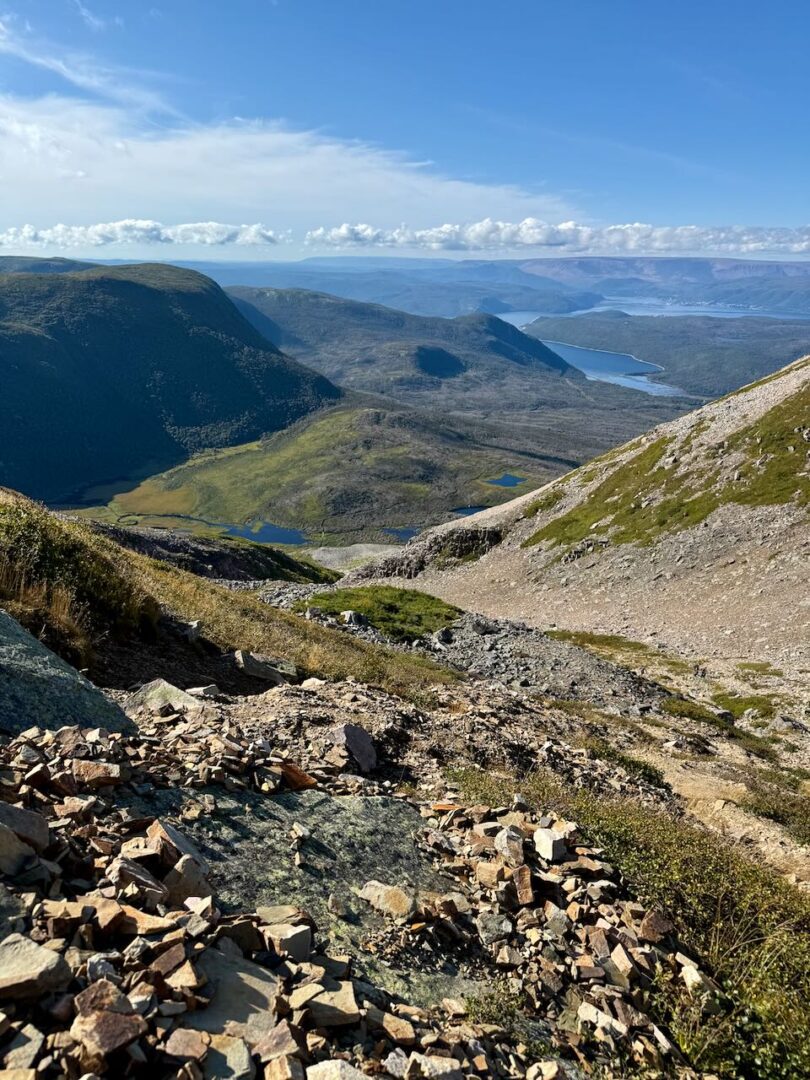
Eventually, our friends arrived having started later than we did and we started the trail back down after enjoying views of the top. The weather was perfect with just a bit of a breeze. Usually it is much windier and cold at the summit but it was a perfect temperature. The views were spectacular and pictures do not do them justice.
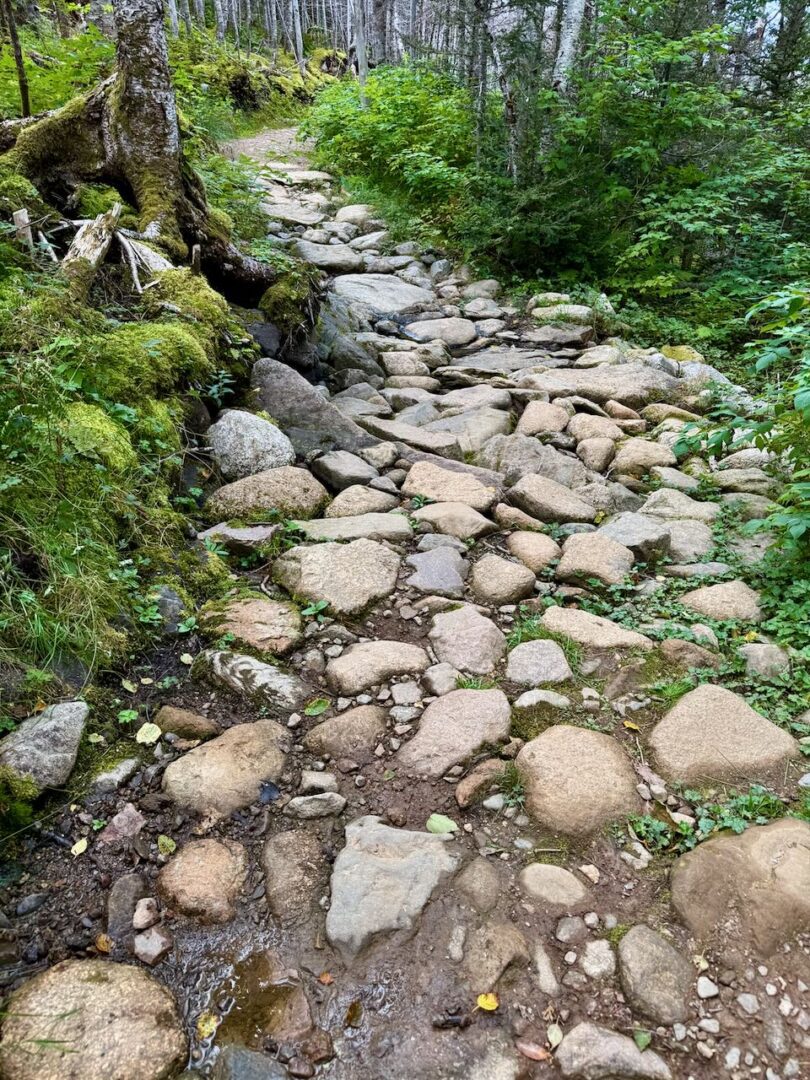
The climb down was another 6km of narrow trails filled with rocks and tree roots, mixed with some stairs, and then rock scrambles that seemed to never end. It was a tough slog. Your legs are sore, your feet are sore, the joints start aching, it is hot, your water is getting low. You think you MUST be close to the end but then you see the trail ahead where you need to end up and realize you are still not close. It is the WORST part of the hike. All you can do it keep putting one foot in front of the other.
Thankfully with a group of 6 of us there was opportunity to talk, and switch walking companions to make the hike bearable. If it had been Jerry and I on our own I am sure there would have been some sniping back and forth. When we finally reached the intersection with the original trail we still had the 4km back to the parking lot with a further descent of 300m. I have never been happier to see a picnic table! I was for sure at my physical limit by the time I got back. Some beverages were enjoyed at the end but Jerry and I totally forgot about getting a pic of both of us. LOL.
Screenshot
The rain did come on Friday and we woke up with sore legs and some bruises but actually better than I had thought. I went into town and did some laundry and then we headed to a small hamlet 1.5 hours away to see if any seabirds might be heading into the bay with the north winds. Alvan, a birder contact on the island had suggested it to us. We did not get anything new but saw a lot of birds through the afternoon. My bday dinner was “The Fisherman’s Platter” of course with a side of red wine.
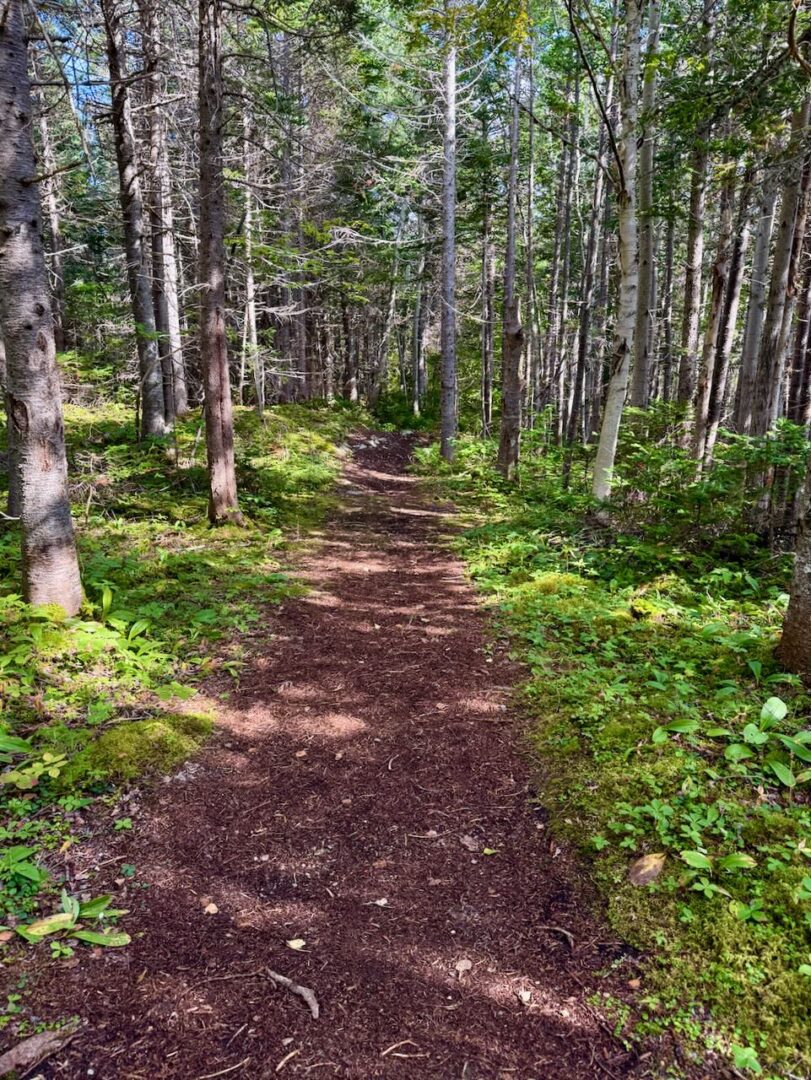
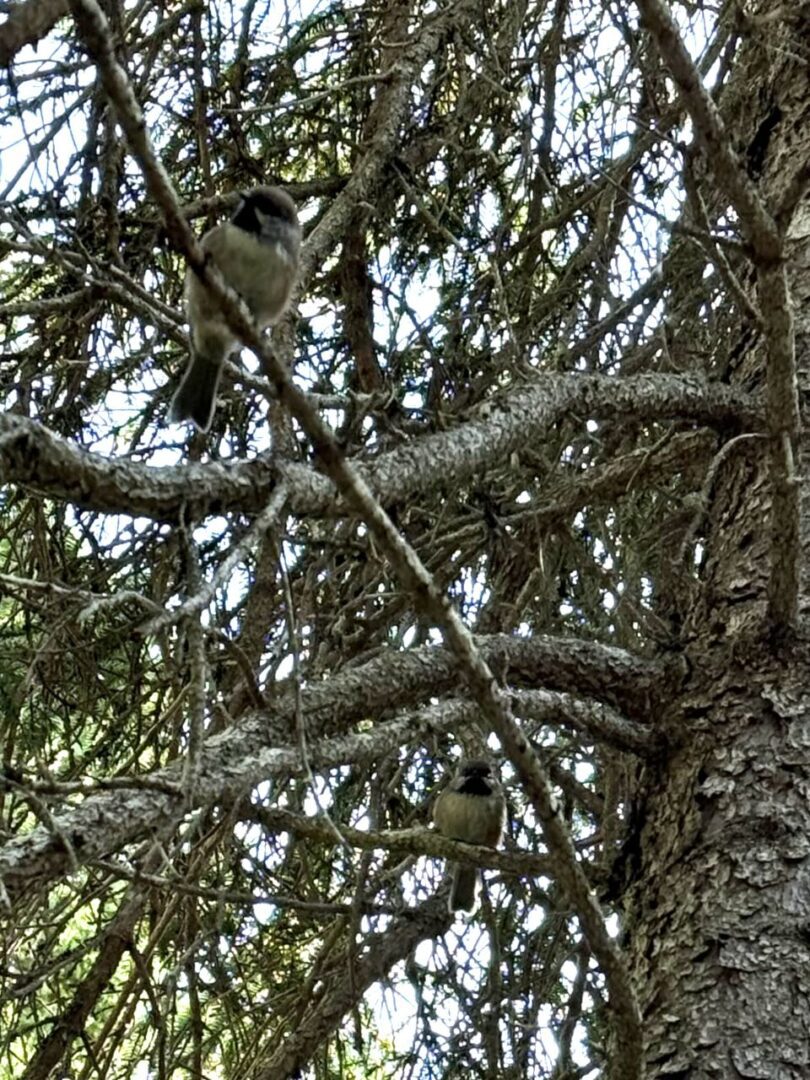
Saturday we left Gros Morne and headed to Twillingate for our “tourist” part of the trip. We stopped at Dildo Provincial Park for a welcome walk in the woods! Jerry got his best year pics of Boreal Chickadee and Gray Jay.
Dildo Run Provincial ParkFinally a walk in the woods!Boreal ChickadeeGray JayBoreal Chickadee
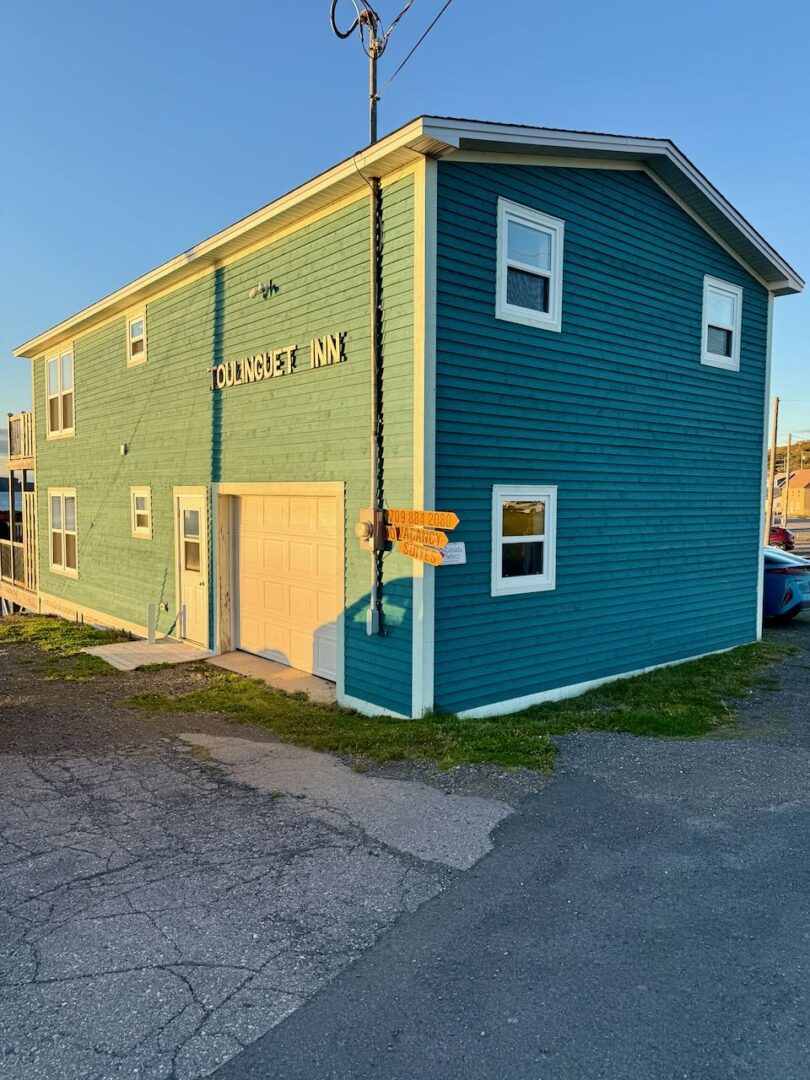
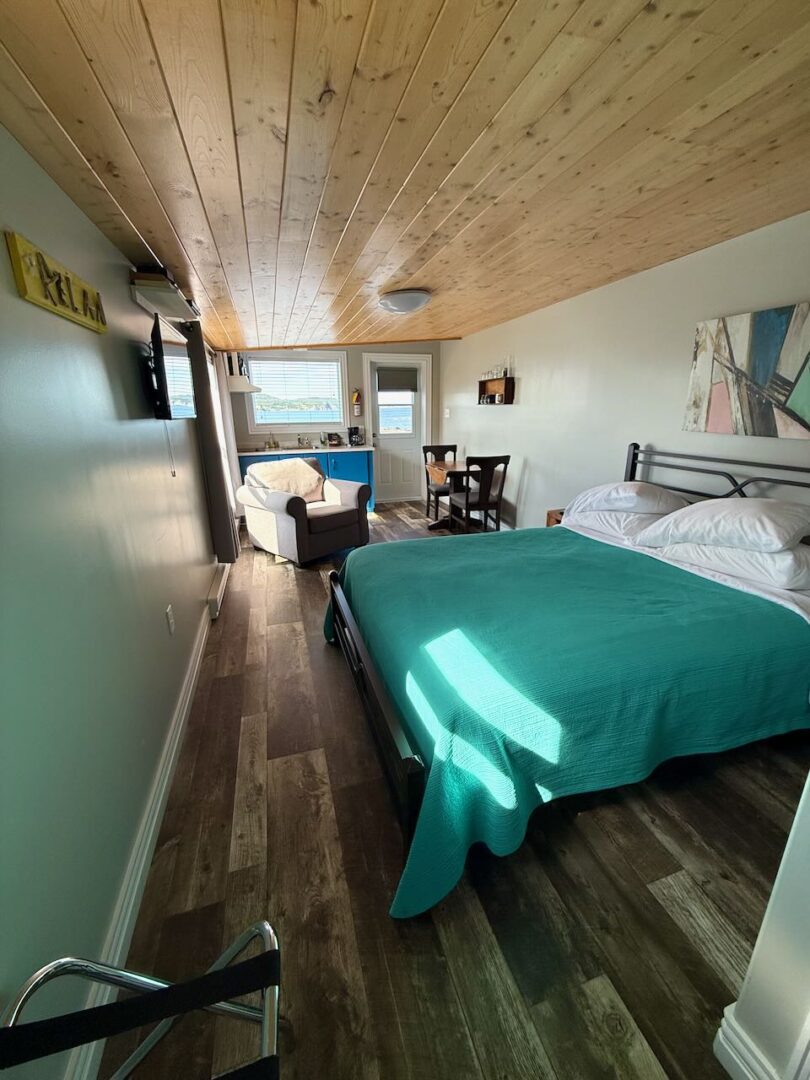
We have a hard time being tourists but I did want to see Twillingate and I rented us a room in the Toulinguet Inn right over the water to enjoy the perfect ambiance of Newfoundland. So pretty!
Sunday we headed towards the Trinity Eco Lodge but I was in contact with Robert Burgess about seeing the Steller’s Sea Eagle and we decided to do the detour and try for it at 4 in the afternoon. It would mean a 2 hour drive PAST where we needed to go but both of us were anxious about it leaving before we got a chance to see it and the next available time might have been Thursday. As it happened I checked messages as we sat down to a meal in Whiteway and Alvan was in the area and had found a Curlew Sandpiper on a secluded beach in the same area as the Sea Eagle. It required a fair bit of bushwacking and a hike in, neither that we had time for. We ate quickly and then headed to another beach area as the birds had flown and met up with Alvan. We had been conversing about birding for a few months but had never met so it was nice to have a face to face. The birds were not at the beach area so likely had returned to the unaccessible beach. We turned our attention back to the Sea Eagle.
Whiteway
We met up with Robert Burgess who has been taking birders and photographers out since late July to see the Steller’s Sea Eagle. His family settled the area in 1862 and he owns a heritage property and does walking tours of the property and area. We headed out at 4 in his small boat and at 4:08 we were looking at the STELLER”S SEA EAGLE!! The Steller’s is from Russia or north Japan and has been in North America since 2022 first spending time in Nova Scotia and Maine before making Newfoundland its home for the last two summers. It is a HUGE bird with a giant yellow beak and large feet and claws. It was a wonderful experience to be all alone in a boat with just 3 of us and the Eagle meters away. A fantastic experience! Kudos to Robert and so thankful for his expertise and knowledge of the bird’s behavior.
It was a stunning finish to the week. We had a 2.5 hour drive back to our guesthouse in Trinity but the gamble to go for the Eagle early paid off and we were more than happy to not have to worry about it leaving before we got there. We are now at #417 with the Western Warbling Vireo split and still have some birds to track down here and at home. Next on the agenda is the Willow Ptarmigan that will give us the trifecta of Ptarmigans in Canada. But first, we have a couple of days with friends in Trinity before we move to St. Johns for the final push in Newfoundland.
Monday we left at our usual 4:30 am and cruised through Toronto with little holiday traffic. We were headed into Quebec to chase three possible birds. A Common Ringed Plover had been found as well as a Ruff and a Purple Sandpiper. They were very close together but a bit past our turnoff to New Brunswick. Well worth taking the detour if they were still there. In between driving I checked emails and the Quebec Discord. The Ruff was re-found but it appeared the Plover was gone as well as the Purple Sandpiper. There was still time for the birds to show up so we continued to plan to go to the Ruff spot. We arrived just before 4:00 and made our way to the trail to the beach. We spoke to a few birders in a combination of English and hand signs for more details because I know very little French. The Ruff had been seen minutes before but had flown down the beach so we happily set off to find it. After being in the car 11.5 hours we were happy to walk. Jerry spotted the Ruff in with a few hundred Semipalmated Sandpipers and we both had good looks before it flew off down the beach. I followed it with my bins and then we headed down to where it had landed. Jerry waded in a ways to get some better pictures.
Jerry going the extra mile for a pic…Ruff
There were many other peeps (sandpipers) along the beach and close enough for nice pictures and video.
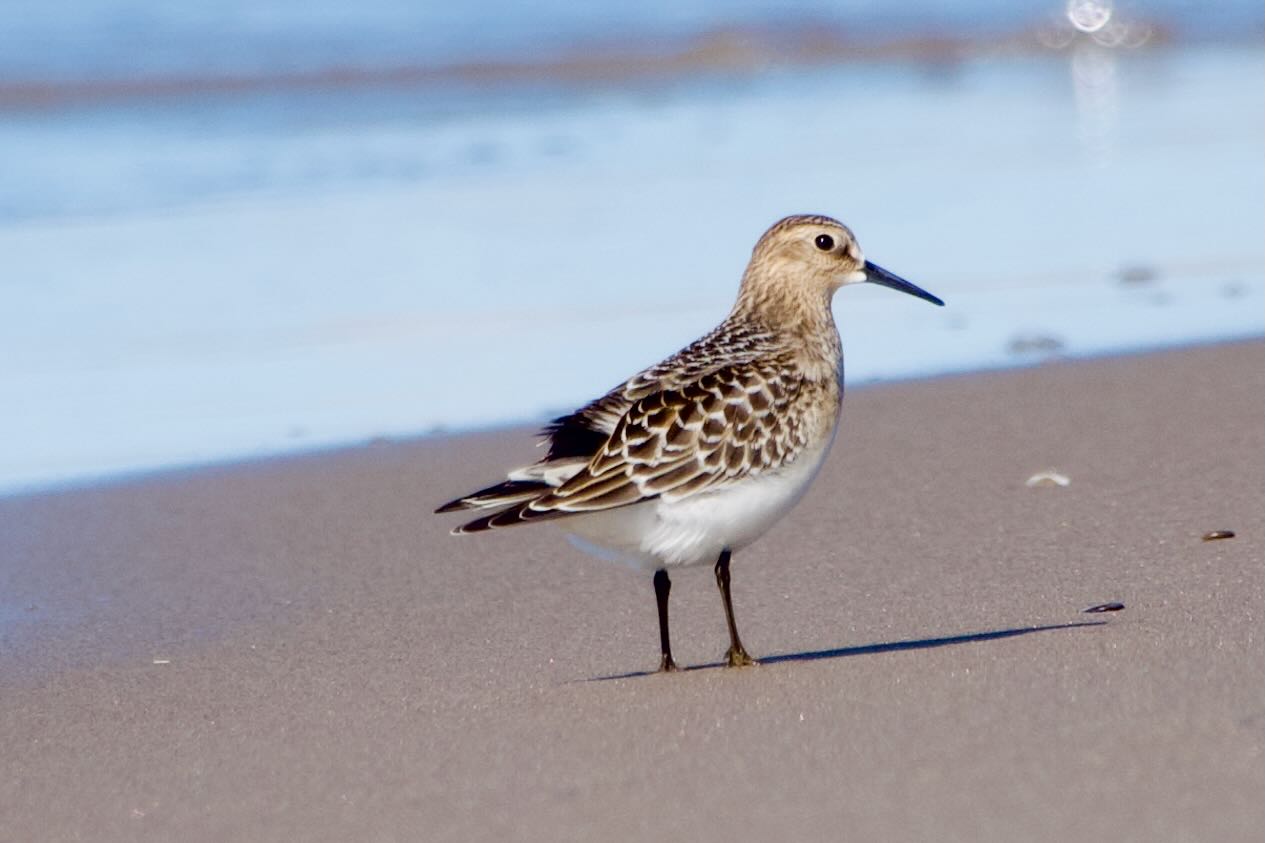
Least SandpiperSemipalmated PloverBaird’s Sandpiper
So out of 3 birds we only got one but the Ruff was a good one. We missed that species in February in BC because people did not have our contact info and we were in the parking lot where it was being seen and did not know it. Anyway, it was a good one to get a second chance at. We drove on to a hotel in Edmunston.
Tuesday we drove south to the end of New Brunswick and took the first of four ferries of the day over to Deer Island. It was not so much that the island had birds we needed but I wanted to be on the water as much as possible in the hopes of seeing some seabirds. And we quickly saw Black Guillemots just after we left the dock. The atlantic Guillemot is similar to the pacific Pigeon Guillemot – all black, red legs, and white wing patches. There were many juveniles that look different with lots of white/black/gray feathers for a mottled look. Shortly after we saw our first Great Cormorant mixed in with a group of Double-crested Cormorants. Again, small differences between the two species.
Black Guillemot
We stopped on Deer Island at a few places and went to the Lighthouse Point to do a bit of a sea watch but we were not very successful. We did get to practice identifying various gulls and terns. We then decided to take another ferry to go to the next Island – Campobello. Again hoping that something cool would cross the ferry but it was fairly quiet. We checked out a few places on the Island and then took the ferries back and drove onto Saint John. On the way along the highway I suddenly saw a hawk glide across from the other side of the road and I knew it was an American Goshawk, a beautiful adult it cruised right past the windscreen while I was trying to brake from130km/hour. Jerry did his best to try and get out of the car but the hawk disappeared below the tree line. I suggested there would be other opportunities. That made it a 3 bird day! Very good for this far into the year, but to be expected being our first time out to get Eastern specialities.
We stopped at Irving Nature Park at the end of the day for a quick look at groups of peeps. There were hundreds flying forming murmations (tight groups flying together) and then landing on the beach only to be disturbed again by people and dogs. We had little opportunity to see them up close but scoped a bit and Jerry took some pictures. We drove around the loop and as we came around a corner another Goshawk flushed from the trees to make it a two Goshawk day which is crazy!
Wednesday we headed out early to catch the ferry to Grand Manan Island. It was clear when we drove to the ferry at 6:30 am but by the time we set sail a thick fog had settled in and I resigned myself that we would not be seeing anything on the way over. The ferry trips are important at this stage as most of the birds we need are out on the water. We still stayed out on deck for some of the trip and eventually we saw a shape in the fog that turned out to be a Northern Gannet. An expected species to see and another bird for the list.
Ferry to Grand MananNorthern Gannet
I had seen reports from a Hamilton birder on the island over the last few days and so texted over to see if Barry would be up for a day of birding with us. He graciously accepted our invite and we picked him up when we arrived and set out to see about getting 3 targets. We needed Laughing Gull, Razorbill and to see and take a picture of a Nelson’s Sparrow. Barry had seen all of these in the last few days and so we had high hopes. Our first stop was at Castalia Marsh hoping that the Nelson’s Sparrows would be sitting up on grasses keeping out of the high tide but when we arrived high tide had quickly arrived and left and there were no apparent Nelson’s Sparrows. Our next stop was for the Gull and the area was still fogged in even though we had just been driving in sunshine minutes before. We thought we might have it but scope views in the fog left us a little unsure so we chose not to list it. We moved on around the island but everywhere we headed to became covered in fog. We had to laugh because it was so bizarre that we would be in the sun but then into fog. We were not upset because the company was fine, Barry had some lovely stories about his many years visiting Grand Manan, so we paid little attention to the lack of birds not being added to our list. At 5:30 we got back on the ferry and what a different ride from the morning.
Grand MananPetit Passage FerryHog Yard CoveBig Pond
We had numerous Northern Gannets flying past and hundreds of Phalaropes we assumed would be a mix of Red-necked (which we already have) and Red (which we need). Again, the differences are subtle and not obvious from a fast moving ferry at a great distance but Jerry managed pictures of some closer groups and we were sure there would be a Red Phalarope in them that we can count. We do hope to maybe see some closer on the upcoming boat trips. Suddenly, we spotted a couple of birds on the water that looked different and realized one was a Great Shearwater! Jerry took photo after photo as I had it clearly in my bins for great looks.
Great Shearwater
The other bird we were not sure about, was a gull and we knew it looked different. We would have to ID it from the pictures later. A bit further along we saw a large group of birds on the water near the front of the ferry. We could not get closer as there is only one area to watch from so Jerry did his best to take pictures. It was a large group of Great Shearwaters!
Great Shearwaters
The rest of the ferry ride was uneventful but we were happy to have seen what we had. Once we were back to Saint John with a pizza for dinner we started the task of looking at the pictures carefully. The bird that was with the first Great Shearwater was a juvenile Laughing Gull! Another bird for the list. We then scanned through the Phalarope pictures and sure enough there was at least one Red Phalarope we have a picture of so it turned out to be a 4 bird day after having a 3 bird day yesterday! I was beyond happy!
Thursday morning was our 7th ferry ride as we moved from New Brunswick to Nova Scotia. Our great friends Marg and Lawson, from Ontario just happened to be touring out here and we realized we would be on Brier Island at the same time so we met up with them at the 8:00am ferry on another foggy morning. When the fog broke about mid way we went outside and watched some Northern Gannets cruise beside the ferry but the fog moved back in and we chose to stay warm inside instead of trying to see something outside.
A better shot of a Northern Gannet
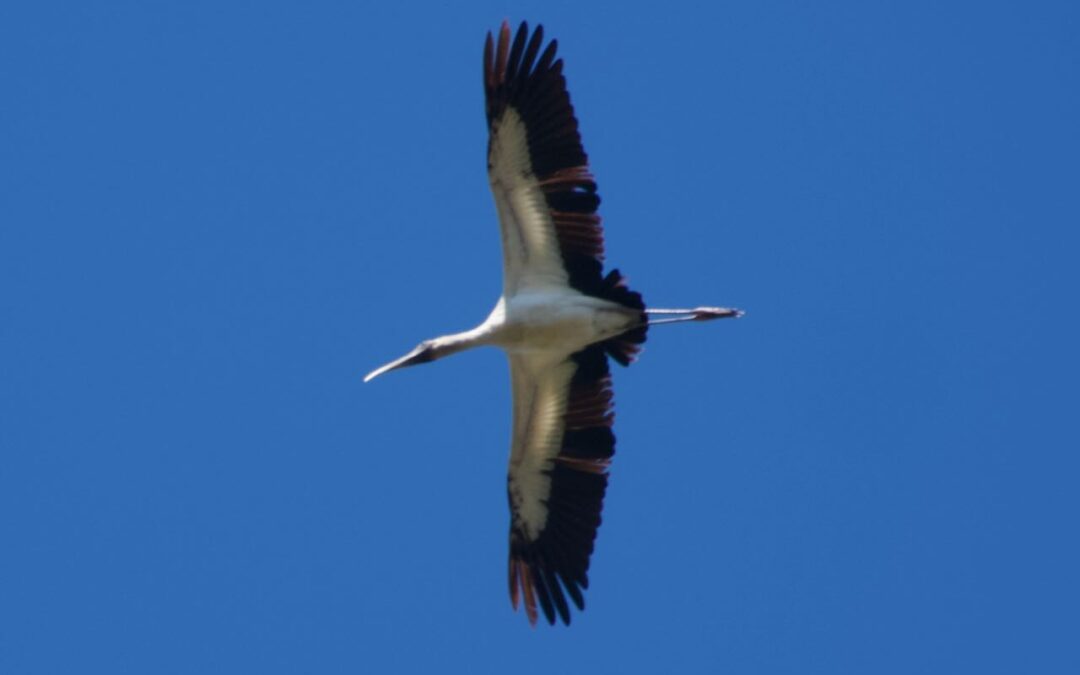
Once we landed in Nova Scotia we headed down to Brier Island where we hoped to catch up with a long staying Wood Stork who had clearly lost its way from the Southern States. We arrived at one of the spots and were told it had been seen about an hour previously and was likely still back in the marsh feeding. Patience was required and we were fine with that. The sun was out, benches were supplied so we sat and watched and waited. Thirty-eight minutes later Jerry looked up and the Stork was there – we did not even see it come up from the marsh. It circled above us for a few minutes before gracefully landing back in the marsh completely hidden from view.
Wood Stork
We then toured the Island a bit and then headed to our guesthouse for some welcome downtime and to catch up on pictures and this blog. Dinner was delicious seafood at the Grandview on Brier restaurant with friends! Oh those scallops were yummy, I could have licked the plate!
Grandview on BrierDigby sea scallops!
We woke up on Friday to the sound of RAIN! and deep fog. The people of Brier island have had 3 months without rain so I’m sure there was some rejoicing but it did not last and it was not enough to change the dry, brown grass. We went out after the rain stopped and visited the two lighthouses but with the fog it was hard to see anything off shore. At 12:30 we headed out for our whale watch with low expectations – it was still foggy and visibility was just ok. Once we went out about an hour the visibility was better and we started seeing whales and birds.
We saw one Humpback whale and then I was talking to the guide who suggested that since we had whales in the passage we did not have to go out too far and it was not likely we would see pelagic species, specifically Puffins. I assured her we had no expectations and as birders we knew it is “all about timing”. How many times have you heard me say that? But a minute later I saw a chunky black bird flying along the water off the back of the boat and I clearly could tell it was a Puffin! Did we manifest a PUFFIN? Jerry managed a picture for ID and we continued to enjoy the whale we had stopped for.
Atlantic PuffinHumpback WhaleHumpback Whale
A little while later Jerry had something on his side of the boat and it turned out to be two Razorbills! Another bird to add but I didn’t see it as I was on the other side of the boat. He again managed to take pictures despite a rocking boat and foggy conditions.
Razorbill
We continued on a short way seeing whales as we went and then I saw something out on the water that I was sure was not a gull. I called to Jerry and he came over and I had him photograph the bird and he took it up to the captain to confirm what I thought it was. A SOUTH POLAR SKUA!!!! A lifer and a very good bird to get inland at all. It had been seen on a few whale watches of late and I had spent some time studying what they looked like and it had paid off.
South Polar Skua
I was now making sure I did not miss any birds as I needed to see a Razorbill too or Jerry’s life would be under substantial threat LOL. Luckily, a short while later we saw another one and I could breathe a sigh of relief. Three birds on our whale watch – we were VERY happy. We were only on our 5th day and we had added 12 birds.
Saturday we had a second whale watch booked and headed out at 9:30. There was a bit more wind and a bit more swell and no whales were found where we had had them the day before. The captain headed out further and we were hopeful we would get to see more pelagic species but the waves were high, it was difficult to see with binoculars and the rolling of the waves. We did manage to see Puffins, Razorbills and Great Shearwaters again but we did not see anything new.
Atlantic Puffin
Many people on the boat were sick with the large waves but the miracle gravol pill I took kept me from joining that club LOL. After 2.5 hours we managed to see one Humpback whale who put on a great 5 minute show of slapping his tail on the water.
After the whale watch we drove the 3.5 hours to Cape Sable Island in search of the few American Oystercatchers that tend to summer in the Atlantic. When we arrived a birder, that we had just met over on Brier Island, was there hoping to see the Oystercatchers to. We chatted in between listening to the Jays game and scoping the hundreds of sandpipers visible to us. Just as we were about to leave I looked up at a gull flying over and knew it was “different”. The guys got on it and Jerry managed a few quick pics. We assumed a Laughing Gull but the other birder suggested it looked like a Franklins because it had the white wing tips. We consulted Sibleys and then I put it on the Discord ID help and it was confirmed to be a Franklin’s which is rare to this area but common out west.
Franklin’s Gull – a rarity in Nova Scotia
When the light faded without seeing the birds we headed to the East Wind Guesthouse, our home for the next two days, for a scumptious meal prepared by the proprietor, Louise. If you want to visit Cape Sable book the East Wind, it is lovely!
Sunday we were out birding early and then met up with our nephew and his fiance to spend the day birding. We went for a lovely beach walk in the fog and mist. The beach edge was teeming with pipers and while it was difficult to see we managed to identify many species and got some pictures. And then the rain came. We had a long walk back to the cars and by the time we got there we were pretty soaked. Not to give up easily we waited it out a bit and checked for Oystercatchers again but then the rain was too heavy to continue. We warmed up in a Tim Hortons and talked about birding and weddings and then went on to a wonderful dinner at JB’s Family Restaurant.
We will have one more chance for those pesky Oystercatchers in the morning. And so our first week out East ends as we move again and head to Newfoundland and hopefully a few more birds…
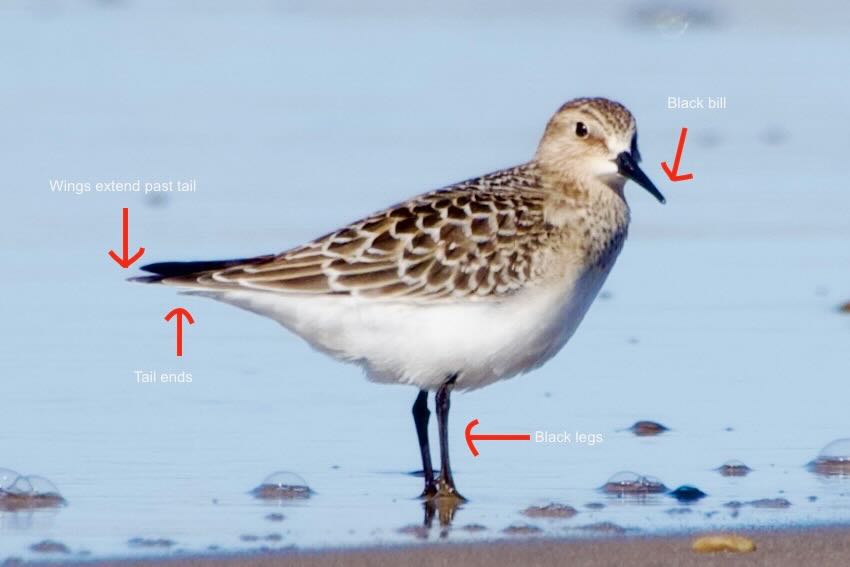
On Tuesday we headed down to Long Point for the day. A report of a Buff-breasted Sandpiper had come in late Sunday and it was a long shot that it would still be around but it was a nice sunny day and there are always good birds at Long Point. We walked a lot of the beach in the campground and day use area and saw a very nice Baird’s Sandpiper that we added to our Ontario List. Last year we had a tough time finding a Baird’s and an even tougher time trying to ID them but this year they seem to be everywhere and we seem to be able to pick them out more easily. The differences between sandpipers can be very subtle and in the case of Baird’s you are looking for wings that extend past the tail, black bill and black feet.
Baird’s SandpiperBaird’s Sandpiper
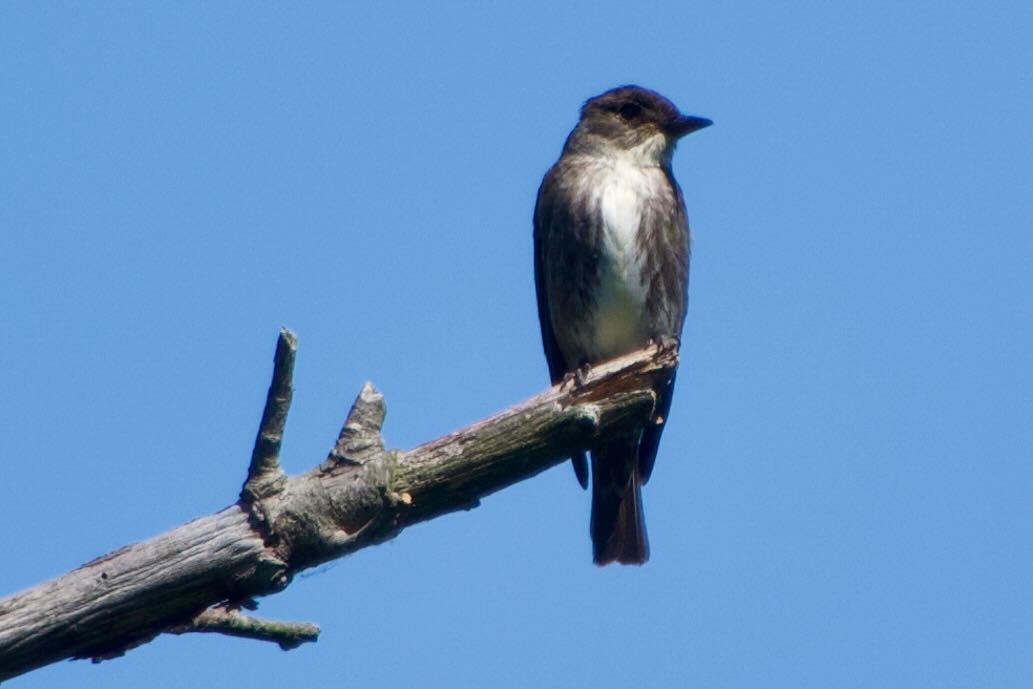
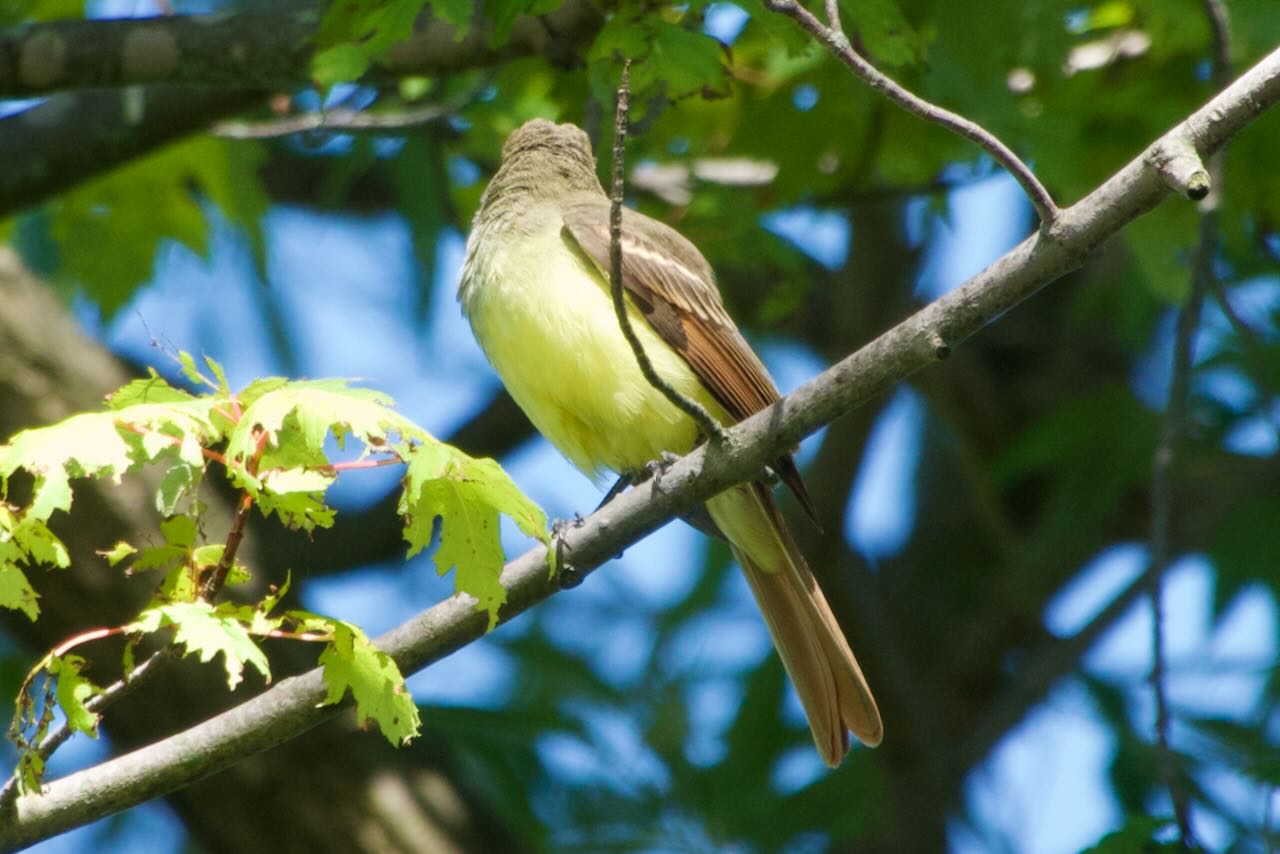
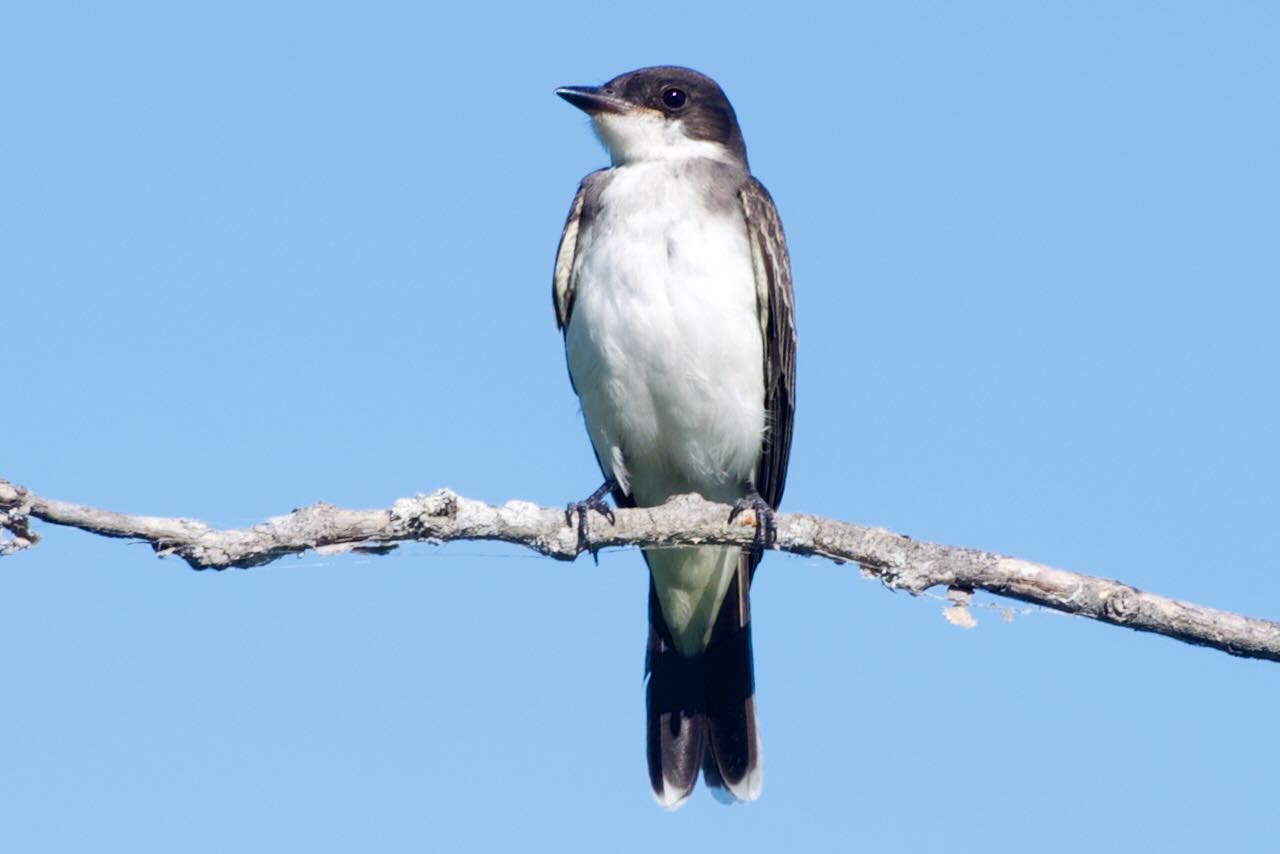
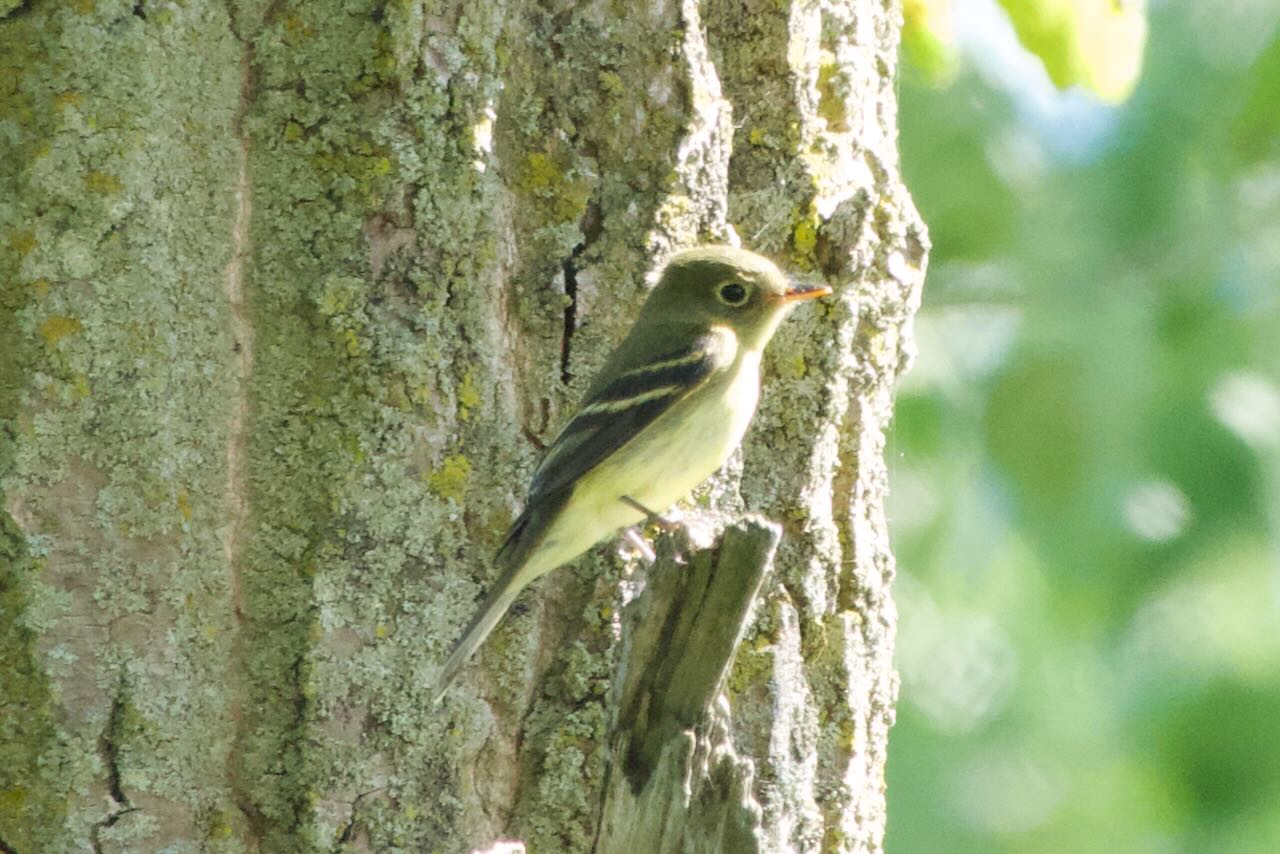
We then headed down Hastings Drive to check out the beach at the end but it has been signed no admittance with heavy fines if you are caught there. This is a rest stop for migrating birds and we (birders) are always careful not to disturb birds but people allow their dogs to run free along the beach and people will use it in summer and leave trash around. We had a Buff-breasted Sandpiper down that beach a few years ago and so we are sad that it is now off limits. I wish that government agencies would converse with stakeholders before making these decisions to see if there could be work arounds for access. We scoped from the edge and then walked back along the road bordering the Important Birding Area marsh. In a short 10-15 minutes we had 6 of the 10 species of flycatchers in Ontario. Migration for flycatchers was happening!.
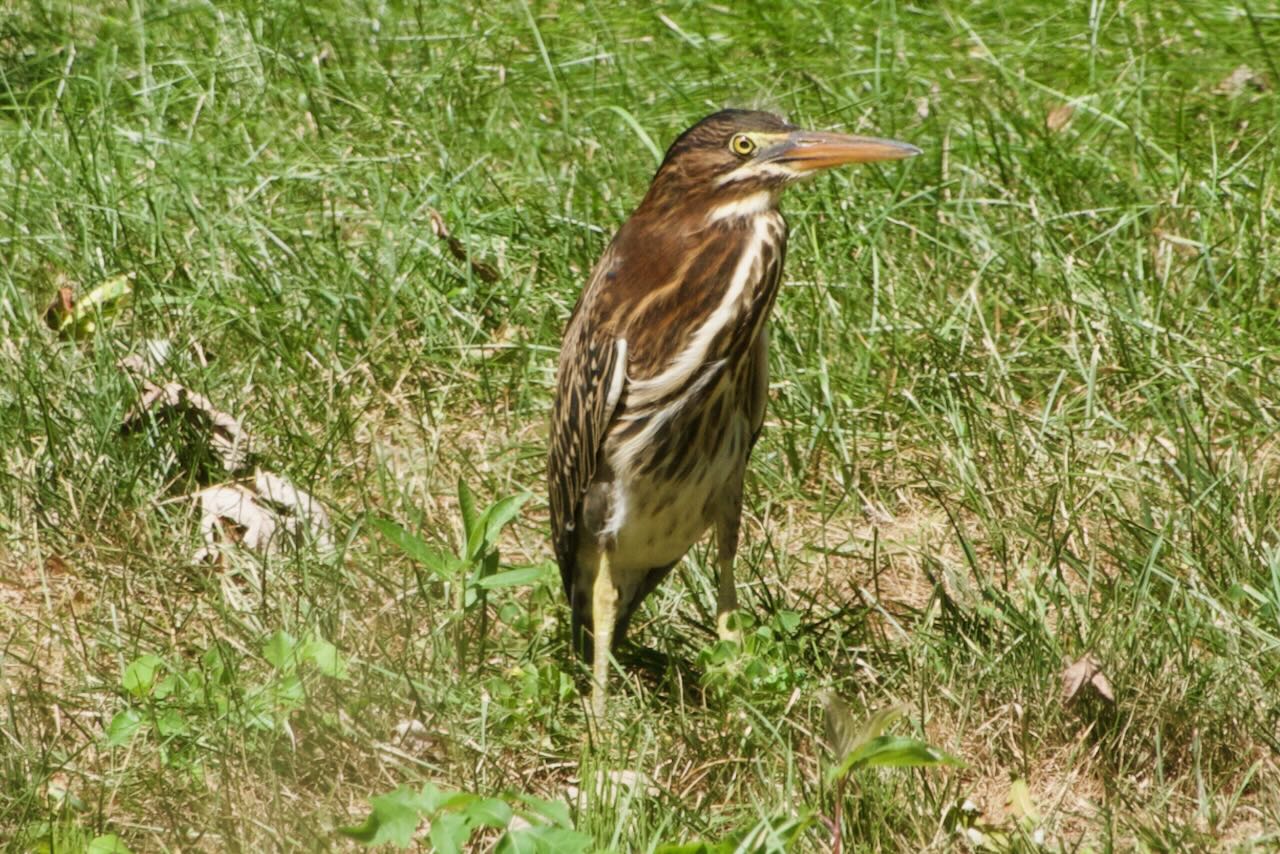
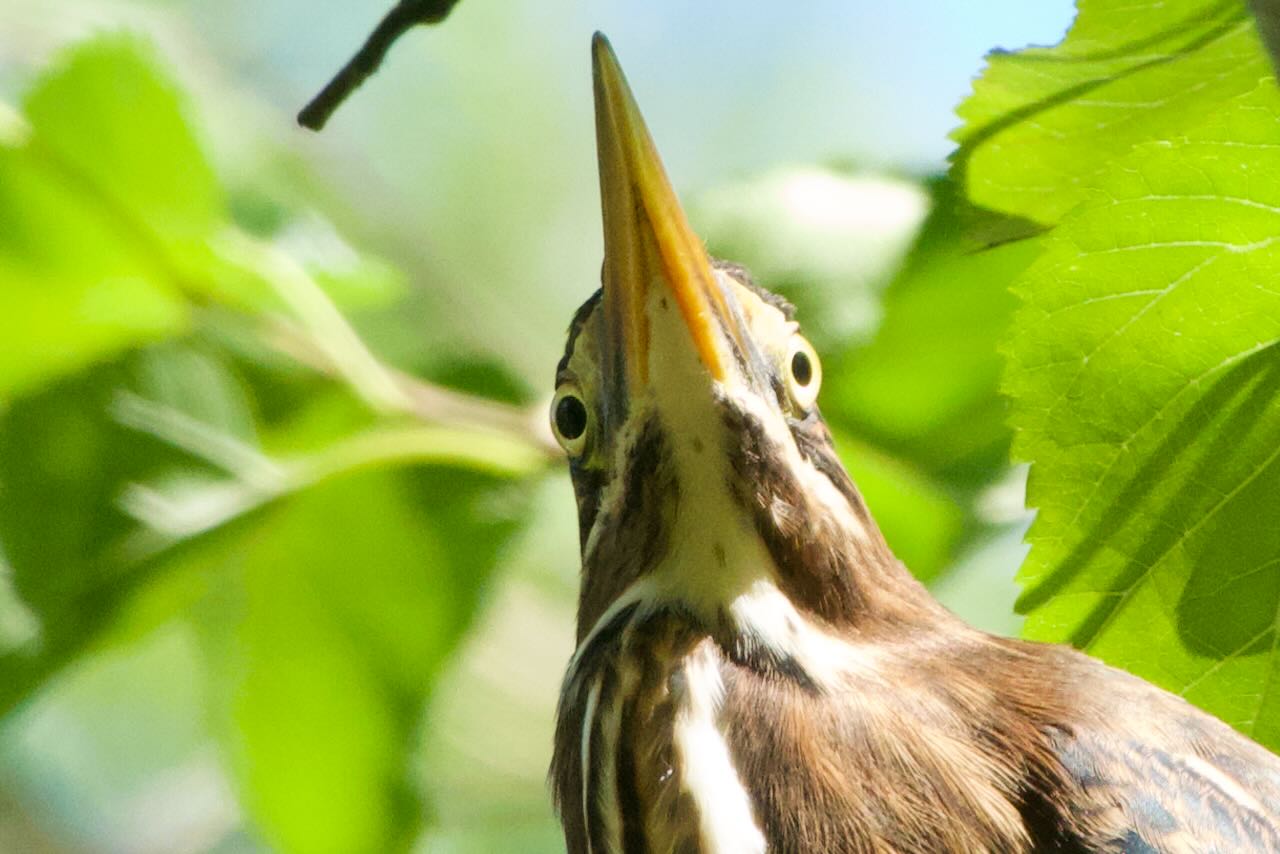
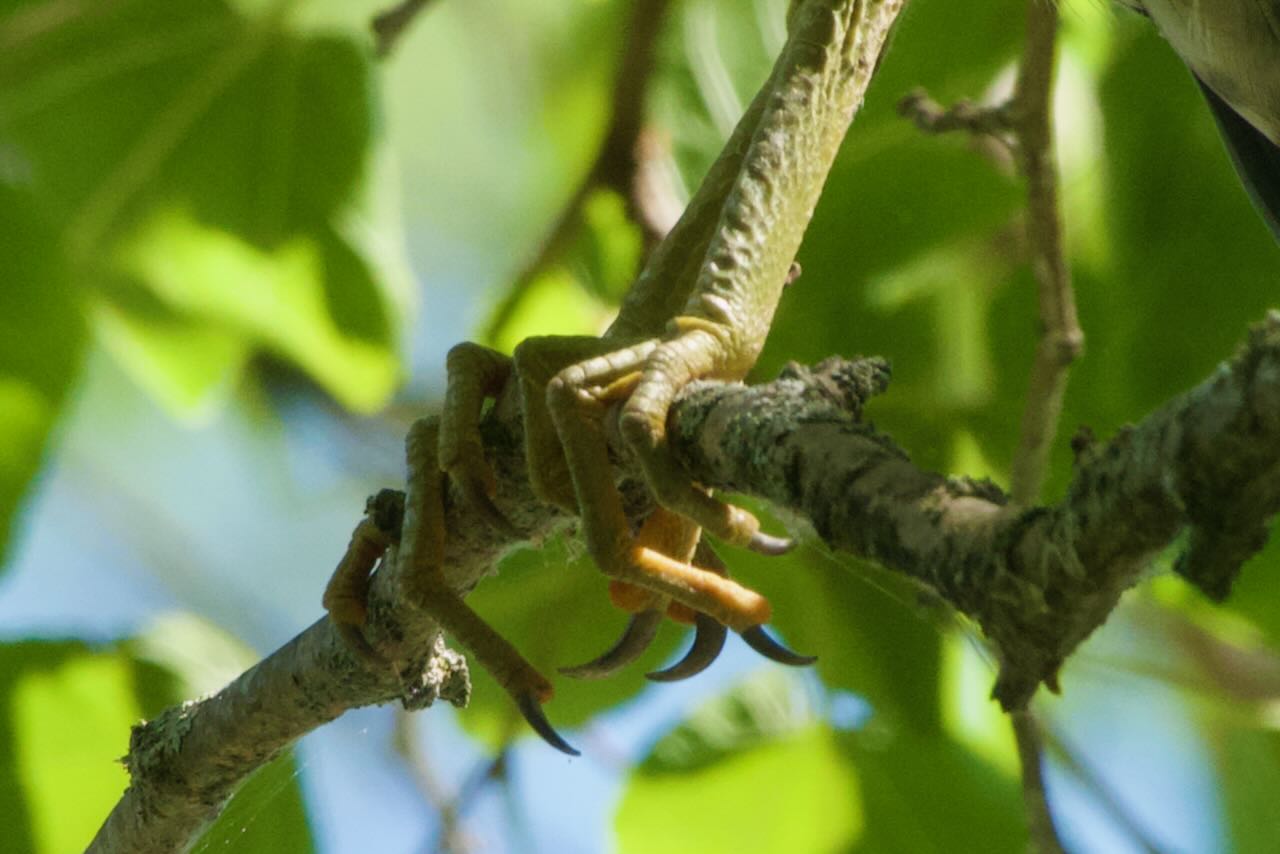
We then headed to Old Cut, the bird banding spot at Long Point and did a walk around the property. It was quiet but we did see two Green Herons just hanging out on the grass and tree of a cottage allowing Jerry to use some of his camera skills.
Green HeronI seeeeee you!Someone needs a pedicure!
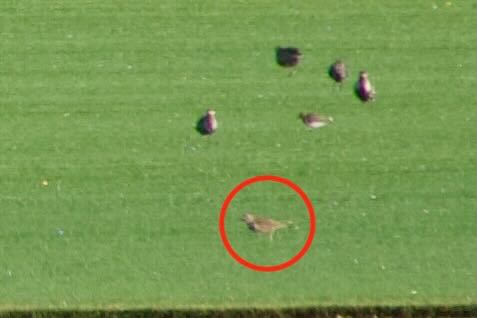
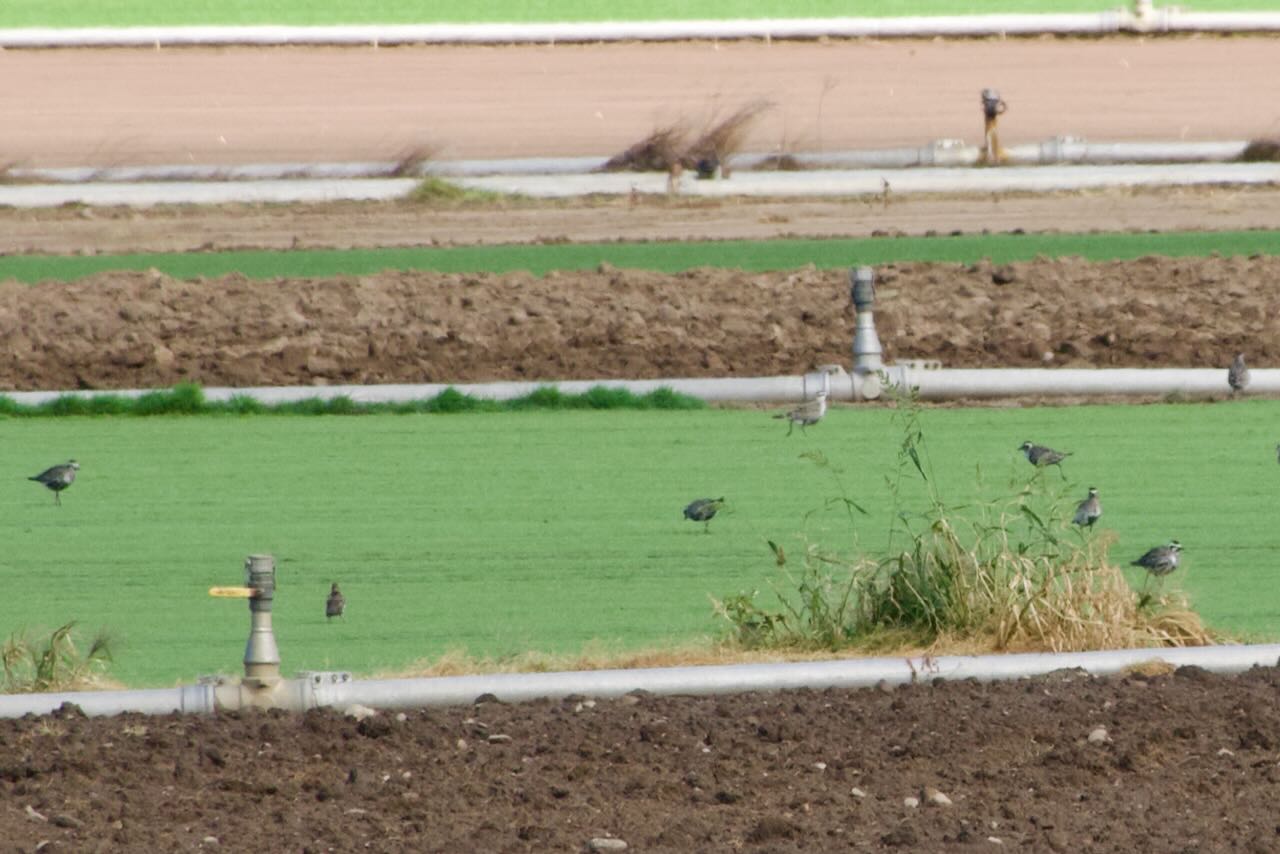
We did not see a Buff-breasted Sandpiper but it was a great birding day with plenty to look at. Margaret had checked out Beeton Sod Farms, the traditional spot for Buff-breasted and not seen anything but she did find 2 up in Collingwood on Wednesday. Unfortunately, we had the grandkids for two days so the earliest we would be able to go would be Friday. On a long weekend, driving north. I silently hoped that we would not be forced to make that trip. The birds were not found on Thursday and so late Thursday after dropping the kids off we headed for our first pass of our local sod farms near Burford. It was raining and I could see Plovers huddled down with a few standing. I assumed Black-bellied but when I got out to quickly scope I saw a few that looked Golden on the back. Jerry scoped and didn’t agree so I left it and put them in as Black-bellied. We scoped for any shorebirds but saw nothing else. We headed home for dinner and as we finished eating we got a text from Bill that he had a Buff-breasted at the spot and the Plovers were American Golden Plovers. Sheesh! I felt stupid! Rookie mistake not taking the time to really figure the birds out earlier. And where was that Buff? Had we missed it? Or did it just fly in? We got back in the car and drove back out and met up with other Brant birders also hoping to see Buff-breasted. The rain had ended, the lighting was much better for about 15 minutes and I could clearly see the Plovers were Golden. Six of us scoped and scoped but the light was fading fast and we were only seeing a few Baird’s Sandpiper. As the sun went down we made plans to come back out in the morning and search again.
We were back at the sod farms at 7:30, Robert was there and had not seen the Buff yet and had to leave but Grant and Lindsay arrived shortly after. We scoped for a bit and suddenly I had what looked different – taller, buffy, small head, small bill – we all got on it and called out the ID features, Jerry got a scope view and confirmed and then got a few quick snaps and then the bird flew with a number of Plovers. Oh, how I hate that! I would have loved to have more time to study and watch the bird. We scoped again, and again. Was that it?, nope, Was that it? nope. Other birders arrived and we continued to scope but could not refind it. There were many hills, valleys and dirt piles for the bird to be hidden from us and it was an excruciating process. I always like to get everyone on the bird and for the next few hours a few birders had the good fortune to see it momentarily as it fed but it remained elusive for many. It was really lousy views and an even lousier picture but maybe we will be lucky enough to see one out East for a better view and pic.
Buff-breasted SandpiperAmerican Golden-Plovers
This is technically bird 400 for us, although ebird still shows 399. The split with Warbling Vireo will not happen on Ebird until sometime in October so until then on ebird we sit at 399. But inside, we are celebrating that we have hit 400! We head East on Monday where we will hopefully add many more birds – or at least 10?
On Monday the winds were still favourable for Jaegers so we planned to be there for the afternoon and Jerry suggested we check Niagara once more for the Black Vulture since we would be half-way there anyway. If you recall I had said I would not go back until the leaves are off the trees as right now it is so difficult to see the river with all the trees in full leaf. We had a bit of a tiff over it and I relented and we went to Niagara. After a few hours up at the lookout I suddenly saw a vulture way off in the distance that immediately looked different. Both of us got bins on it and noted it looked flatter, not the V shape of Turkey Vultures and the wings appeared shorter and more compact. Jerry noted a short tail. We were pretty sure we were viewing a Black Vulture but the bird was a long way away and quite high. We could not make out if it had the white tips to the wings underneath or not. We got in the car hoping we could chase it down a bit and get closer but we could not find it after stopping at 2-3 places along the road. We discussed how sure we were about the ID and decided that we would not put it in even though both of us felt pretty sure, we just didn’t have 100% confirmation. And so we will need to go back again but this time it will not be until we are back from our East trip.
We headed to Van Wagners Beach and met up with a few other birders scoping for Jaegers. It was gusty, the winds were from the NE but 3 hours went by and not a Jaeger seen. There was one seen by someone off the lake in Oakville but sadly the bird did not make it to the end of the lake where we were. We consoled ourselves with fish and chips at Hutch’s.
Tuesday the winds were NE again but with lots of rain. We had intended to go but looking at the radar in the afternoon we could see that there would be quite a bit of rain falling so we stayed home. Jude was out there for a bit but again no Jaegers.
Wednesday the winds continued and we planned to head in earlier after seeing Babi. We had just said goodbye and got her seated for her lunch at noon when there was a Discord report from Rowan that he had 2 Long-tailed Jaegers (probable) go past at a distance away. We arrived an hour later and had just missed a second pass from the birds but still too far out to nail down the ID. This is always the difficulty at Van Wagners. The birds often are only seen at a great distance and the differences between juvenile Parasitic and Long-tailed Jaegers can be subtle so it is not always possible to report birds to species. And they don’t count until they are reported as a species. Rowan had to leave but we took up the watch. It was even gustier than Monday and as more birders arrived there was a sense that we would see something.
Three hours and 20 minutes later – nothing, except James had seen a Jaeger very distant that remained distant. We headed home feeling quite wind blown with headaches from the wind and scoping. The quiet of the car was wonderful after the constant howl of the wind. Thursday was once again NE winds but we had little hope there would be something seen. In the past it has always been suggested that the best viewing at Van Wagners is from 3:00 on but over the last few years I have noted that birds are often seen in the mornings or around noon. We had a lunch date on Thursday with friends so we knew we could only go later in the day. There was a report of a potential Parasitic that was seen in the morning and that was it. When we left our friends after 3 we made the choice not to drive in again and nothing was seen by birders that were there into the evening.
It is a tad early for Jaegers, the numbers will increase over the next few weeks but we only have next week and then we will be East. We do have the chance of seeing Jaegers out East and even when we come back so the door is not closed on this species yet. Plenty more time for action and lake watches.
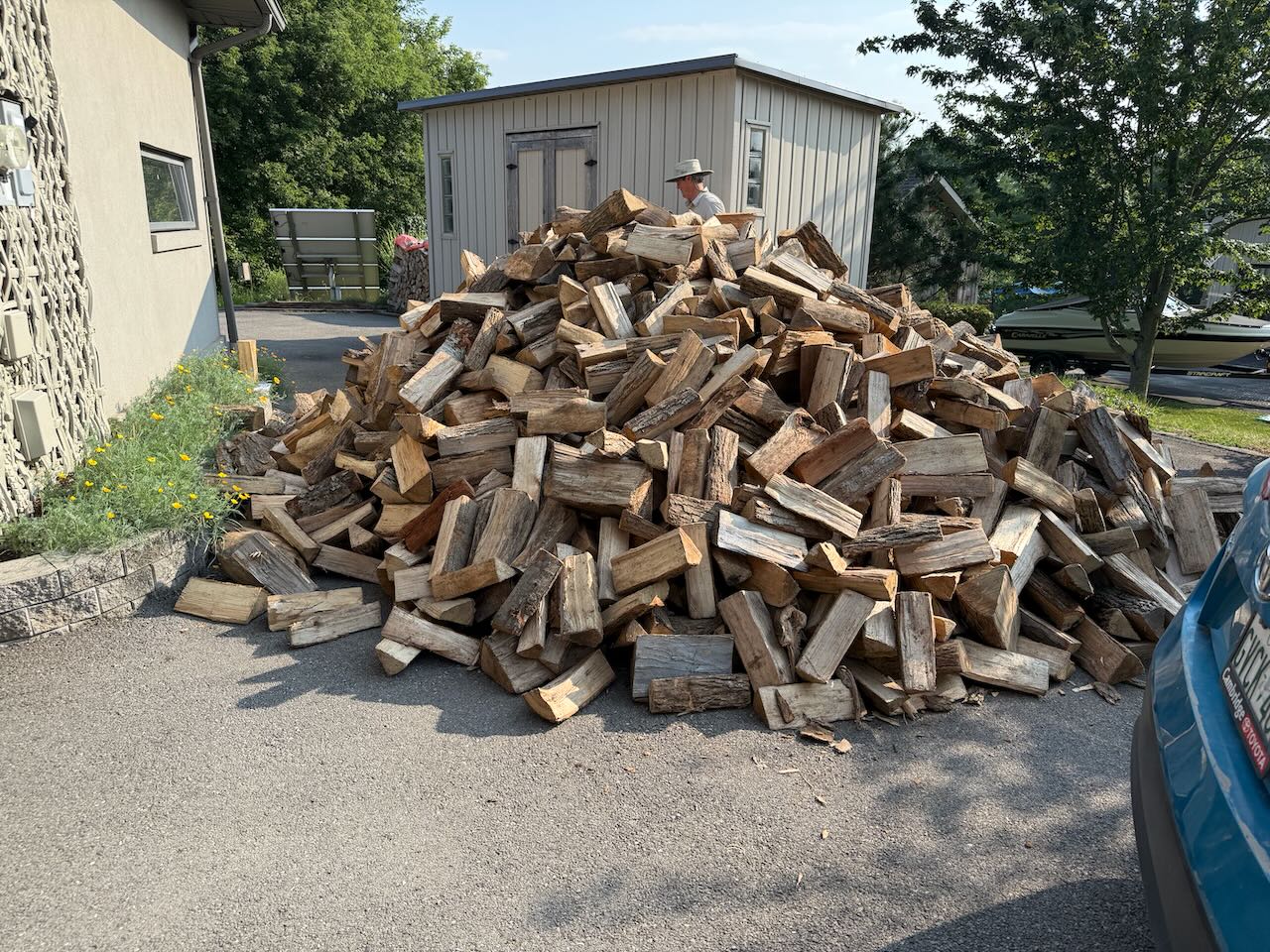
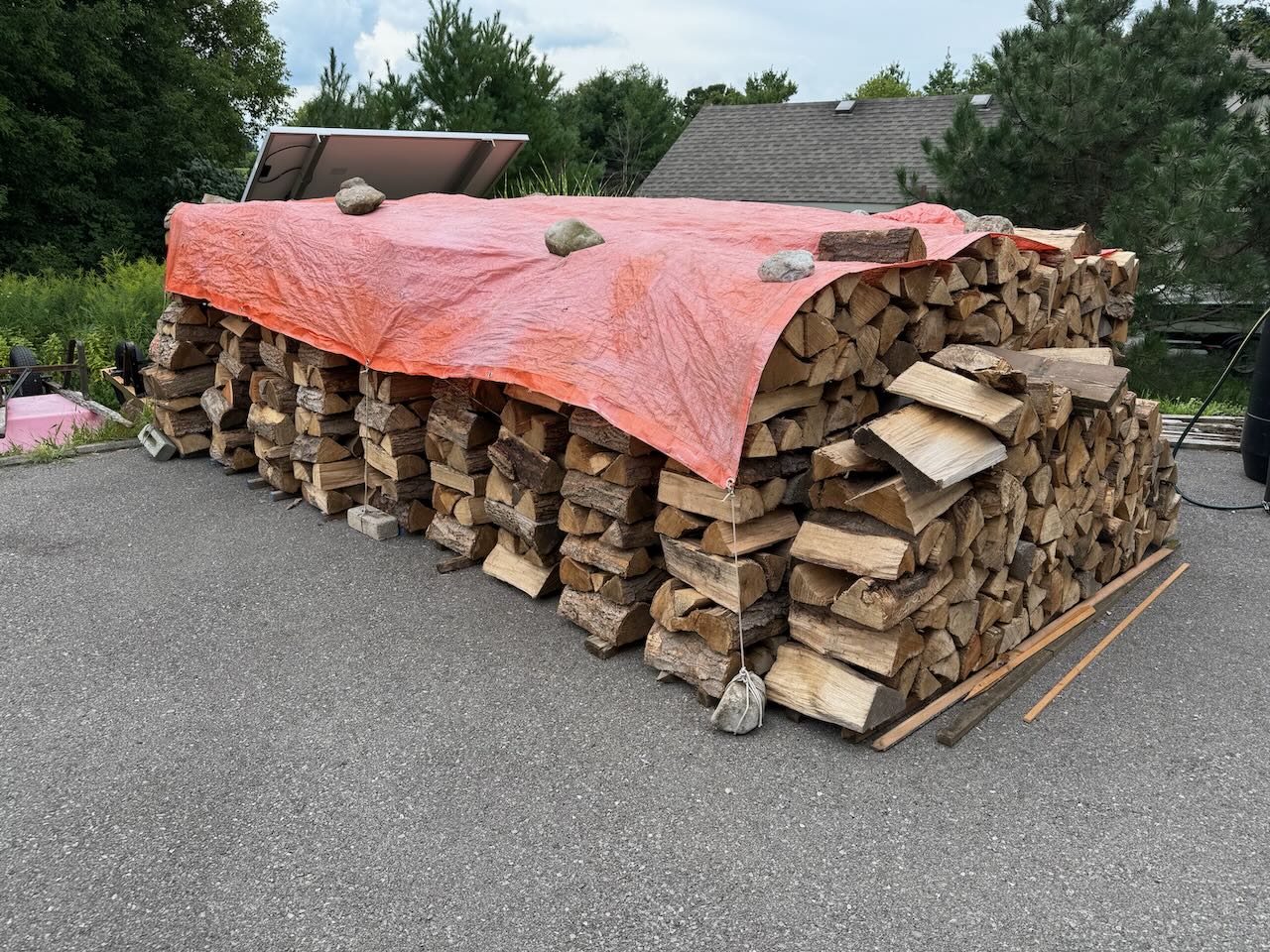
In the meantime along with the birding we have been spending time on house chores, we had our yearly wood arrive to keep us warm this winter and had to stack that. In November those lovely stacks will be re-stacked on our porch for quick access to the house. Double the work but Jerry wants the wood as dry as he can get and so stacking it twice is worth it.
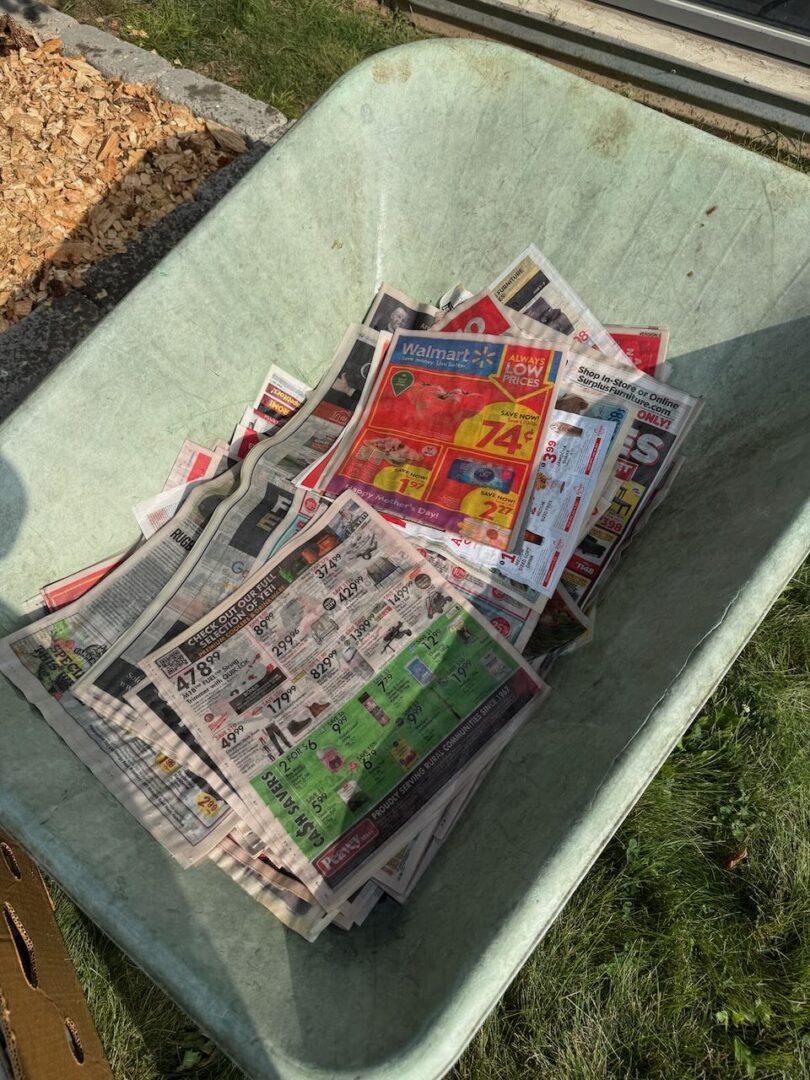
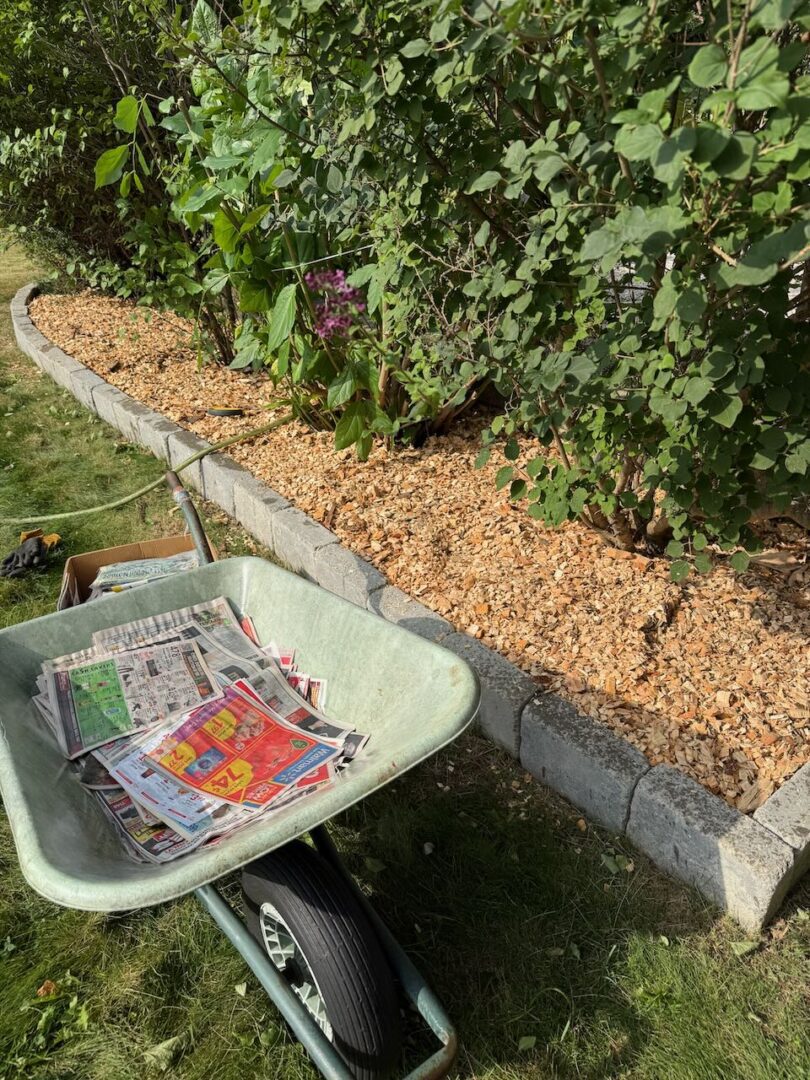
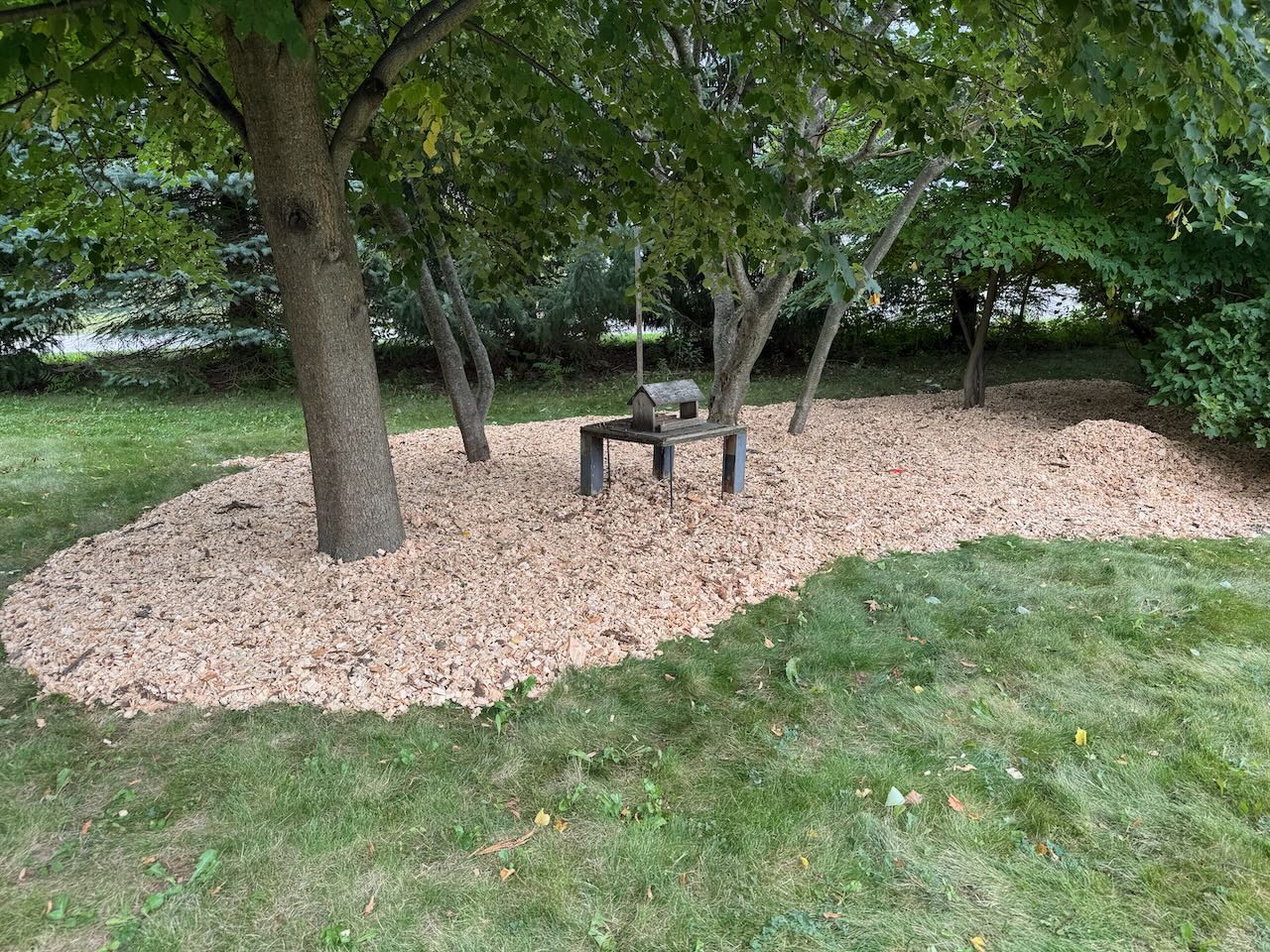
We have been working on our much overgrown gardens and trying to trim things back, weed and mulch. I have been working towards maintenance free gardens and planting but there is always something that still has to be done and it takes me double the time it used to. My tried and true gardening tip is to use inexpensive wet newspaper under the wood chips to keep things weed free much longer than just adding the wood chips. We get newspapers thrown on our doorstep weekly for free so we always have a supply to use.
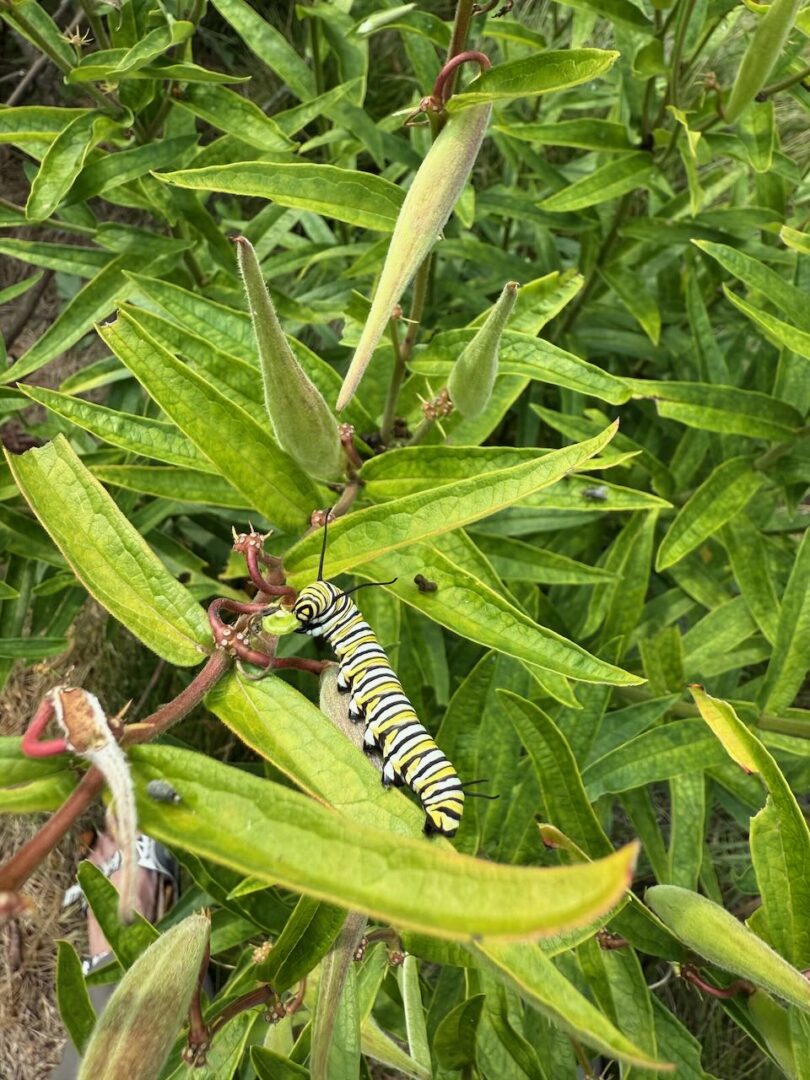
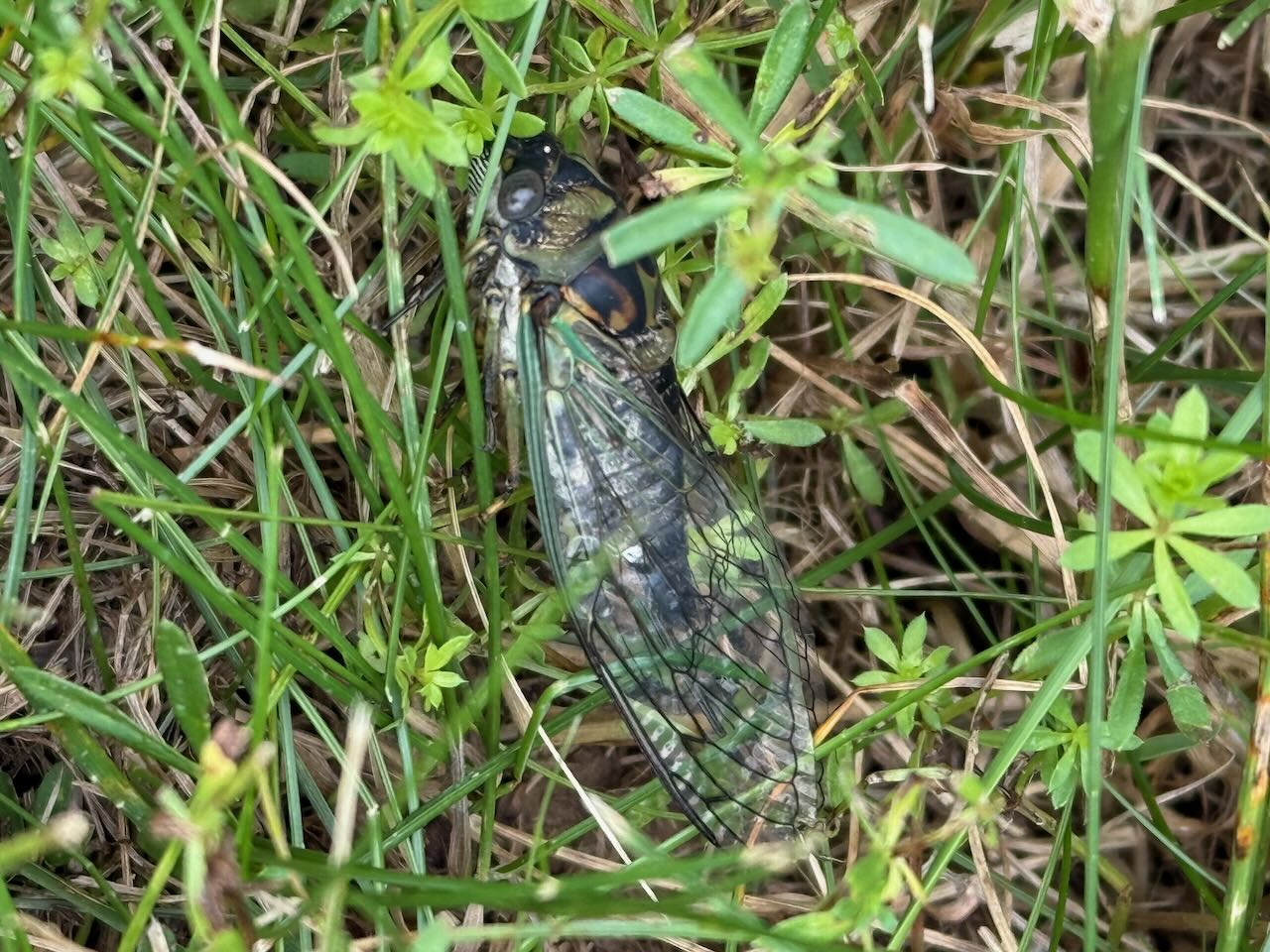
While we have been working in the yards we have heard both Black and Yellow-billed Cuckoos and I have found a few Monarch Butterfly caterpillers and a Cicadas.
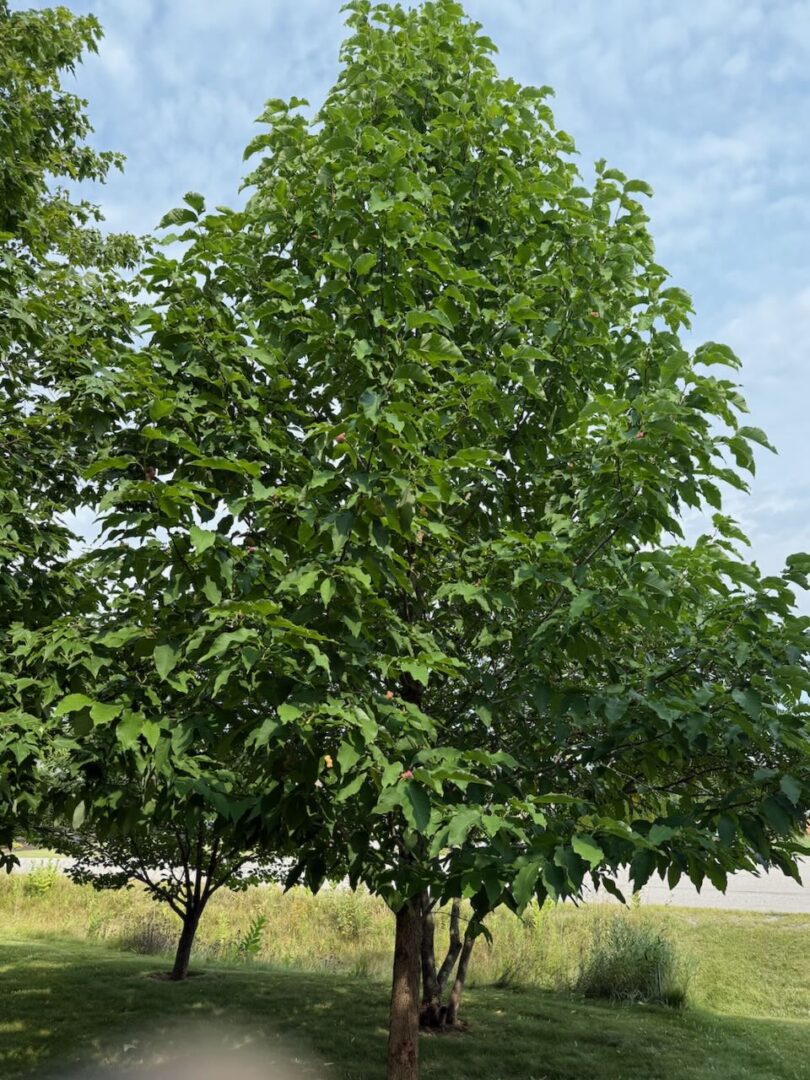
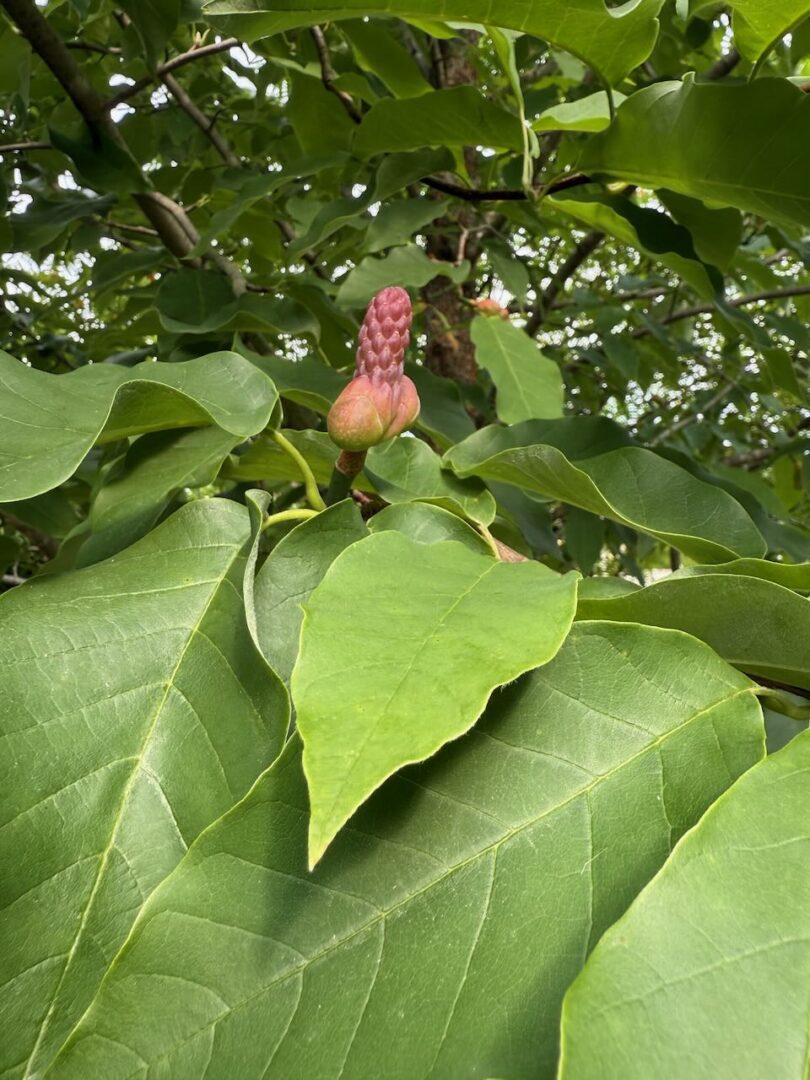
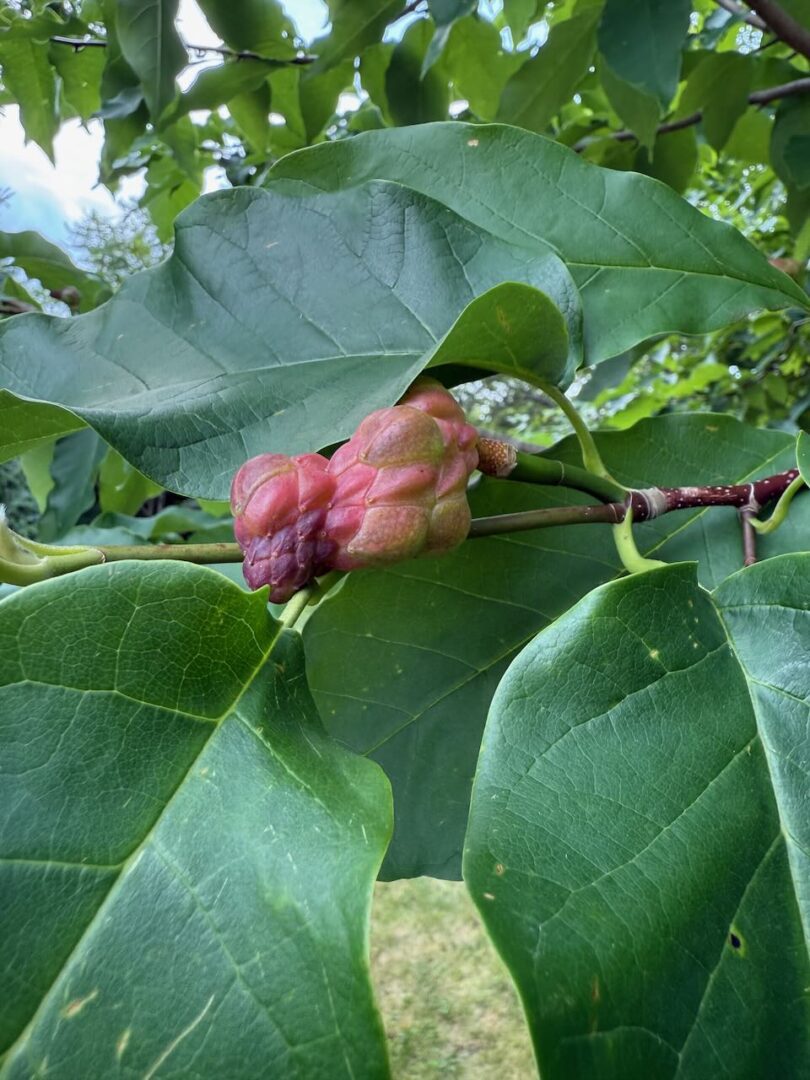
We have a Cucumber Magnolia tree in our yard. It is a rarity in Ontario and is the only native Magnolia to Ontario and is found in the Carolinian Zone.
Cucumber Magnolia
I missed it flowering in the spring with being away and birding so much but the flowers have given way to the “fruit” from which it gets its name. Although I’m not sure this reminds me of a Cucumber LOL!
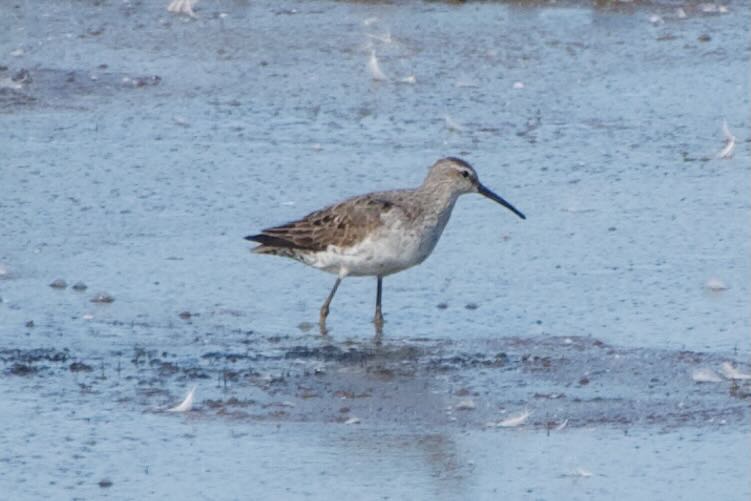
On Friday we added a Stilt Sandpiper to our Ontario list when we dropped into the wetland where the Redshank was seen last week. Stilt Sandpiper was added to our Canada year list when we saw them out in Alberta. I’m not actively trying to see birds in Ontario that I have seen elsewhere but this was 15 minutes from home and on our way running other errands so we did a quick stop.
Stilt Sandpiper
The weekend was spent enjoying family gatherings and finishing the gardens. Late Sunday I saw a report that a Buff-breasted Sandpiper had been seen at Long Point so I think that will be where we start our week…
Week 32 ended up being a week without one checklist entered, not even from our backyard! The heat was still punishing and we had family things that took up our days and evenings so we just opted to take a break and regroup. I’m spending quite a lot of time every day sifting through “needs alert checklists” from all the Eastern Provinces including Quebec to see what is being seen and where it is being seen. I finalized most of our travel plans and now we wait. It is frustrating as all the birds we still need are being seen out east right now but we committed to family things in August so our trip has to wait until September when some of these birds will likely not be around, certainly not in the numbers they currently are. It was another decision we made early on in the planning so that we would be available to help with our grandkids this month.
On Sunday I decided not to put in a blog with nothing to report and also forgot to post about not putting one in. We were supposed to have our grandkids on Monday but plans shifted and we had the day off.
Week 32 0 species added 397 species J&E
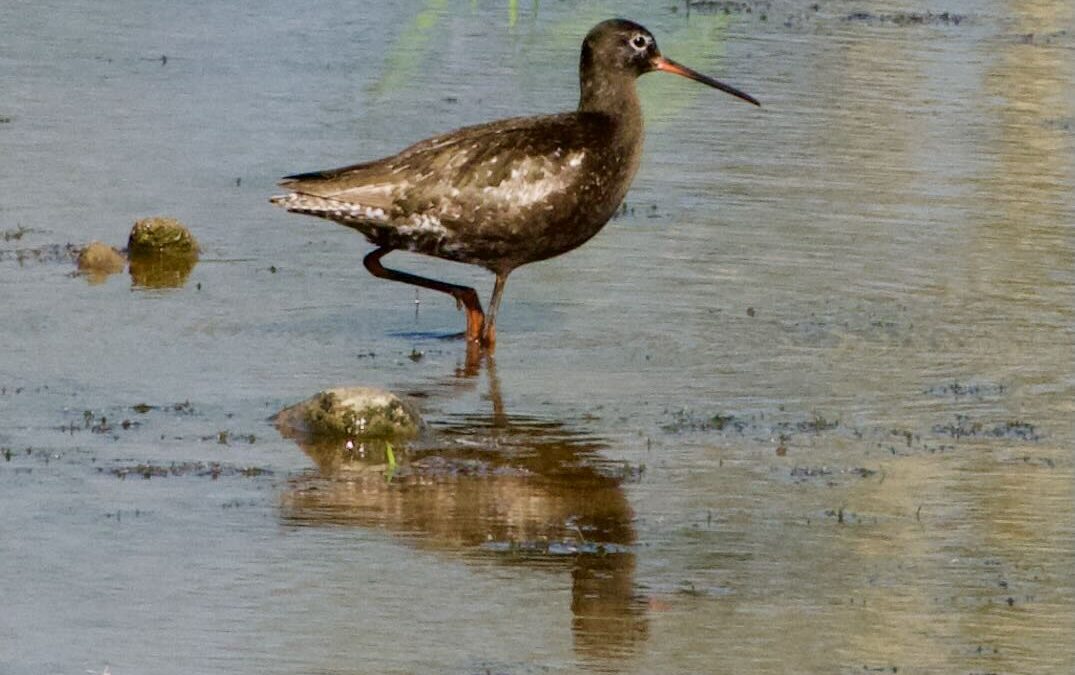
Monday morning we were lazy and still lounging in bed having our tea at 7:44 when the Discord chime came in on both our phones. I glanced down quickly at the notification and only saw Redshank and Cambridge. I jumped up saying we have to go, now, and Jerry jumped up asking me what was happening and I could only say something good, lifer, and then he asked where while already pulling on clothes and I said Cambridge but I don’t know, lets get in the car, the pin will be coming I am sure. We were out the door in about 10 minutes and we were 15 minutes to the bird. I started our checklist at 8:10 when we arrived and were looking at the bird. One of our fastest chases.
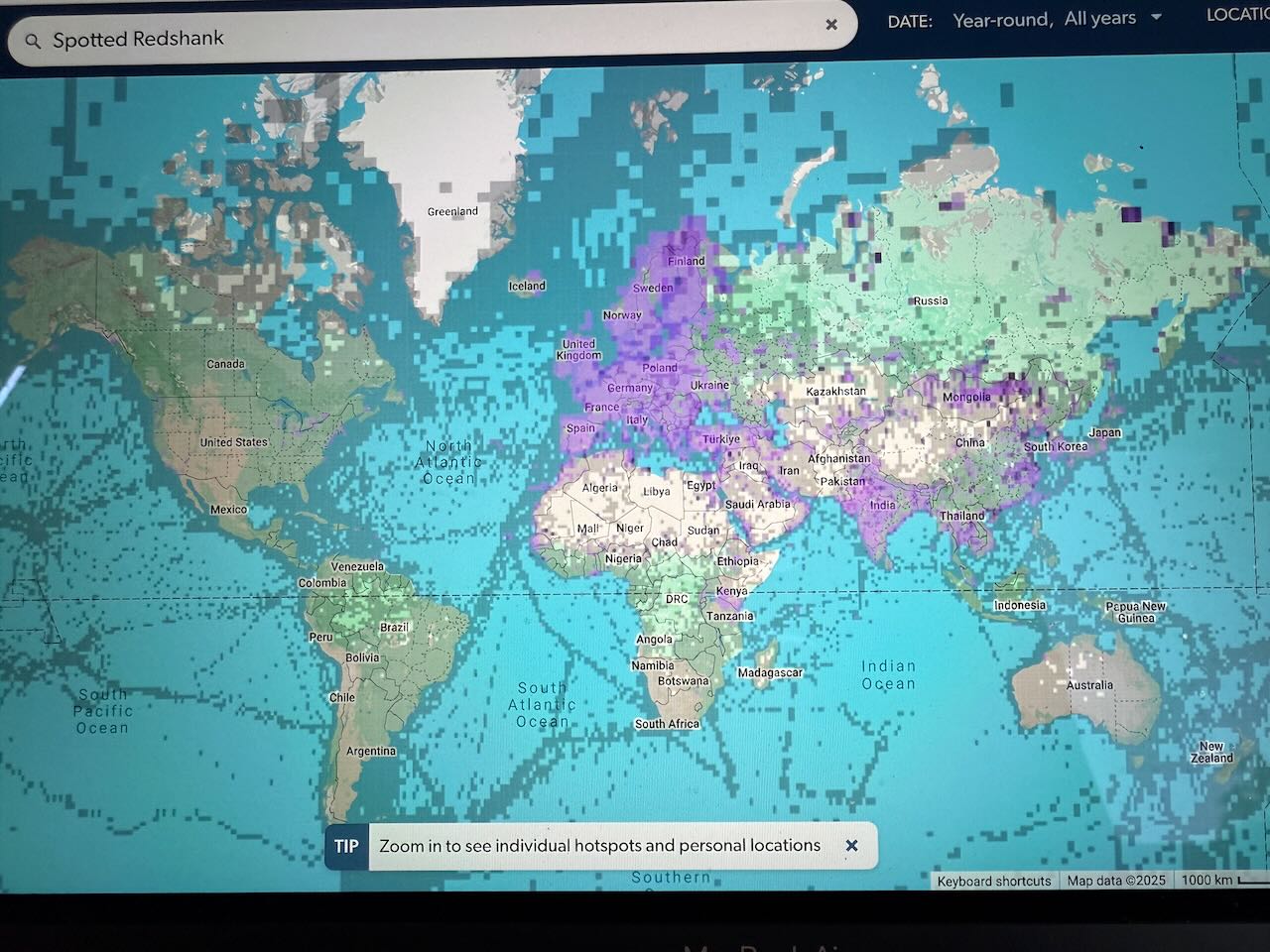
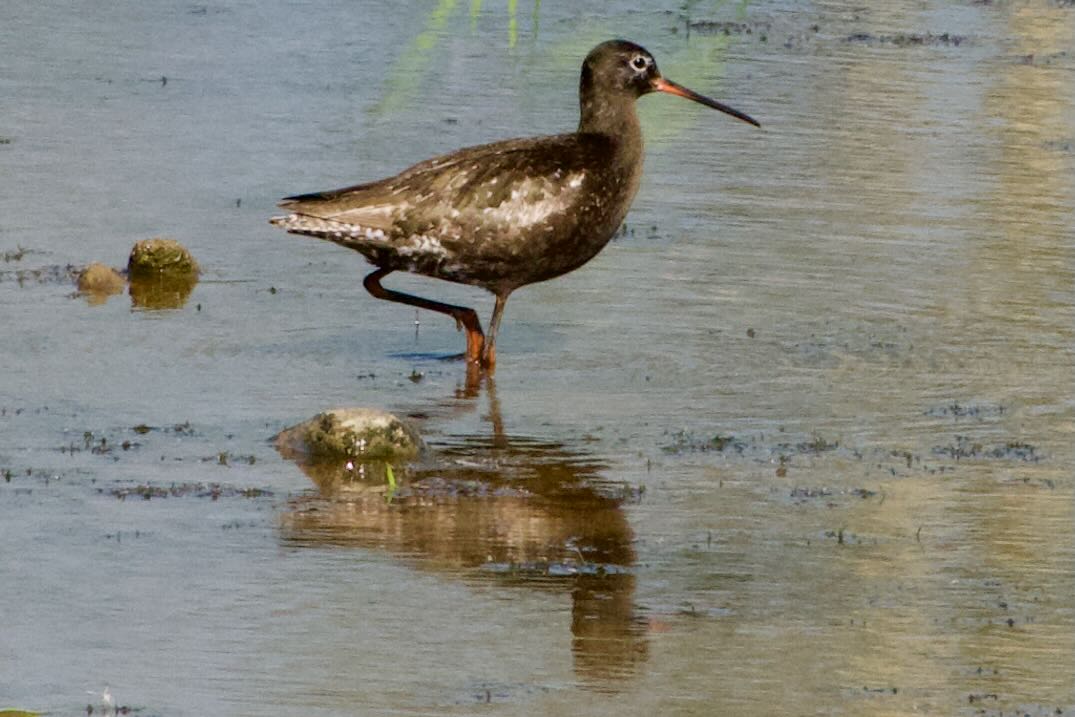
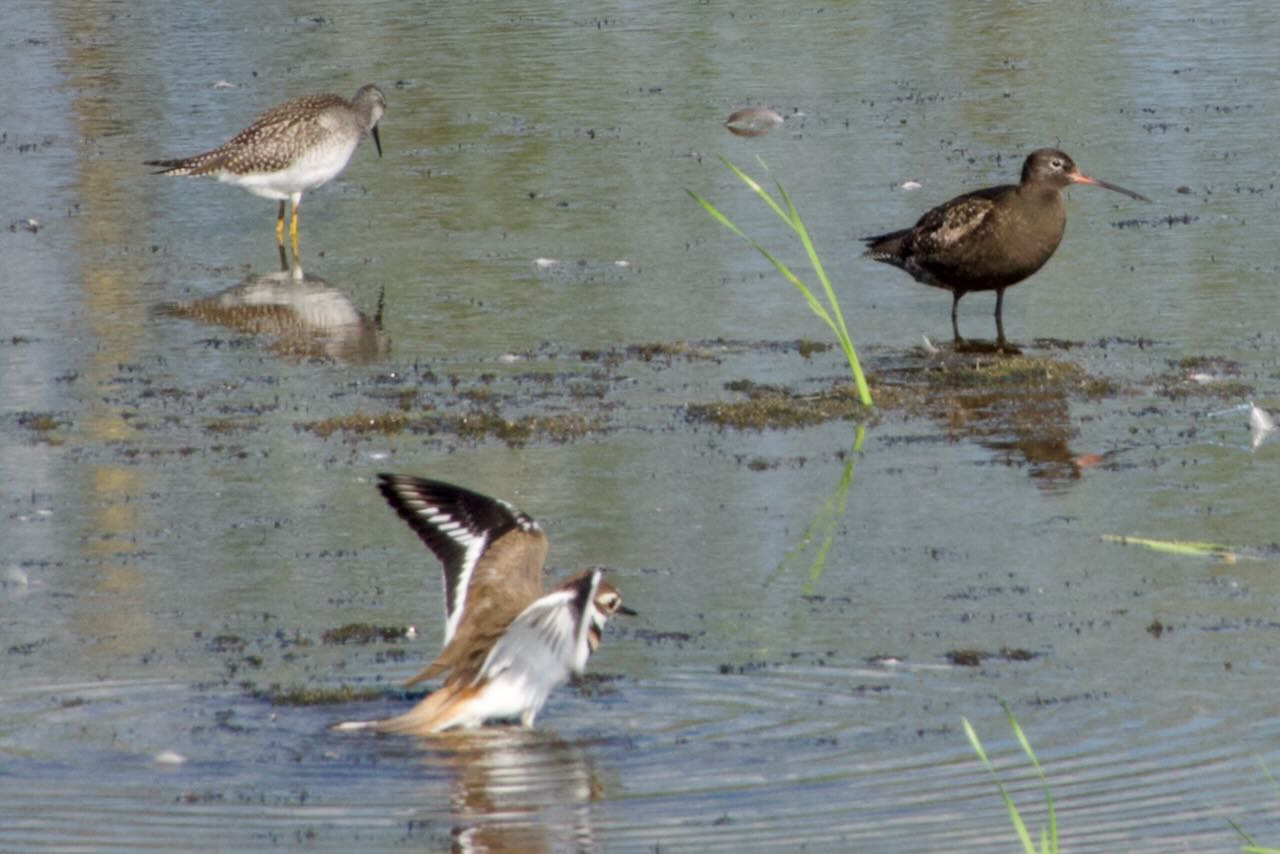
Nathan Hood, a young local birder was checking out a newish storm pond in a new subdivision Monday morning when he saw a shorebird that was very dark. Once he took pics and noted red on the bill and red legs his hands started shaking, he knew it was a Redshank, he checked ID pictures and realized it was a Spotted Redshank, a Eurasian species that breeds in the Arctic and travels across Europe. It is a major rarity with only 3 records in the last 10 years in North America and the last report in Ontario was 1998.
Range for the Spotted Redshank
It was a World lifer for us and added, of course, to our Canada, Ontario and Hamilton Study Area Lists. Beyond exciting! For many birders it would also be a lifer. By the end of the day a few hundred birders had come to see the bird and submitted checklists. Many more would want to see it if it stayed.
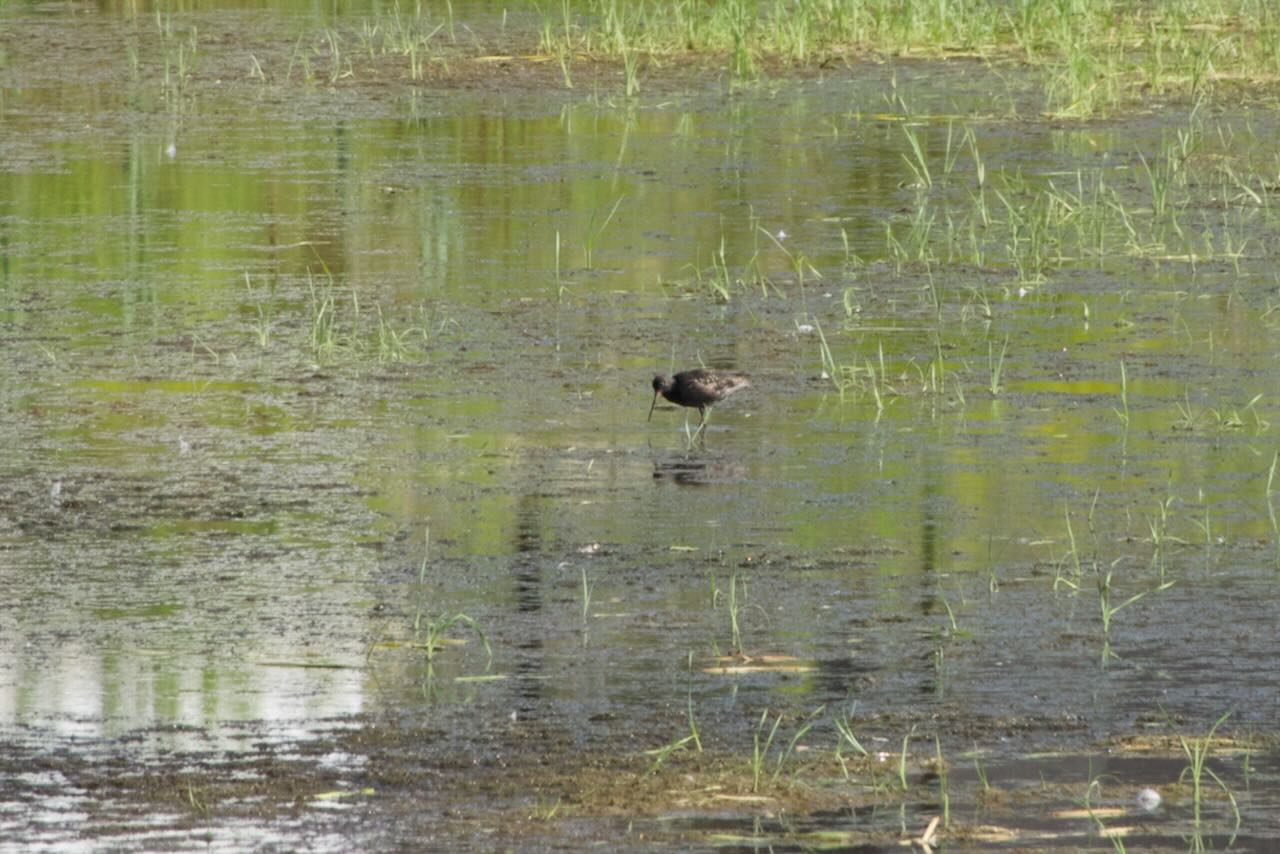
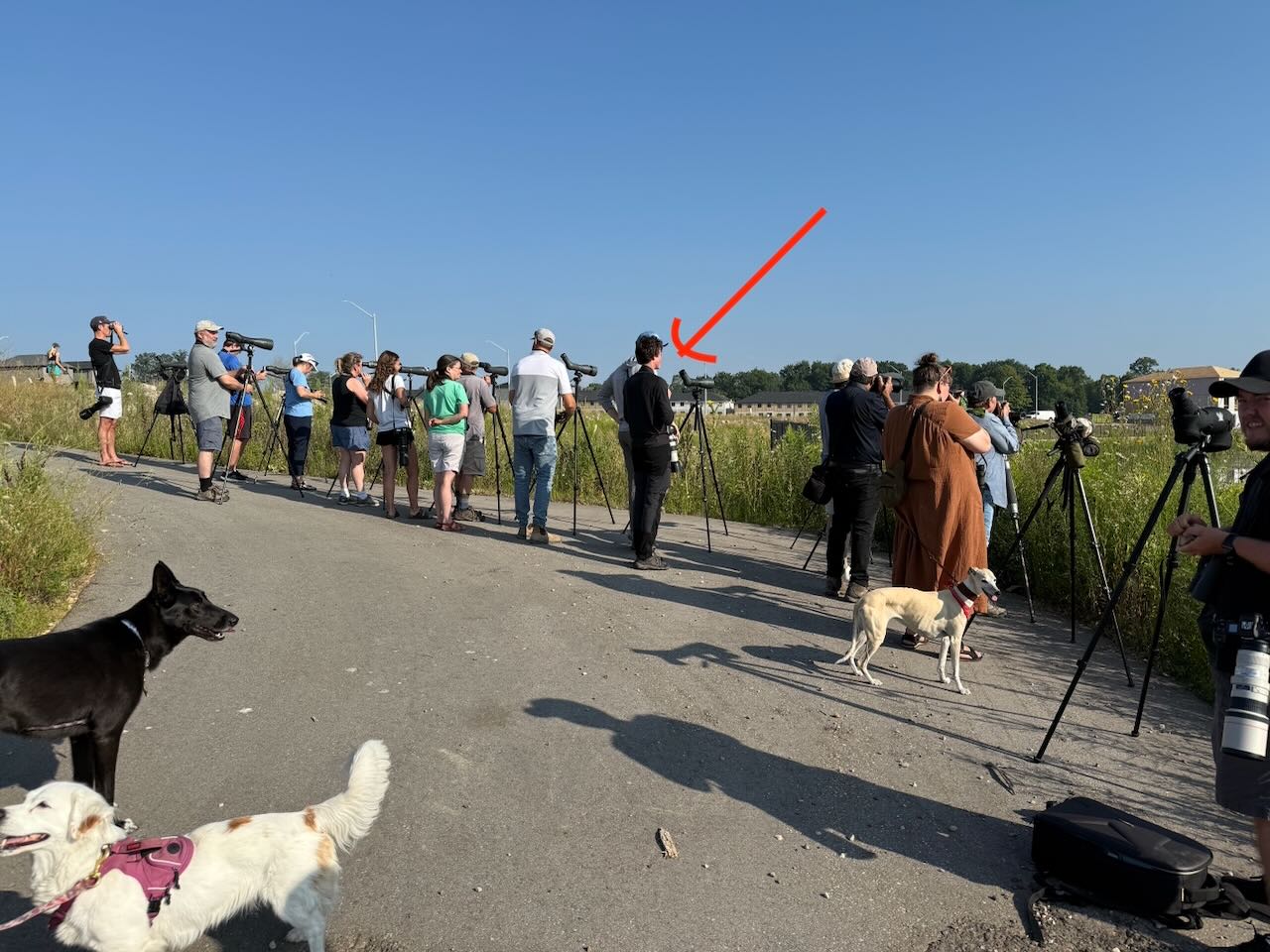
Spotted Redshank – first viewingThe first birders on the scene with Nathan, the finder, at the arrow
Those of us there first in the morning stayed well back from the actual pond, up on the walkway so the bird was quite distant, none of us wanted to move closer and risk having the bird flush knowing how rare it was and how many people would want to see it. We stayed for almost 2 hours as more and more people arrived. It was very hot but it was a party atmosphere as we all shared in the excitement of this find with Nathan, the finder and Jude, #326 for his Ontario Big Year, Isabel her Lifer 400 in Ontario, bird 398 for our Canada Year, and many more just happy to see the bird and get pictures.
In the late afternoon we stopped in again on our way to Burlington and people had moved closer to the bird at some point without it flushing or showing signs of stress so we were able to get better pictures and video then we did in the morning.
Sadly, the bird was not found again the next morning and so many birders missed seeing this incredible rarity. This will likely be the “Bird of the Year” for Ontario and depending on whether we get to see the Steller’s Sea Eagle, another Eurasian species, out in Newfoundland, it might be our bird of the year too. The next three days we had all four grandkids with us so no birding took place again.
On Wednesday Jude had a Yellow-crowned Night Heron fly past him at Windemere Basin, a rarity that we tried very hard to find last year in August during our Ontario 300 Year. We were free Thursday afternoon after taking the grandkids home so we headed to the Basin and checked the canal edges and trees along the canal carefully in hopes of refinding the Heron but we did not. We checked out a few spots in nearby Confederation Park where we often see the expected Black-crowned Night Heron but we did not even see any of them. It was very, very hot and the birds might have been happy to be tucked back into the shadows. We hope the bird Jude saw might still be around and perhaps with a bit of cooler weather over the next week, it will be refound.
The ABA ( American Birding Association) has released their yearly revisions listing splits and lumps for various species and it would appear that we will get one “armchair” species this year. That means we will get a bird added without having to leave our armchair since we have previously seen both subspecies. If you recall last year we “lost” a bird when they combined Common and Hoary Redpoll into one species, Redpoll. This year they are dividing Warbling Vireo into an Eastern and Western species so we should get Western Warbling Vireo added to our list sometime in September or October since we saw them in BC numerous times this year. This will, of course, mess up the order of our birds seen and “change the numbers” but at this point it doesn’t matter except for the total. Technically we are 1 bird more than what I am currently showing but I will wait until ebird makes it official and the changes to my list are made.
Early next week is looking good for a lake watch and hopefully some Jaegers and the Buff-breasted Sandpipers should be making their way down from the north as well. It would be nice to head East with 400 species achieved.