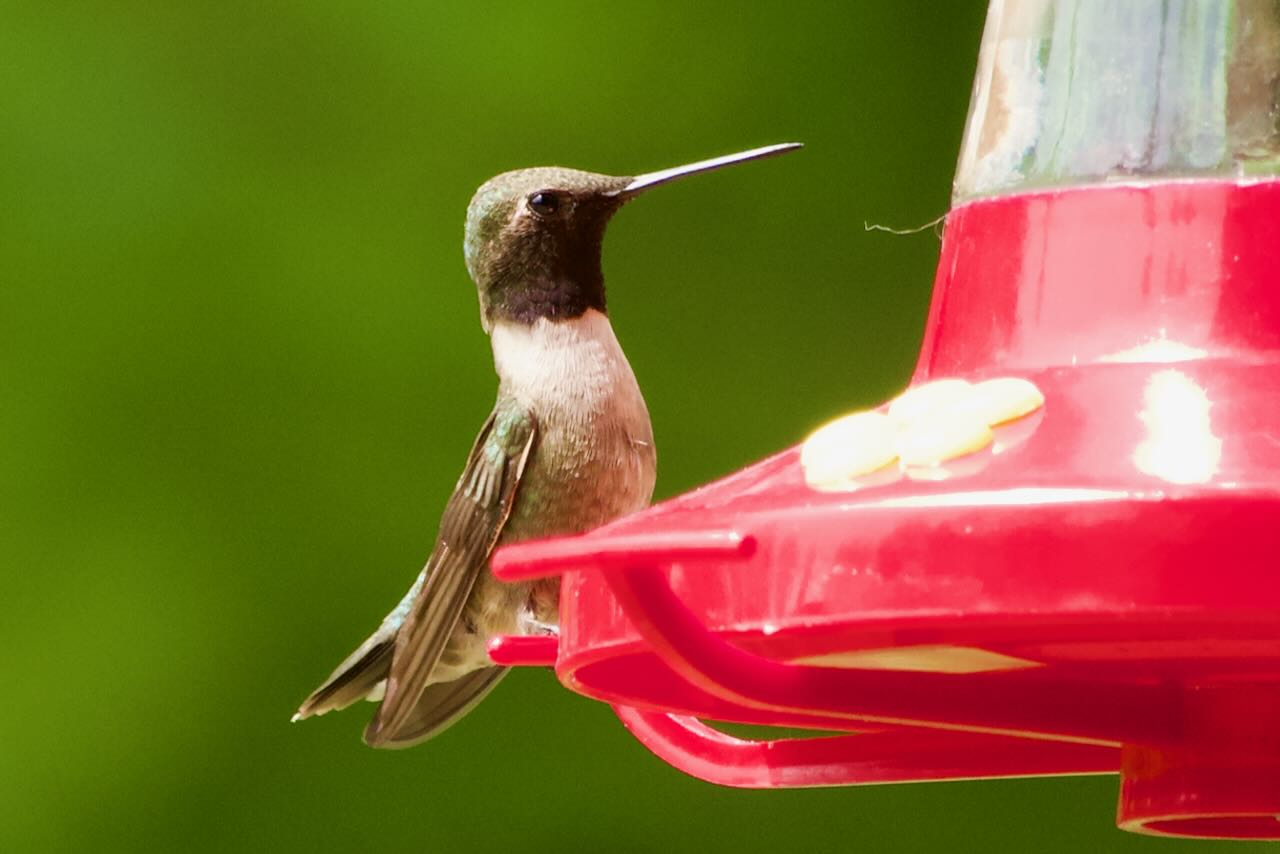
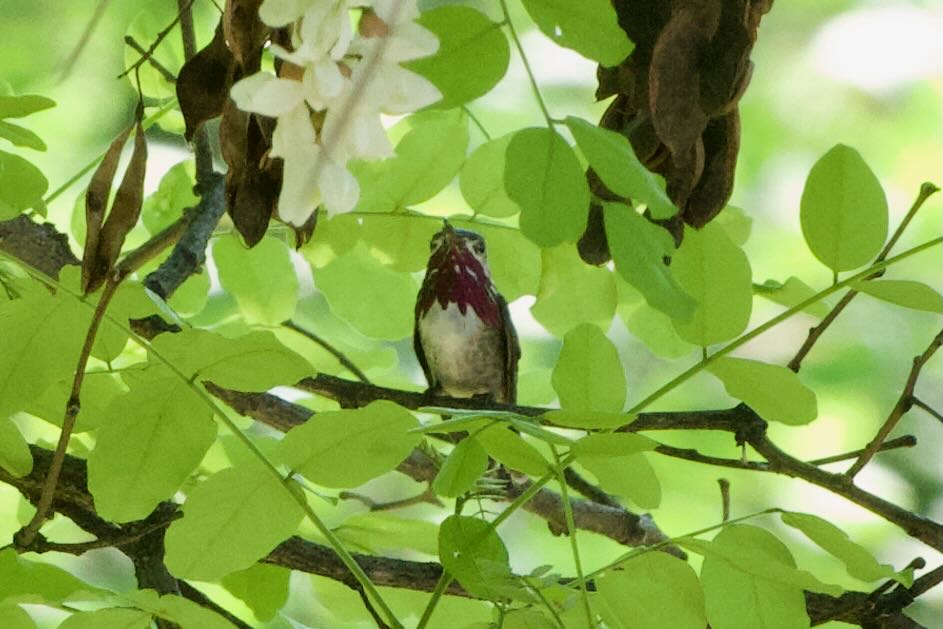
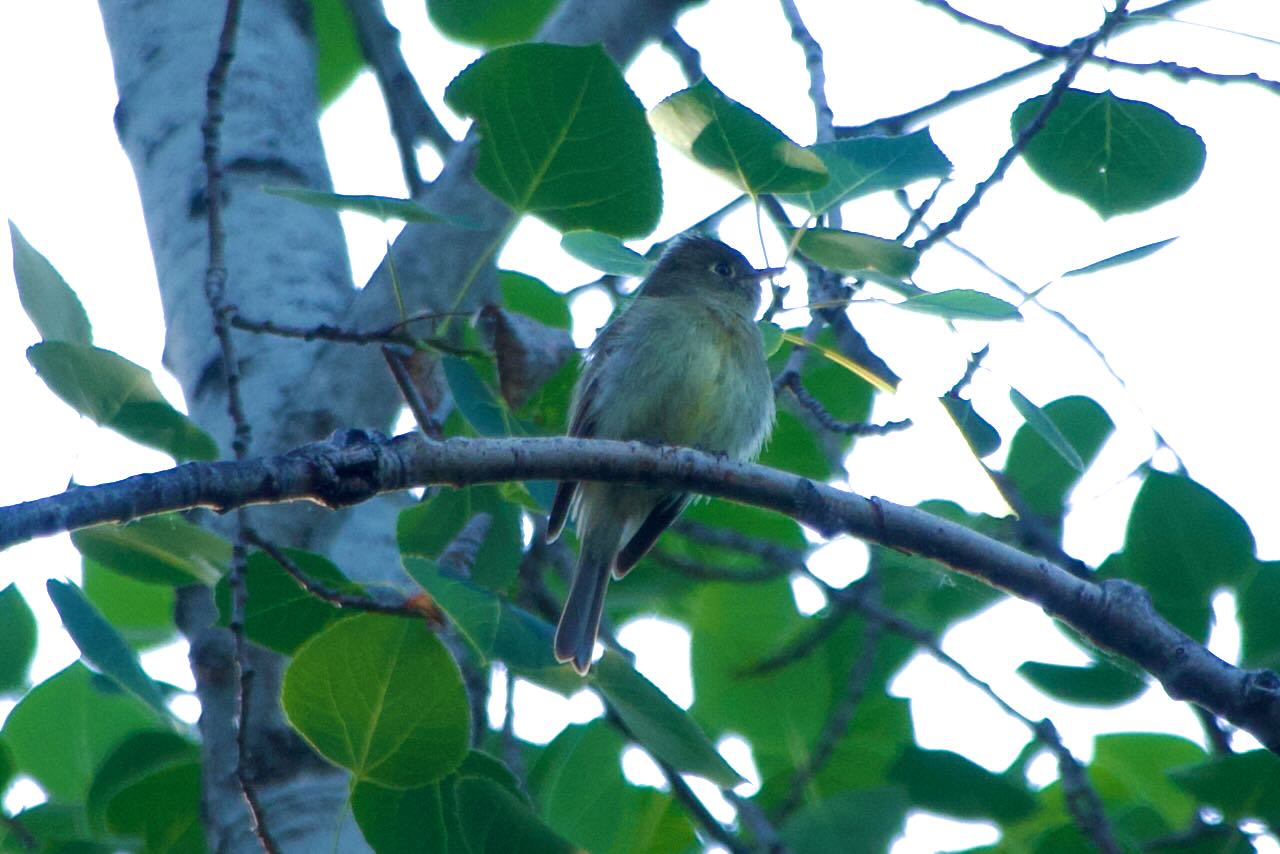
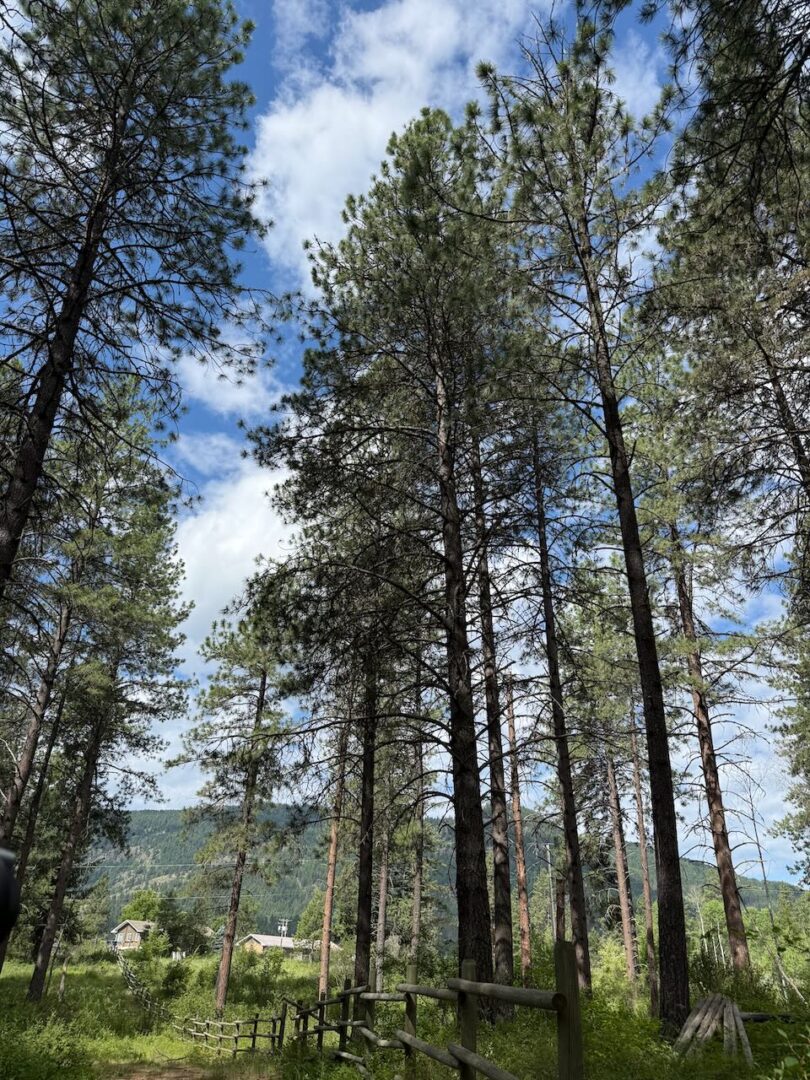
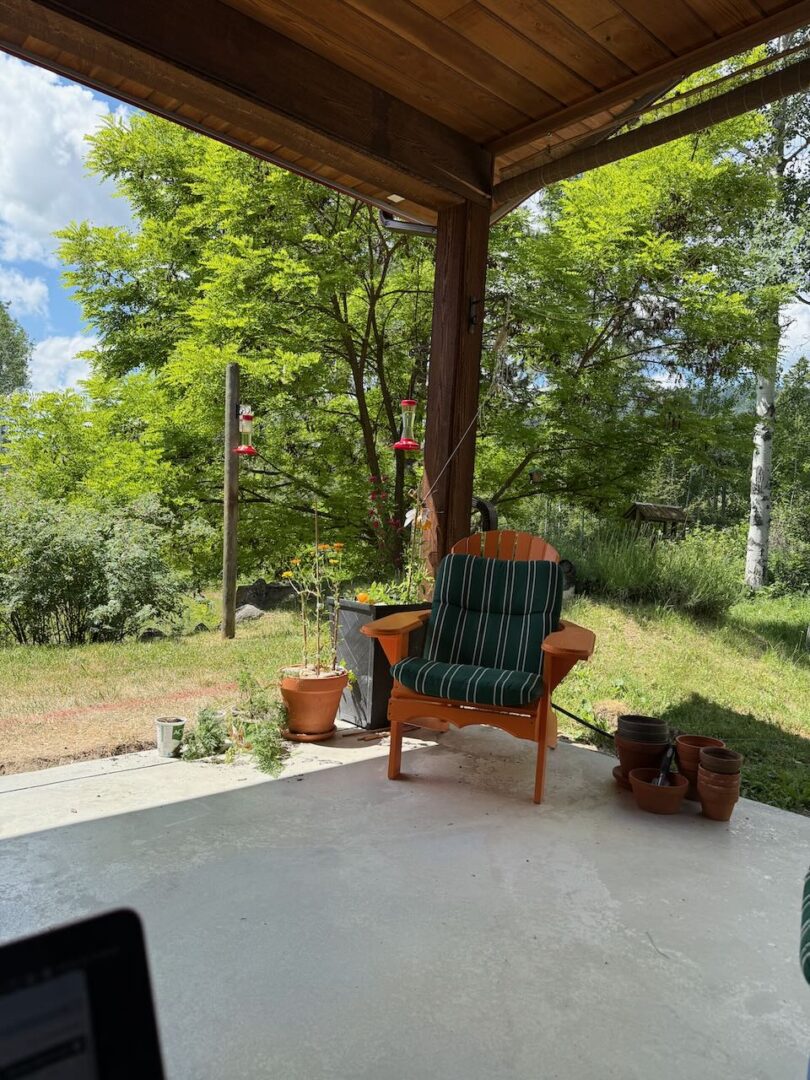
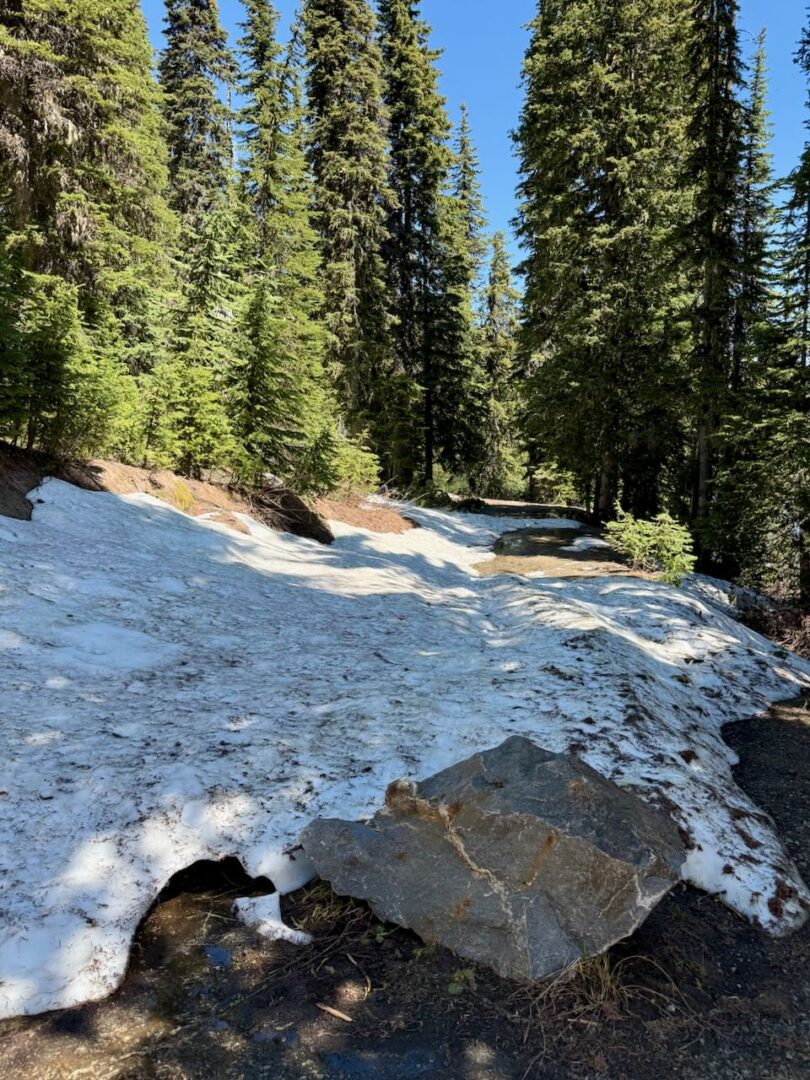
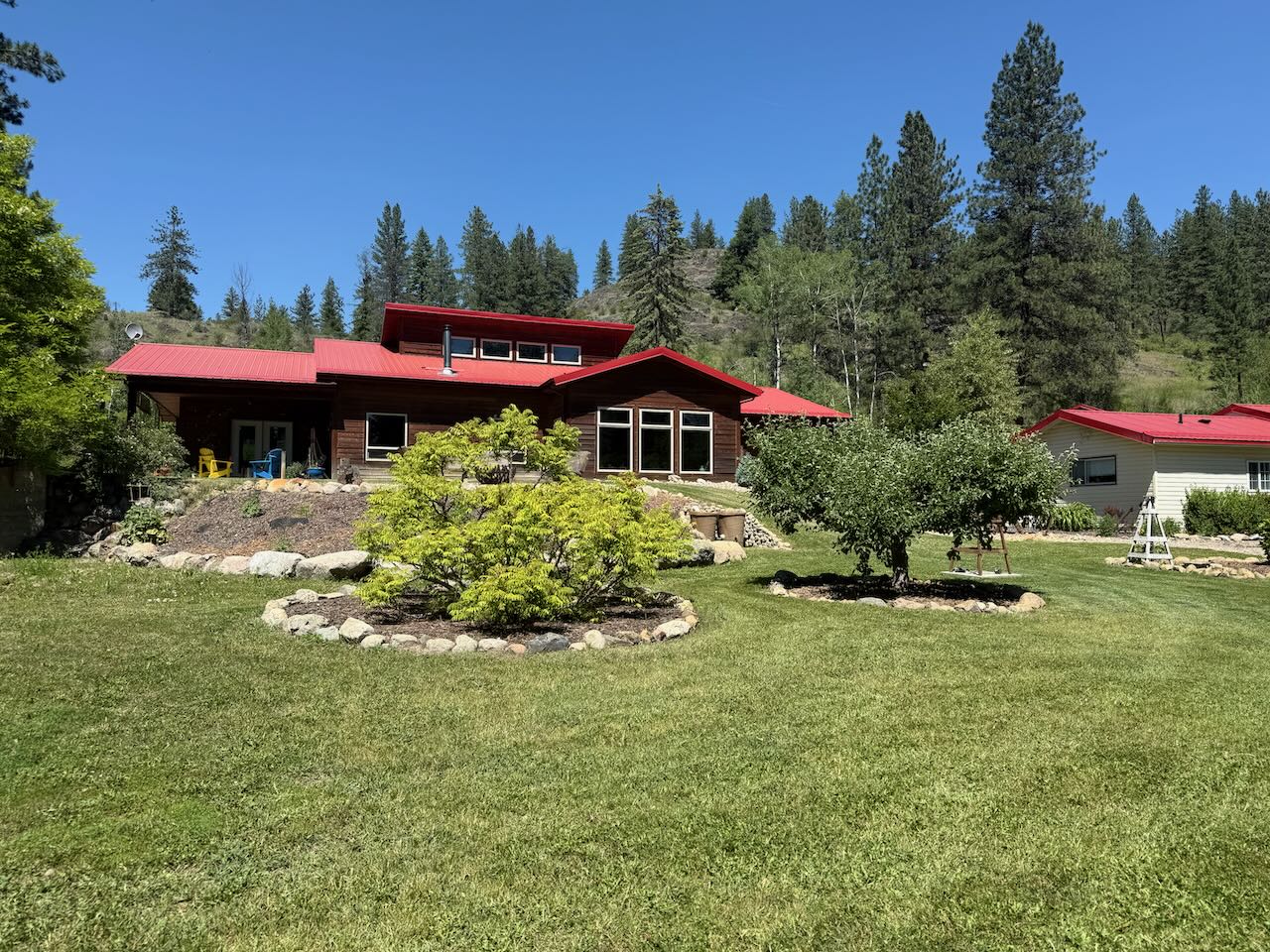
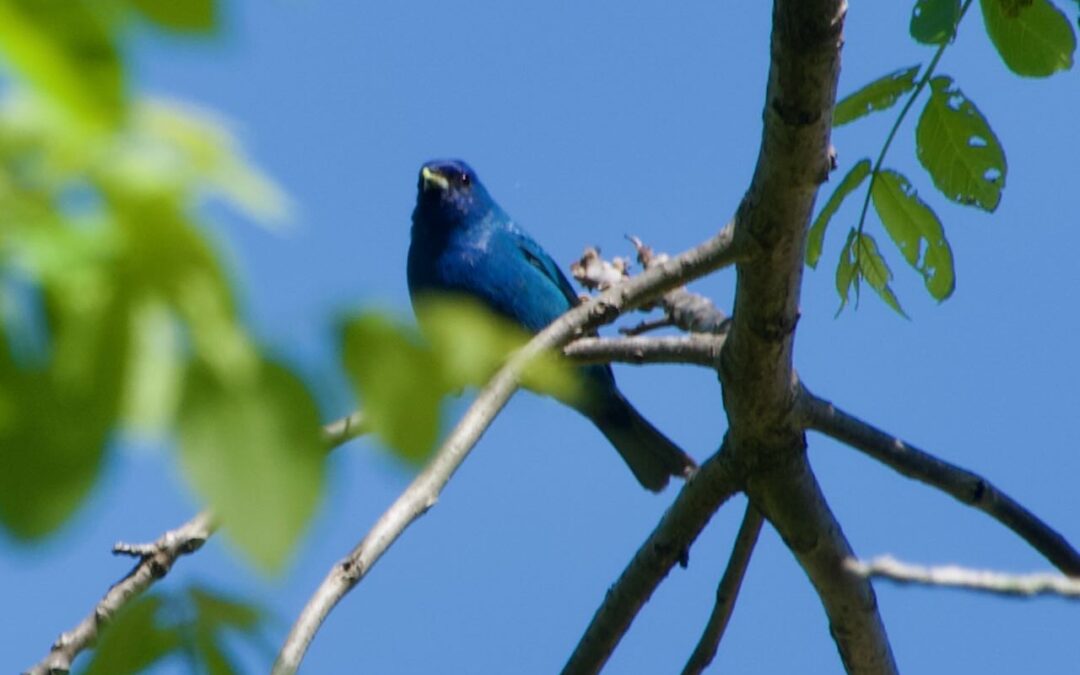
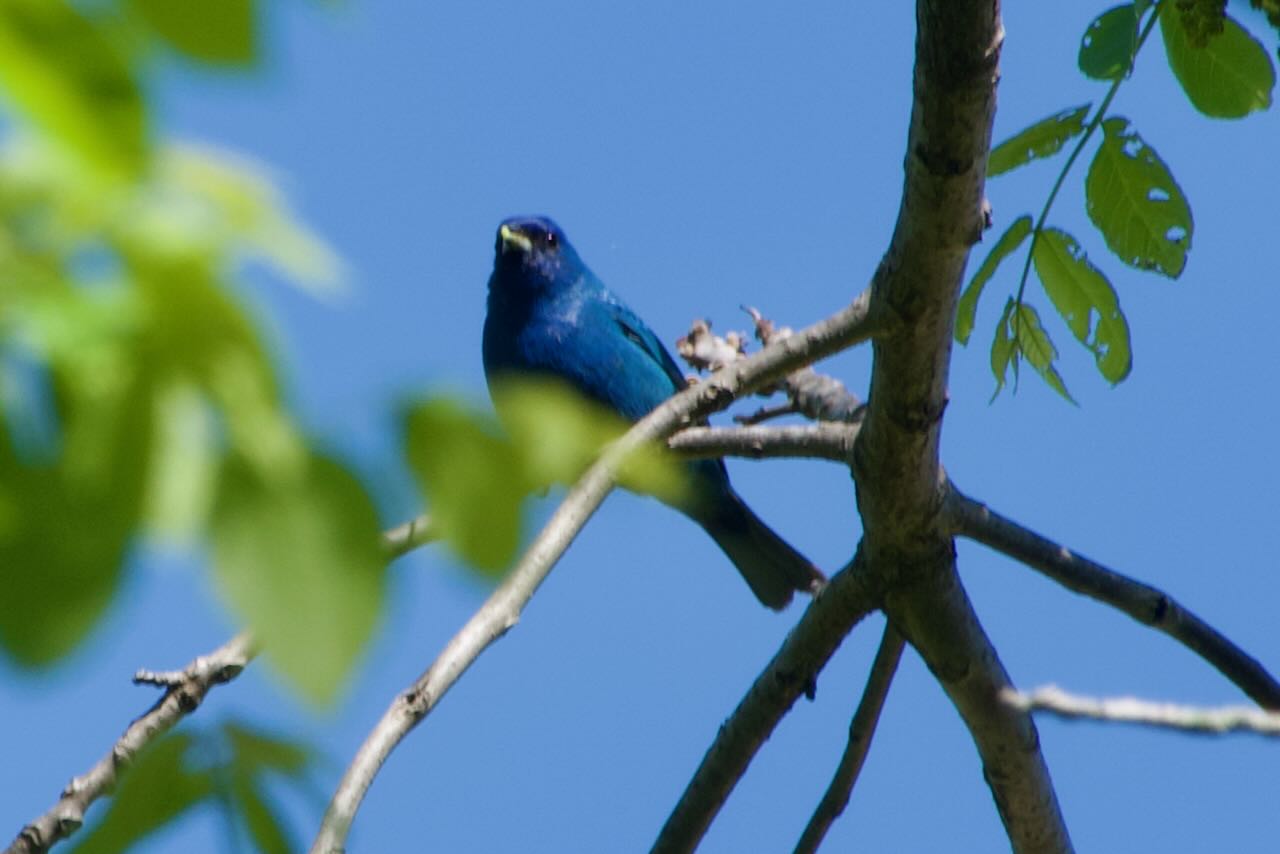
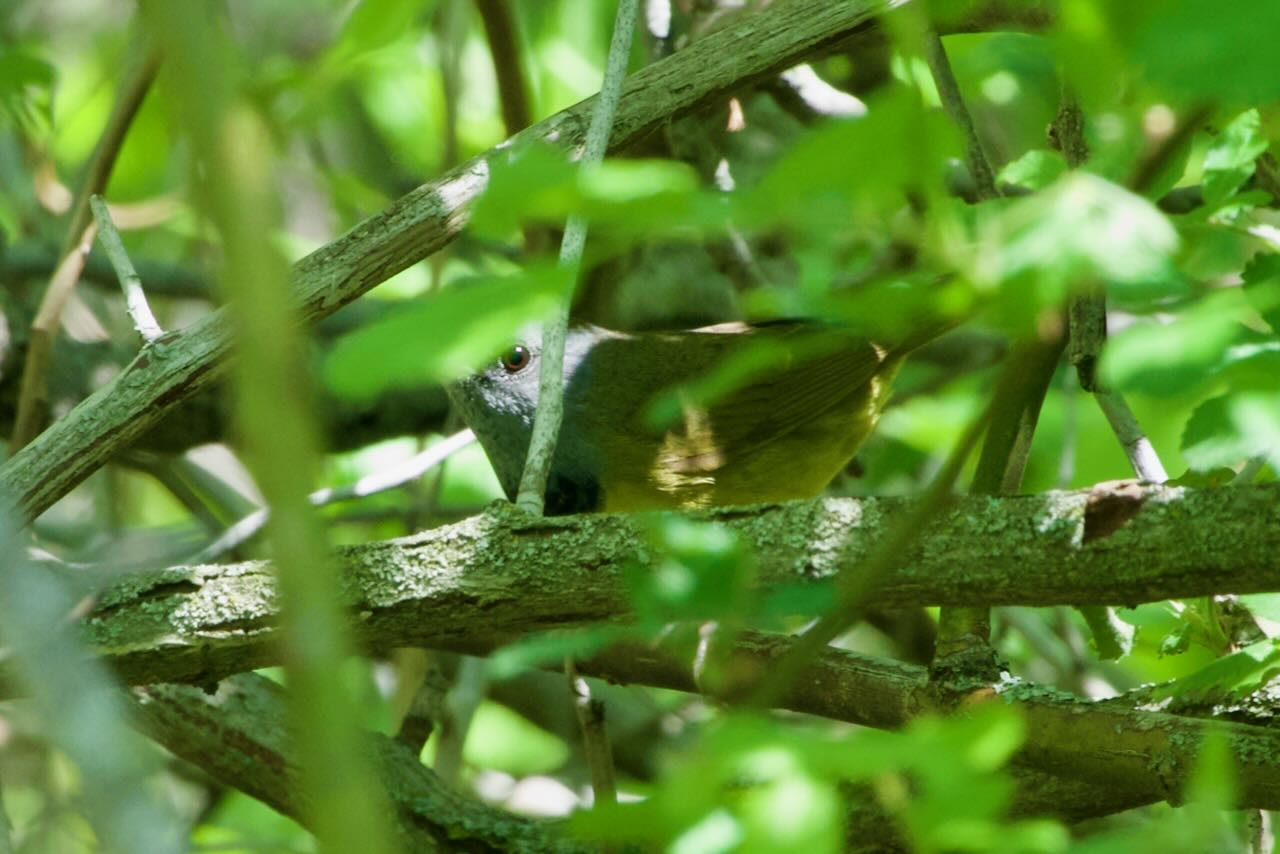
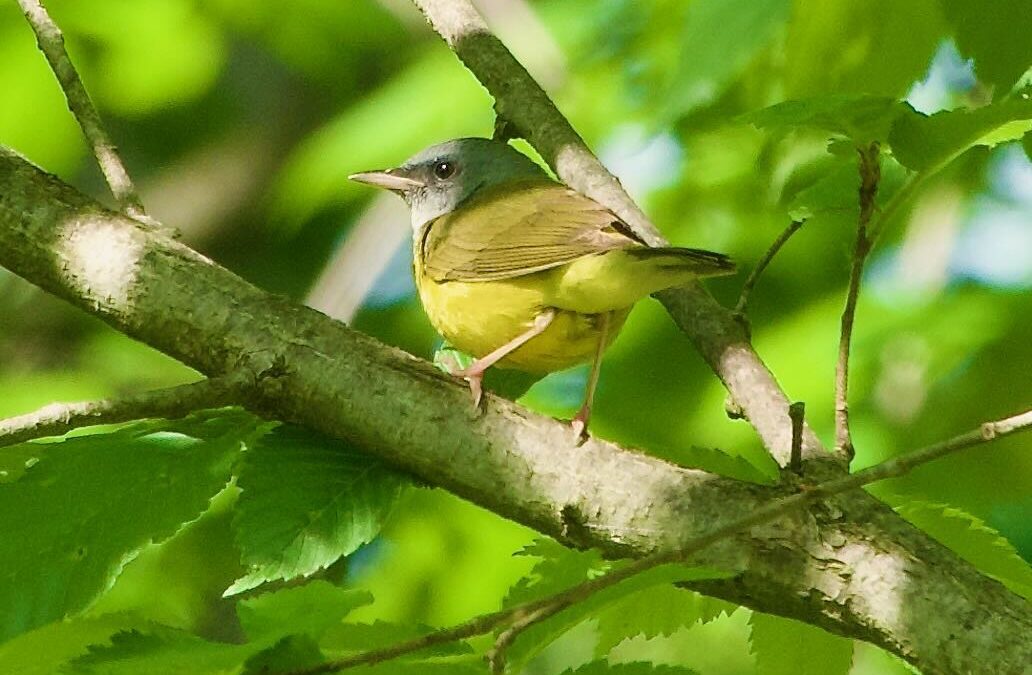
After arriving in Grand Forks on Sunday, Monday was our “catch up on everything day”. Laundry, pictures, video, blog, grocery shopping, car cleaning. We did it all and still managed a walk down the road and added 3 birds to the list. Jerry worked hard trying to get pictures of birds that insisted on staying high in the tall conifers or hidden in shrubs. The Hummingbirds were a bit easier but still very quick. Right now there are only two species at their feeders, Black-chinned and Calliope, but the Rufous Hummingbirds should be arriving any day. On the way out to our bunkie just after 10 I heard a Common Poorwill in the hills behind the house. We had planned to drive up the road to listen for them but were lazy after our busy day so it was nice that it was right there for us. Bird #350 for the year!.
Black-chinned HummingbirdCalliope Hummingbird
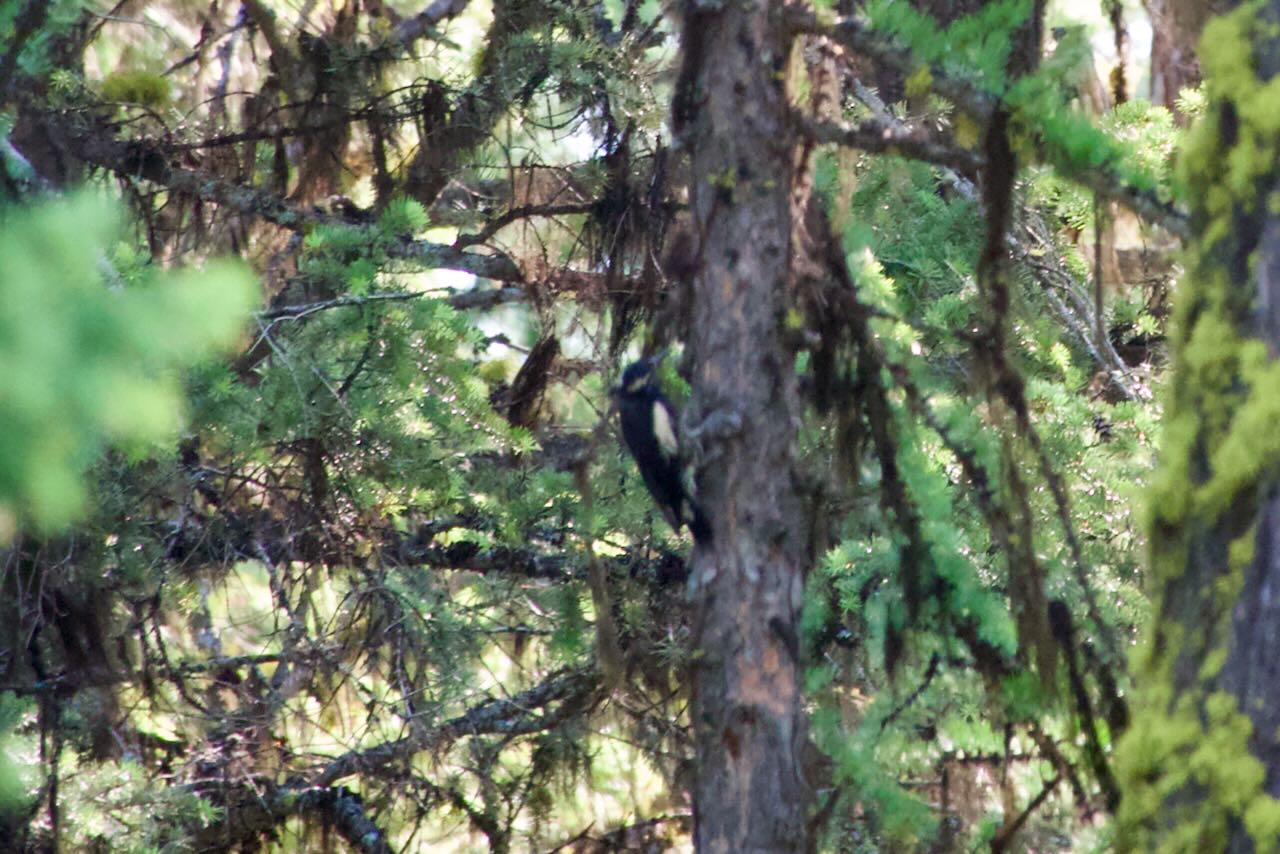
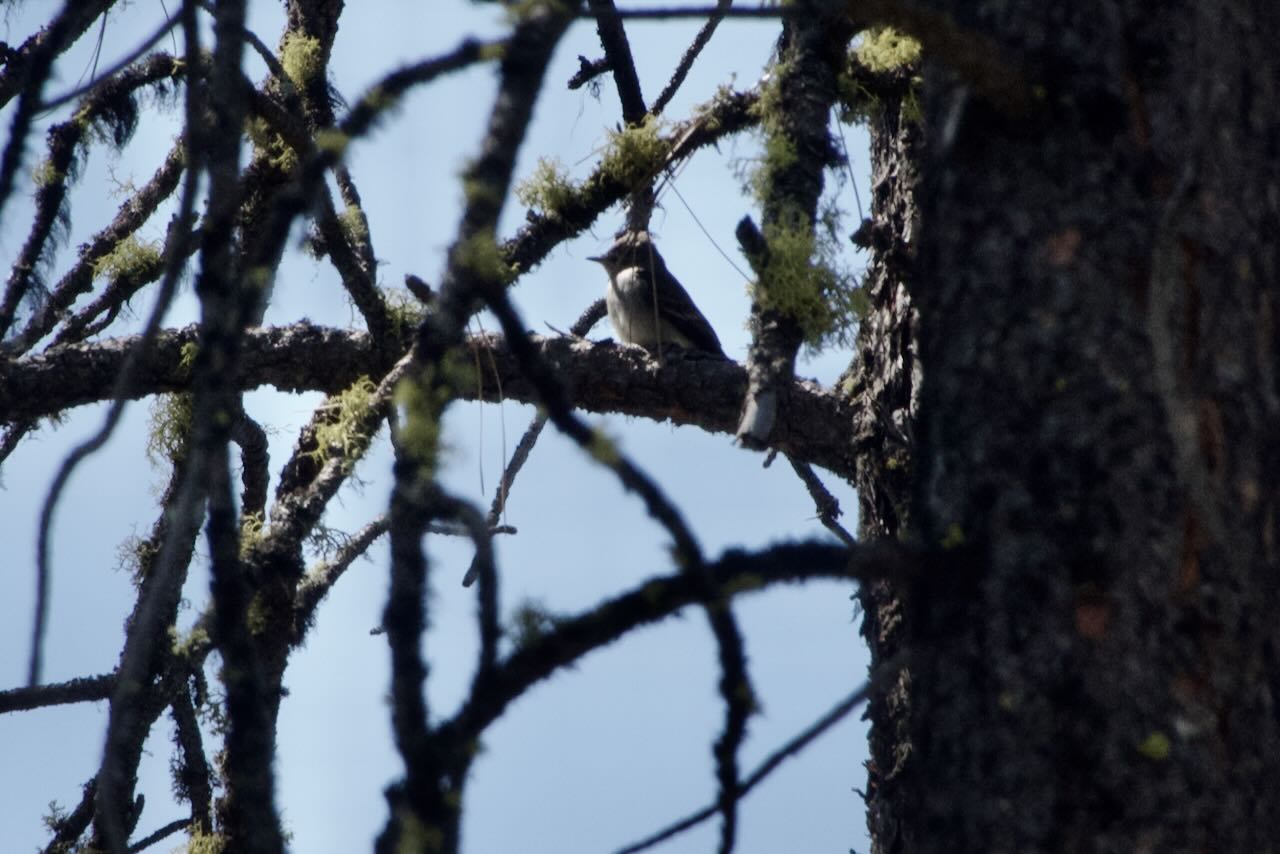
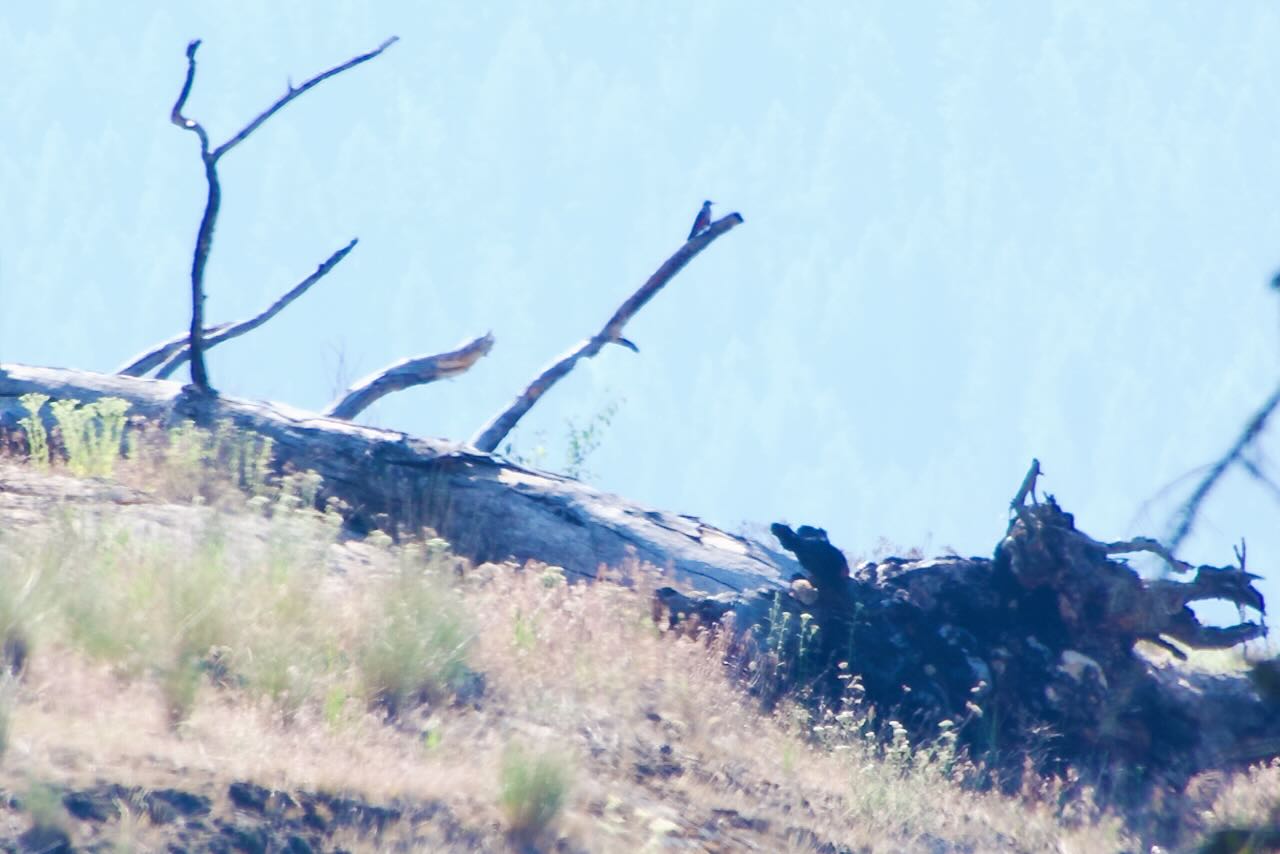
Tuesday we headed to Osoyoos to look for the Okanagan specialties. First up was a Williamson’s Sapsucker on Wagonwheel Road. We walked up and then back down the road and Jerry saw something fly into a Western Larch (the tree they nest in). We carefully looked through the branches and then the bird, a Williamson’s Sapsucker flew out and across the road, too far for us to re-find it. We waited around and then I walked further up the road while Jerry stayed hoping it would be back for a picture. I heard another Sapsucker tapping on a tree and texted Jerry to come up. We tried hard to figure out where we were hearing it and then used binoculars to scan carefully to see if we could find it. Finally Jerry had it in view for a moment, snapped a picture and managed to get a poor quality but record shot.
Williamson’s Sapsucker
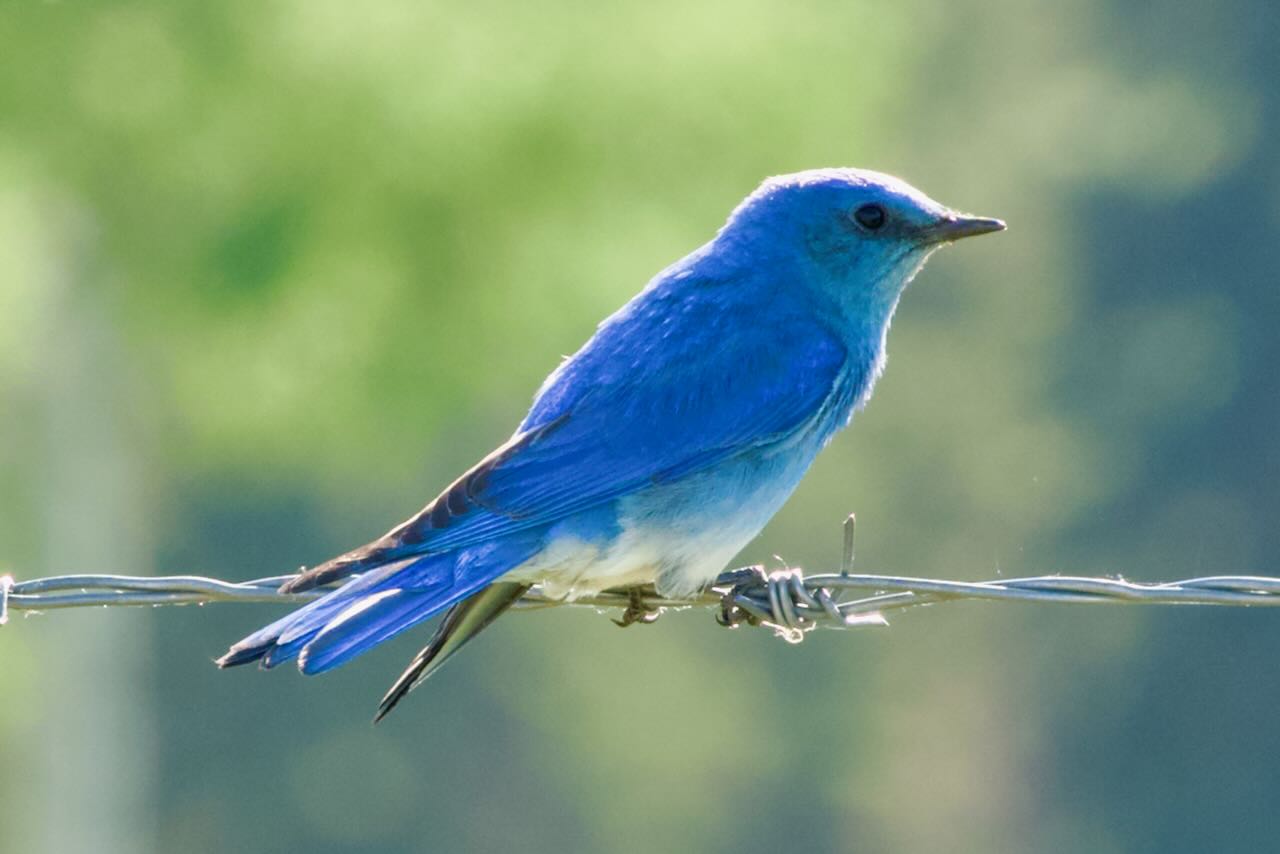
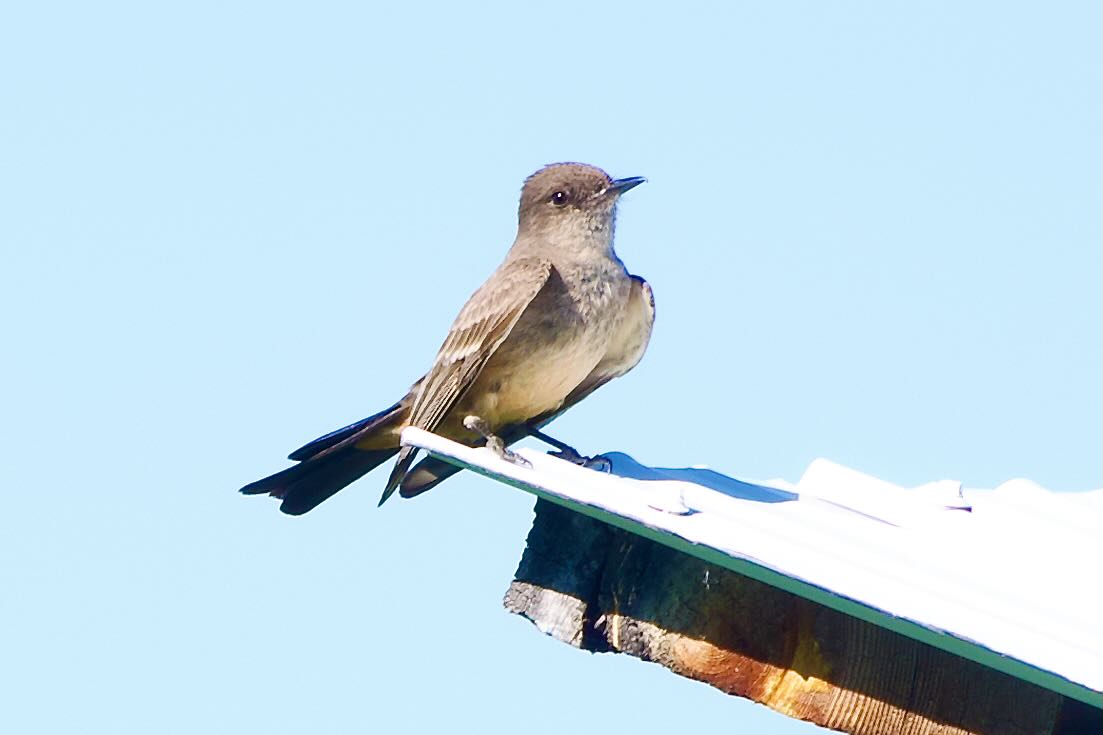
We drove up the road adding common birds as we went, Mountain Bluebird, Pygmy Nuthatch, and MacGillivray’s Warbler. We heard and saw a Say’s Phoebe, Cassin’s Vireo and had a quick glimpse of a Clark’s Nutcracker. Jerry got pictures of some of them but others we will have to wait until we see them in other locations.
Mountain BluebirdSay’s Phoebe
Our next specialty was Gray Flycatcher which has been easily found at the 10 km sign on McKinney Road outside of Oliver for a number of years. Sure enough we drove up, parked and walked up the road a bit, then down and heard it singing. Finding it is always more difficult but after 15-20 minutes we did and Jerry managed a few pictures under difficult lighting and distance. The shape of the bird is discernible but little else.
Gray Flycatcher
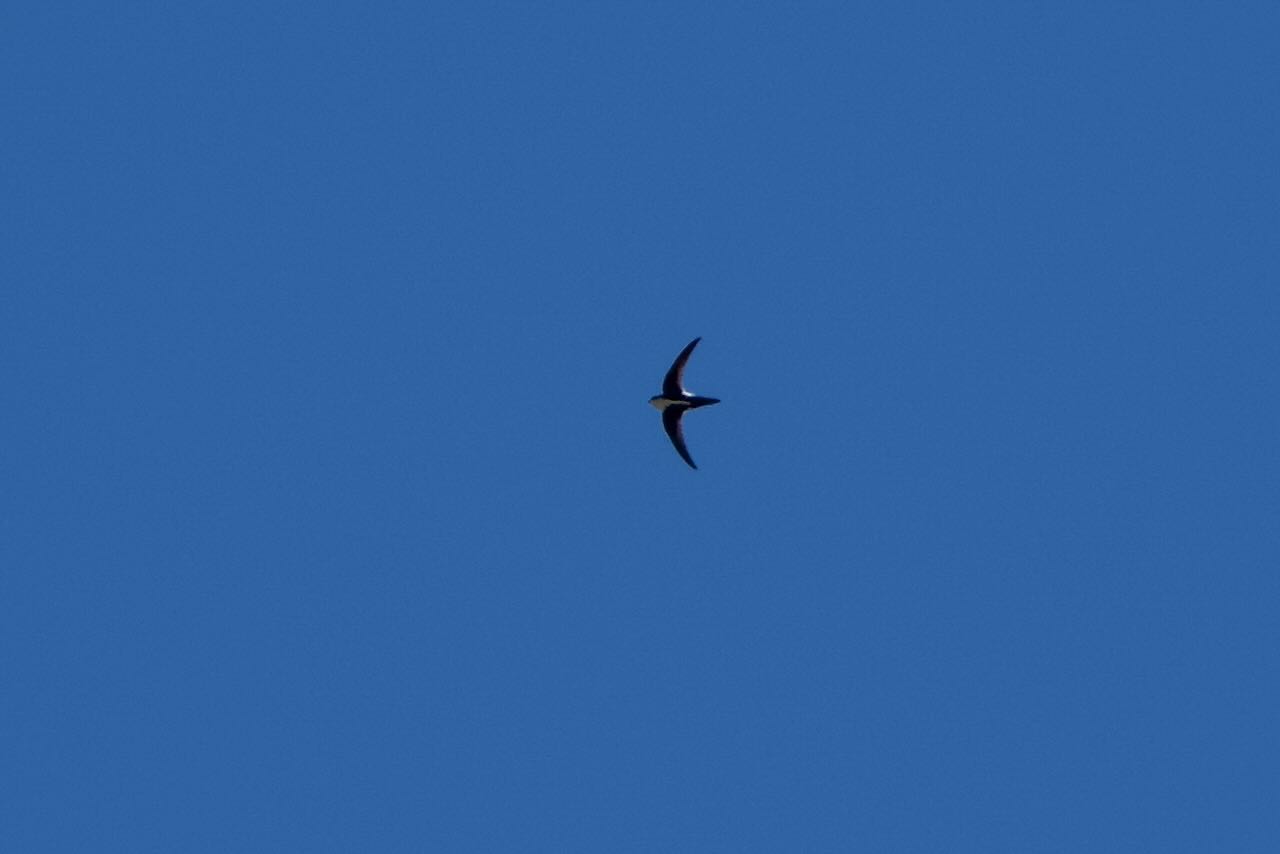
Continuing north we stopped at the cliffs above Vaseux Lake for White-throated Swifts and had no problems seeing and hearing them. Pictures, again, are difficult as they are flying very high or landing in crevices high in the cliffs. We scoped some to see if we could take a digiscope pic but we don’t have an attachment for our phone and we just cannot line the phone camera up with the scope. I meant to get one for this trip but somehow it got forgotten.
White-throated Swift
This is usually the spot we also hear Canyon Wren but it was very quiet. The temperature was between 31-35C so that might have had something to do with it. We will have to try for it again or along the cliffs on our next drive through.
We opted to visit a bit of a shady area along the lake and saw and heard Bullock’s Oriole and also added Cassin’s Finch to top off the day at 11 more birds added to the year list.
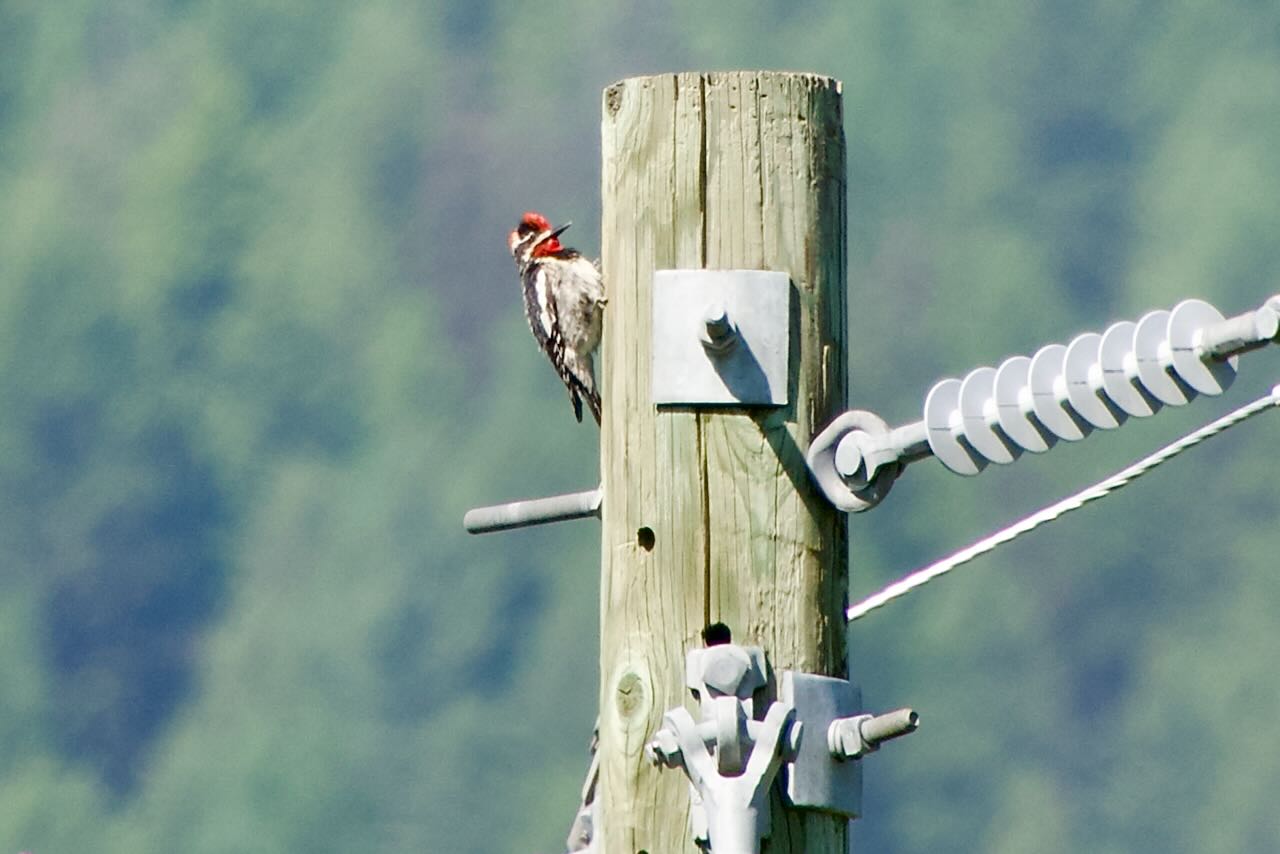
Wednesday morning the forecast was for temperatures in the 30’s again so we opted to bird locally early morning. We drove 3 kms up the Forestry Road at Gilpin and managed to see a very distant Lewis’s Woodpecker that kindly stayed on a branch long enough for me to get the scope out so we could have a decent, confirming look at it. The road started to get pretty rough and we were just hearing and seeing the same birds so we opted to head back down rather than punish the car with conditions more suited to a 4 wheel drive than a Prius! On the way back we drove about 3kms up Sand Creek Road from my brother’s driveway and added Red-naped Sapsucker at the beginning of the drive.
Lewis’s WoodpeckerRed-naped Sapsucker
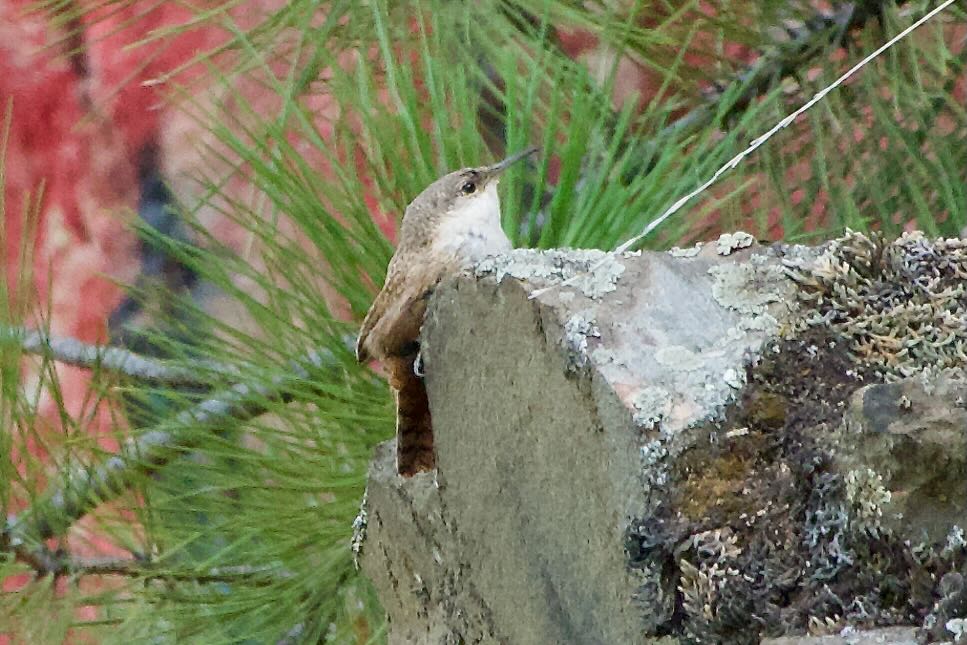
Thursday we stayed local again and chased down a report that Canyon Wrens had been seen in Grand Forks the end of May. We drove to the base of Observation Mountain and walked a very short distance and heard a Canyon Wren – I love when it works out like that. Even better there were two, clearly feeding nestlings in a nest inside an old mine shaft in the side of the mountain. We enjoyed watching them for a while and Jerry took lots of pictures. We walked farther on the trail hoping to get better pictures of some of the common species but were not too successful. We also saw a couple of White-throated Swifts flying around the cliffs. Another bird that we had driven to the Okanagan for but was now 5 minutes from my brother’s.
Canyon Wren
The reality is that birds are everywhere but if birders tends to go to the same places where a species is reliably being seen then many places go unreported. When I have limited time I don’t want to leave it to chance that I see a species so I go where most of the reports are. But clearly, Canyon Wrens and White-throated Swifts can be anywhere along cliff faces so now we know, and other birders know, that they are in the Grand Forks area.
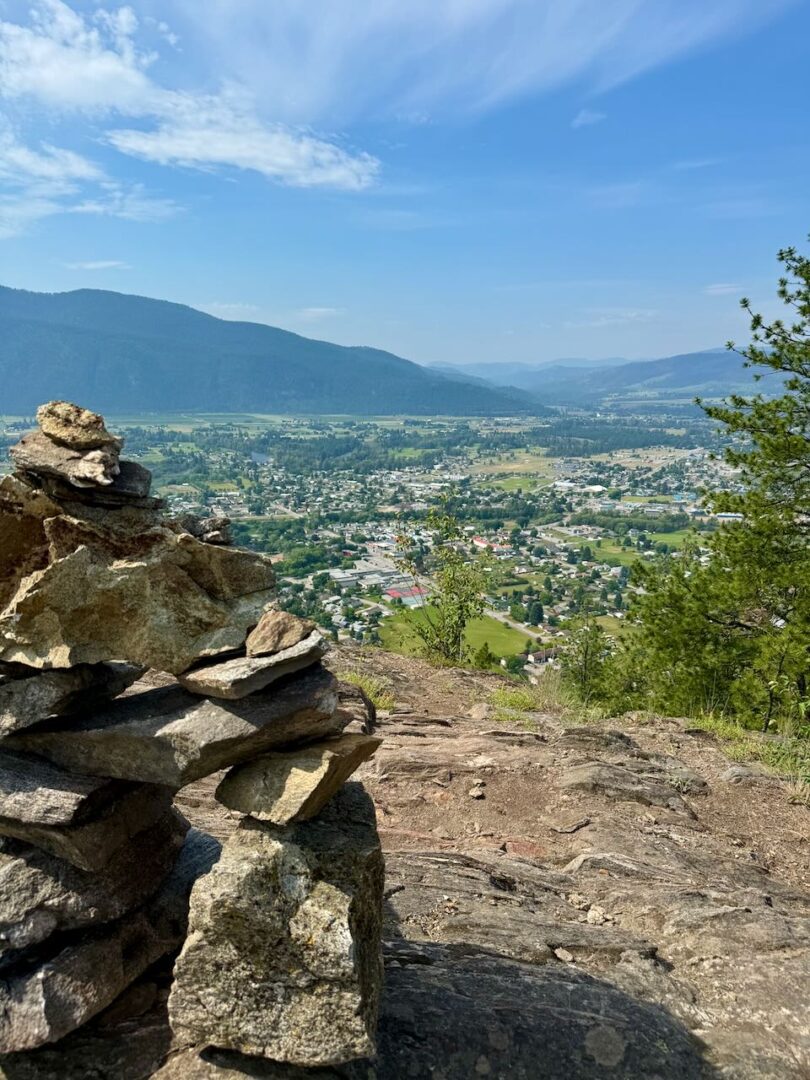
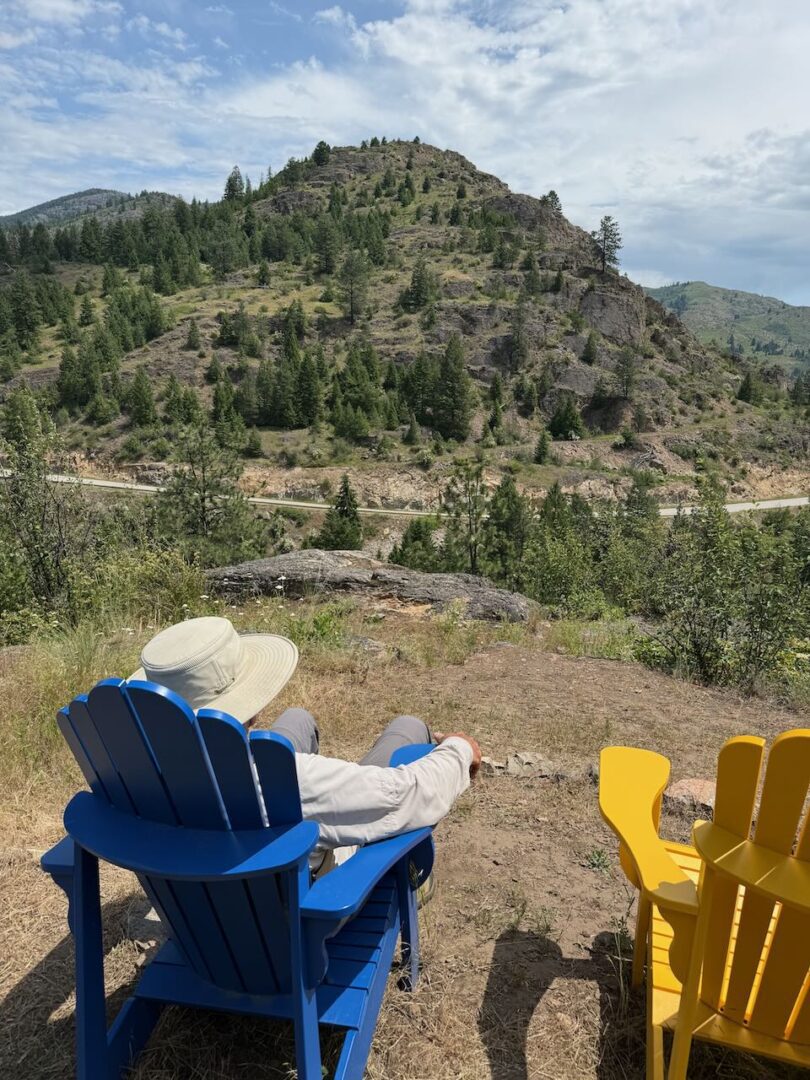
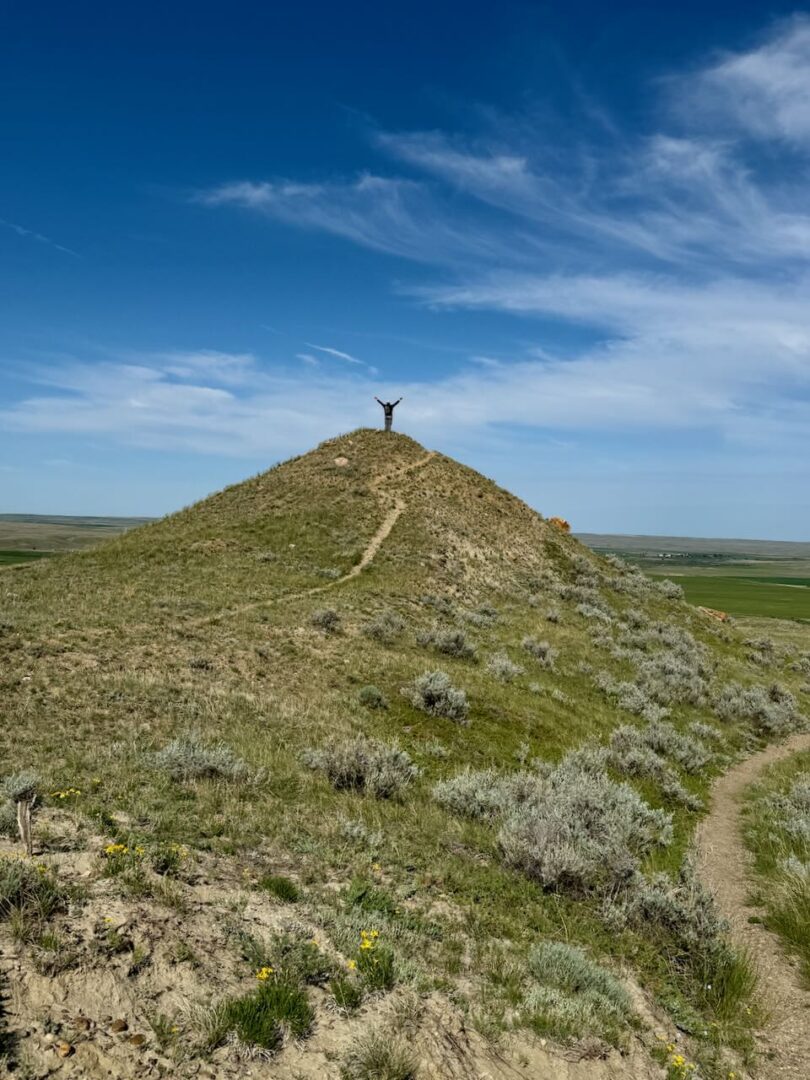
We then decided to climb Observation Mountain, a 778 meter summit but we only needed to climb 220m over 2km so a pretty steep hike up to the summit. It took us two hours up and back with some stops along the way.
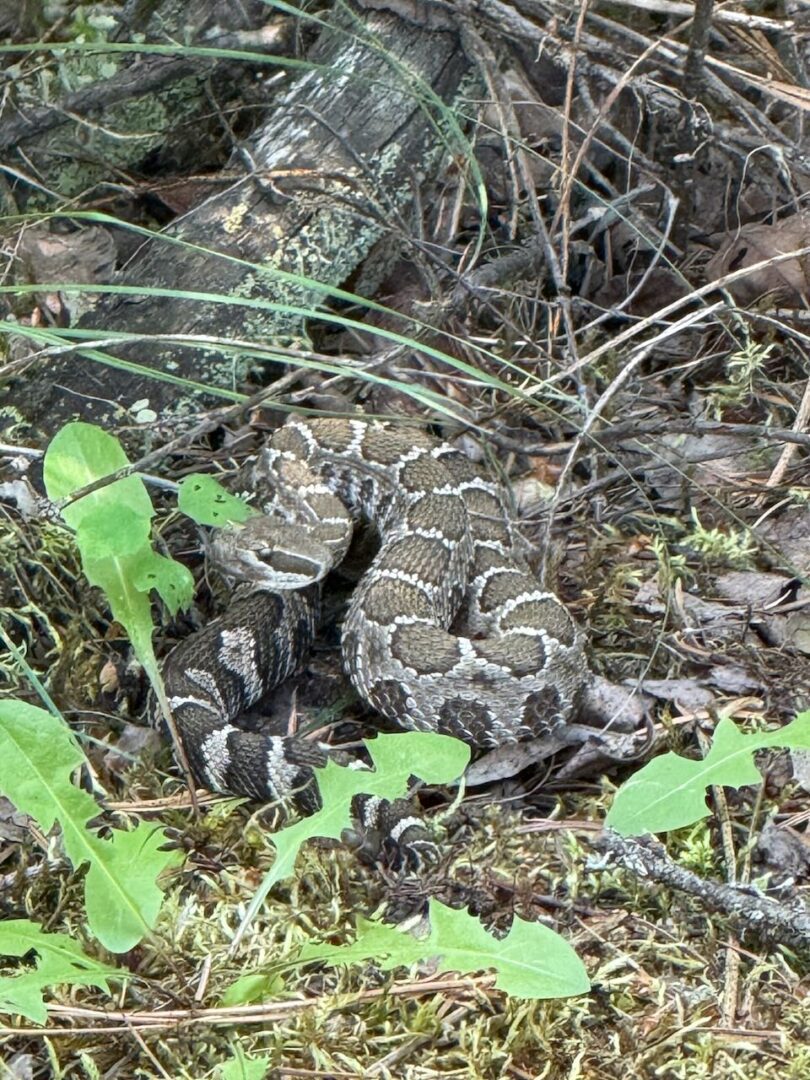
We are trying to do some of these uphill hikes in anticipation for the big one we need to do in Newfoundland in September to get a Rock Ptarmigan and I could see from this hike that I am not ready LOL. Part way down on the narrow path I suddenly heard a familiar rattle and saw movement that brought me to a complete stop. A rattlesnake!
As is usually the case, the snake moved off into the brush and after a quick check to make sure all was clear we went on down the path. We took a walk around the family compound in the late afternoon hoping to hear and see a Western Flycatcher. It ‘s song has shown up on Merlin a number of times but each time it is limited and we do not hear it ourselves or see the bird and so it has remained off our list. It is frustrating to know that a bird is out there but we just have to be patient for it to make an appearance.
Friday Jerry was out in the driveway early and within minutes he had a Western Flycatcher right above him singing and easily identifiable and staying still for a picture. He came and got me, ( I was still brushing my teeth), and I got to see it as well. Finally it could be added to our year list.
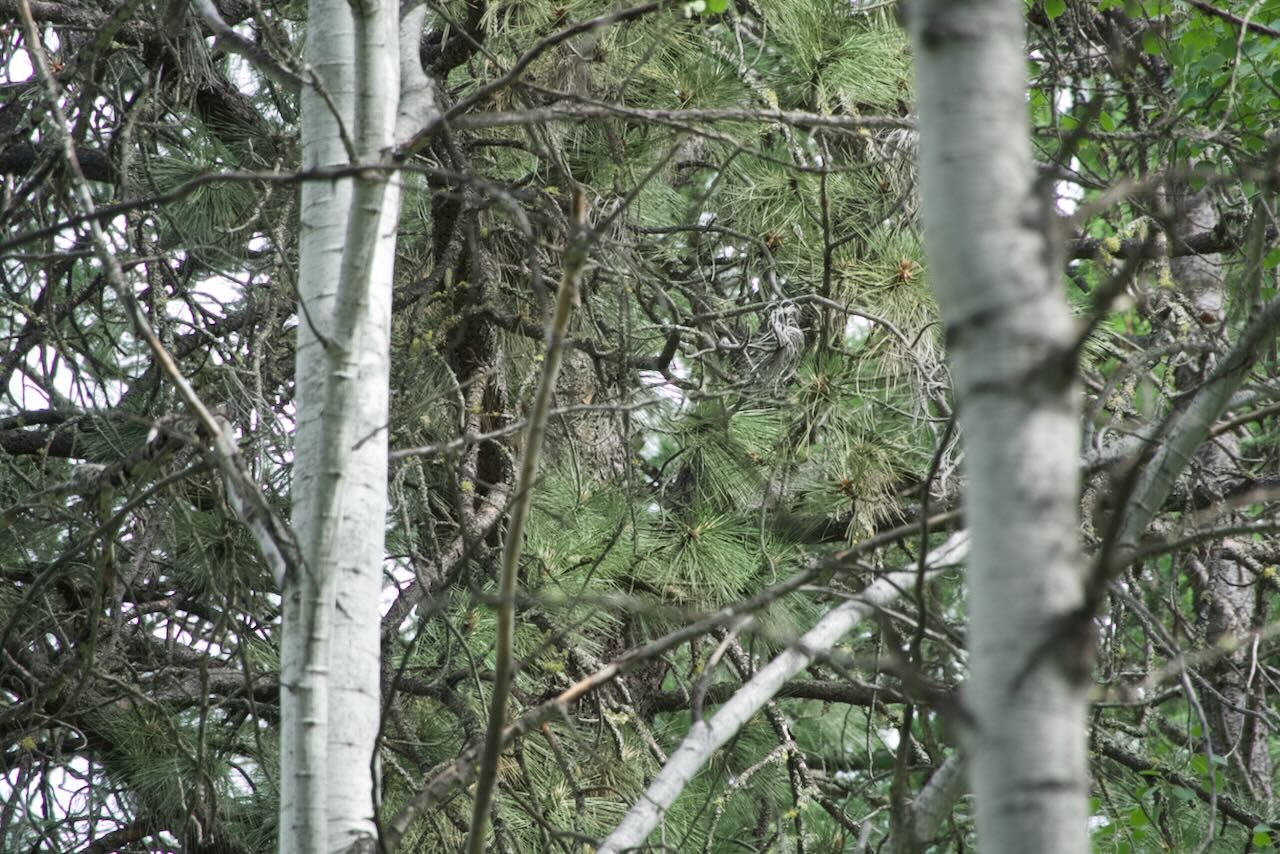
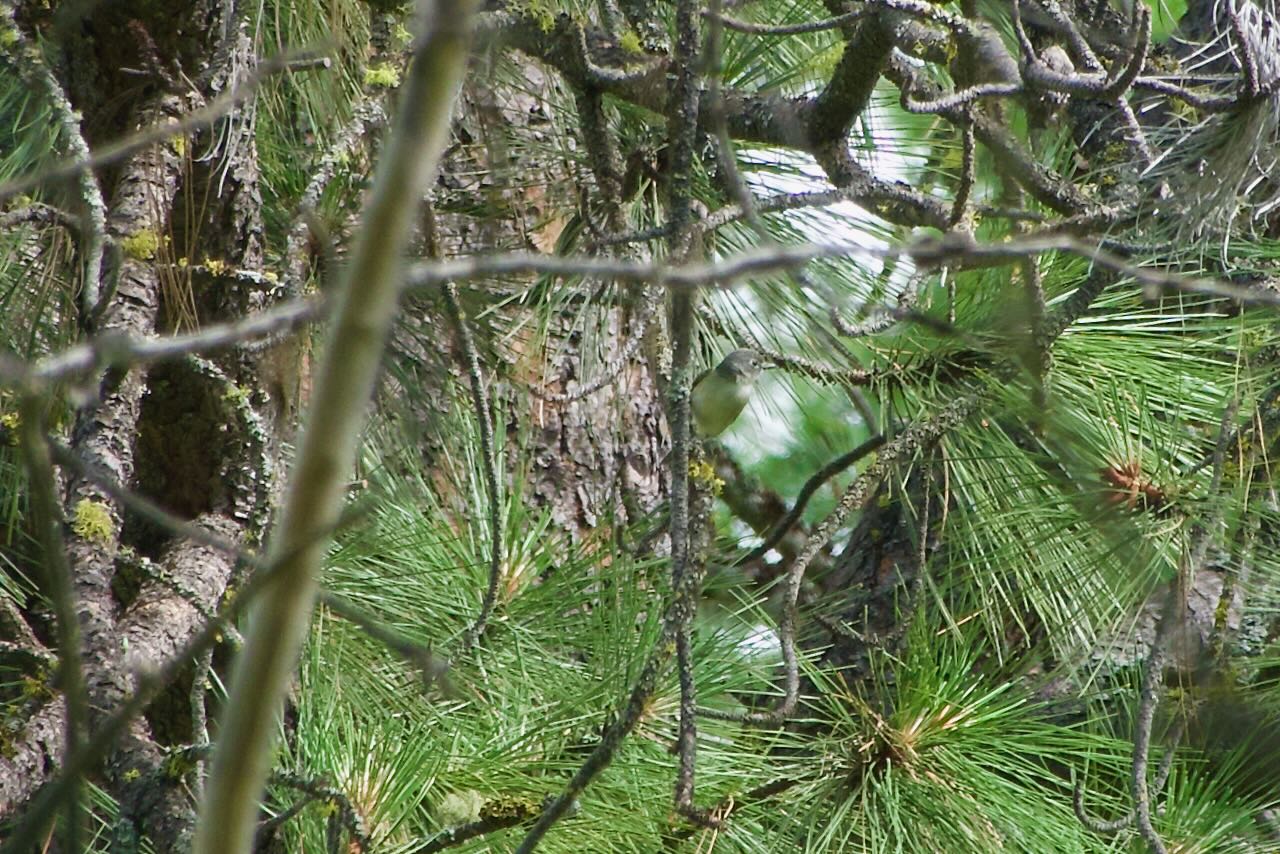
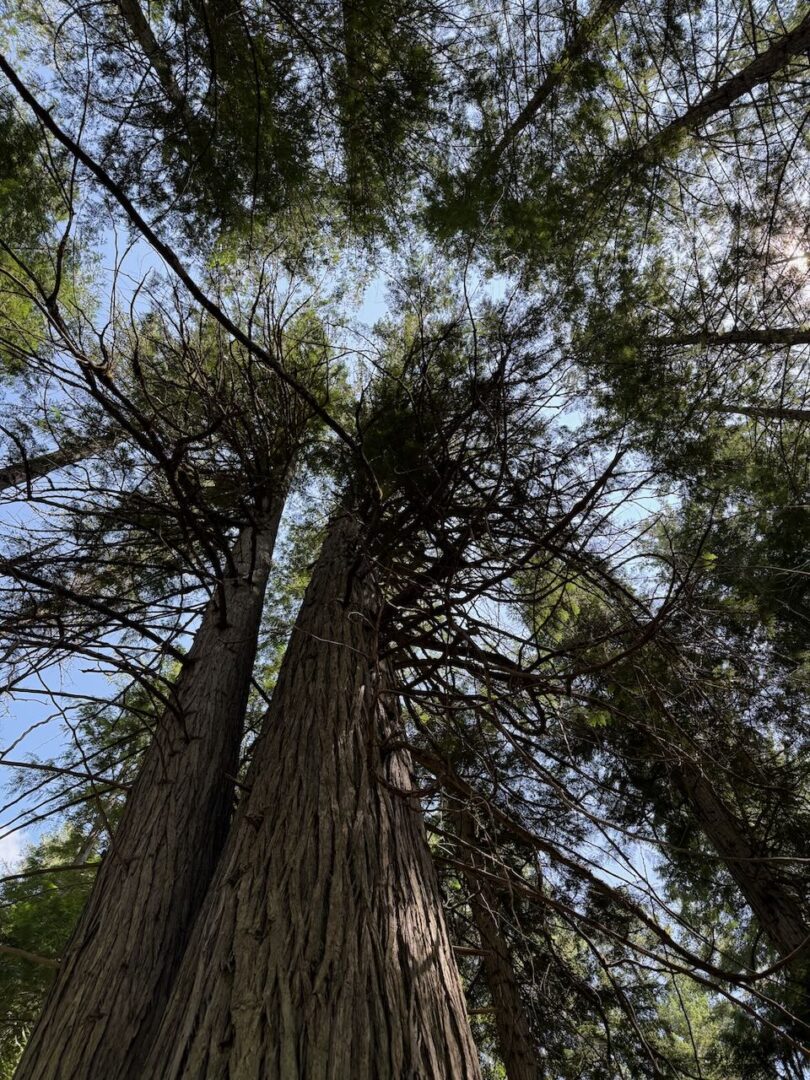
We headed down the driveway again to see if we could get pictures of some of the birds we have heard and caught glimpses of. My brother has 23 acres with many mature trees that are really tall so trying to see the birds near the top gives us warbler neck just like at Pelee. We have heard all the birds but getting a picture is challenging. We spent 30 minutes or so listening to Cassin’s Vireo (the Western version of our Blue-headed Vireo) and finally got to see two of them foraging and Jerry managed some pictures of them.
Can you find the bird?Cassin’s Vireo
A bit further and Rufous Hummingbird came up on Merlin. This is the last Hummingbird we are waiting for but we did not hear it or see it so it was not added to the list. We hoped that it might show up at the feeders up at the house later. Jerry took some pictures of a few other birds we still need pictures of and we returned to the house to bird in the best way possible. Sitting in the shade, by the feeders.
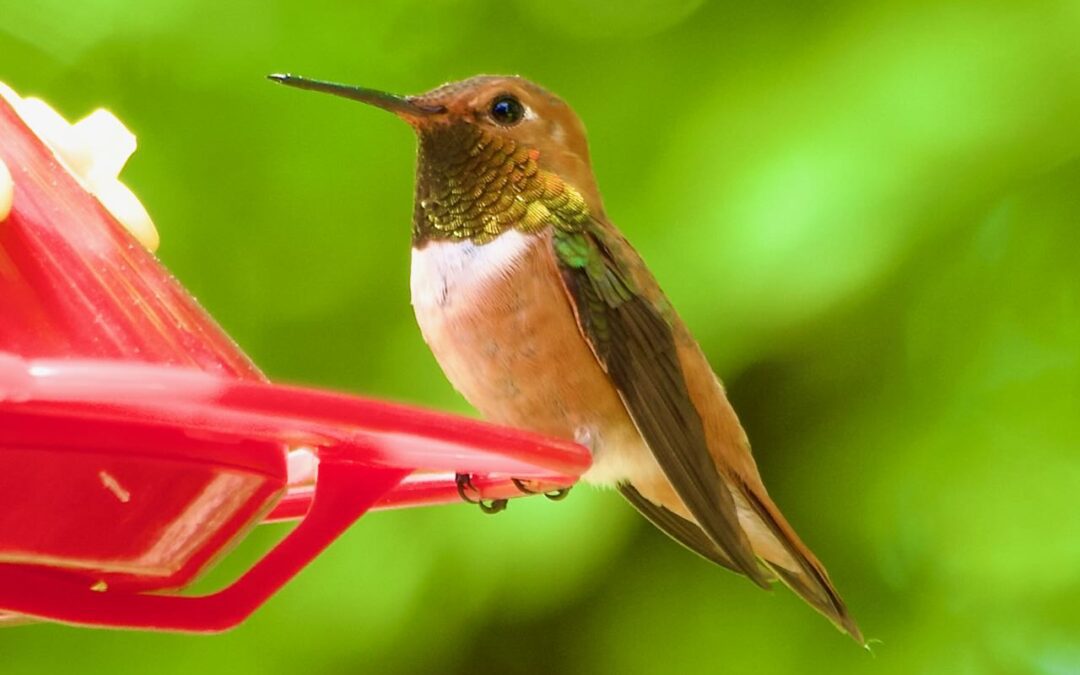
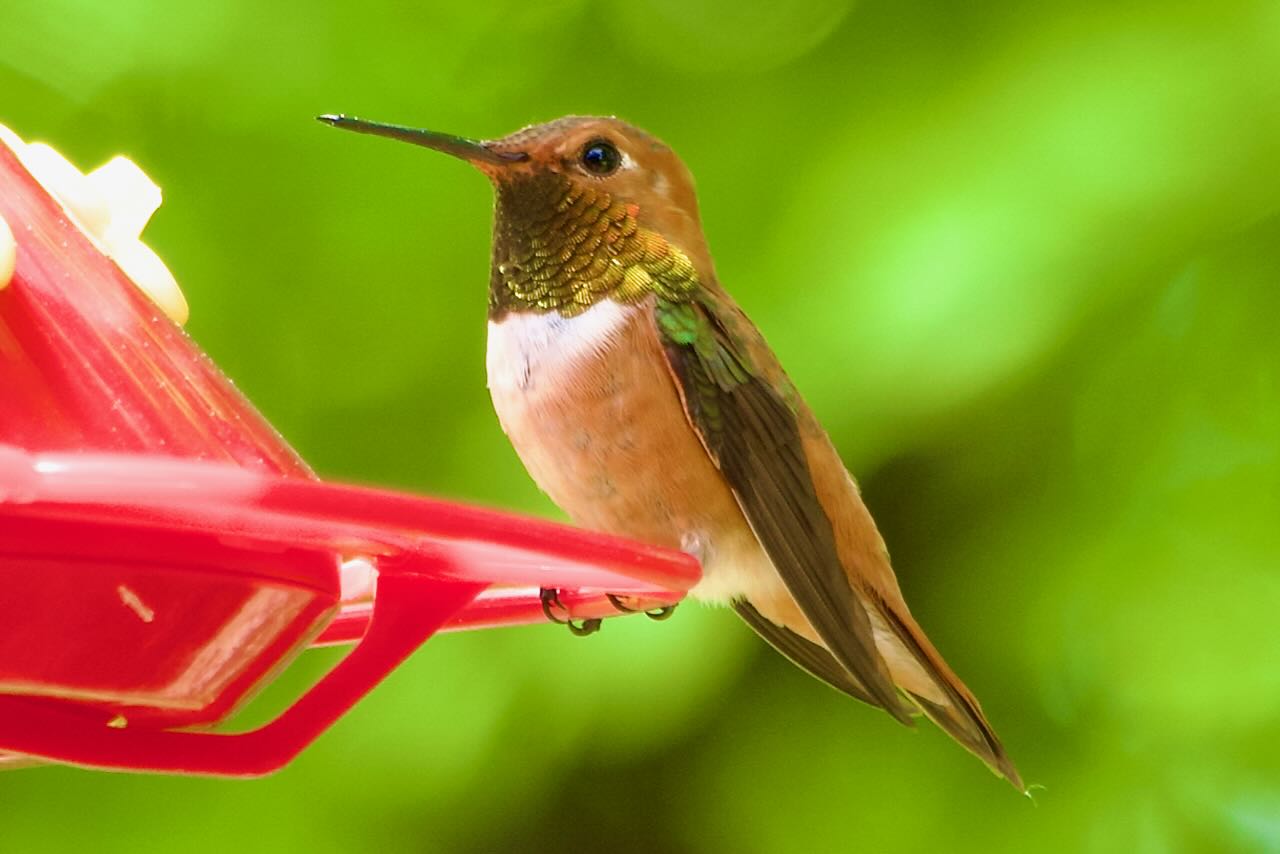
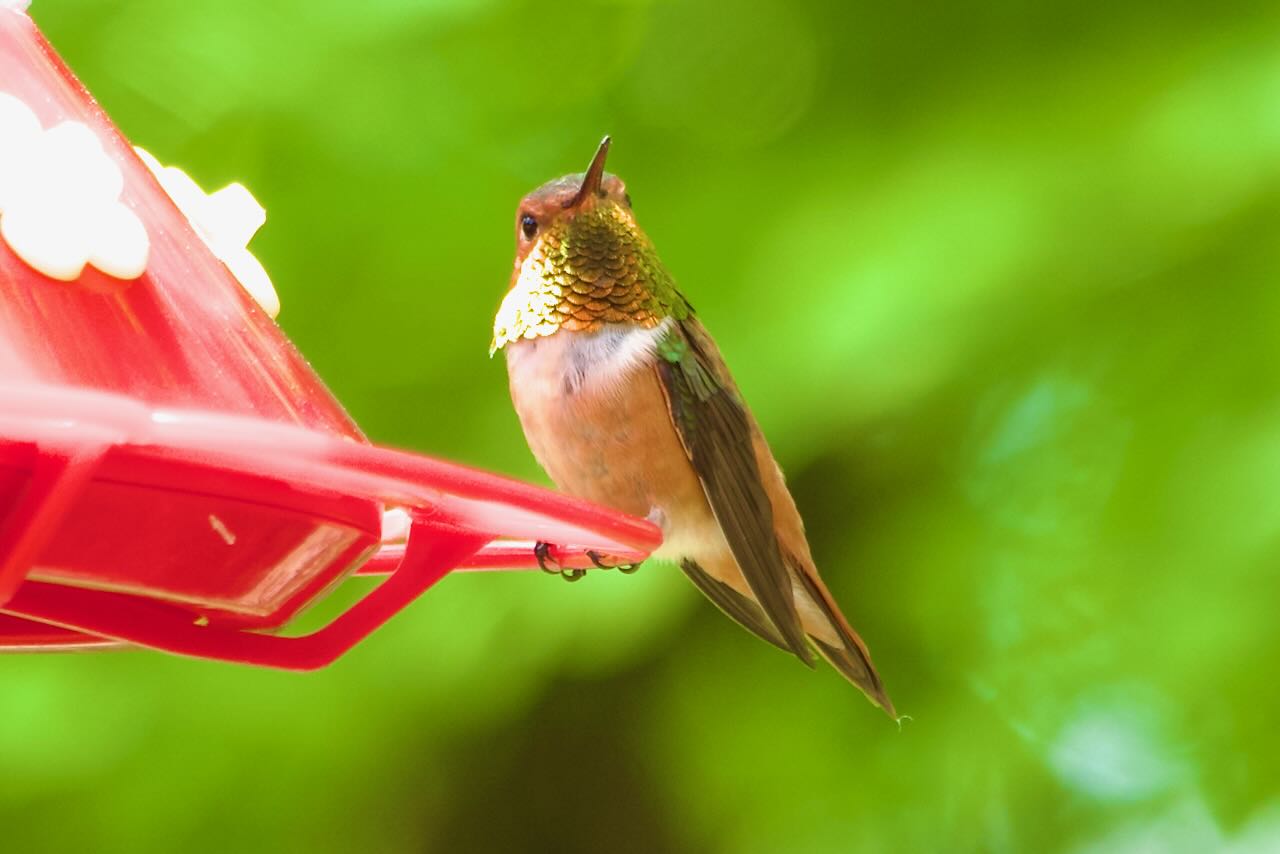
We had not been sitting long when the brilliant Rufous Hummingbird showed up! What a stunning colour. The throat is golden in the sun. I was super excited to finally see this hummingbird. We had great looks as it sat on a branch and visited the feeder multiple times.
Rufous Hummingbird
We now have seen all the species I expected to see in this area and just have a few more pictures to get of birds around here. Saturday we did a few hikes with Darryl and Cathy and had an exciting moment when Cathy saw a Grouse but it turned out to be a Ruffed Grouse and not the Dusky Grouse that would be a lifer for us.
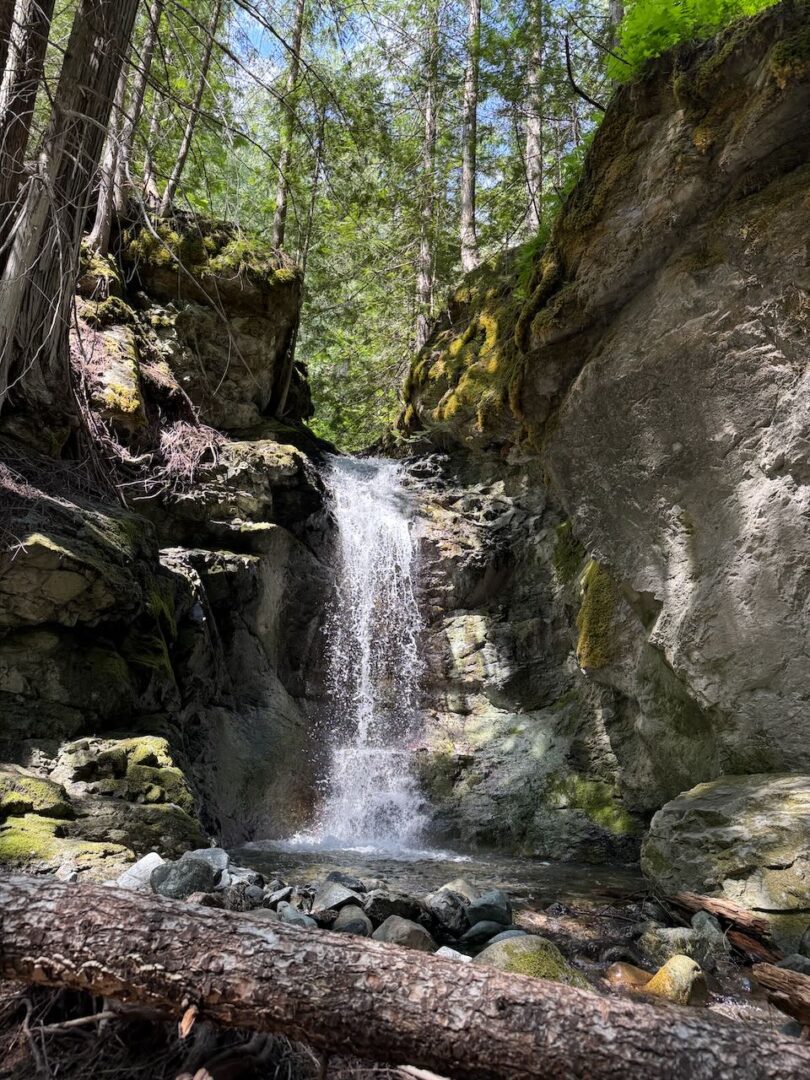
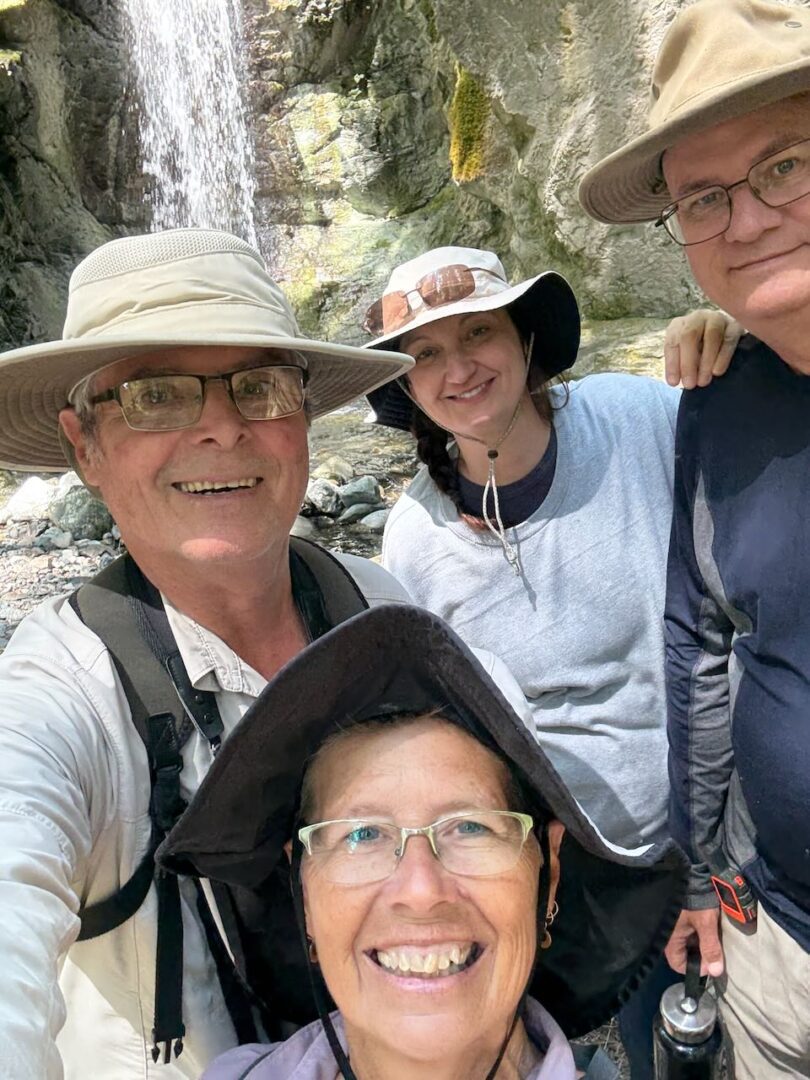
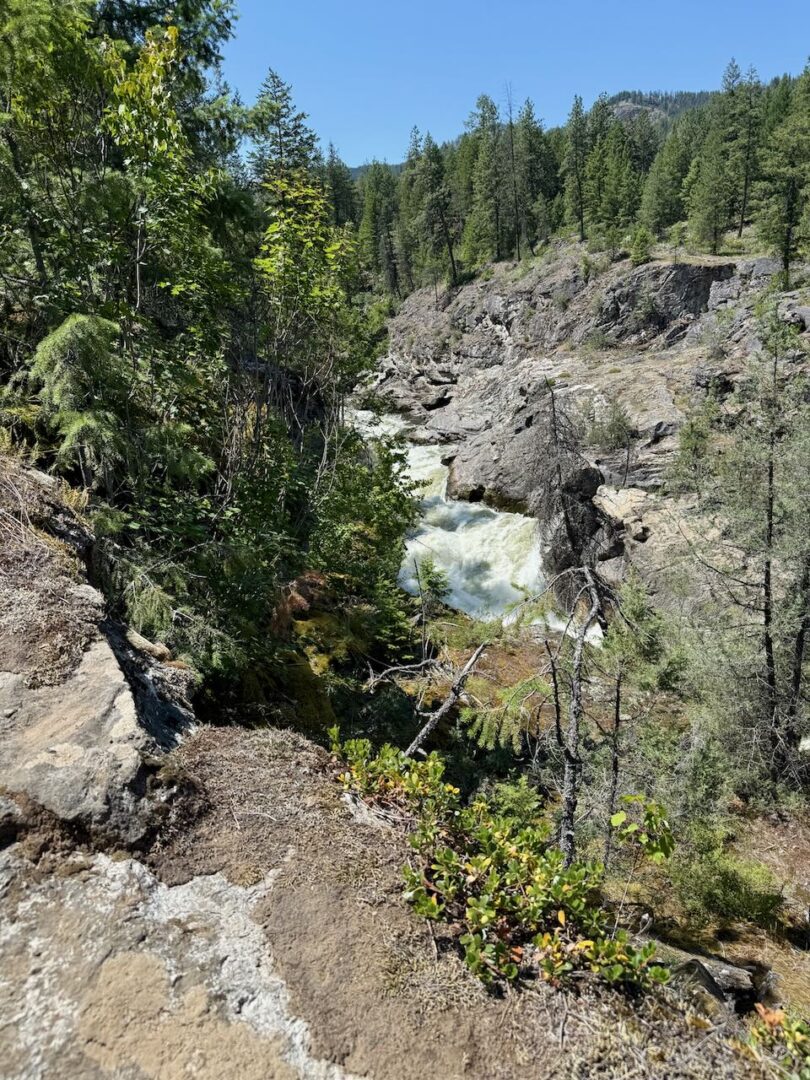
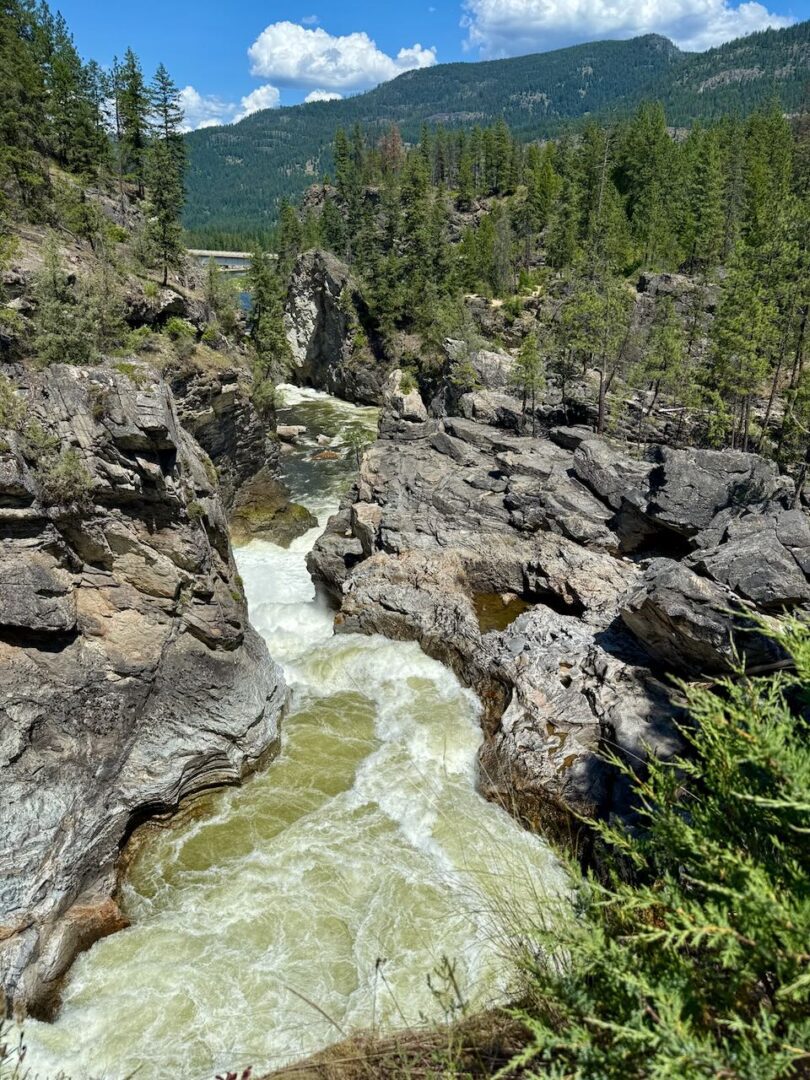
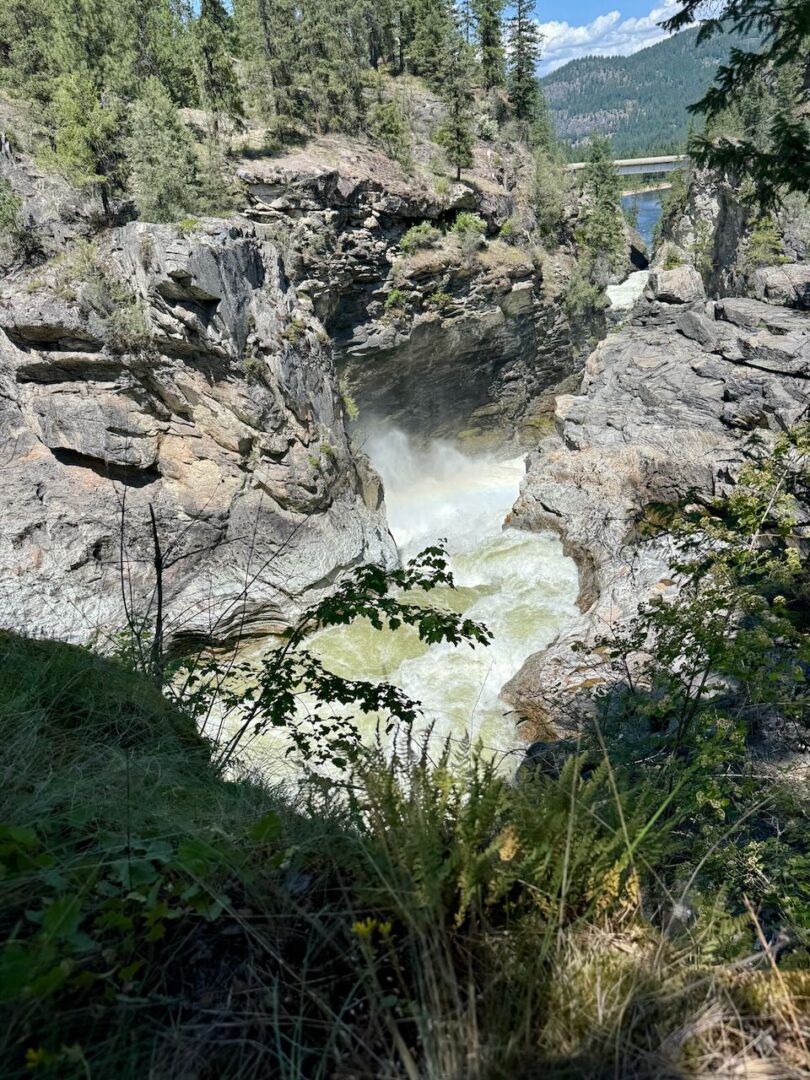
Sunday we had laundry and research to do in anticipation for our trip back into the Okanagan and up to Kelowna where we have 6-8 species we are hoping to see. We went for a short hike to Cascade Falls just outside Grand Forks but did not add any new birds. Time to move on…
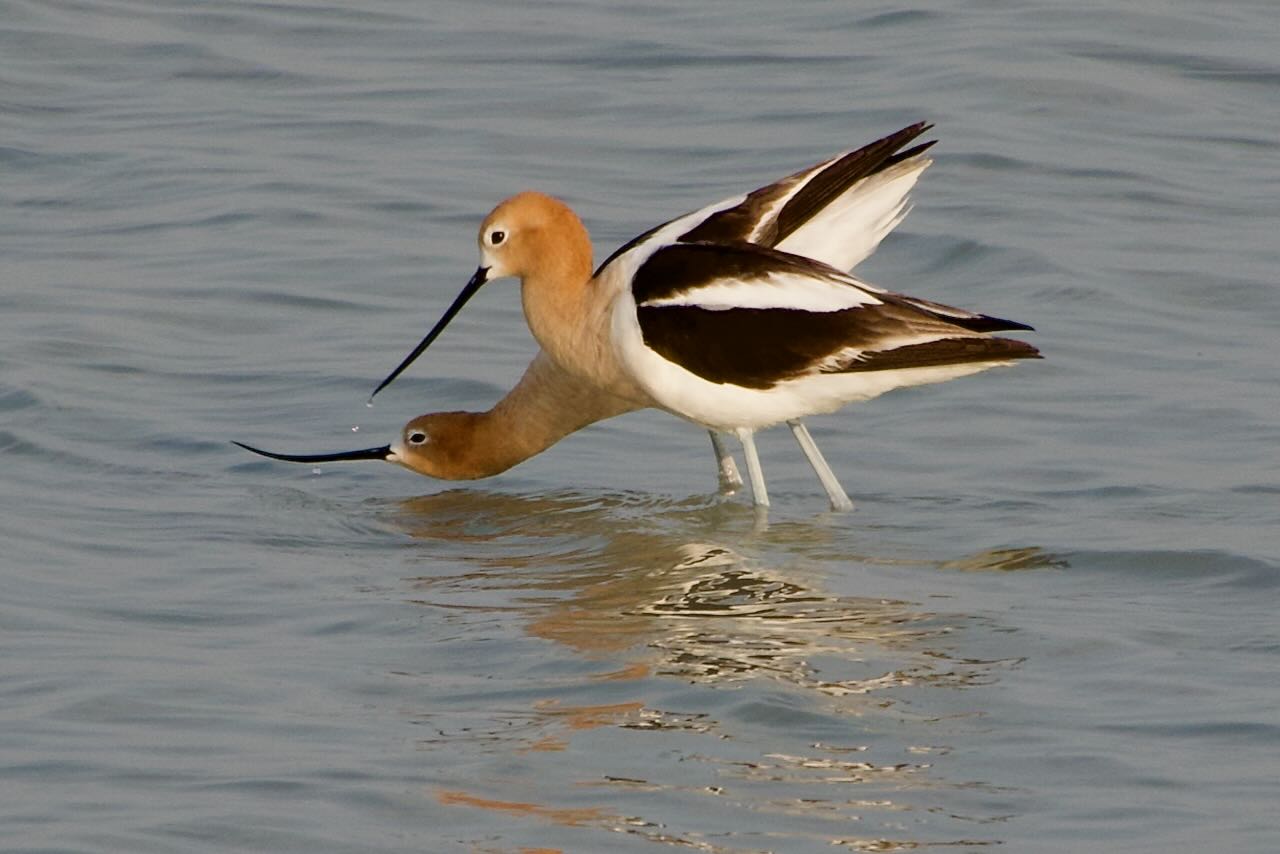
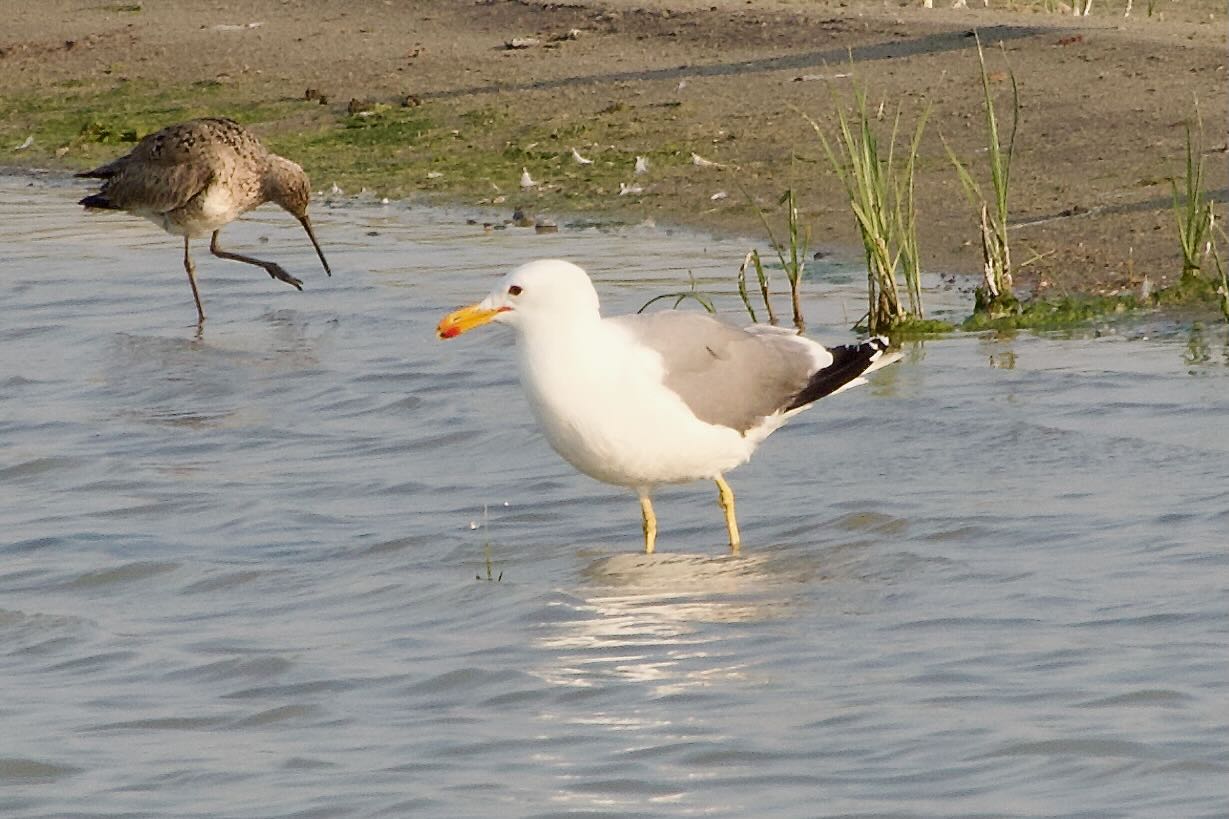
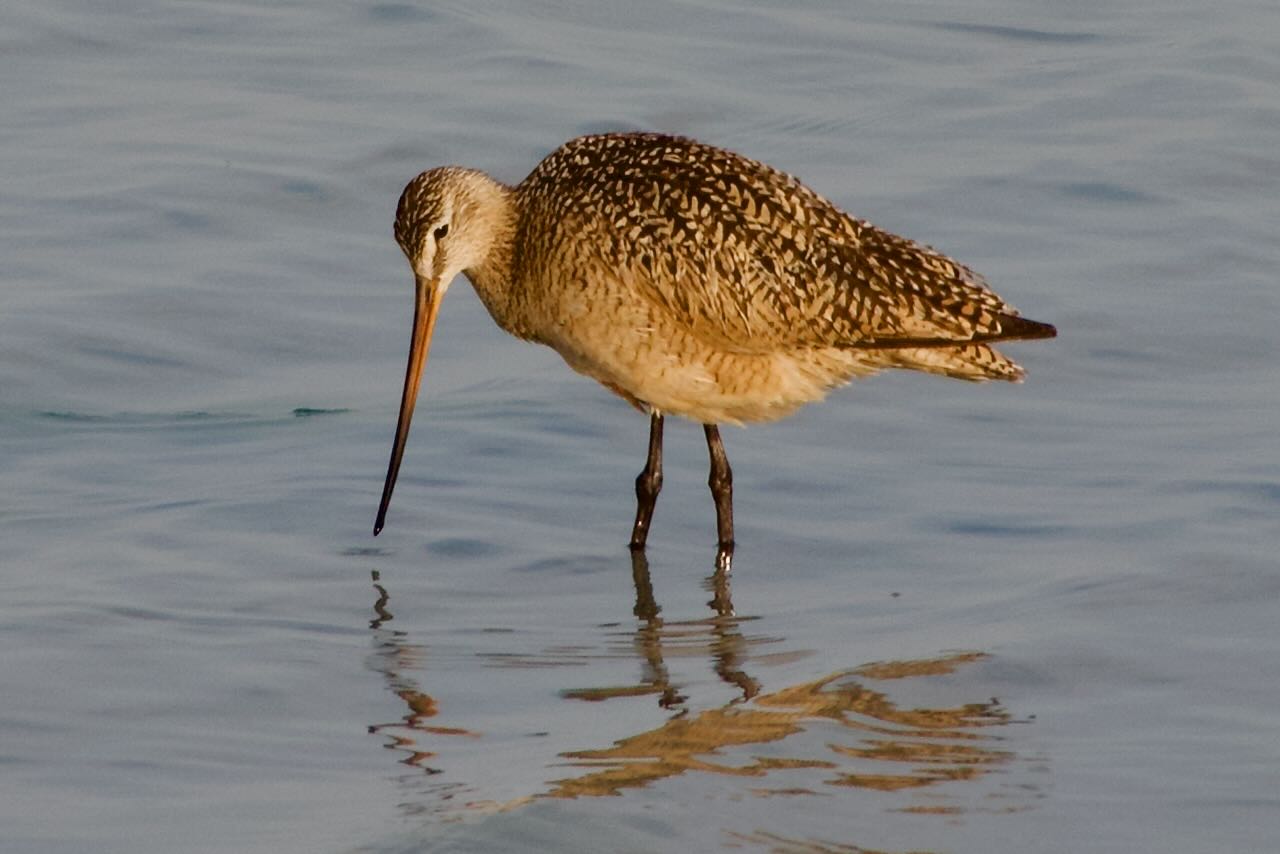
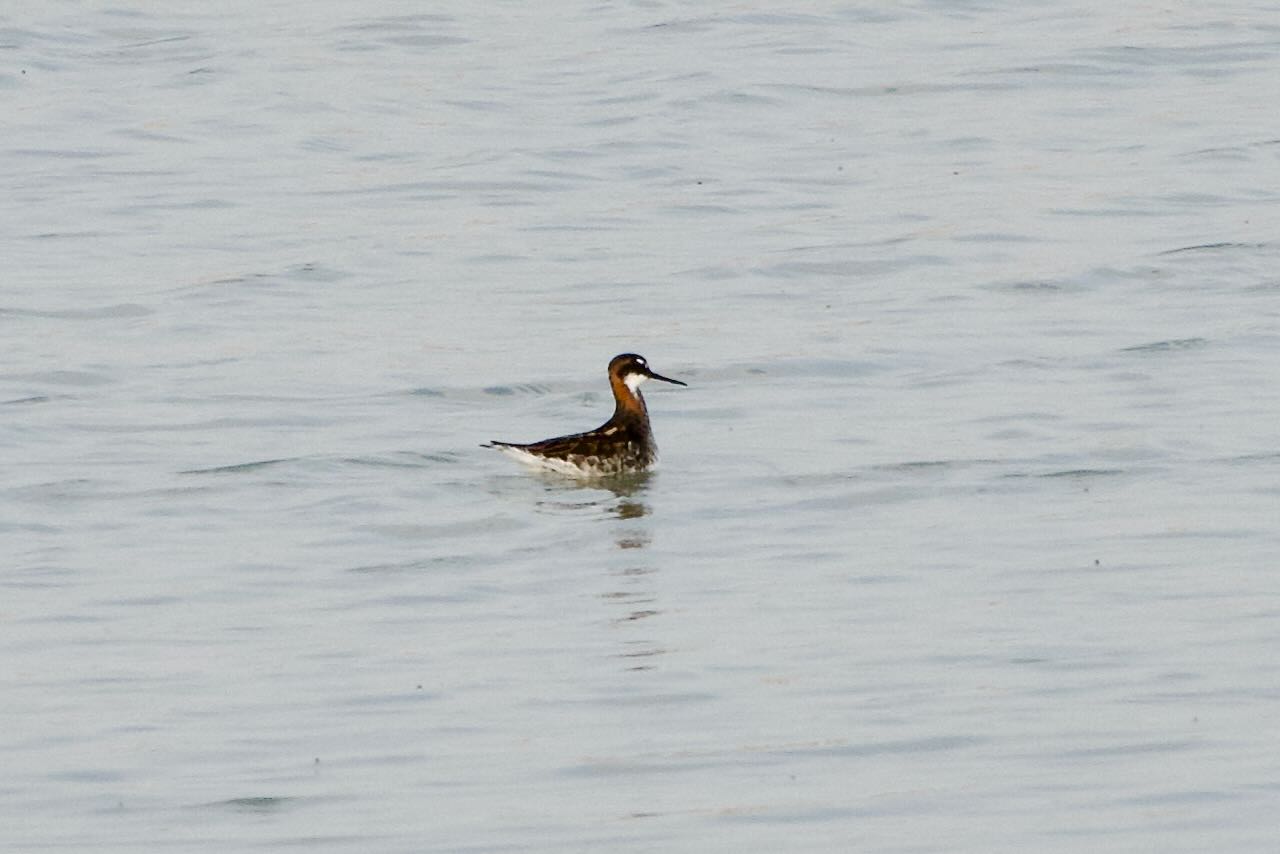
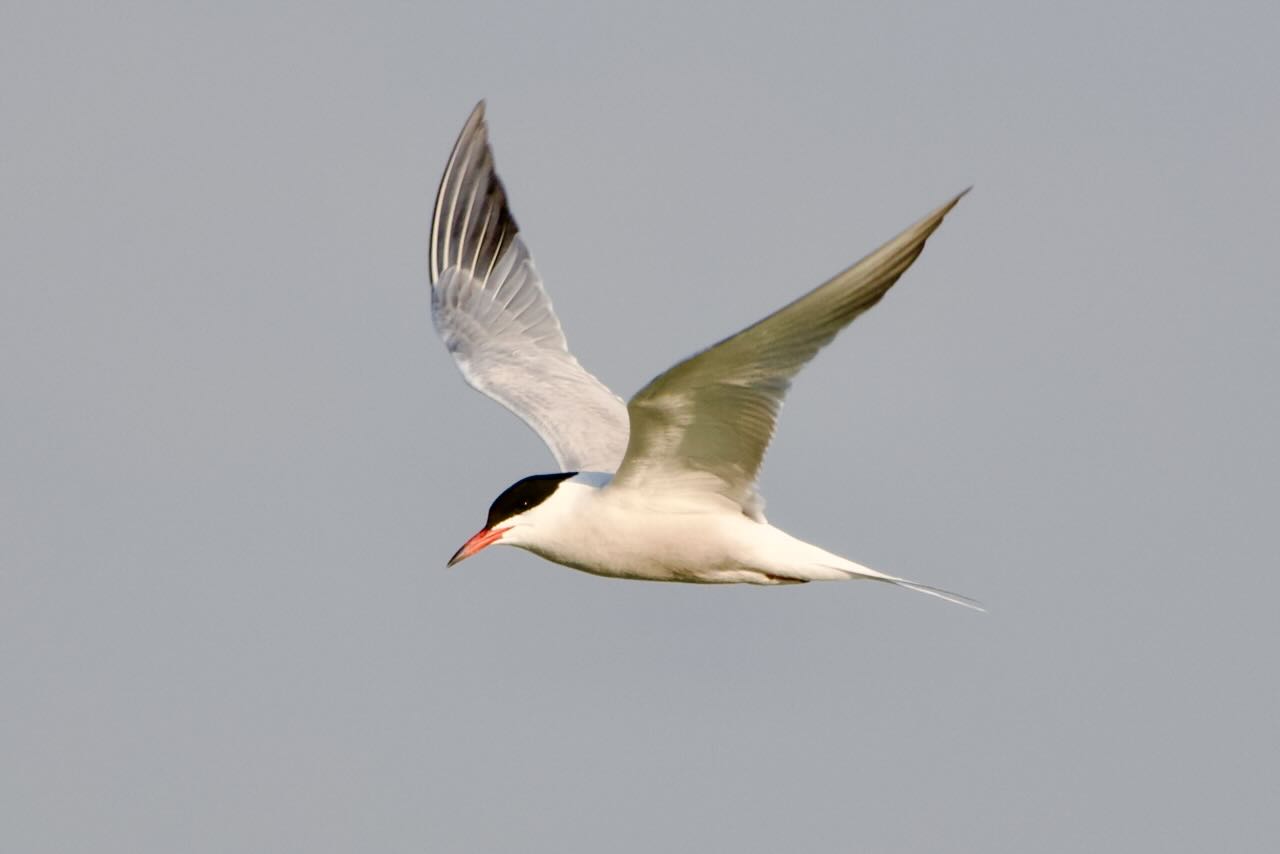
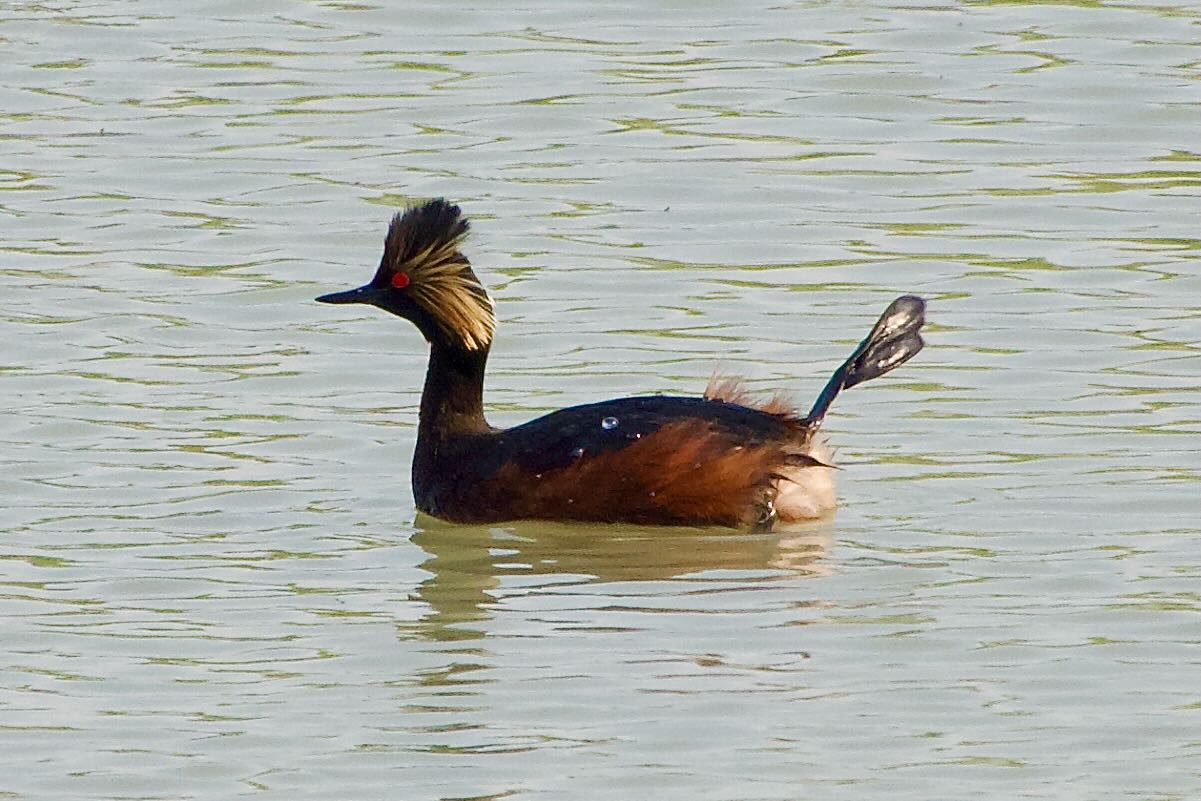
Wednesday we faced a long drive of 12 hours mostly because we opted to drive in Canada instead of heading into the US which would save us 3 hours. We had originally planned on birding in Manitoba but with wildfire smoke and time constraints we opted to drive through and save birding in that province for our way home. It was an easy drive, little traffic, once you hit Manitoba the speed limit is 110 so the kilometers go quickly. We checked into the Pilgrim Inn in Caronport and then headed 30 minutes west to Chaplin Lake. This salt lake is home to a number of migrating and nesting birds. We added 9 species in a few hours and probably saw a Baird’s Sandpiper but I was not sure so it remains off the list until we check photos and get second opinions. It is getting tough to go through all the photos and for Jerry to send them to me so that I can use them in my blog but we will eventually catch up when we get to my brother’s in BC.
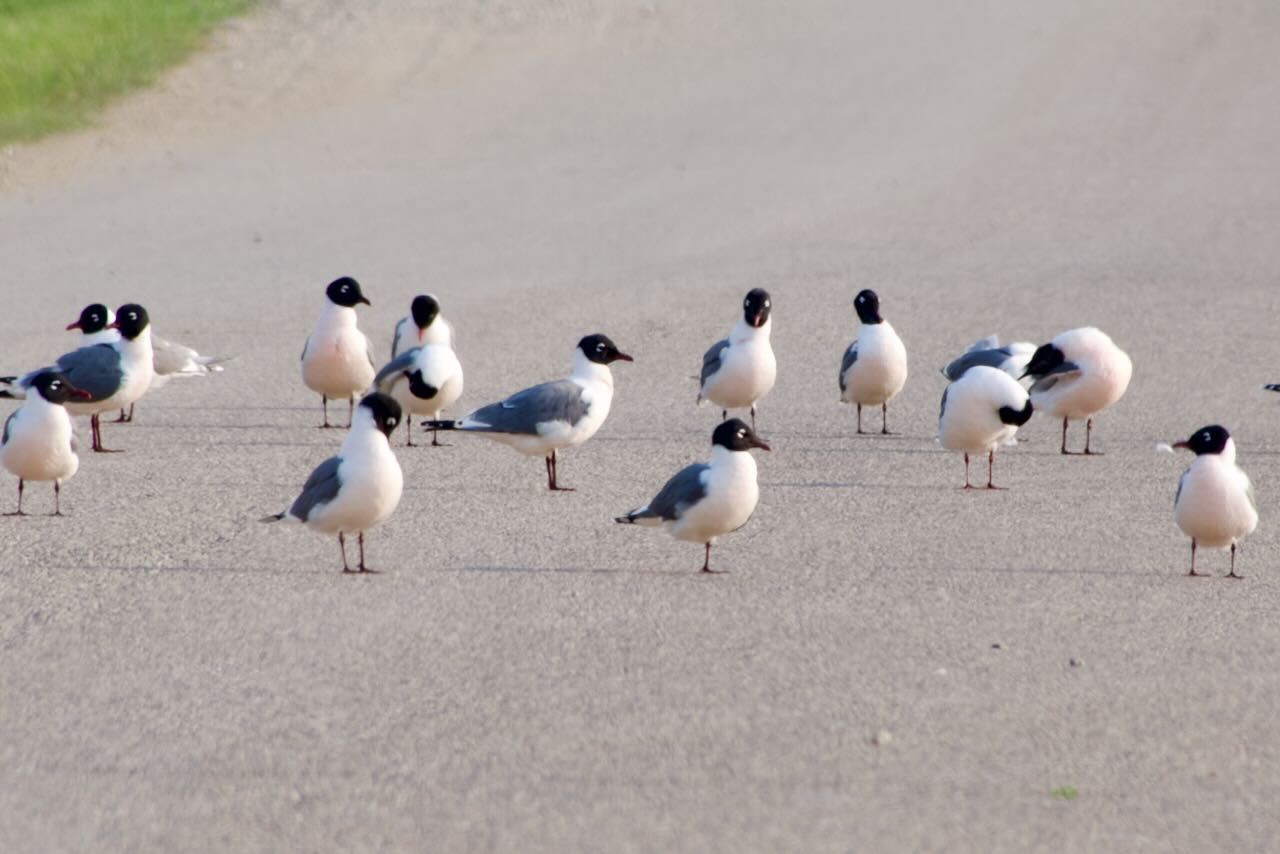
American AvocetCalifornia GullMarbled GodwitRed-necked PhalaropeCommon TernEared Grebe
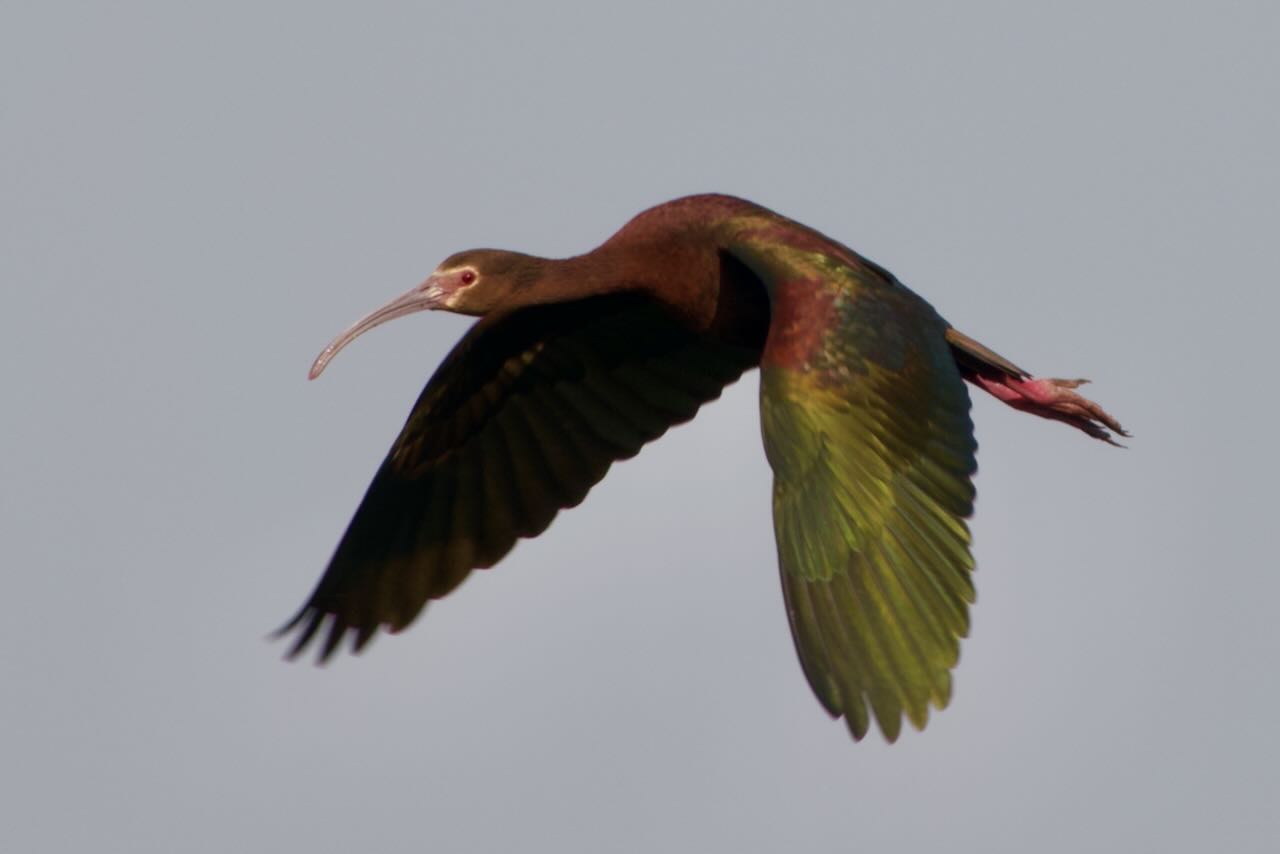
Having checked what was being seen in Saskatchewan the night before I decided Thursday morning to take a detour 30 minutes further west of Chaplin Lake to see White-faced Ibis at Francis Lake. It was a fantastic wetland lake with large numbers of ducks and marsh birds.
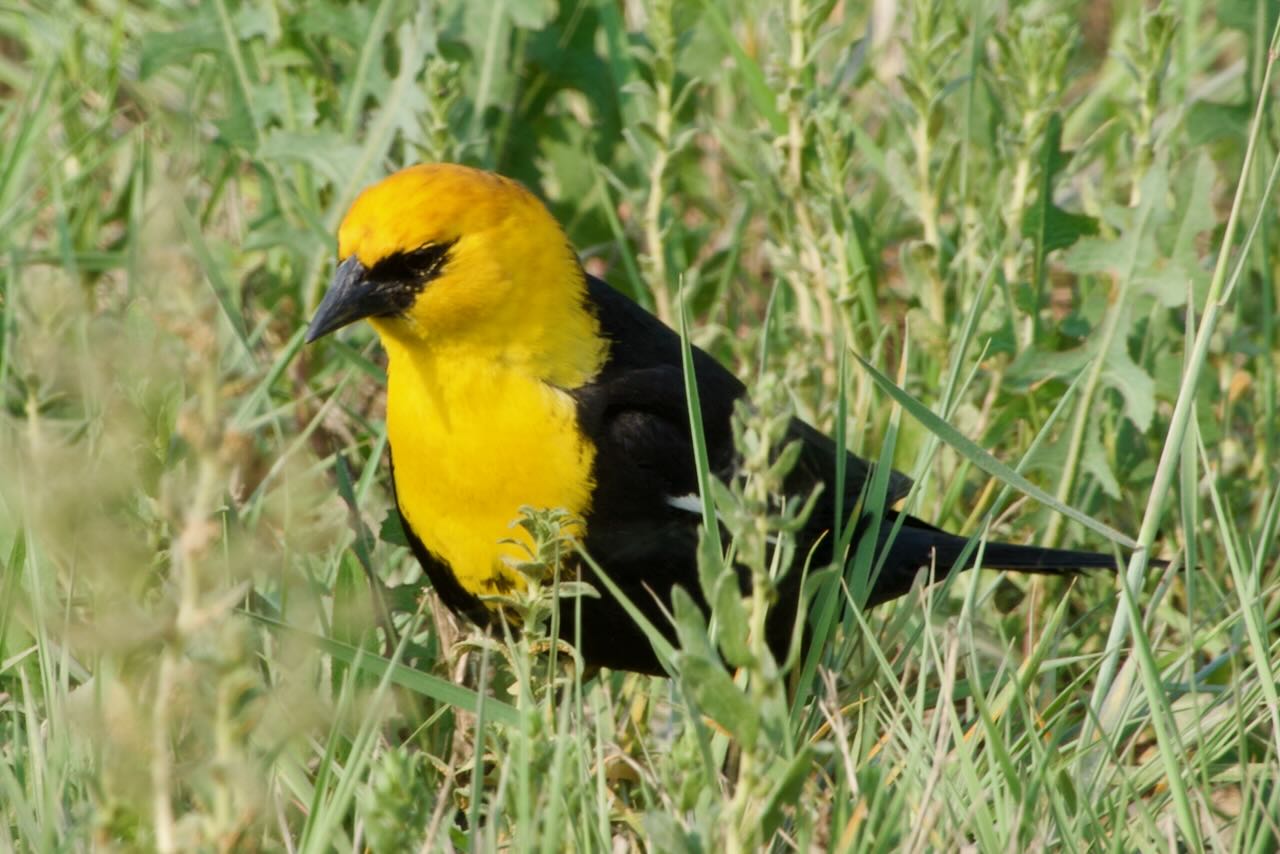
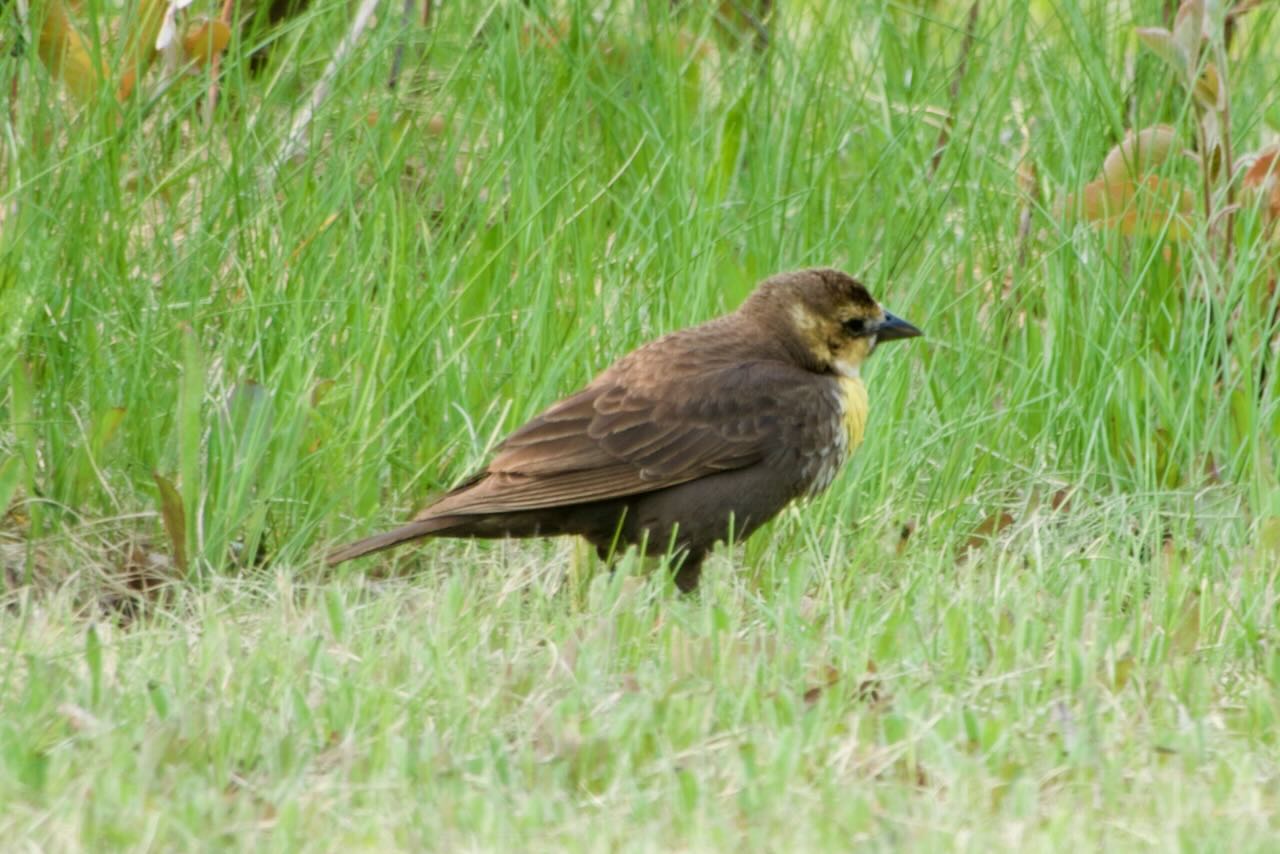
Many Yellow-headed Blackbirds dotted the road edge and Ibis’s exploded from the grasses as you got close to them. They were very skittish and getting pictures was challenging but Jerry eventually managed.
White-faced IbisYellow-headed Blackbird
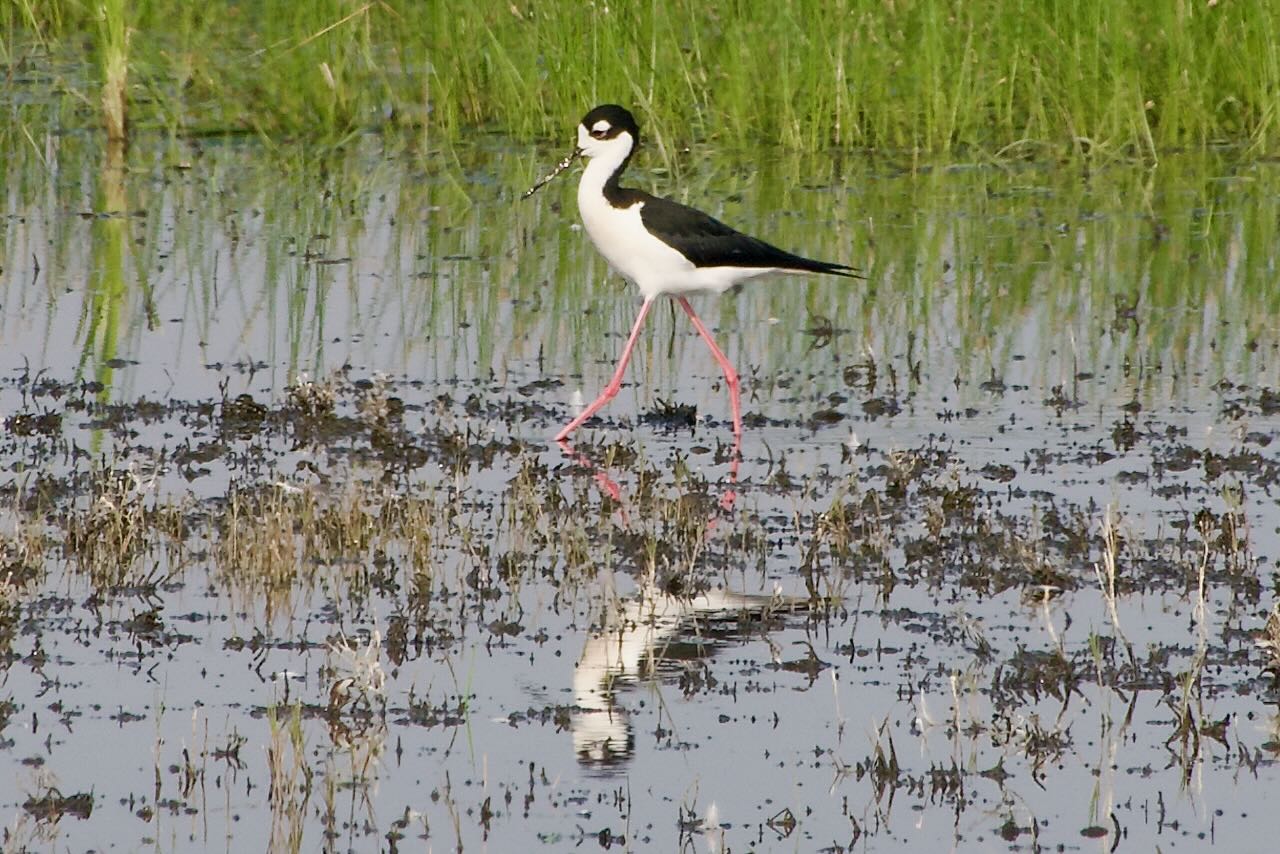
A bonus I was not expecting was to see two Black-necked Stilts, an expected species but not abundant. it saves me from chasing it later in Alberta.
Black-necked Stilt
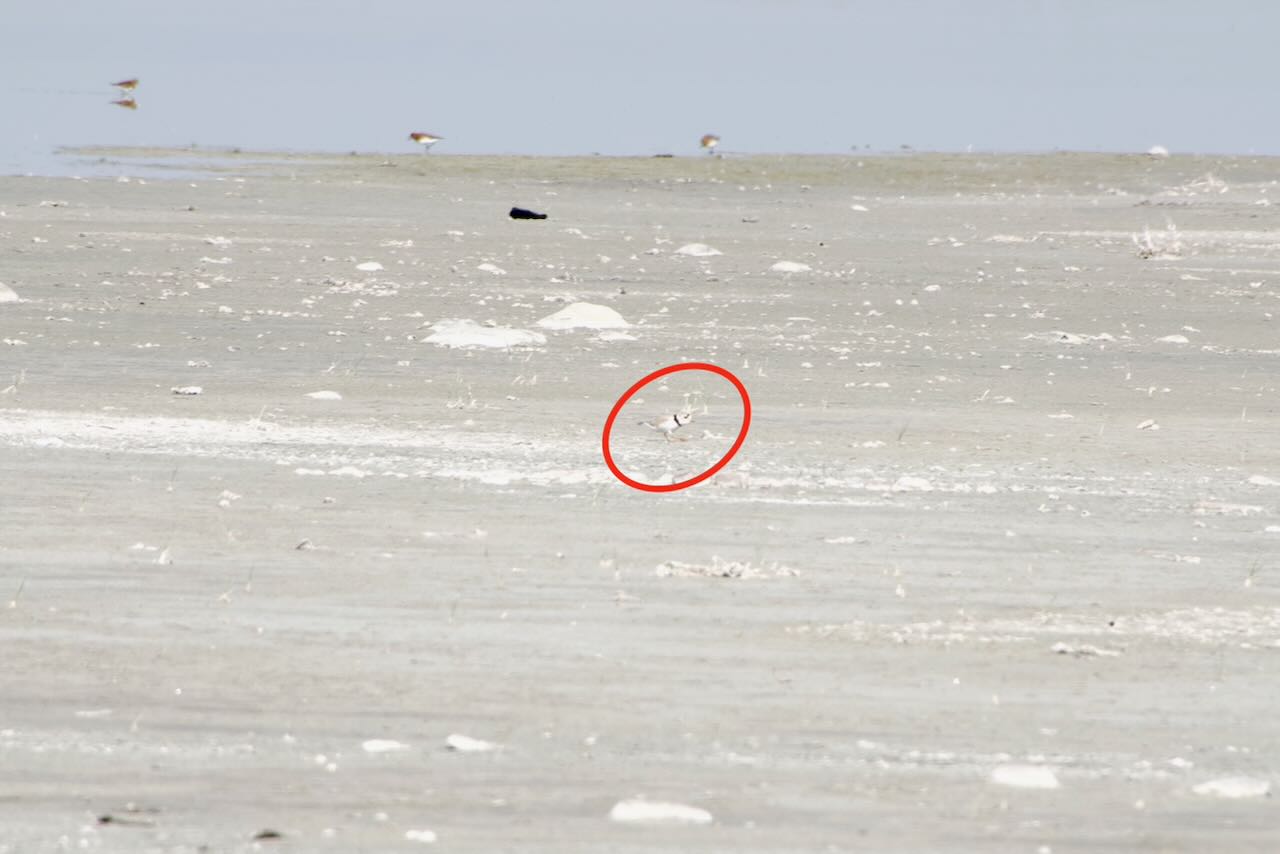
On the way back to Chaplin we stopped at Reed lake, a salt lake like Chaplin to scan for a possible Piping Plover that had been seen.
We walked out to the salt beach and I scoped both directions and saw nothing and then I turned it over to Jerry and there was a Piping Plover! It was way down the beach but we walked down to try and get a better picture. It just kept moving further away. We always take multiple looks for things for just this reason, birds suddenly appear in your scope view!
Next stop was Chaplin Lake again to see if the lighting was any better and we could figure out if a Baird’s Sandpiper was there or not. I still struggled with seeing one, I kept thinking a bird looked good but then it didn’t. It was now later than I had wanted to be heading to the Grasslands 2 hours away so we opted to stop the “search”.
Minutes later, right on time, we had our usual fight that happens 4-5 days in on these trips. Lack of sleep, differing ideas of how to bird, numbers of daily irritations with each other, confined in a car, the reasons are insignificant, but we needed to clear the air. I slammed on brakes to yell at Jerry, he yelled back, we went back and forth for a bit and finally I started to drive in silence and Jerry says, “Gray Partridge”, it was right beside the car! Another bird to add to our list. And just like that the fight was forgotten.
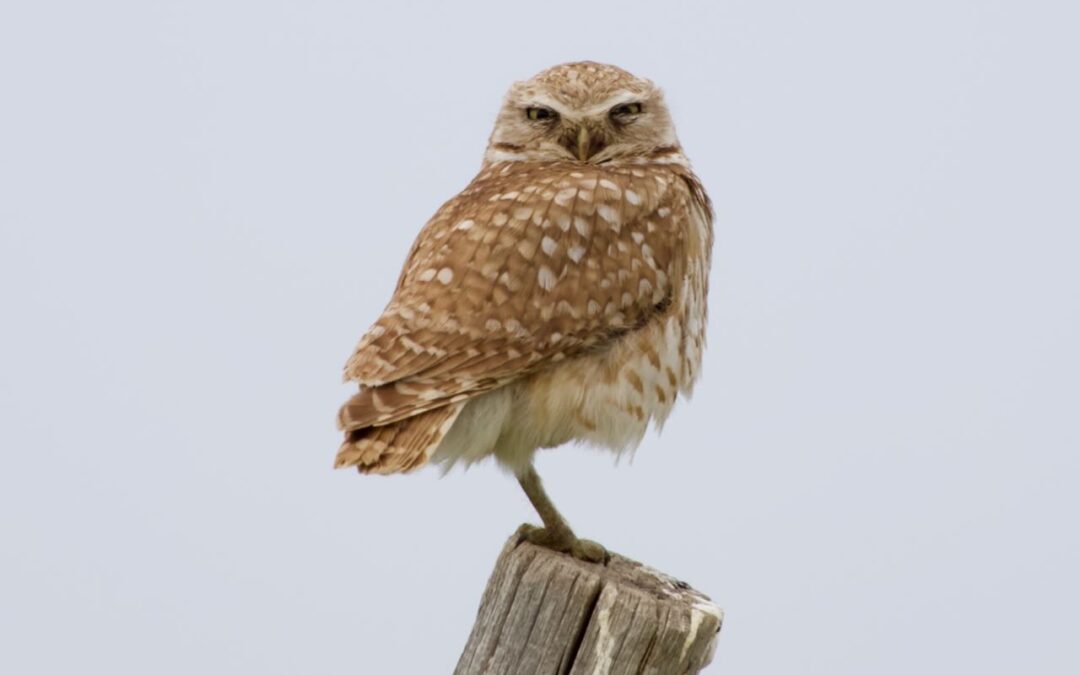
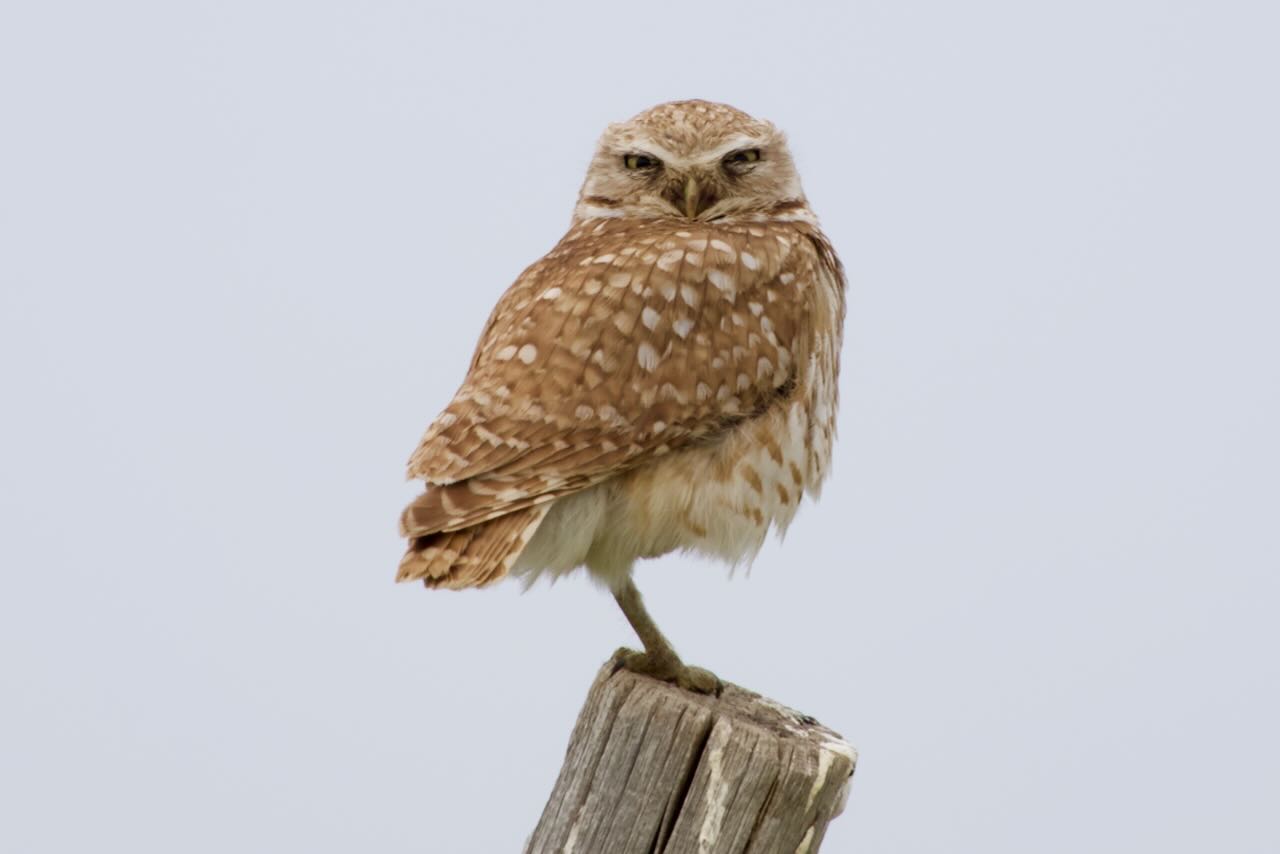
When we finally got to the Grasslands NP it was mid afternoon and we only had time for a short hike but we had added lots of birds on the drive into the hiking area and we added more on the short hike. On the drive in we were lucky to find an adorable Burrowing Owl sitting on a fence post.
Burrowing Owl
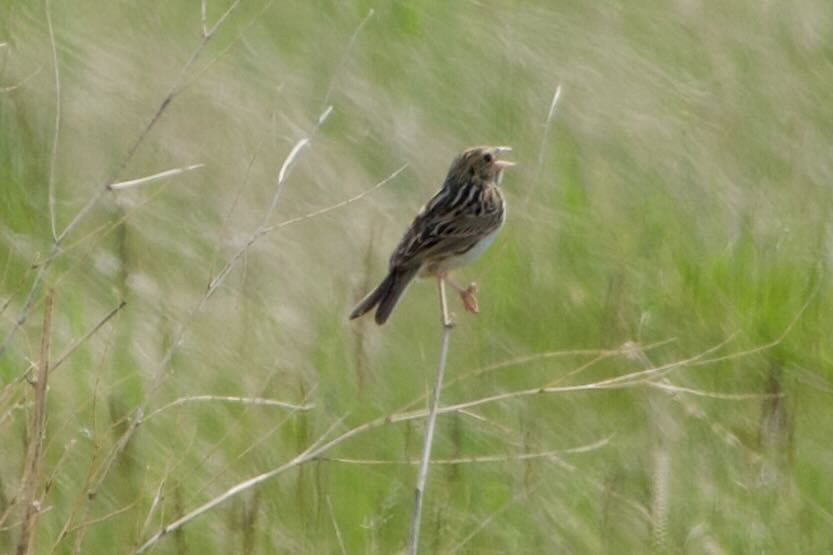
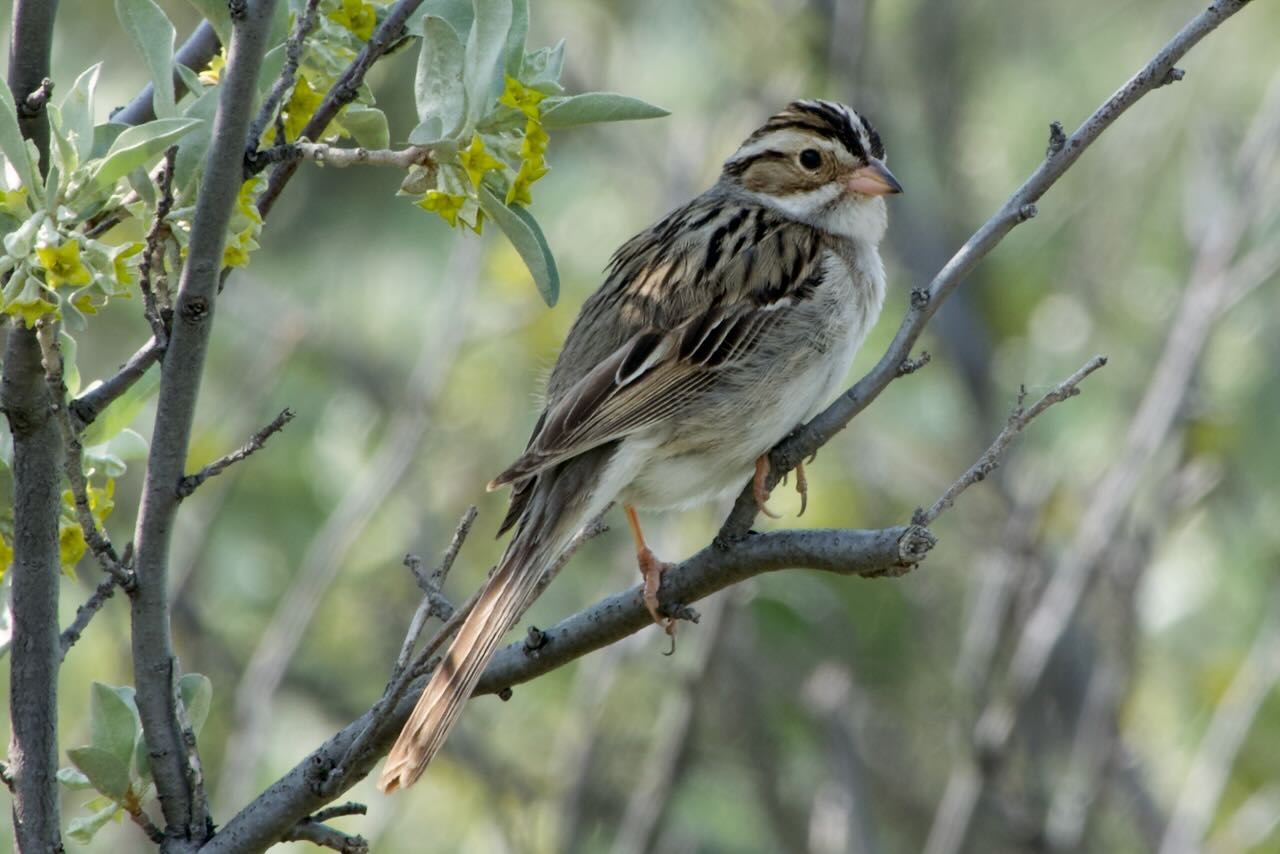
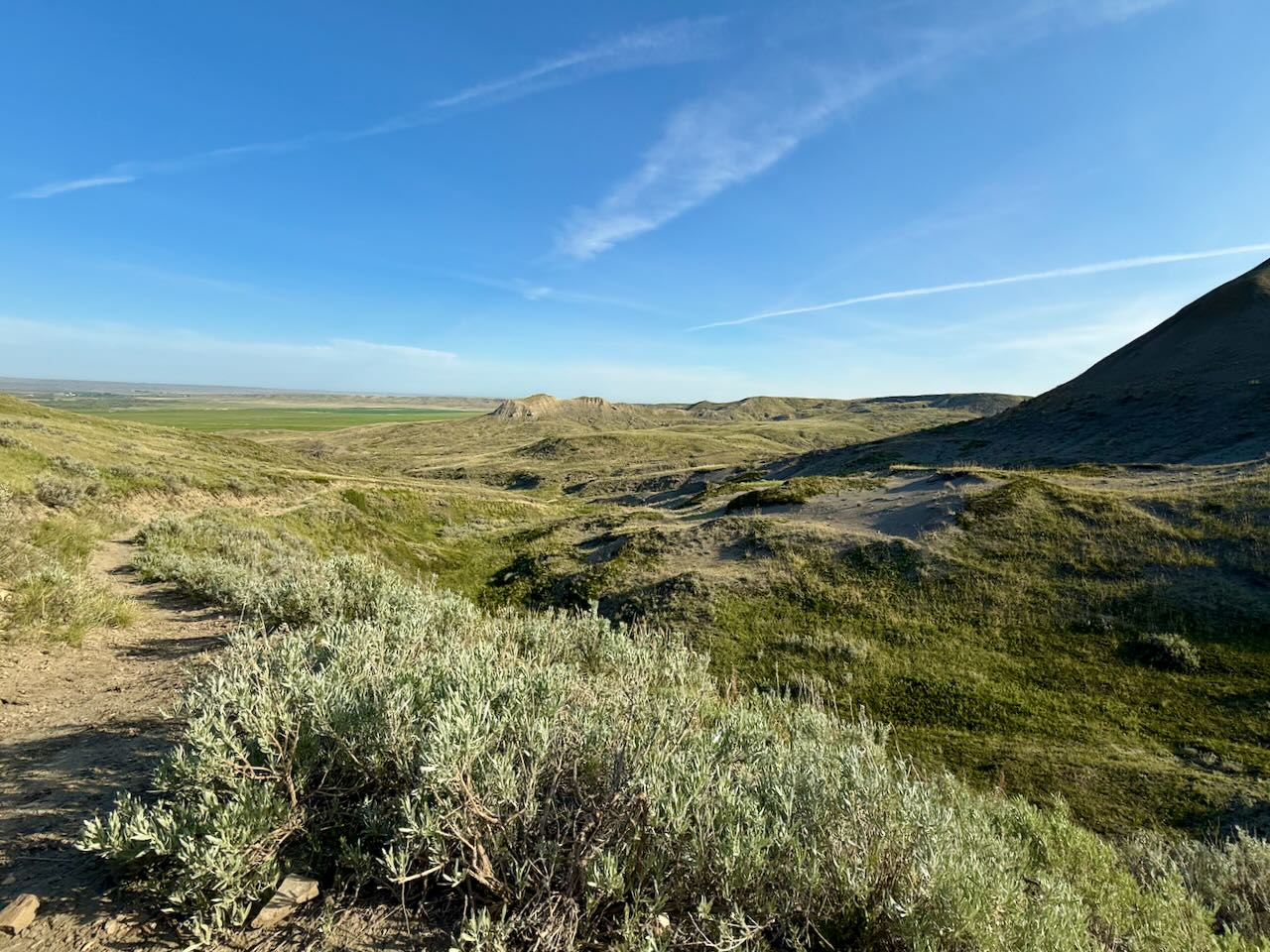
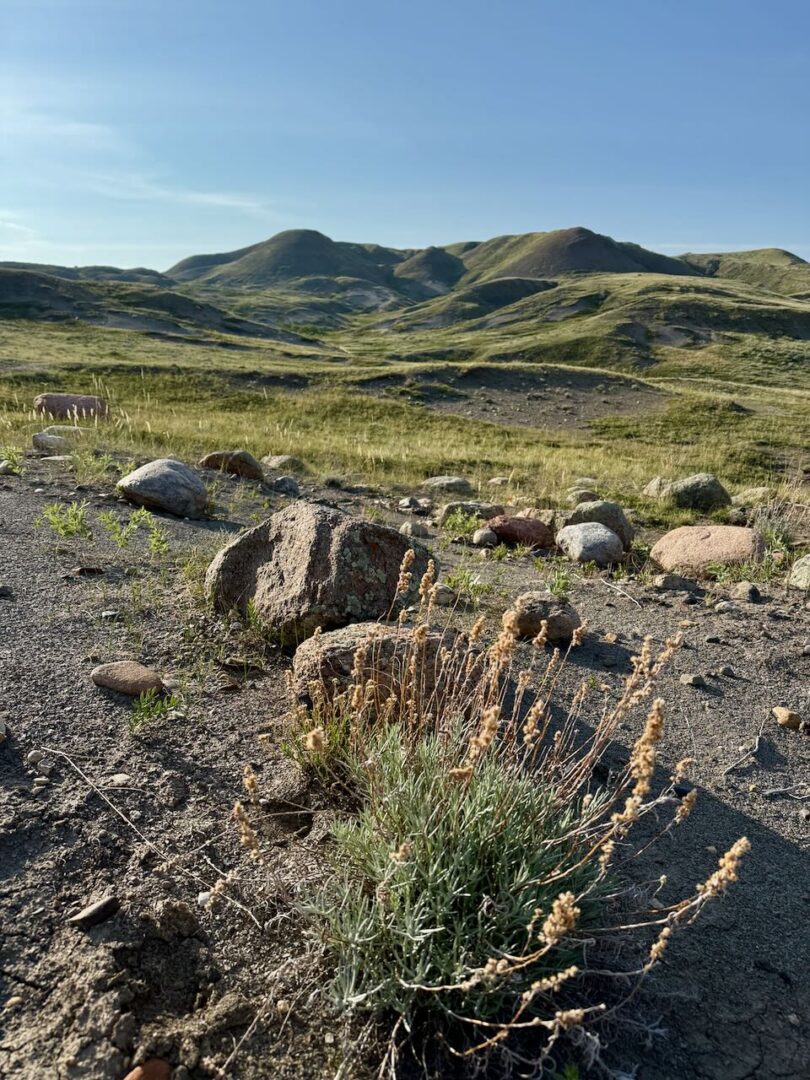
The grasslands and buttes are magnificent to view, the sagebrush and wildflowers add a wonderful scent and the silence is complete. Until a bird buzzes. Sparrows are, of course grassland species and they can look very similar with songs that are often buzzing or trills that take some practice getting to know. Merlin helps us a lot with sparrow song but we are getting better at the more common ones and that helps to identify when we hear something different. Hearing and identifying the call is one thing, but actually seeing the sparrow is quite another. Some like Savannah and Clay-colored perch up on the top of a bush to sing so it’s easy to see them. But other’s like Brewer’s and Baird’s Sparrows tend to sing from inside shrubs or the grass and so it is not always easy to find them. To complicate things further, Brewer’s and Clay-colored are very similar looking and when they are singing in the same area it takes some figuring out which pic is which for us.
Baird’s SparrowClay-colored Sparrow
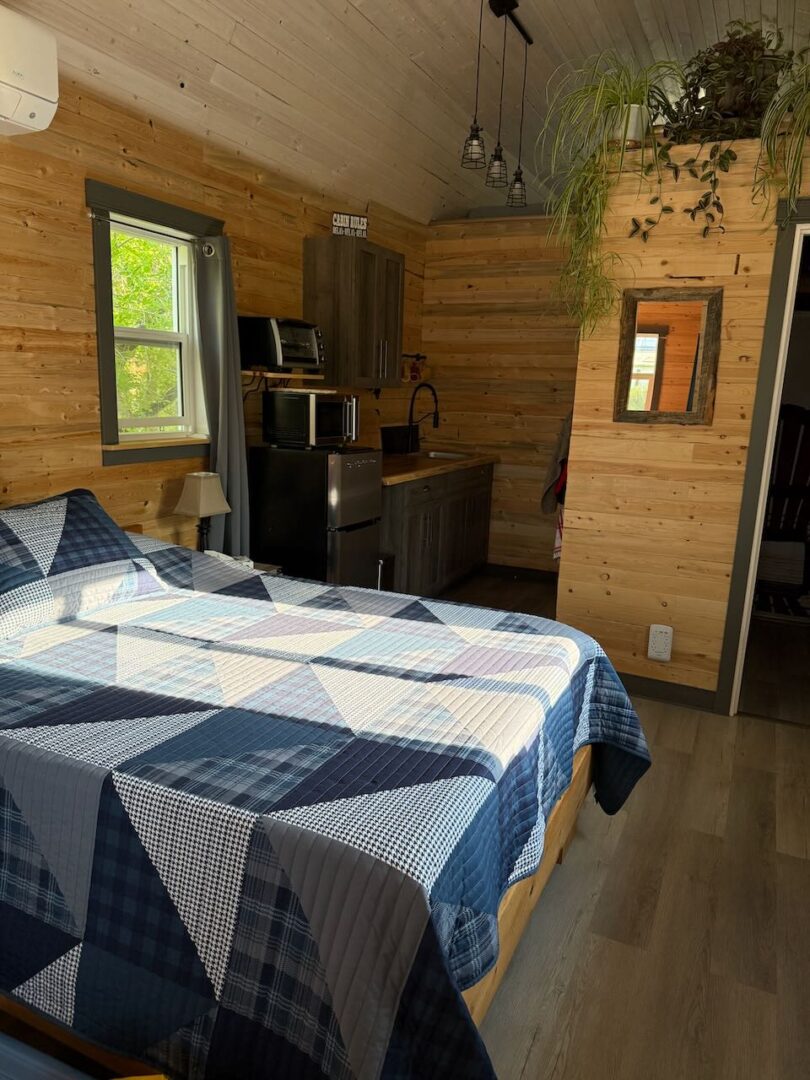
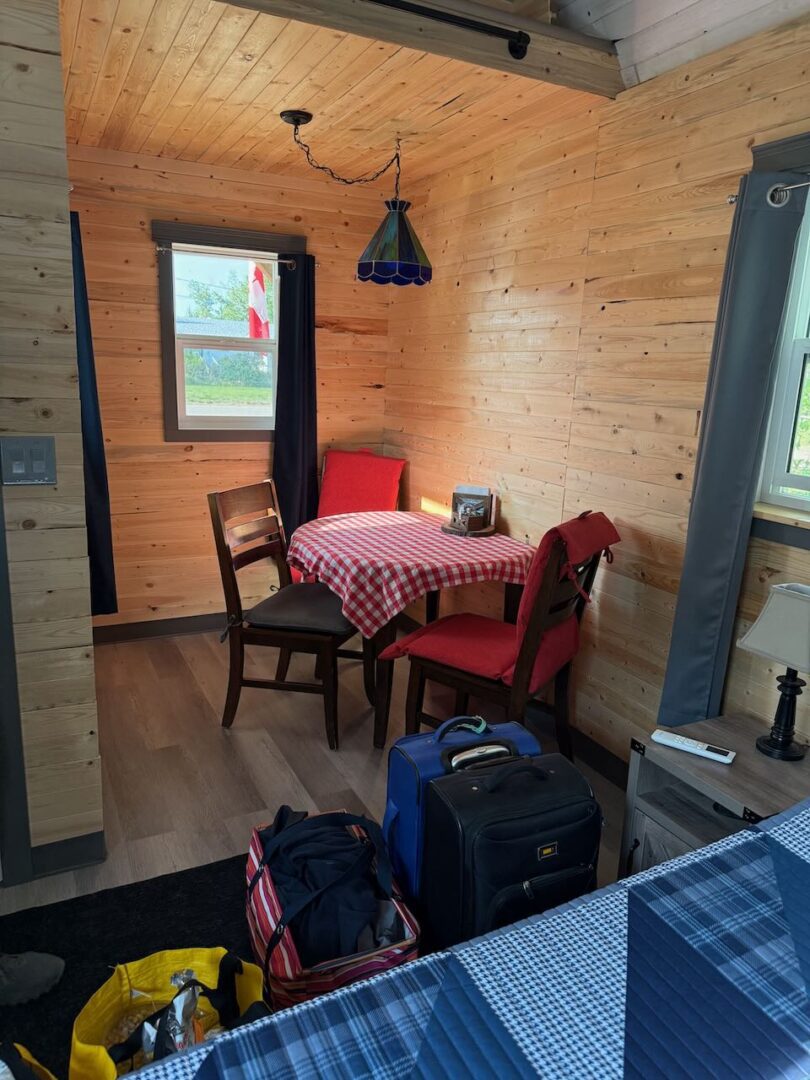
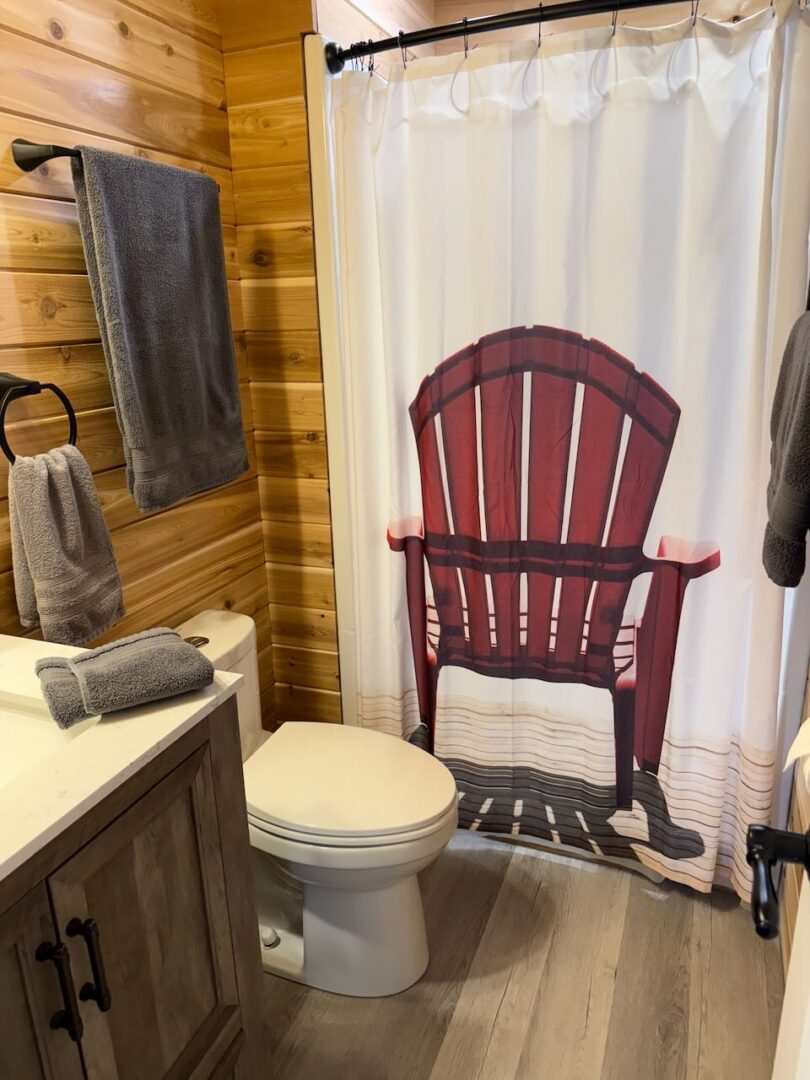
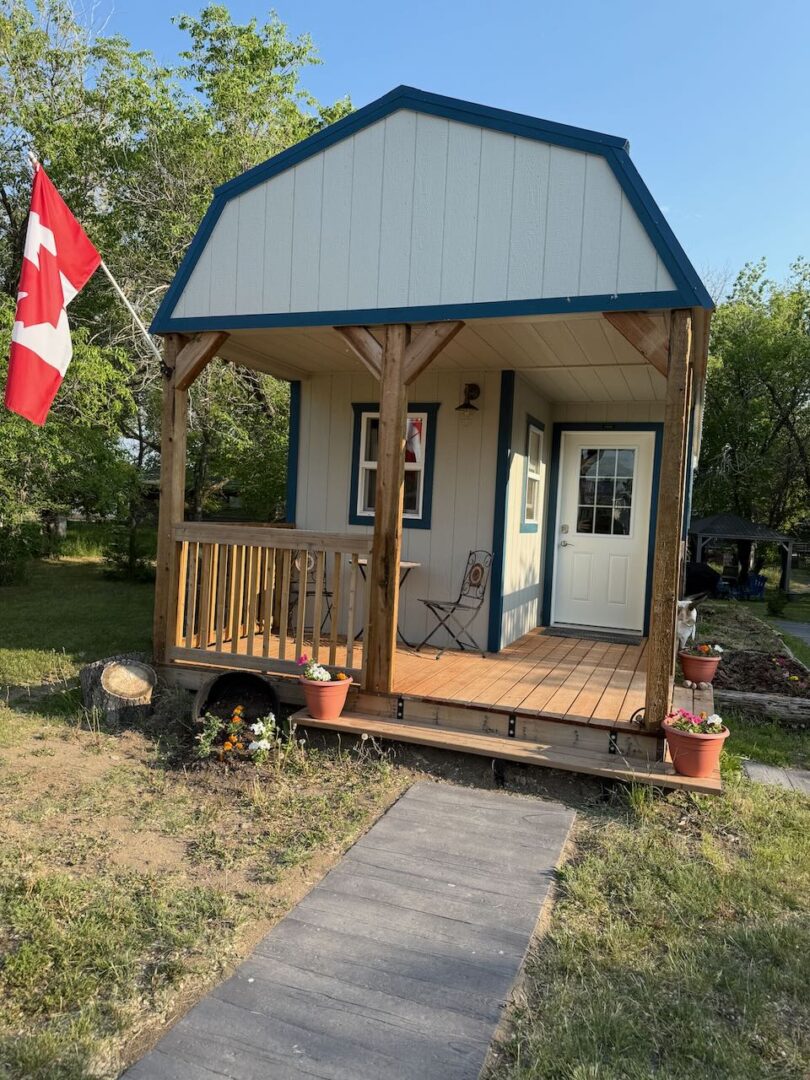
With a bit of a time constraint on us we headed over to the west block of the park and our tiny house for the next two nights. The Sanctuary Inn is a new accommodation in town and we highly recommend it. We stayed in the tiny house and it was perfect! Caitlin is a wonderful host and pays attention to the smallest detail. We would have loved to stay longer!
Friday it was nice not to pack up or rush out early. We headed to the Eagle and 70 Mile Butte Trails to do some hiking with two targets on our minds.
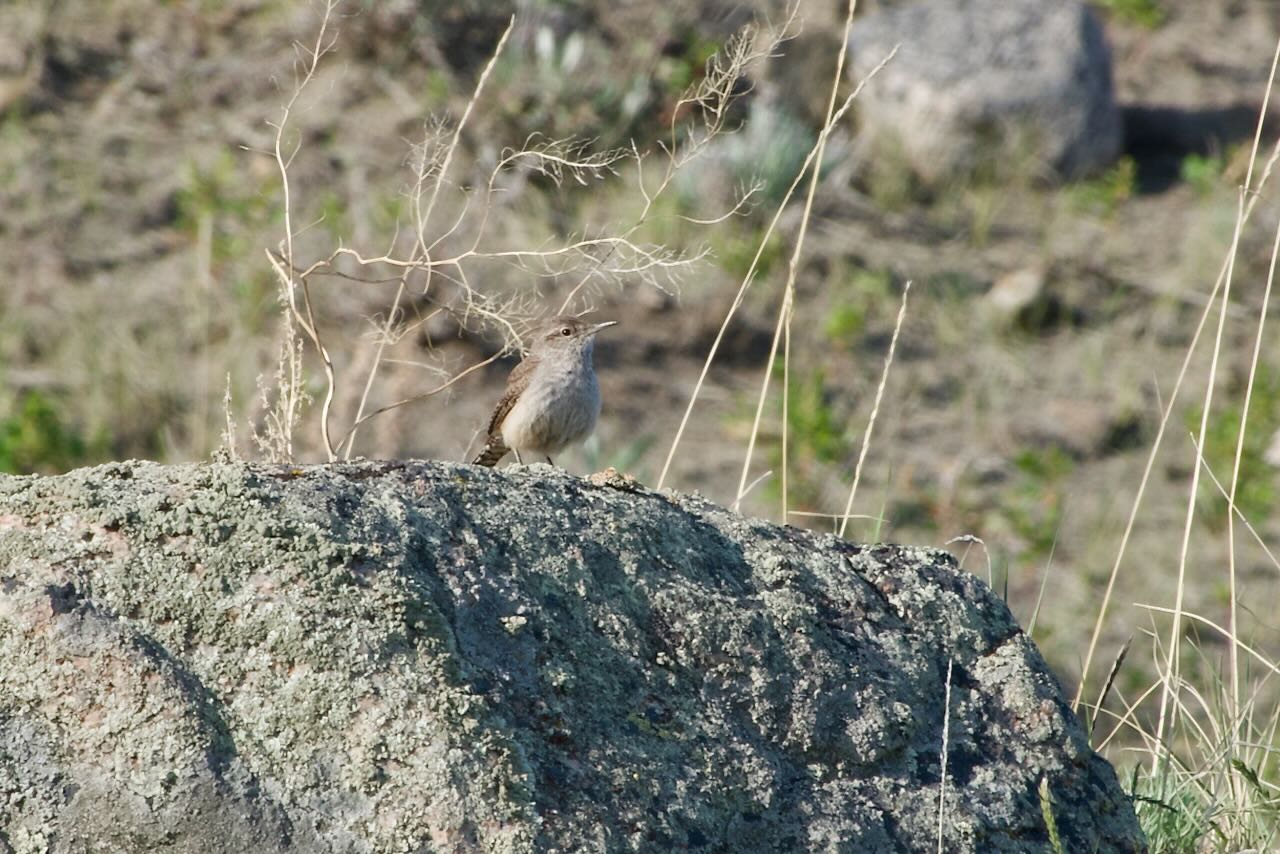
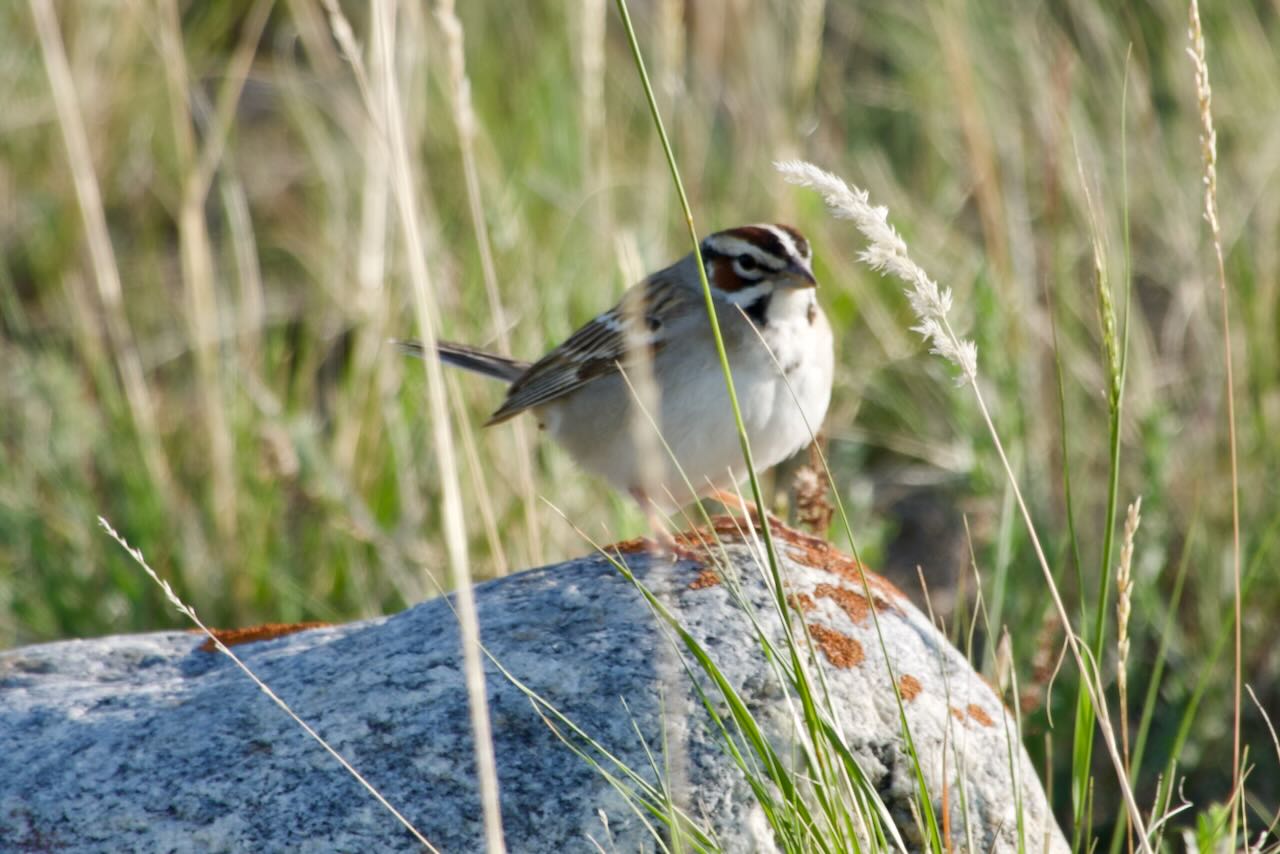
We needed Rock Wren and Lark Sparrow and both were seen regularly on these trails. Within five minutes we saw two Lark Sparrows and minutes after we heard the Rock Wren. We saw many Wrens and Lark Sparrows so Jerry had multiple chances for good pictures and he got them!
Rock WrenLark Sparrow
I love when the day starts like that! We traveled up the trail to the highest point where you could see 360 degrees out over the grasslands and badlands. The hike was rated difficult but it was not in our view.
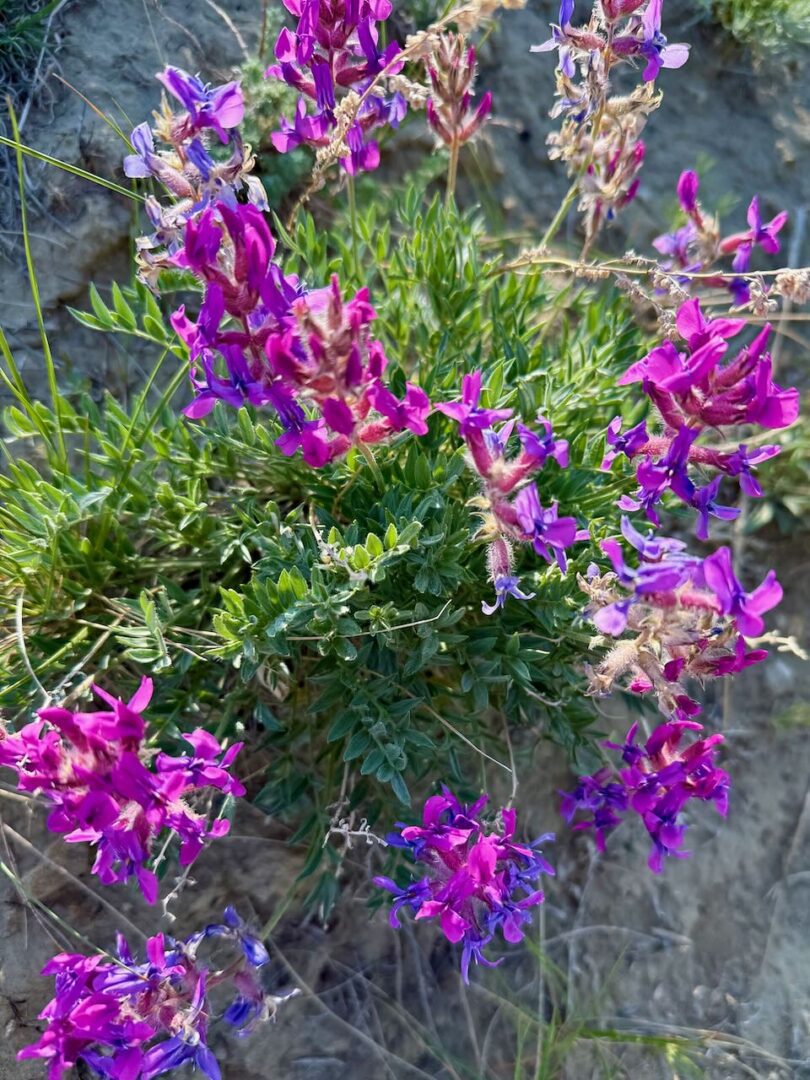
It was lovely seeing the colour of the alpine/prairie plants.
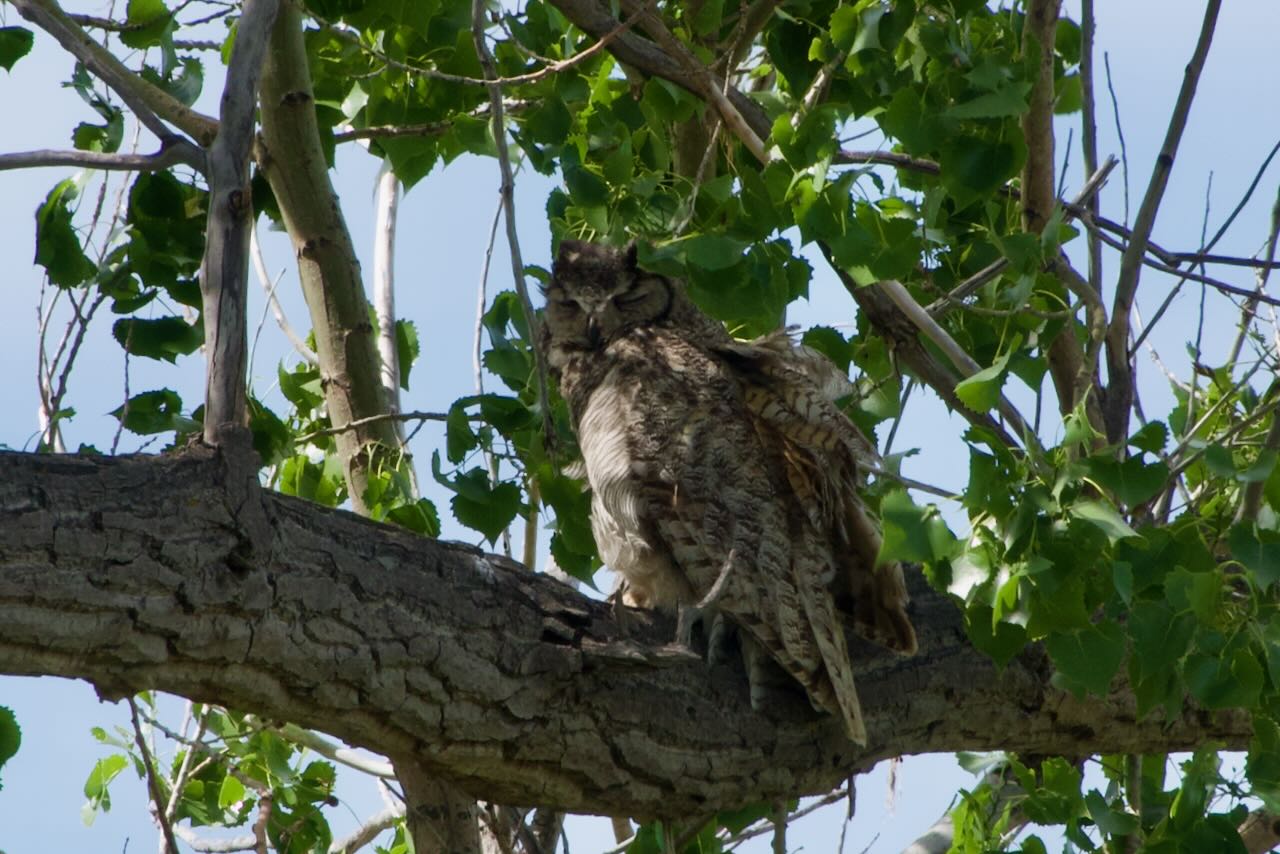
We headed to another area and did another hike along a river stopping at a small area with large trees and resident Great Horned Owls. At the Day Use area there were two Orioles calling continually and we noted the female we saw “looked” different. Merlin suggested it was a Bullock’s Oriole from the call and so we took pics and asked for help from the birding community to make sure we were right in our IDing of a female Bullock’s Oriole with a male Baltimore Oriole. Orioles are known to hybridize and after talking with other birders we opted to put it in as a hybrid female with a male Baltimore.
Great Horned Owl
We headed back to our tiny house for an afternoon siesta, which means wading through the pictures and checking email lists etc rather than napping. We ate our big meal of the day and then headed back into the park for an Eco drive tour. We finally saw a Buffalo!
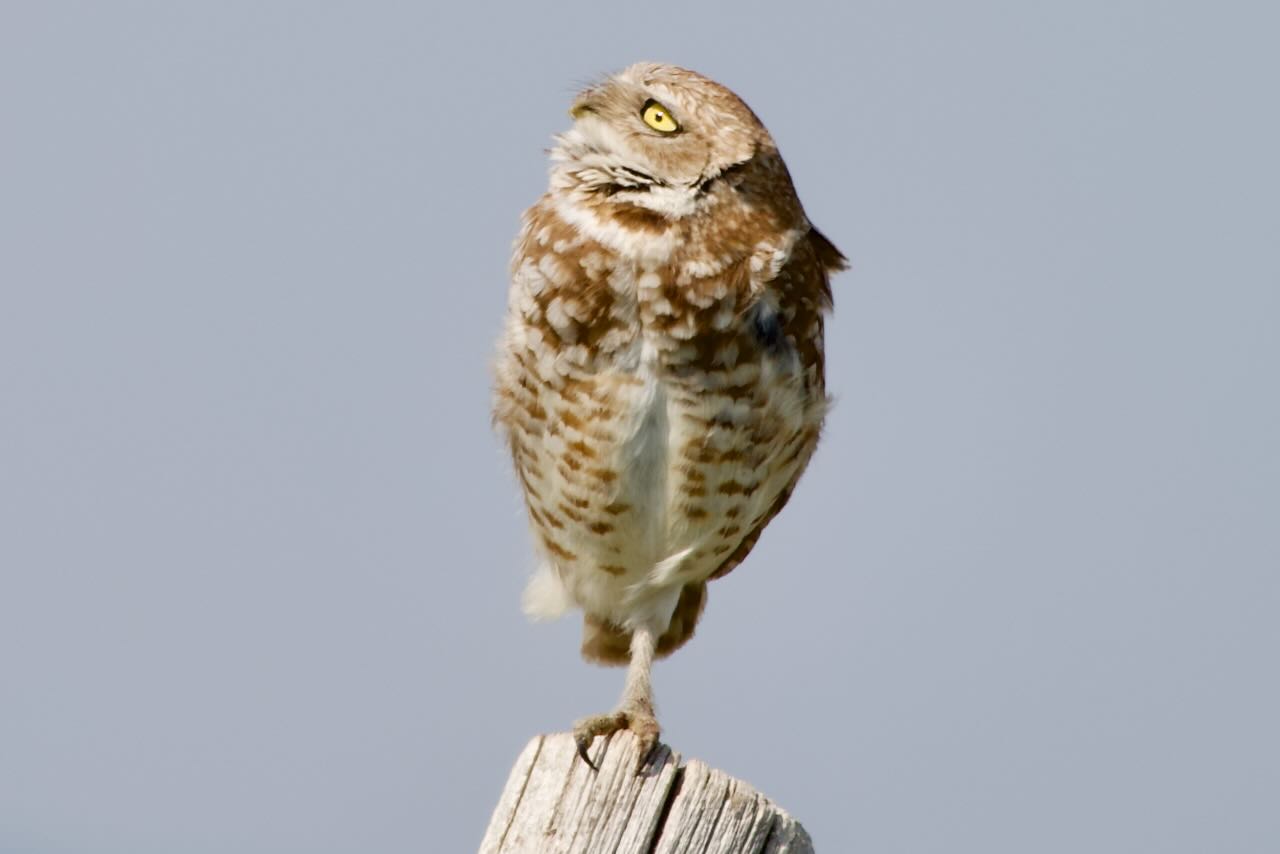
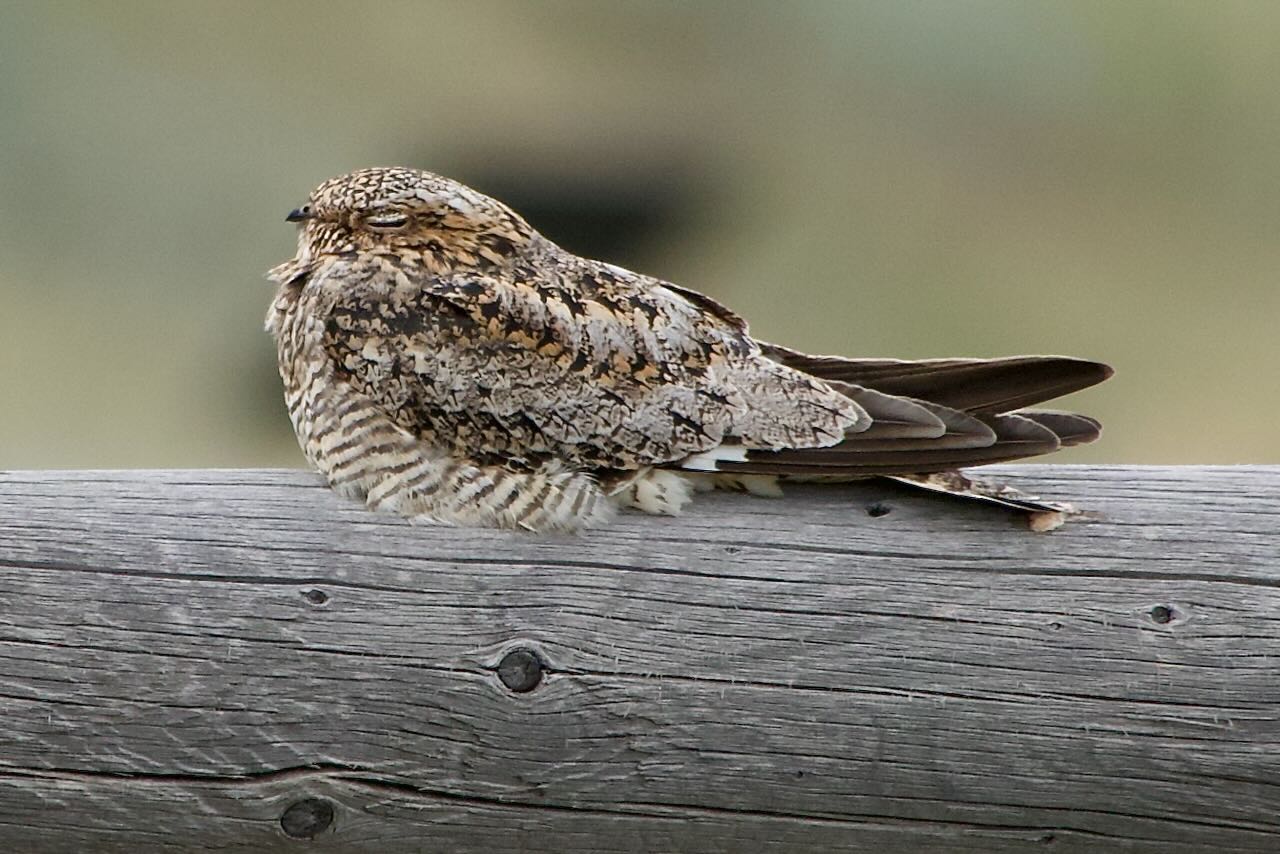
This route takes you past the prairie dog towns where you scan carefully to find the Burrowing Owls that use the prairie dog burrows to nest in. We managed to find 4 Owls at both dog town areas. But the two species we were still hoping for did not appear – Thick-billed Longspur and Sprague’s Pipit. We did manage to see a number of Common Nighthawks roosting and flying at the Grasslands campground.
Common Nighthawk
We arrived back to our home at dusk and I made final preparations for the drive tomorrow. We planned to drive through Alberta but off the main highways so we could bird for our final species that we needed for the Prairies. I took photos of maps and areas because I knew that we would have no cell service for most of our drive.
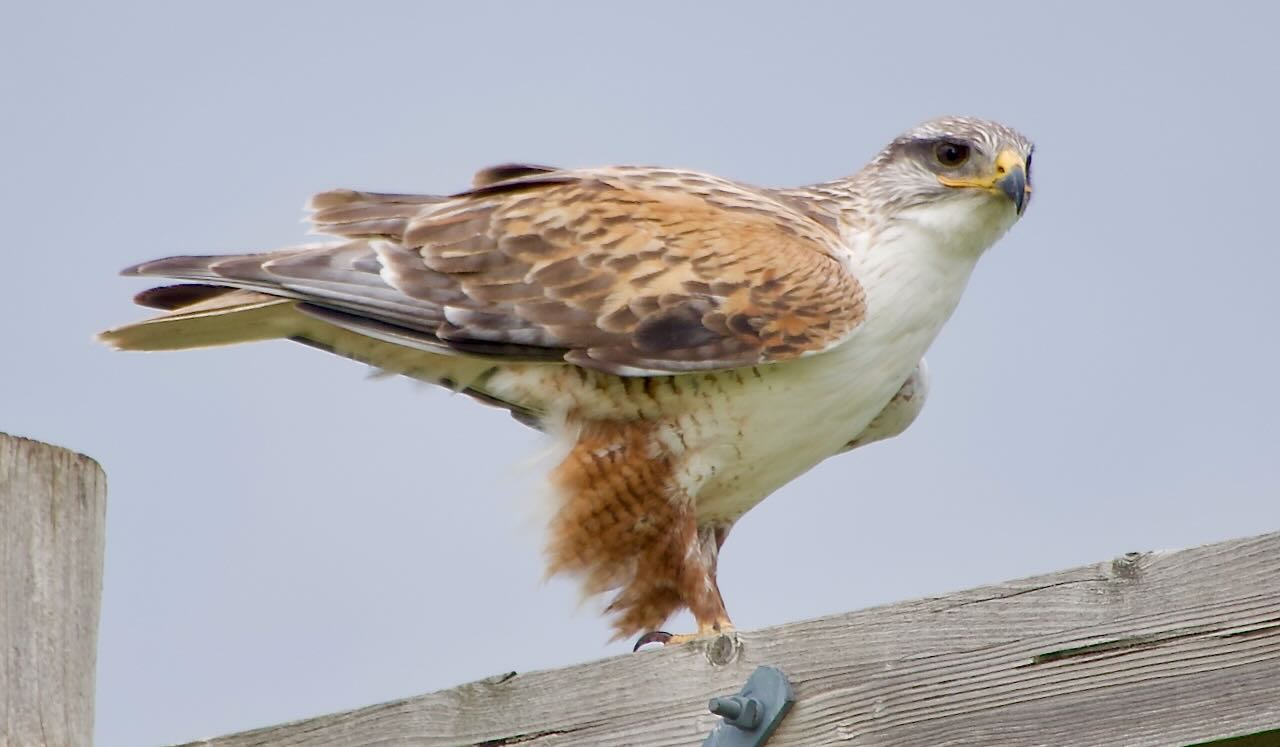
Saturday we headed west our from the Grasslands and within 30 minutes we had our first bird of the day – the lovely Ferruginous Hawk ( google how to pronounce it).
Ferruginous Hawk
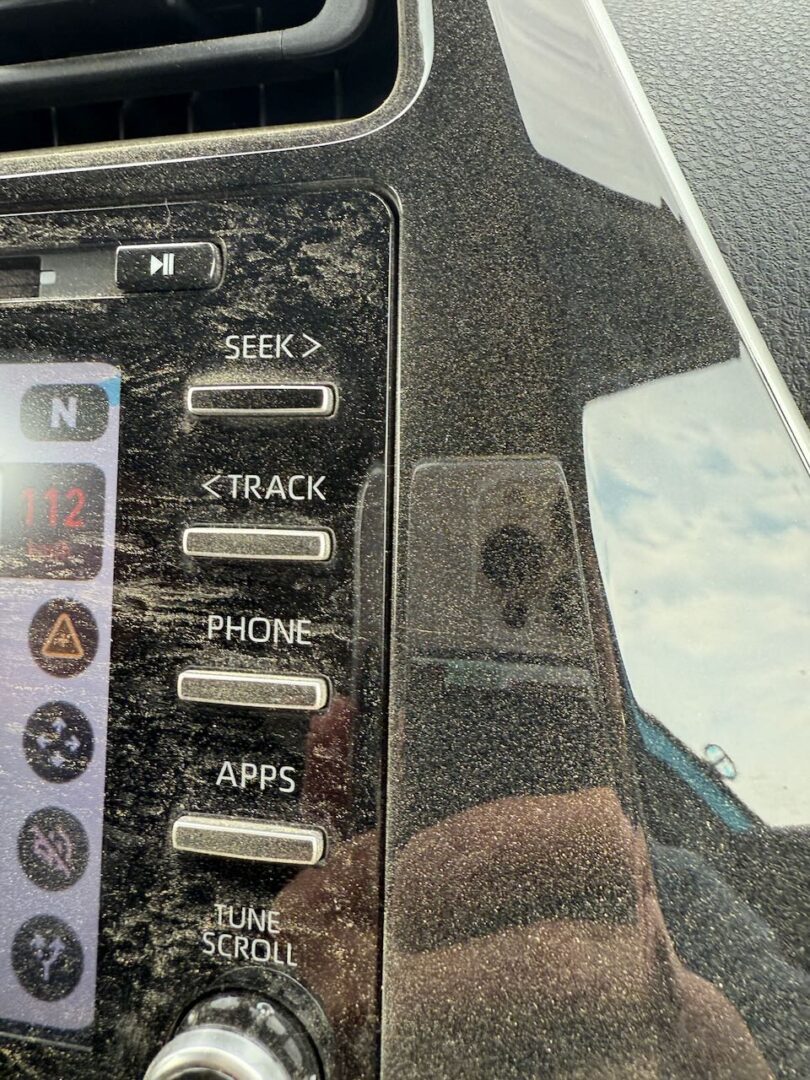
Most of the driving, ok, all of the driving, was on gravel roads with wind and dust every time you stopped and opened a window to check out a bird sound or movement. We will not miss the wind
or the fine prairie dust that gets on everything including your teeth!
The inside of our car is a mess!
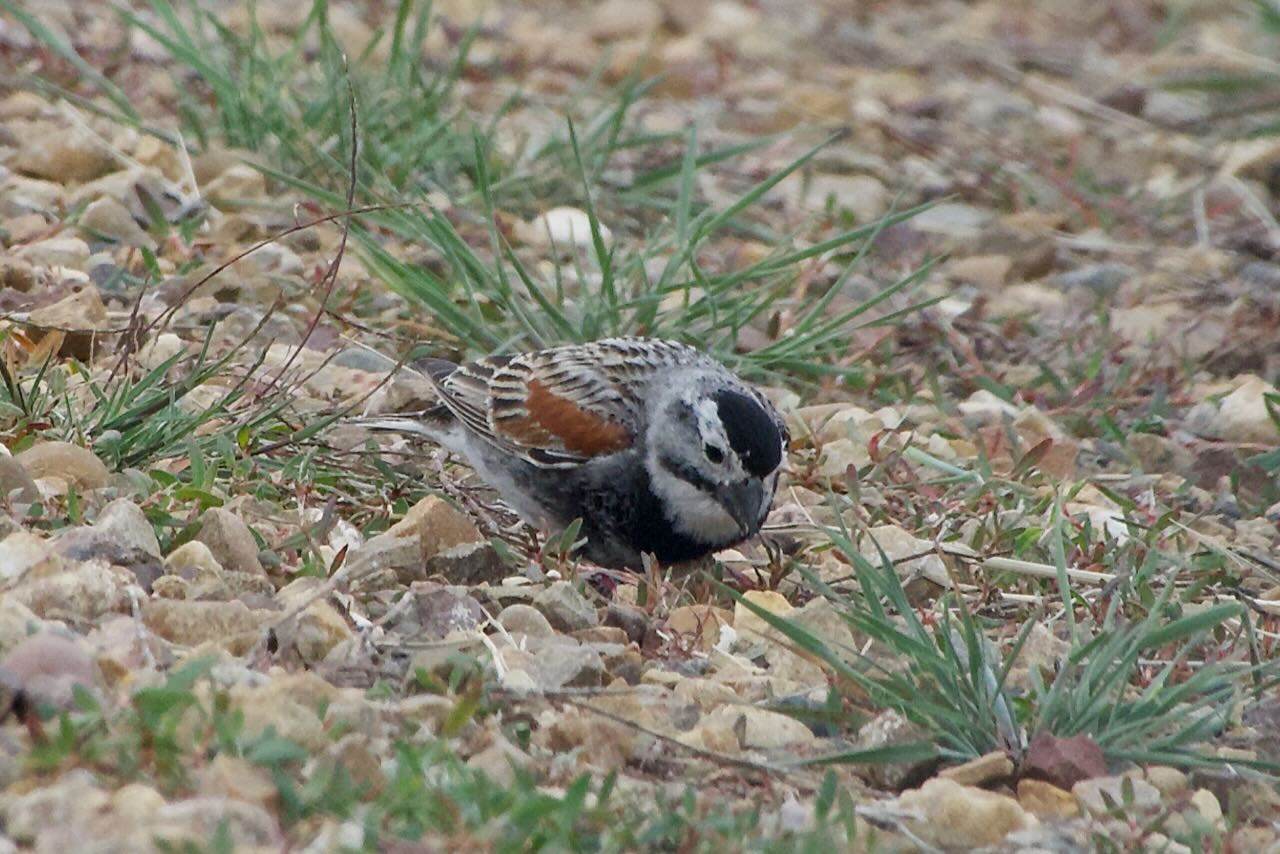
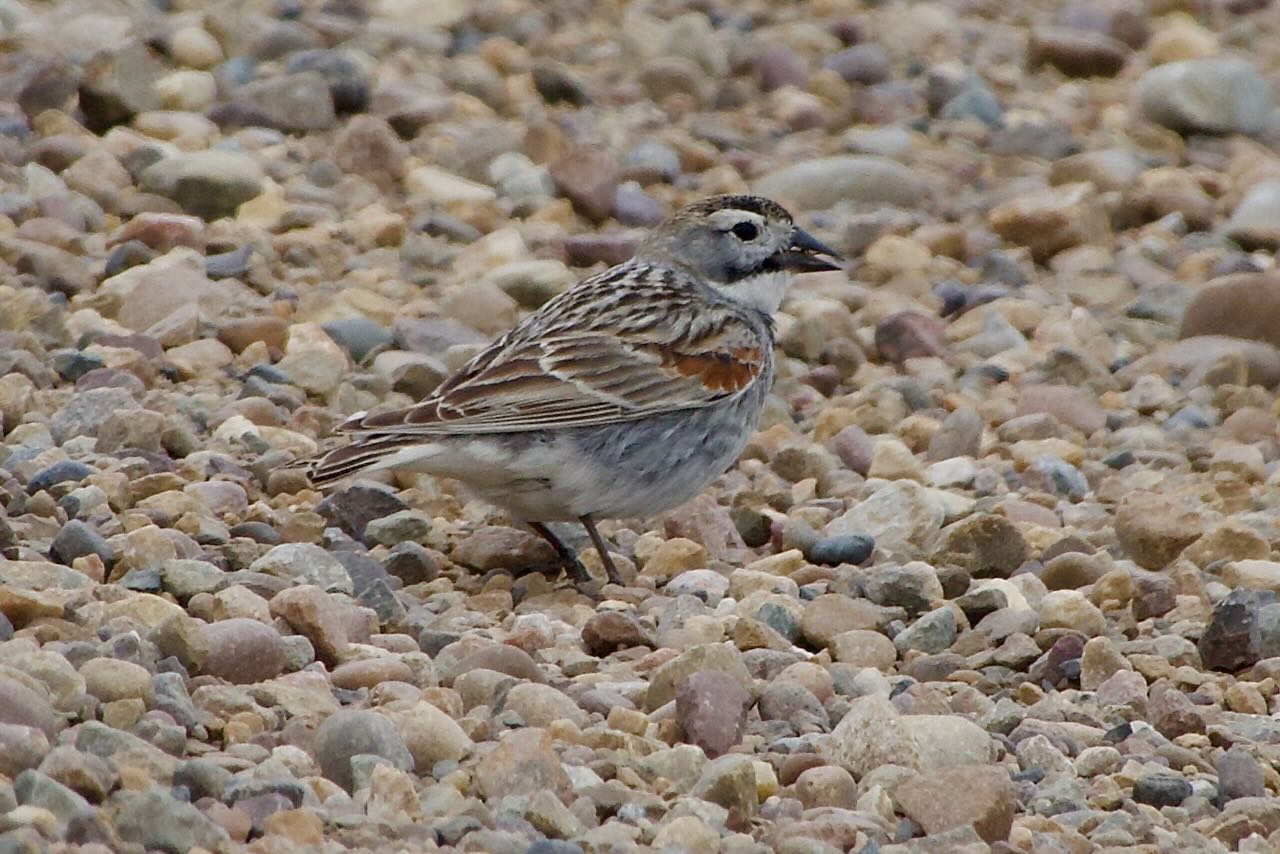
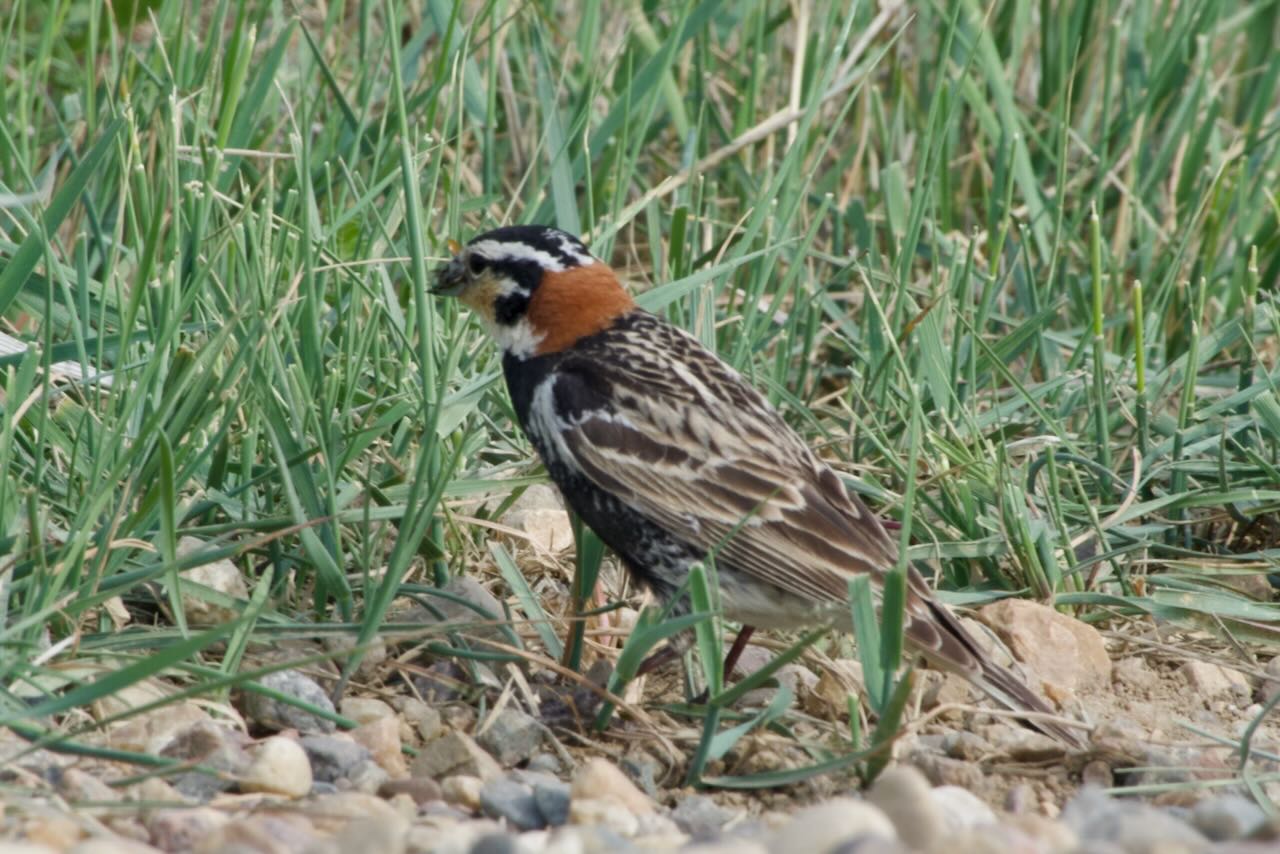
Within the first hour we had both of our missing birds – the Thick-billed Longspur and Sprague’s Pipit. Getting photos was another challenge. Jerry managed to get both Longspurs.
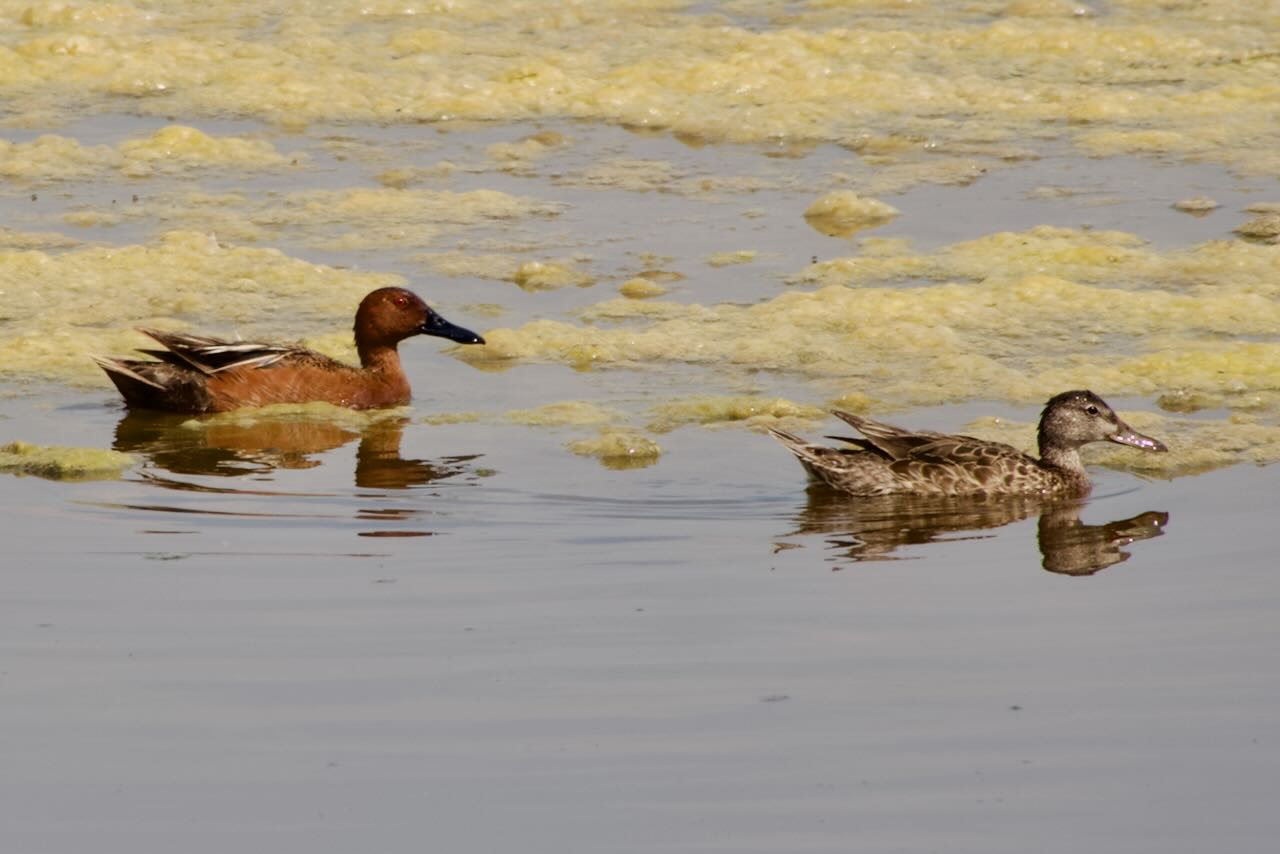
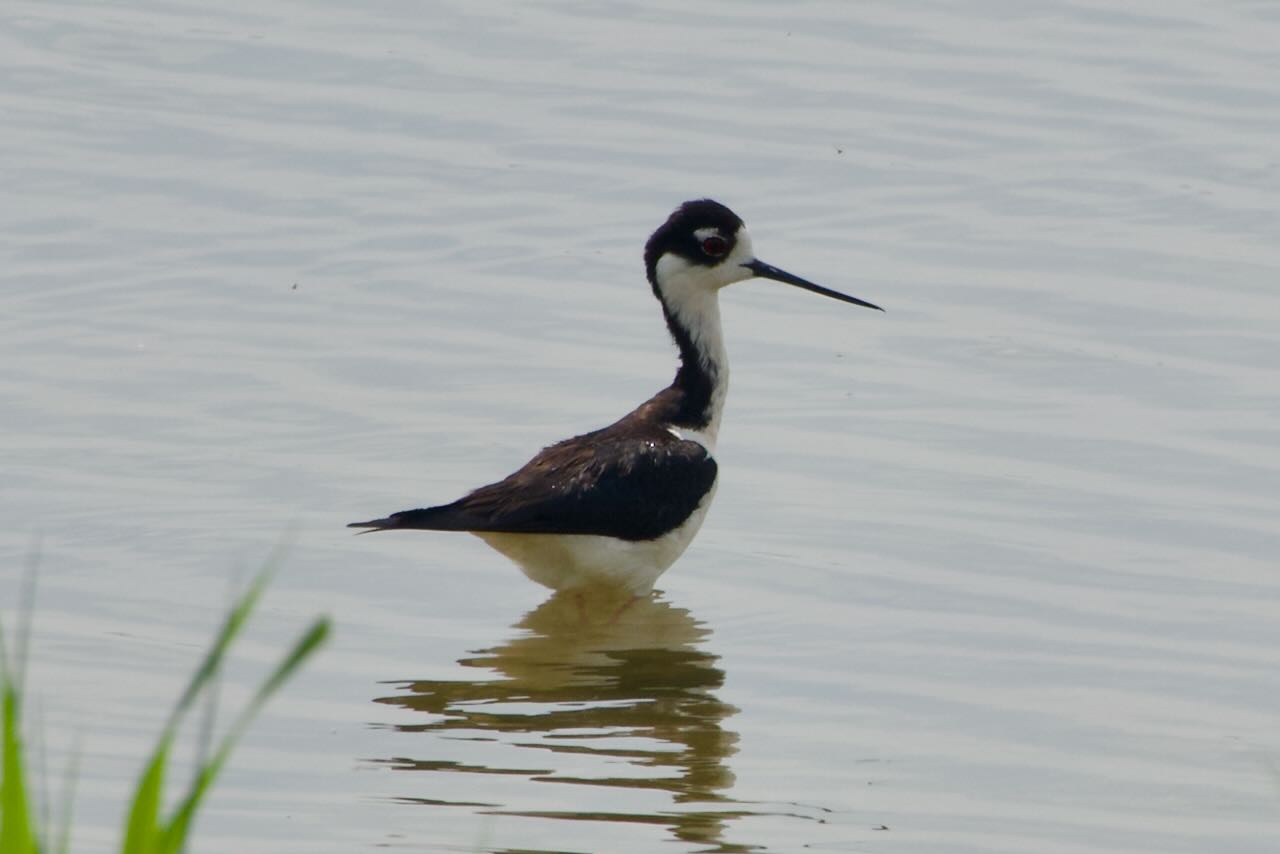
While we were driving between birding areas I checked my emails for hourly reports on Alberta birds and noticed Arctic Terns were nesting near where I knew Prairie Falcons nested. I opted to add that into our schedule and just like that a 5 hour drive became a 6 hour drive but with birding along the way it was a 12 hour day LOL. Just before the Arctic Tern spot a wetland produced our first Cinnamon Teal and better photo ops of Black-necked Stilts.
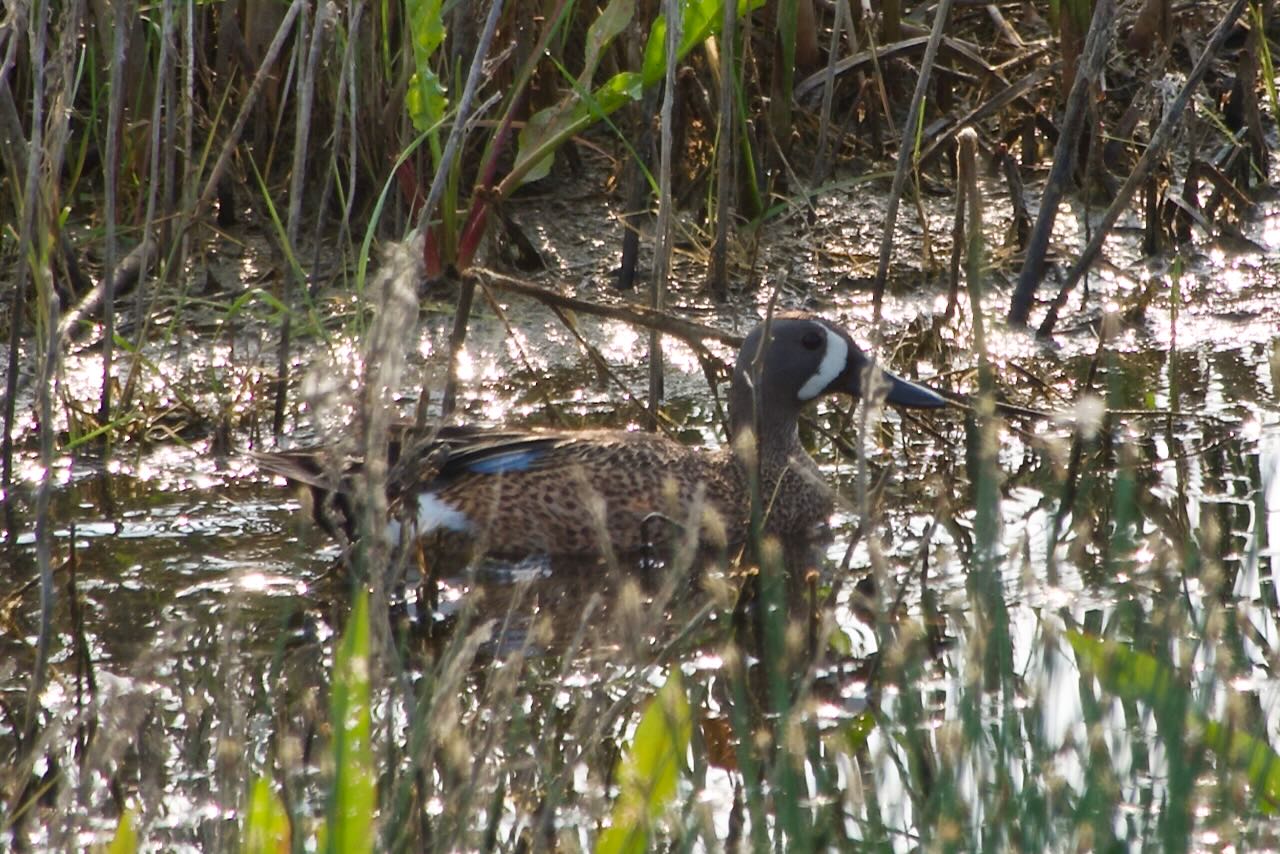
Cinnamon TealBlack-necked Stilt
The lake with the Terns was very large and I was worried we would be spending a lot of time driving around it but as we pulled up to the lake there was a Tern flying around. We thought it was Arctic but it was quite a distance away. Looking at ebird lists from others they had no other terns listed other than the Arctic and we thought we had the Arctic. It was late afternoon and we still had another birding spot so we opted to move on. It would turn out that looking at Jerry’s pic later on the computer we could see a probably black tip on the bill of the Tern making it a Forster’s not the Arctic. I would have liked to have that off the list so we will see if we can revisit that place on our way out of BC if they do indeed nest there.
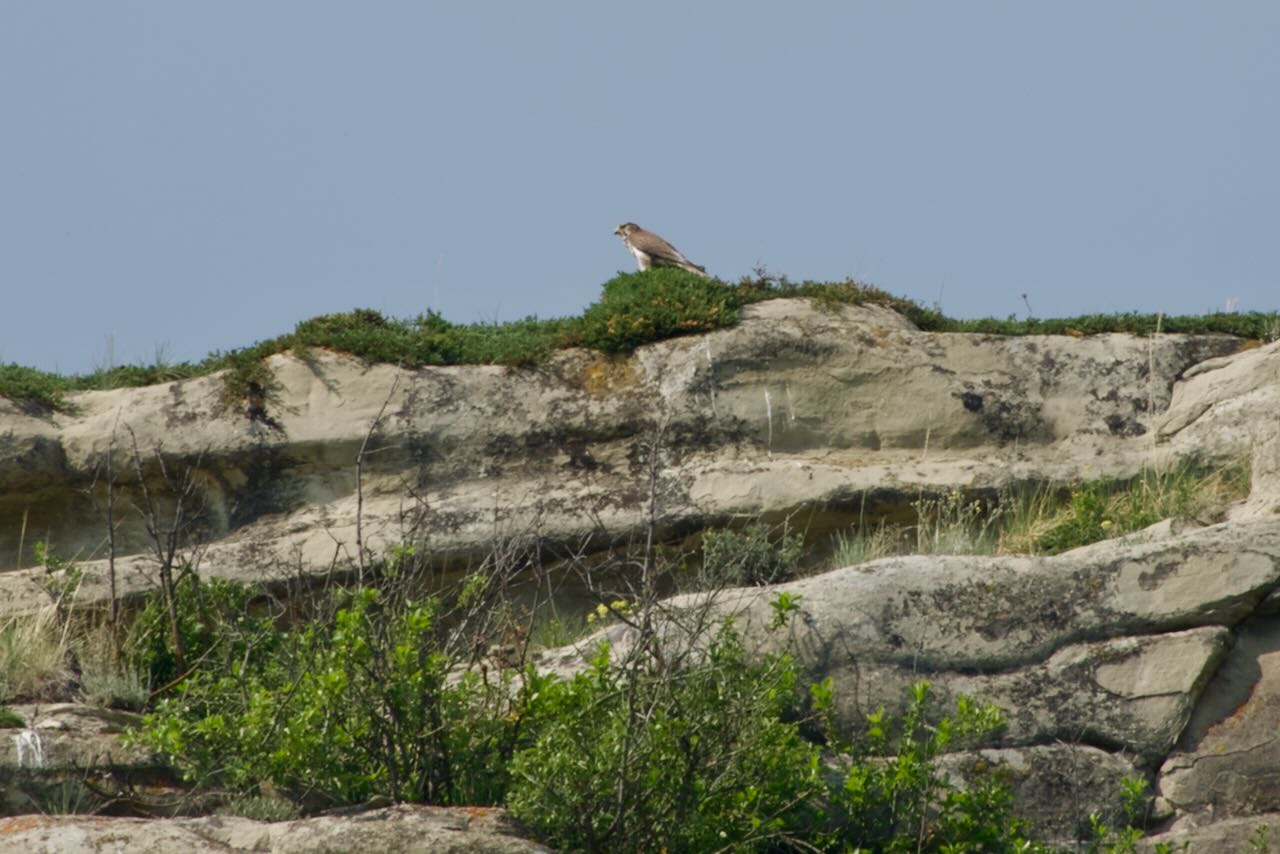
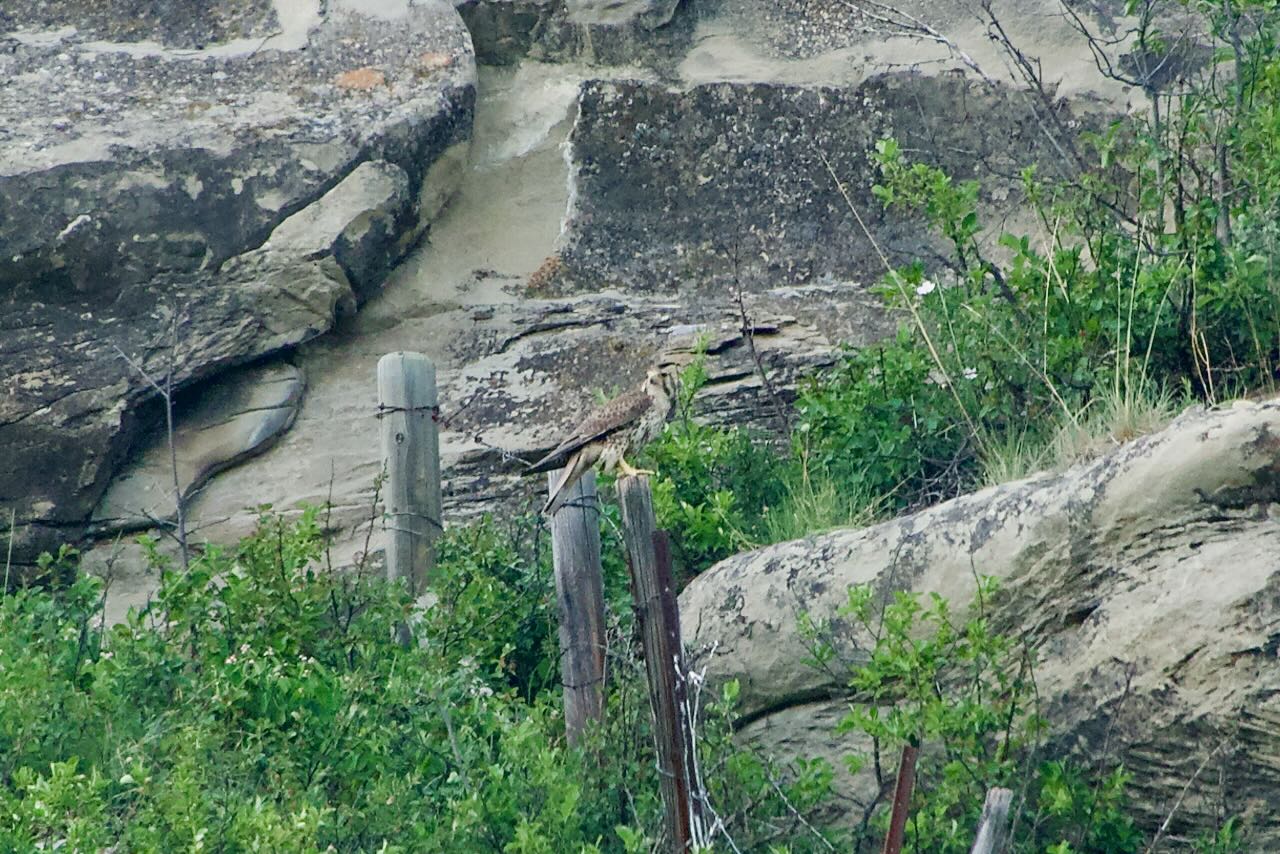
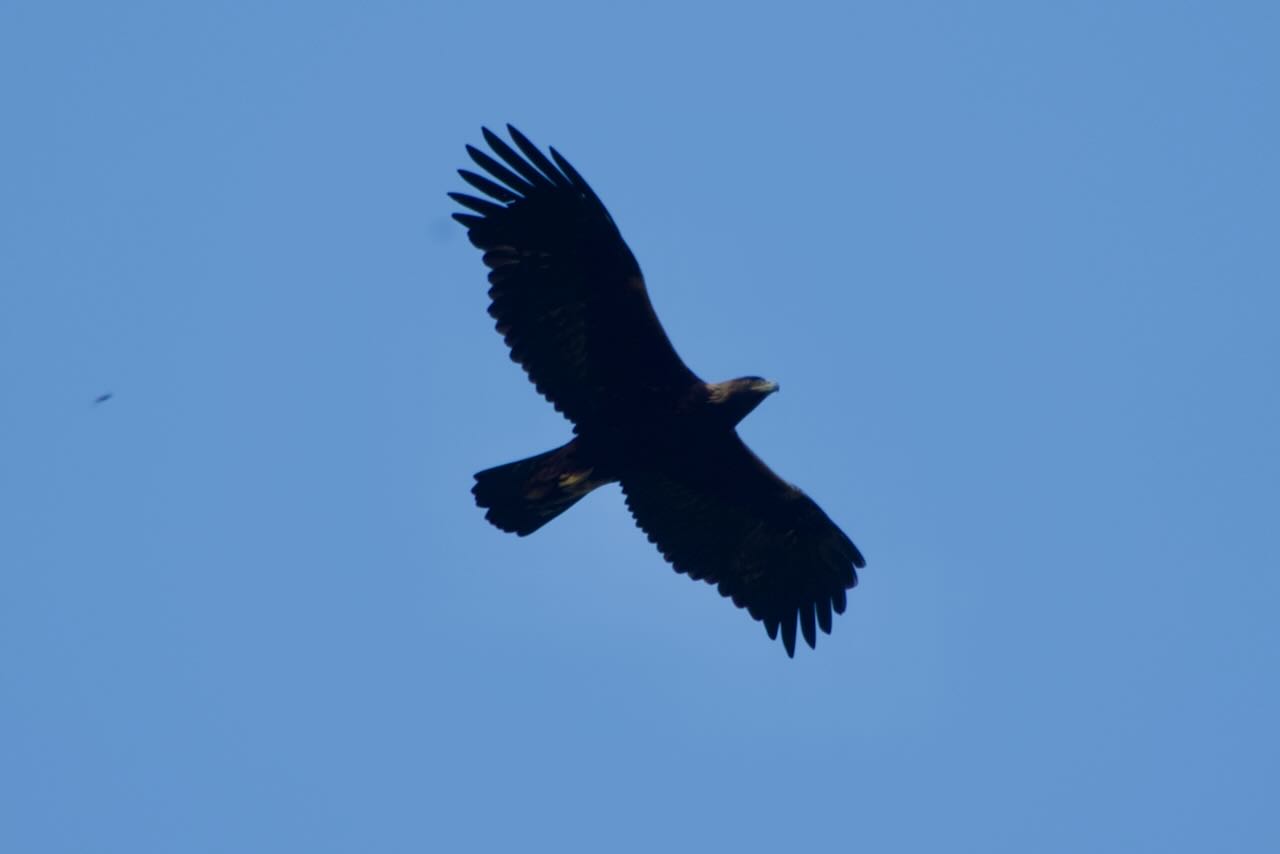
We then headed to William Coulee road where Prairie Falcons are known to nest and we have seen them in past years. It was only minutes in, looking along the cliffs and I spotted a Falcon up on the top rocks. it then flew down and went into a crevice in the rock wall where it probably had a nest. We then saw another Falcon and a Golden Eagle appeared and they had an altercation.
Prairie FalconPrairie FalconGolden Eagle
Further down the road we found another breeding pair. It was a VERY good birding day. We had added 27 species in Saskatchewan and Alberta and I had seen all of my expected species. We headed to a hotel at the foot of the rockies only to find it full for the night so we opted for the sad local hotel and tavern where we paid $80 (cash only) for the night. I’ll leave it to your imagination as to what the room was like. Our tiny house back in the Grasslands it was not! We were only 6 hours away from my brother Darryl’s in Grand Forks!
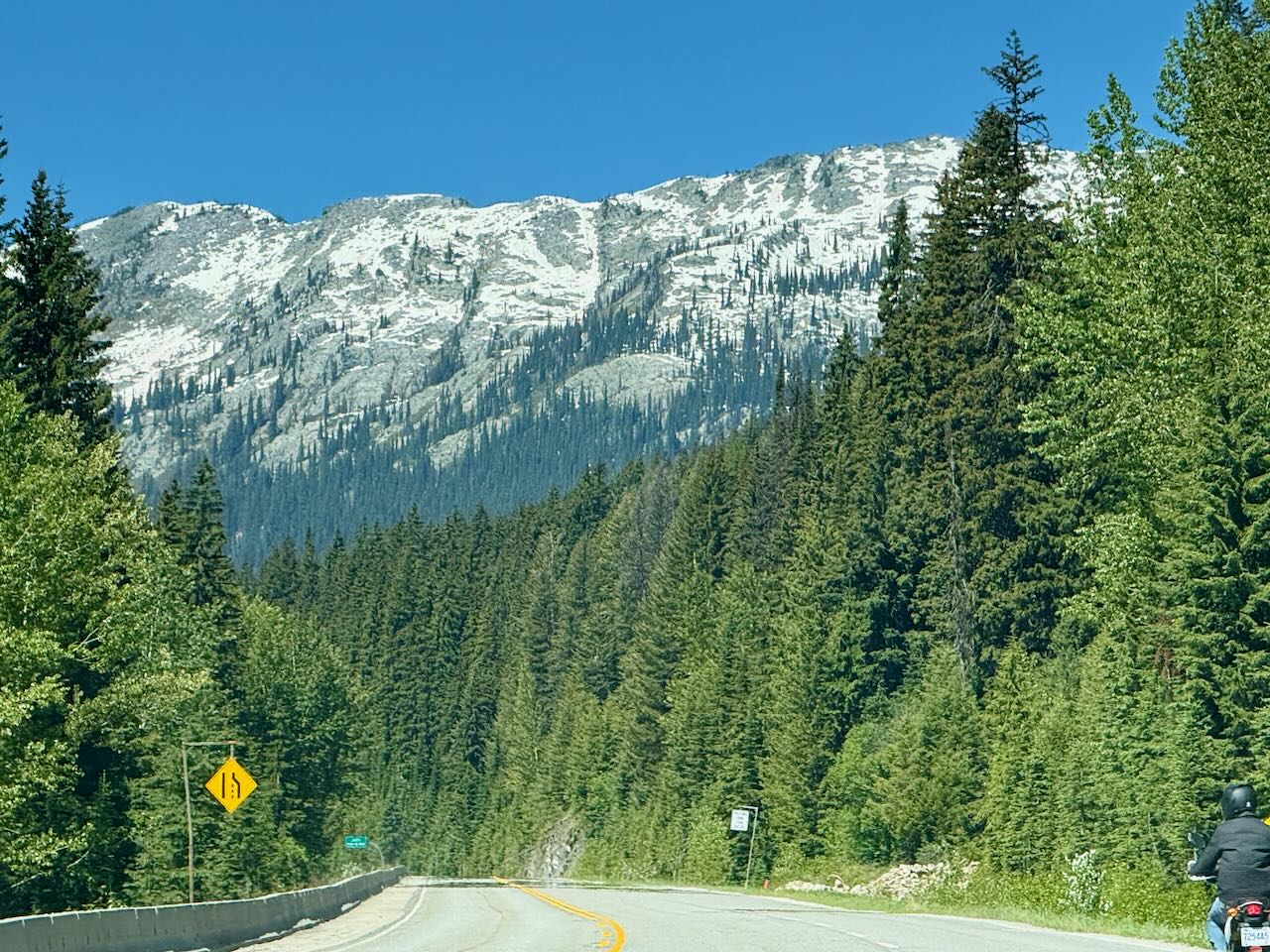
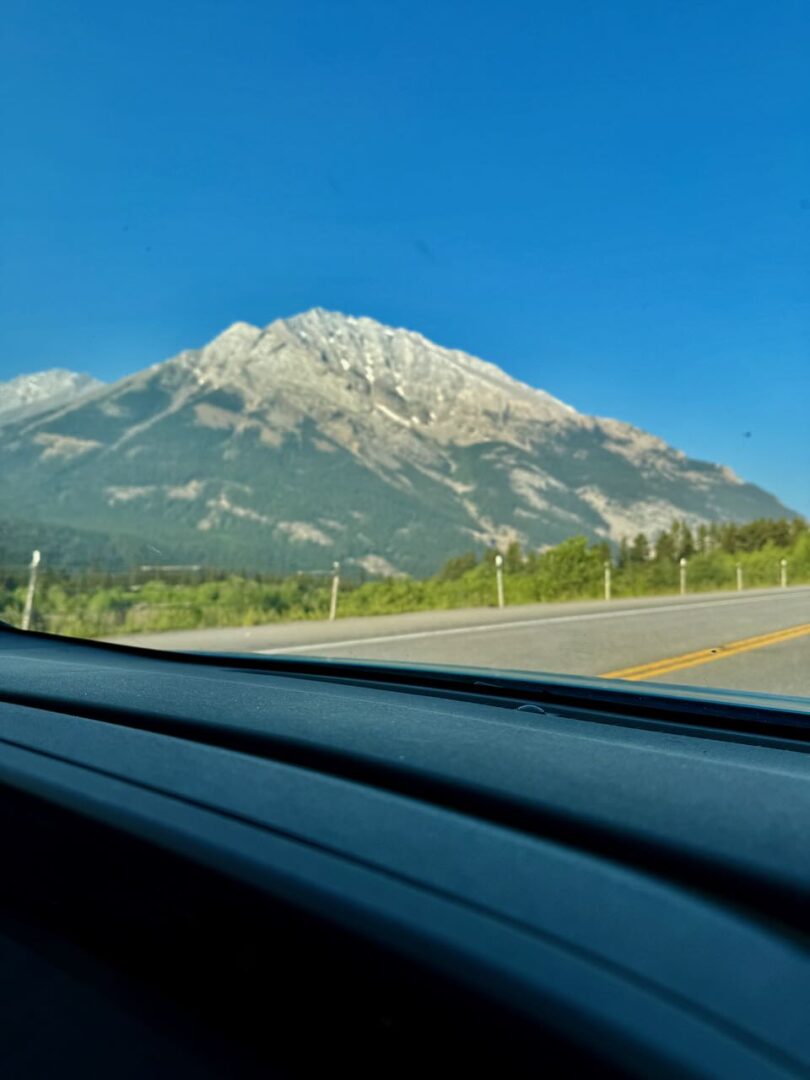
Sunday we drove through the rockies along Crow Nest’s Pass. We stopped at a few rest areas and added 3 species to the list, Hammond’s Flycatcher, Mountain Chickadee and Violet-green Swallow. The mountains are amazingly immense and taking pictures just will never show the true scale of them. I made an attempt to take some from the car.
We arrived in Grand Forks in the afternoon and immediately started hearing birds as we drove up the road to my brother’s family compound. Based on our last trip here in 2022 we expect to add 10-12 species to our list just on his property, hopefully while sipping a Gin and Tonic or Margarita! Cheers!
Week 23 second half 33 species added 346 species Jerry and Ellen
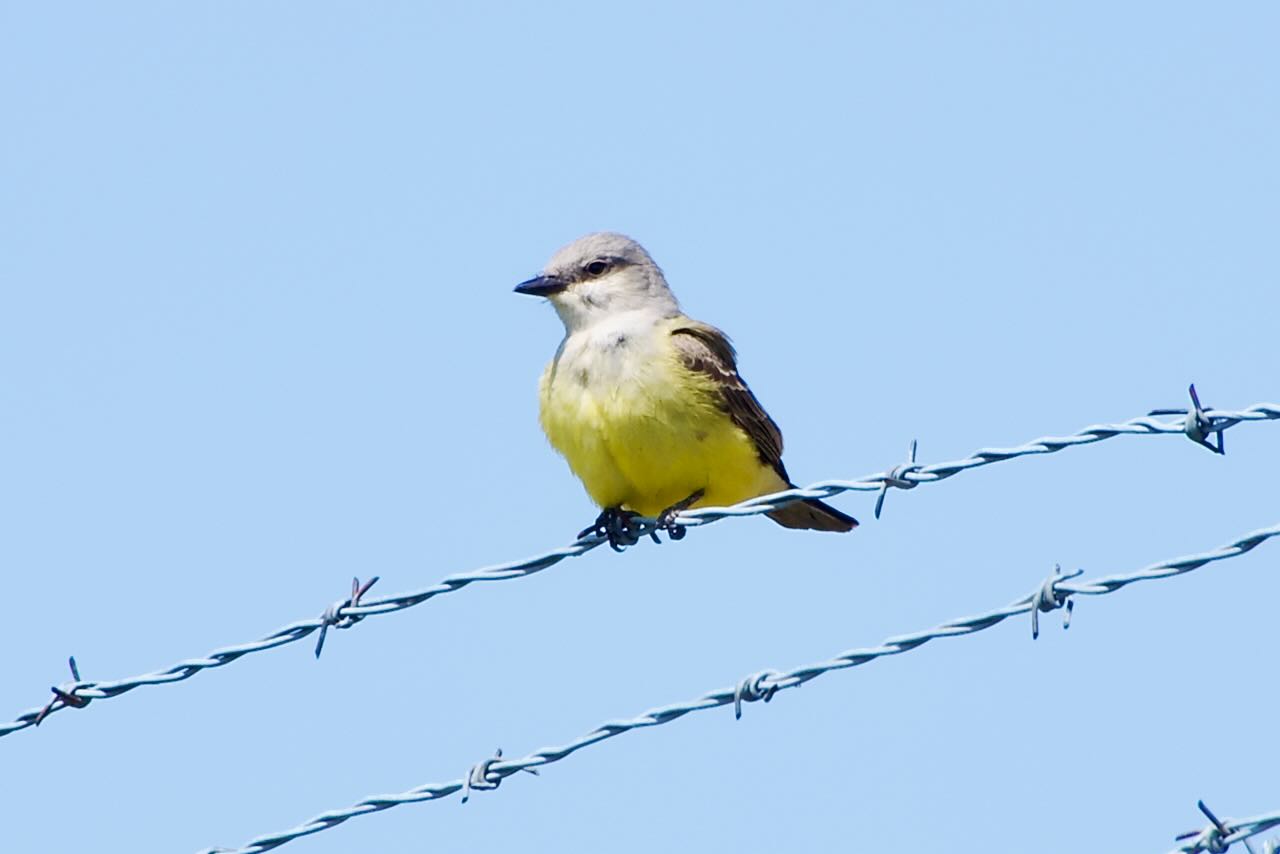
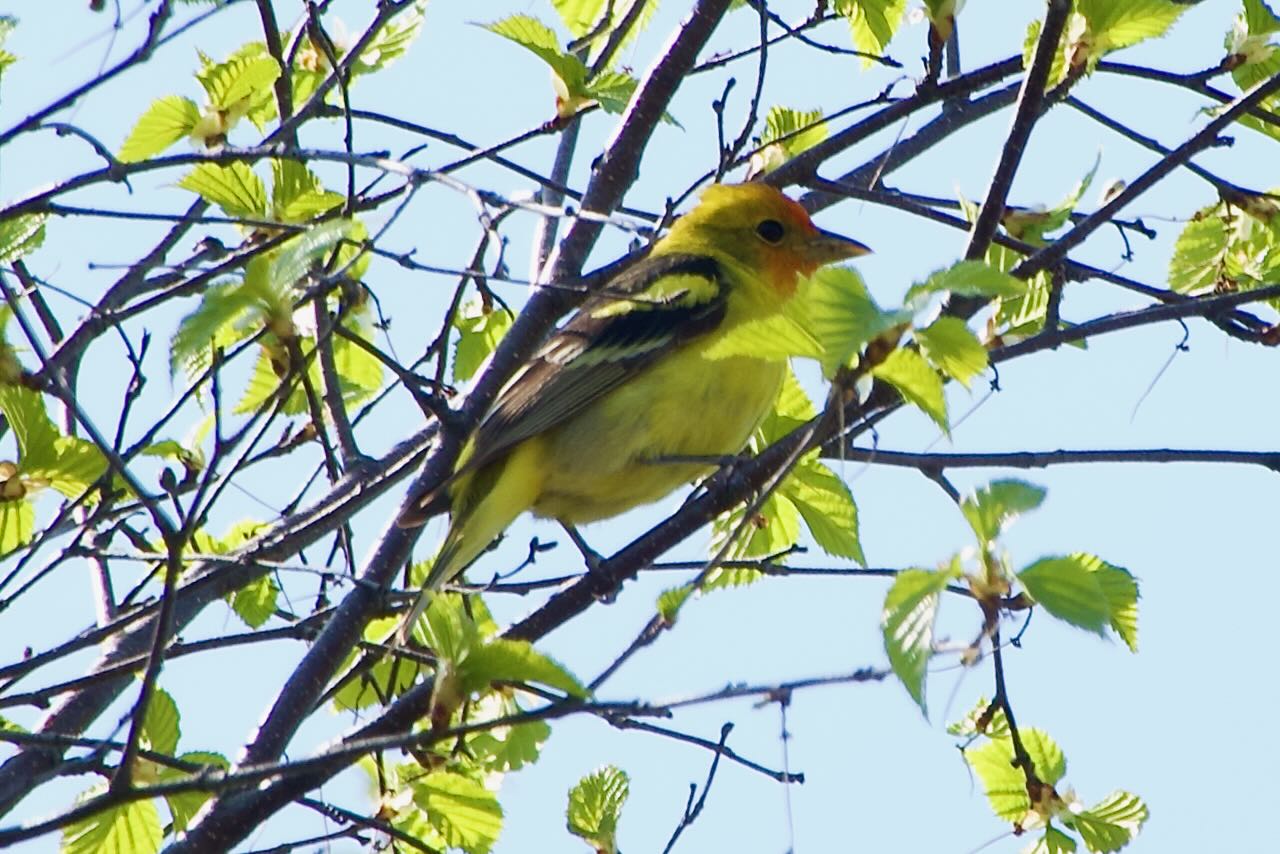
As all our travels begin, we were up at 4am and on the road by 4:30. We love leaving early so the drive through Toronto is empty and fast. We were up in Sudbury by 9am and in Wawa by 3 with a few stops along the way to stretch legs, take a walk and check out birds. We headed to the Wawa sewage lagoons, a favourite birding spot and walked the road across from the lagoons where we saw and then heard our first Alder Flycatcher of the year. We checked the lagoons and I saw a bird that looked different on the fence, at first glance I was thinking a Mockingbird but my bins told me a Western Kingbird! We will, of course see lots of these through the Prairies but it is a nice rarity for Ontario. As the bird flew around Jerry moved down to the road to get some pics of it on the wires and he was distracted by a bright yellow bird flying in the trees across from the lagoons and he took a second look and said to me, “Western Tanager”. I thought he was just mixed up and meant Scarlet but no it was a Western Tanager! Right across from the Western Kingbird. Two rarities to Ontario within feet of each other! I made Jerry show me pics and checked against Ibird Pro because at times like this I almost do not believe my eyes. Yes, the identifications were correct. Suddenly within minutes we had added 3 new birds to our list. A VERY good start to our west trip.
Western KingbirdWestern Tanager
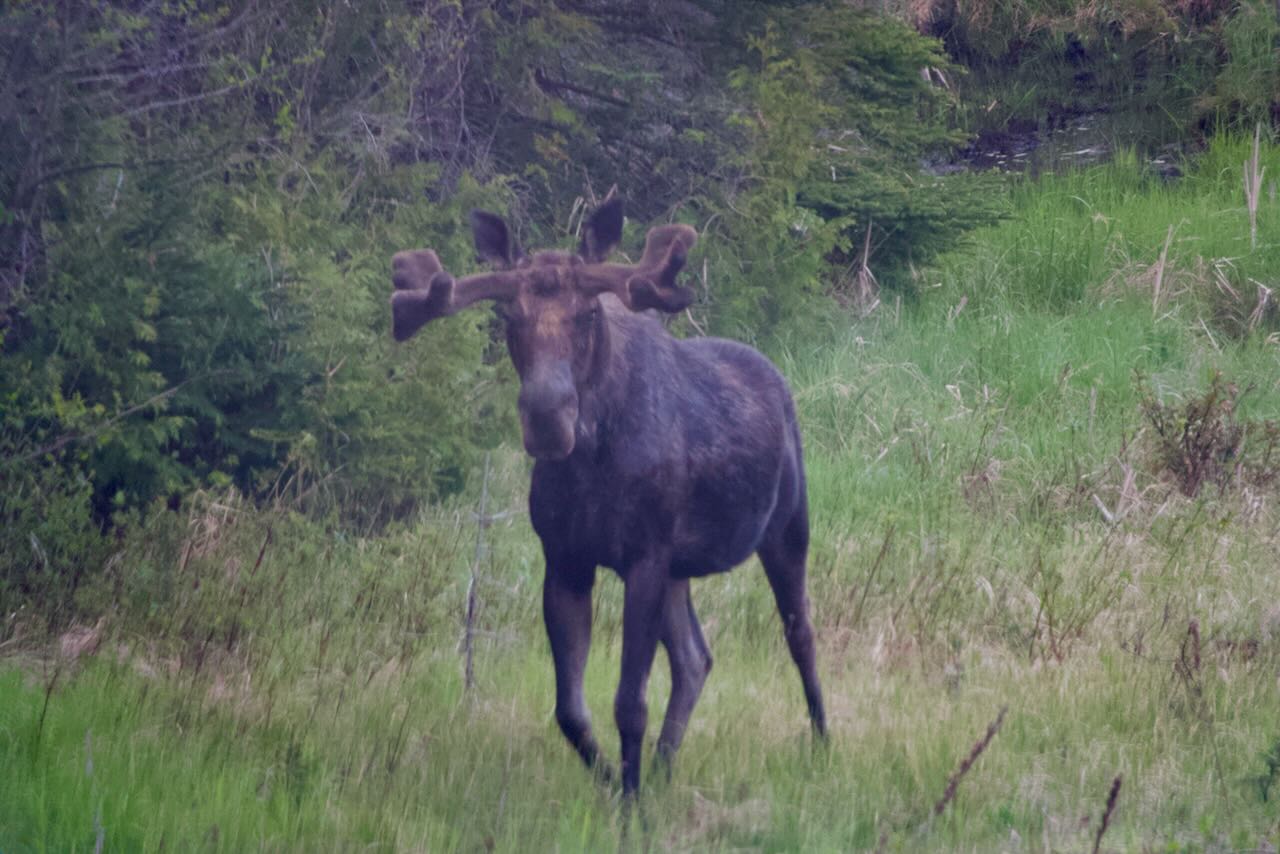
Monday the temperature was 0C and we were on the road just after 6. Within the first hours we saw 3 moose feeding on the side of the road at different spots.
Shortly after that we passed a man who had driven his car off the road deep into the gravel and was clearly stuck. We stopped and offered to call for assistance. There was no cell service there so I got his details and we left him, thinking we would have to go to the nearest town but a few minutes later I suggested I try to call 911 as my phone had said it has satellite. Sure enough it connected to 911 and they connected me to local police so I could relay the information and send out a car and tow truck. We continued on and stopped to bird in a few places along the route. Terrace Bay being one of our favourite. While we added nothing new it is a lovely place to visit.
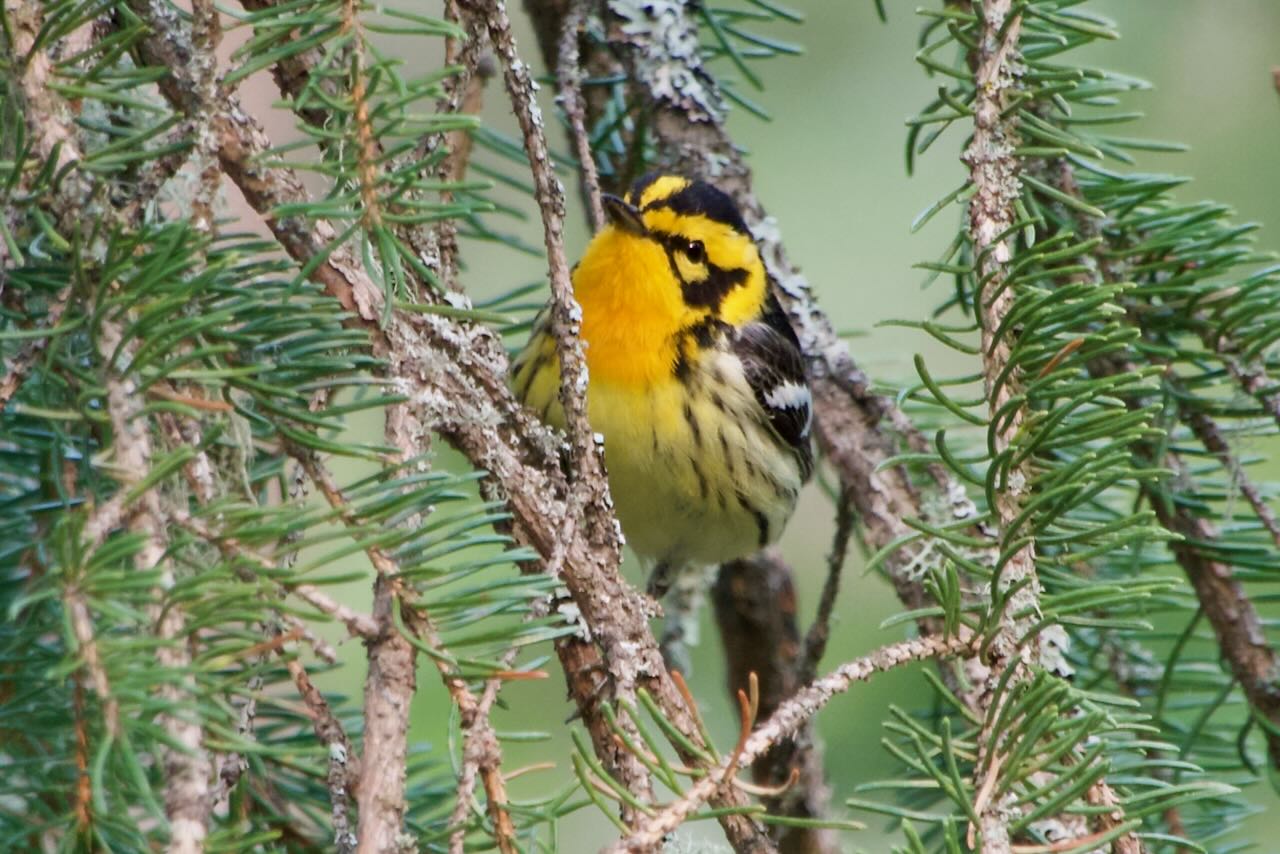
Red Chair Trail Terrace Bay Lake SuperiorBlackburnian Warbler (Firethroat)
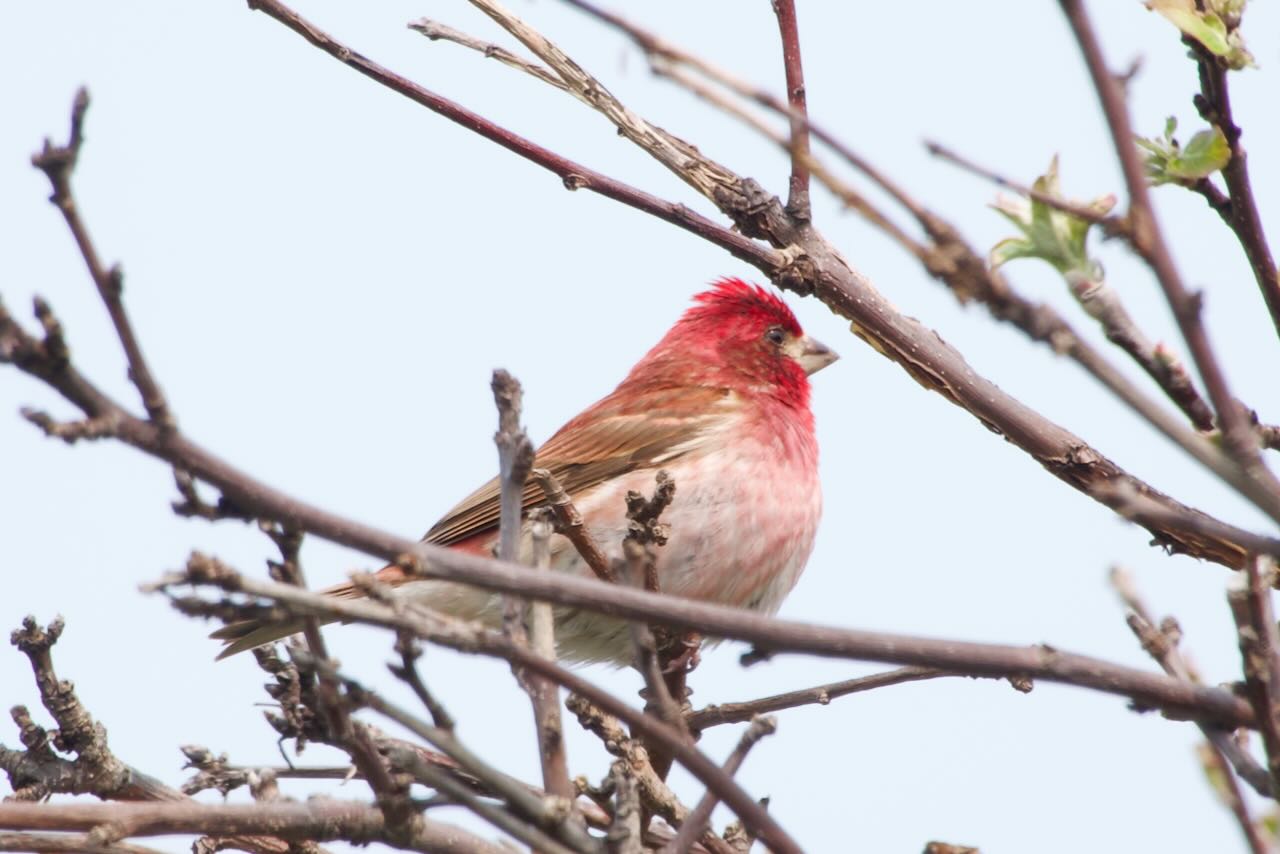
The next stop was in Rossport which is merely a drive off the highway through the tiny town and back on again but it has had an amazing number of rarities over the years and we were lucky enough to see a Yellow-headed Blackbird to add to our list and finally saw a Purple Finch in Ontario. We saw one in BC in February and usually would have seen multiple birds in Ontario by now.
Yellow-headed Blackbird (young male without full yellow)Purple Finch
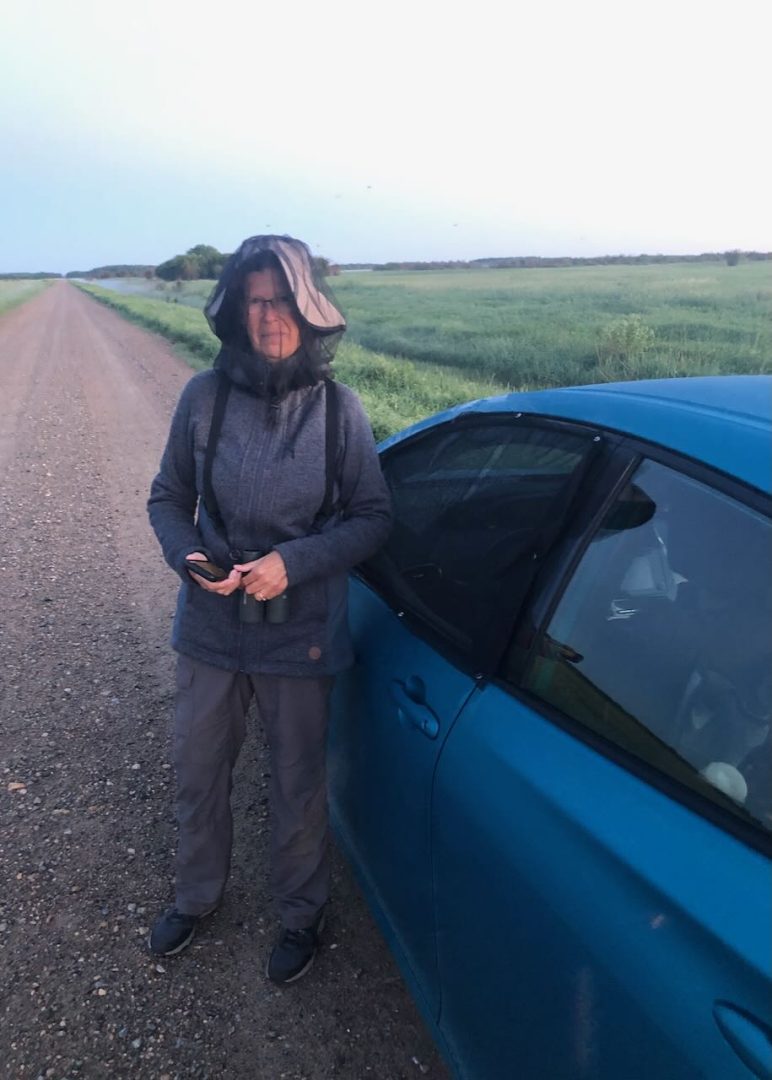
By Thunder Bay smoke from the wildfires north of Kenora was noticeable in the air and the temperature was 30C! We crossed the Central Time Zone line and instantly gained another hour to use for birding LOL. We arrived in Rainy River, in rain, at 5 and settled in to the Walla Walla Inn for a quick supper and then out to bird. We wanted to try for Yellow Rails and Whip-poor-wills for Jerry. Those of you who have been reading the blog from last year will recall the window screens I made for the car to keep mosquitoes out.
Window Screens and Bug Nets – Pic from last year 2024 Rainy River
We really needed them Monday night. The mosquitoes even breached the screens because a magnet came off and so there was much slapping going on in the car as we waited to hear the tic tic of a rail. Nothing. and so we moved on for the Whip-poor-will. Nothing. We knew from last year that we also heard them along the road home and so we opted to head home having lost all patience with the numerous mosquitoes buzzing around us and within a minute we heard the Whip-poor-will almost beside the car. We pulled over, recorded the song and happily went home to bed.
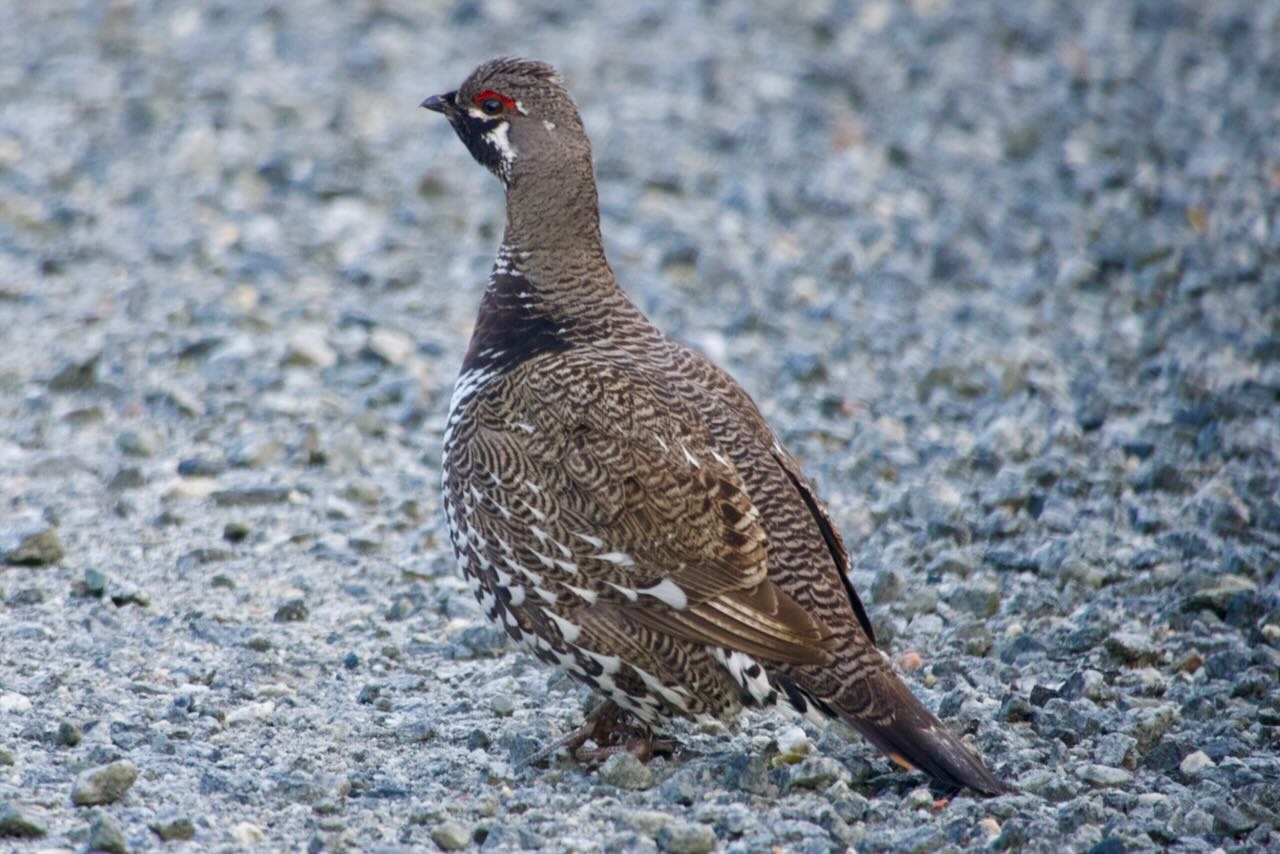
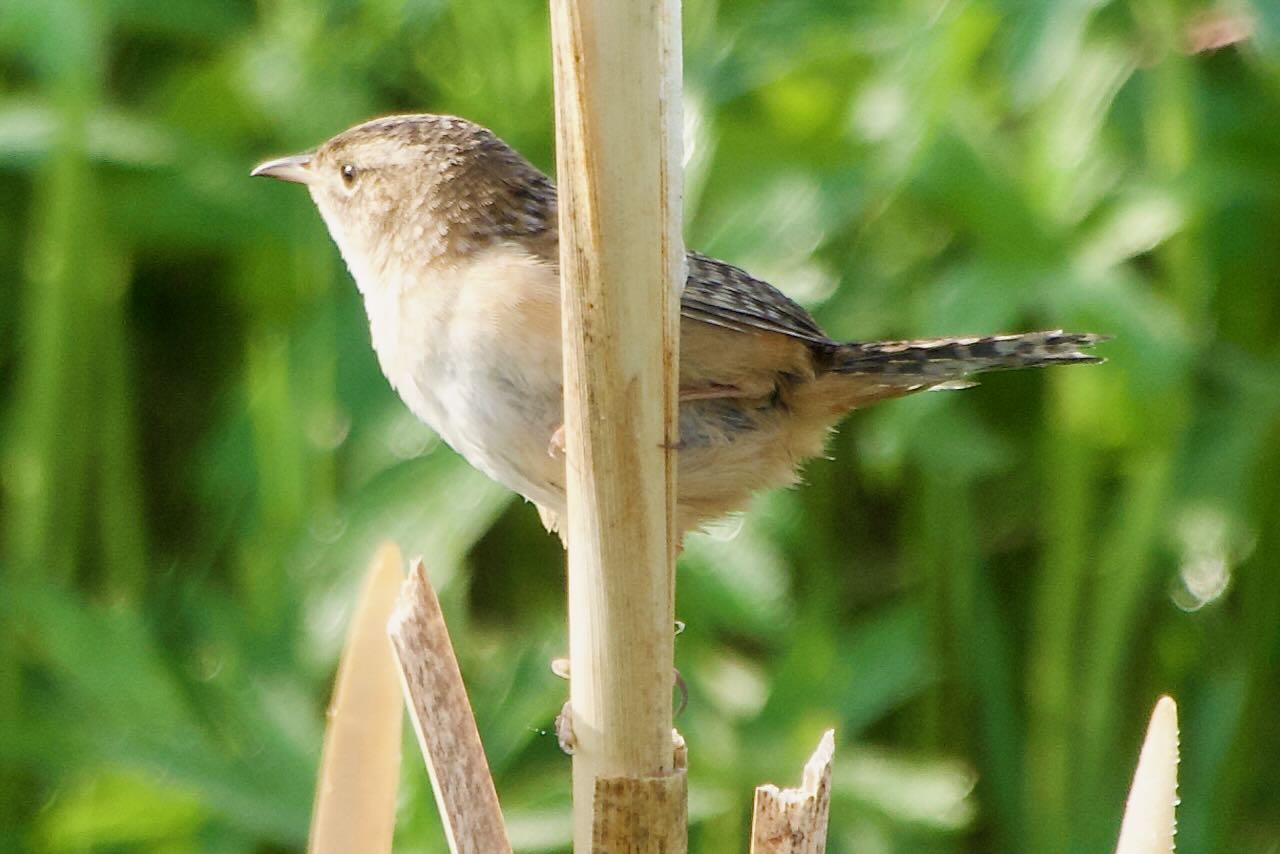
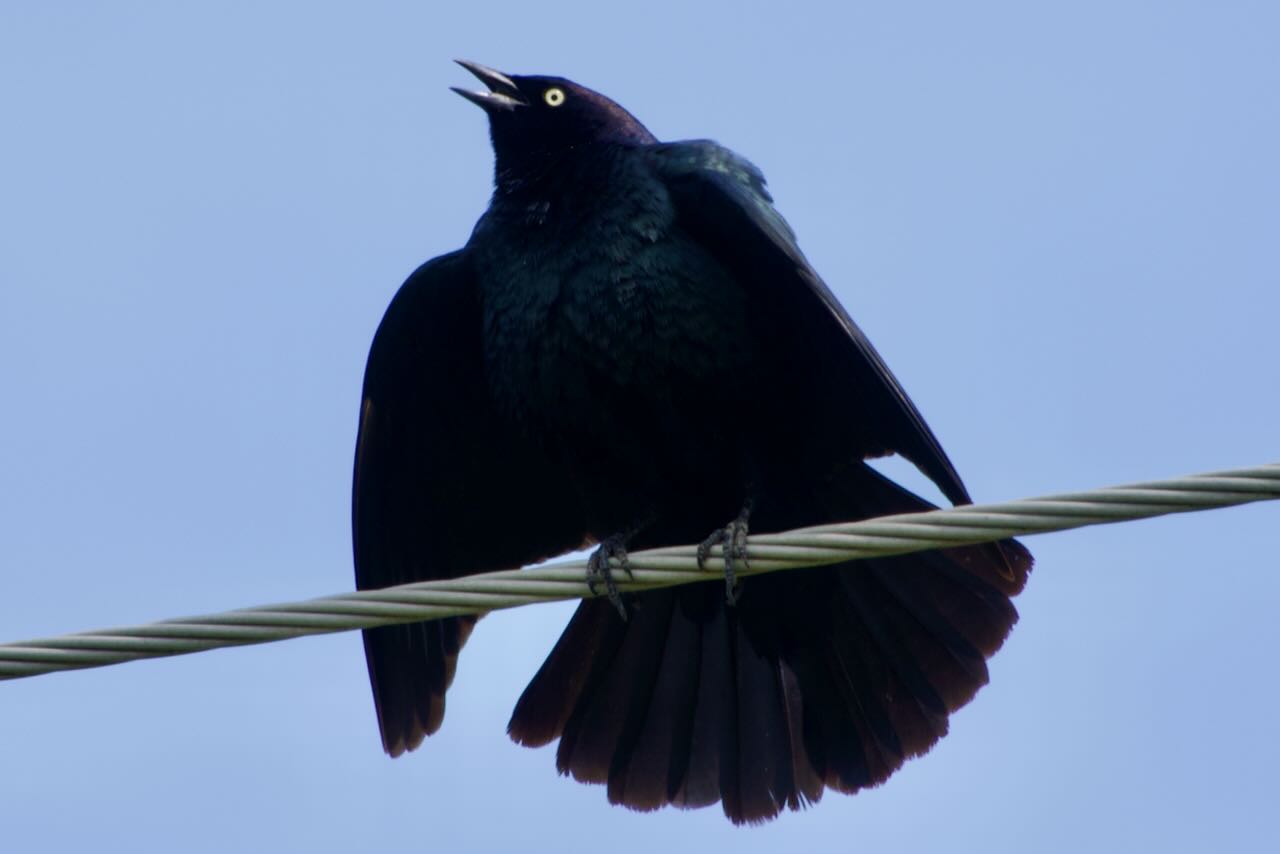
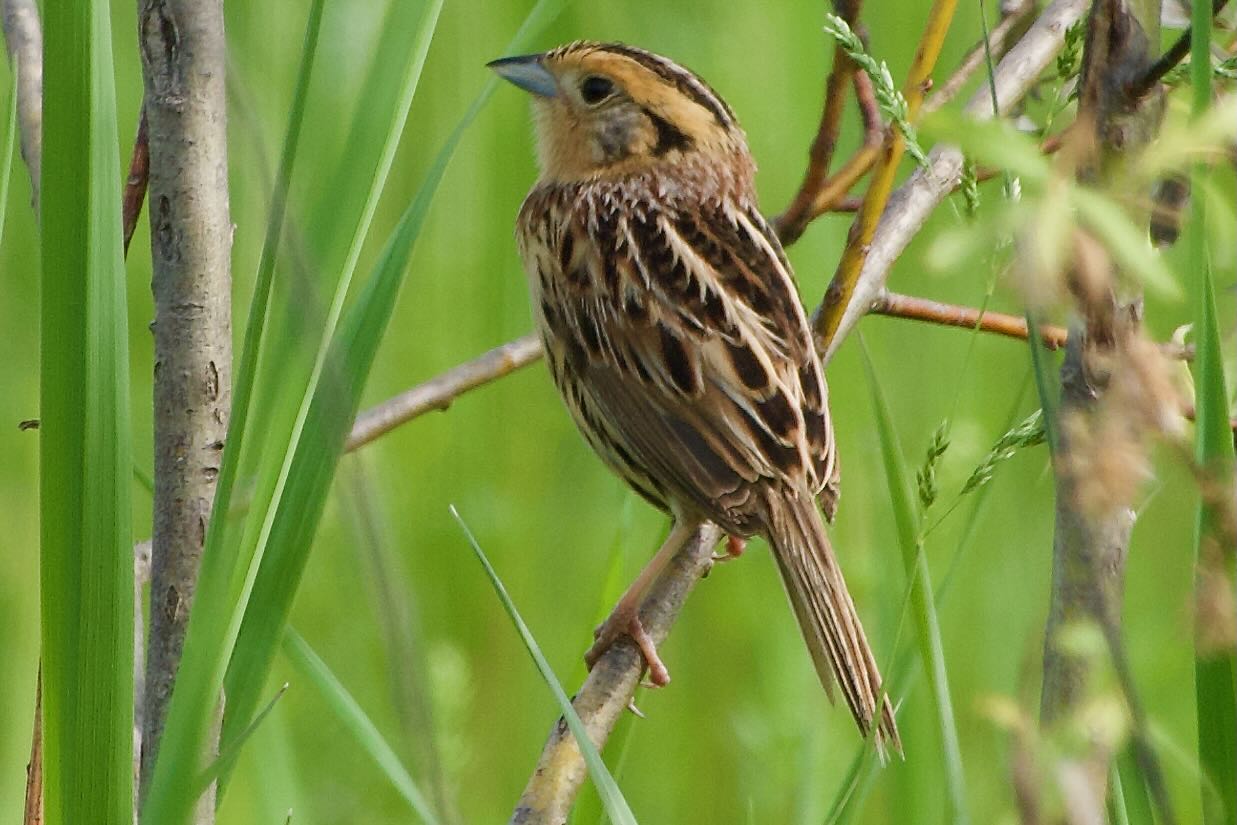
Tuesday morning we were on the same road again at 5am. Because it was only 4C there were few mosquitoes, the opposite of the night before. Still I had my head net on and gloves so no bites for me! Phil joined us and the three of us spread apart a bit down the road to cover a larger area and then listened for the “tapping of rocks together”. That is how the Yellow Rail song is described and indeed it sounds exactly like that. I heard the song and called Jerry and Phil over and then they heard it again. A few minutes later Leo joined us and he heard some further back with his young ears! It was a great start to the day complete with a beautiful sunrise. We headed off for our other targets and by 10:30 we had heard a Connecticut Warbler, seen Sharp-tailed Grouse, a bonus Spruce Grouse I was not expecting to get here, Black-billed Magpie, Brewer’s Blackbird, and great pics of Leconte’s Sparrow.
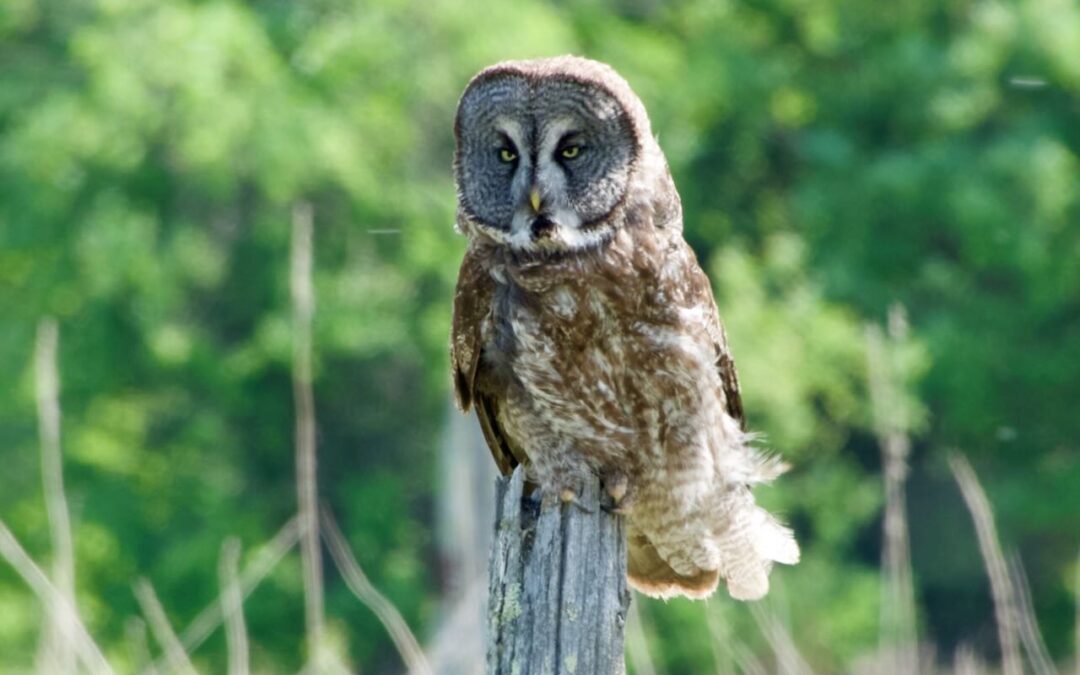
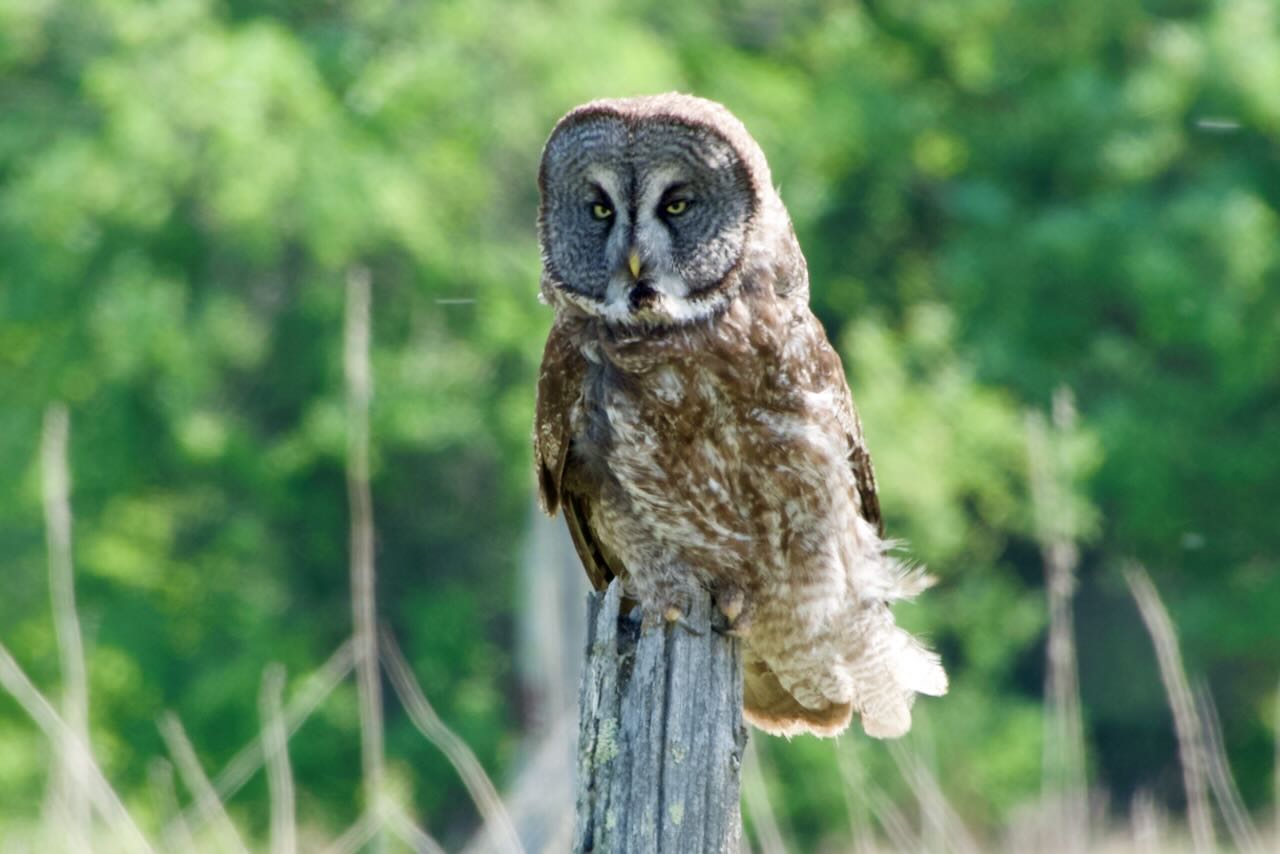
We took a break at the hotel and Phil stopped by to tell us he and Leo had just found two Great Gray Owls about 20 minutes away. We rushed back out and found one that we spent some minutes photographing and taking videos. Just us and the owl. The owl was preening and looking around for possible snacks showing no signs of stress from us being there. Still, we limited our time and headed back for an early microwave dinner.
Great Gray Owl
After dinner we headed back out to see if the Connecticut’s might still be singing but it was very quiet on the road so we opted to drive a circle and see if the owl was still there. It was, and this time we saw the second one across the road and further back. We took a few more pictures and then headed back and suddenly I saw a lump on a tree and it was another Great Gray Owl!!! Three in ONE DAY!!! CRAZY, that we spent all those years trying to see the first one and now 3 in a day. They are an awesome bird to see, there is something magical about them. Rainy River has delivered and then some. We added 7 species to our Canada list and 9 to our Ontario list. Wednesday we head into the Prairies.
Early Monday morning we were out at Grass Lake again to see if we could here the tic-tic-tic of a Yellow Rail. A few other birders came out as well and so we had a bit of a social visit talking quietly while listening intently for the ticking. It was a pleasant way to start the day even though we never heard the Rail. After an hour we headed home for our morning tea and then birded Cavan Flats, a local spot, ten minutes away. Jerry finally got pictures of an Indigo Bunting and then we heard another Mourning Warbler singing. Eventually, we managed to even see it but it was not cooperating for pictures.
Indigo BuntingThe usual view of a Mourning Warbler
Tuesday I was out with my Brunch Bunch and so Jerry tried to track down a Northern Mockingbird for a picture but he was unsuccessful. We are both ready to get going out west and start adding birds again. Right now my ‘needs alerts” are birds we will get in the next week up north or birds we already have from BC but not in Ontario. So it is very much a waiting game, either for a rarity to show up or Sunday to arrive so we can start our west adventure.
The trip west will start on June 1 with stops in Wawa and Rossport along the way to our first destination, Rainy River. We hope to add Yellow Rail, Connecticut Warbler, Sharp-tailed Grouse, Le Conte’s Sparrow, and Alder Flycatcher. We would love to replicate last year and also see a Great Gray Owl but I’m not counting on that. From there we will head through Manitoba, stopping for anything interesting from my needs alerts. We will stop at Chaplin Lake in Saskatchewan for American Avocet, Baird’s Sparrow, Longspurs, Red-necked Phalaropes and Sandpipers. Then we will stay at Grasslands National Park for 3 days hopefully picking up Burrowing Owl, Sprague’s Pipit, and a number of grassland species. We will head into Alberta for a stop to try and see Prairie Falcon, Ferruginous Hawk and Rock Wren before finally arriving in Grand Forks British Columbia on June 8.
I’ve spent the rainy days this week going through all my lists, and rechecking ebird reports for some of the species I know will be more difficult to find, I’ve added all the birding pins to my google maps, added all the hotels and any other pertinent info onto my phone. I also print lists of everything as well as have maps in the car so that if we don’t have service we can still find our way around. I’ve loaded all the packs in merlin and ebird for the prairies and I’ll be clearing my phone of pictures so that I can have as much storage as possible.
Friday a day old report of a Yellow-crowned Night Heron from Port Weller hit Discord and instead of waiting to confirm it was refound we decided to go and see if we could refind it ourselves. Jude was also on his way. We figured if we could not find the Heron we could continue on to Niagara and try for the Black Vulture that we still have not added for the year. We hiked and scoped the pier at Port Weller but we could not find the Heron. While we were there a note was added that the bird had actually been seen 2 days ago. Oh well, we cannot get them all. We headed off to Niagara and stopped at the lookouts and Locust Grove but no Black Vultures were around. We seem to have been striking out a fair bit lately but I hope that will change as we head West. The Black vulture might have to wait until the fall or winter now.
I’m opting to finish this blog a day early so I can blog the west trip in complete weeks. No birds added this week for the first time in awhile. We are packed and ready to go. Blogs may be delayed depending on where we are but I will try to keep to the weekly schedule. Woohoo! Its finally time to head west!
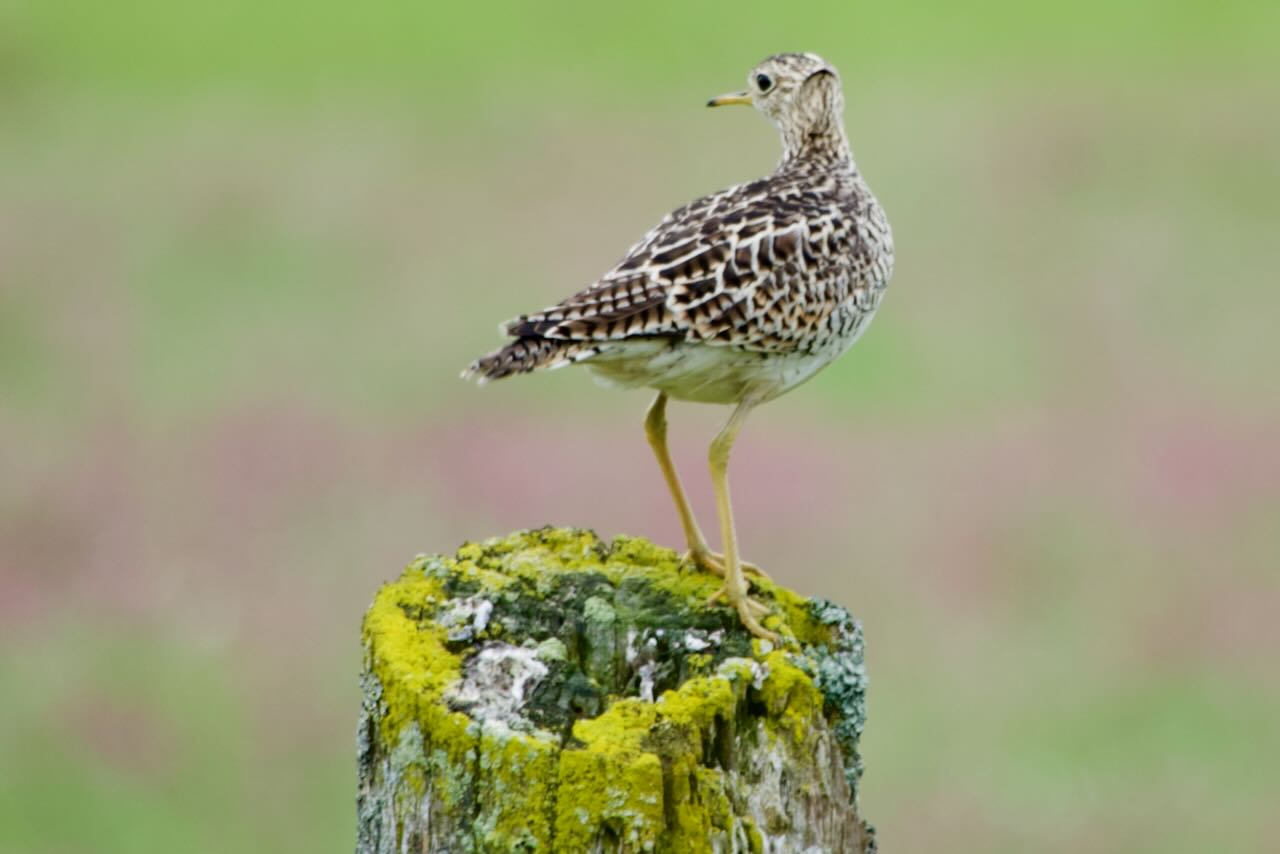
We arrived home from Pelee Saturday at 2, did some laundry, ate a nice home-cooked meal and were awake at 4am Sunday to head to the Carden Alvar to help lead a hike with the Waterloo Naturalists. It was a drizzly, cold, windy morning, a stark contrast to the 28C at Pelee just two days ago. We met up with a bunch of great people and spent the day discovering this unique part of Ontario that is home to special birds, plants, and insects. We added an Upland Sandpiper and a Grasshopper Sparrow but the Loggerhead Shrike, a Carden specialty, did not appear. With a morning and afternoon hike, followed by dinner with the group, it was another long day and we were looking forward to some down time over the next two weeks.
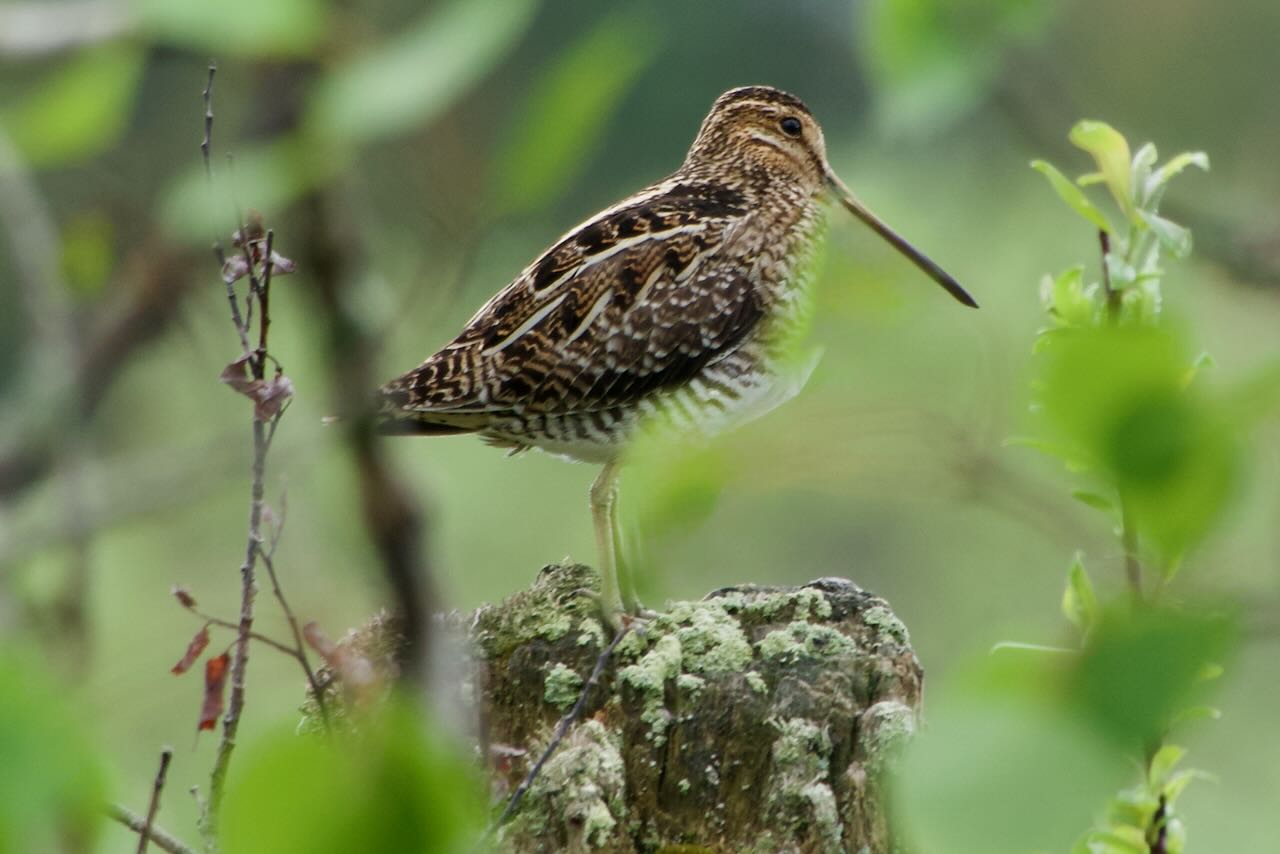
Upland SandpiperWilson’s Snipe
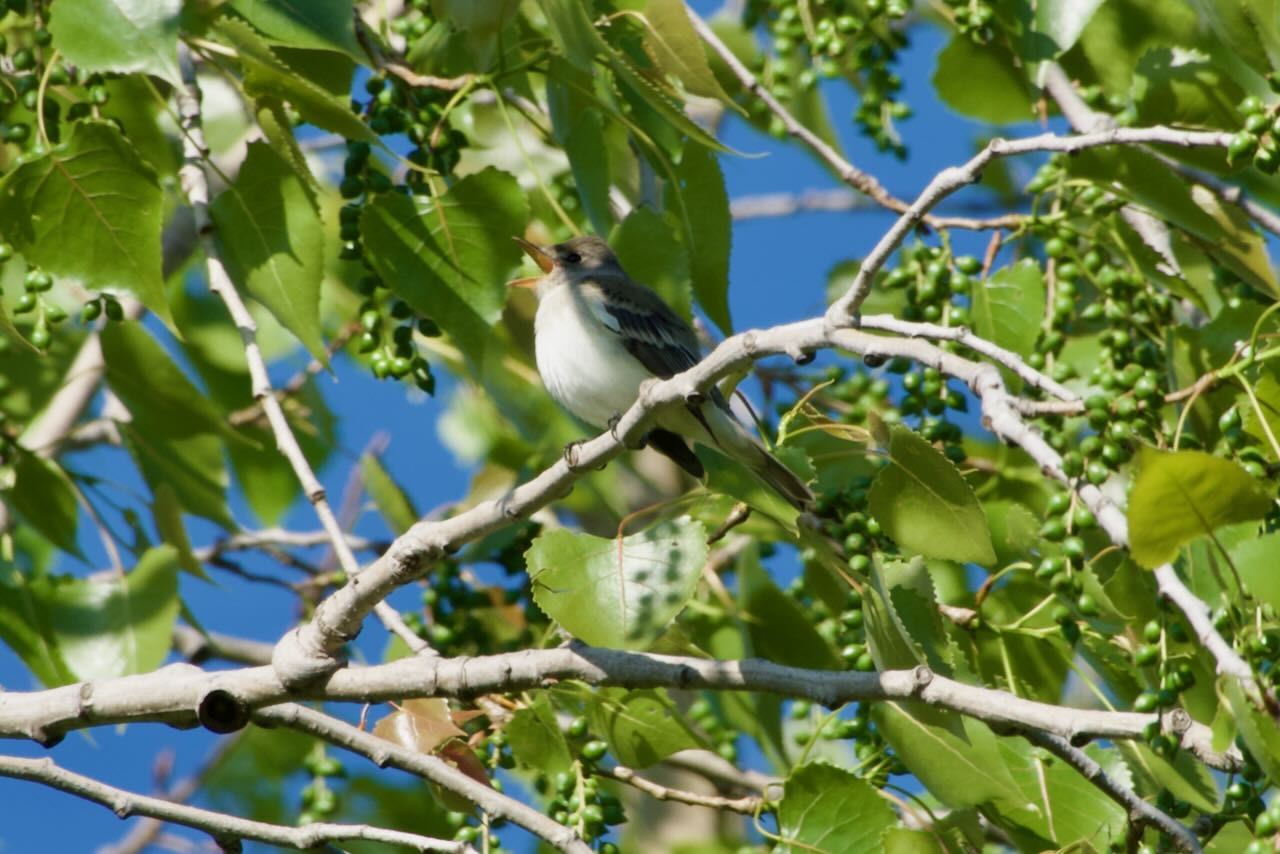
Monday we caught up with house chores and then headed to our son’s for a BBQ. On the way home we stopped at a small wetland behind their home because we know Willow Flycatcher’s have been there for many years. Sure enough we heard the “fitz-bee” call of one and found him out on a branch. Many birds have “site fidelity”, meaning they return to the same spot year after year if the site has the right habitat, food and they have been successful nesting. This species has been in that wetland for the past 5 years that we know of. Perhaps not the same one but certainly it is good habitat for flycatchers. The Willow Flycatcher was bird 300 for both of us! Three-quarters of the way to 400! Once we add the common birds I expect to get out west I think we will be around 380.
300! Willow Flycatcher
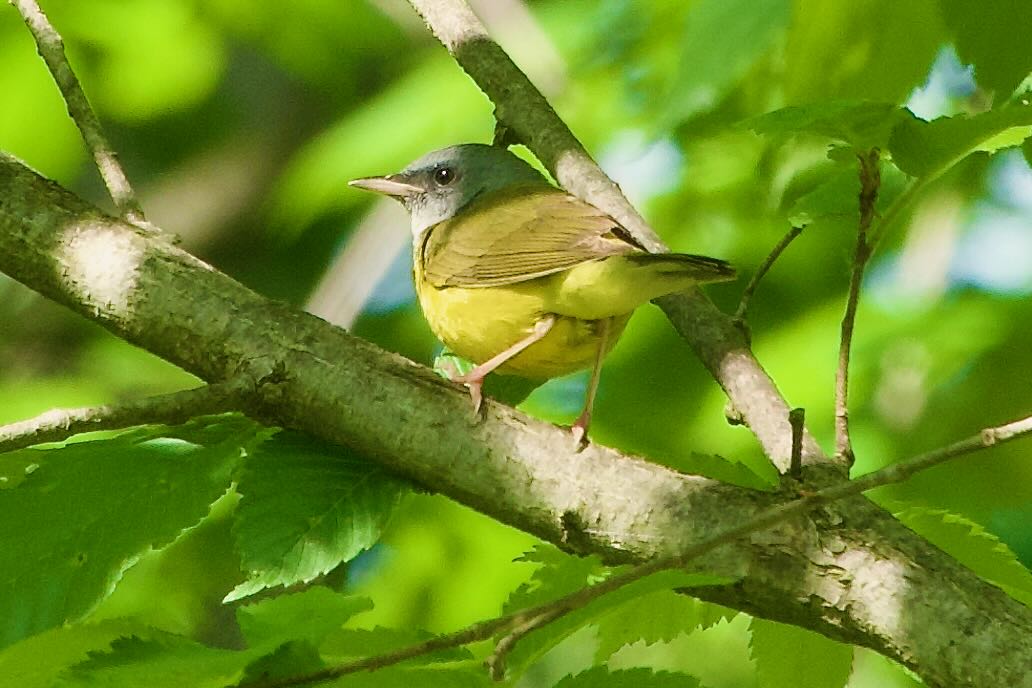
Tuesday morning we headed out to a local area to find a Mourning Warbler for me. Jerry saw one at Pelee but I missed it. The first stop we heard many birds and some warblers but not the Mourning Warbler. Other Brant birders heard it so we know it is around but it was not singing. We moved on to another area and decided to stop where we thought the habitat looked nice. We turned on Merlin and as soon as we got out of the car we heard the Mourning Warbler song and very close to the car. It was singing right beside the road where we could see it in a tree. Jerry got some lovely pictures and I had some fantastic views of it. Often this can be a “heard only” bird as they are a skulky warbler often under logs and in wetlands on the ground.
Mourning Warbler
This means that I am one bird ahead of Jerry until he hears/sees an Easter Whip-poor-will, which will likely be in Rainy River. So far we have both managed to see all the rarities but the time may come when one of us misses something that we will not get a second chance at. I worry about this more than Jerry does LOL.
Wednesday and Thursday were rain outs and while the birding might have been good somewhere in Ontario I took the time to figure out our East trip in September and started booking ferries, whale watching (seabirds) and hotels. There are a couple of rare gulls showing up here and there – a California and Laughing Gull – and it is tempting to chase them but California is a western Gull we will see a lot and the Laughing Gull shows up out East with some regularity. If they end up closer and when we are heading for something else then I might go for them for the Ontario list. We have one #1 ranked bird to get, a Baird’s Sandpiper. We usually see them in August here in Ontario but we are likely to get it in Saskatchewan in June. We have 13 #2 ranked birds to get but only 3 that I feel we need to add before we head west. Black Vulture in Niagara is one, Acadian Flycatcher is another, and Dickcissel is the third. While I might have other chances for these I would feel better getting them off the list now.
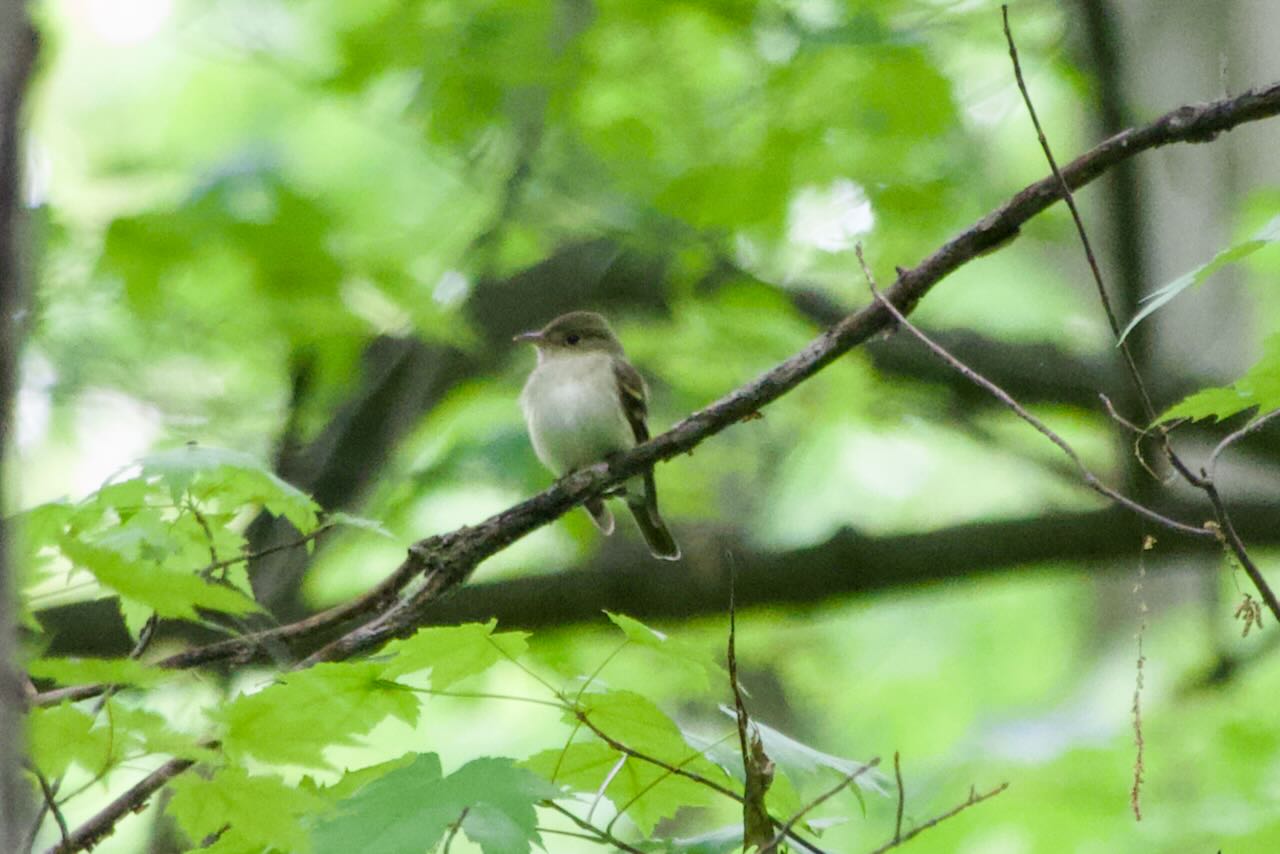
Friday we took advantage of a small break in the weather and headed into Middlesex County to find a singing Acadian Flycatcher. We hoped that site fidelity would again work in our favour and so we went back to the same trail and the same spot we found one last year. Sure enough an Acadian Flycatcher was singing in that spot. Finding him was a bit of a challenge among the green leaves but we got on him and Jerry got a bit better picture than last year.
Acadian Flycatcher
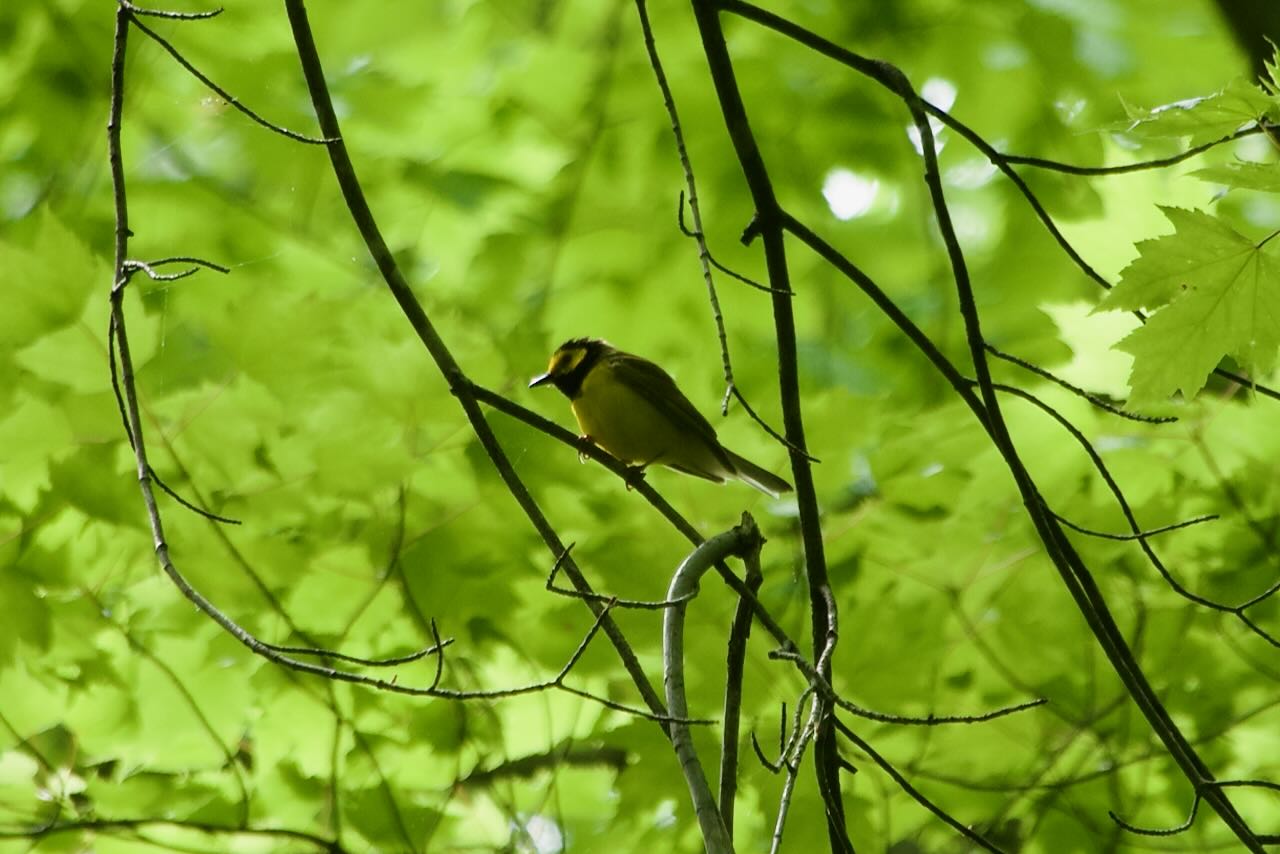
This spot also has Hooded Warblers so we spent some time following their songs and trying to find them in the foliage. It took much more time than finding the flycatcher but eventually one was singing close enough to the trail and Jerry got better pictures than the fuzzy one from last week.
Hooded Warbler
Next we checked out a field where we had a Dickcissel last year but it was not singing when we were there. It might show up next week or perhaps it will not return to that spot again. Sometimes site fidelity works and sometimes it does not. I do have a chance for this species up north or even out west but it is not plentiful. I hope someone finds one on territory so we can get it next week. On territory, for the non-birders, is when male birds find suitable habitat to nest and start singing to attract mates. They will defend these territories from other males and are easier to find as they remain in one location and are singing a lot. Saturday and Sunday were family days, a last sleepover with the grandkids and a family gathering before we head west. Most of the bookings have been made for the East trip and everything is in order for the West trip. We are anxious to get going and start seeing different birds.
On Saturday night Brett heard a Yellow Rail ten minutes from our house at Grass Lake. These are very secretive birds that we expect to get up in Rainy River where they nest but it is always good to get them during migration. We had the kids Sunday morning so did not go over to hear the rail but after our dinner and grandson’s football game we stopped in on our way home just at dusk. We joined about a dozen people who were gathered at the marsh edge hoping to hear the “tik-tik-tik” of a Yellow Rail. it sounds like two stones being tapped together. We waited about an hour but there was no tapping. We will give it another try in the morning.