Week 23 Part 2 West is Best!!!
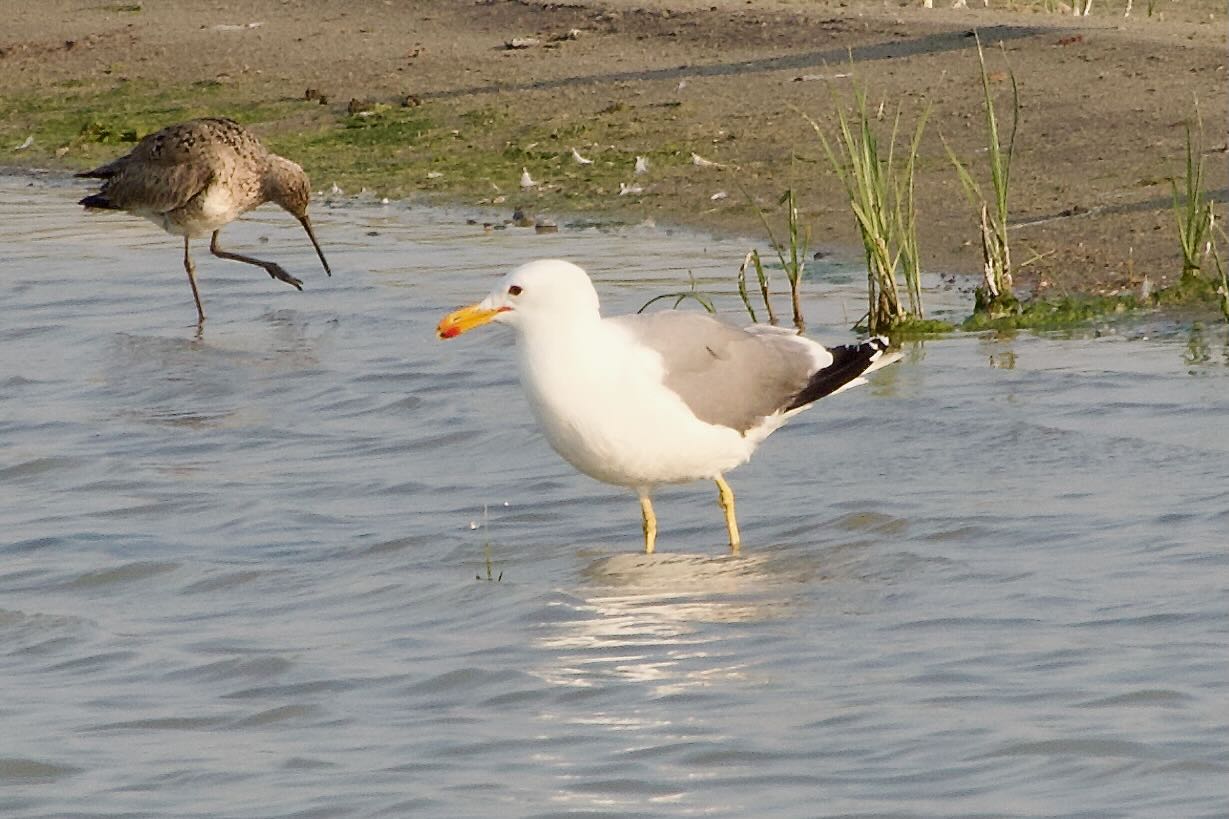
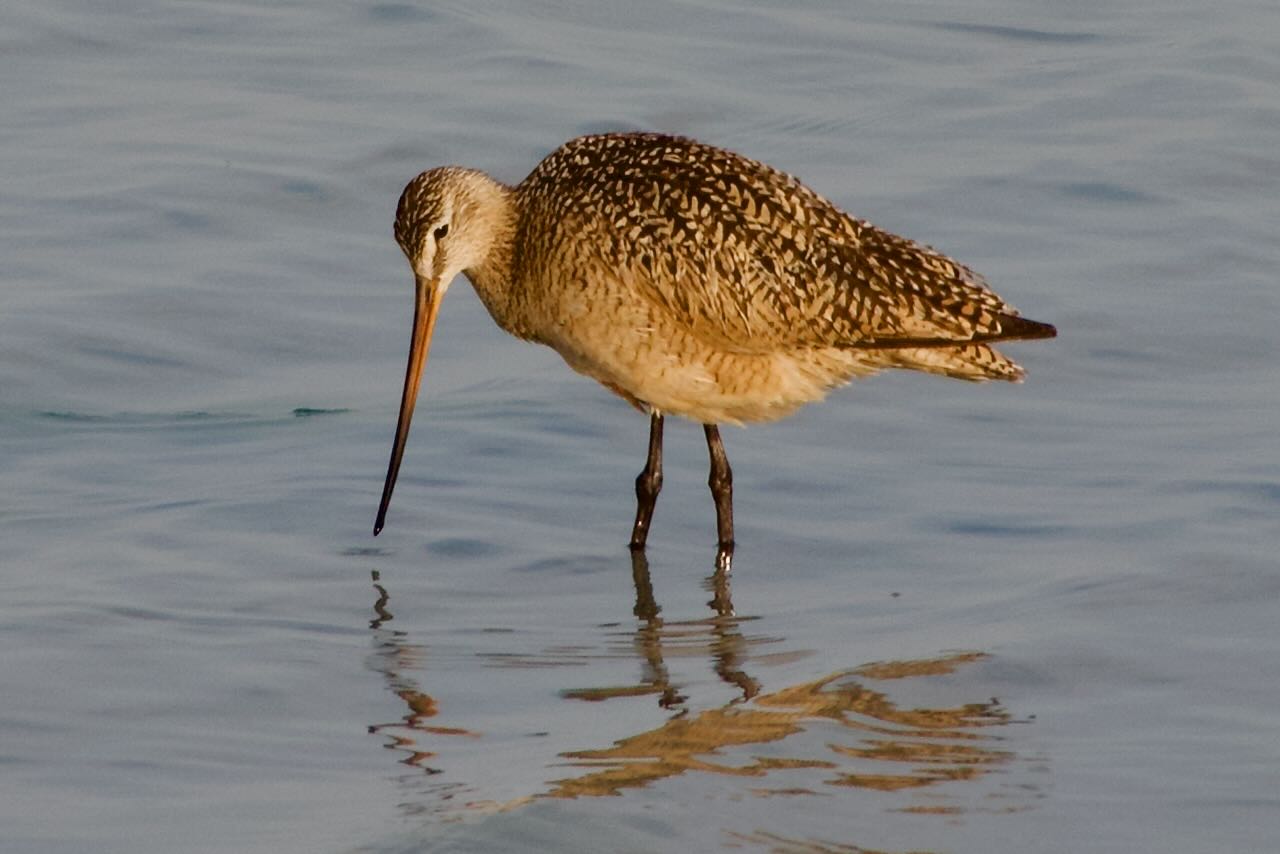
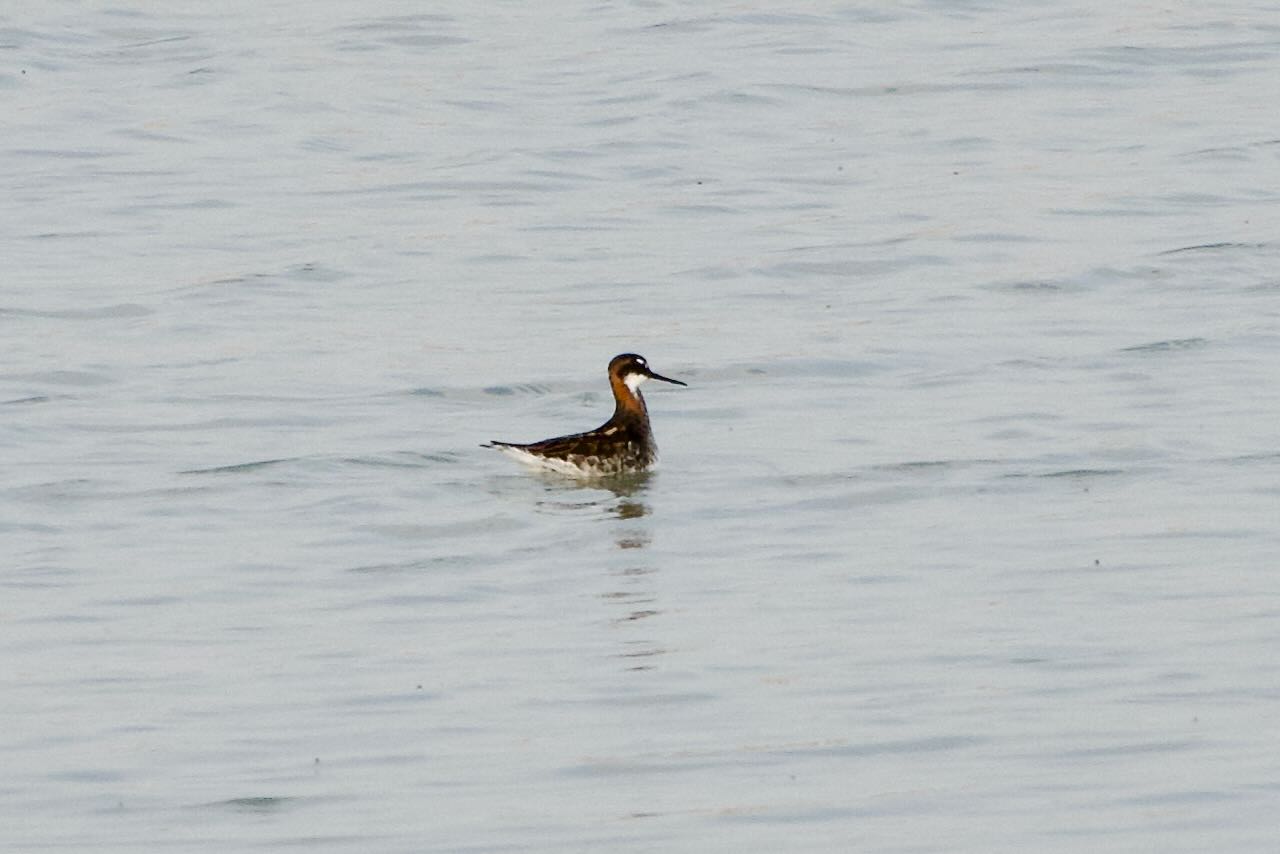
Wednesday we faced a long drive of 12 hours mostly because we opted to drive in Canada instead of heading into the US which would save us 3 hours. We had originally planned on birding in Manitoba but with wildfire smoke and time constraints we opted to drive through and save birding in that province for our way home. It was an easy drive, little traffic, once you hit Manitoba the speed limit is 110 so the kilometers go quickly. We checked into the Pilgrim Inn in Caronport and then headed 30 minutes west to Chaplin Lake. This salt lake is home to a number of migrating and nesting birds. We added 9 species in a few hours and probably saw a Baird’s Sandpiper but I was not sure so it remains off the list until we check photos and get second opinions. It is getting tough to go through all the photos and for Jerry to send them to me so that I can use them in my blog but we will eventually catch up when we get to my brother’s in BC.
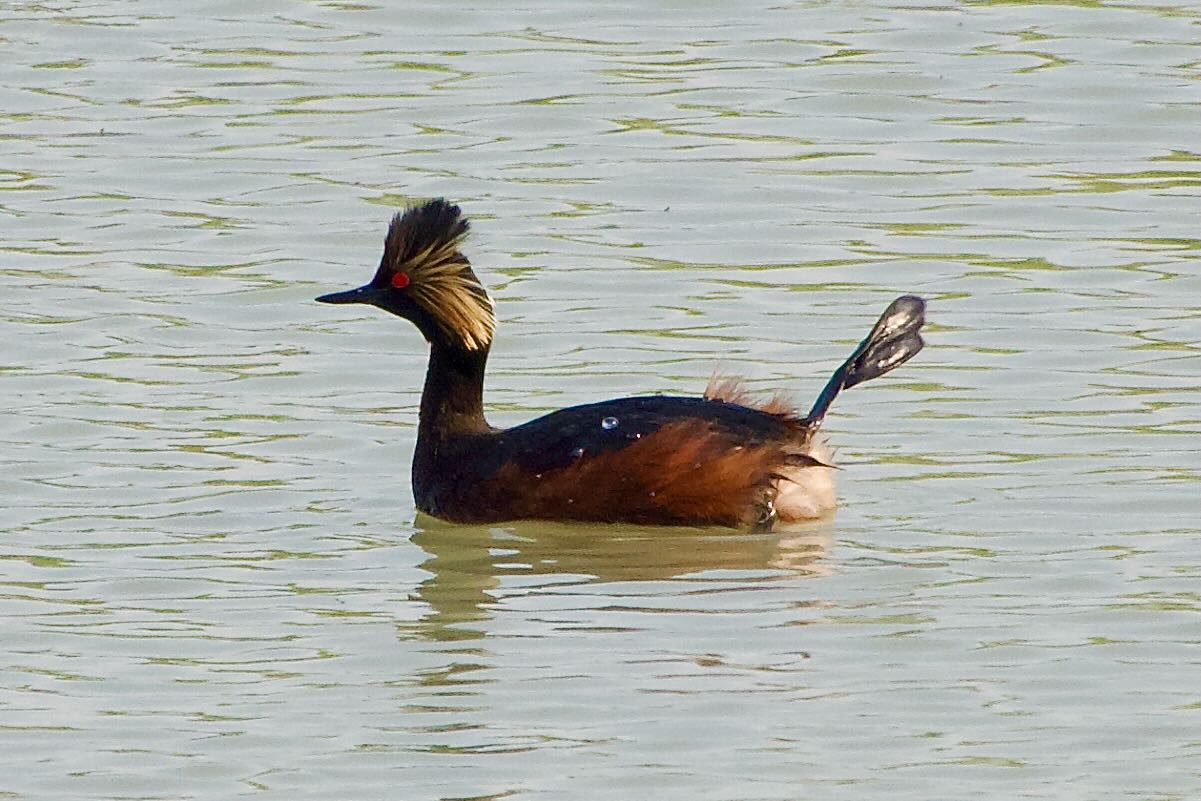
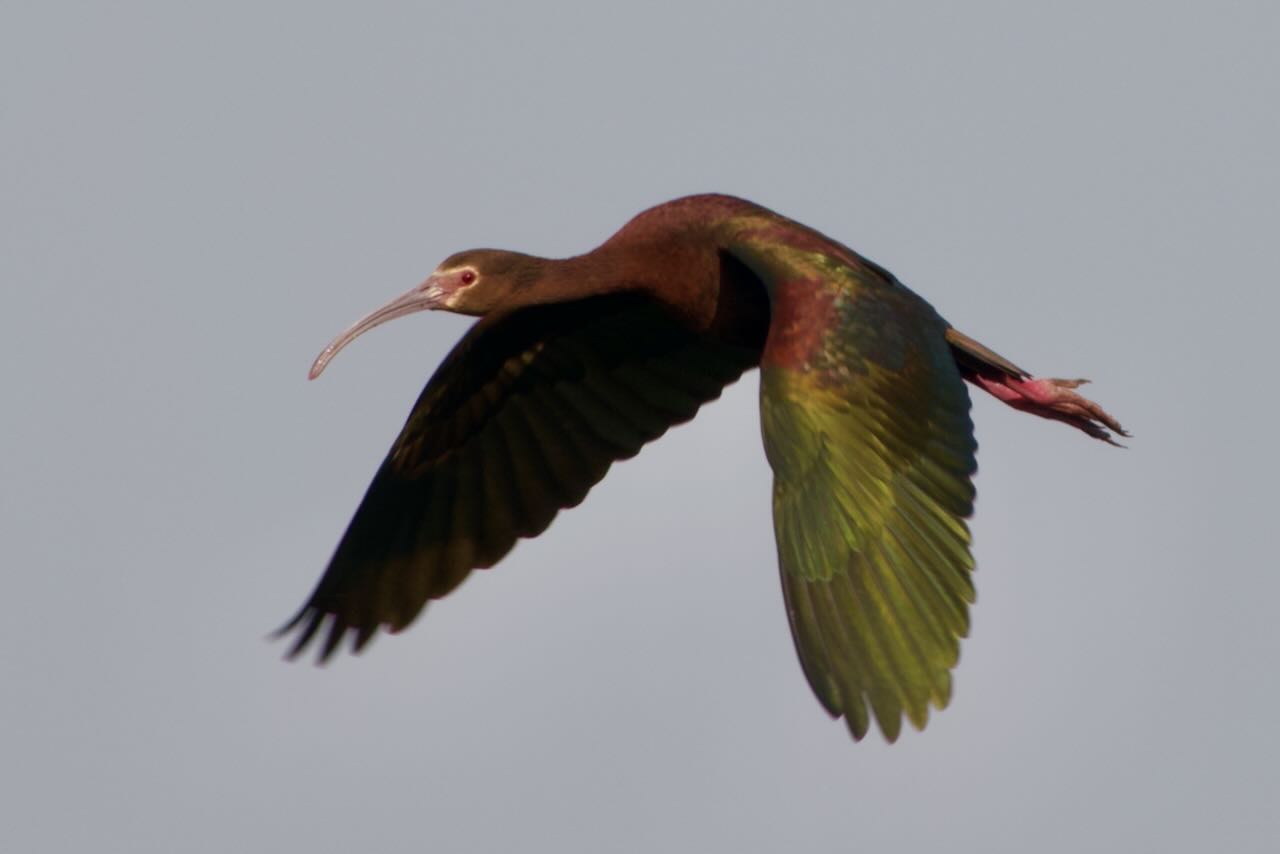
Having checked what was being seen in Saskatchewan the night before I decided Thursday morning to take a detour 30 minutes further west of Chaplin Lake to see White-faced Ibis at Francis Lake. It was a fantastic wetland lake with large numbers of ducks and marsh birds.
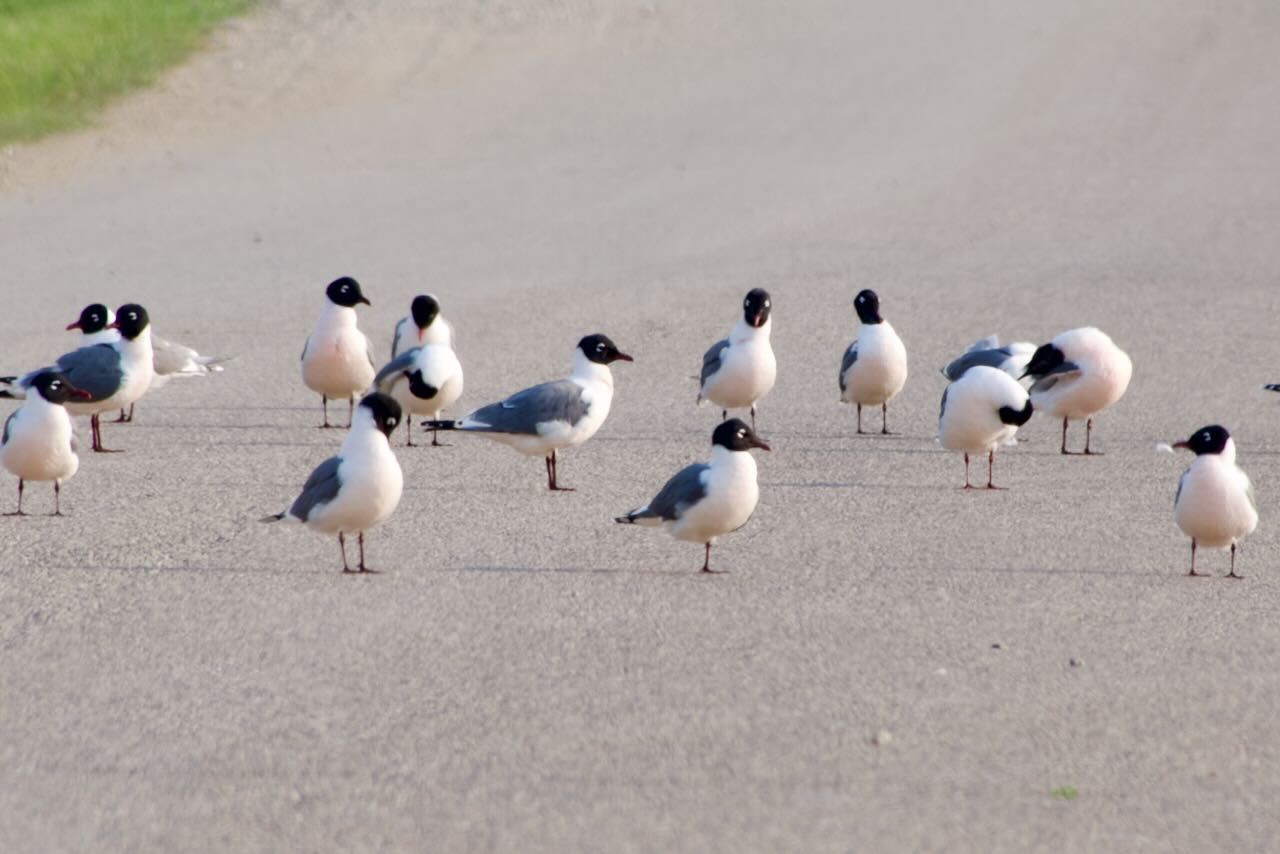
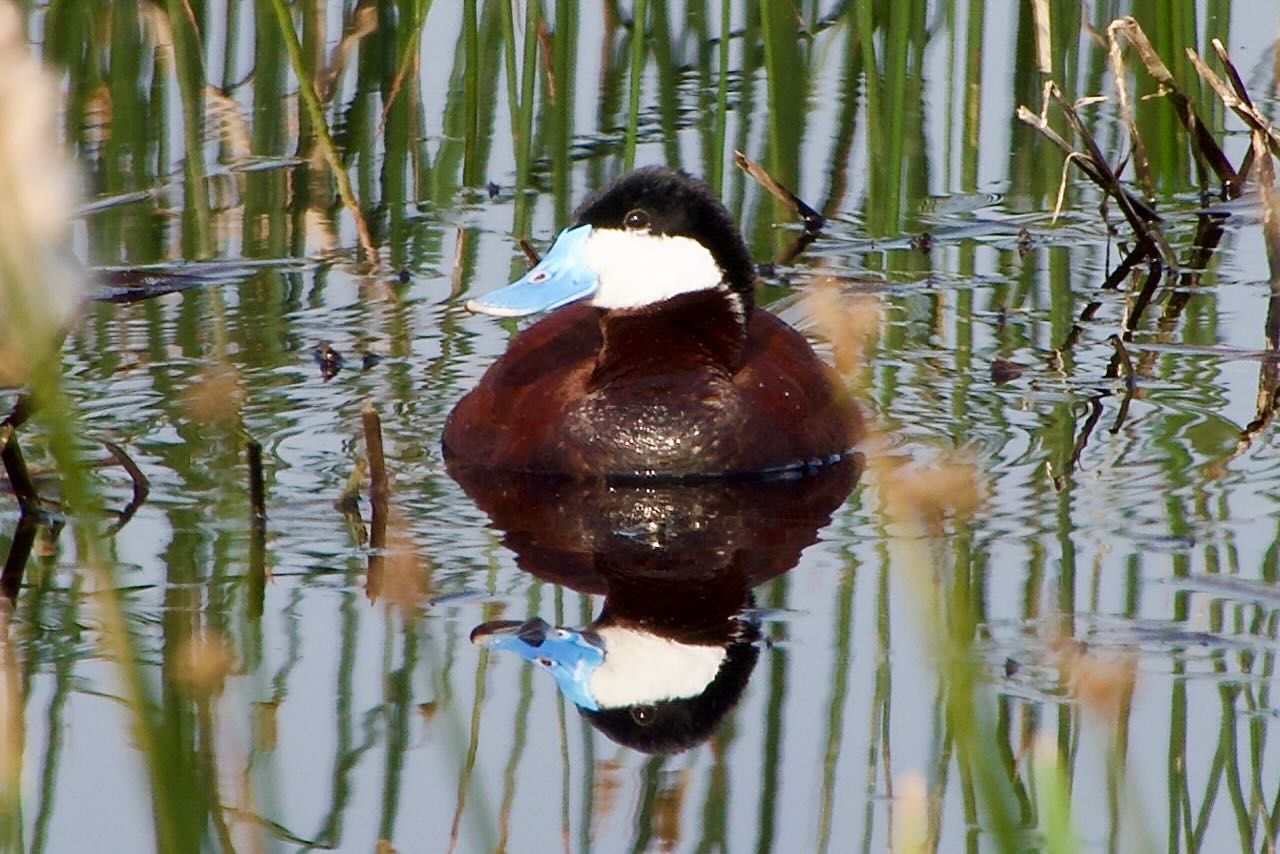
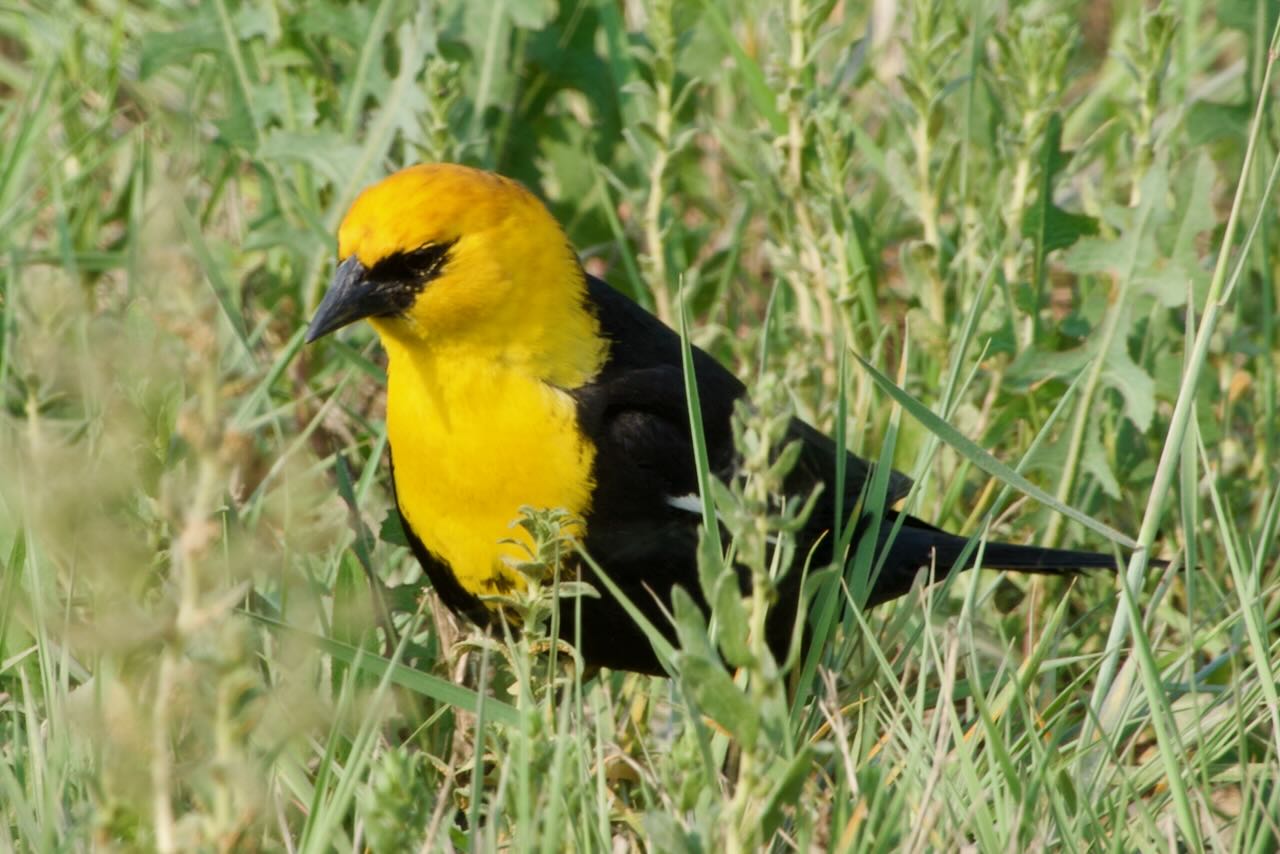
Many Yellow-headed Blackbirds dotted the road edge and Ibis’s exploded from the grasses as you got close to them. They were very skittish and getting pictures was challenging but Jerry eventually managed.
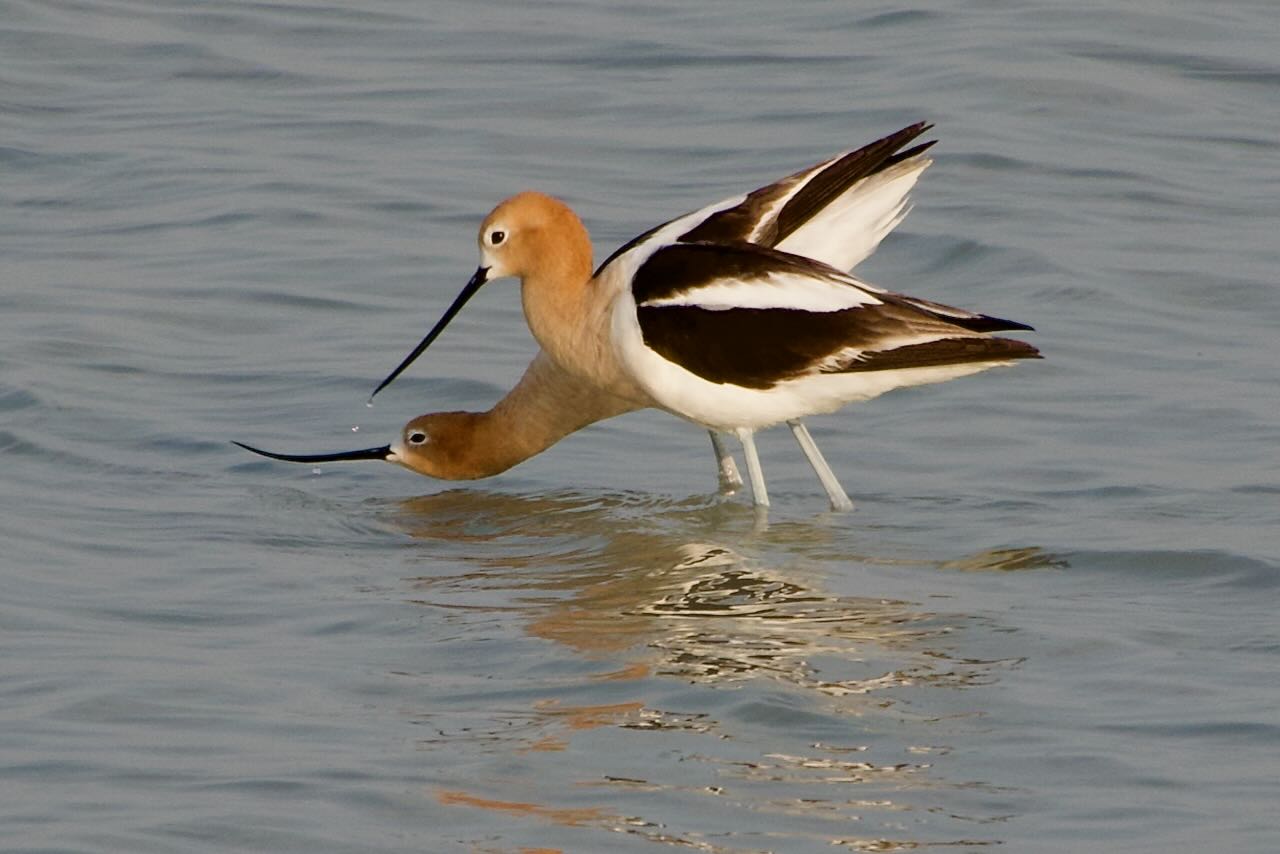
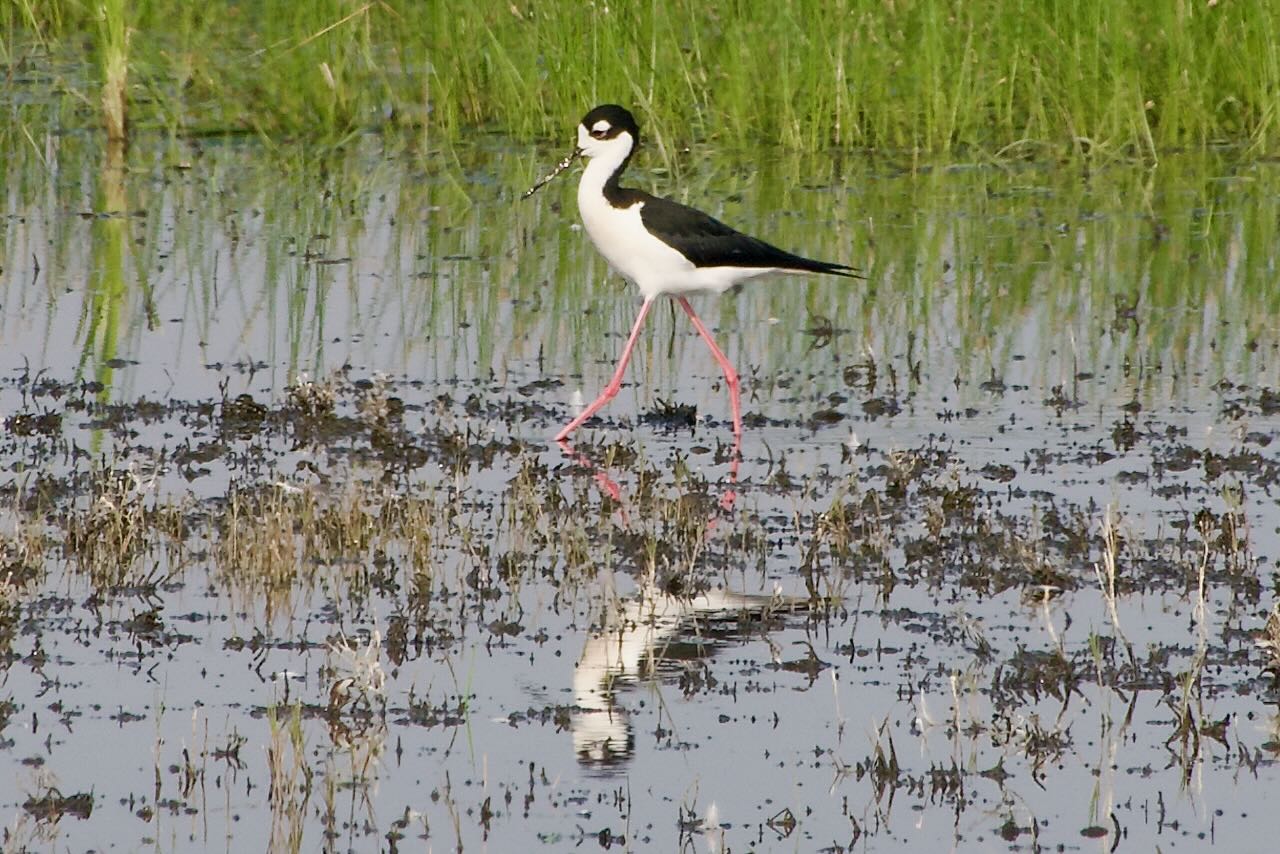
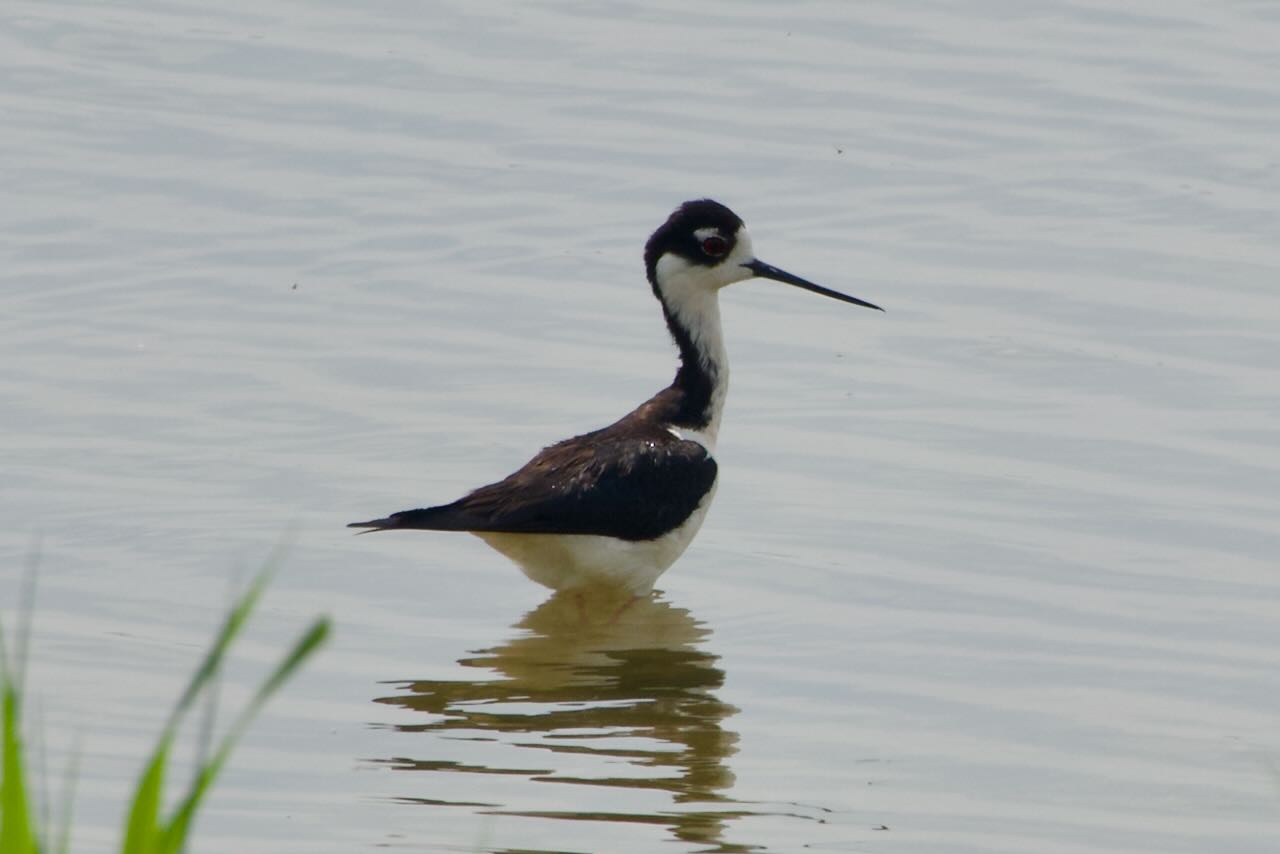
A bonus I was not expecting was to see two Black-necked Stilts, an expected species but not abundant. it saves me from chasing it later in Alberta.
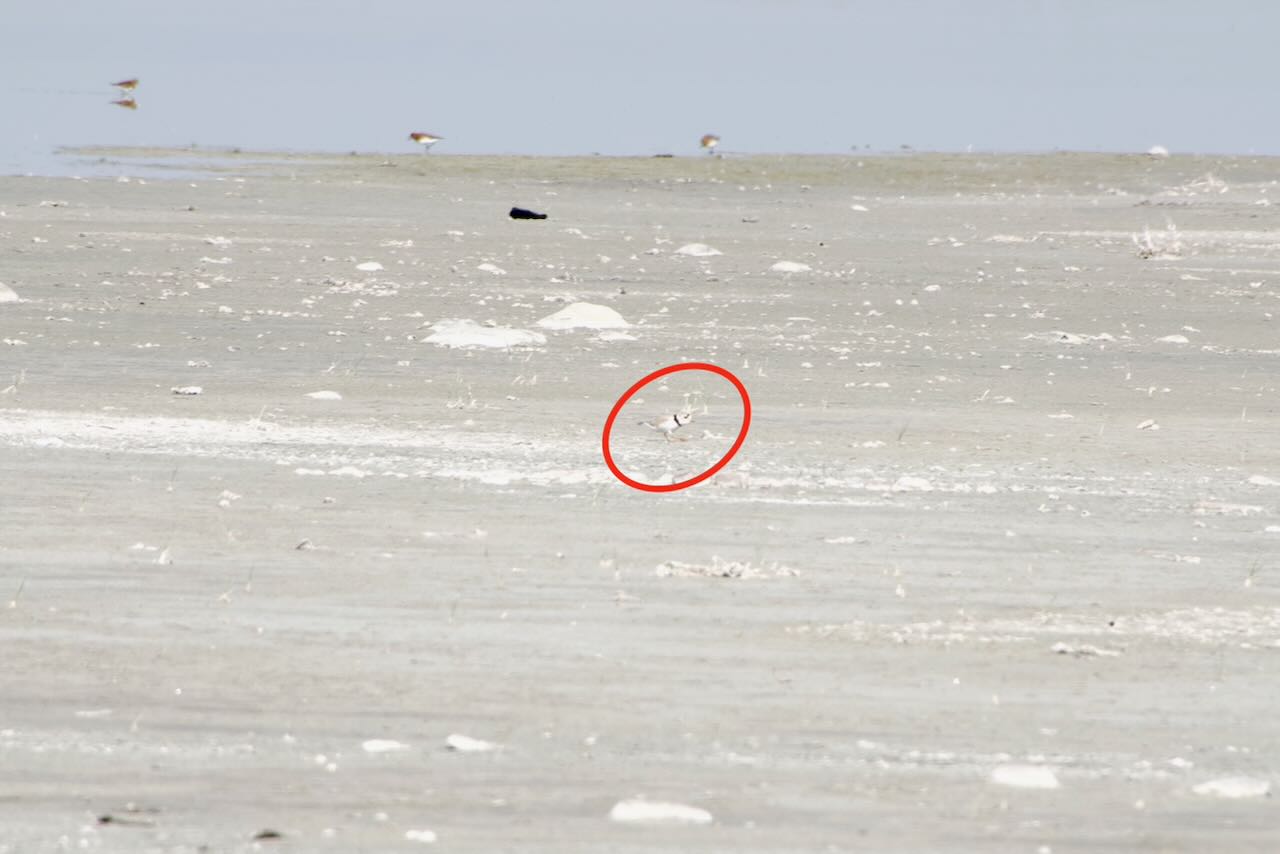
On the way back to Chaplin we stopped at Reed lake, a salt lake like Chaplin to scan for a possible Piping Plover that had been seen.
We walked out to the salt beach and I scoped both directions and saw nothing and then I turned it over to Jerry and there was a Piping Plover! It was way down the beach but we walked down to try and get a better picture. It just kept moving further away. We always take multiple looks for things for just this reason, birds suddenly appear in your scope view!
Next stop was Chaplin Lake again to see if the lighting was any better and we could figure out if a Baird’s Sandpiper was there or not. I still struggled with seeing one, I kept thinking a bird looked good but then it didn’t. It was now later than I had wanted to be heading to the Grasslands 2 hours away so we opted to stop the “search”.
Minutes later, right on time, we had our usual fight that happens 4-5 days in on these trips. Lack of sleep, differing ideas of how to bird, numbers of daily irritations with each other, confined in a car, the reasons are insignificant, but we needed to clear the air. I slammed on brakes to yell at Jerry, he yelled back, we went back and forth for a bit and finally I started to drive in silence and Jerry says, “Gray Partridge”, it was right beside the car! Another bird to add to our list. And just like that the fight was forgotten.
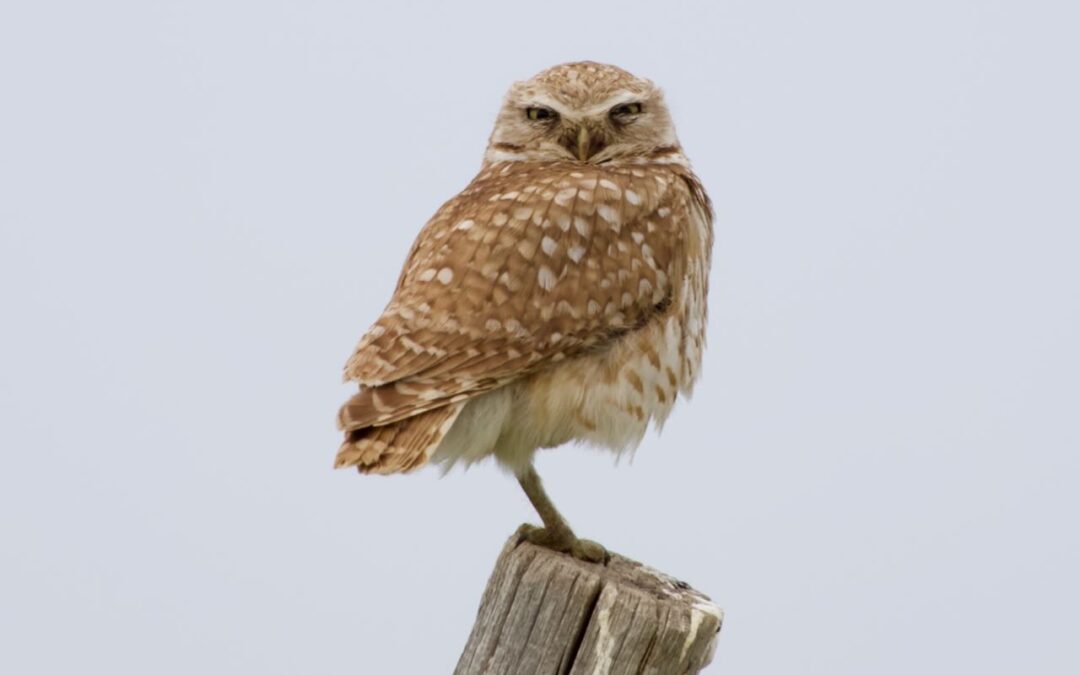
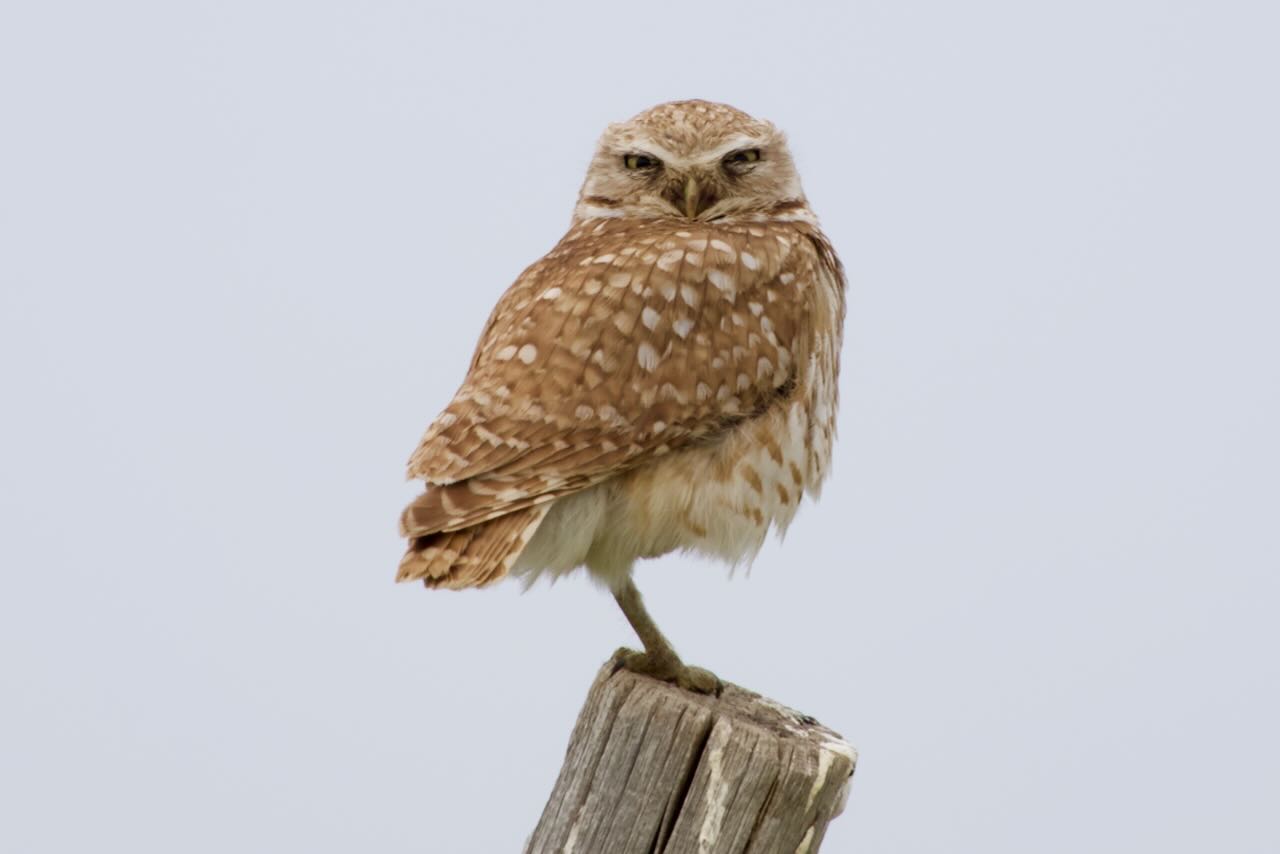
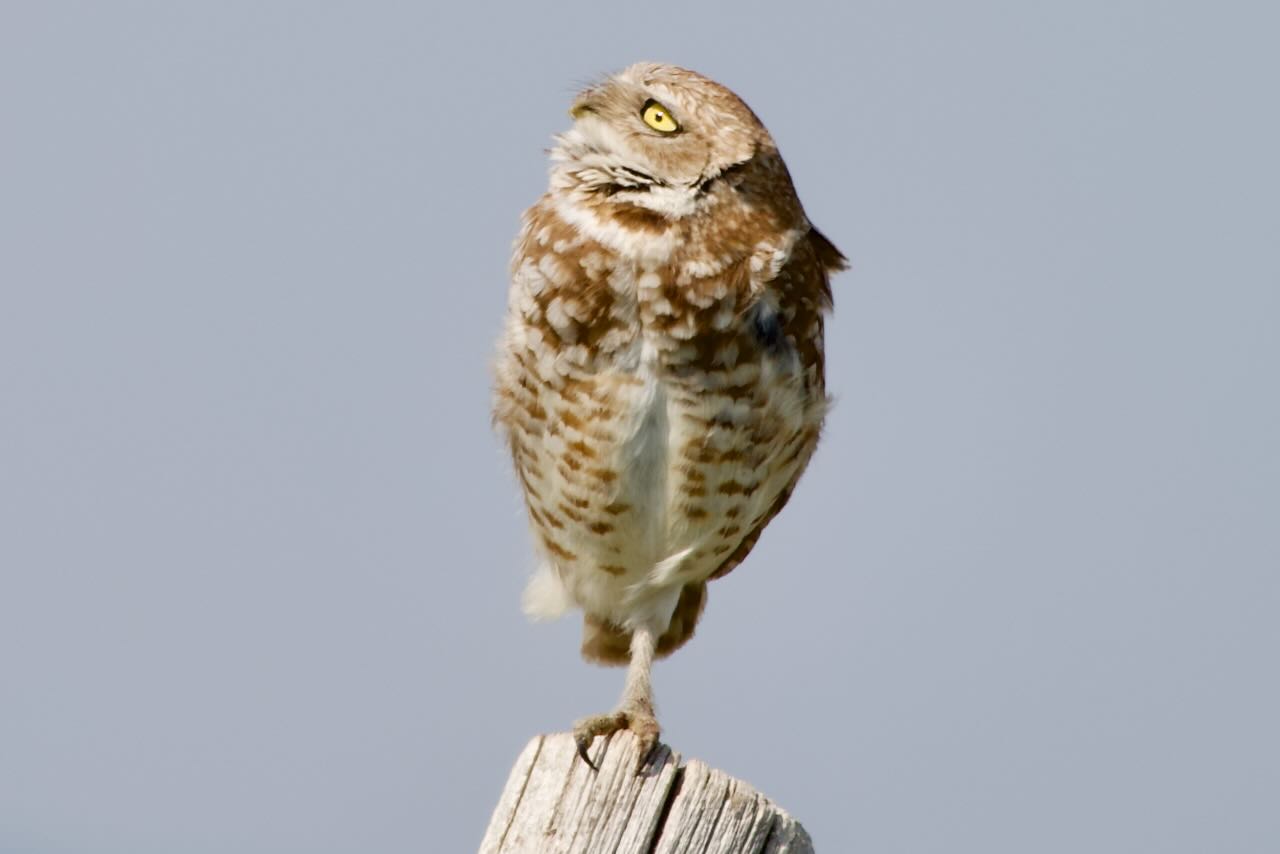
When we finally got to the Grasslands NP it was mid afternoon and we only had time for a short hike but we had added lots of birds on the drive into the hiking area and we added more on the short hike. On the drive in we were lucky to find an adorable Burrowing Owl sitting on a fence post.
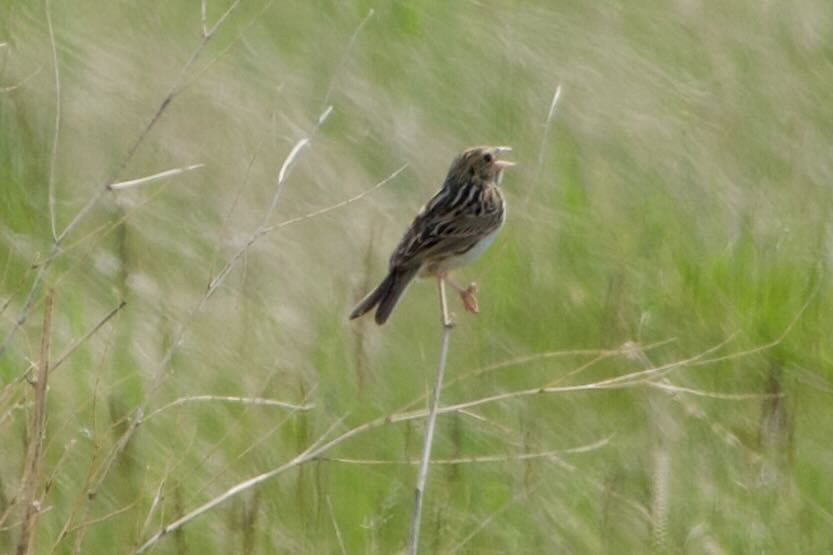
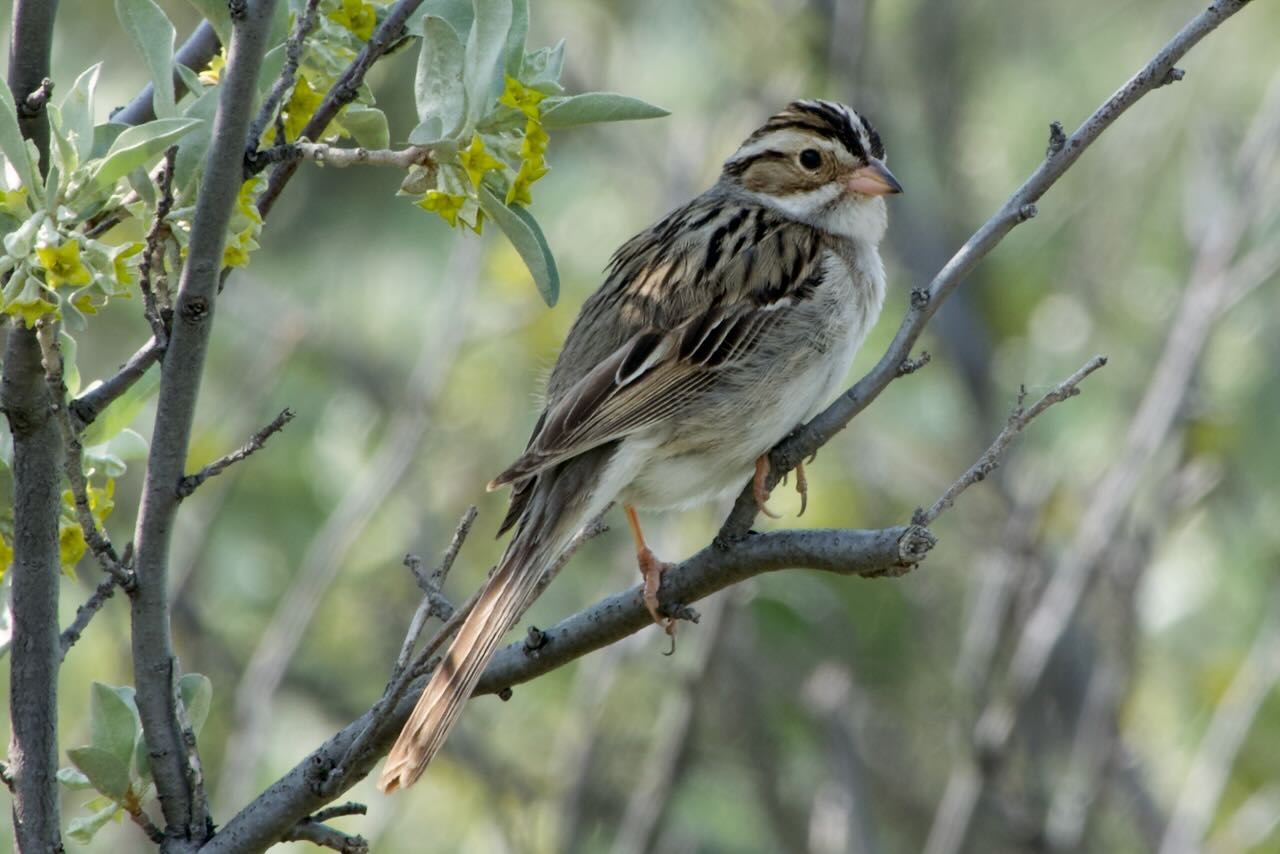
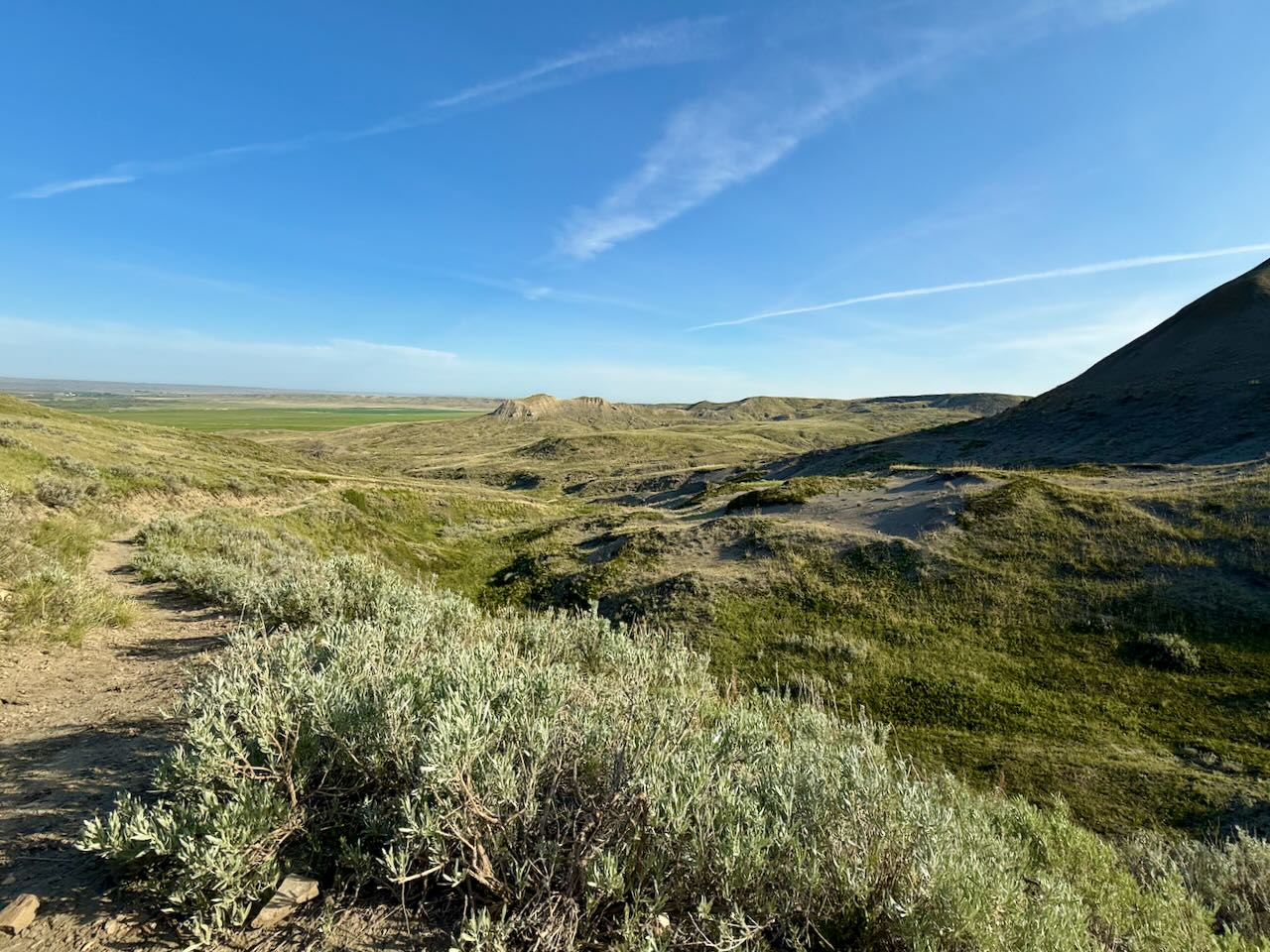
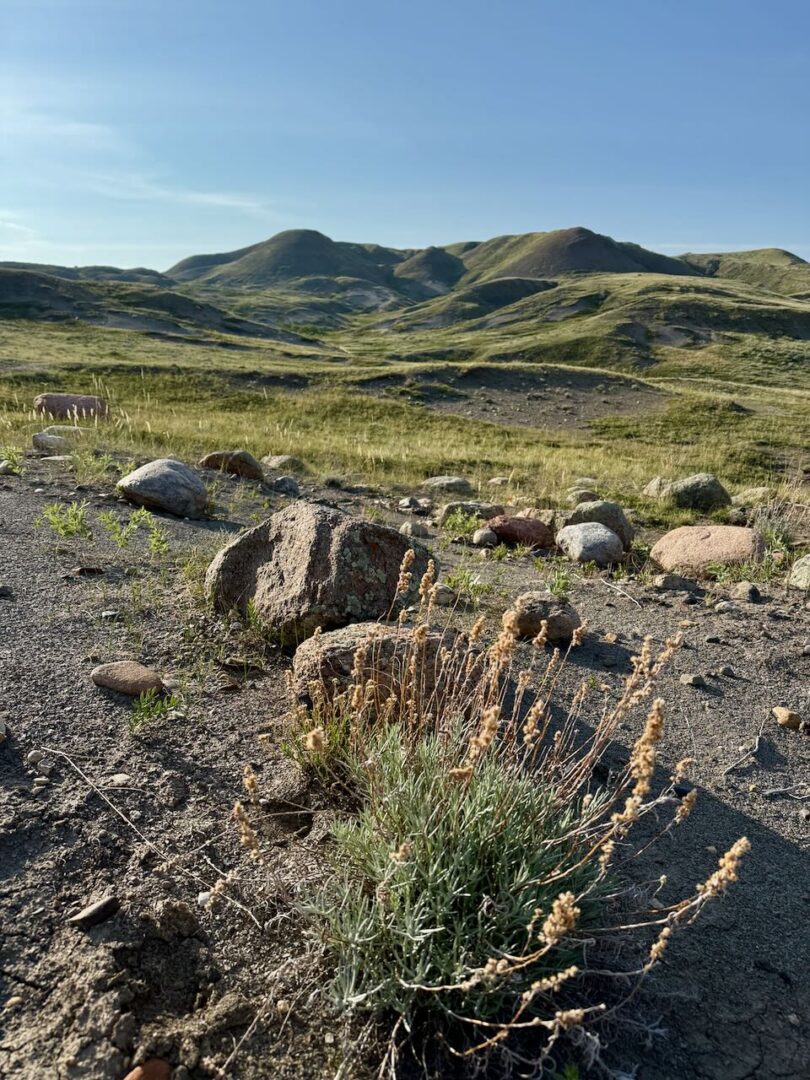
The grasslands and buttes are magnificent to view, the sagebrush and wildflowers add a wonderful scent and the silence is complete. Until a bird buzzes. Sparrows are, of course grassland species and they can look very similar with songs that are often buzzing or trills that take some practice getting to know. Merlin helps us a lot with sparrow song but we are getting better at the more common ones and that helps to identify when we hear something different. Hearing and identifying the call is one thing, but actually seeing the sparrow is quite another. Some like Savannah and Clay-colored perch up on the top of a bush to sing so it’s easy to see them. But other’s like Brewer’s and Baird’s Sparrows tend to sing from inside shrubs or the grass and so it is not always easy to find them. To complicate things further, Brewer’s and Clay-colored are very similar looking and when they are singing in the same area it takes some figuring out which pic is which for us.
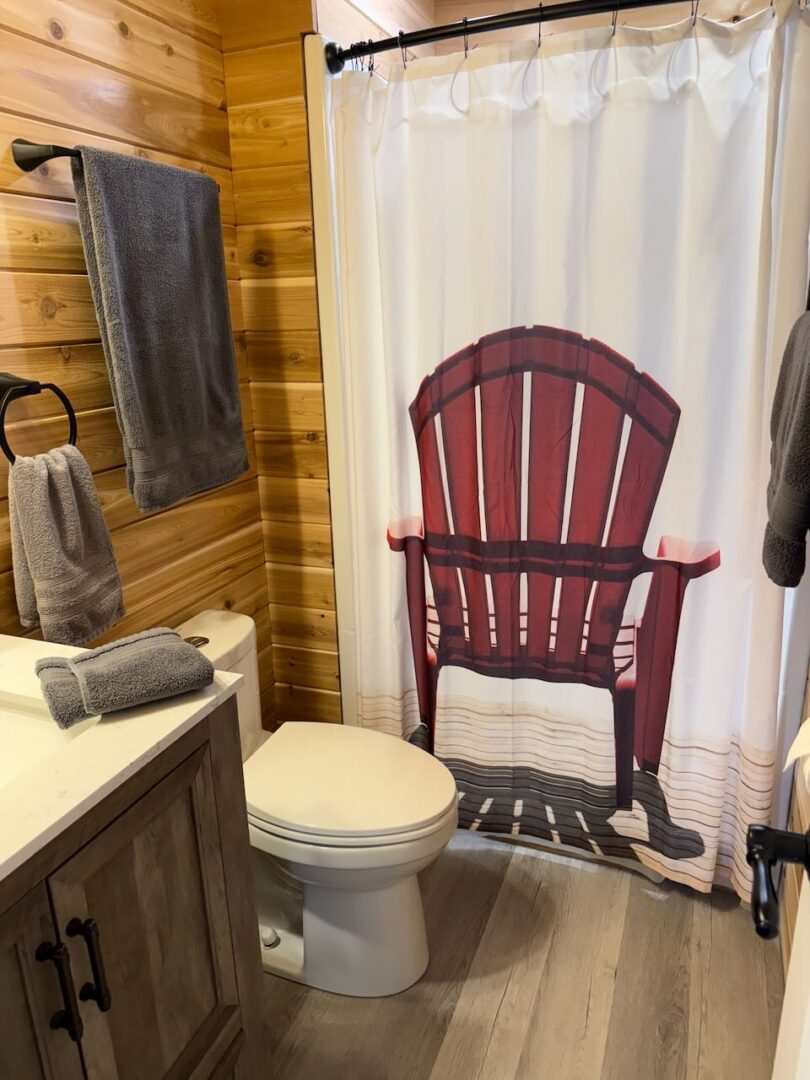
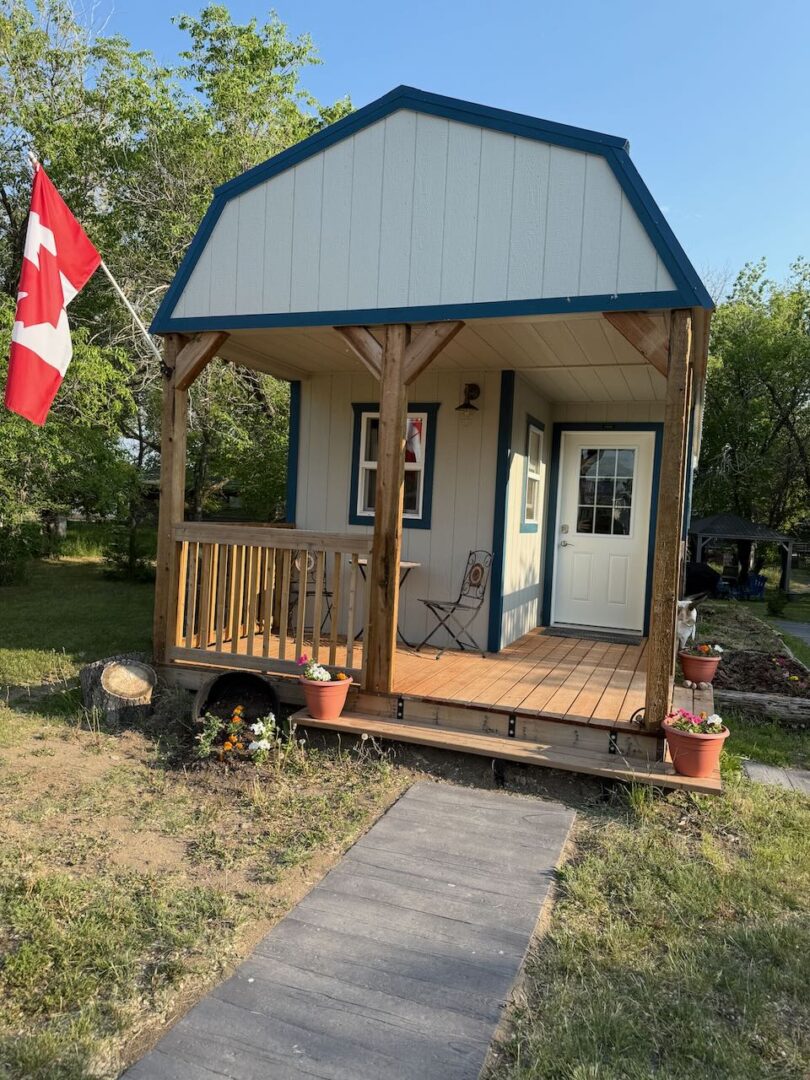
With a bit of a time constraint on us we headed over to the west block of the park and our tiny house for the next two nights. The Sanctuary Inn is a new accommodation in town and we highly recommend it. We stayed in the tiny house and it was perfect! Caitlin is a wonderful host and pays attention to the smallest detail. We would have loved to stay longer!
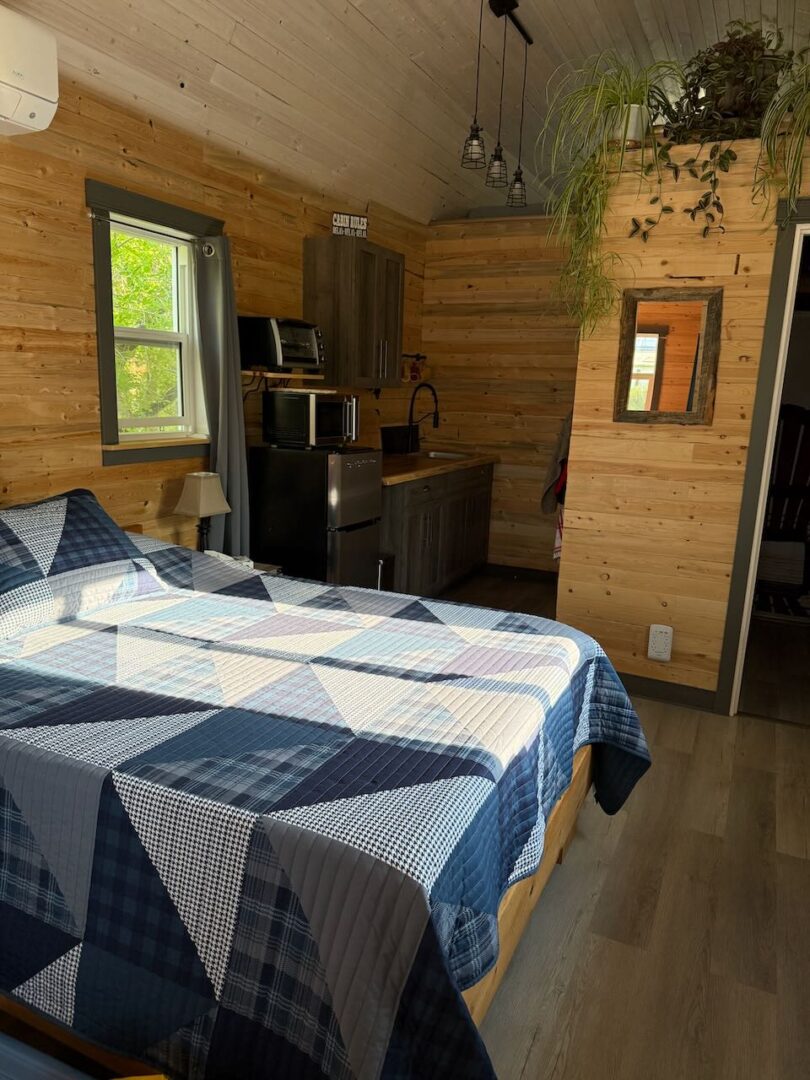
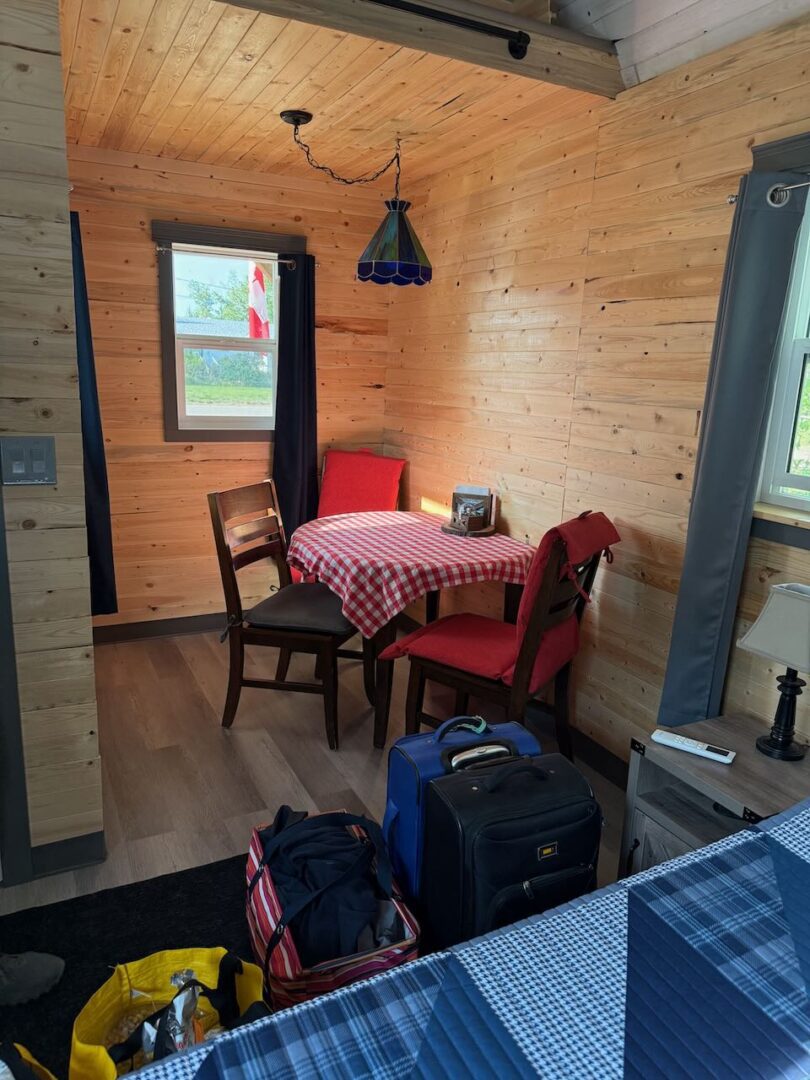
Friday it was nice not to pack up or rush out early. We headed to the Eagle and 70 Mile Butte Trails to do some hiking with two targets on our minds.
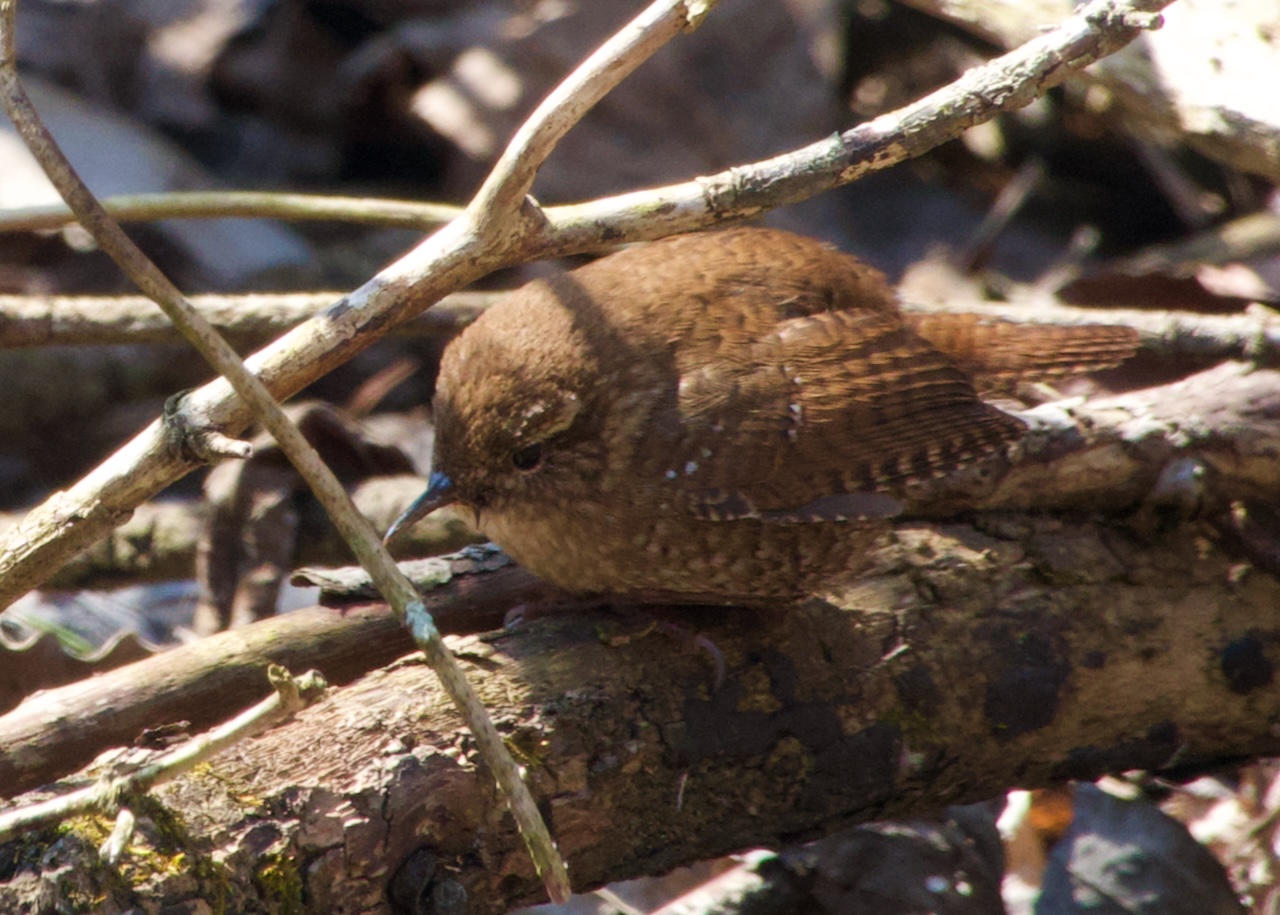
We needed Rock Wren and Lark Sparrow and both were seen regularly on these trails. Within five minutes we saw two Lark Sparrows and minutes after we heard the Rock Wren. We saw many Wrens and Lark Sparrows so Jerry had multiple chances for good pictures and he got them!
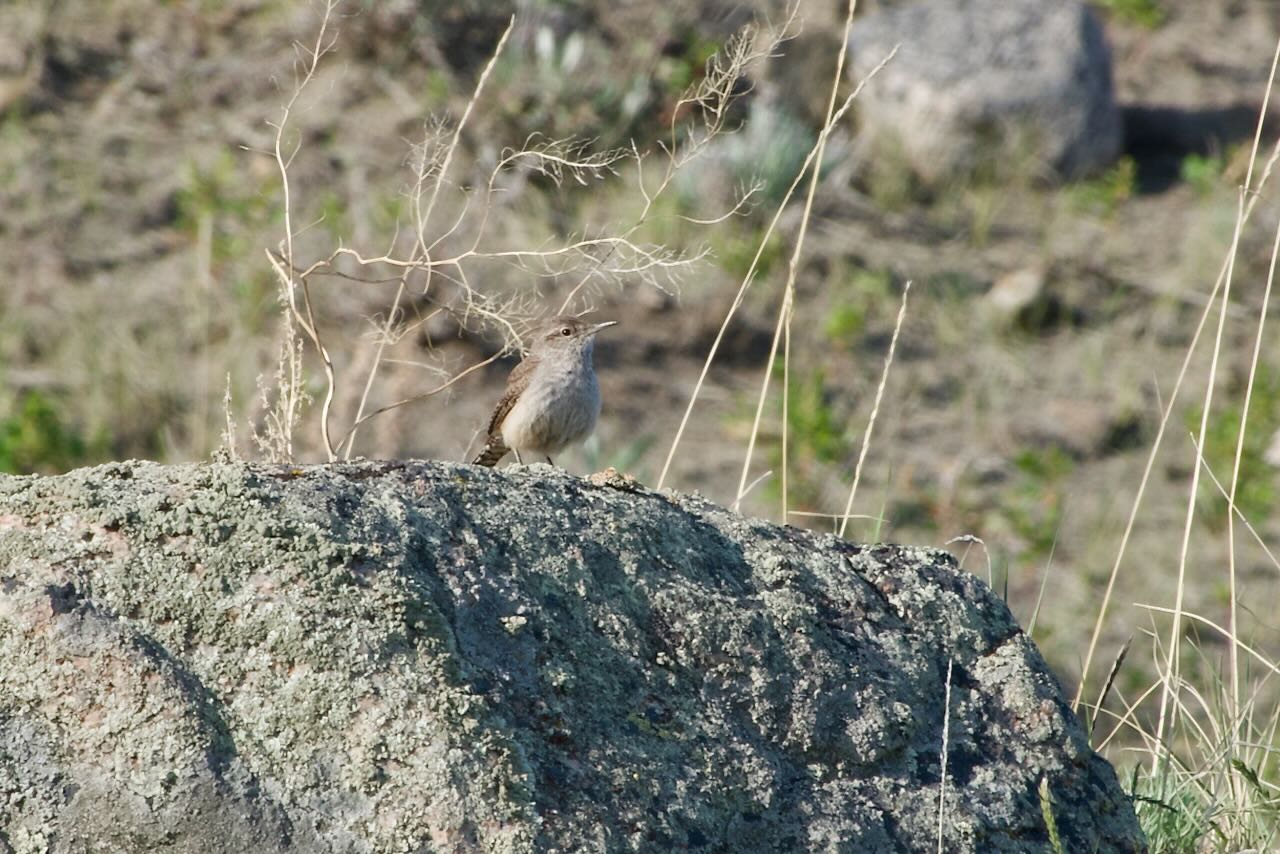
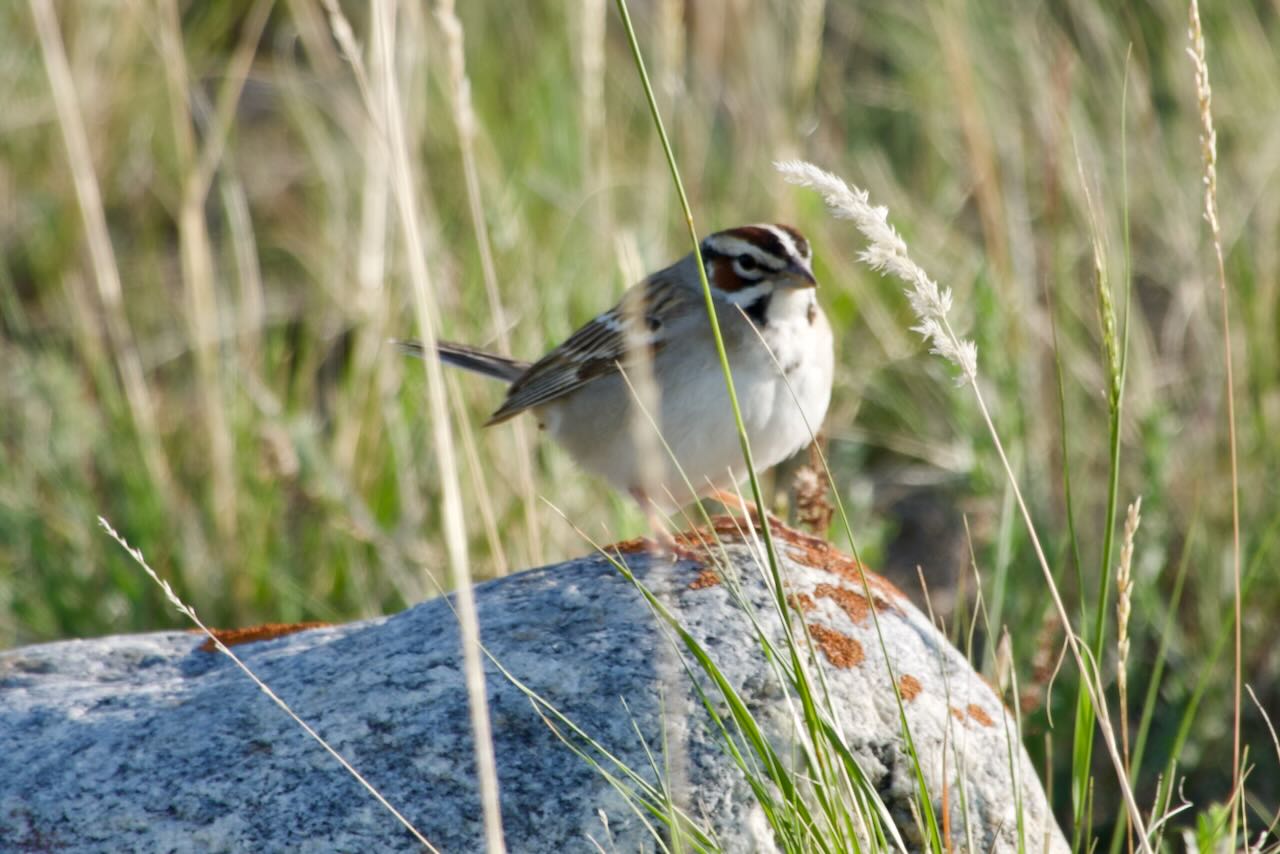
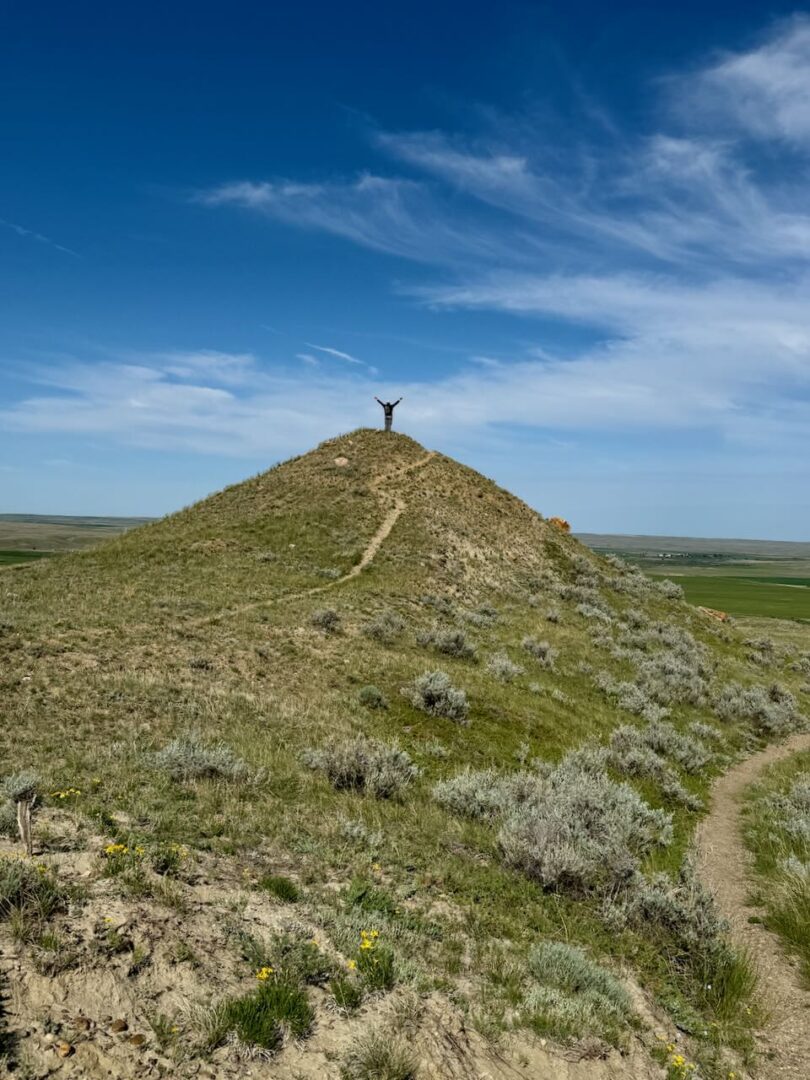
I love when the day starts like that! We traveled up the trail to the highest point where you could see 360 degrees out over the grasslands and badlands. The hike was rated difficult but it was not in our view.

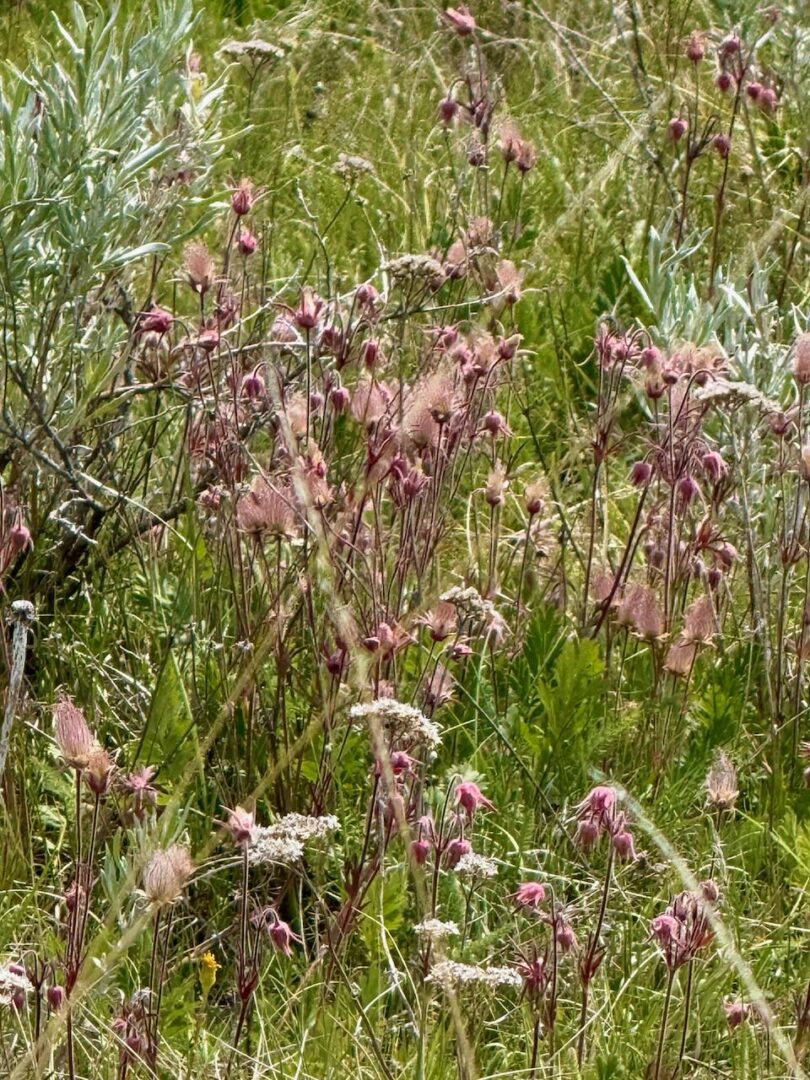
It was lovely seeing the colour of the alpine/prairie plants.
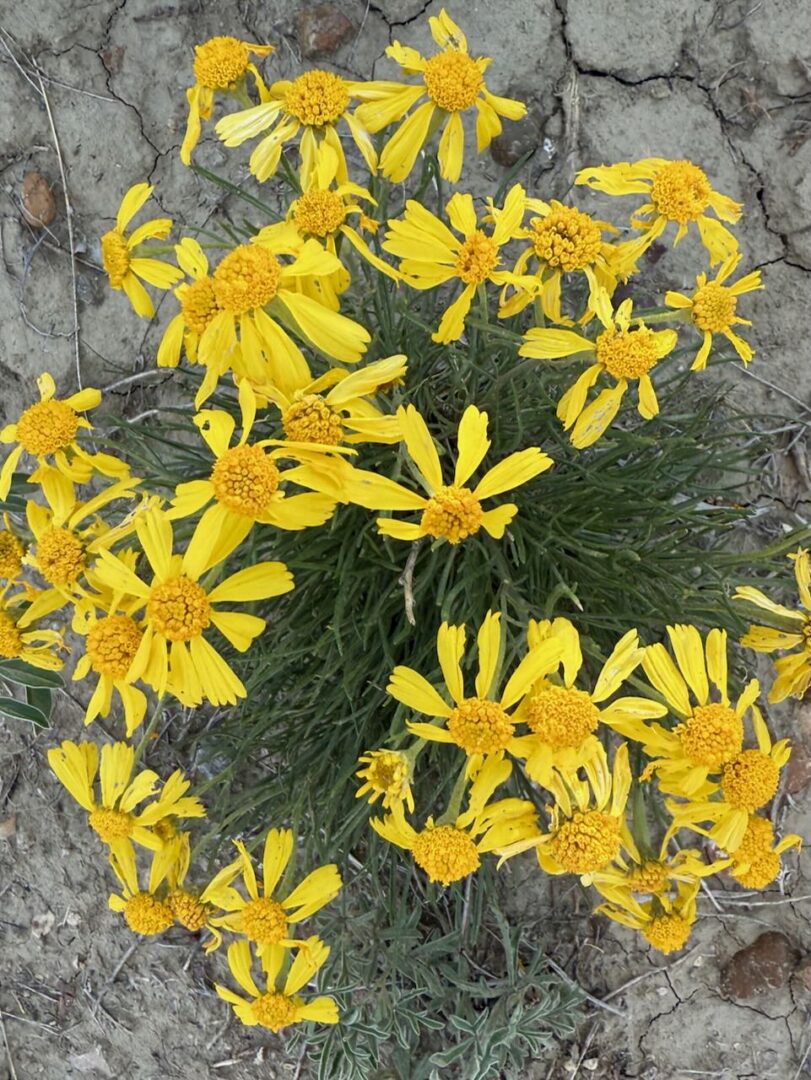
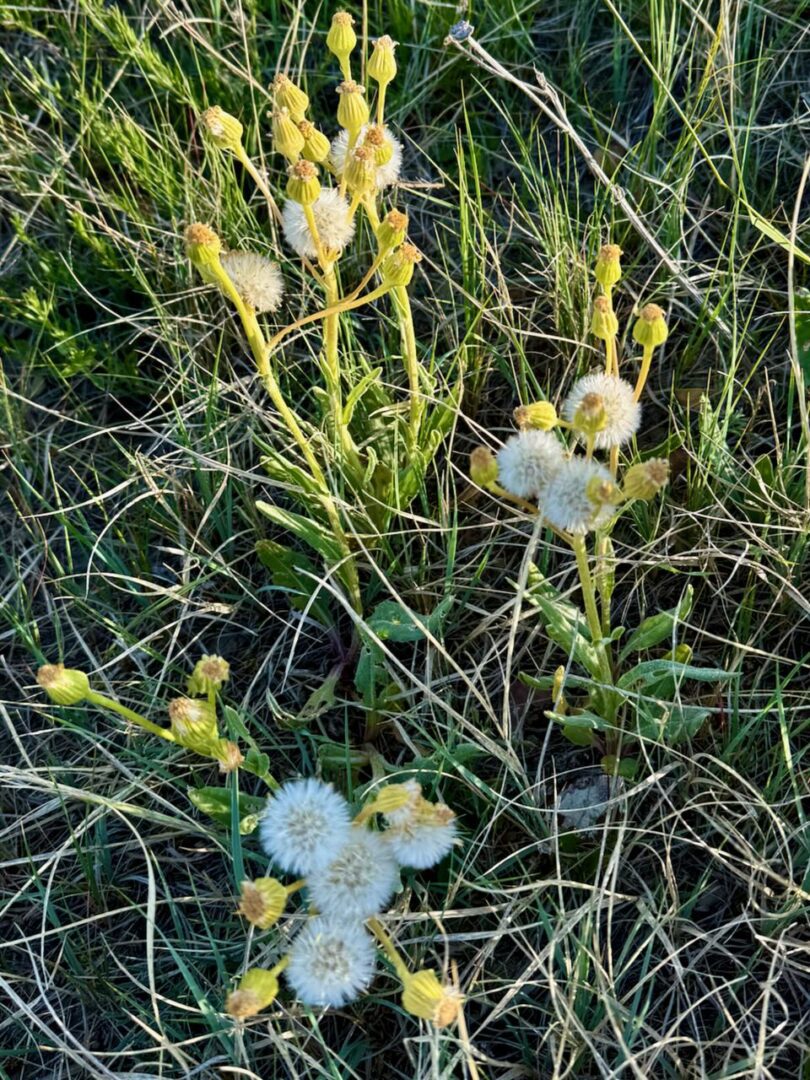
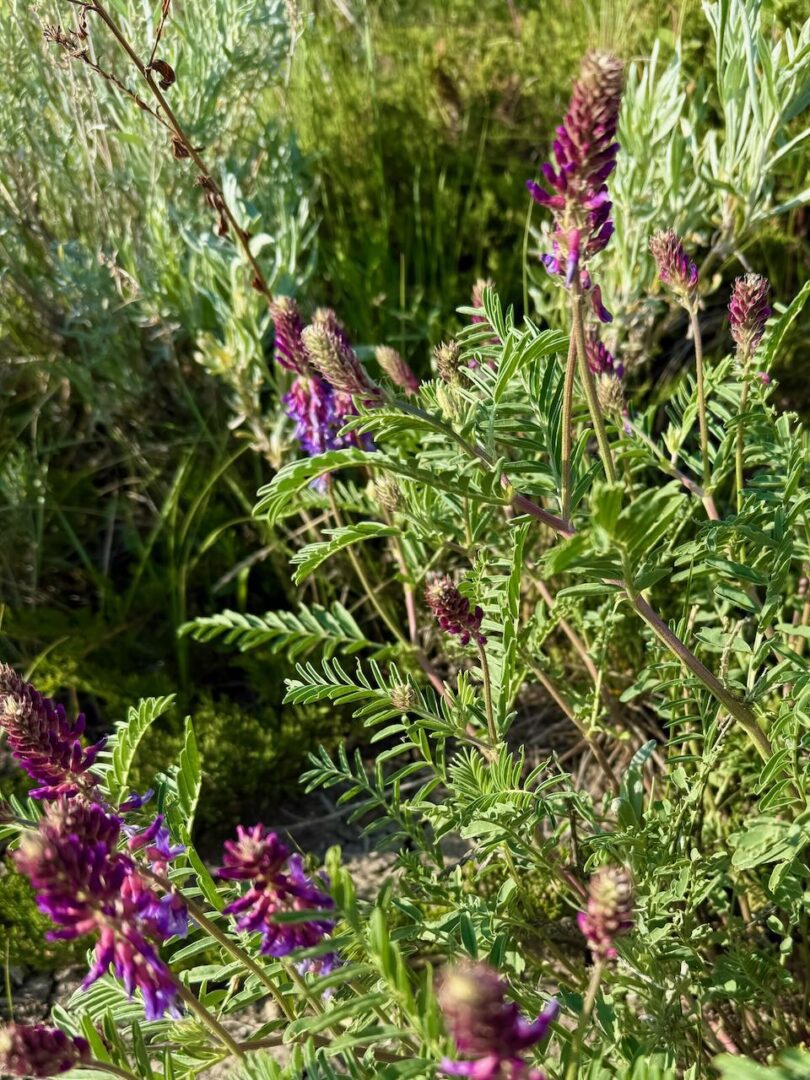
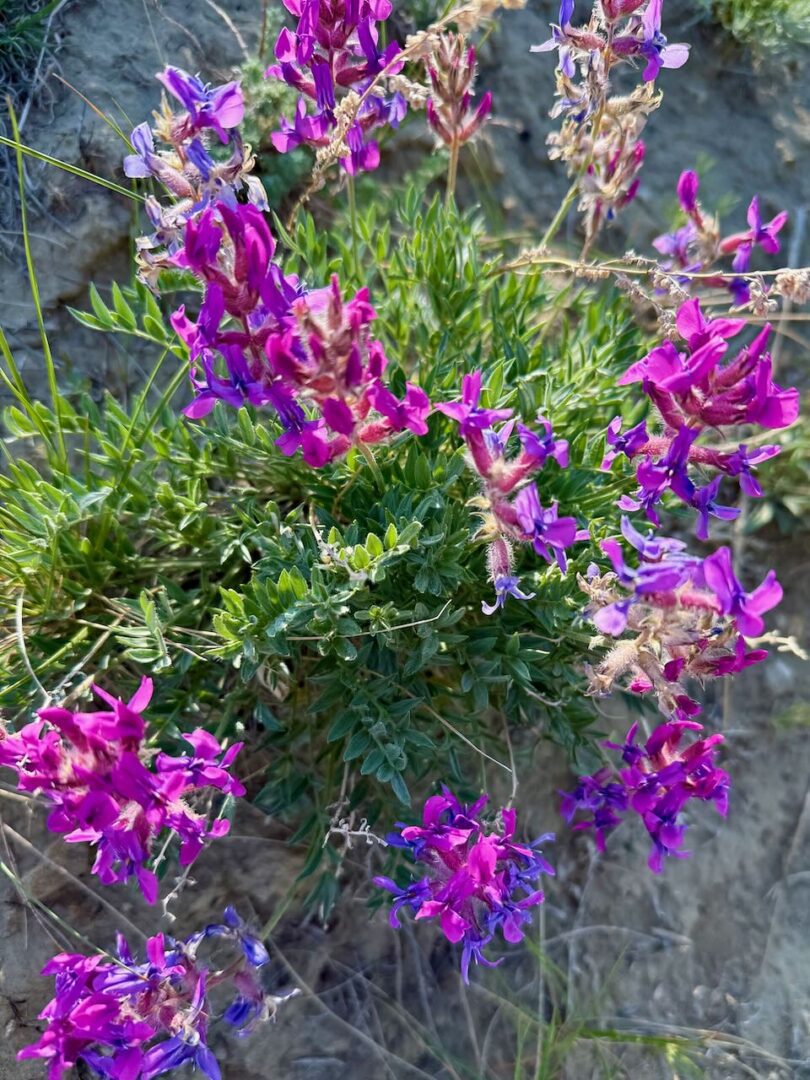
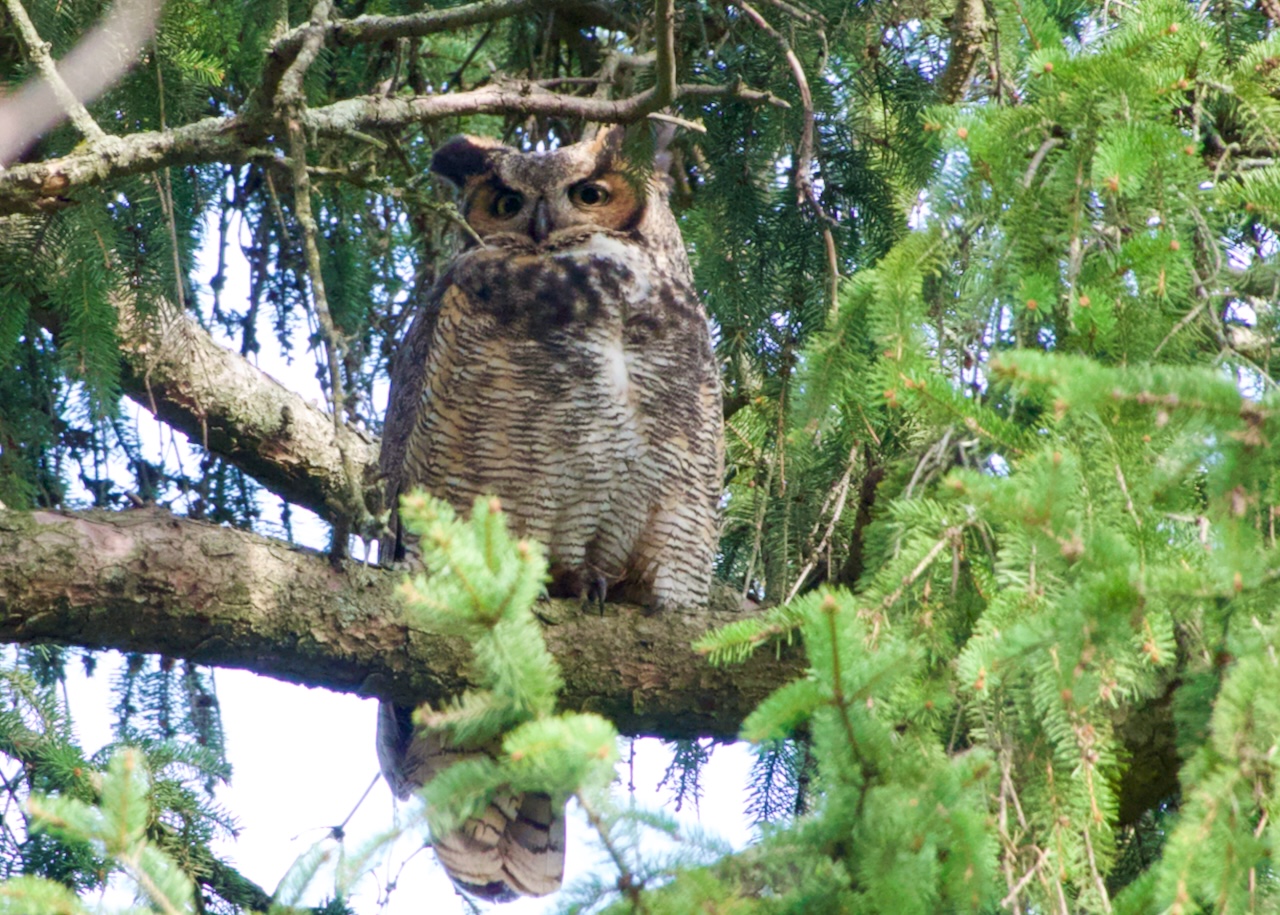
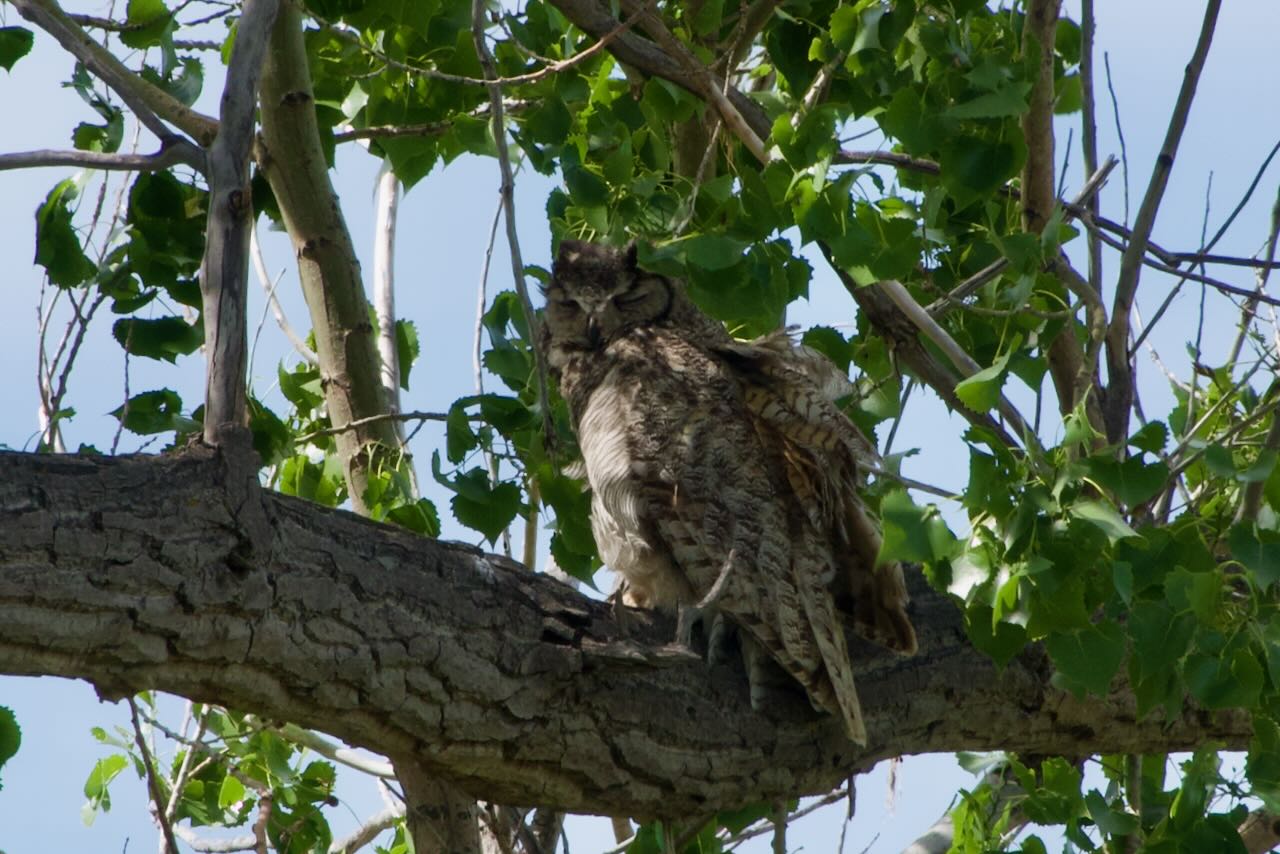
We headed to another area and did another hike along a river stopping at a small area with large trees and resident Great Horned Owls. At the Day Use area there were two Orioles calling continually and we noted the female we saw “looked” different. Merlin suggested it was a Bullock’s Oriole from the call and so we took pics and asked for help from the birding community to make sure we were right in our IDing of a female Bullock’s Oriole with a male Baltimore Oriole. Orioles are known to hybridize and after talking with other birders we opted to put it in as a hybrid female with a male Baltimore.
We headed back to our tiny house for an afternoon siesta, which means wading through the pictures and checking email lists etc rather than napping. We ate our big meal of the day and then headed back into the park for an Eco drive tour. We finally saw a Buffalo!
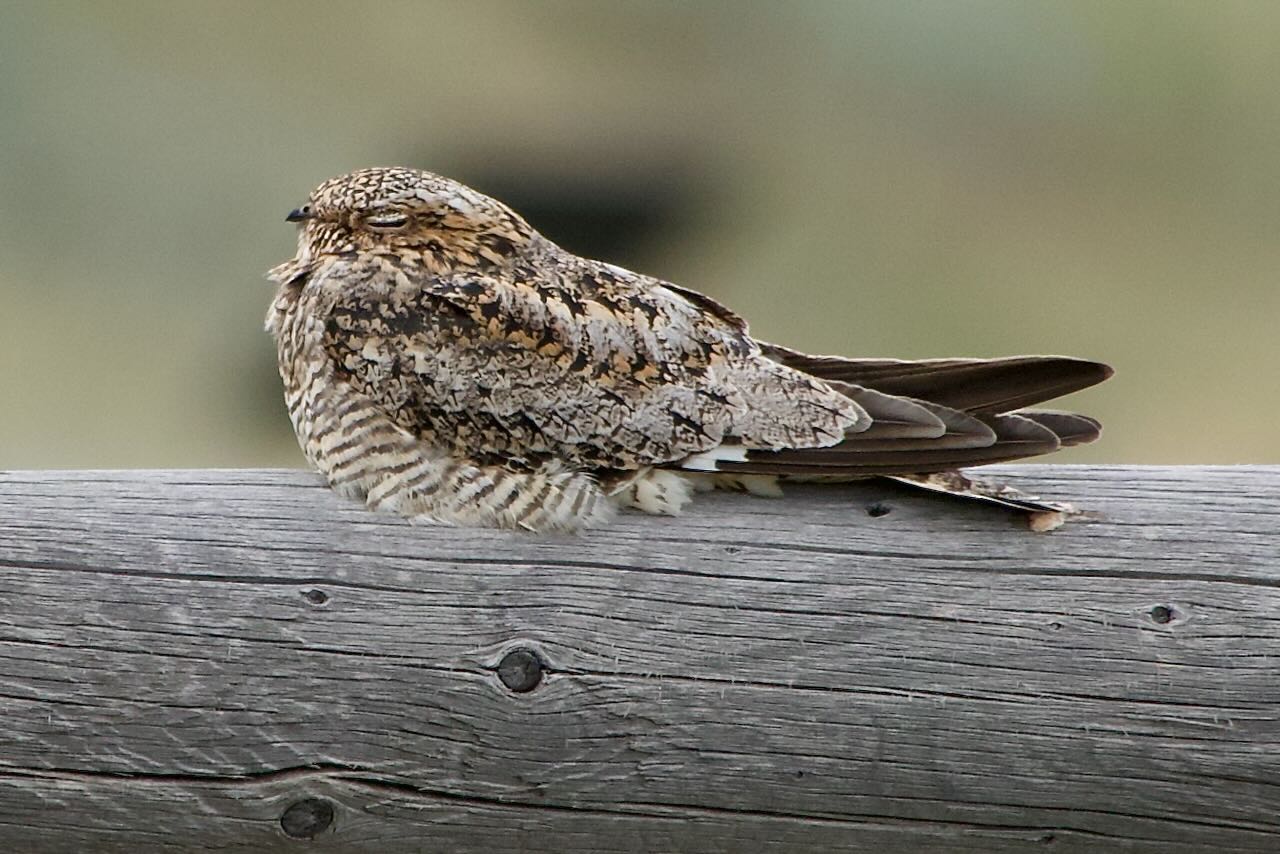
This route takes you past the prairie dog towns where you scan carefully to find the Burrowing Owls that use the prairie dog burrows to nest in. We managed to find 4 Owls at both dog town areas. But the two species we were still hoping for did not appear – Thick-billed Longspur and Sprague’s Pipit. We did manage to see a number of Common Nighthawks roosting and flying at the Grasslands campground.
We arrived back to our home at dusk and I made final preparations for the drive tomorrow. We planned to drive through Alberta but off the main highways so we could bird for our final species that we needed for the Prairies. I took photos of maps and areas because I knew that we would have no cell service for most of our drive.
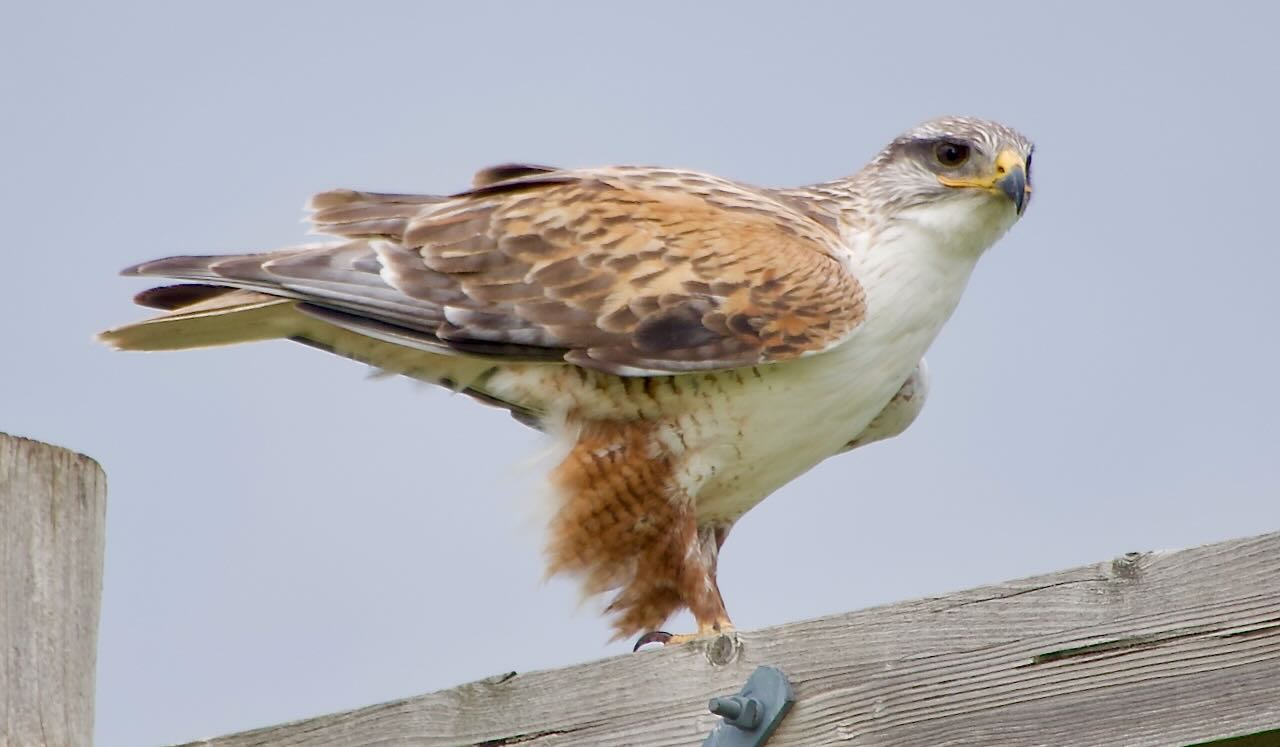
Saturday we headed west our from the Grasslands and within 30 minutes we had our first bird of the day – the lovely Ferruginous Hawk ( google how to pronounce it).
Most of the driving, ok, all of the driving, was on gravel roads with wind and dust every time you stopped and opened a window to check out a bird sound or movement. We will not miss the wind
or the fine prairie dust that gets on everything including your teeth!
Within the first hour we had both of our missing birds – the Thick-billed Longspur and Sprague’s Pipit. Getting photos was another challenge. Jerry managed to get both Longspurs.
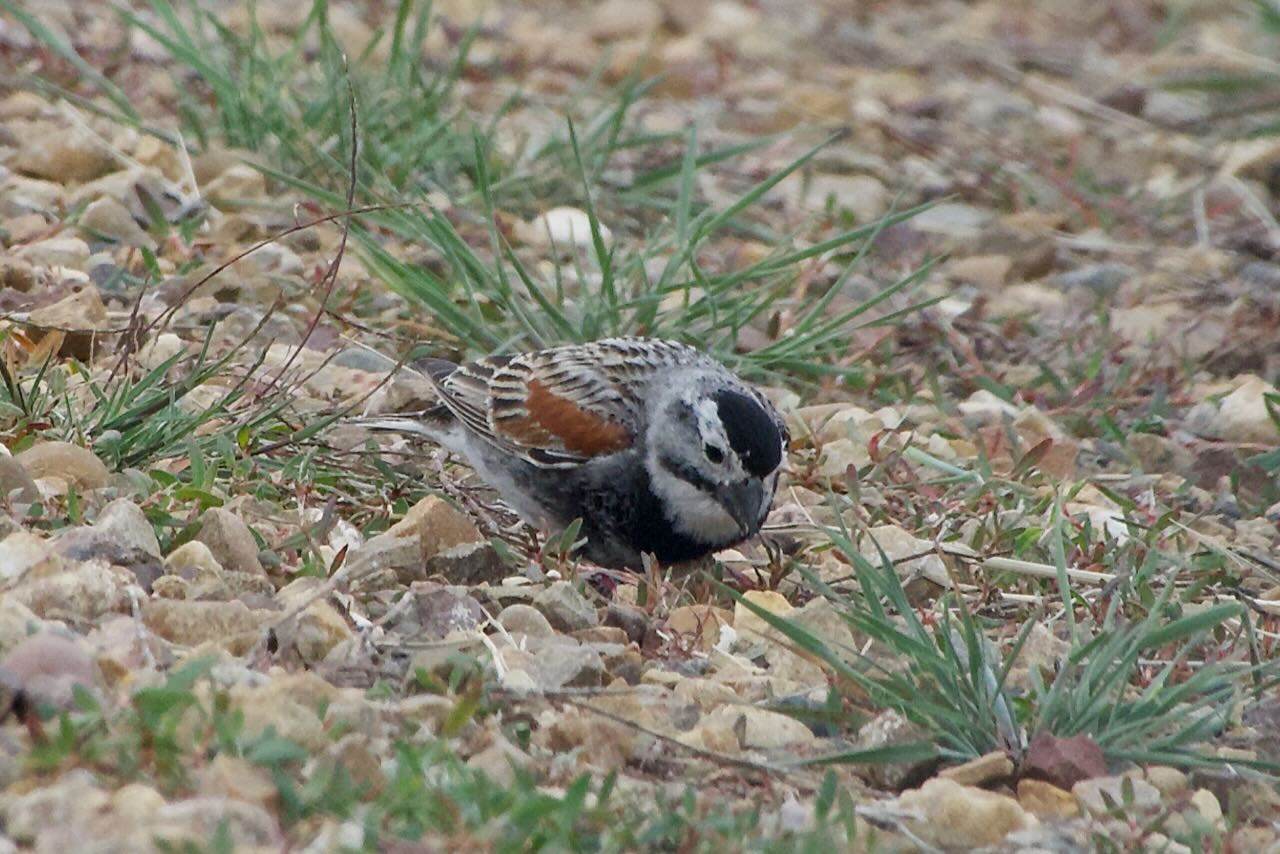
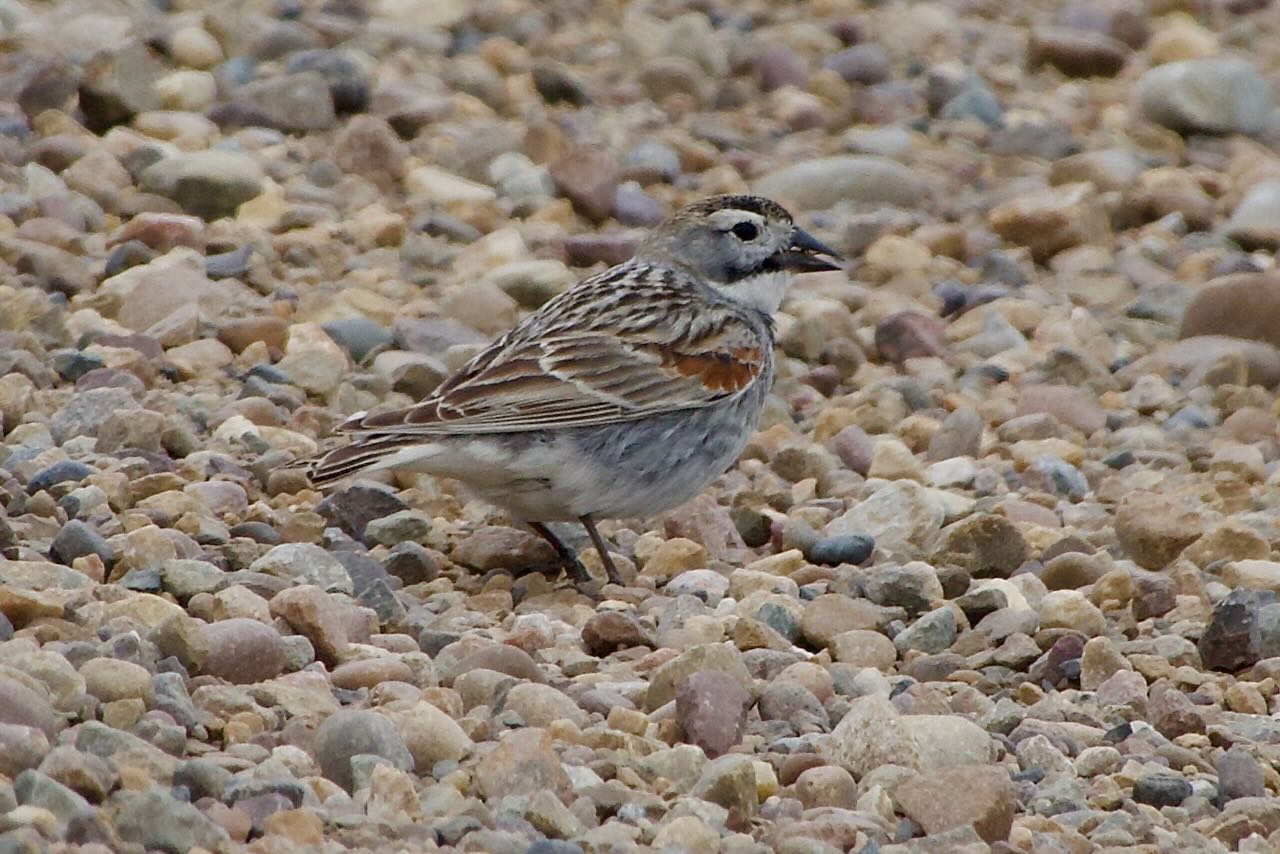
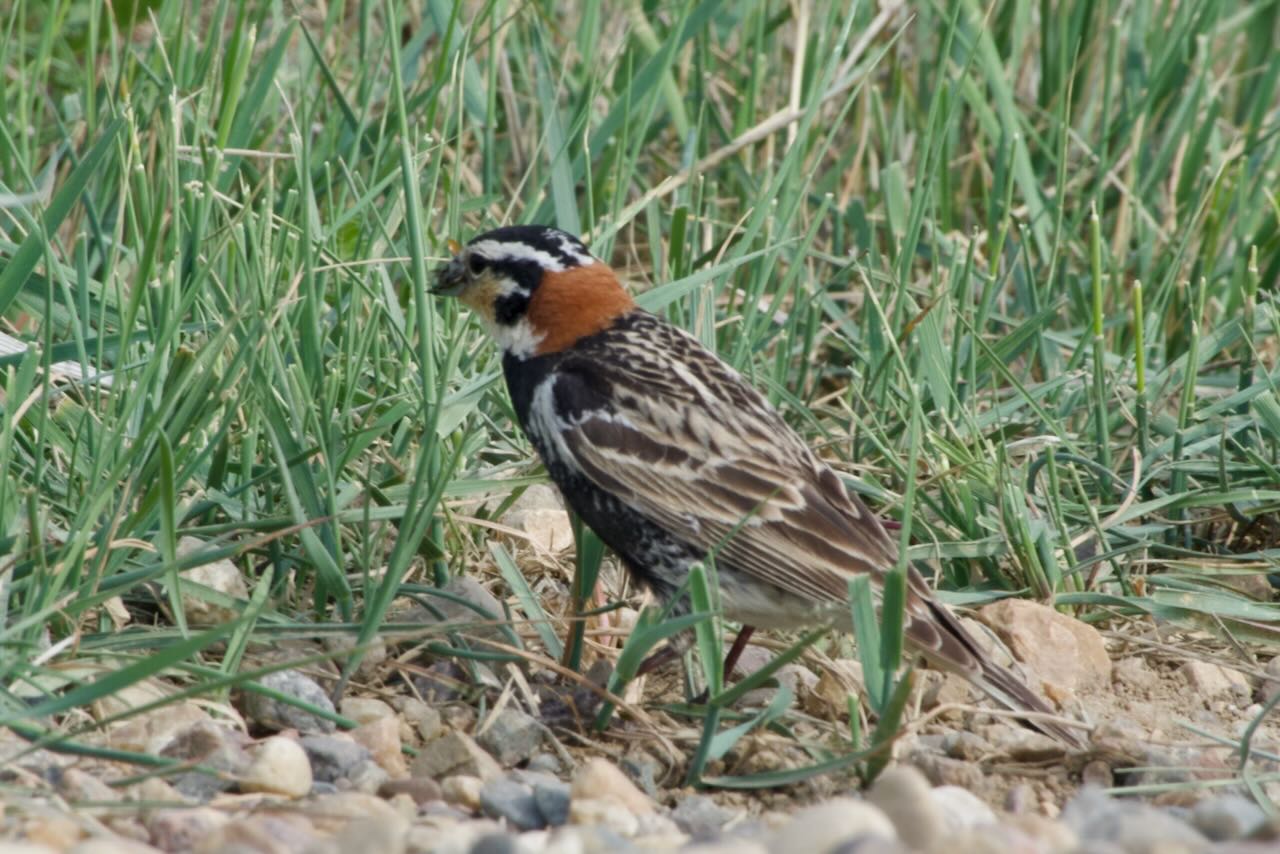
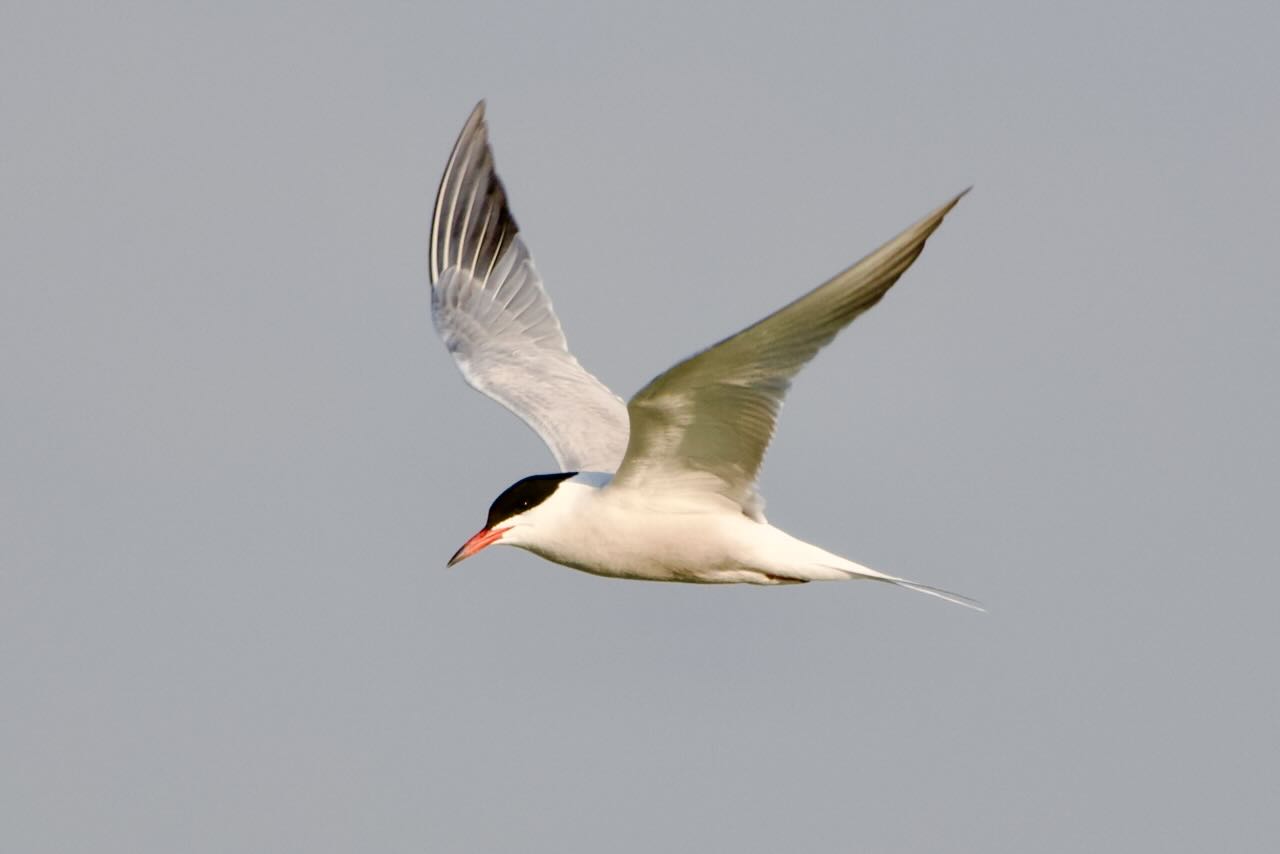
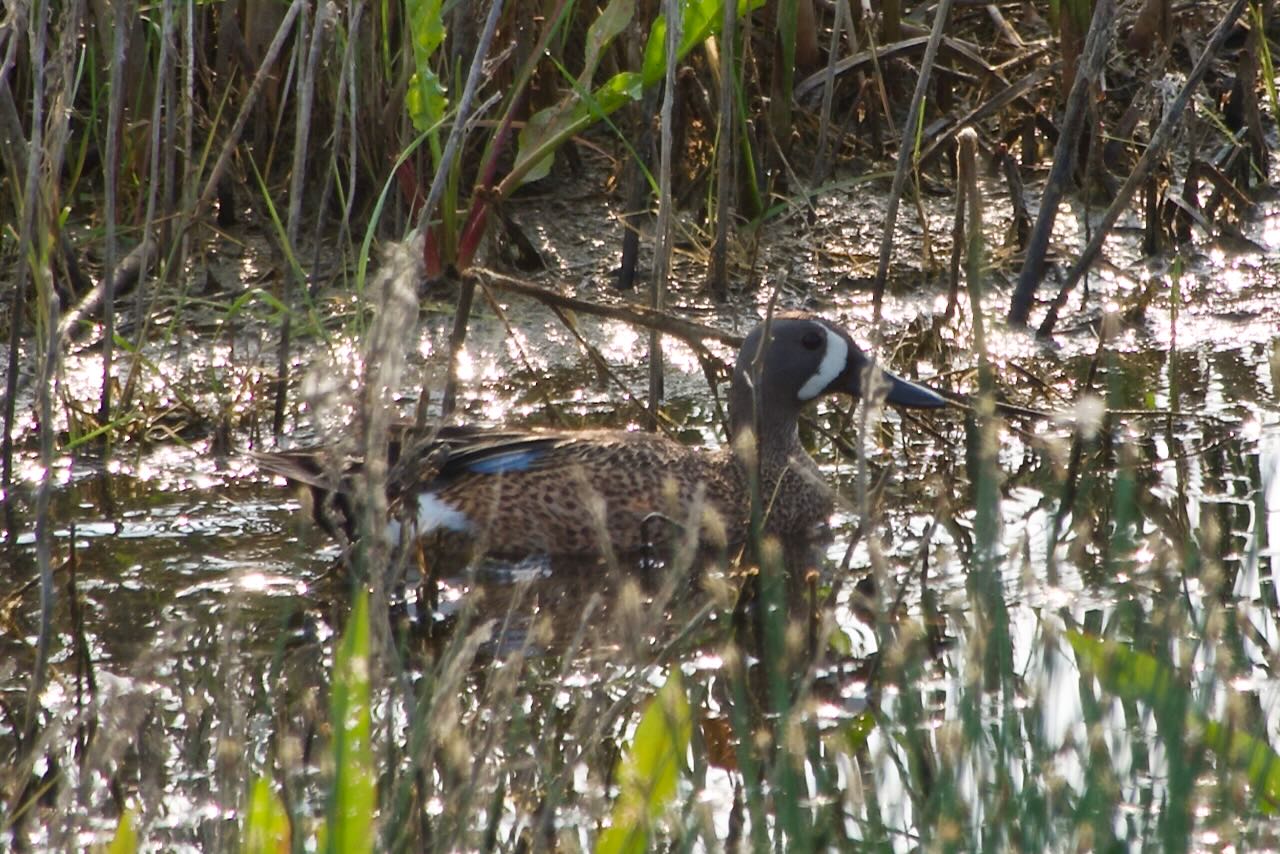
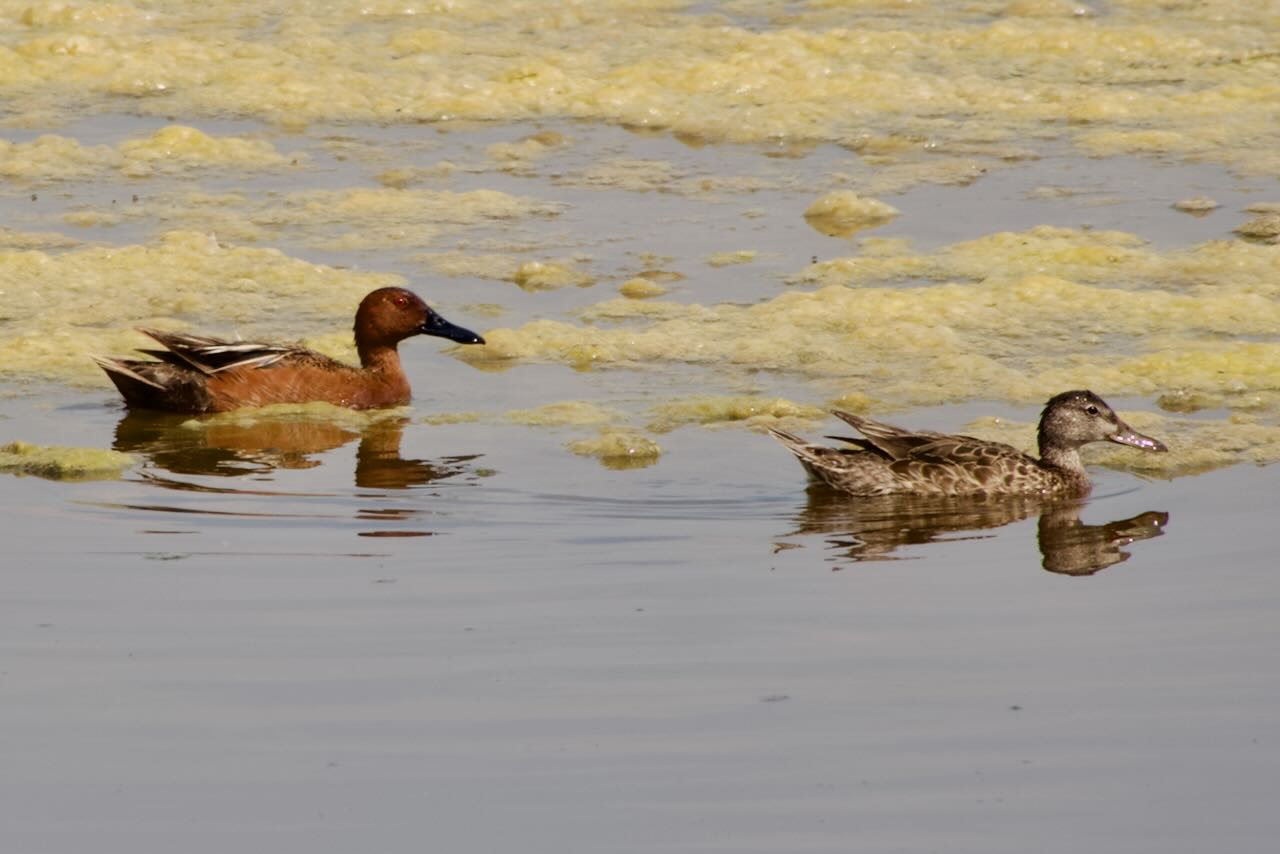
While we were driving between birding areas I checked my emails for hourly reports on Alberta birds and noticed Arctic Terns were nesting near where I knew Prairie Falcons nested. I opted to add that into our schedule and just like that a 5 hour drive became a 6 hour drive but with birding along the way it was a 12 hour day LOL. Just before the Arctic Tern spot a wetland produced our first Cinnamon Teal and better photo ops of Black-necked Stilts.
The lake with the Terns was very large and I was worried we would be spending a lot of time driving around it but as we pulled up to the lake there was a Tern flying around. We thought it was Arctic but it was quite a distance away. Looking at ebird lists from others they had no other terns listed other than the Arctic and we thought we had the Arctic. It was late afternoon and we still had another birding spot so we opted to move on. It would turn out that looking at Jerry’s pic later on the computer we could see a probably black tip on the bill of the Tern making it a Forster’s not the Arctic. I would have liked to have that off the list so we will see if we can revisit that place on our way out of BC if they do indeed nest there.
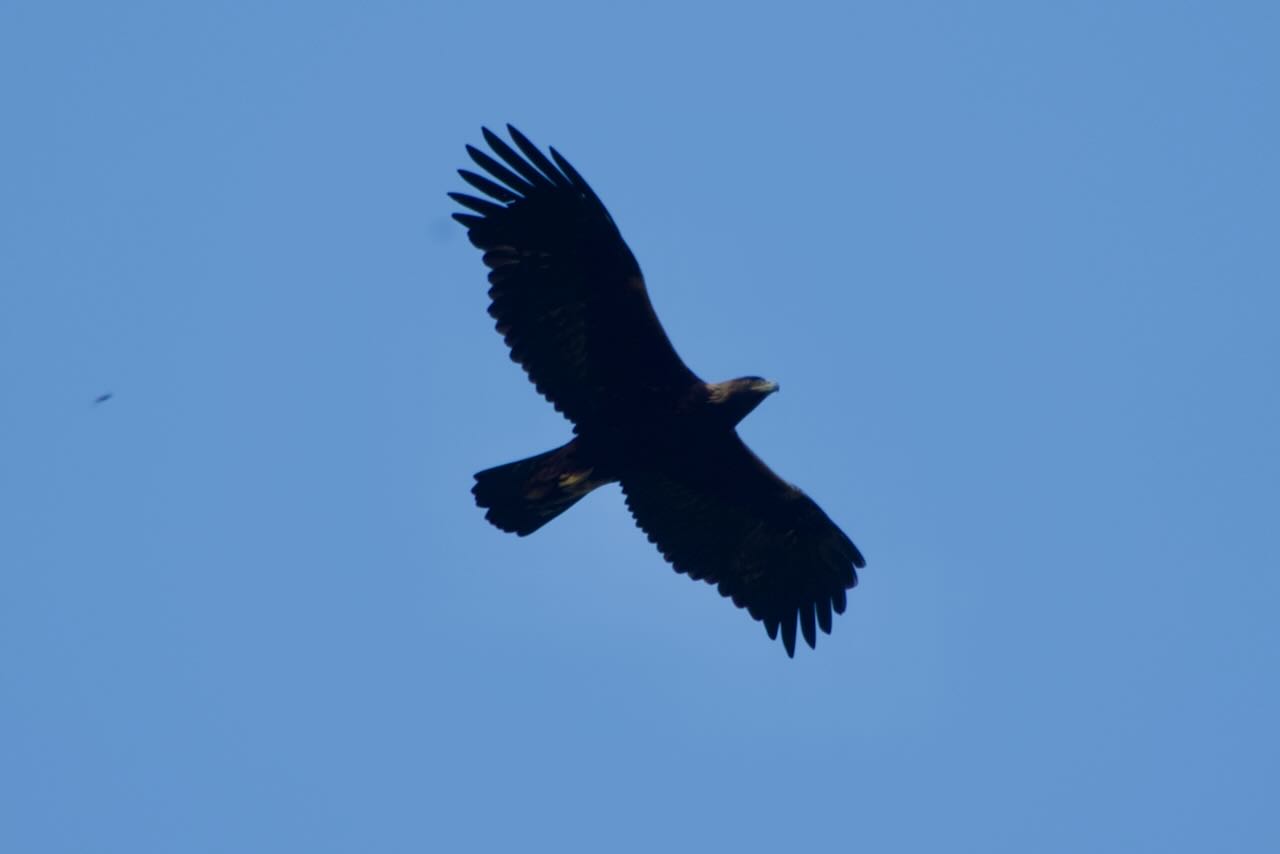
We then headed to William Coulee road where Prairie Falcons are known to nest and we have seen them in past years. It was only minutes in, looking along the cliffs and I spotted a Falcon up on the top rocks. it then flew down and went into a crevice in the rock wall where it probably had a nest. We then saw another Falcon and a Golden Eagle appeared and they had an altercation.
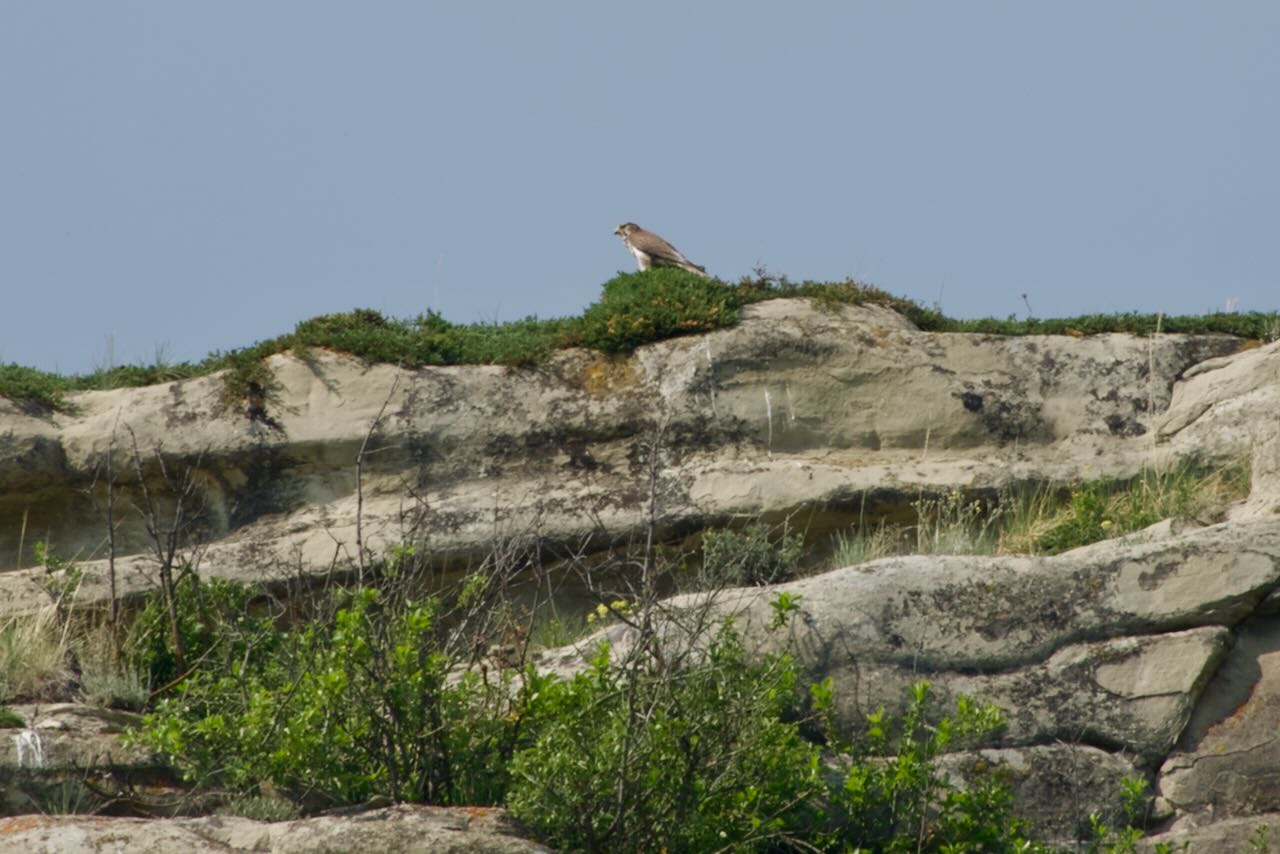
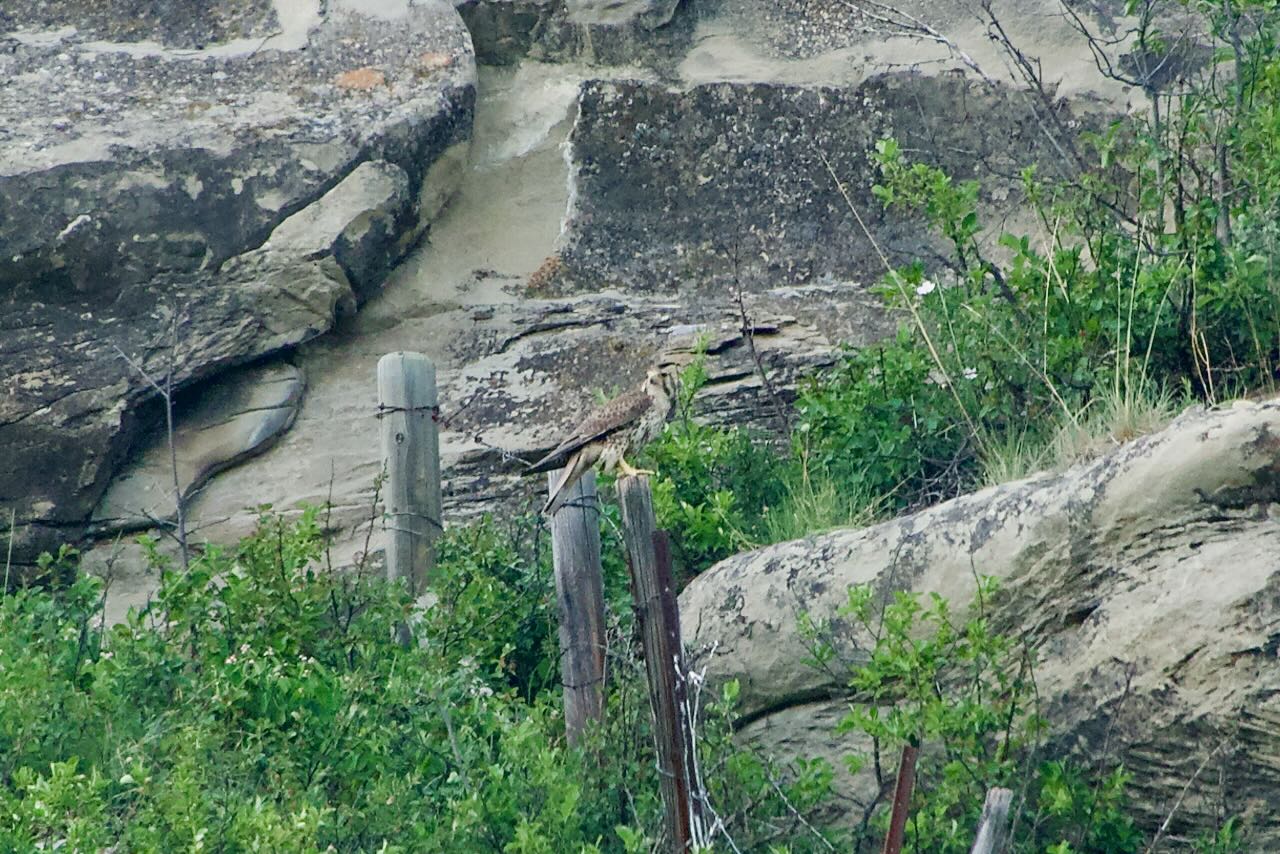
Further down the road we found another breeding pair. It was a VERY good birding day. We had added 27 species in Saskatchewan and Alberta and I had seen all of my expected species. We headed to a hotel at the foot of the rockies only to find it full for the night so we opted for the sad local hotel and tavern where we paid $80 (cash only) for the night. I’ll leave it to your imagination as to what the room was like. Our tiny house back in the Grasslands it was not! We were only 6 hours away from my brother Darryl’s in Grand Forks!
Sunday we drove through the rockies along Crow Nest’s Pass. We stopped at a few rest areas and added 3 species to the list, Hammond’s Flycatcher, Mountain Chickadee and Violet-green Swallow. The mountains are amazingly immense and taking pictures just will never show the true scale of them. I made an attempt to take some from the car.
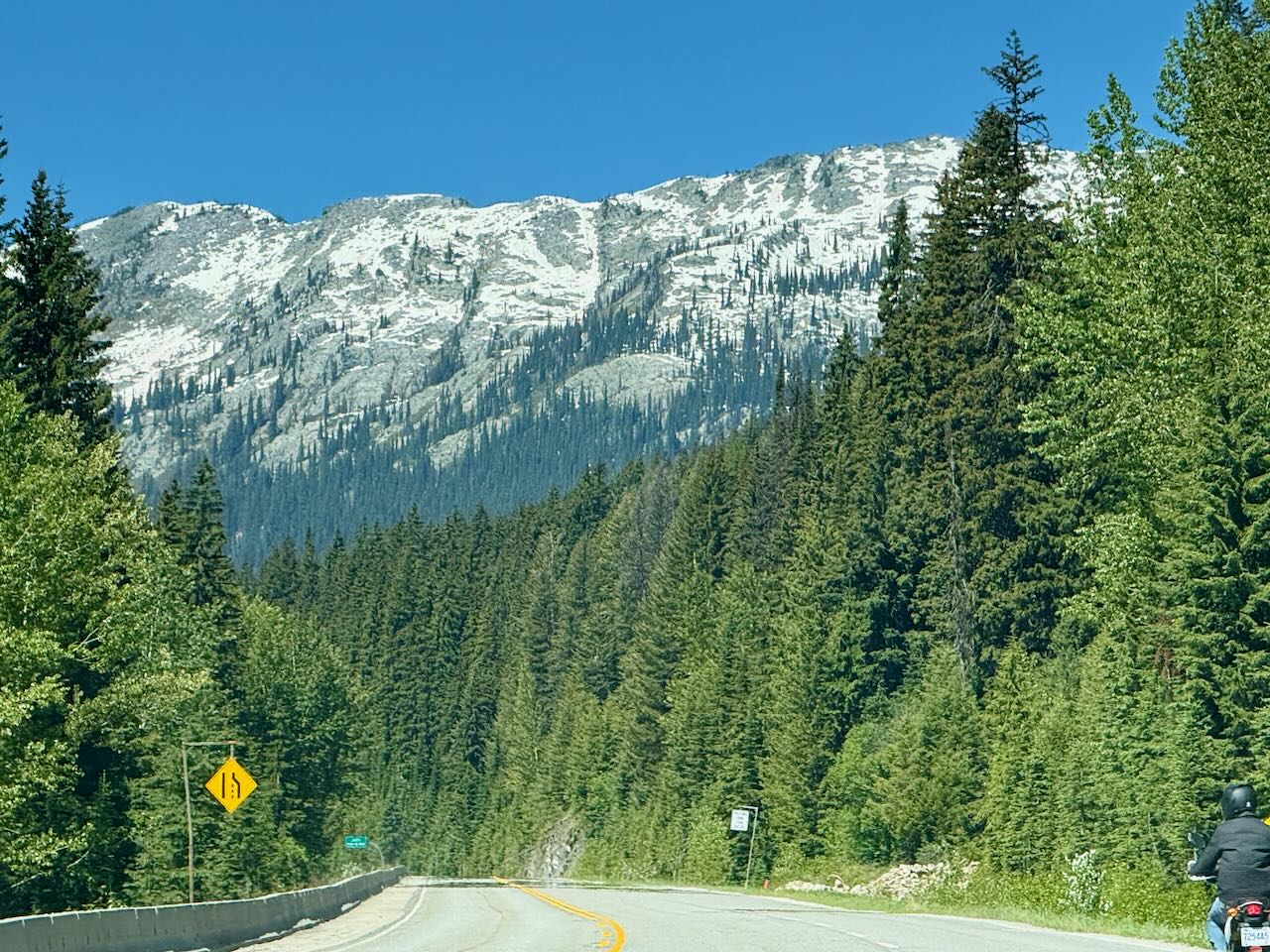
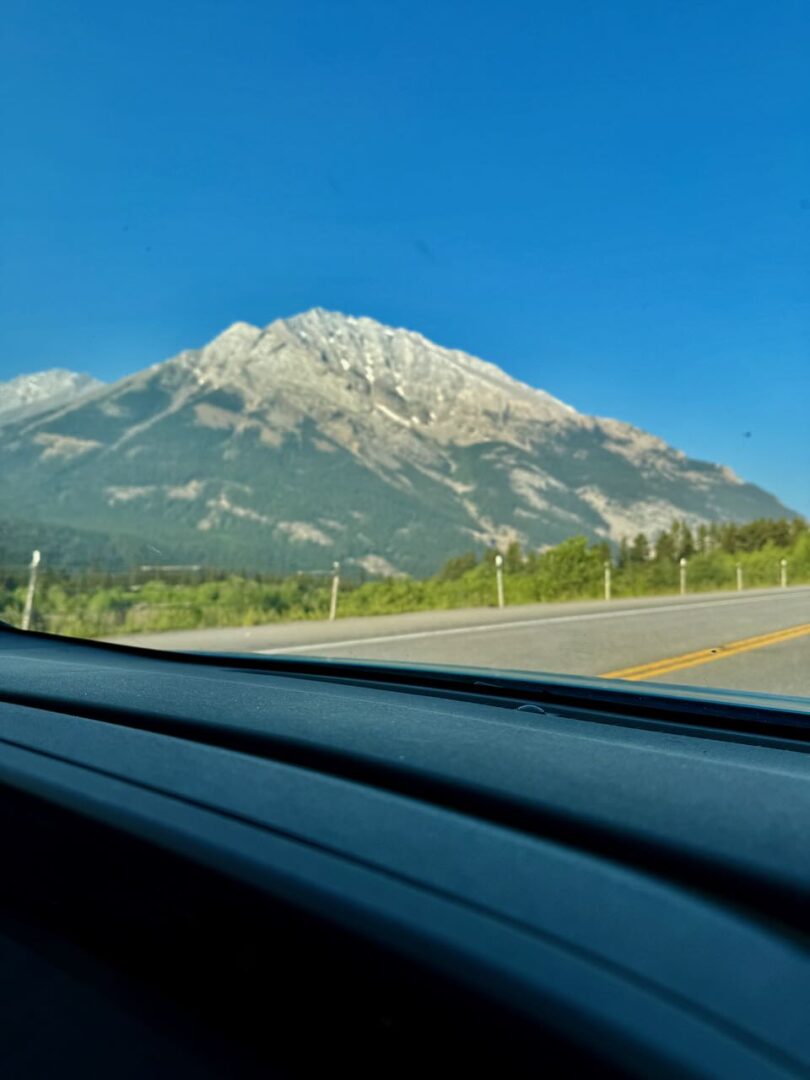
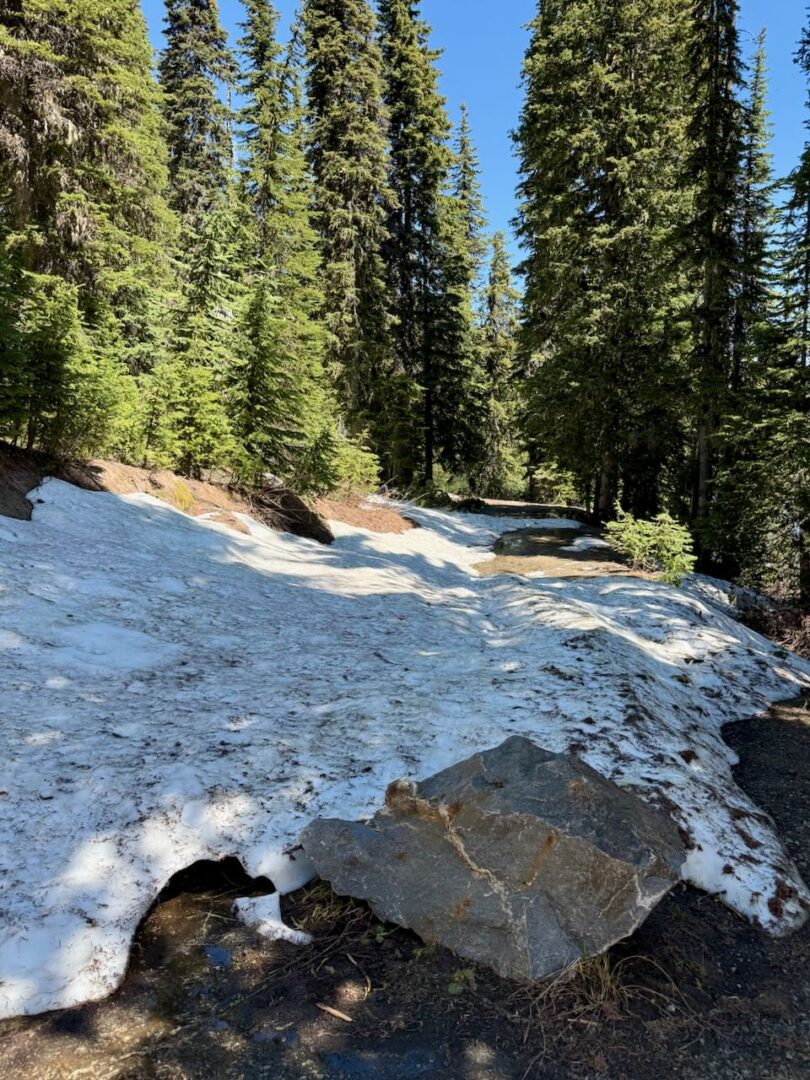
We arrived in Grand Forks in the afternoon and immediately started hearing birds as we drove up the road to my brother’s family compound. Based on our last trip here in 2022 we expect to add 10-12 species to our list just on his property, hopefully while sipping a Gin and Tonic or Margarita! Cheers!
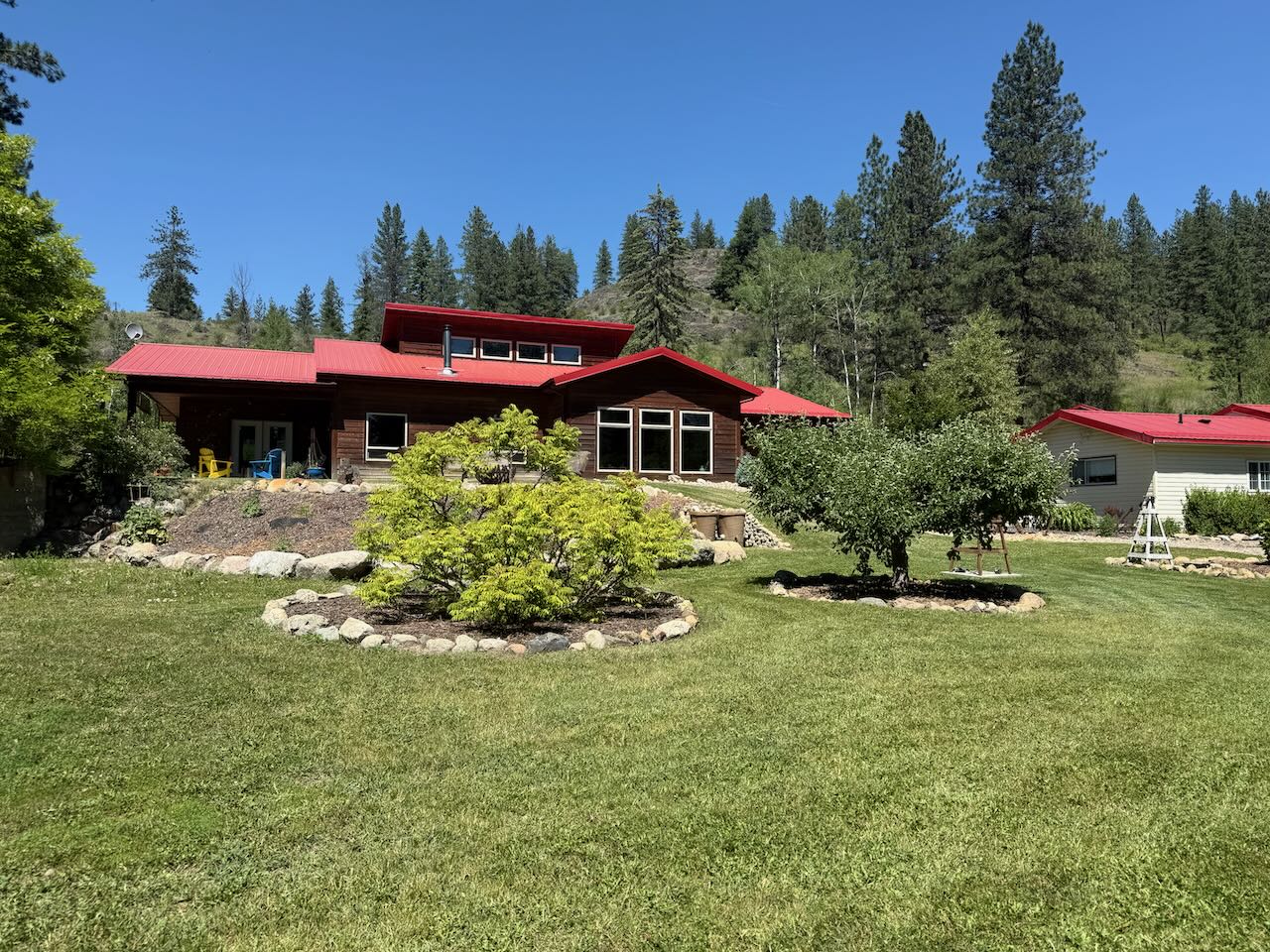
Week 23 second half 33 species added 346 species Jerry and Ellen