Week 42 Rarity Week
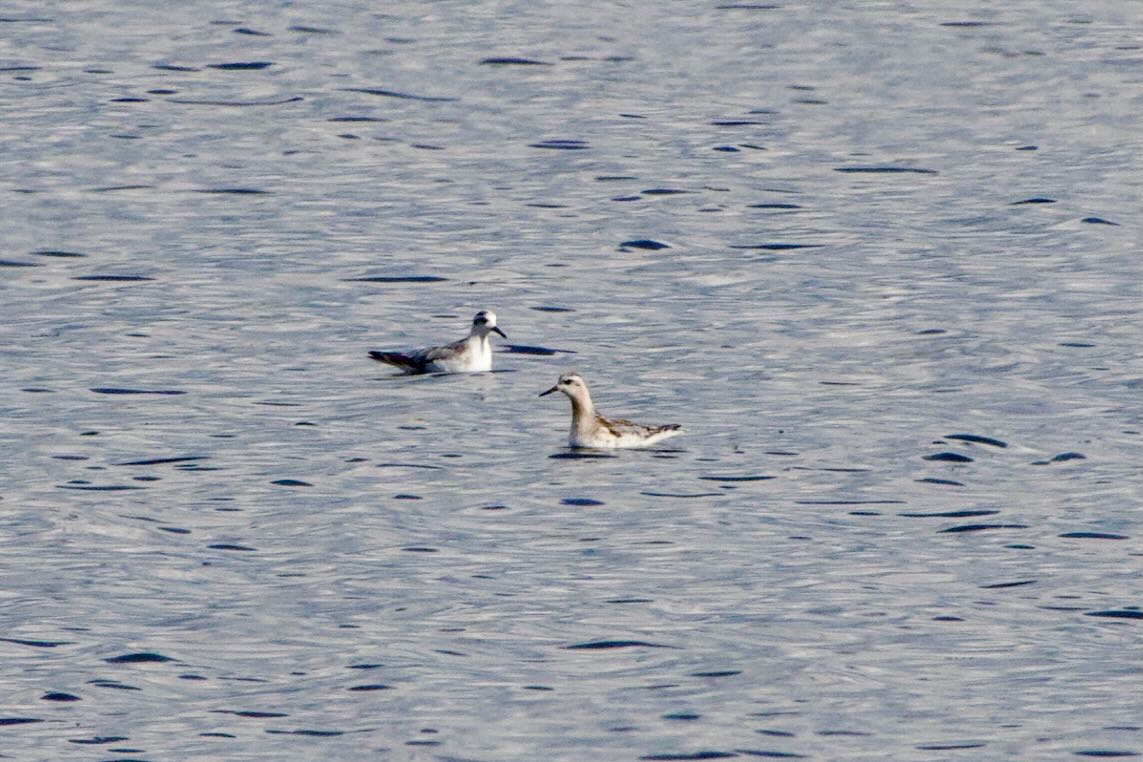
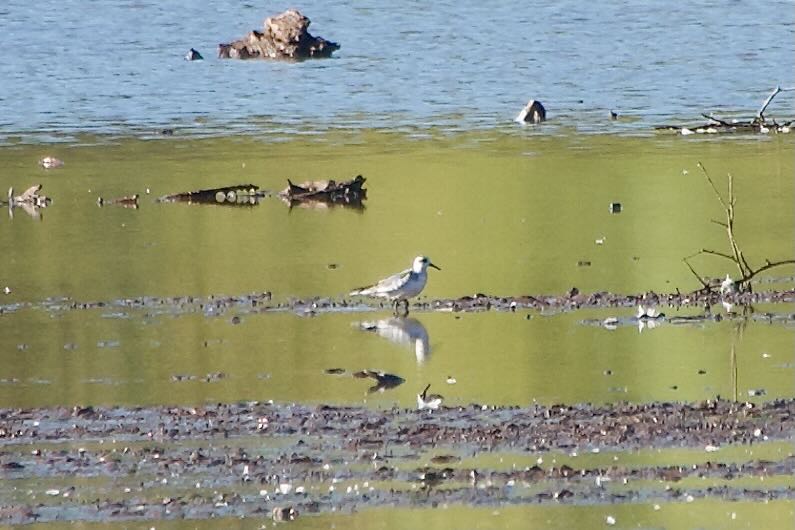
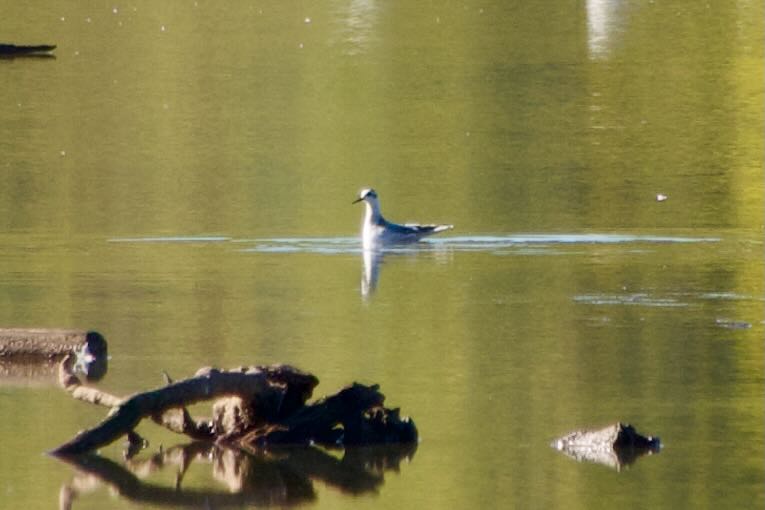
I ended last week by including Monday, the holiday, in the week so week 42 started on Tuesday morning. There was a Red Phalarope that had been reported in Hamilton on Saturday but with our family commitments we could not get in to see it. We already saw one out east but Jerry did not get very good pictures from the whale-watching boats so we wanted to go in and get better pictures. It was also an excellent bird to get for the Hamilton Study Area. We have now seen 295 Life birds in the Hamilton Study Area (25km circle with Dundurn Castle at the center). It was still unseasonably warm and sunny when we arrived and we saw the bird out on the mudflats as we walked down the hill to Valley Inn. Jerry took a few pictures and we continued down hoping the bird might fly closer to the path below. While we waited for bird movement we socialized with other birders. A Red Phalarope is an Ontario rarity every year but double rare for Hamilton so a lot of birders were coming to see it over the weekend and also into Tuesday. We chatted with Michael and Angela, our friends that stayed with us at Pelee and Andrew was out hoping for better pictures. We met Mimi, a new birder and exchanged information. The bird never did come closer even though we stayed for almost 2 hours. Total birding time 15 minutes and socializing the rest of the time.LOL The connections are one of the best parts of chasing rarities.
Wednesday we had the Lions bottle drive in our driveway but it was smaller than previous ones so the sorting and crushing of cans did not take too long. In the afternoon there was an ebird report of a Purple Gallinule at Tommy Thompson in Toronto. It only had a short description, no photo and a name I did not recognize. It is always hard to judge if a report might be viable or not, in this case I was a bit suspect but the description mentioned a white patch between the bill and head and that seemed pretty definite for Gallinule. I checked back on the report a few times to see if a pic was added. No reports on Discord and then at 5pm a picture and a Discord report came through. It was a Purple Gallinule! Sheesh, we could have left in the afternoon and got out there but now it was too late to try with commute traffic. But we knew where we would be heading on Thursday.
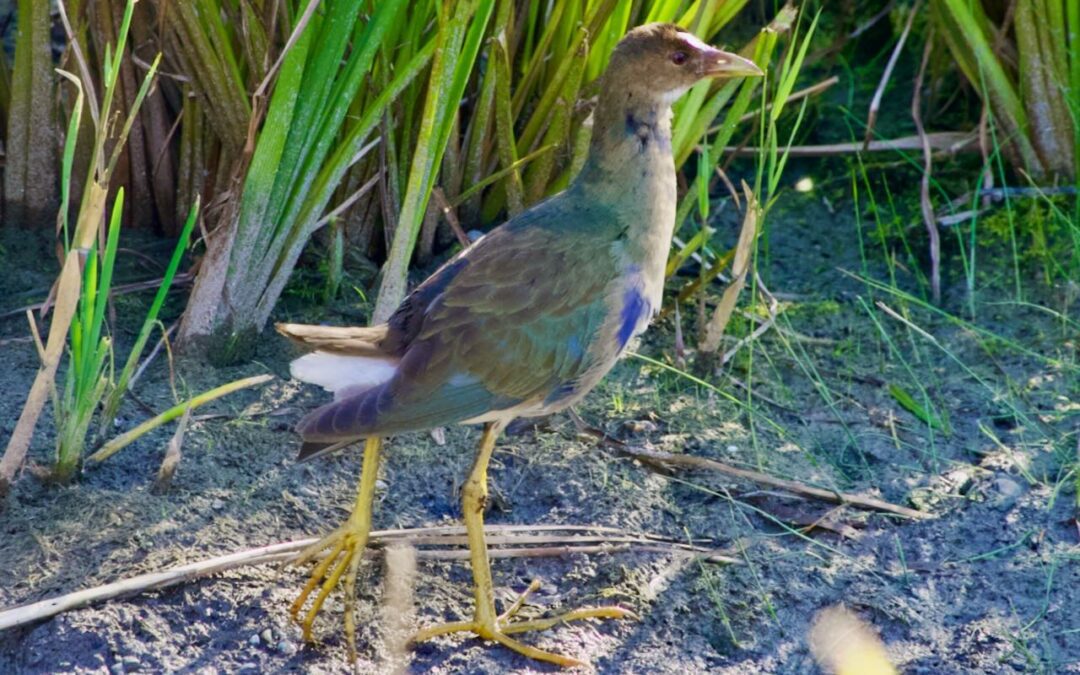
After dropping Hunter and Hannah to school we headed into Tommy Thompson Park at the Leslie Spit. Google maps relayed it would take us 2.5 hours to get there from Brantford. UGGGHHH! That traffic into Toronto is always brutal! We arrived just before 11 making up about 10 minutes LOL. The problem with TTPark, if you recall, is it is a huge area and there is a 30 minute walk to get to any of the birding areas. Many people take their bikes and even rent bikes that are provided. My back was in bad shape from crushing cans the day before so I very much needed to walk to try and loosen it. It was a beautiful day, we met up with other birders coming back from seeing it. Lori from Oakville had seen it, Jude had heard it and seen it a few feet away, Jean had seen it. We kept walking and chatted with other birders heading out to the spot, some on bikes who went ahead. When we arrived the bird was right in the water at the edge of the pond just a few feet from us. It vocalized as it walked and seemed totally oblivious of the 5-6 people standing around with cameras clicking. We stayed for about 1.5 hours enjoying watching it move along the pond and back, chatting with other birders and then at the end making sure new birders arriving got on the bird as it had disappeared for a bit.
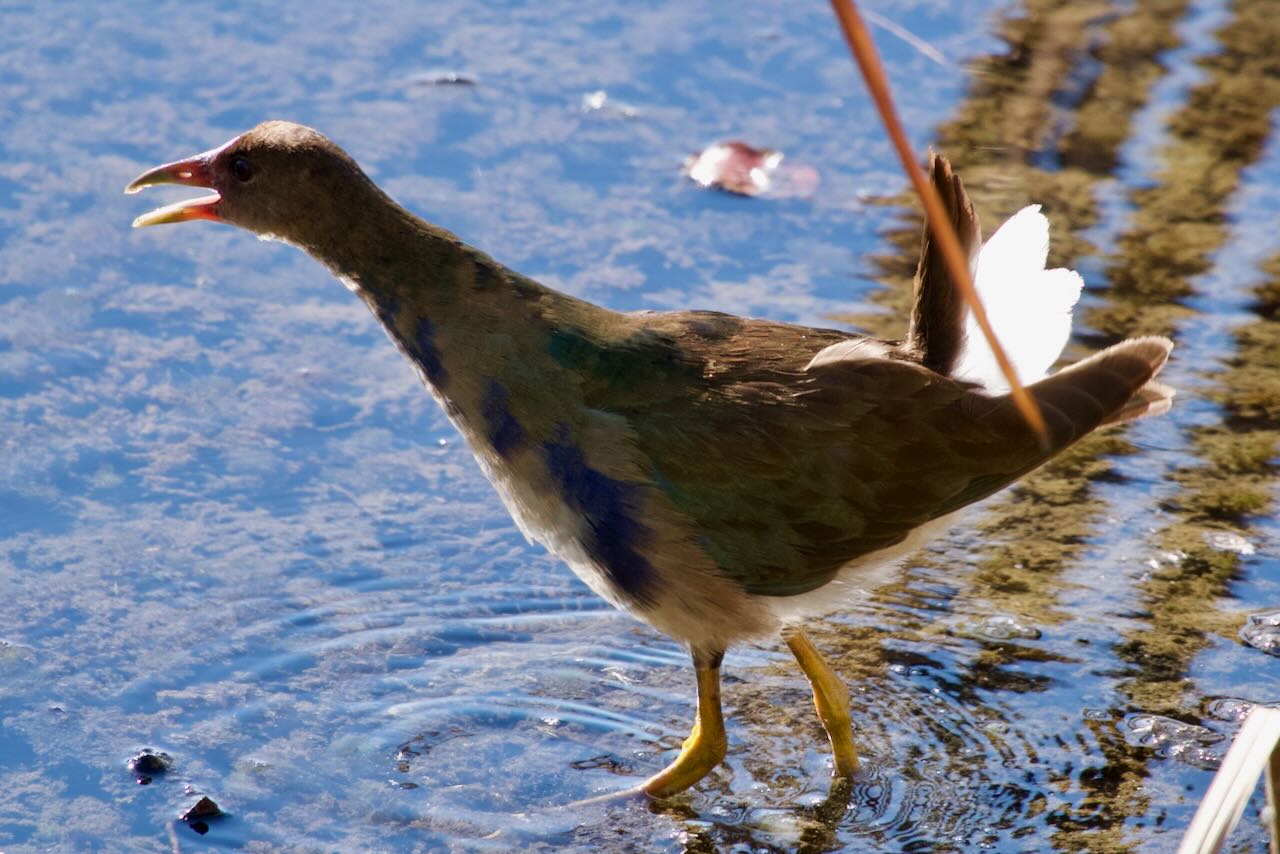
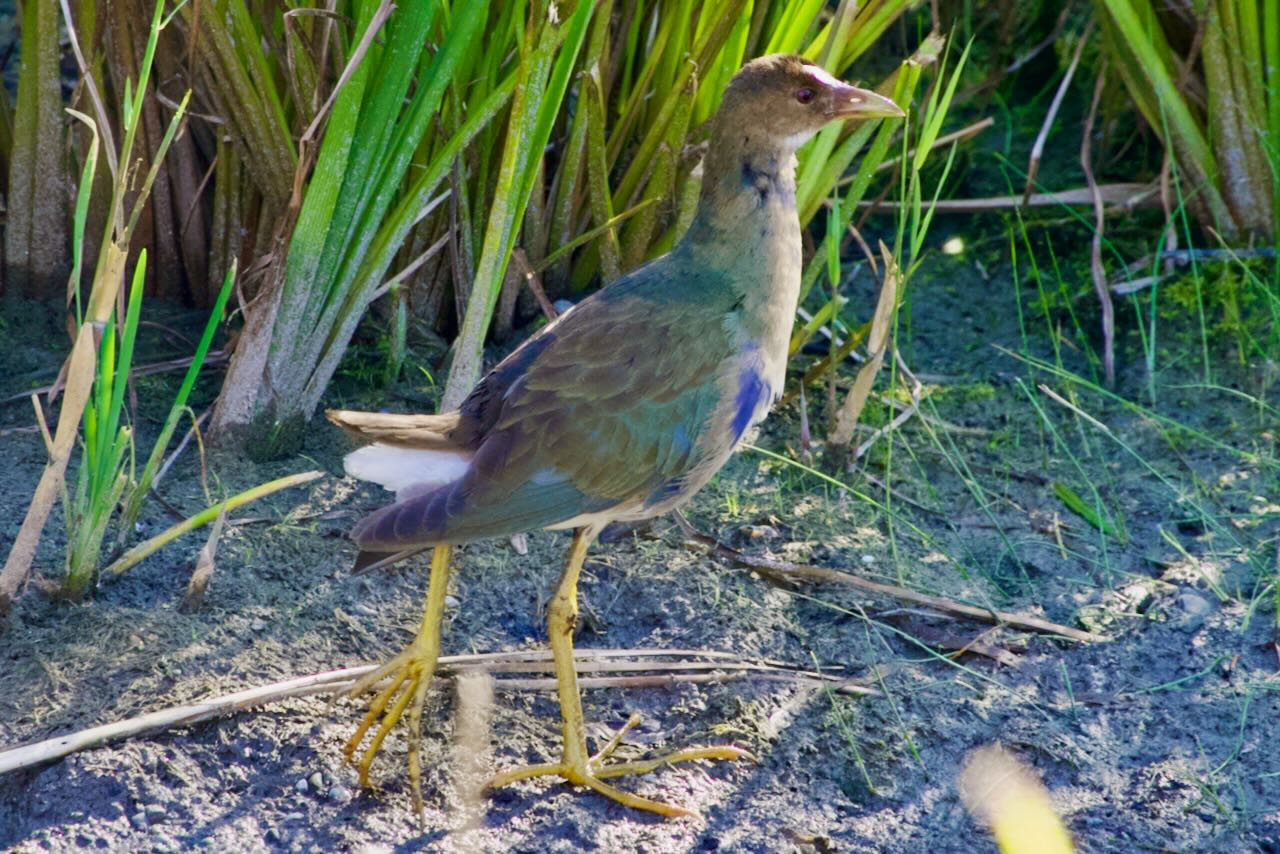
The pictures almost look like two different birds because the top picture was taken in the sun and the second was taken later in the shade. How crazy are those feet? I took some video. The Gallinule is out of focus (damn autofocus) but it was vocalizing and I want to share it calling.
But I also got a great video of it feeding right in front of us. Forgive all the camera clicking from all the people around me.
It only took us 2 hours to drive back home where I nursed my back for the rest of the afternoon. As often happens around 5pm (the rarity hour, I call it) a Discord report came in of a Grace’s Warbler in Algonquin Park. That would be a lifer bird for me as I missed one that Jerry saw in Arizona many years ago. And only the second record in Ontario, so a big deal. It is a south-western, Mexico species. It was NW winds so a good night to migrate. Would the Warbler move on overnight or stay? Would it be worth the drive up and back? It is not always easy to refind warblers but it does happen. It was with a lot of Yellow-rumped Warblers that were feeding frenetically which often signals migration will happen soon. I had committed to help my son with painting his living room Friday/Saturday and I hate bailing on plans that I have made. The rule with all of our big years has been “family first”. So, after back and forth discussion we opted to wait and see if the bird was refound in the morning and then we could decide.
Friday morning people were in Algonquin from dawn looking and nothing…until 10:45 and it was refound. We were visiting Babi by then before heading to Devin’s. At that point it made little sense to drive 4-5 hours to Algonquin and then have limited time to find it. There was heavy rain in the forecast for the afternoon. It was seen sporadically throughout the afternoon but not after 3:45 when it was seen flying over some trees near the parking lot. We got the ceiling painted at Dev’s and made plans to go to Algonquin with Barb and Liam Saturday morning.
We left 4:30am, of course, and arrived at Algonquin at 8:00 to join 20-30 other birders who were there looking for the Grace’s Warbler. The trip up went by in a flash with all the conversation with our birder friends. Barb was one of 7 people that had seen the first Grace’s in Ontario back in 2016 but never got a picture. It would be a lifer for Liam and I and Jerry wanted pictures too. The old airfield at Mew Lake campground is open with few trees where the birds had been seen Friday.
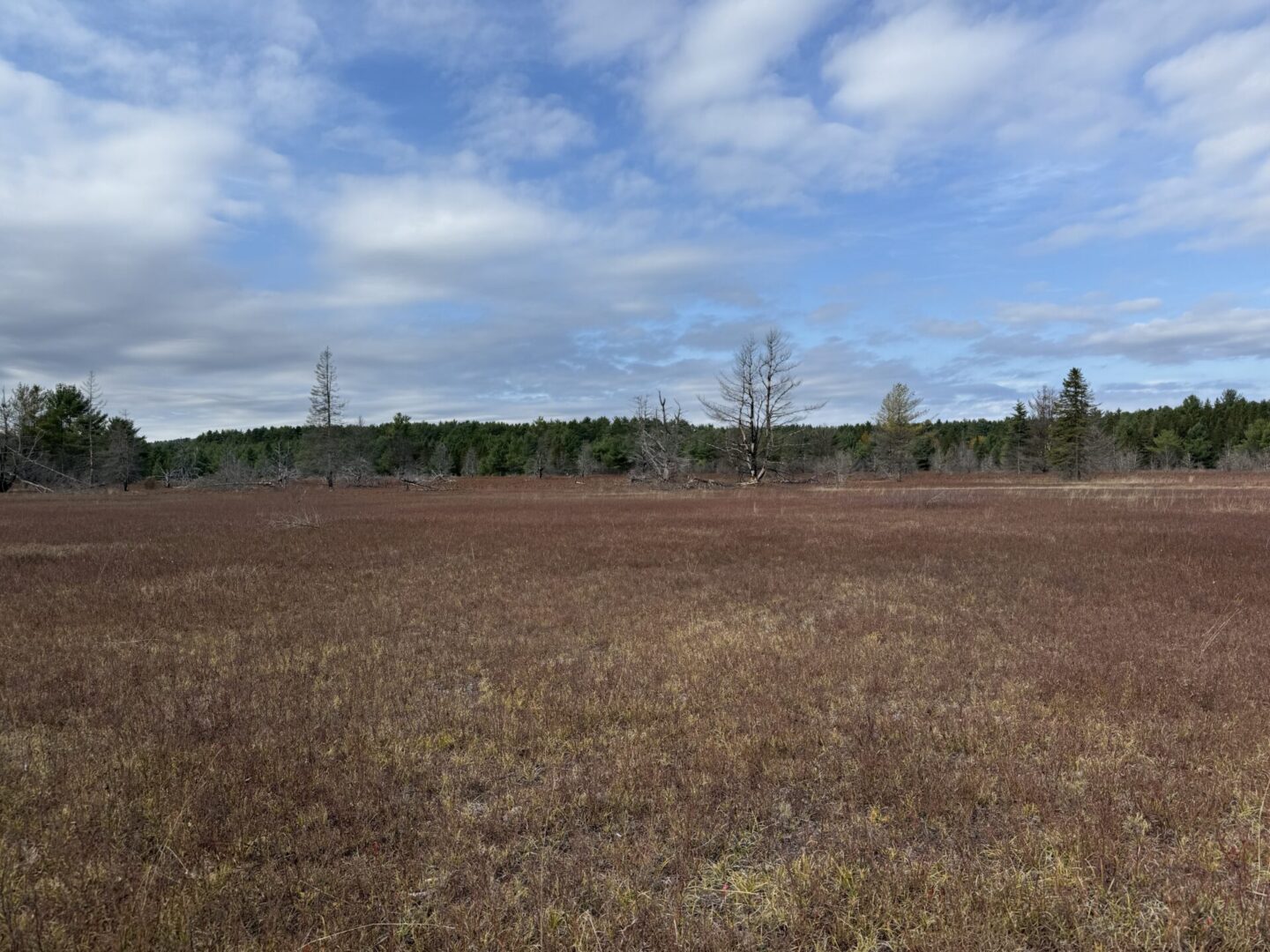
A few walks around the area produced few birds and no large flocks of Yellow-rumped Warblers but it was early and it had been found later on Friday. We walked around, we chatted and shared info with other birders we passed. We scanned with bins, we listened. By noontime the hope was fading, the heat was building and instead of more birds appearing it seemed there were less around. People were starting to talk about heading home and some gave up the search. We had some lunch and then we expanded our search when Mourad showed up and walked through the campground checking pine trees and listening intently for Yellow-rumps. Nothing. Mourad has a reputation of always getting the bird and we were happy for his arrival but he was not getting the bird this time. We gave up at 2 being close to the last people leaving. The ride home was a bit quieter with naps but because of the great weather and good conversation it did not feel terrible to have missed such a fantastic rarity. Any time spent birding and with birders is fun. Lesson for the future big-year birders – always, always go right away for a rarity. This will likely be the miss of the year for me but I’ll eventually get my Grace’s Warbler in Mexico or Arizona if we ever travel back that way.
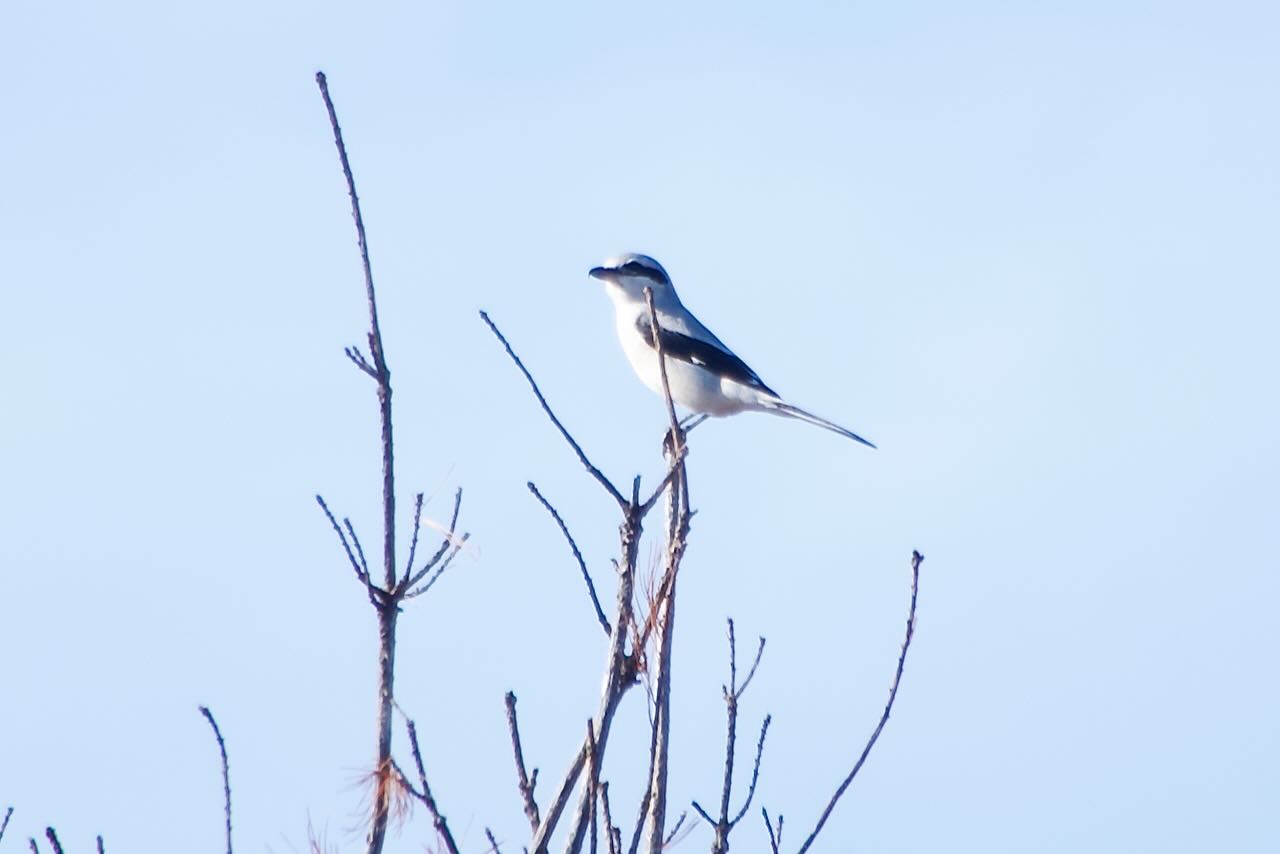
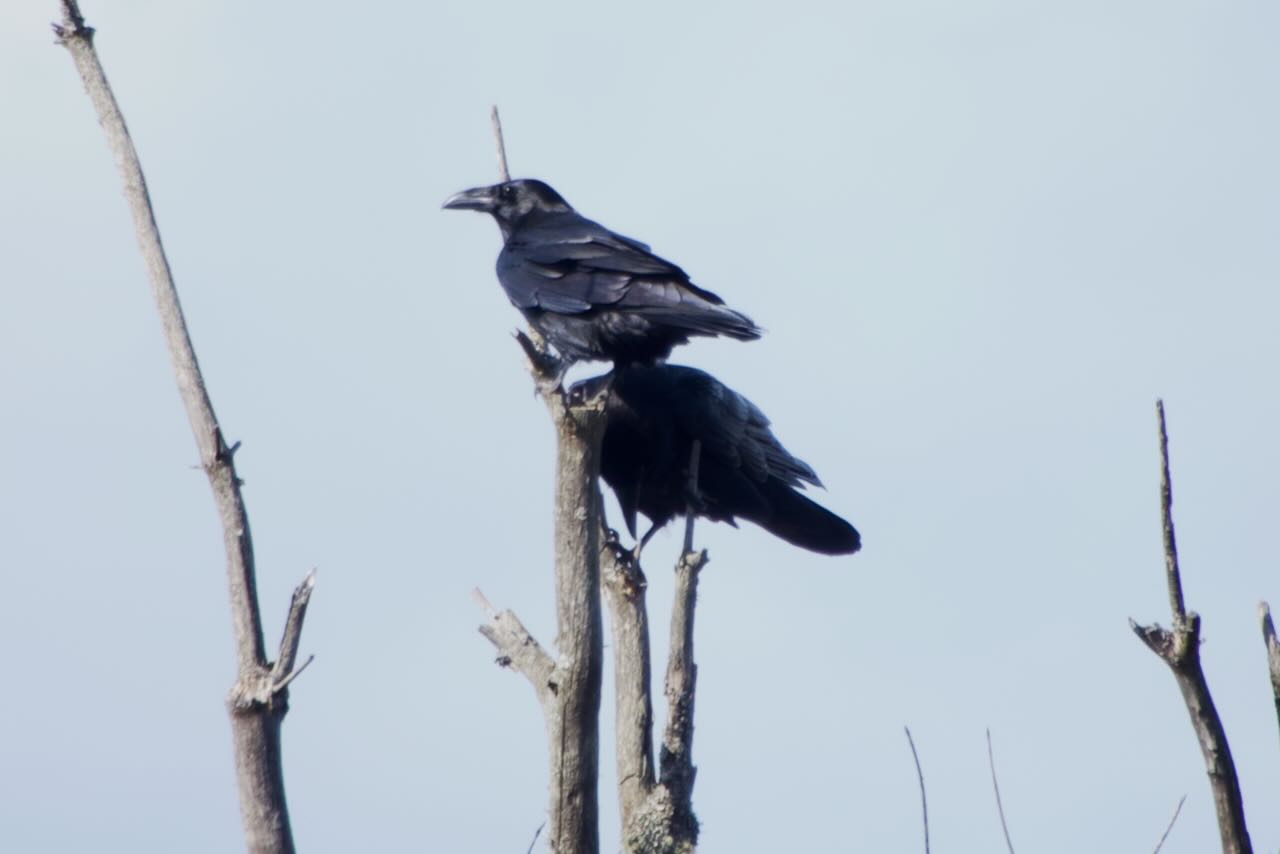
Sunday we finished up the painting, planted garlic for next year and enjoyed an afternoon to catch up on pics and the blog.
Week 42 means we have only 10 weeks left in our year. It seems like such a long time ago that we were starting our year up north to get the Gray-crowned Rosy Finch and now we are almost finished.
Week 42 1 species added 422 ebird 423 my list J&E