Week 38 Newfoundland 2
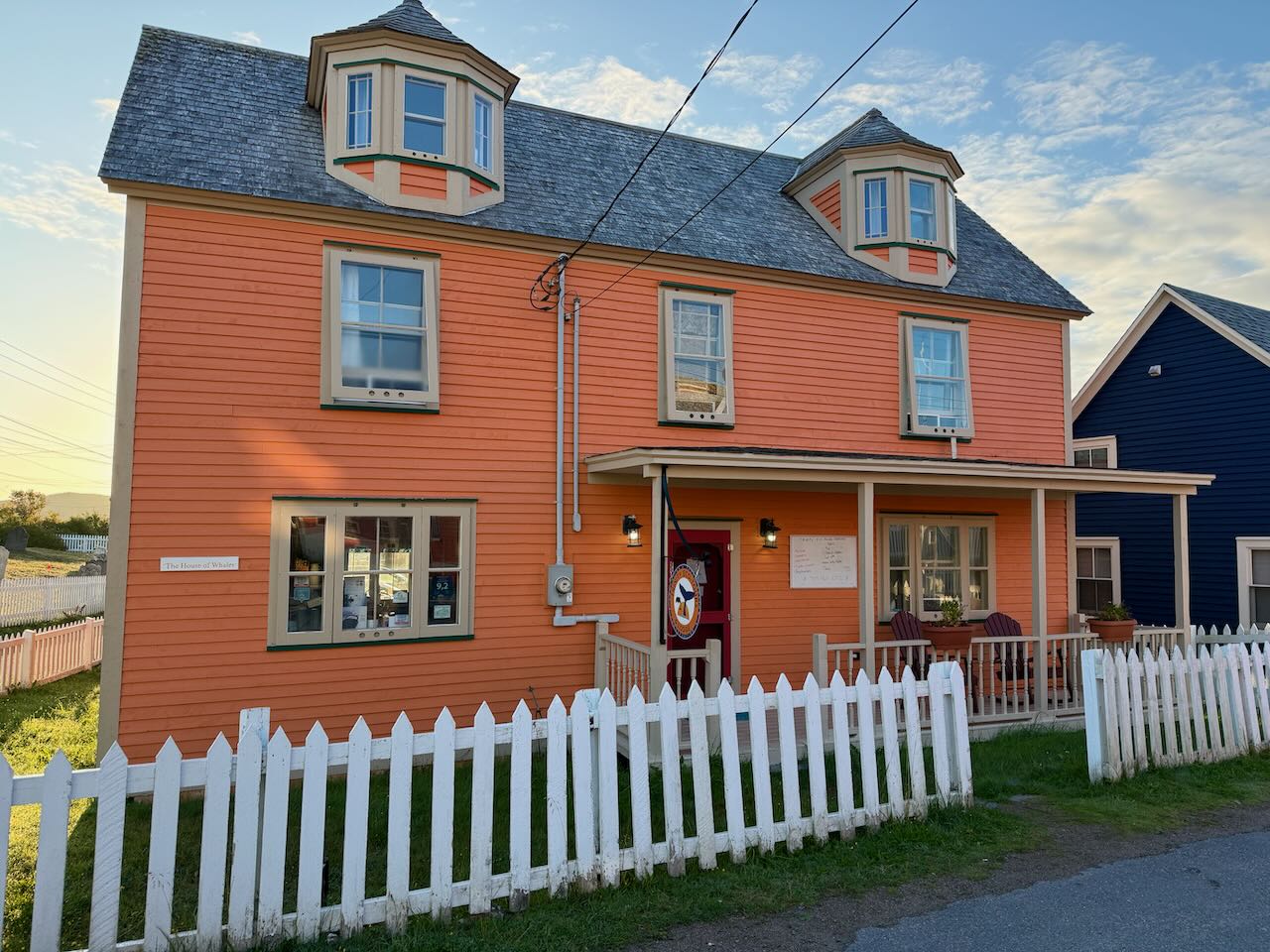
Trinity was lovely and picturesque, we loved grabbing a tea from the lodge and wandering the roads first thing in the morning before breakfast. We even did a bit of birding and had great views of Red Crossbills next to our Guesthouse.




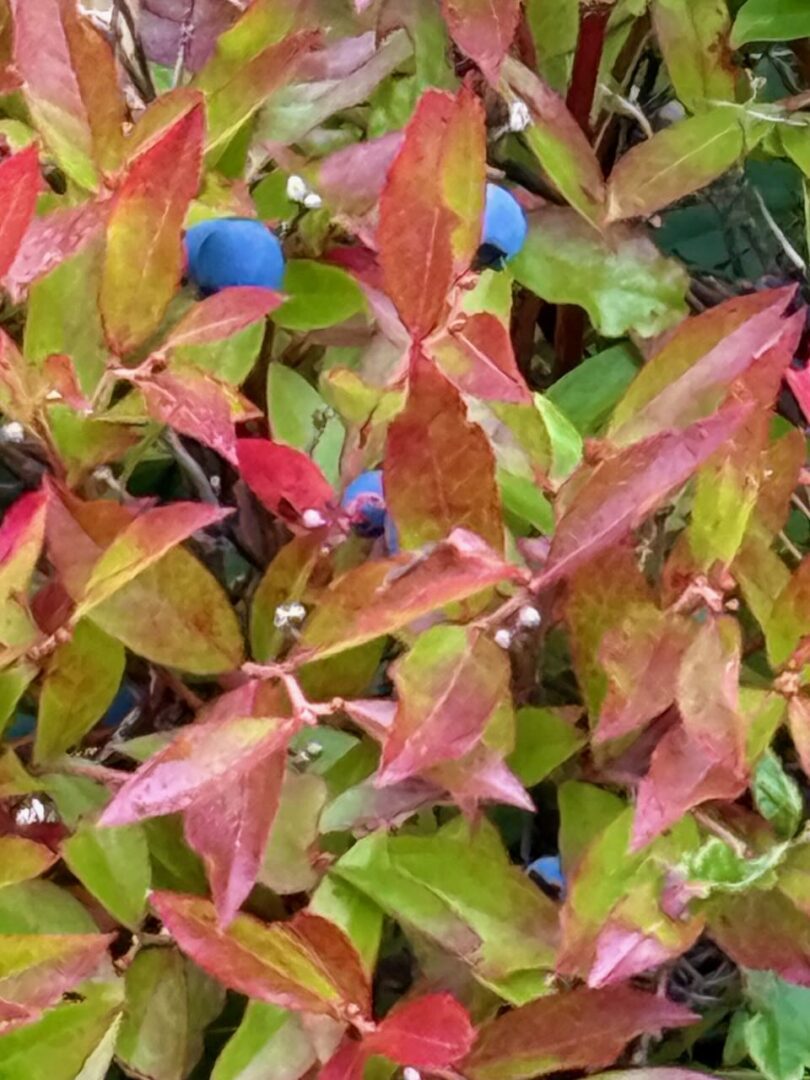
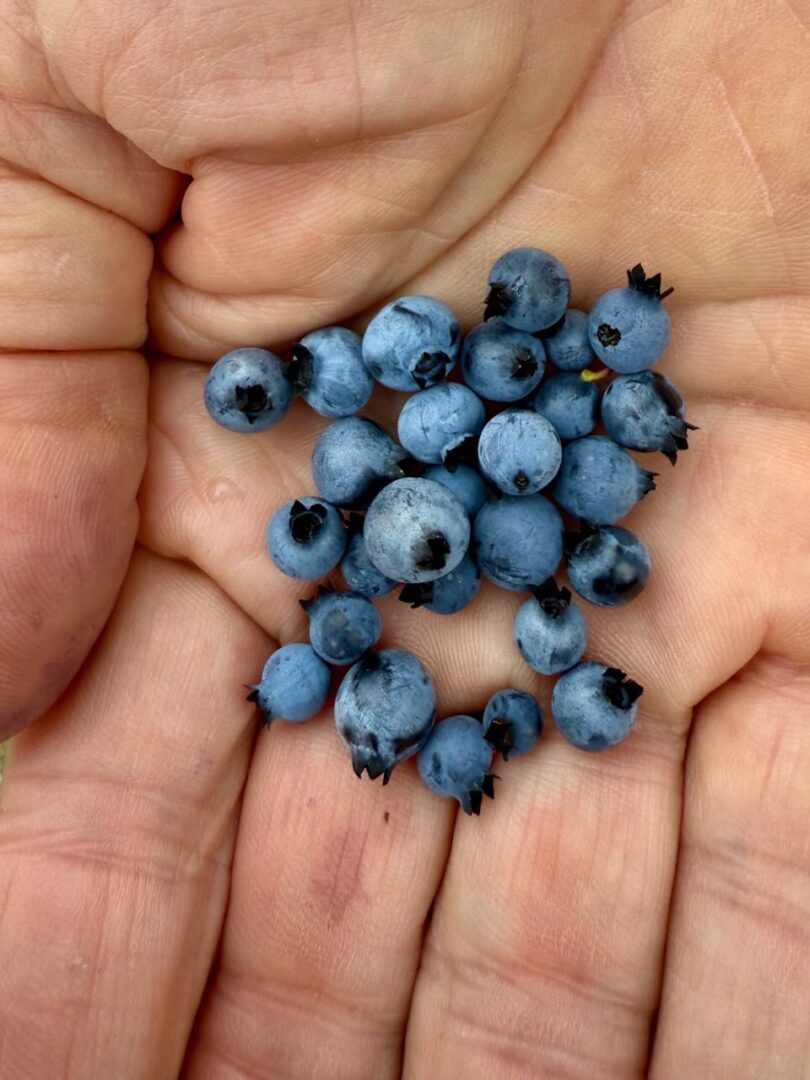
We drove up to Bonavista on Monday intent on doing some sea watching. We stopped at Elliston, the Puffin area, but all the puffins had left as we expected. We will have to visit during nesting season another time. We moved on to Cape Bonavista where the winds were coming in from offshore but it was foggy and rainy. We waited it out for a bit in the car and then got out with the scope for a bit but conditions were not great. We lasted only a short time and decided to move on to a hike along the Klondike Trail. We were cold enough that we pulled out our Canada Goose jackets for the first time this trip and were comfortable walking the windy shoreline. We happen to be here at peak blueberry season and so every hike involves picking wild blueberries for snacks along the way when it is allowed…

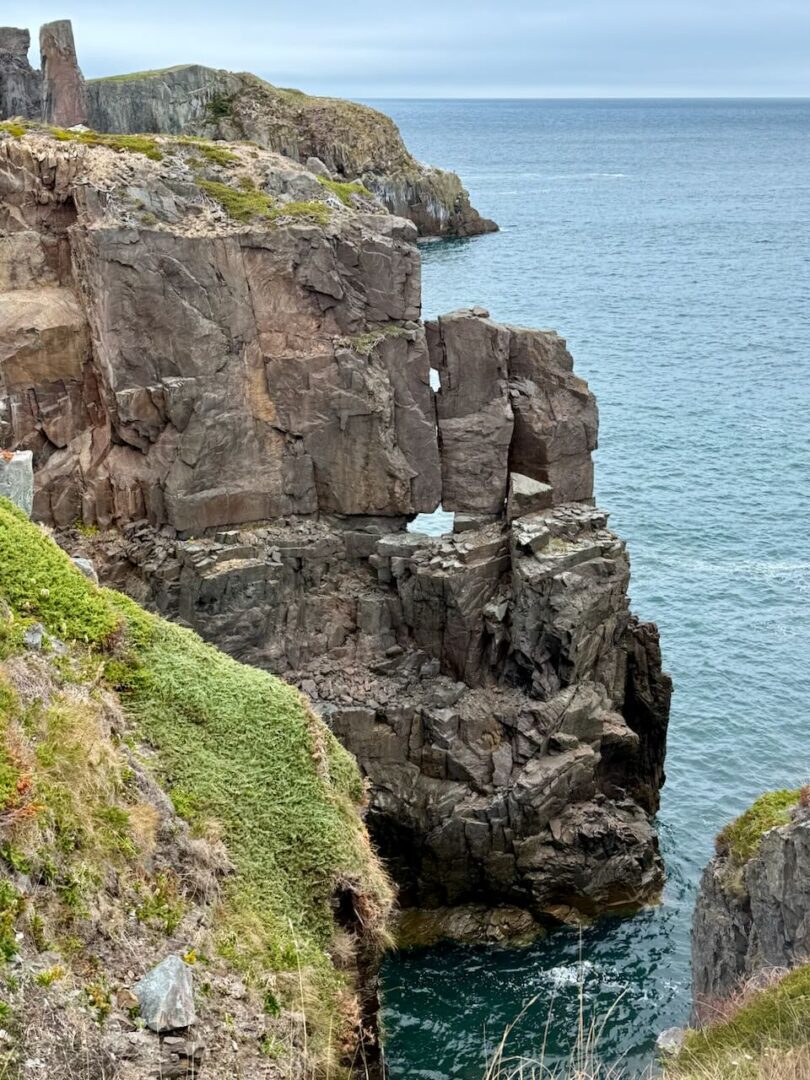

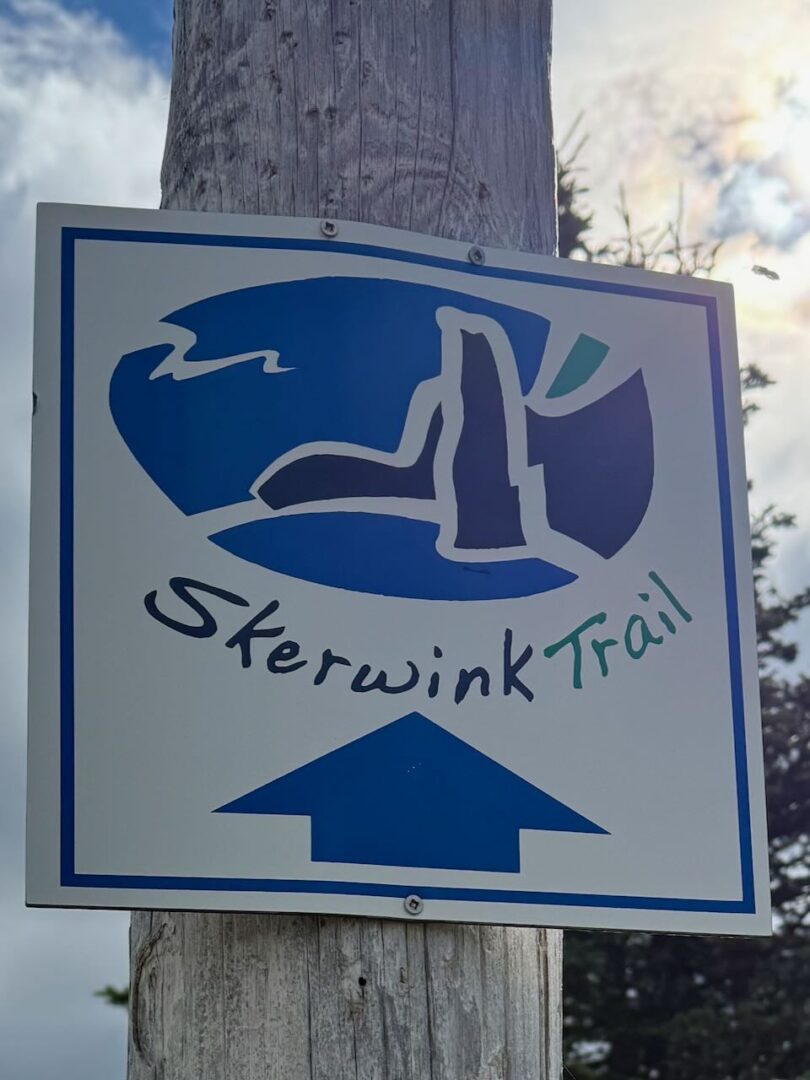
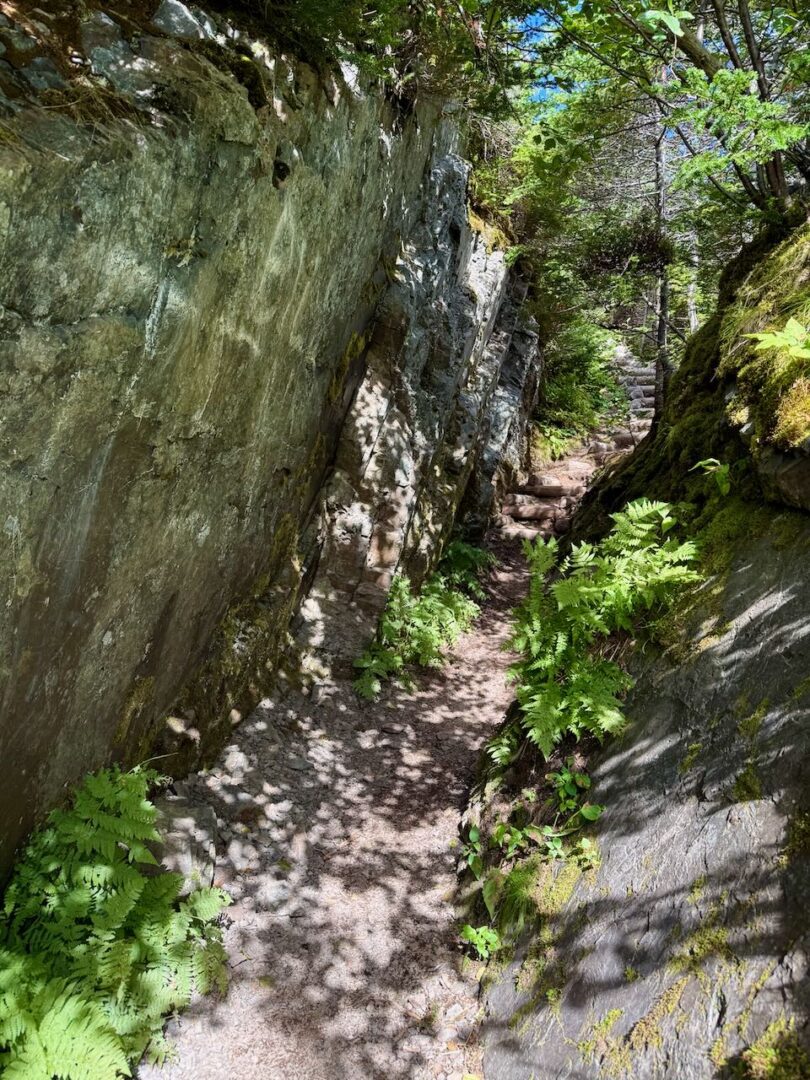
Our friends from NOTL arrived in Trinity and we spent Tuesday with them going on the Skerwink Trail, ranked one of the top 35 trails in North America. The trail is moderately difficult with stunning views. It started to rain for the last few kilometres and we ended up soaked but energized from having completed it. We ended the day having a delicious home-cooked meal courtesy of Julia and Nancy followed by a competitive game of Five Crowns. It has been nice to meet up with friends and family and spend time with them instead of it all being about birding. Jerry foraged some mushrooms, Chippewa Boletes apparently, and cooked them up for the guys to enjoy with their dinner. The wives watched and waited…but they all survived. LOL



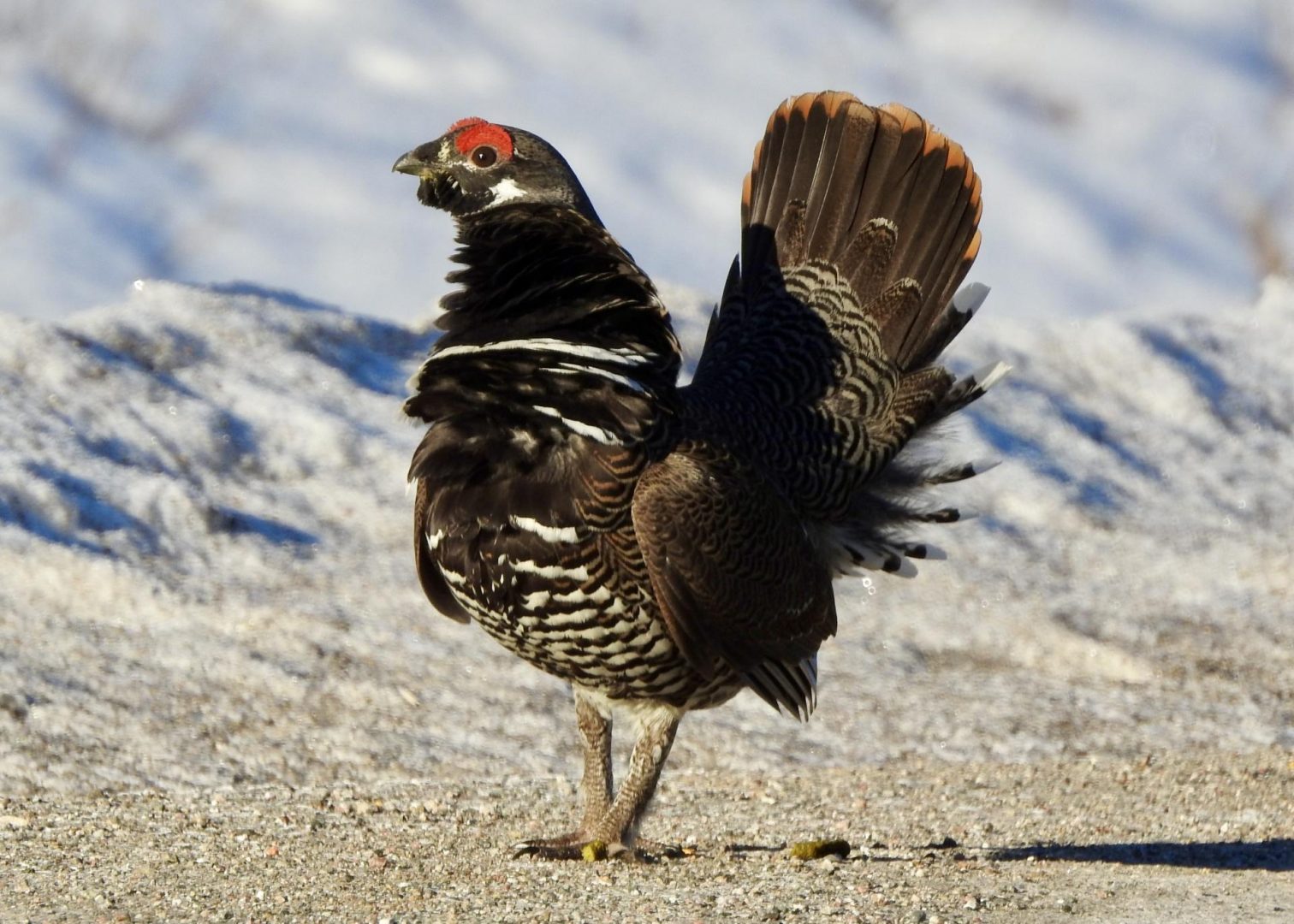
Wednesday we headed to St. Johns but took the long route by driving down to Cape Race and covered many kilometres of road looking for a Willow Ptarmigan. The Willow will be the third and final Ptarmigan found in Canada. I didn’t go for it in the winter because we were involved with Babi stuff and our Quebec trip did not happen. I was pretty confident that we would see Willow in Newfoundland as there are many reports from the Cape Race area. Of course, once you start driving and seeing the vastness of the potential area you realize the huge task ahead. The White-tailed Ptarmigan took 5 hours at the summit of Whistlers and the Rock was found easy but required the 17km hike over 9 hours. We spent 4-5 hours driving the roads very slowly, stopping to scan and scan and nothing.

We consoled ourselves by having the “best” Cod and chips we have had on the Island at Chafe’s Landing Restaurant in Petty Harbour just outside St. John’s. The fish was thick and sweet with a tasty light batter. Yum!

Thankfully, Alvan came through with some information of a Willow Ptarmigan family that seemed to be hanging around the St. Mary’s Ecological Reserve, specifically Bird Rock so we made plans to go there Thursday. We arrived at the Reserve at 8:30 and spoke with Chris at the Interpretive Center, watched a short documentary about the Northern Gannets that nest there and then headed out. Our focus was the Willow Ptarmigan but there were 9,000 Northern Gannets still on the nesting grounds! It was a Birding Spectacle! Which is the next thing I want to concentrate on after this Canada Year. We walked the trail looking for the Willow but saw nothing. Once we got to “Bird Rock” as it is known, we had to spend some time with the Gannets. I won’t add too many pictures because I will do a separate blog in January of this incredible “spectacle”.


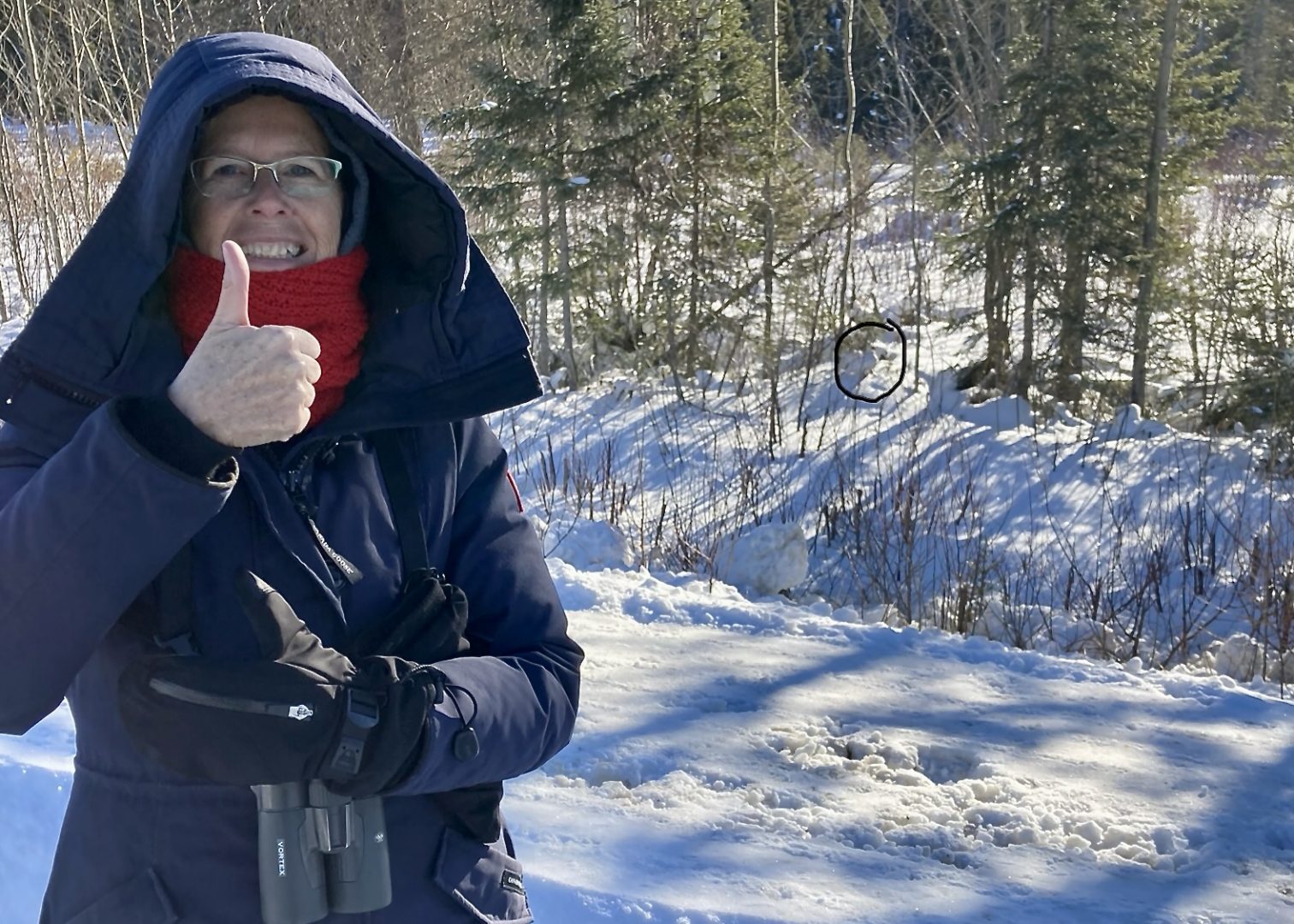
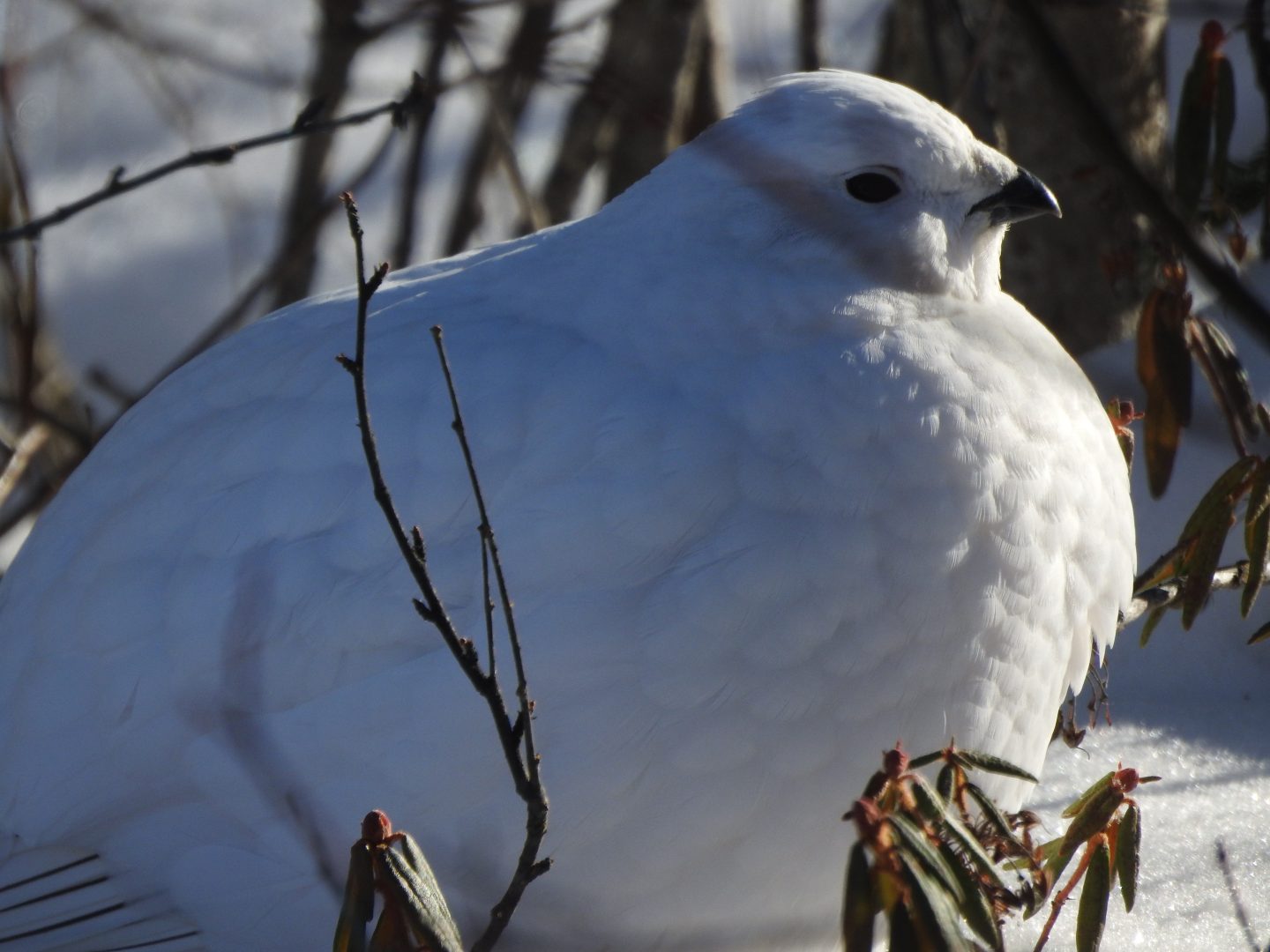
We walked the trail back still scanning and got some snacks and my scope and headed back again along the trail. Scoped and scoped and still no Willow. We visited the Gannets again while we were out there and then sadly headed back to the car. By this time it was noon and I decided that we should give up. I knew I could most likely get one in December in Quebec and we had other things we wanted to see. The forecast was for heavy rain on Friday so we were trying to see as much as we could before that. I hate to give up but Chris had told us the birds had not been seen that morning, when they usually were seen. We got in the car, drove out of the parking lot and I looked along the side of the road and there were the Ptarmigans out on a rock quite a distance from the road but only 200 feet from the parking! Jerry thought I was talking about some American Golden Plovers which also happened to be close to the road at the same spot and was not understanding me when I said “pull over, its our bird”. When we both got out of the car he could then see the distant birds. We got the scope out and confirmed what we already knew – our Willow Ptarmigan!!! I went back to the Center to let Chris know I had seen them and to ask permission to walk in a bit to get better pics. Apparently, a couple from Quebec had just come in to tell him about the birds and while figuring it out with google translate I came back to say we had found them. Total of about 10 hrs over two days to find the third Ptarmigan species.


Birding is all about timing!! We now have seen the TRIFECTA of Ptarmigans in Canada!!


After the high of finding the Ptarmigan we headed to a few places around St. Johns first to try for Leach’s Storm Petrel at Kelligrews Pond and Outflow. We found a beautiful Black-headed Gull with the red feet and bill so that was really nice to see. We had some nice close views of shorebirds but nothing out in the water. It is only seabirds left on our list to see here but rarities can be on the shore too.


We then headed to Burton’s Pond, 5 minutes from our hotel where a Pink-footed Goose has been spending its time for the last year. We got our Lifer Goose back in April in pouring rain with dismal looks through a scope to the back of a field. We had to stop by and see up close and personal what a Pink-footed Goose actually looks like and take some pics and video of course.

Next we headed to our hotel, the Holiday Inn, and the pond right behind the hotel has been hosting 2 Tufted Ducks so we stopped in and Jerry got some pics of the ducks as they dove around for food. We saw a Tufted Duck in Toronto waaaay back on January 5.

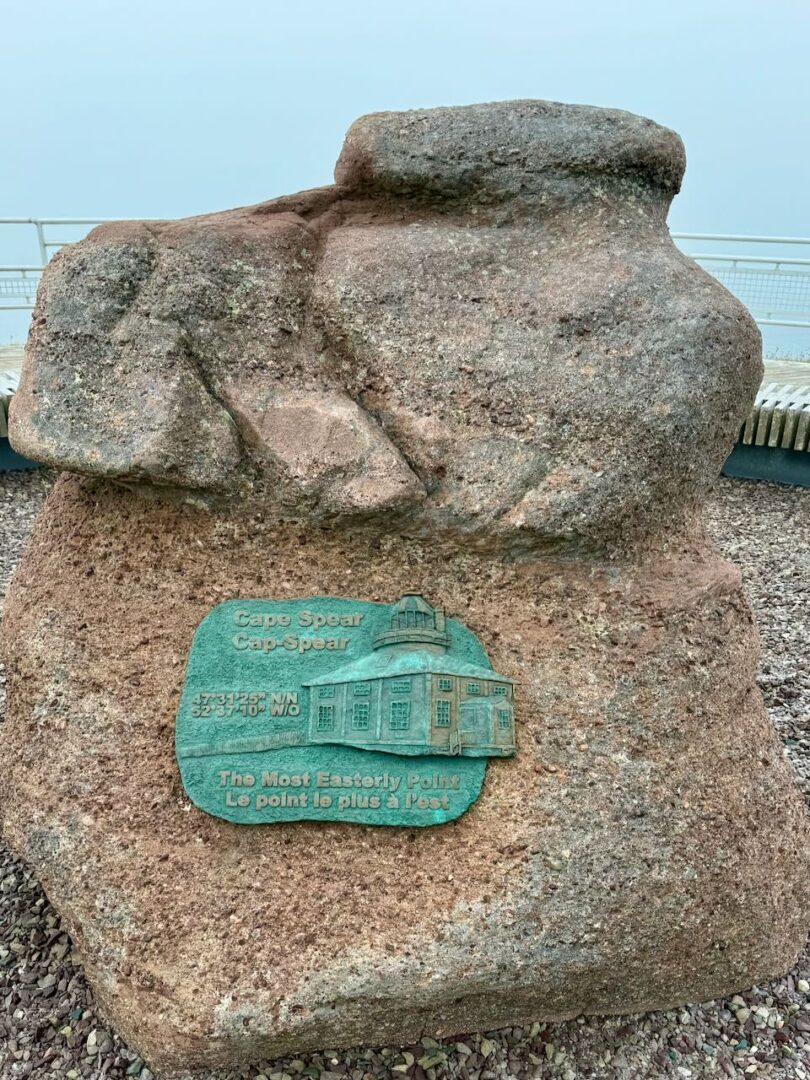
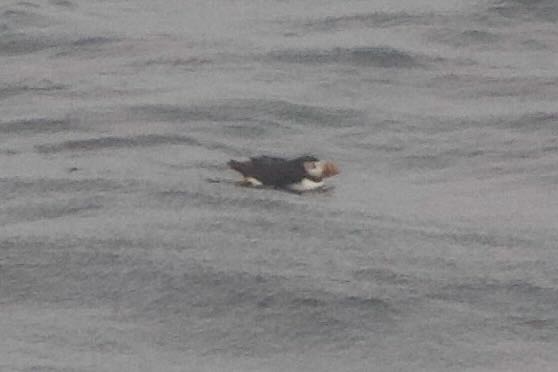
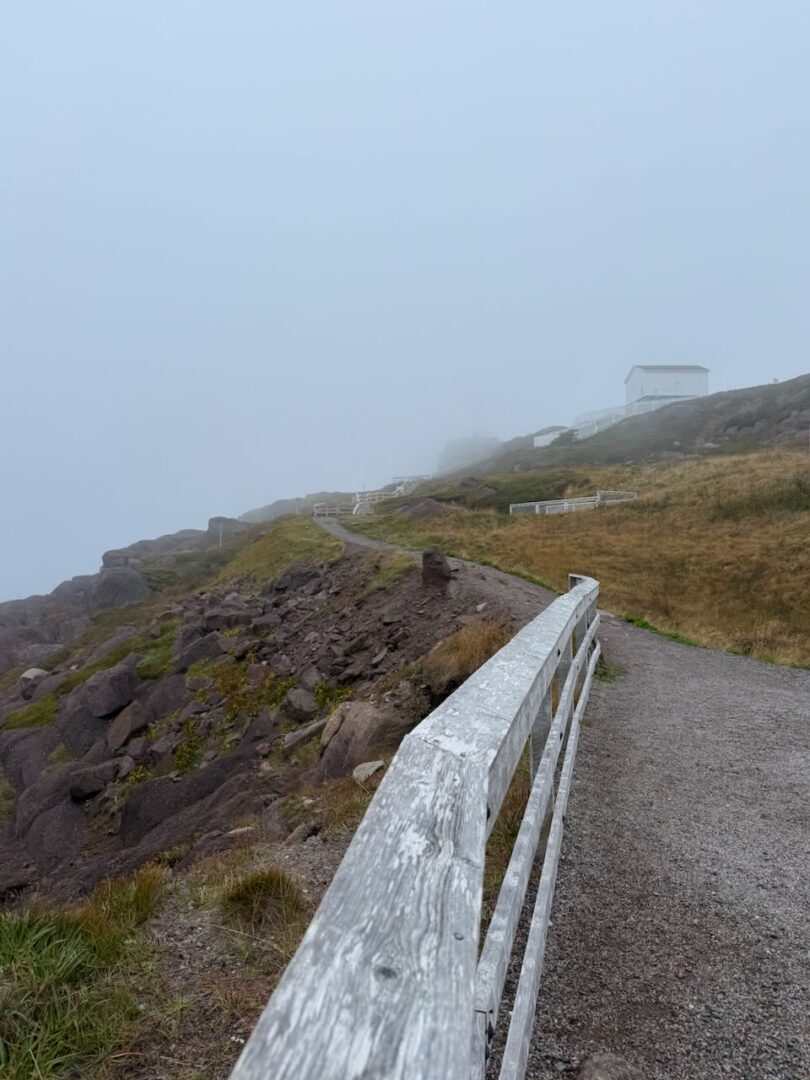
Friday the forecast was for rain most of the day but we headed to Cape Spear for a sea watch in the morning. It was clear in town but Cape Spear was in the fog. We could still see the coast line so we got out and found a spot near the point with less wind and as we stood there the fog moved out a way making it easier to see birds flying past. Just like lake watches, sea watches are usually about hours of watching and seconds of excitement. I found a Puffin on the water fairly close in with the orange on its bill still prominent.
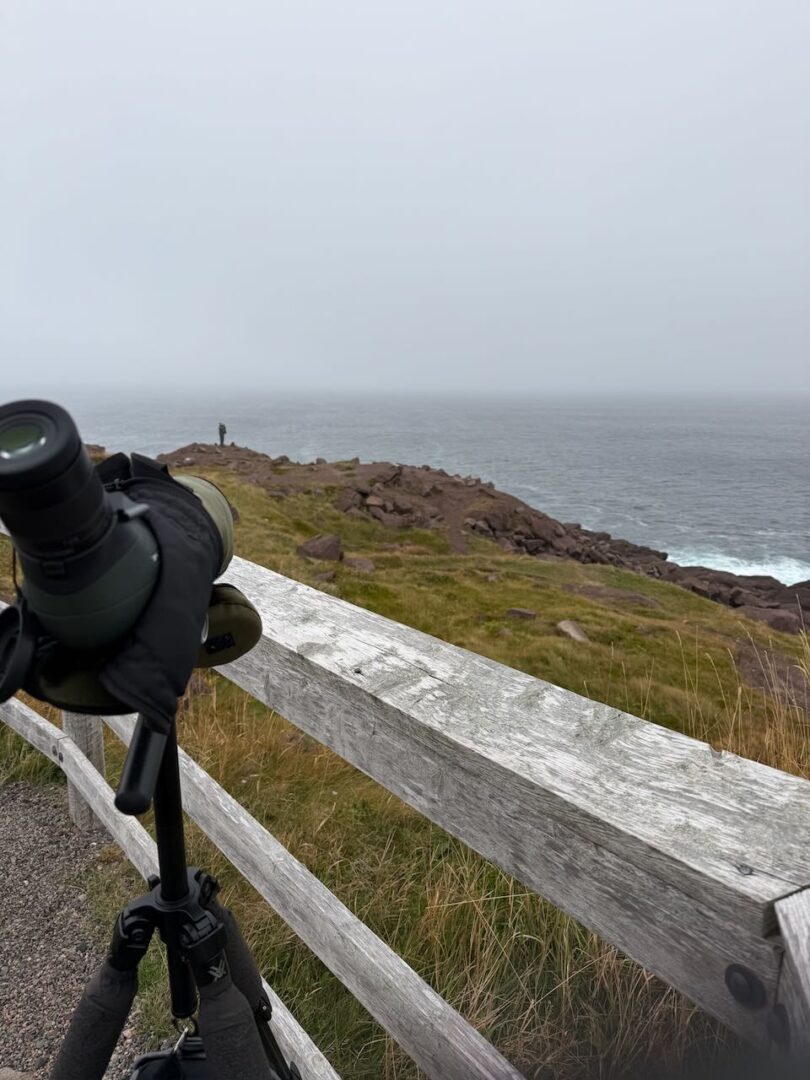
Shortly after as I was scoping across the water I saw 4 all dark small birds and knew it was the Leach’s Storm-petrels we were hoping for. I tried giving Jerry directions. Just above the water, 4 dark birds, long wings, smaller, moving right, a gull just flew left past them. It is not easy to help someone to find a bird when there is just water as a reference. He didn’t manage to get on them before they disappeared into the fog. We hoped others would show up. That was a lifer and while not a satisfying look, I will happily take it at this point. You will have to google Leach’s Storm-petrel to see what they look like. Northern Gannets flew past, Great Black-backed Gulls, some momentary excitement over a Common Murre and then finally Jerry got on 2 smaller dark birds with the distinct flight of Storm-petrels and he could add them too. Shortly after the fog started to come back in making it very difficult to see much, we waited a bit, but decided to pack it in.
We did a bit of sightseeing around St. Johns, touring the downtown, going up to Signal Hill, Quidi Vidi and then back over to Kelligrews Pond for a bit before the rain started.


Back in Victoria I took the picture of Mile 0 of the Trans Canada Highway, nice right? And I intended to do the same in Newfoundland.

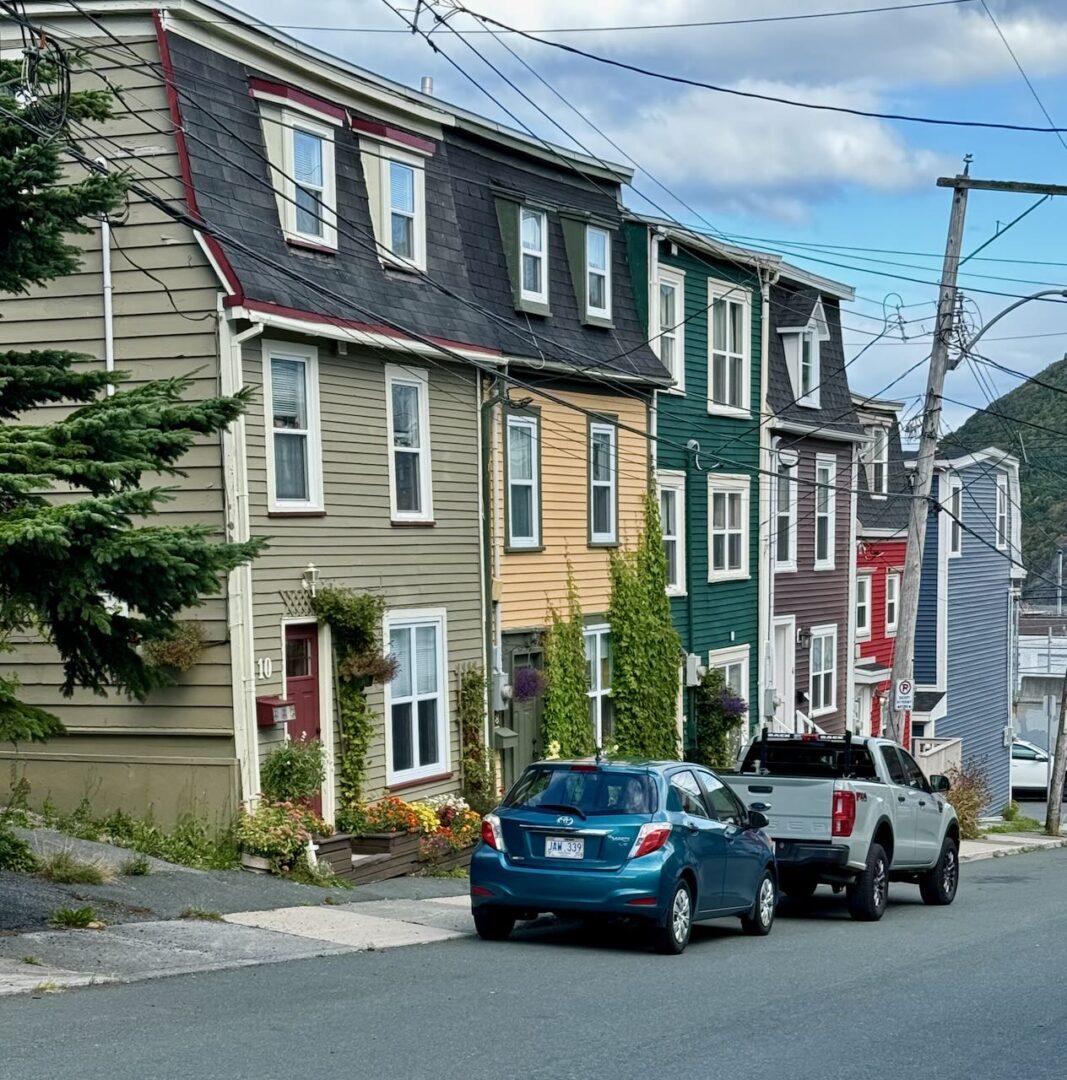
I looked it up on the map and google directed me to the end or start of the Trans Canada. This is what the start of the Trans Canada in Newfoundland looks like:
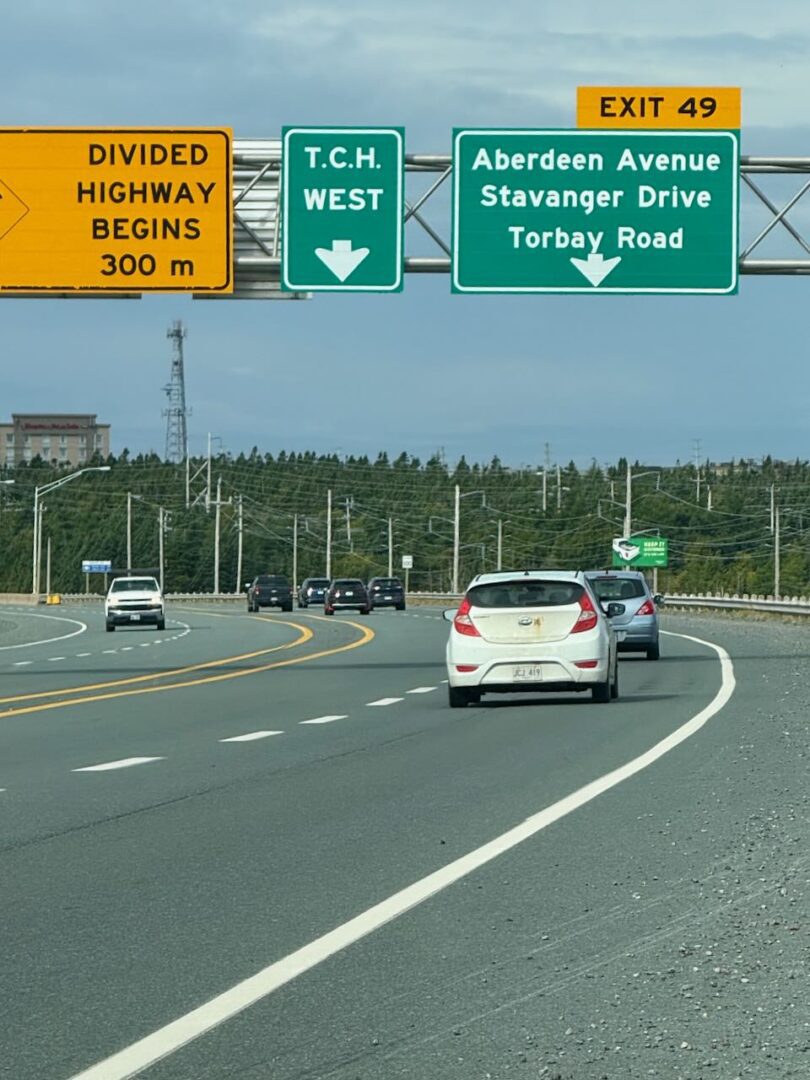
I did some research and found out that the highway used to end or start in downtown St. Johns and was then diverted outside the city. The Trans Canada is known as the road with two beginnings and no end as both “ends” are known as mile 0. What? Apparently no one wanted to be the “end” of the road. There is still a historical zero marker near the hockey centre, so Google told me. Friday we had dinner at the Gingergrass Thai and Vietnamese Restaurant. Sidenote: the food was delicious and I forgot to take pictures. After we walked downtown to find the Mile Marker. We had to ask a local parking lot attendant and finally found this:


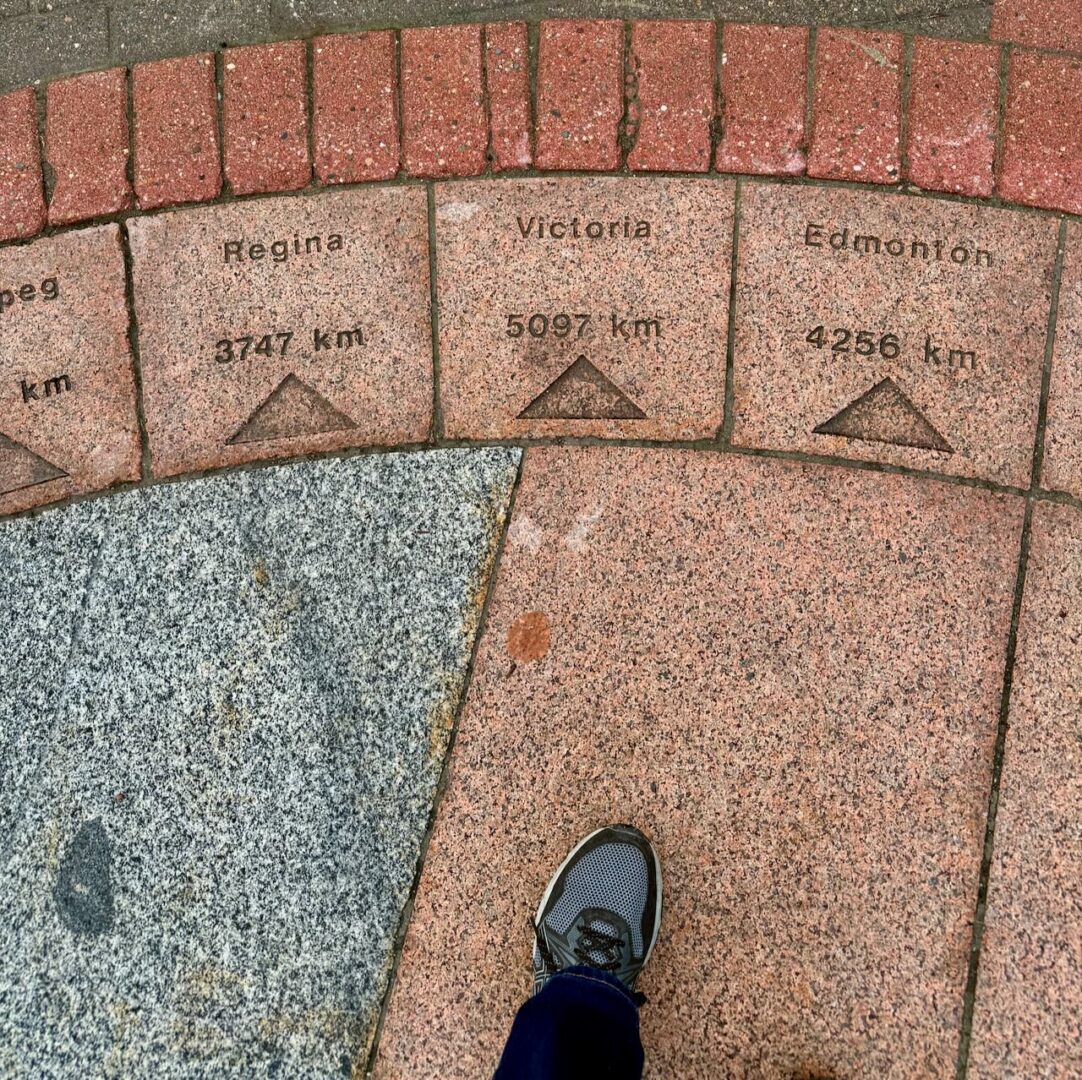
Not really what I was looking for and the distance on the TCH between St. John’s and Victoria is about 7,821 kms soooo this will have to suffice to say that we have travelled from one end of Canada to the other, sometimes on the TCH and I have stood at both ends of Canada this year. When we got back to the hotel we made the bookings for ferries and hotels for the drive home.
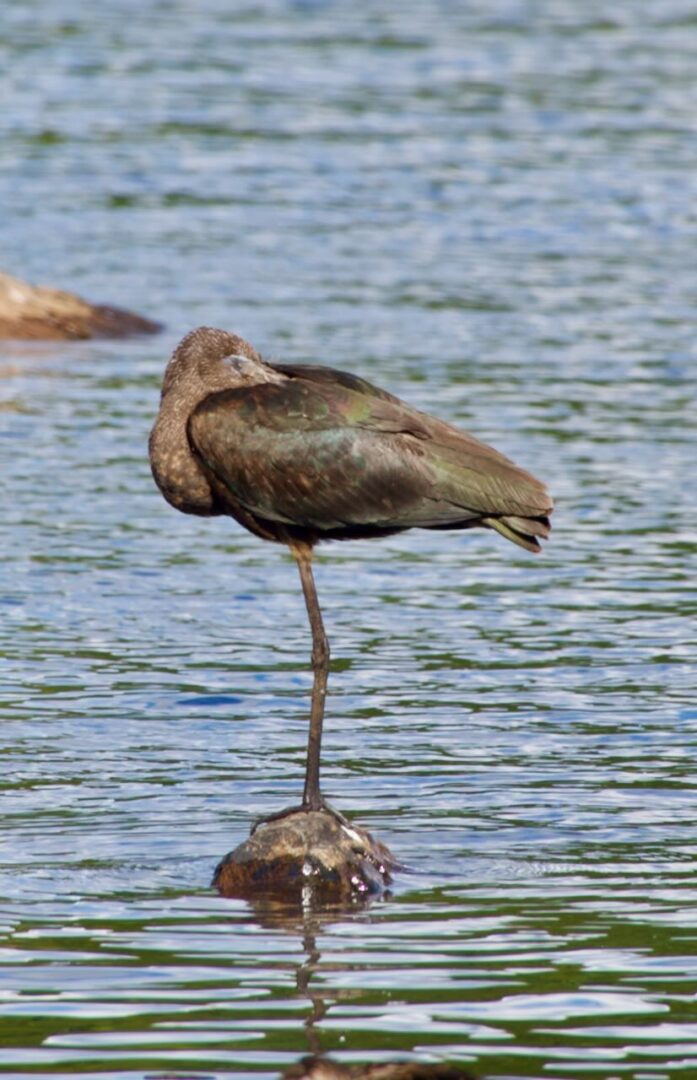
Saturday was our last day in St. John’s and we headed down to St. Michaels on the very off-chance that a Northern Fulmar was late leaving a nesting area on an island offshore. It was a lovely drive and we met a lovely local man who let us into his back yard to scope over to the island but all the Fulmars had departed. We then toured back north and stopped in Witless Bay where another offshore bird colony houses Leach’s Storm-petrels. We hiked a trail along the coast and scoped over to the island but sun and distance made it difficult. I saw some Leach’s along the cliff but Jerry could not get any pictures at that distance. We stopped for another rarity, Glossy ibis, that we already have on our list but thought Jerry might get better pictures.

We then headed up to Cape Spear to see it in the sun and walked around the area and scoped a bit but nothing interesting turned up. What a difference between the foggy day and the sunny day.

We headed back into St.John’s for an early Mexican meal at Casa Amigos and toasted to the ending of our East Trip with a delicious margarita. We are both ready to go home, life on the road gets tiring.

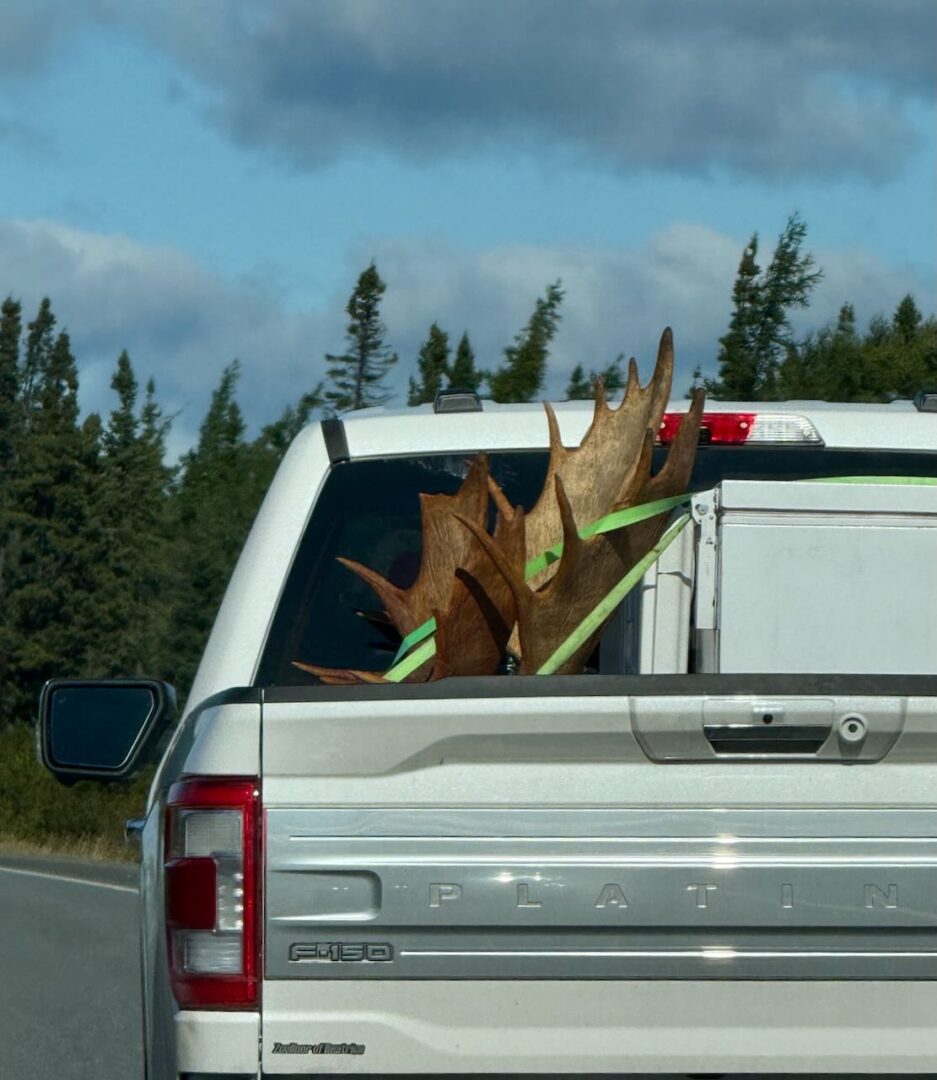
Sunday we drove the 9 hours from St. John’s back to Port aux Basques so we can take the ferry on Monday. The drive was lovely, with blue sky, little traffic and the tunes cranked in the car as we both kept an eye out for a moose. Despite there being a large population of moose we have not seen one. There are around 150,000 moose on the island and there are around 27,000 licenses given out each year to hunt. The hunt started last weekend so perhaps that is why we have not seen any. We did see one truck with the haul from what we assumed was a successful hunt. Most of the local families we spoke to depend on the moose hunt to feed their families.
Tomorrow is the 7 hour ferry back to the mainland and we hope we might see a pelagic species we need on the ferry across. There is still potential for more birds on the way home.
Week 38 2 new species added ebird #418, my list #419 E&J