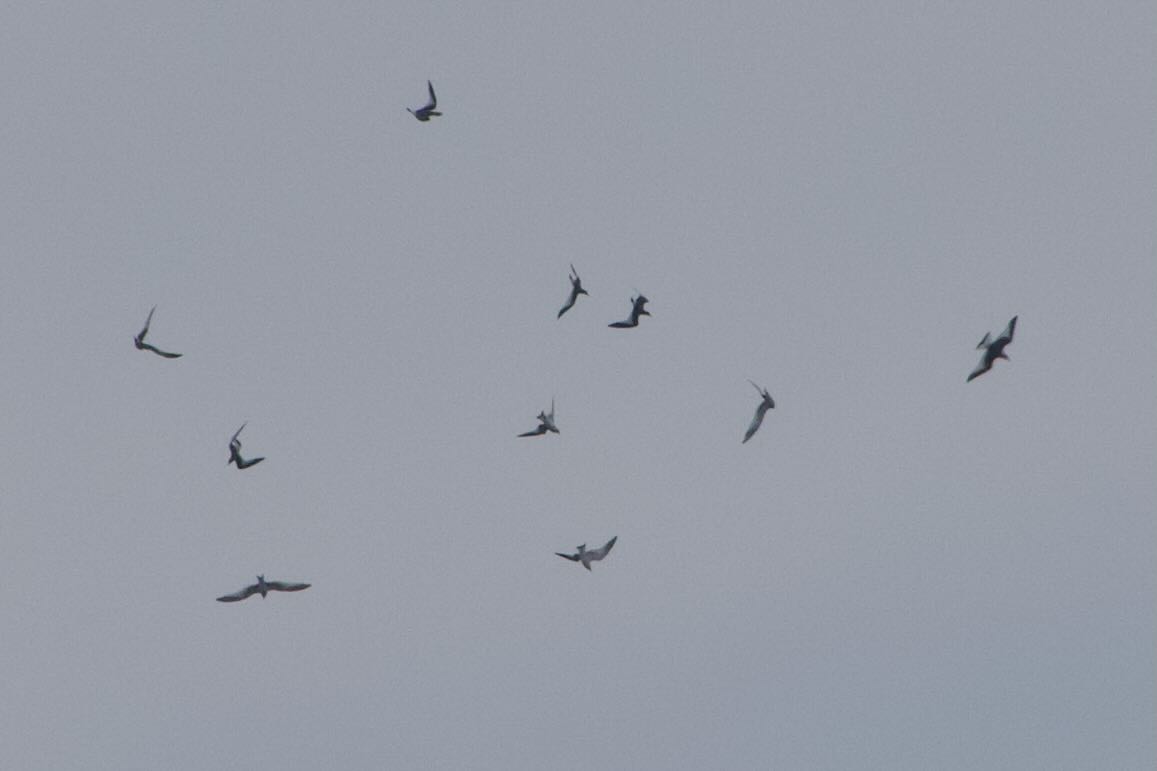
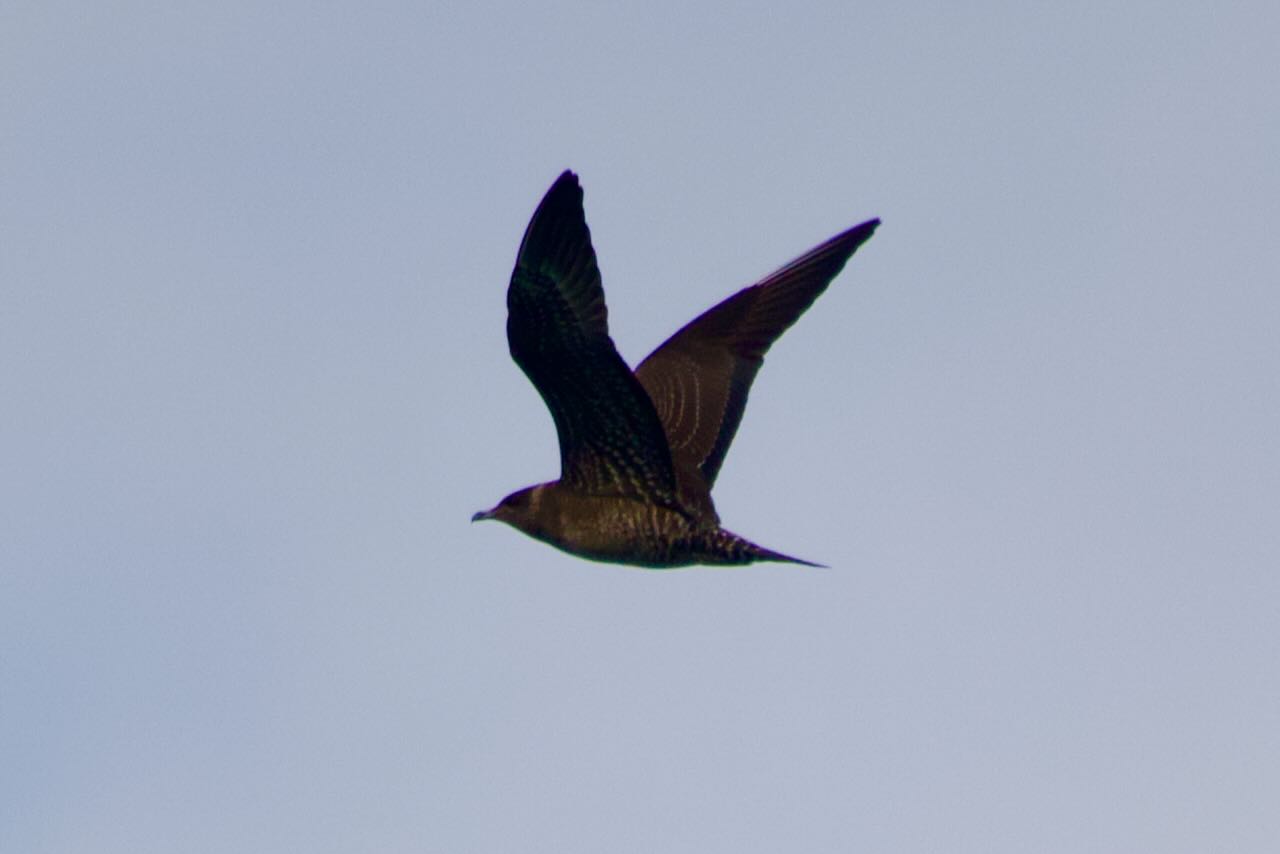
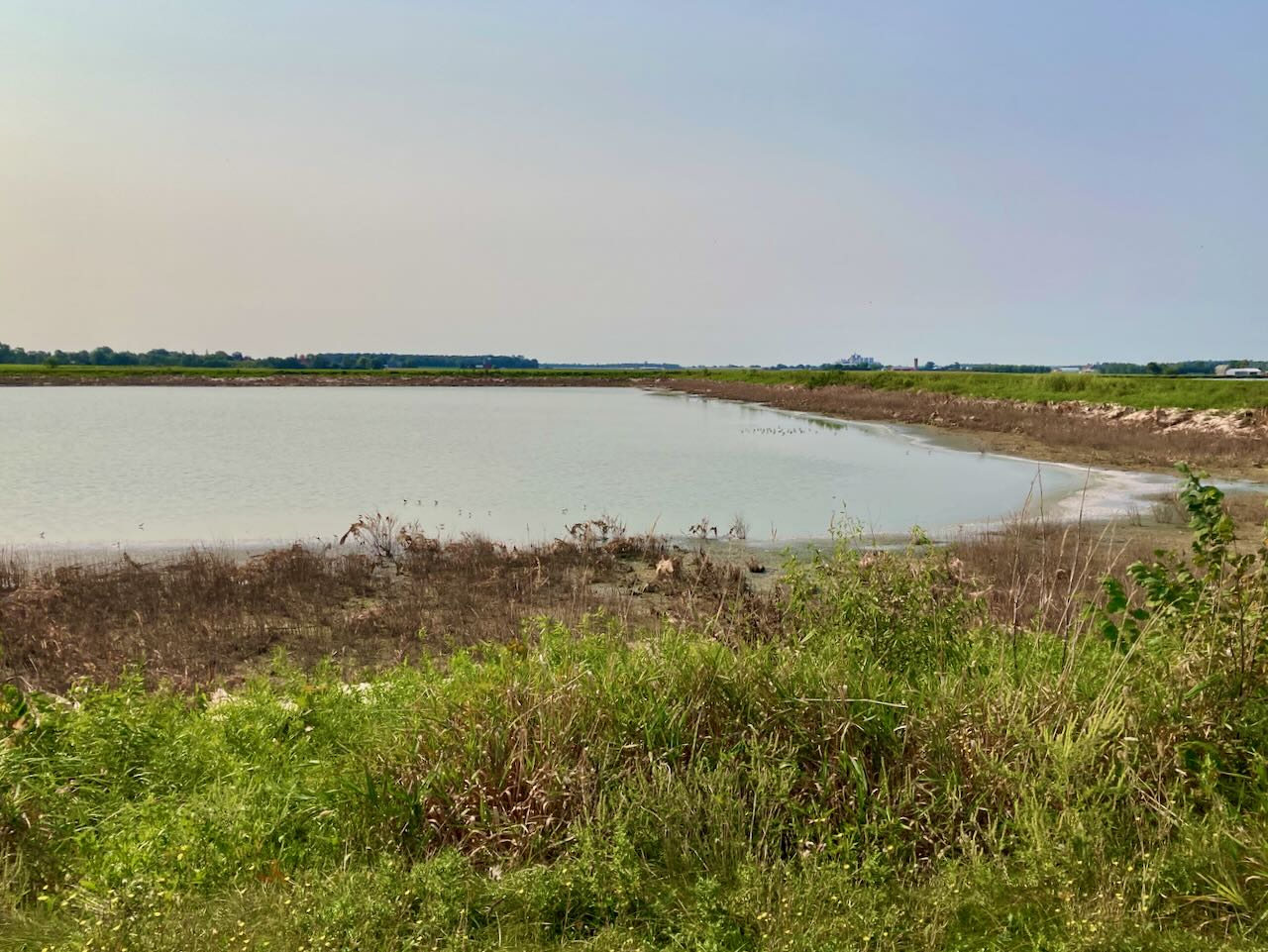
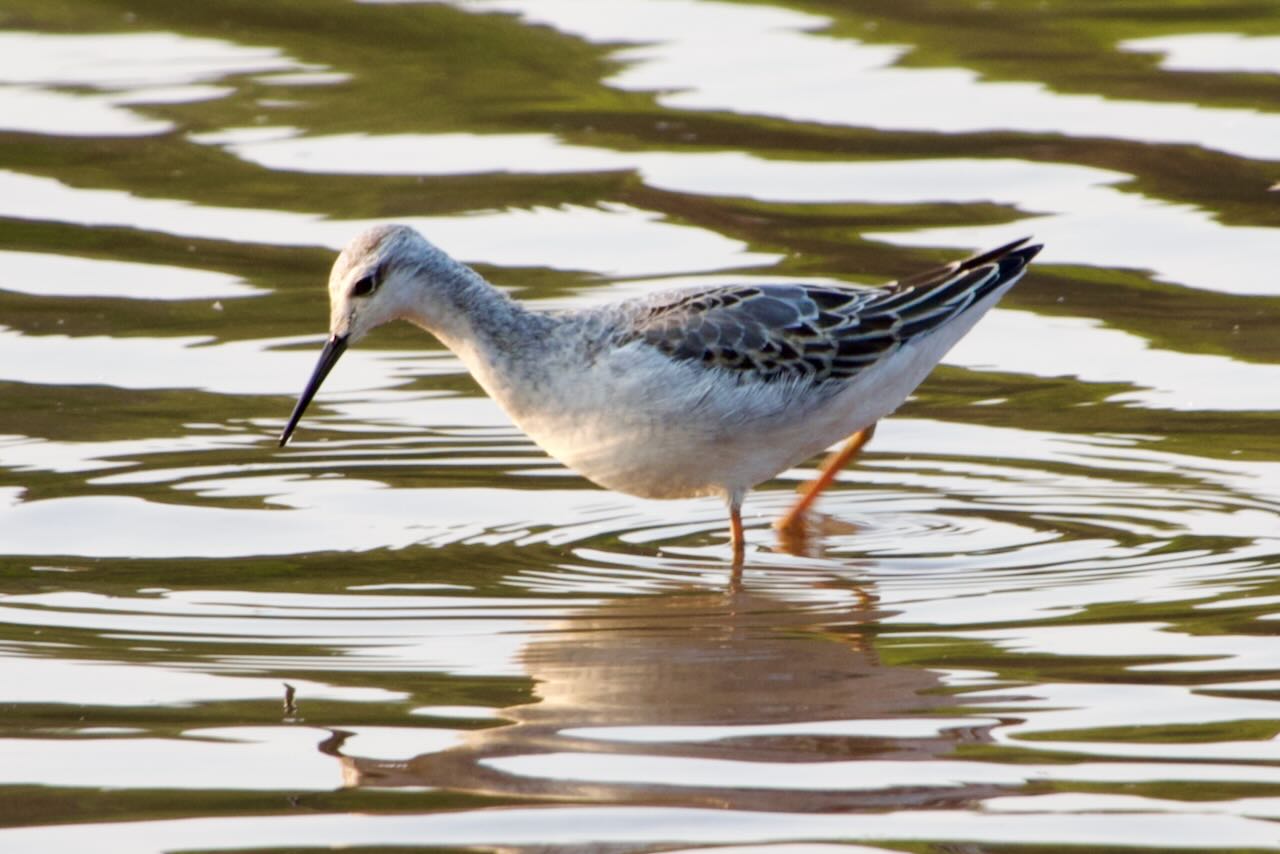
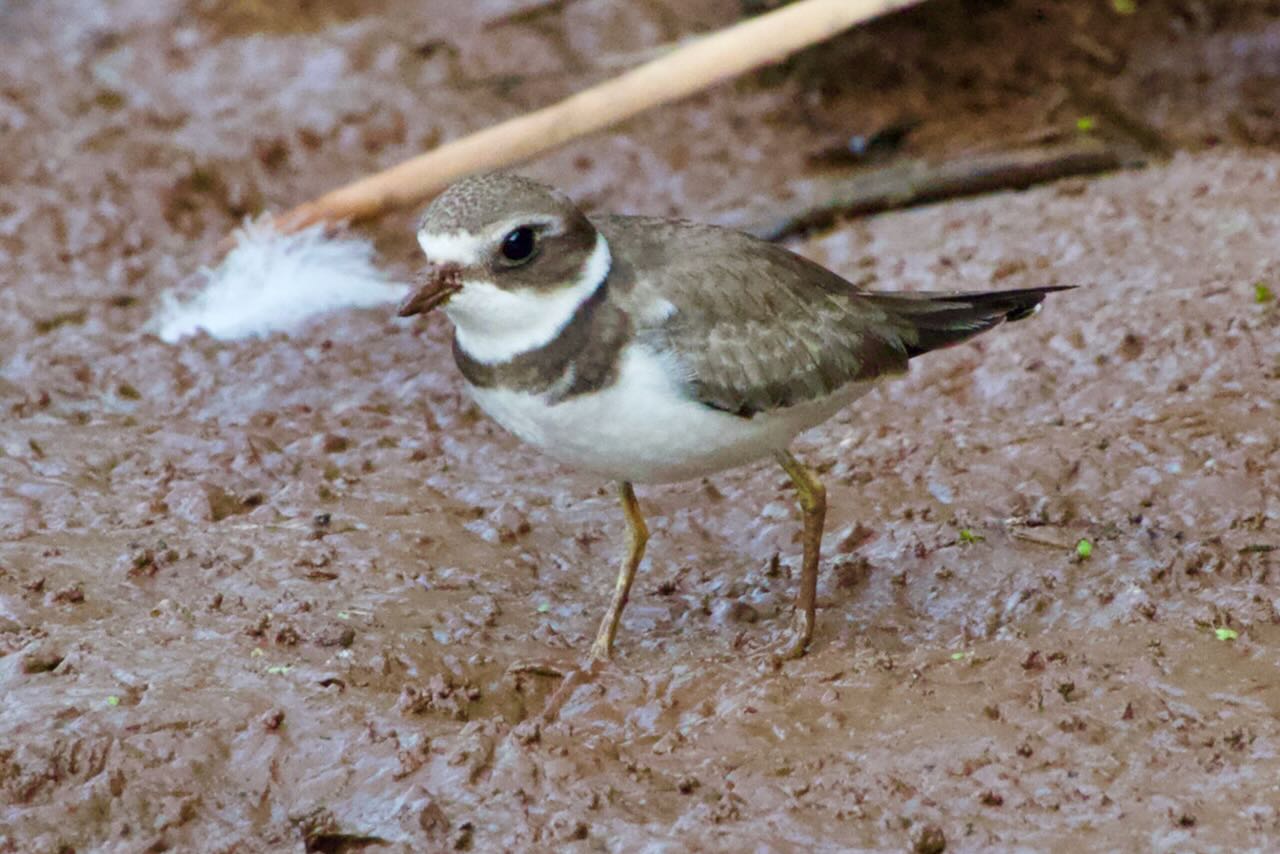
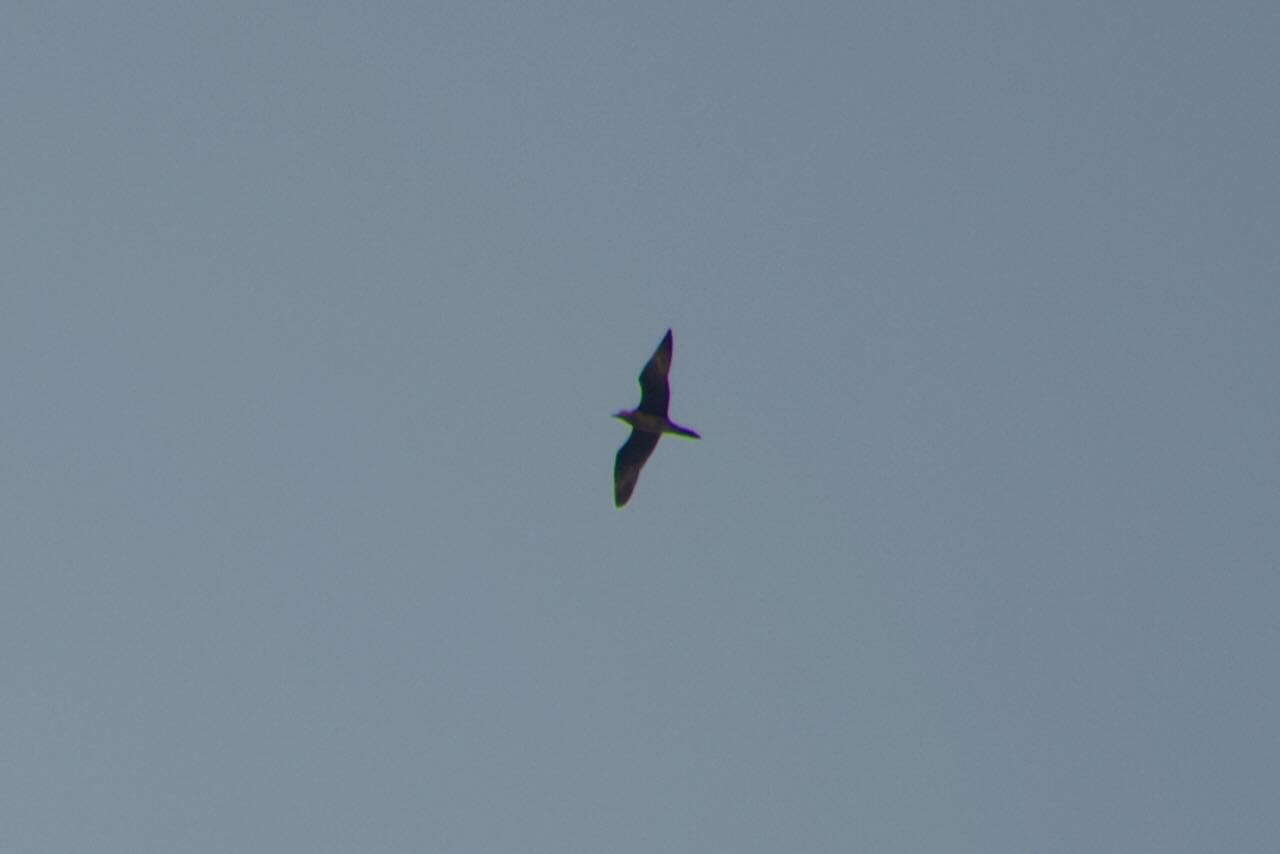
Monday we birded a few local areas around Hamilton where Nelson Sparrows are usually found around this time but there were no little orange-faced sparrows hopping about. We knew we were likely early but we are also excited to add another bird to our list so checking these places does not hurt. In the afternoon we did a lake watch as the winds were right and strong but alas nothing much happened. We had views of one Parasitic Jaeger but nothing else.
Mid week was caregiving and more caregiving and household chores that we have ignored for months.
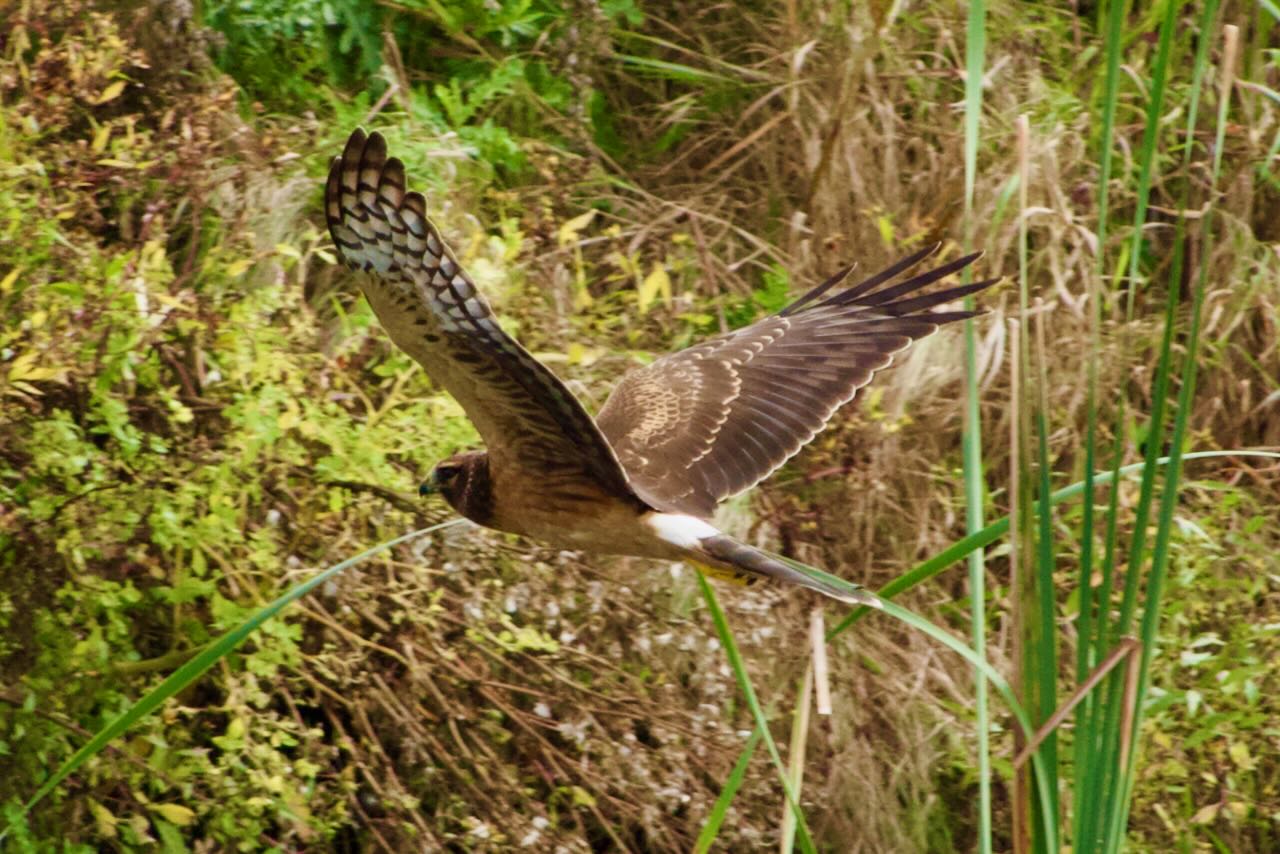
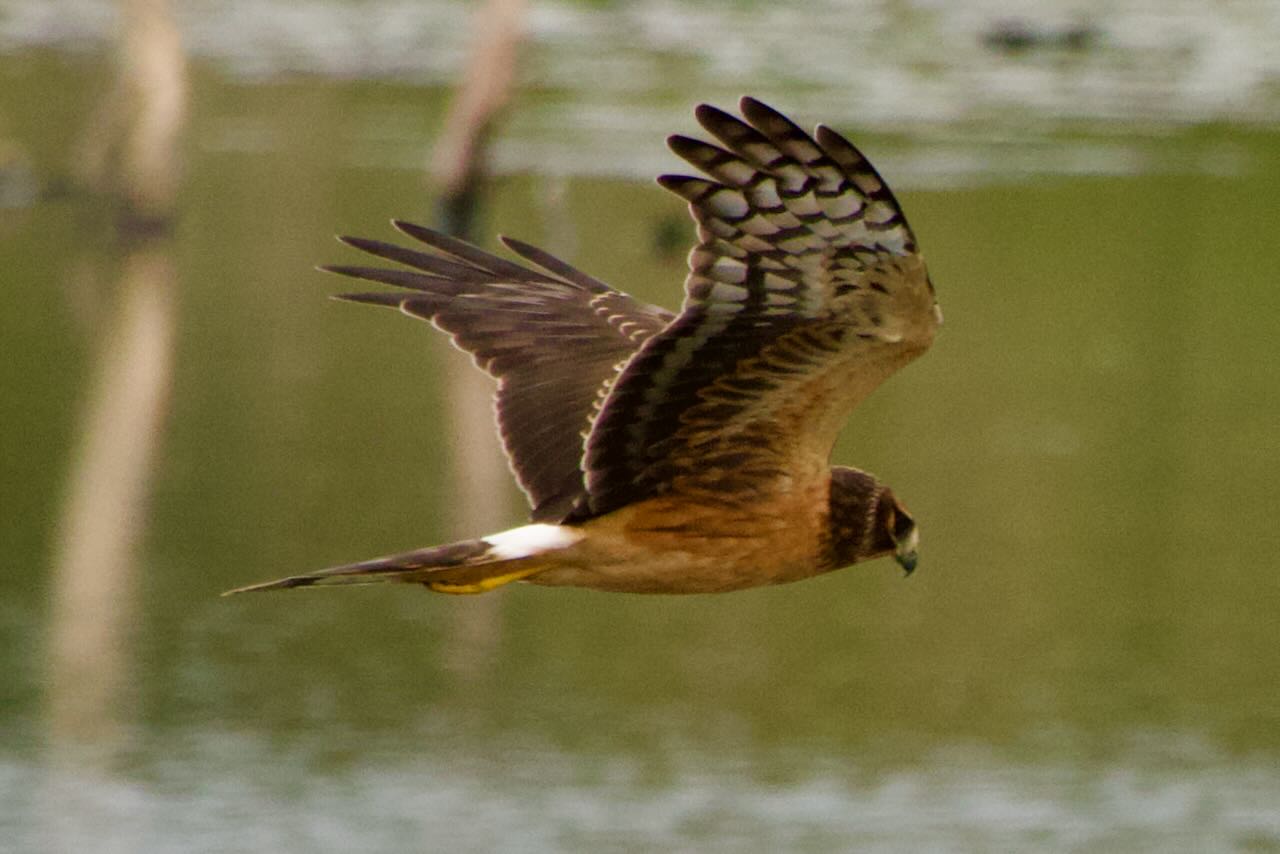
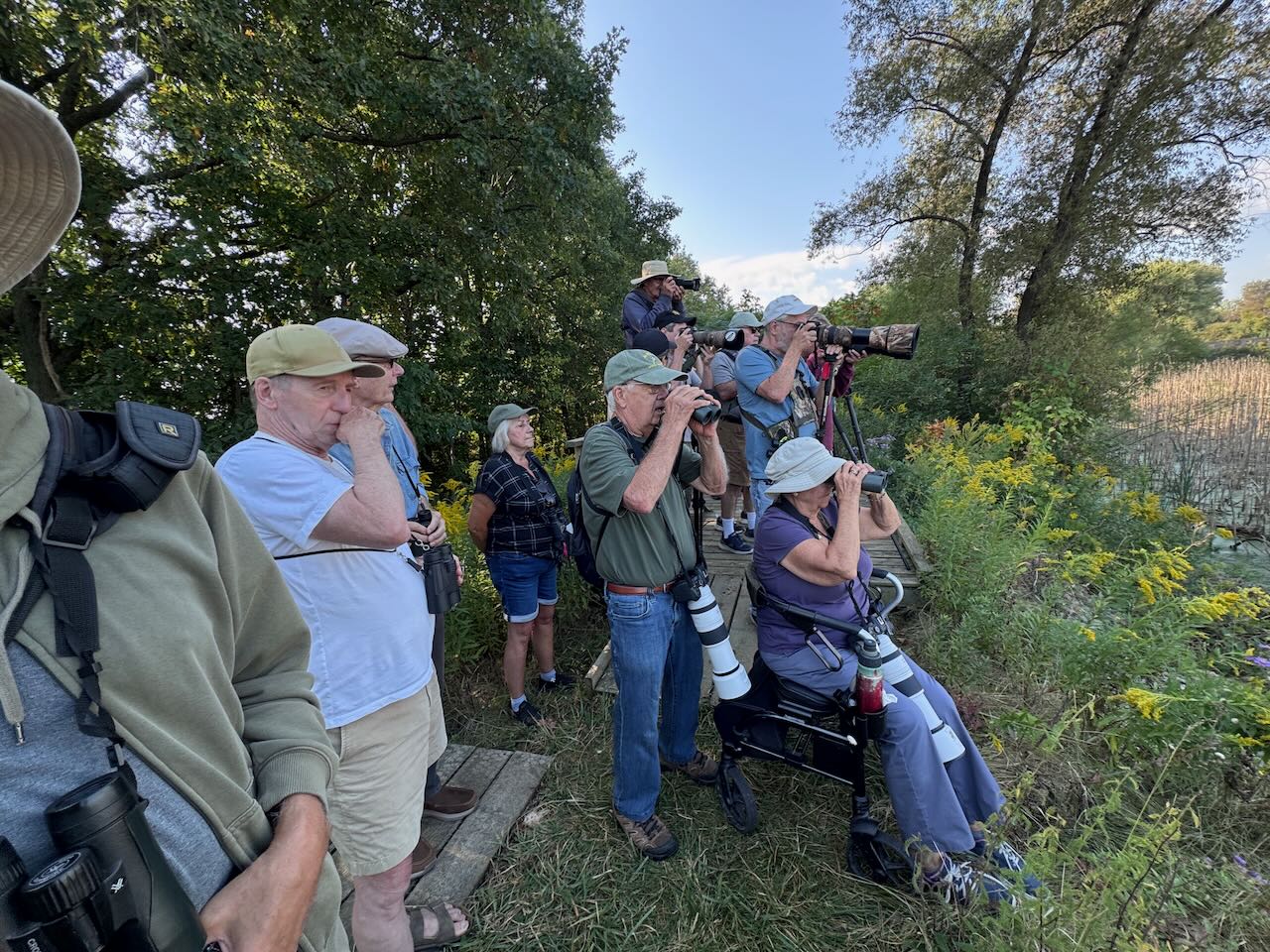
Friday we headed to Keith McLean Conservation Area near Rondeau PP because Nelson Sparrows were finally reported the day before. This is a traditional area for them and it is where I expected to get one this year. We stood around the meadow area for 4 hours hoping to catch a jump up or fly through but again, nothing. Nelson Sparrows are a very skulky bird and so they take patience and time to see one and even more patience to get a picture. It was not helpful that an active Northern Harrier was hunting through the marsh every 15 minutes or so and I am sure was a big reason that we did not see one. The Harrier went right over my head at one point so we got nice photos and video as a consolation prize. This was our 5th attempt to catch up with this species at 5 different spots.
Northern HarrierNorthern Harrier
Saturday Jude found a Nelson’s at the spot we had checked on Monday but we had a full day of watching grandkids, caregiving and dinner with friends so we would try Sunday morning.
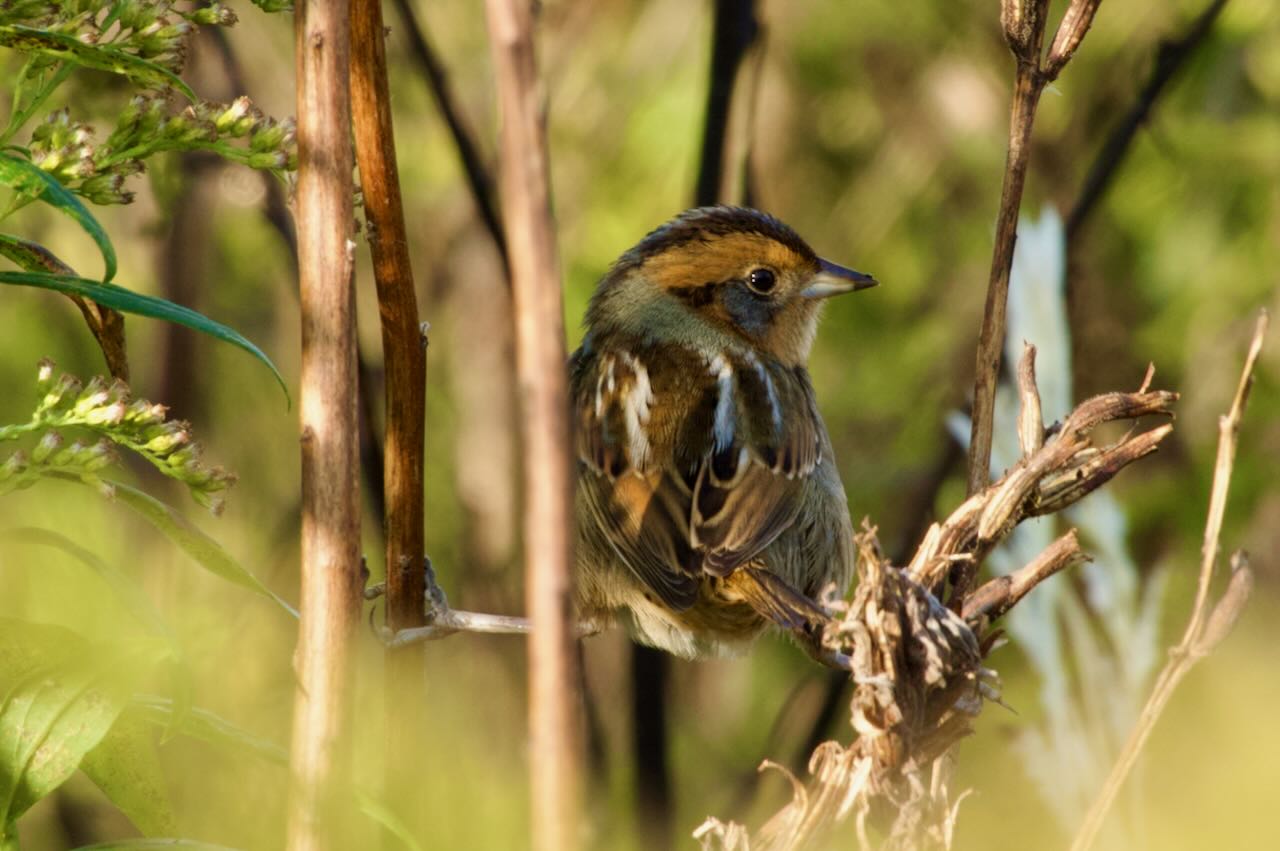
Sunday morning we were at the spot Jude had it the day before at 8:25 and we stood and waited, looking, tried a bit of phishing but nothing was moving. We moved a bit up the trail and Jerry spotted a sparrow, as we got bins on it he said Swamp but the sun hit it just at that moment and we both could see the orange on the face! It was the Nelson’s, a very pretty sparrow, that quickly flew back into the reeds. Jerry was a bit upset he had not taken a pic of the bird instead of using bins. We had talked about that being our strategy but we were also a bit frazzled and stressed as we were getting calls from his Mom while we stood there. She was confused and in the middle of a delusion and so I walked away to try and calm her leaving Jerry to try for a picture. He got a great picture with gorgeous detail doing the splits holding on to grass stalks. Another birder showed up, saw the bird but was trying to get a picture too. We ended up seeing the bird many times as it flew back and forth close to the trail and left shortly after to head to his Mom’s. Bird #324.
Nelson’s Sparrow
Only 12 weeks left in the year and there are only 3 expected species left – Brant, Black-legged Kittiwake and Purple Sandpiper. With 362 birds seen in Ontario this year, including those three, I am really hoping for more rarities to show up. I will chase some “expected rarities” by continuing lake and hawk watches and hope we can get lucky at some point. We are still in first place in Ontario with the closest birder at 314, 10 birds behind us. We have seen 89.5% of the birds reported this year and have just crossed 40,000Kms driven and 1,000km walked while birding so far.
Monday the forecast winds look good for a lake watch in Sarnia on Lake Huron so I think we will be heading there to see what that will bring and get a checklist in one more County.
The forecast changed overnight and the winds looked good again for Lake Watching so we headed to Hamilton Monday afternoon and spent 5 hours scoping and chatting with other birders. The winds were quite strong so I was hoping for something good but it was fairly quiet with just a couple of Parasitic Jaegers coming in for a close look at the shore and a Sabine’s Gull later.
Tuesday there was a report of an Ibis up in Cambridge so we went up to see it on the off chance it would be identified as a Glossy and add it to our Hamilton Study Area list. Many of the Ibis’s seen in the fall are juvenile birds and it is very difficult to ID them to either Glossy or White-faced. Pictures were looked at carefully and it was determined to be a Glossy Ibis. That was a bird we chased way back in the spring and drove 4.5 hours to see and now here is one 30 minutes away from our house. But it is a far easier ID in the spring.
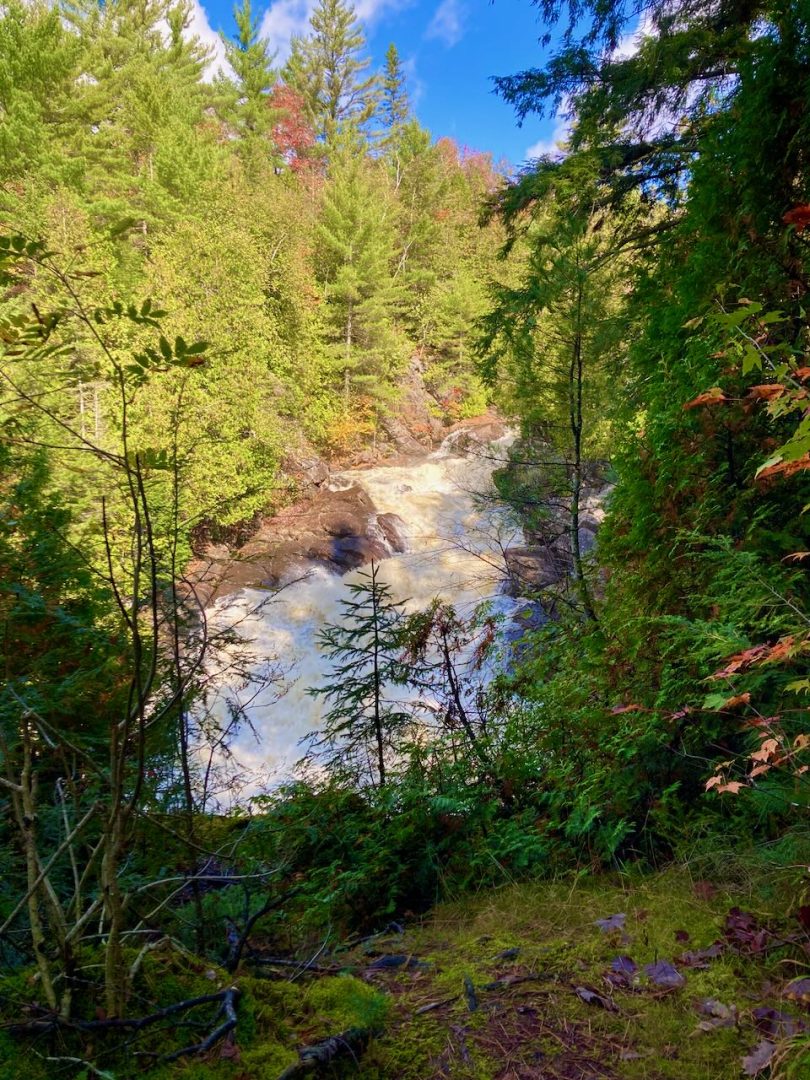
Thursday we headed up to the northern Ontario Field Ornithologists Conference instead of attending the southern one in Leamington. We left early knowing that we wanted to bird along the way. I also wanted to get checklists in 2 of the remaining Counties so we were taking a detour to do that as well. A report came in that a Kirkland’s warbler was found in Oakville and of course we were 2 hours into our drive up north. I was starting to think committing to a whole weekend up north might have been a bad idea… We stopped at the Bracebridge Sewage Lagoons to get a checklist in Muskoka County and to see if we could find a Nelson’s Sparrow that had been reported but we did not find the sparrow, many other species of sparrows but not a Nelson’s. We then detoured along highway 60 to Oxtongue Ragged Falls to put in a checklist for Haliburton County. We are down to two Counties left to bird in, at either end of the province, Lambton on Lake Huron and Prescott/Russell east of Ottawa.
Ragged Falls
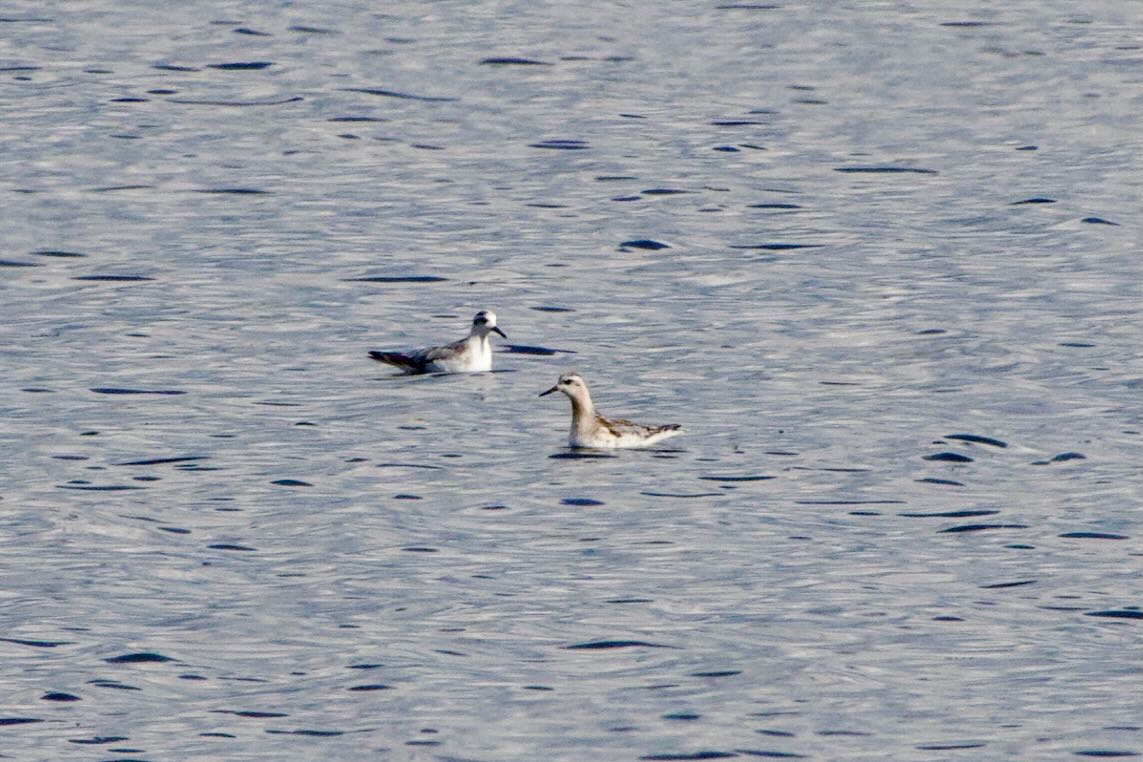
Next stop was the Powassen Sewage Lagoons to see if we could get better pictures of a Hudsonian Godwit that was reported there. When we got out of the car I quickly checked my emails and saw that 2 Red Phalaropes had been reported an hour before at a lagoon about 80 km away. We got back in the car without looking for the Godwit and made our way to the Warren Sewage Lagoons to find the 2 Red Phalaropes happily swimming about. This is a tough bird to get in any given year so I was happy to have the chance to add it to my rarities list. The Kirkland’s Warbler had not been re-found in Oakville so I was feeling better about my decision to head north.
Red Phalarope
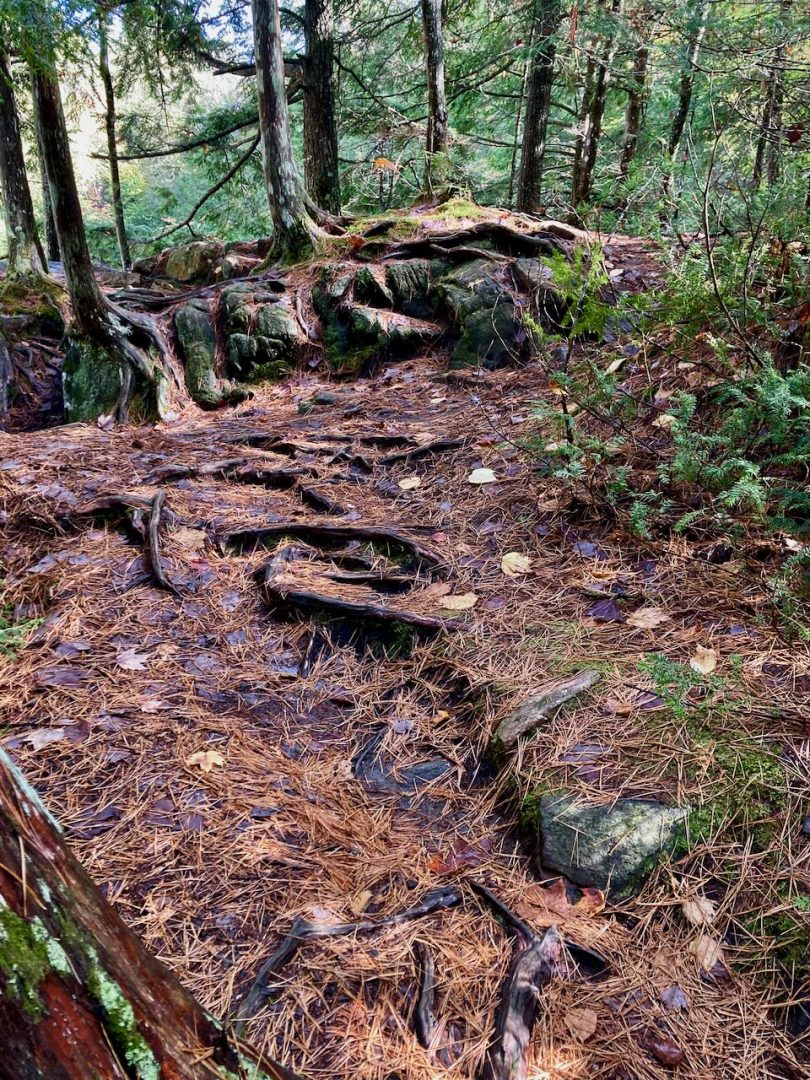
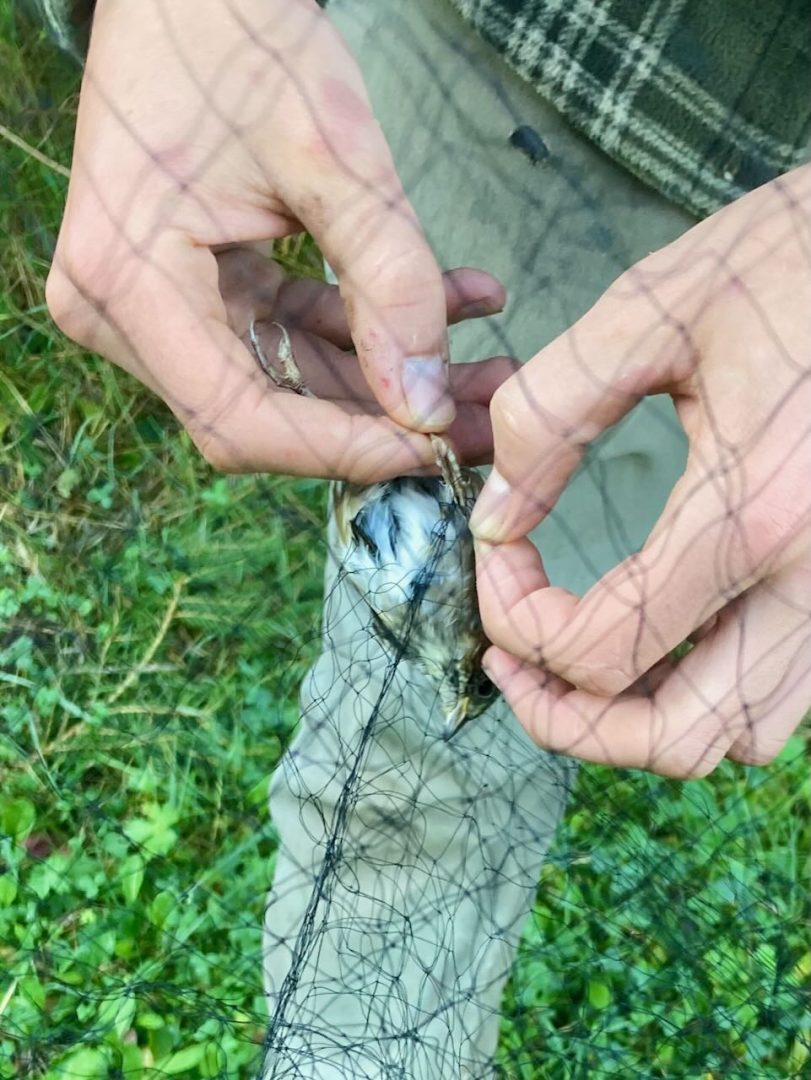
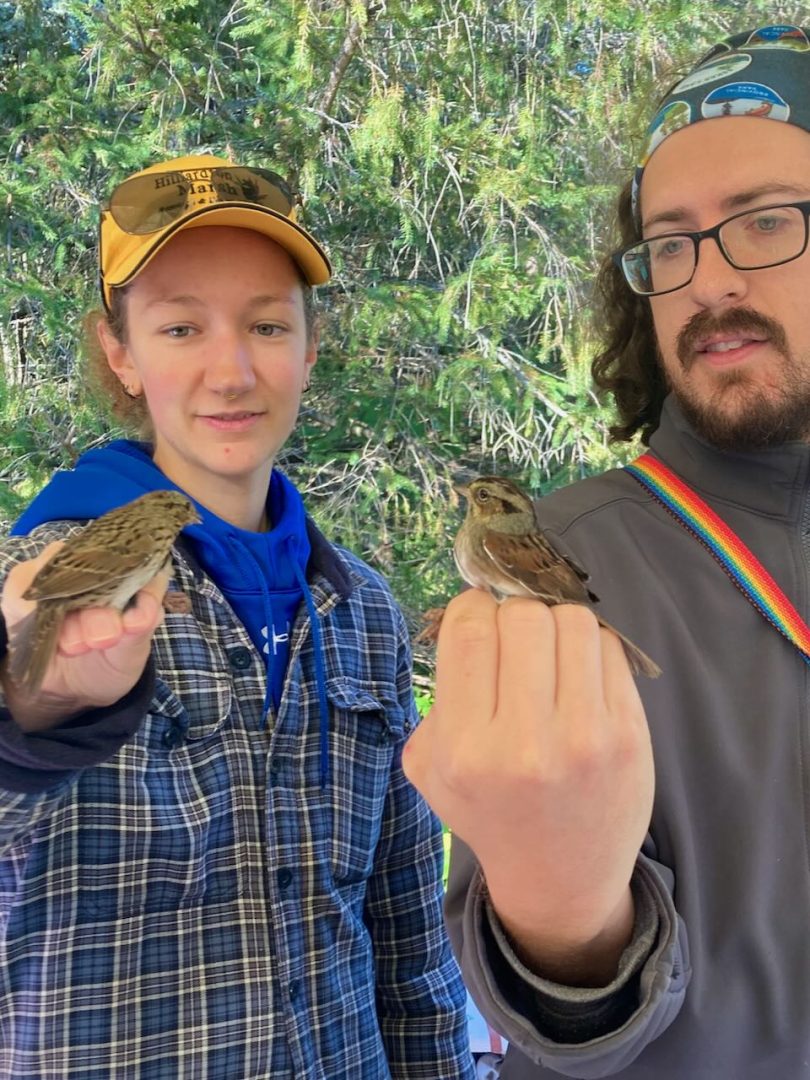
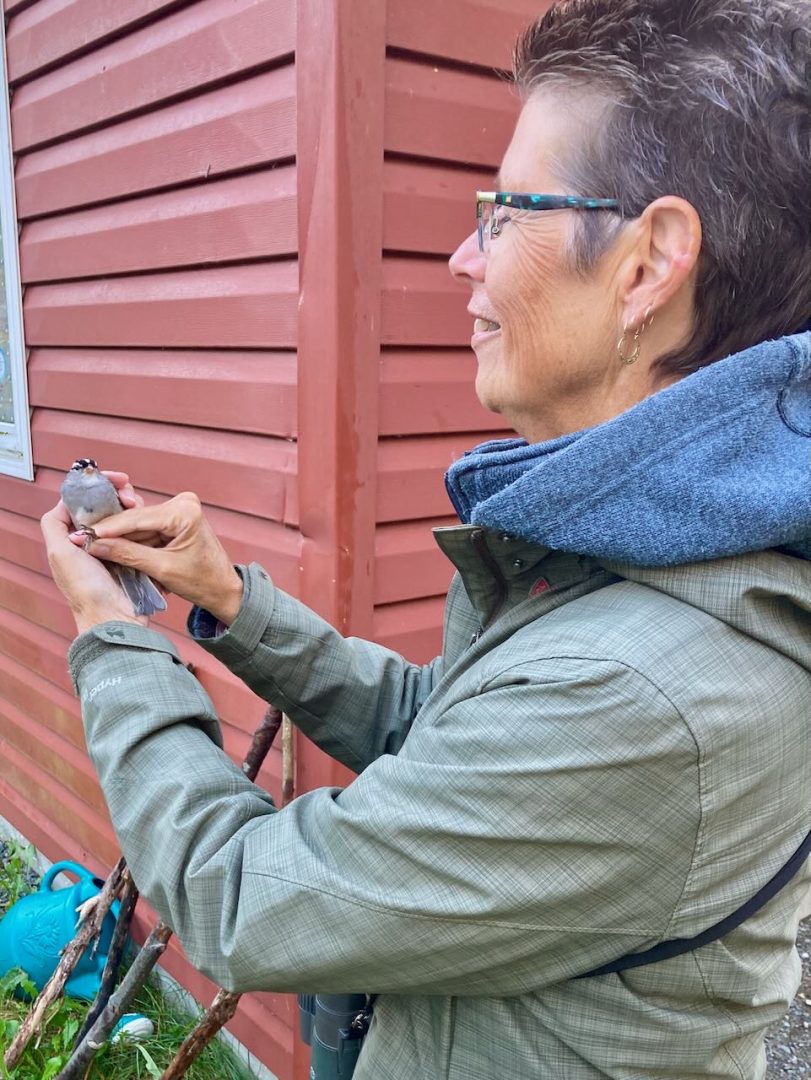
Friday we attended the OFO outings that included bird-banding in the morning and more sewage lagoons in the afternoon. While we didn’t expect to add any birds to our list it was fun to be out with other birders, socialize a bit and learn about the Hilliardton Research and Bird Banding Center. The banders are all volunteers that are excellent at explaining the intricacies of bird banding and identification and then go the extra step to patiently show you how to hold the birds before release.
Net removalLincoln’s and Swamp SparrowReleasing a White-crowned Sparrow
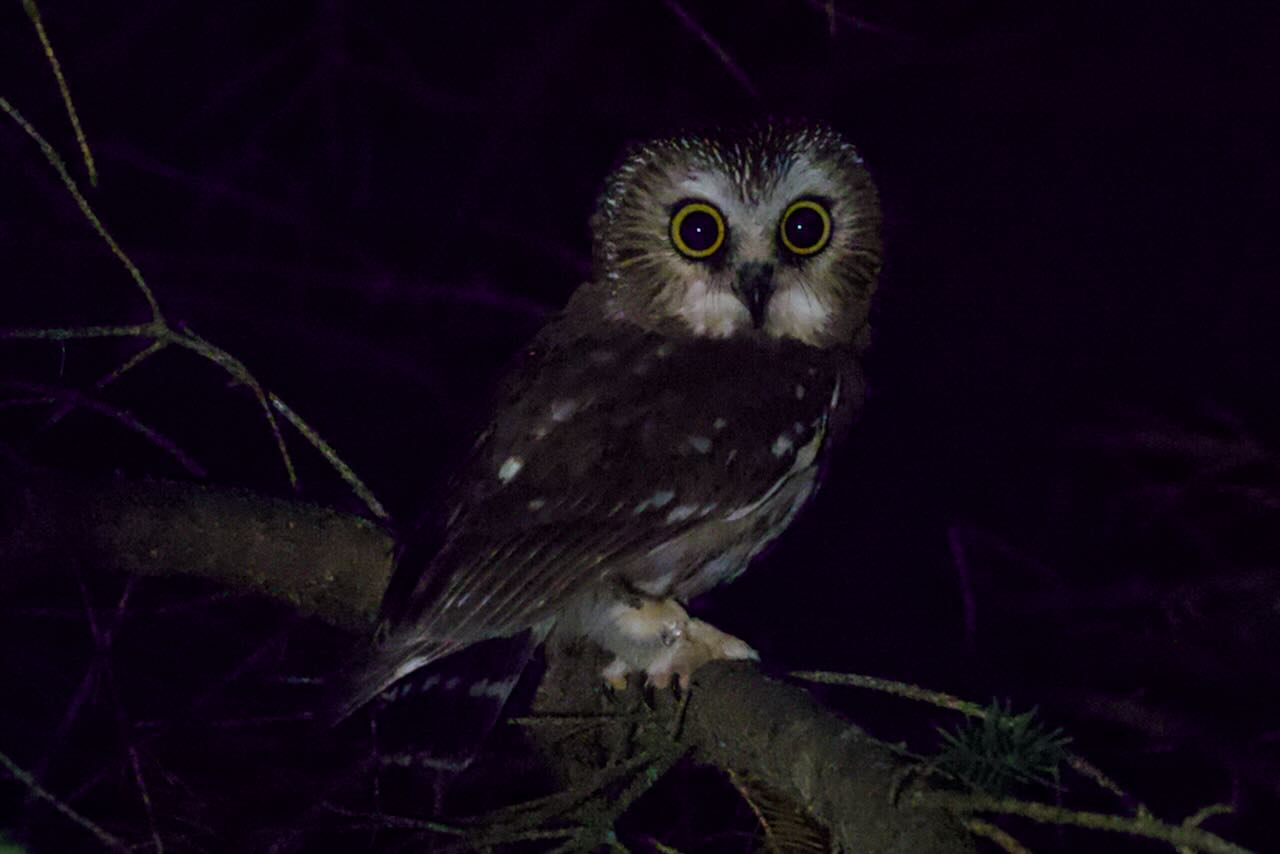
Friday night we were privileged to attend the owl banding at the centre. They band Northern Saw-whet Owls, which we have only heard this year and Boreal Owls which we have not added to our list yet. The weather was a bit warm and apparently owls prefer to migrate in cooler temperatures but they were hopeful we would get at least one owl. The first net check had 2 Saw-whet owls and we were very happy to see these tiny owls, watch the banding process and then the release. The banders work quickly but allow for some photo ops and then a quick release outside where the owls are placed in a tree until their eyes re-adjust.
Northern Saw-whet Owl
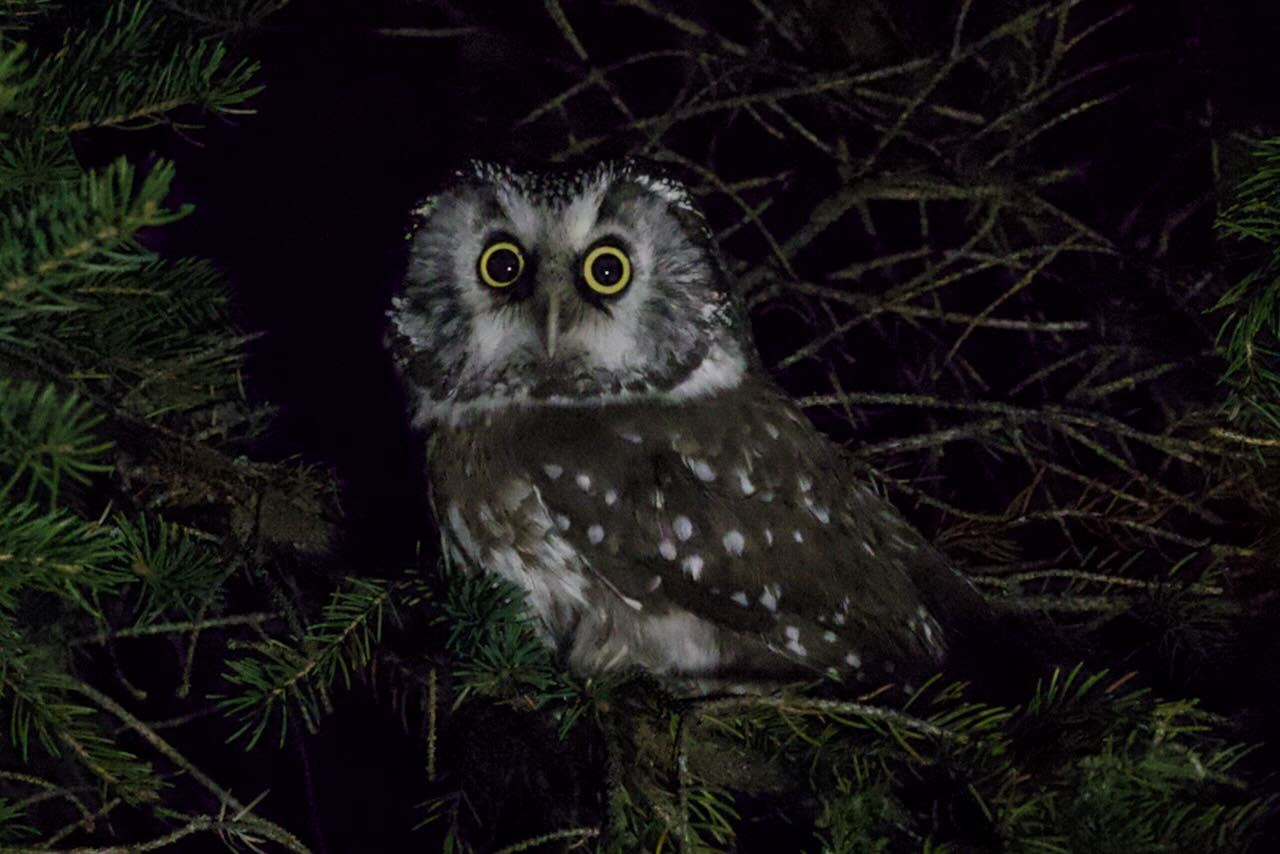
The banders then headed to the nets and area where they were calling for Boreal Owls and we waited and waited. A longer wait is a good thing, as it usually means they are carefully untangling owls from the net. When the volunteer banders arrived back they entered the room triumphantly carrying four!!! bags! We have seen a Boreal Owl only once before and the view was not great so it was a fantastic experience to see one close up, take pictures and then both Jerry and I got to release an owl back into the wild. Such a fantastic experience!
Boreal Owl
I need to talk about my decision to add this species to my list because it will be controversial to some birders. Generally, it is frowned upon to add birds that are seen while being banded to your list as your list should be only birds that you or others find in the wild and while they are being banded they are “captive”. The question is when do they technically become wild again? Some birders use the rule where they won’t add the bird while it is being banded but once it is released then it is technically “wild” again and they will add it then. Some will say they have to see the bird fly some distance away or re-find it later to count it and others won’t care either way. The ABA (American Birding Association) suggests the bird not be counted while it is “under the influence of captivity” so the initial release would be part of that. There will be lots of opinions, just as there are lots of birders. Ultimately, it is my list and I have decided to add these wild Boreal Owls that happened to spend some time in human hands but then were released back to the wild in my presence. I plan to still take another trip north in December and will try to get a Boreal Owl to respond to calls that would also count in an effort to satisfy every opinion. Bird #323
Hilliardton Marsh Research and Education Center gets no government funding so they rely on private and corporate donations. Please check out their website https://thehilliardtonmarsh.com/ and consider becoming a member and/or making a donation. The daily bird banding is open to the public in the spring and fall and the owl banding has to be reserved for a fee and is sold out very quickly each year. We have become members and will be making yearly donations.
Saturday we attended more OFO outings and did a bit of a private drive on our own hoping to turn up a Boreal Chickadee that is still on our list as a “heard only” but the forests were pretty quiet. Sunday we headed home early and stopped at the Powassan Lagoons again but did not find anything exciting. In the end the trip up north was the right decision, there were no rarities found at the southern conference at Pelee and the Kirtland’s was never refound but we added two birds to our list.
Next week we will be targeting two more expected species – Nelson’s Sparrow and Black-legged Kittiwakes.
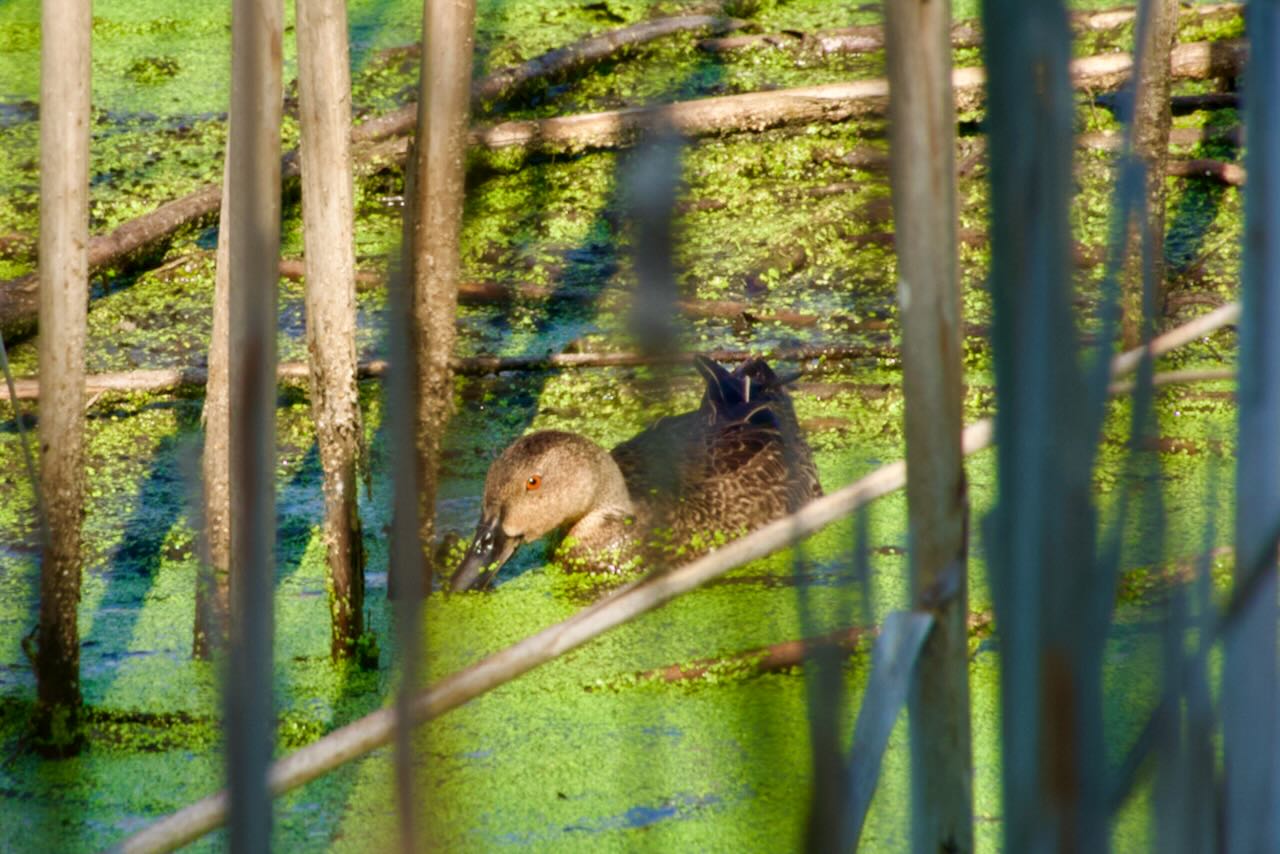
We headed to Grimsby Wetlands early Monday morning hoping the Cinnamon Teal remained and after 30 mins or so of scanning the bulrushes it was re-found! Finally our #320! The duck remained partially obscured for quite a while but eventually moved closer so that pictures could be taken. This is a Western species commonly seen in Alberta or British Columbia and it is quite rare to have them in Ontario so many birders will make the trip to see this duck.
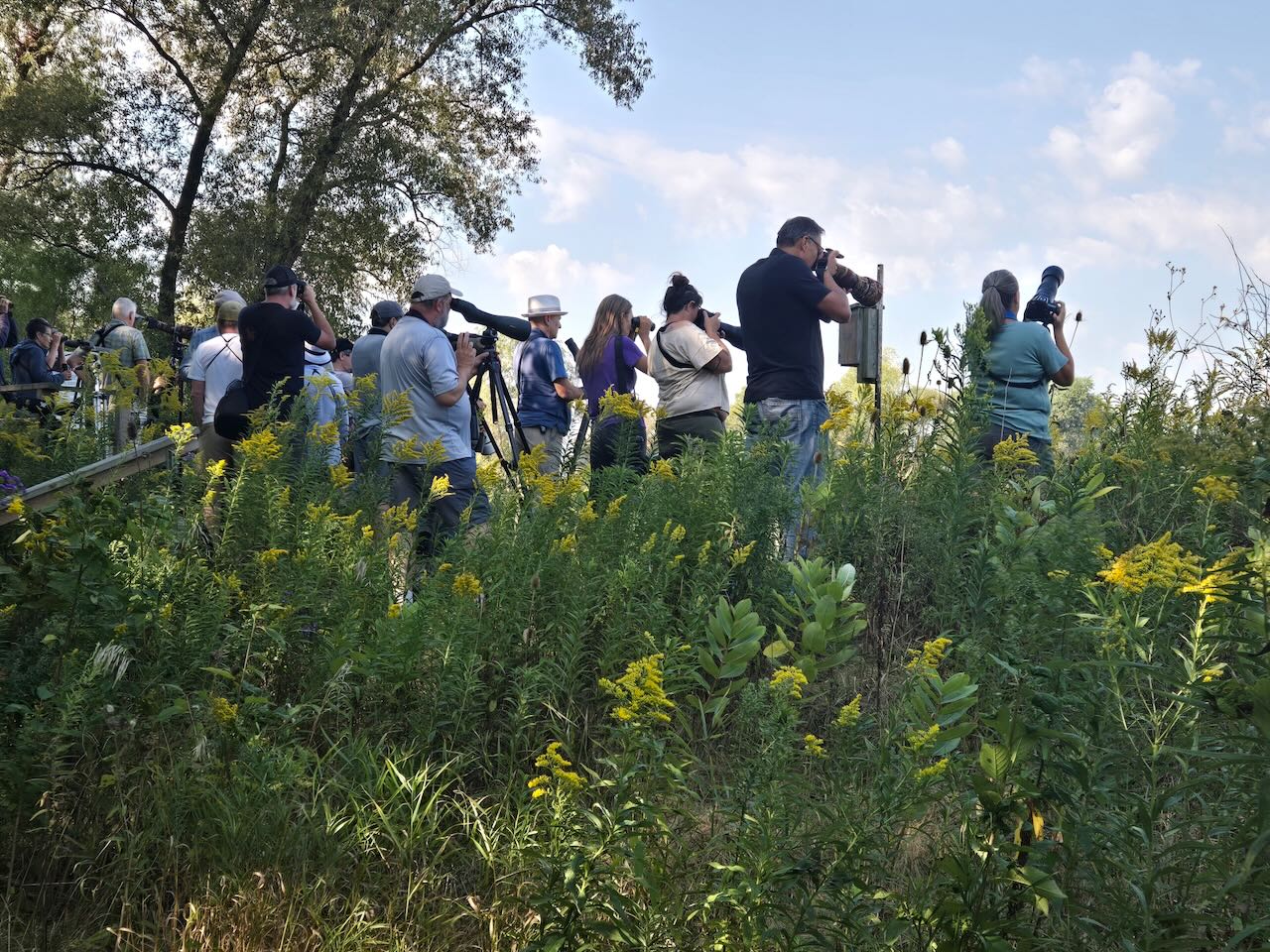
There are over 200 checklists from that hotspot this week and it still remains there and birders keep arriving. There will likely be a few hundred more that will attempt to see this duck. Robert Baumander and Dave Archbell sent me these group shots from our visit. Jerry is shooting from up on a bench for a clearer picture.
taken by Robert Baumandertaken by Dave Archbell
Tuesday we birded Hamilton again mainly because we have had to visit Jerry’s mom almost daily as her dementia symptoms increase. We took another look at Princess Point for the Yellow-crowned Night Heron but again only saw Black-crowned. The winds were right for lake watching but we had our community Lions dinner meeting (we are both members) so we reluctantly headed home. Just past 5:00 a few birders at the lake had 3 Common Eiders fly past! That would be a great bird to add to my list and I was super sad that I missed them. They may be on the lake for a while so we will be looking for these ducks over the next few weeks.
Wednesday we headed to Jerry’s mom’s again and then on to lake watch. Just before we arrived Cheryl and Rob had seen a Pomarine Jaeger, the only Jaeger I have left to see, and shortly after we arrived we had it flying with a Parasitic Jaeger for bird #321. I had to rely on the expert birders to confirm that sighting as I am still learning about Jaegers and the subtle differences between them. This is the first year where I am actually able to tell them apart from the gulls and other birds flying around out on the lake. The day got better as we had a Juvenile Long-tailed Jaeger cruise right by the viewing deck and then an adult with streamers fly past later as well as watching 5-7 Parasitic Jaegers chasing down gulls trying to get food. We also saw distant views of Sabine’s Gulls. A great day on the lake to get all 3 Jaeger species and the Gull as well. I only need Black-legged Kittiwake now but there is always the chance for rarities, like the Eiders, so we will get down there as often as we can with NE winds.
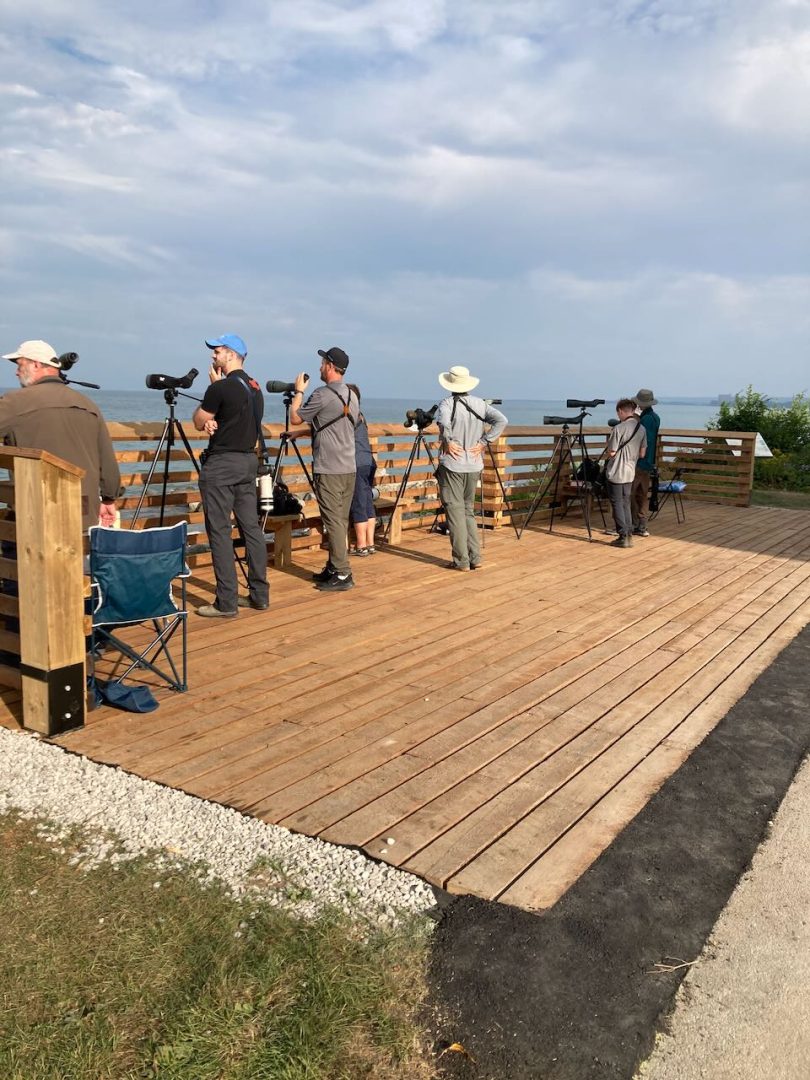
The new viewing deck is finally finished at Van Wagners Beach and while it does not meet all our birding needs it is an improvement on the old deck.
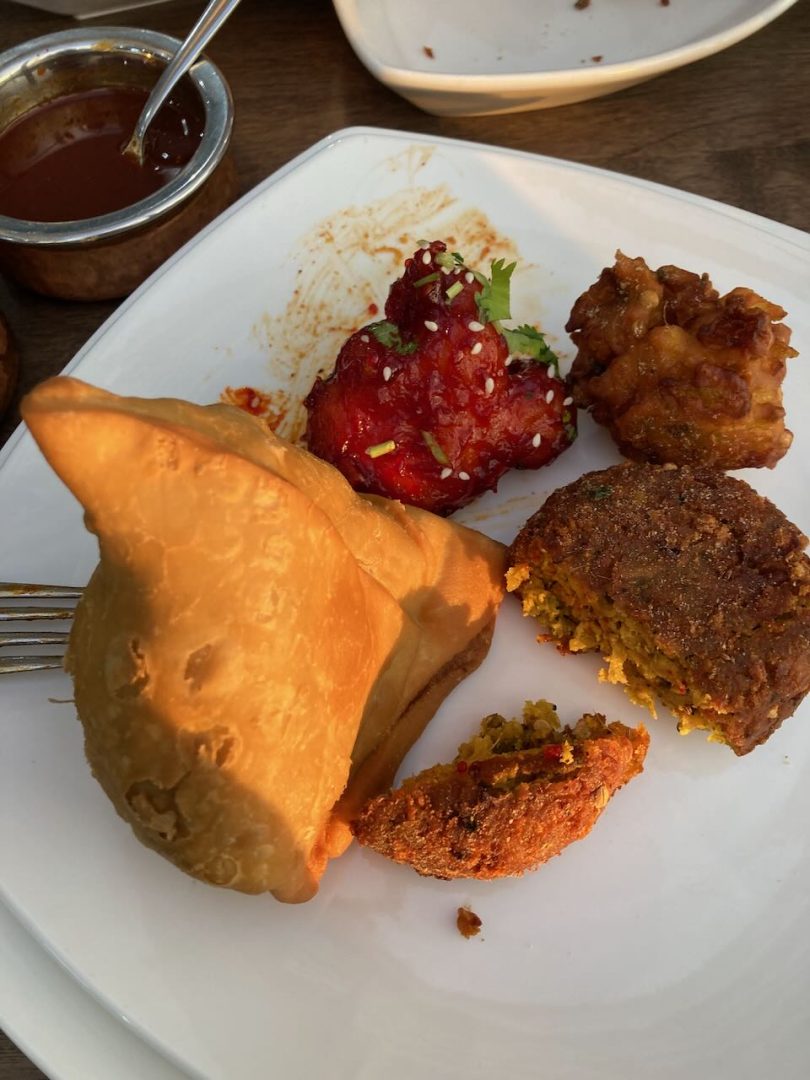
We celebrated the weeks new birds with some yummy appetizers at Oh Bombay in Burlington.
Delicious!
Thursday the winds were again from the NE so we headed down to the lake again, this time we brought his Mom with us and it was nice to see her happy to spend some time outside and watching the goings on at the lake. It was a quiet day for birds, but we had the usual questions from passers-by about what we were looking for. I am happy to explain as long as I am not missing something flying by and there is always the hope that I turn someone new onto birding. We almost always have good conversations and experiences with the people who stop and I am happy to be one of the faces of birding at Van Wagners beach. I even met someone who knows someone from our tiny village of Glen Morris.
Friday morning with NE winds yet again we decided to drive and bird along the lake from Grimsby back to Van Wagners. We were hoping to run across the Common Eiders that had been briefly seen and that area of the lake is a hangout for ducks in the winter months so we thought we would check it out. There were few birds along the lake and we ended up at Van Wagners by 1:30. There were more birders than the previous day including a couple from California that were trying to see their first Jaegers. They ended up seeing a Parasitic and also lifer Sabines Gulls so we were happy to have helped them a bit. We had more activity than the previous day and got onto jaegers fairly quickly then had a lull for a few hours and then things picked up between 4 and 5 with chances to watch a number of jaegers going after gulls and each other. I am getting much better at picking them out even far out in the lake. The amount of time on lake watches has been well worth it.
The winds changed a bit on Saturday and we welcomed a day off to catch up on laundry and household chores. We had 8 cords of firewood delivered this week and we got all that stacked and ready for winter. I started putting some of the porch furniture away as we are not likely to be needing it in the next few weeks. People were still down at the Lake Watch and had Parasitic and Long-tailed Jaegers and at some point they saw some ducks way off in the distance and took some camera shots that look to be Eiders. The two days I did not do lake watches and eiders were seen! Why is this sooooo hard! LOL!
Sunday we headed back into Hamilton and scoped the lake from all the spots in Burlington where the Eiders had been seen and then back to Van Wagners for the afternoon Lake Watch. The winds were not really good but we saw Parasitic and Long-tailed Jaegers. I was hoping for Eiders. None were seen even though we hung in there until after 6 when it started to rain a bit. Rain and south winds are in the forecast for the next few days so there might be a bit of a lull in lake watching while we turn our attention to a sparrow – Nelson’s Sparrows should start arriving next week in Southern Ontario. We also have the Ontario Field Ornithologists (OFO) conference next weekend and we will be heading to the northern one instead of Pelee.
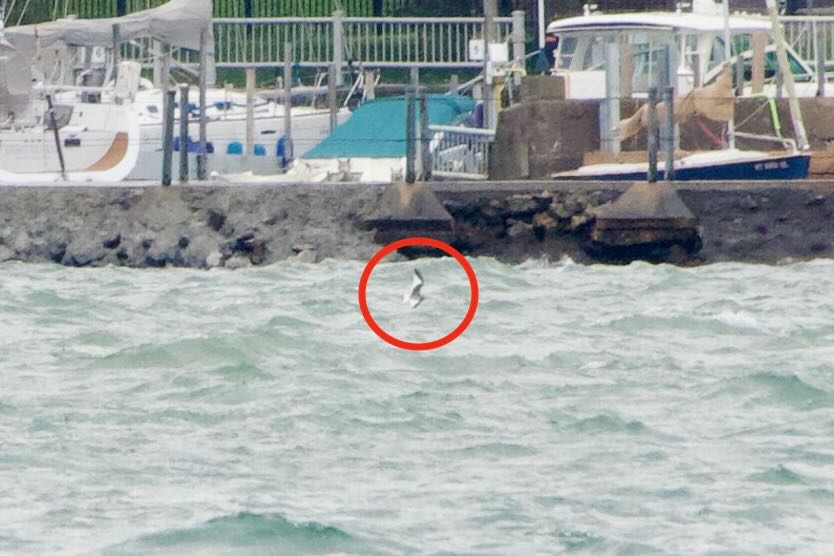
Monday we headed to Fort Erie because the wind was NW and Sabine’s Gulls had been reported on Sunday. We didn’t get there until afternoon because we needed to finally get an oil change done on our car in the morning. Fort Erie is at the east end of Lake Erie and the river entrance is a good spot to view gulls when the winds are from the NW. Buffalo is directly across the river but most of the water is on the Canadian side at that point. Barb and Jean were near the parking lot and having a great time following the Sabine’s and Little Gulls flying into the headwinds again and again. We got our scope on them and had distant but easily identifiable views of Sabine’s Gull for bird #318. While we had nice views with the scope, getting a picture was much more difficult. It was overcast, the gulls move quickly, they are quite a distance away but Jerry managed to get something that is identifiable as Sabine’s. The “M” pattern across the wings and back with the wide black on the wings is a text book juvenile Sabine’s Gull.
Sabine’s Gull
Here is the video view we had looking across to Buffalo and watching gulls flying into the winds. As you can see Jerry had a challenge getting that picture. You cannot even see the gulls flying above the water with the naked eye.
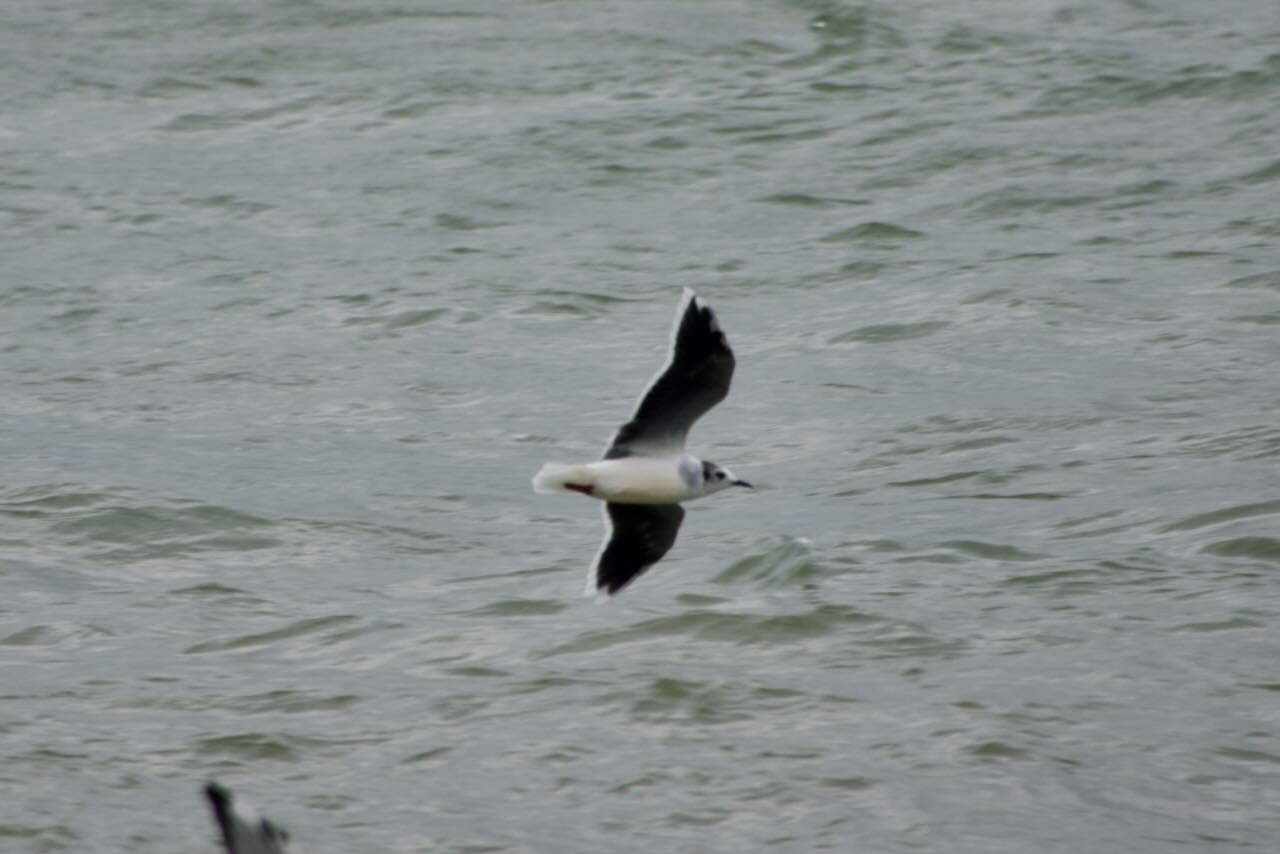
We also had some Little Gulls come in very close so we had lovely views as they played in the wind. These were the best looks we have had of Little Gulls and their distinct jet black underwings.
Little Gull
Jean and Barb have both been a huge help this year, sharing information and cheering us on. Jean is an expert on shorebirds and gulls and we have her Shorebird ID book in the car all the time. I’m not sure how many years she has birded but she still is always enthusiastic and thrilled to watch any and every bird she comes across. I hope I can retain that same joy for many years to come. Barb, an excellent birder too, regales us with stories of past chases and fantastic rarities we dream about seeing. It is always a lovely, fun time birding with these two!
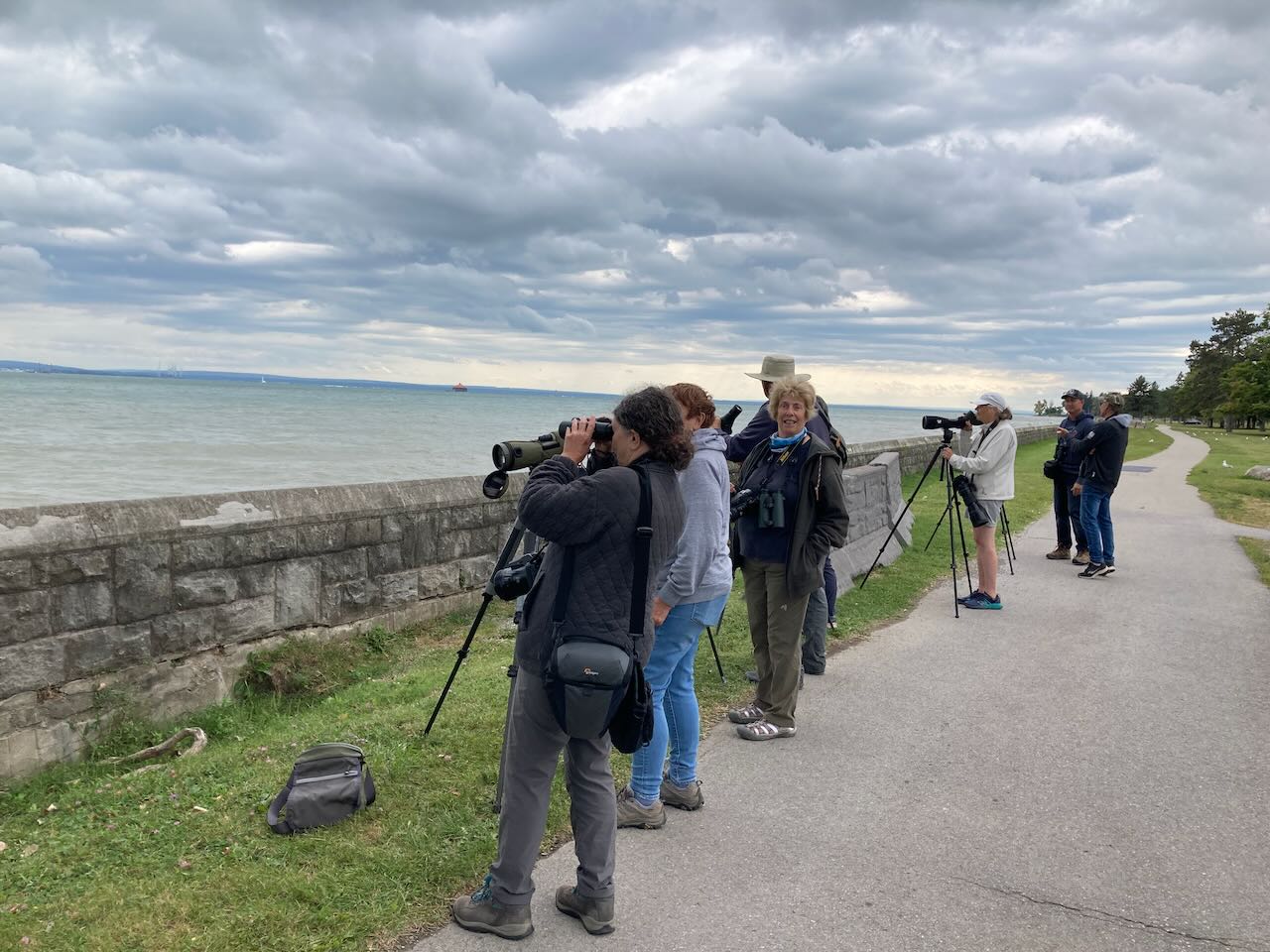
Jerry, Jean, Barb and Marcie enjoying the show!
We watched the show for a few hours until heavy back clouds appeared and it started to rain. As we headed home tornado warnings came up on our phones for the Niagara area but we managed to navigate our way out of the worst of the rain and heavy winds.
On Tuesday we caught up with some household tasks and late afternoon I got an ebird report that a Goshawk had been seen in Cambridge 20 minutes from us. Jerry was out getting groceries and I texted him to hurry home as this hawk might be chaseable. I didn’t really expect it to still be there but hawks do tend to rest for long periods after they have had a successful hunt so we had to give it a try. This was the closest report we have had that wasn’t a flyover and from a reliable birder. We arrived at Shades Mill Conservation Area at 6:10 and spent a few minutes driving around, having not been there for many years and trying to figure out the location of the main building. The hawk had been sitting in a tree behind the building at 4:15. We found the building and slowly walked up the road and then stood in front of the building and suddenly a hawk burst up from behind the building flew up almost over top of me and then higher over a large tree and then was gone. I had a good look as it flew over but Jerry had been looking the other way so only got on it about halfway. We don’t have much experience with American Goshawk having only seen it a few times but I have been studying pictures and the fact that it came from the exact spot the birder reported it made for a pretty definitive ID. Unfortunately, no picture. BUT bird #319! Two new birds two days in a row! things were looking up!
Wednesday morning we headed back up to Shade Mills with Jude and Margaret to see if we could refind the American Goshawk and get some pictures. We spent an hour checking the main building again and the area around it but could not find the hawk. We did have some nice warbler activity that kept us amused. We headed down to the Lake for a bit of a watch in the afternoon even though the winds were fairly weak from the SE. The good birders will tell you that sometimes these winds can still bring in rarities, so we sat. Birders had had Sabine’s the day before late in the afternoon but we did not see anything close enough for us to identify. To be honest, it was more social than watching. We chatted with each other and people who walk along the Waterfront Trail and are curious as to what we are looking for. Birds is not always the first guess by the way, we have had aircraft, whales (yes, whales), boats etc. We educate and point them to the large signs complete with pictures of the birds we are looking for.
That night a report on Discord detailed a possible Curlew Sandpiper (a Eurasian species) that had been seen around 5 at the Exeter Sewage Lagoons. It was a fairly detailed report but the birder was not sure about the ID. We decided with nothing else to work on we would go and see if we could refind the bird and maybe get a huge rarity. Thursday was my birthday and what better way to spend it than walking around a sewage lagoon!
Exeter Sewage Lagoon
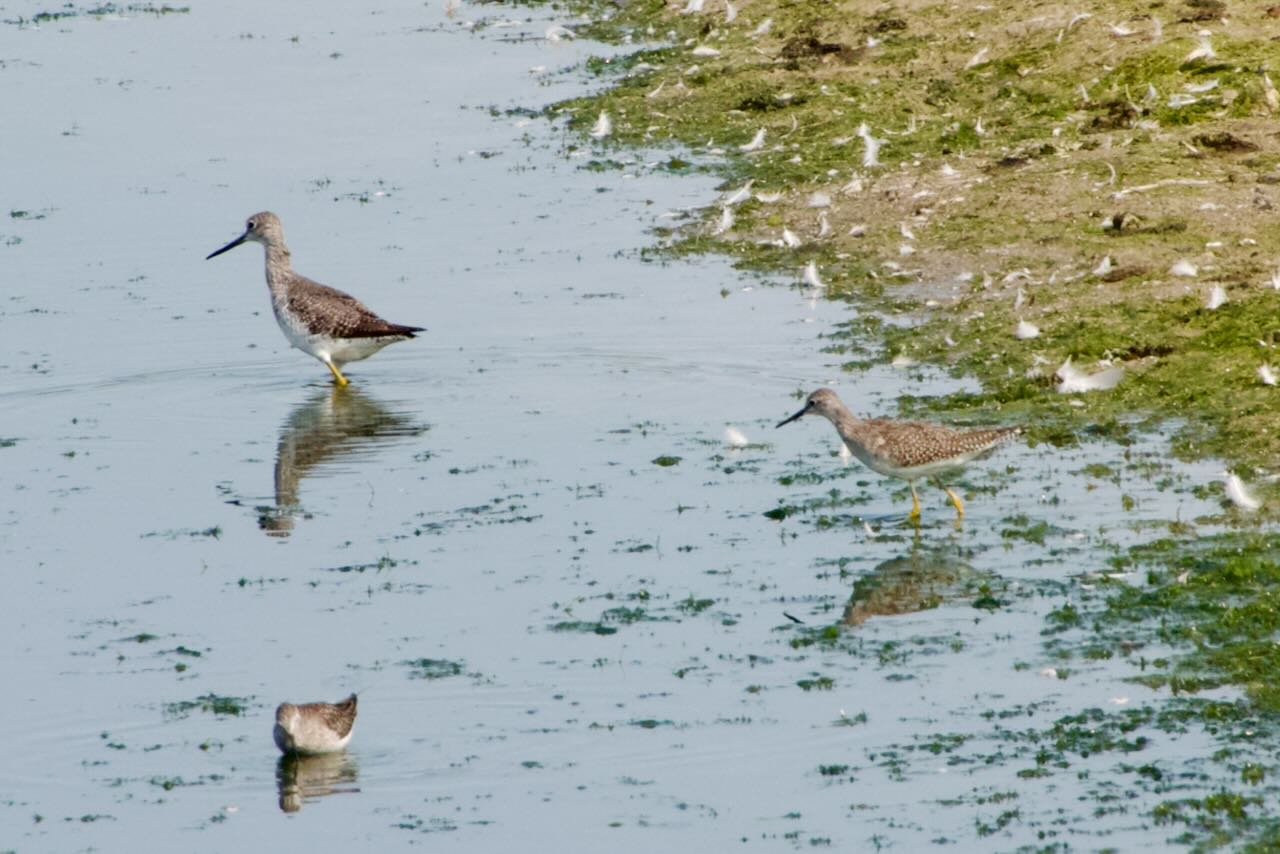
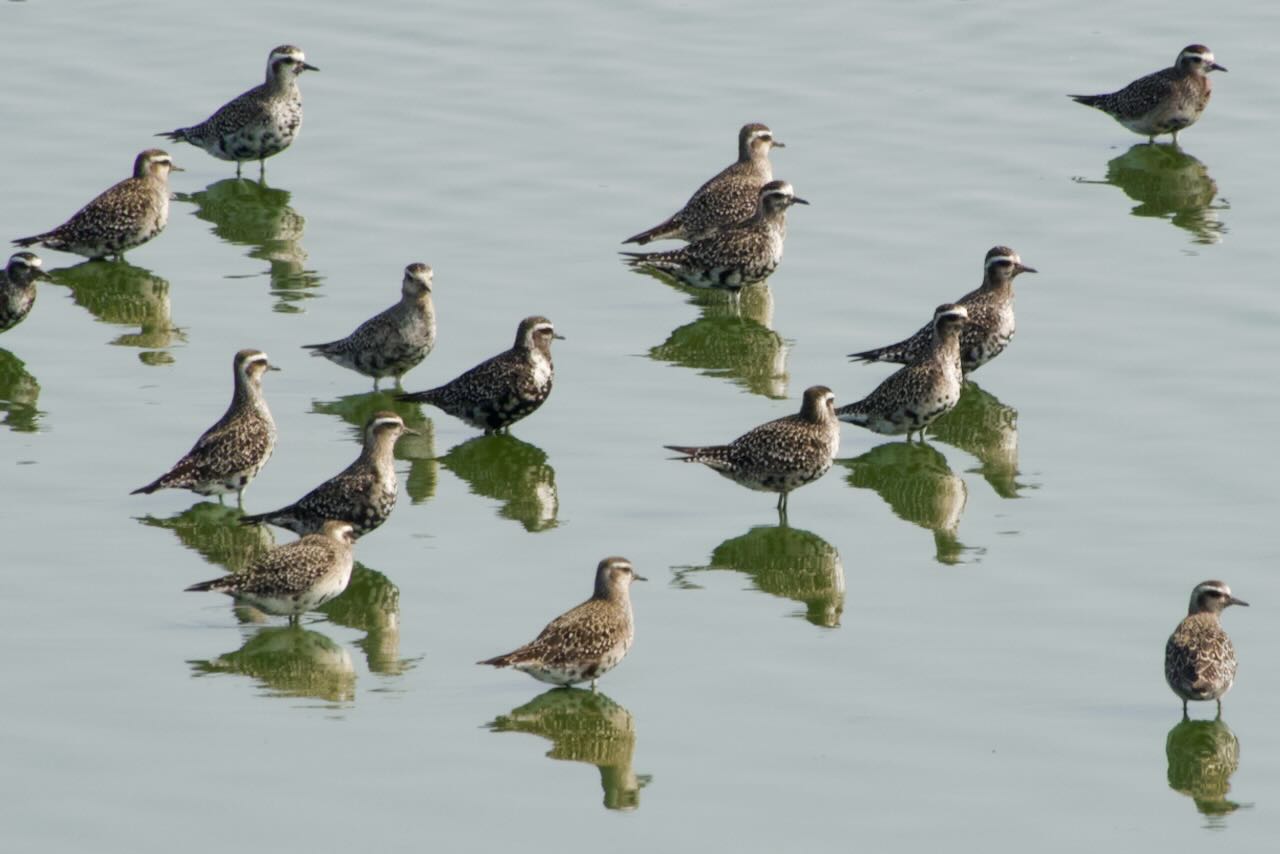
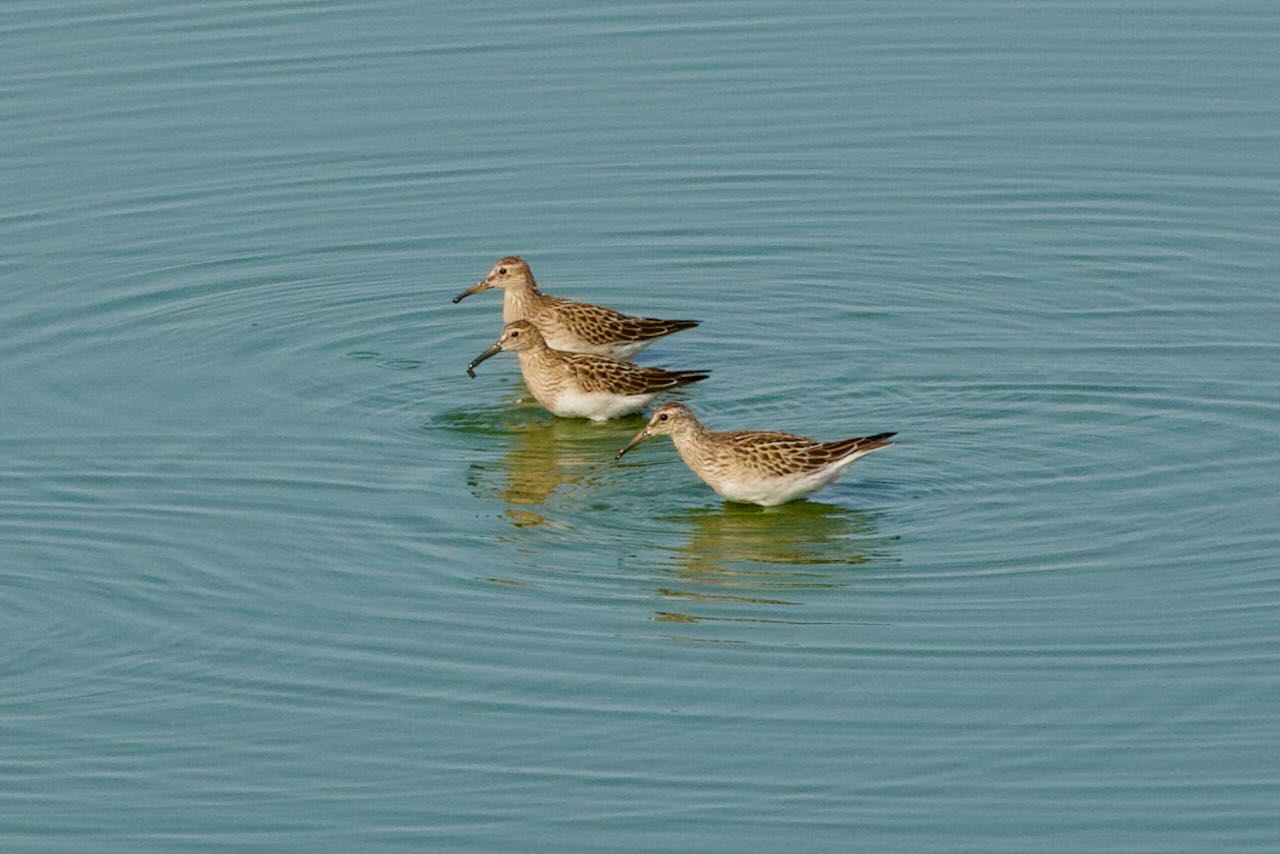
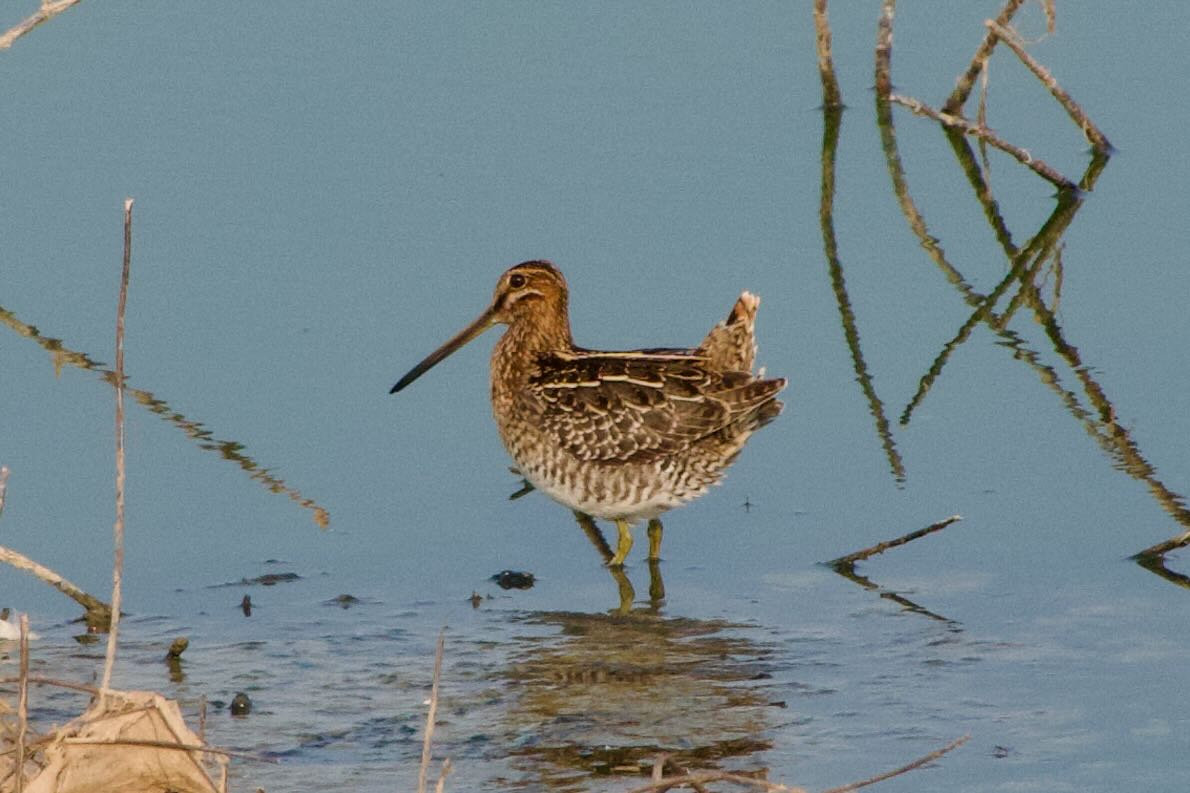
There were many shorebirds to go through and we tried to be slow and methodical so we did not miss anything that might be close to what we were looking for. We have never seen a Curlew Sandpiper so we were relying on pictures from ebird and that Barb sent us to help with our search. We were looking for a bird with a long down-curved bill so we could eliminate any bird with a straight bill. We never found the bird but we did have great fun looking at all the shorebirds fairly close to us. Jerry had fun taking lots of pictures even getting down on his belly in the grass so he didn’t spook the birds. In the process of getting up his phone dropped out but thankfully he noticed it missing just a few minutes later and a quick look on my phone of “his” location guided us back to it easily enough. Whew!
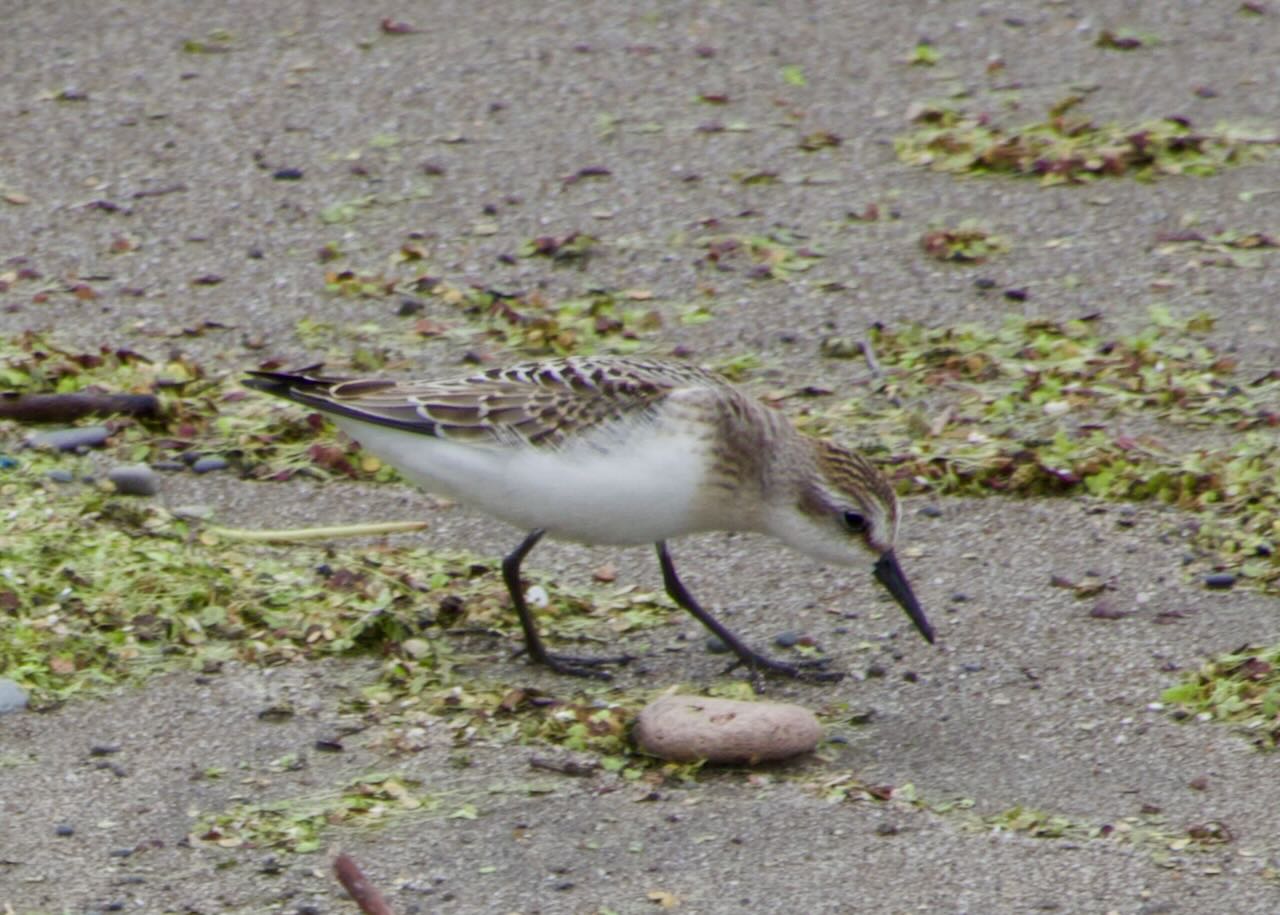
Greater and Lesser YellowlegsAmerican Golden PloversPectoral SandpipersWilson’s Snipe Stilt Sandpiper
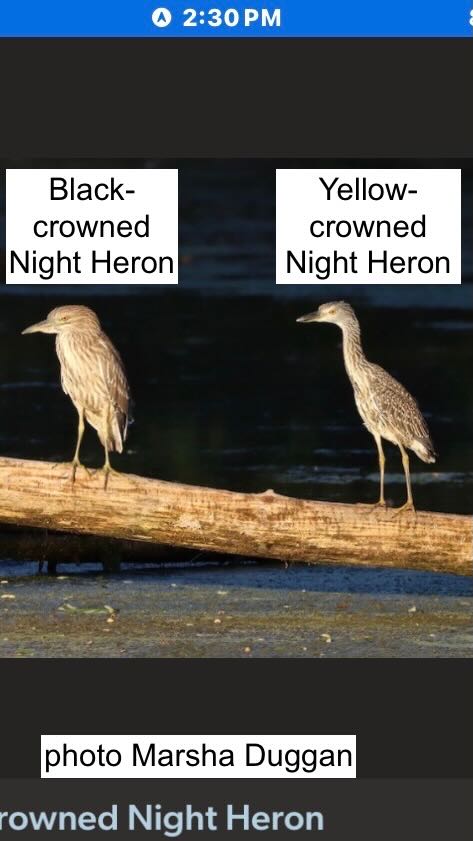
Late Thursday a report came in that the American Goshawk was back in the same tree behind the building but just briefly so we still might have a chance at a picture. Then a report of a possible juvenile Yellow-crowned Night Heron in Hamilton came in and I was very happy. I had missed one in the spring because it was up in Thunder Bay so we were excited that there might be one in Hamilton. The description sounded accurate but they are similar to a juvenile Black-crowned Night Heron and the bird was quite a distance from the birder who posted it. Below you can see the difference in shape, posture, bills and head shape. There are also differences in plumage if you are close enough.
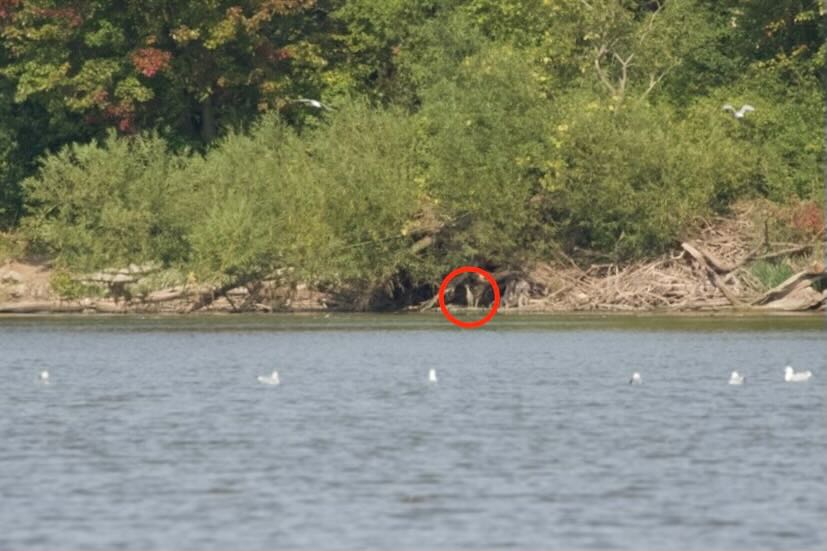
We were in Hamilton around 9:00 with Grandkids, who had a PD day, and Margaret had been watching a Heron for about an hour with Angela and Michael. It was across the small bay at Princess Point and there was no way to get closer to the bird so scoping and poor camera pictures was all we had. The posture of the bird seemed right – tall upright, long neck and it walked quite upright. It flew minutes after we got there so we only had those bried looks through the scope and the pictures Margaret had taken. We sent a couple of back of camera pictures to “What’s this Bird” on our Discord channel and got back a pretty quick reply that it looked good for Yellow-crowned! I got another positive for Yellow-crowned from another birder too. We were super excited, high 5’s exchanged, pictures taken. We had bird #320! BUT, I felt a bit concerned and wanted better looks and, of course, pictures. I also got a couple of skeptical texts a bit later that confirmed that I needed to see that bird again. We decided to stay around Princess Point trying to refind the bird for better looks. Another report came in an hour later that the bird was seen by a very good birder so we felt better. At lunch time we dropped our Grandkids off and returned to Princess Point to scope the area it had been last seen. There were many juvenile Black-crowned Night Herons to go through and watch carefully for a bit to eliminate. Bob Curry joined us and with his superior knowledge we went through the herons we could see once again. There was one bird we thought had a very good chance of being THE bird, long legged and thin with what appeared to be a long neck but in the end when it came out in the open it was determined to be Black-crowned. The picture below gives you an idea of what we were dealing with in trying to determine ID’s. Our scope view was a bit better than that but it still was short what you would want to be able to ID a bird correctly. I kept wanting to zoom my scope in just a few more turns to see more detail on the birds.
The Yellow-crowned Night Heron look-a-like
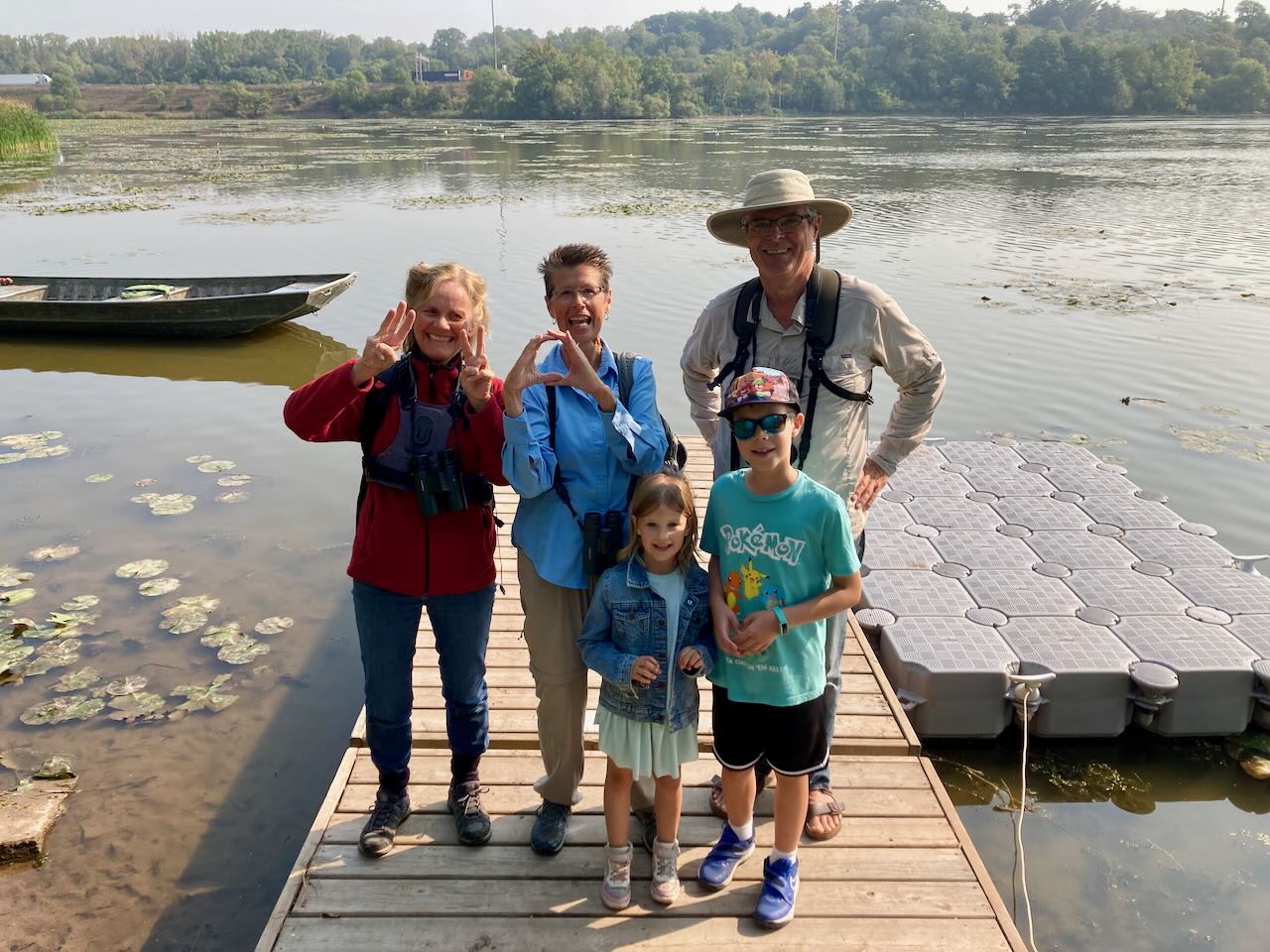
Margaret had looked at her pictures on her computer late afternoon and it was apparent that the bird in the morning was also a Black-crowned Night Heron. WE DID NOT HAVE #320! I had to include the picture we took when we THOUGHT we did though because how cute and happy we all looked and the kids were super excited for us!
We left having spent a total of about 7 hours searching along with other birders and despite a couple of reports there were no confirmed pictures or a bird that others could get on and be able to confirm as a group that the bird was a Yellow-crowned Night Heron. Could there still be one around? We will keep checking and hoping. On the way home we decided to make one last quick stop at Valley Inn where a Wilson’s Phalarope was giving great photo opportunities.
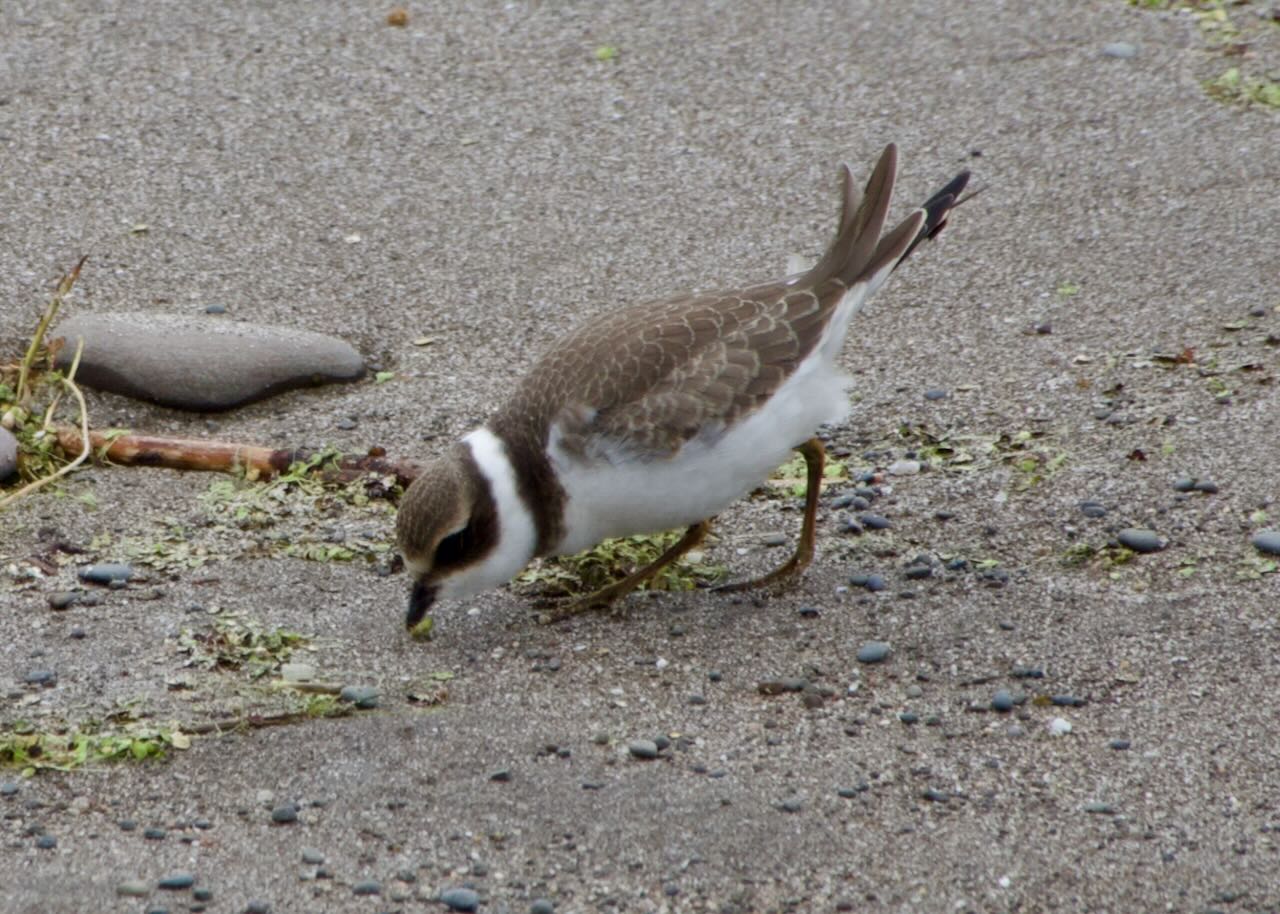
Wilson’s PhalaropeSemi-palmated Plover
When we got home I sent a public retraction to the Discord server about my morning report so that others would be aware the Yellow-crowned Night Heron was not seen by me. I’m ok with making mistakes, and making them publicly, I figure it is the best way to learn LOL. Public humiliation is a good teacher! I spoke with other birders and they also thought they had a Yellow-crowned only to realize it was Black-crowned when they viewed their pictures so in the scheme of things this was not a huge mistake. If I had not reported it and the bird was really there then people would be upset too so there is no right answer. Hopefully there is another one found and more accessible.
Saturday was supposed to be a lake watch with NE winds in Hamilton but while we were at Jerry’s mom’s in the morning for caregiving we got a complete flat tire. We tried the compressor and sealant they supply you with now (no tire or donut anymore) and it did not work so we had to call for a tow truck and waited almost 4 hours to then find out that the tire could not be repaired and they had no tires for our car until Sunday or Monday. Thankfully our best friends Marg and Lawson came to our rescue and lent us one of their cars. We owe you big time! And so no lake watch happened but we did not miss anything we needed.
Sunday was a day with family so we spent the afternoon at the pool and out for dinner with our kids and grandkids. Late afternoon a report came in of a rare Cinnamon Teal (western species) at the Grimsby Wetlands! A very nice rarity and I had to just let it go because the first rule is “family always comes first”. Hoping the Teal is still there tomorrow morning. Whew! what a week!
Last week on our first lake watch Marcus had mentioned that he thought one of the birds we had seen might have been a Long-tailed Jaeger instead of Parasitic. They are difficult birds to ID, especially as juveniles and we often see them under poor viewing conditions. We had taken plenty of pictures but they needed to be seen on a larger screen and when Marcus had a chance he asked some local experts to weigh in. On Tuesday he got responses that our first two birds we had seen were Long-tailed Jaegers! So that becomes bird #315 and then we did see Parasitic Jaegers later in the day so they become bird #316. It is fantastic that we had two Jaeger species in our first few hours of lake watching and didn’t know it for almost a week!
Long-tailed JaegerParasitic Jaeger
Winds were not favourable at either lake this week so we concentrated on that pesky Buff-breasted Sandpiper. Are you tired of hearing about this bird? I used the Buff-breasted as an example in one of my first blogs about the information available on ebird and where and when to see a particular species. Back then, I said I had a 73% chance of seeing this species in the last week of August up near Beeton so that is where I would be. Except the birds were not at Beeton this year. This week the chance dropped to 45% and next week 42% and then little chance. They have shown up at that site consistently for many, many years and for some reason this year they have not…yet. I was feeling frustrated and thinking I should have chased the one that showed up last week in Chatham. People were checking Beeton regularly and on Wednesday after north winds in the night we drove up hoping they would have arrived but no joy for us. Other birders checked Thursday and Friday. We had been checking our local sod farms all week as well and had no birds there.
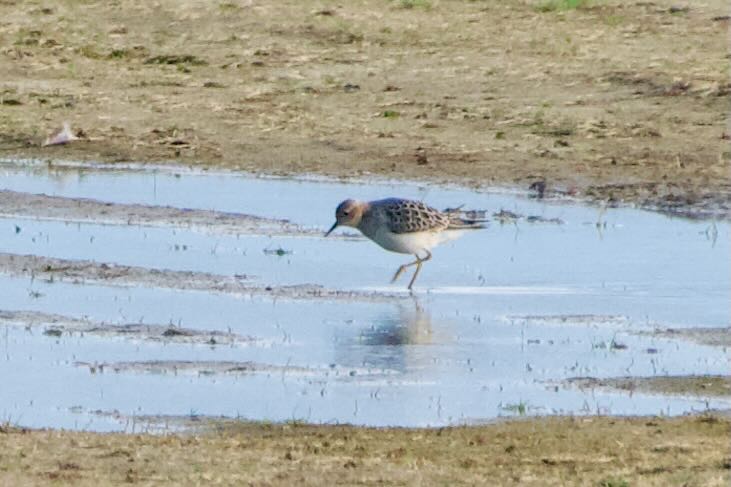
Finally, on Saturday September 7 a Buff-breasted Sandpiper was found at Beeton Sod Farms. Hallelujah!! Of course we were looking after our grandkids for the day so I gnawed my knuckles all day and hoped it remained until Sunday. We headed up early Sunday and Margaret posted 15 mins before we arrived that there were now 2 at the same spot. We arrived and celebrated seeing both quite close to the road before they flew further back. Bird #317 for us and bird #300 for Margaret! It was only about 8C with gusty north winds so we were cold! but we stuck around for an hour or so talking to other birders and getting better looks at the birds now and again. Sadly, they apparently flew off just after we left and were not seen again but hopefully more show up across the province and many others get a chance to see them. So, ebird does work, the dates are not always for sure, but the birds do eventually come.
Buff-breasted Sandpiper
I have 7 more expected species to still get: Pomarine Jaeger, Sabine’s Gull, Black-legged Kittiwake, Brant, Purple Sandpiper, American Goshawk and Nelson’s Sparrow. I’ve made extensive notes on all of them as to where and when to see them. IF I get all of them that would get me to 324 species. I am still trying for Boreal Owl before year end and a few other rarer species. That will just leave any other rarities that show up and are chaseable to the end of the year. At 317 we remain in the top spot in Ontario having seen 88% of the 359 species reported so far. Ideally, I would like to end up seeing 90% or better.
I face the daily dilemma now of whether to stay local where I am in the middle of the province so when a rarity is found I can head in either direction or get out to bird known spots as much as possible on the chance of finding something ourselves. Our caregiving duties have also ramped up to every second day lately so we have less time available to actively get out to bird. Four of the seven remaining birds are on the lake so lake watches will remain a priority when the winds are favourable. Still lots to do and see and birding spots to cover.
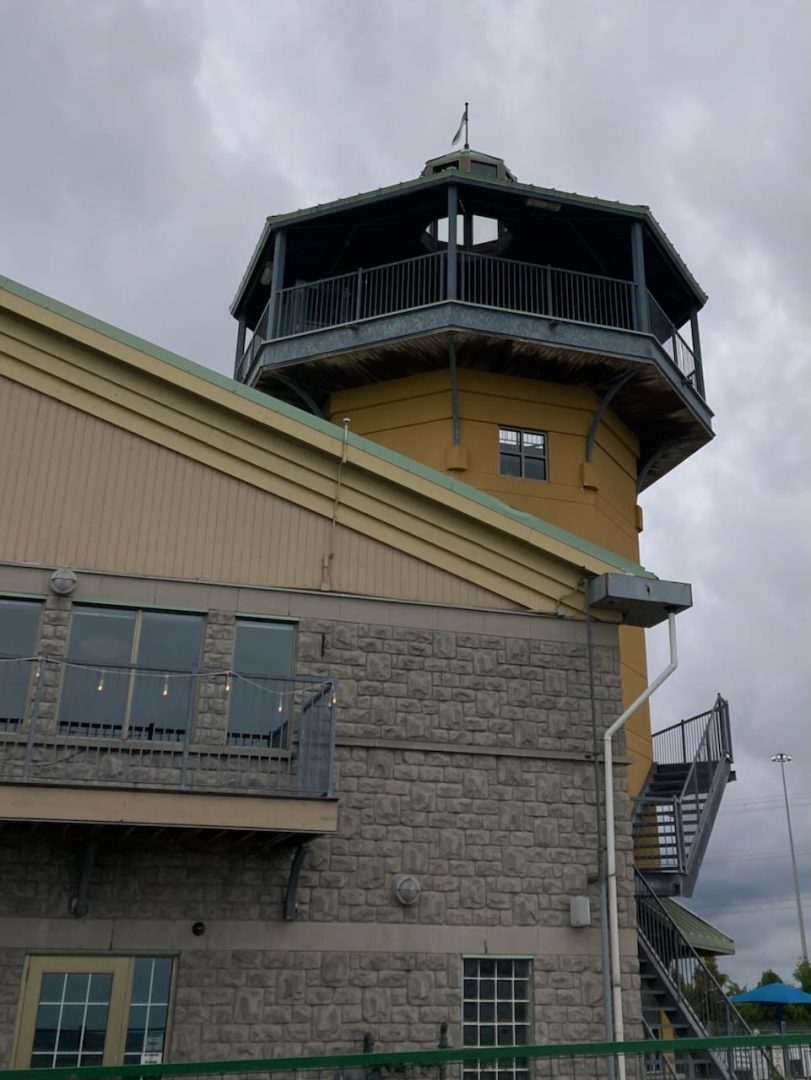
Monday and Tuesday I waited for word of Buff-breasted at the Sod Farms but people had checked and still nothing. The new morning and evening ritual is to check the wind forecast for Hamilton and Sarnia. In Hamilton birders want strong NE winds and in Sarnia we want strong NW winds. You can get seabirds with other winds but your chances are much higher with the right winds. It was looking good for NE winds in Hamilton Wednesday and Thursday. In Hamilton, birders gather at the Lakeland tower close to Hutch’s restaurant and set up scopes and chairs to hang out for hours scanning for the three expected species of Jaegers, Parasitic, Long-tailed and Pomarine. Peak time for these birds is September/October when they migrate from their Arctic breeding grounds and a few stop along the Great Lakes before heading to their wintering seas. Jaegers are known as the “pirates of the sea” as they engage in kleptoparasitism meaning they steal food, usually from Ring-billed Gulls or Common Terns by chasing them down and harassing them until they drop any meal they have in their bill or have just swallowed. It is very cool to witness one of these chases close to shore. Lake Watching tends to be in crappy weather; think cold, rainy, and windy so any days in August where it might be a bit warmer is worth trying.
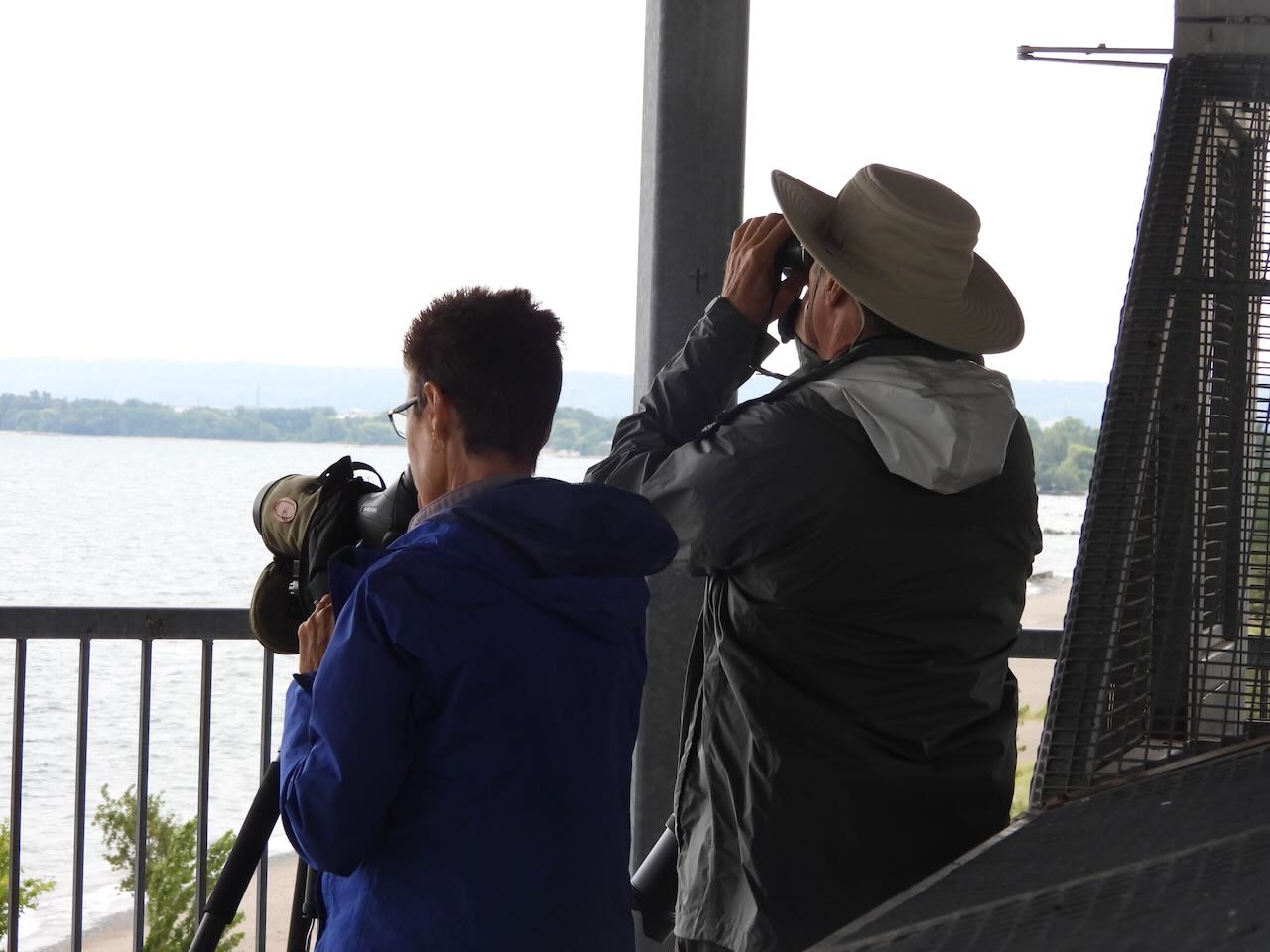
The tower at LakelandHours of the same view!
Wednesday morning was humid and hot and Lake Ontario was like glass but the winds were forecast to pick up around 11 so we first birded through Confederation Park enjoying multiple views of heron species and carefully checking any Juvenile Black-crowned Night Herons for a possible Yellow-crowned. A report of a Buff-breasted Sandpiper came in from the Chatham area but I opted not to chase it so early in the season. Around 11:30 we headed to Lakeland and met up with Markus, a young Hamilton birder who did a Big Year in Hamilton last year, reaching 275 species! We climbed the tower because they were rebuilding the deck at ground level and started scanning. Within 30 minutes Markus spotted 2 Jaegers coming towards the tower and we had great views as they came in on the east side and flew around the back of the tower to the west side. Both Markus and Jerry took a number of pictures and just like that we had bird #315 Parasitic Jaeger added to the list. Thanks Markus!
Parasitic Jaeger
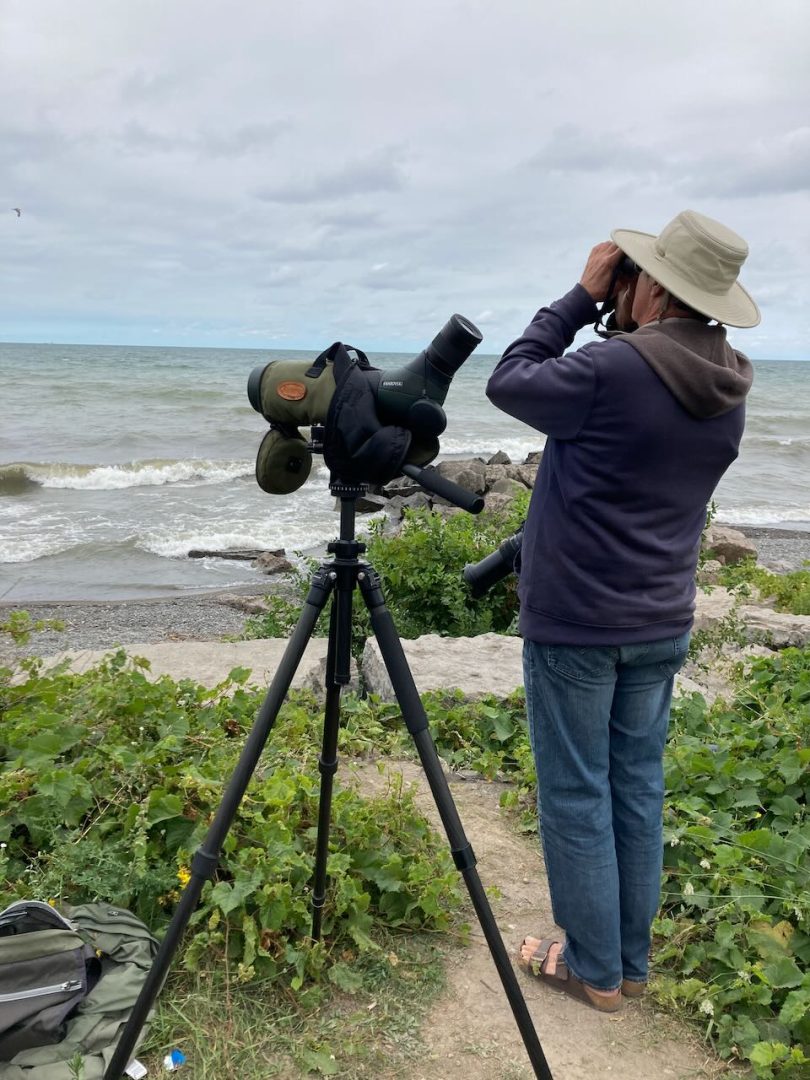
We celebrated and then went back to scanning. Lake watching is hours of scanning the lake and horizon for small black specks that fly differently from gulls, ducks and cormorants. When someone spots a jaeger there is the challenge to describe where you are looking to get all the other birders on it too, and its a moving target. So you will see multiple people looking through scopes and suddenly someone yelling, “I’ve got a jaeger! It’s above the horizon, heading left, crossing past the CN tower now, a gull just flew right below it, now over a white sailboat, coming up to the tallest white building”. You get the idea. It is a skill to try and describe something that is essentially is a tiny black bird in a field of blue water and blue sky. Most sightings are so far out that they have to go in as a Jaeger species rather than identified to type. We wanted them in close enough to shore that we could identify and hopefully add Long-tailed Jaeger as well. Other birders joined us over the afternoon and we had a number of birds far out and another couple of Parasitic come in close. The winds got stronger, the air was colder and I was shivering by 4:00. What a crazy change from the morning. We hung in another hour as it is often very good between 3-6 but nothing else came in. We ended the day having seen 5 Parasitic Jaegers fairly close and 5 jaeger species. Not bad for a first Lake watch in August.
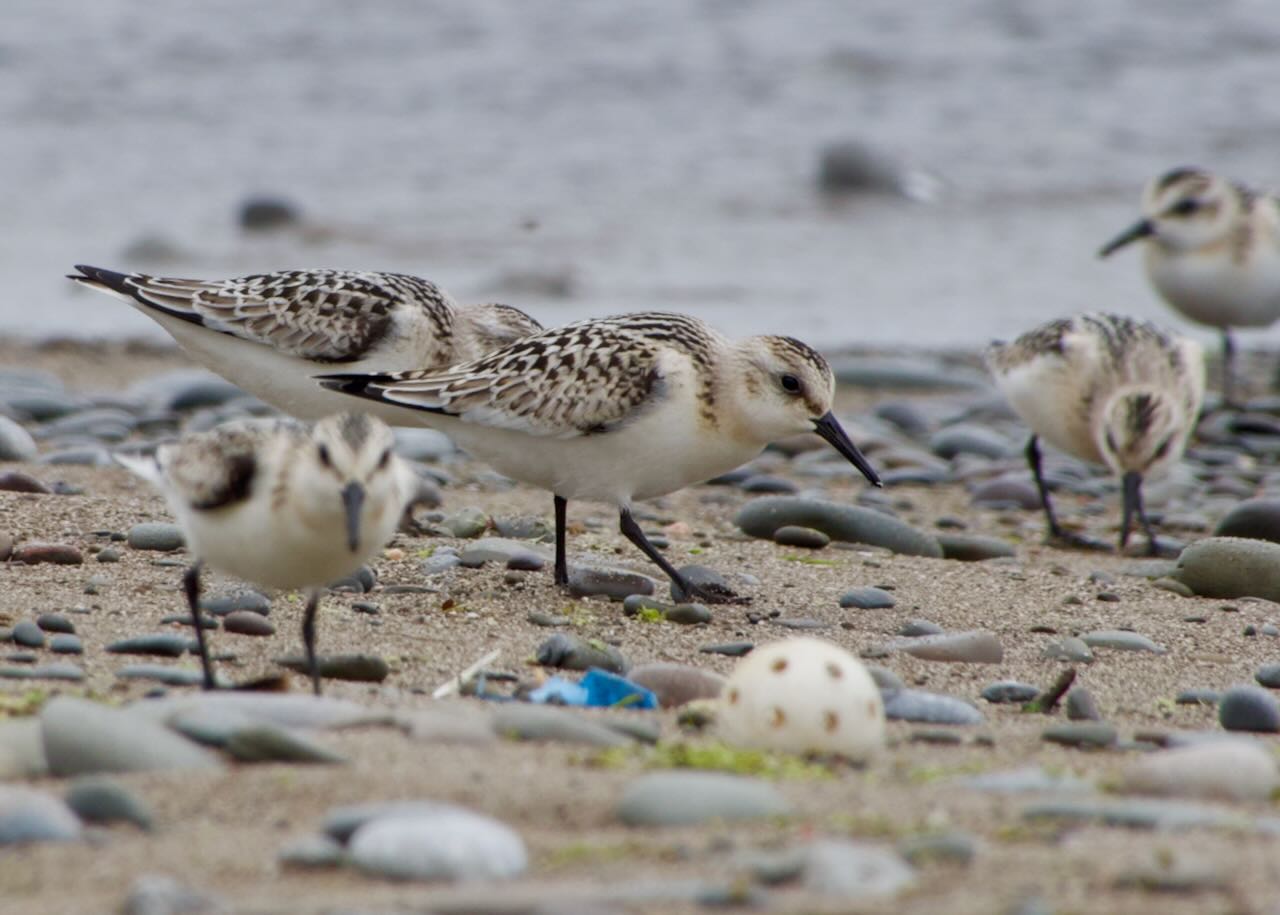
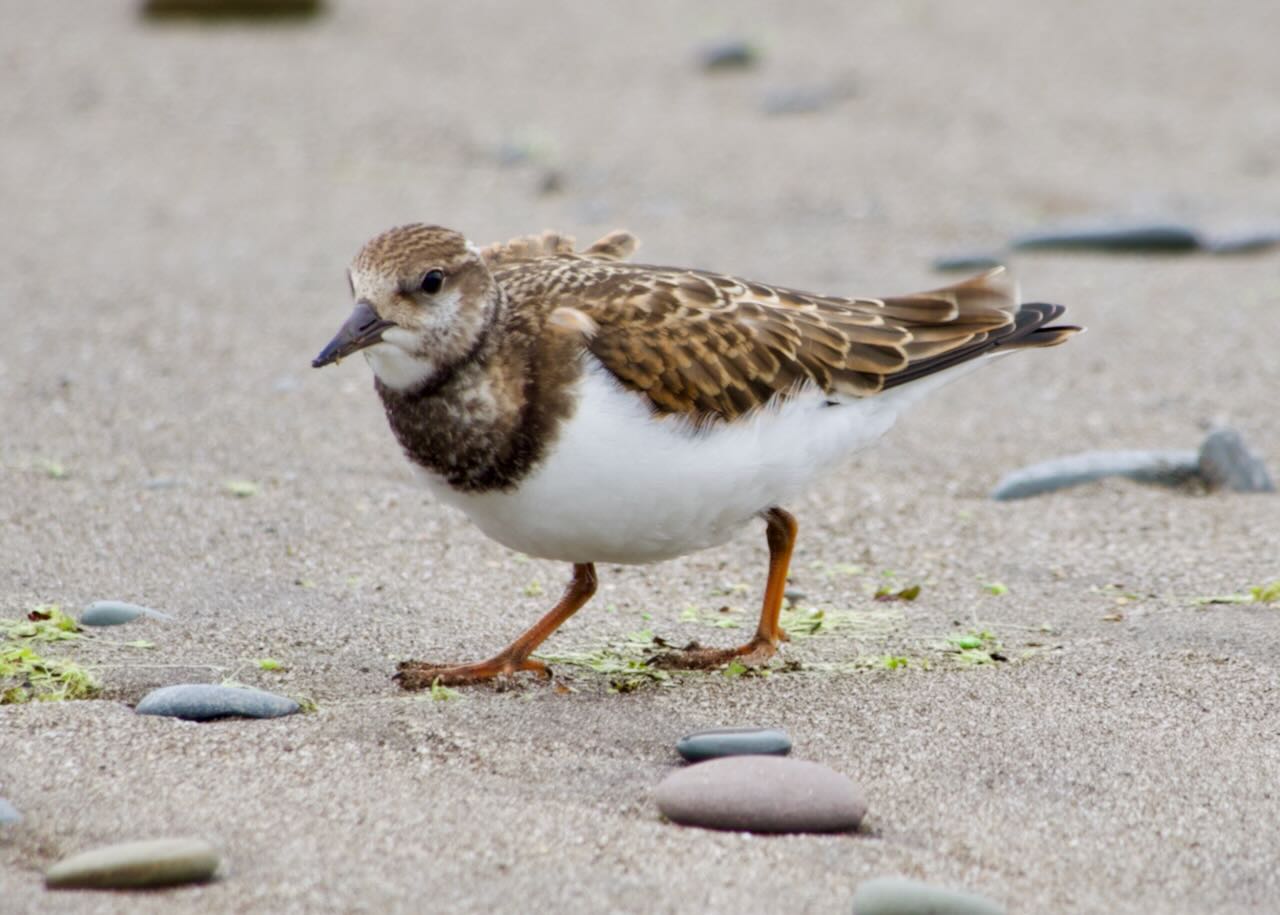
Thursday the winds were a bit stronger in the morning but Jerry had an appointment so we didn’t get there until noon time and Max was sure he had a Long-tailed come in fairly early when he was there first thing. There were a few more birders present and shortly after we arrived Barb got on a Parasitic Jaeger reasonably close. Margaret, from Toronto had joined us and got her Parasitic for the year. We all went back to scanning. When we got bored of scanning we amused ourselves by taking pictures and video of Sanderlings and a Ruddy Turnstone on the beach taking turns so we didn’t miss anything. Marcus and George supplied us with lots of sweet treats and the hours went by quickly.
While I was videoing the Turnstone I looked up and there were 2 Jaegers flying right past me, pretty close. I was so stunned and then tried to get my camera up and going and they were gone! I don’t know how Jerry gets the pictures he does! All the birders got on those birds and they were determined to be Parasitics too. We continued to scan and chat about birding, hearing stories of great gets from Barb. I love hearing these stories as you quickly realize how random events are that lead to great gets or misses. I also like hearing information about other species and where to find certain species. It is always an informative time while you patiently wait for those brief moments of birds flying past. As the afternoon waned the winds dies down and there was less action on the water. We were meeting Marg and Lawson for dinner at Hutch’s so we packed it in again around 5.
The hours I need to devote to Lake watching will increase until I get the Long-tailed and Pomarine Jaeger on my list. Hopefully, I can head to Sarnia for a watch there as they often seem to have more Long-tailed over that way. There are a few people checking the Beeton Sod Farms daily for the Buff-breasted that have chosen this year not to show up on time and there are still no sightings. I am not stressed, but I am a tiny bit concerned that they might not show up there and I should have chased the one in Chatham. Oh, it is never the right decision it seems. On Saturday a Yellow-crowned Night Heron was reported but could only be seen by a boat in the St. Lawrence near the Thousand Islands. Another bird that was not chaseable. Although, I did look up where and when the 1,000 Islands cruises go just in case. It was not near the island the bird had been seen or we might have added that to our weekend plans. On Sunday late in the day a report came in that a Mississippi Kite had gone over the Holiday Beach Hawk Watch the first day it was running so I guess that is where I should have been LOL.