The weather was the story during week 25. A heat dome covered most of Ontario bringing temperatures in the 30’s feeling like the 40’s. We had caregiving duties at the beginning of the week so no birding took place. I continued to work on planning the Canada Big Year when I had time and have made significant headway.
I also took a close look at the species left to see in Ontario and recorded numerous places to see them and when they start arriving. We attempted to bird a few mornings locally but by 10 the humidity, heat and lack of birds made it silly to continue. And so week 25 passed with another week of no new birds added.
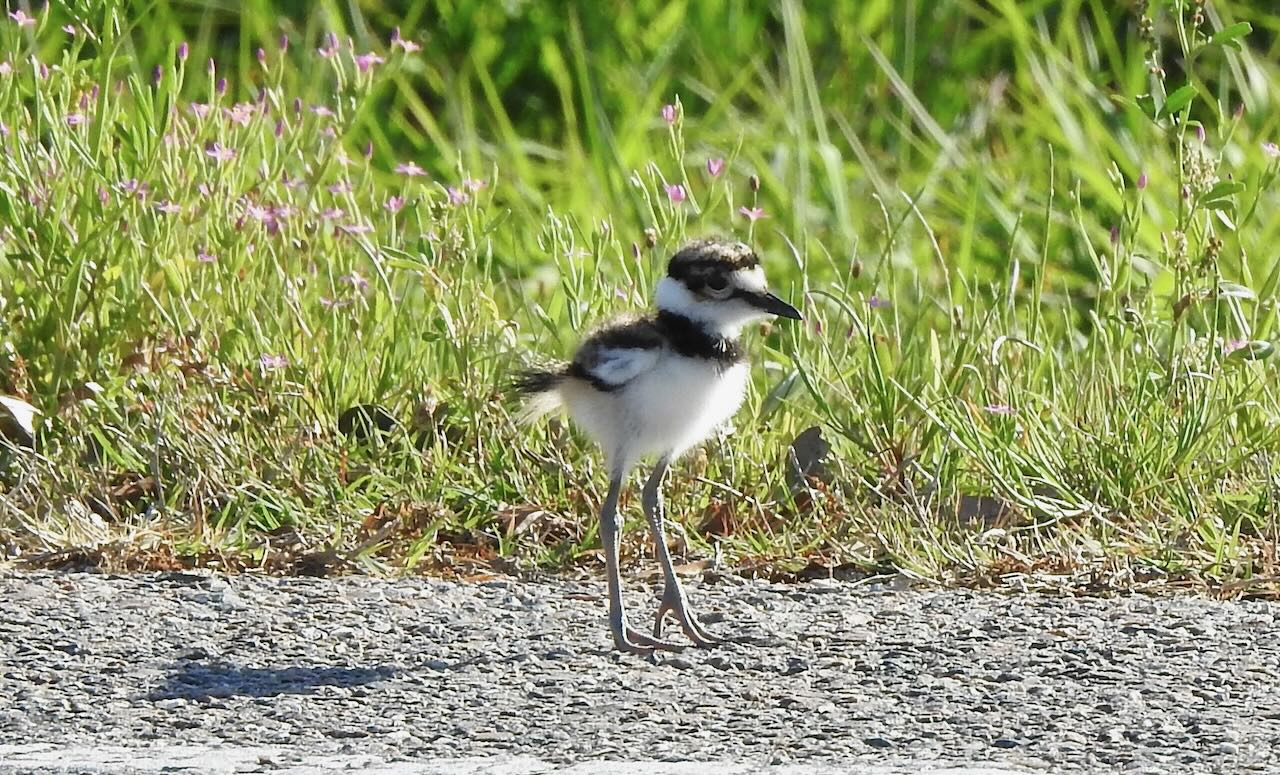
I had hoped to have Killdeer baby pictures to show you but we missed the hatching! They must have hatched late evening on the 18th when I had not checked and then I heard the parents calling as we went to bed. I went outside fearful that a predator was around but I could not see or hear anything and in the morning there was just the empty nest there. Killdeer young are precocial meaning they are born able to run and feed themselves as soon as their fluff dries. The parents move them away from the nest site within a short period of time, usually hours and they also move every bit of shell from the nest site. They will stay with the young in long grass and shrubs until the young can fly at about 40 days. We found a cleaned out nest with no sign of predation and so we can only assume that they hatched that evening and the parents moved and cleaned that night. We hope that is what happened! Below is a picture Jerry took in 2018.
Killdeer Chick 2018
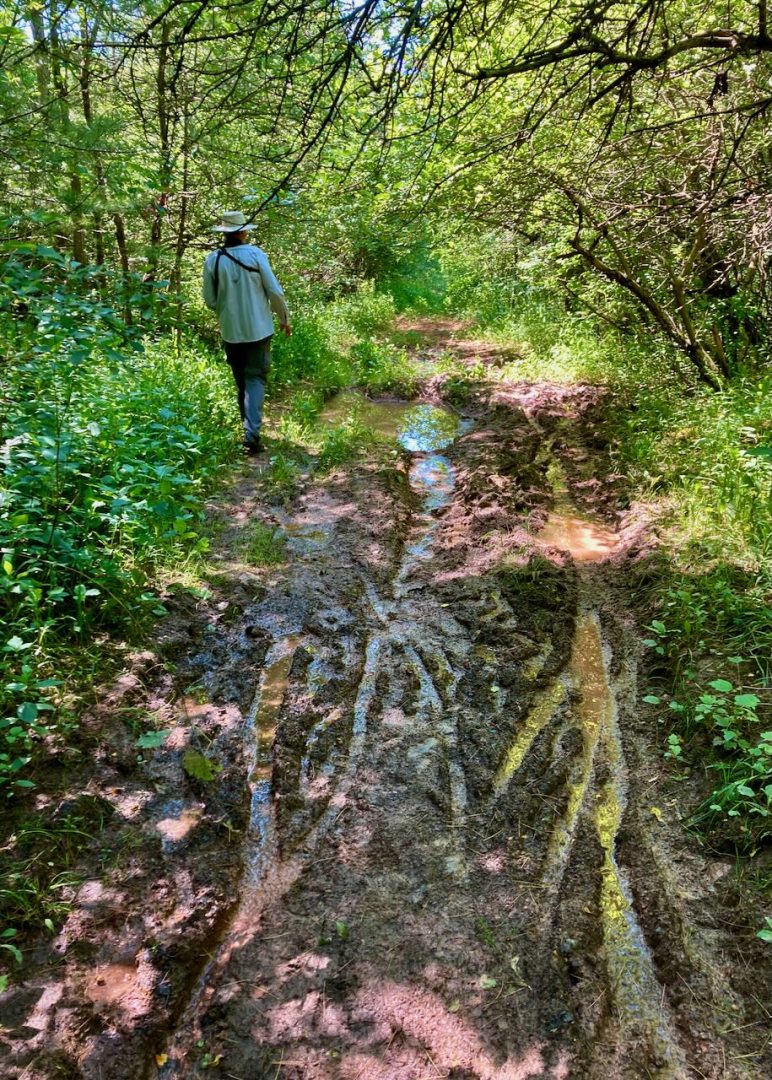
The heat wave broke at the end of the week and so we started Week 26 out birding. We had one County left in Ontario that we did not have a checklist for so we ventured up to Grey County and hiked at Bognar Marsh on Monday. It was a pretty trail, part marsh, mud and forest. Part of the trail loop is the Bruce Trail that runs along the top of the Niagara Escarpment. We managed to see and hear 44 species but alas, nothing new for our list.
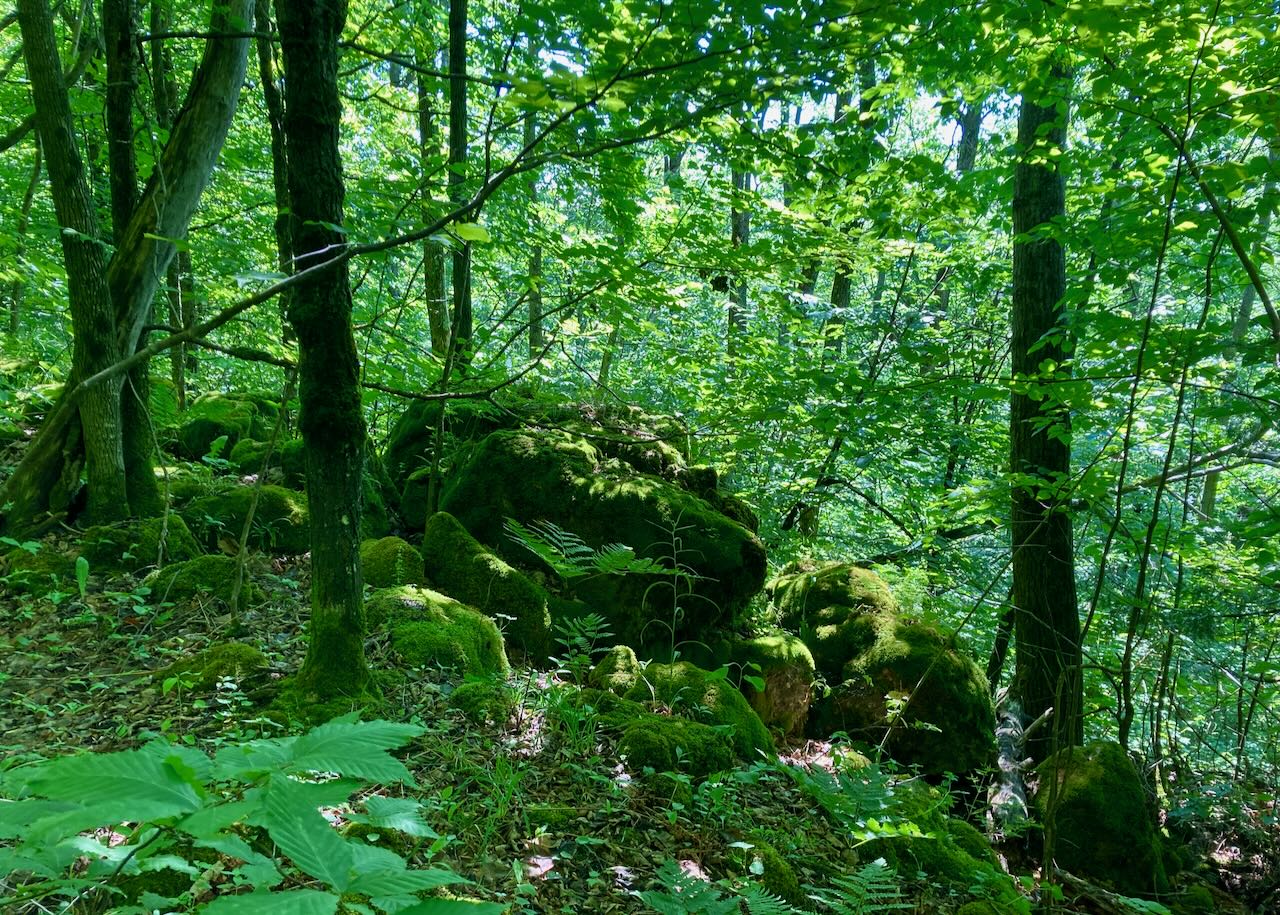
Bruce Trail Bognar MarshBognar Marsh
There are 50 ebird Counties and Districts in Ontario and we have now birded, over the years, in each of them. I wondered how many we had birded in just this year and was surprised to find we have checklists in 38 of the 50 so only 12 that we have not been in this year. Do you sense another “goal” coming up? It turns out that at least 6-8 are on the agenda to visit this summer and fall so that only leaves another 4-6 to make an effort to visit. We will see how it goes…
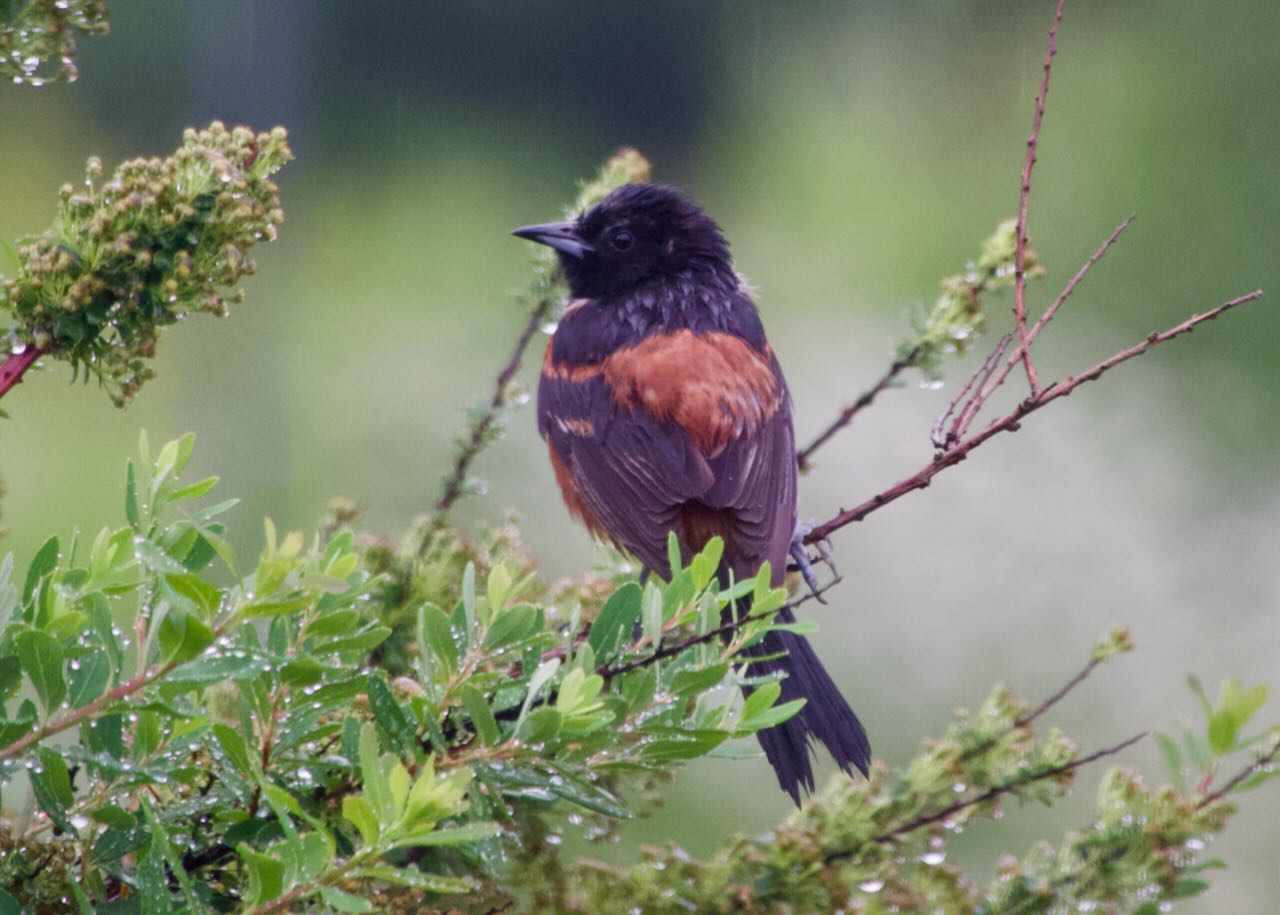
Backyard nesting has been quite successful with many young showing up at our feeders. The young Grackles were the noisiest with their incessant squawking to be fed but it appears they are finally able to feed themselves and things are a bit quieter. We have a pair of Hummingbirds that are nesting and coming to our sugar water feeder. Rose-breasted Grosbeaks are also nesting close by as well as at least two Baltimore Oriole pairs. Robins have been successful nesters as have Song and Chipping Sparrows. Jerry thinks around 10 Eastern Bluebirds and 6 Tree Swallows have fledged from the nest boxes on our property. We had an Orchard Oriole visit as well.
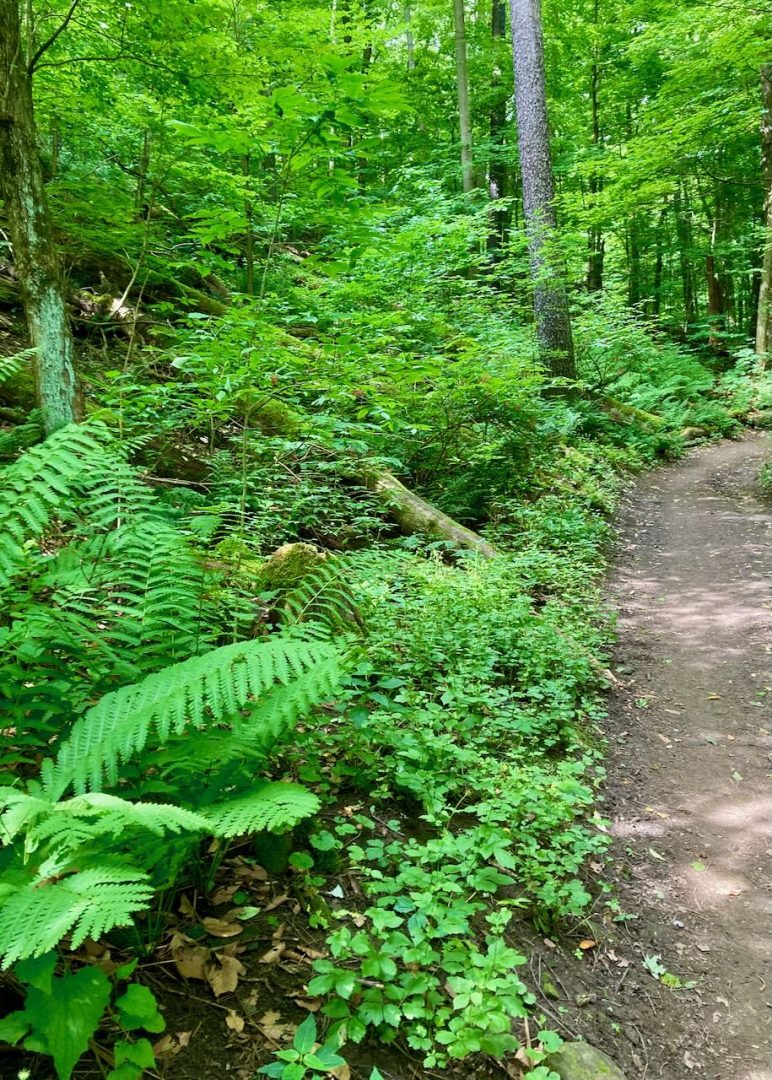
Whenever we head to Hamilton for caregiving we try to bird for a few hours first and one of our favourite spots is the myriad of trails in the Dundas Valley Conservation Area. We have a new appreciation for the numerous trails that wind through that valley. The scenery is gorgeous and the habitat varied which means many species of birds reside there. On Wednesday we took a trail off Artaban Road hoping to get a picture of a Louisiana Waterthrush (not) and then we took a new trail, the Paddy Green Trail, hoping to see a Black-billed Cuckoo as we have only heard it this year (nope). It was no matter that we did not see what we wanted, there were many species to see and hear, the pedometer suggested we did 17 flights of stairs and the trails were beautiful.
Paddy Green Trail DundasPaddy Green Trail Dundas
We are enjoying slower birding where we have the time to stop and really listen to the songs so that we hopefully retain some of this new knowledge we have. We had a Chipping Sparrow and a Pine Warbler singing back to back at the Perched Fen in Brantford on Thursday and their songs are very similar but hearing them over and over, one after the other, gave us a chance to really hear the subtle differences. The young birds are starting to move out of nests so it is becoming easier to see birds in and around the trees. We managed to see most of the birds on our list. Jerry continues to get better pictures for our Gallery.
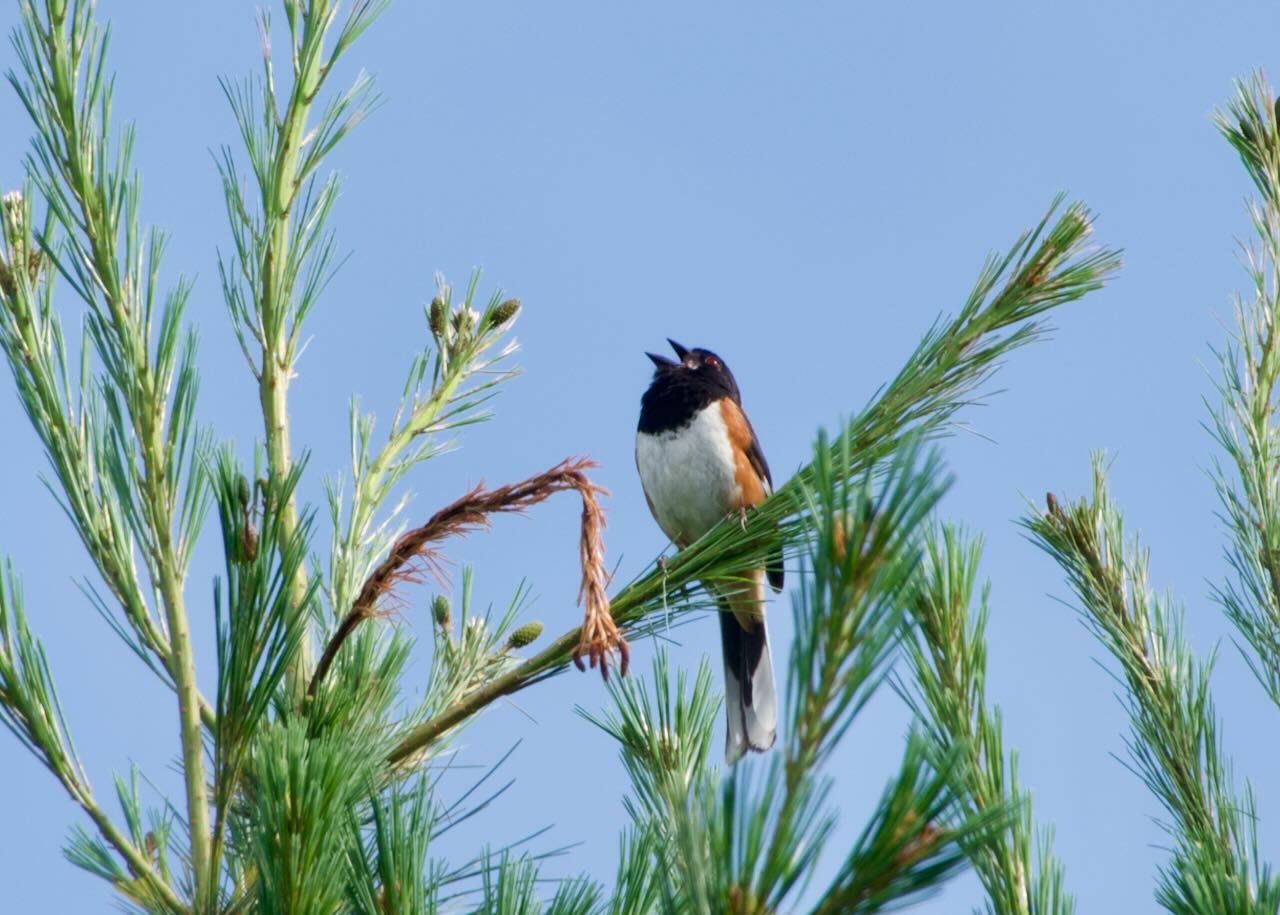
Eastern TowheeOrchard Oriole
This week I started getting a few “needs alert” emails but they are birds being seen up at Polar Bear PP as part of the Bird Atlas Counts and it is a very long way up to Hudson’s Bay. Hopefully, we will see these birds when they start to migrate down in a month. At the end of the week a California Gull was seen at Point Pelee for a brief amount of time but flushed and was not seen again. Gulls are always tough to try and chase. The Lakes will be where we need to hang starting in a few weeks and a few early migrants are likely to start showing up. The downtime has been nice but we are anxious to get back to it and start adding some new birds.
We are officially at the half-way mark of the year! 6 months to go!
On Monday it was very cool out and we just birded locally with no agenda of birds needing to be seen. It was nice to enjoy watching nesting/breeding activity and Jerry managed to get a few nice pics of birds.
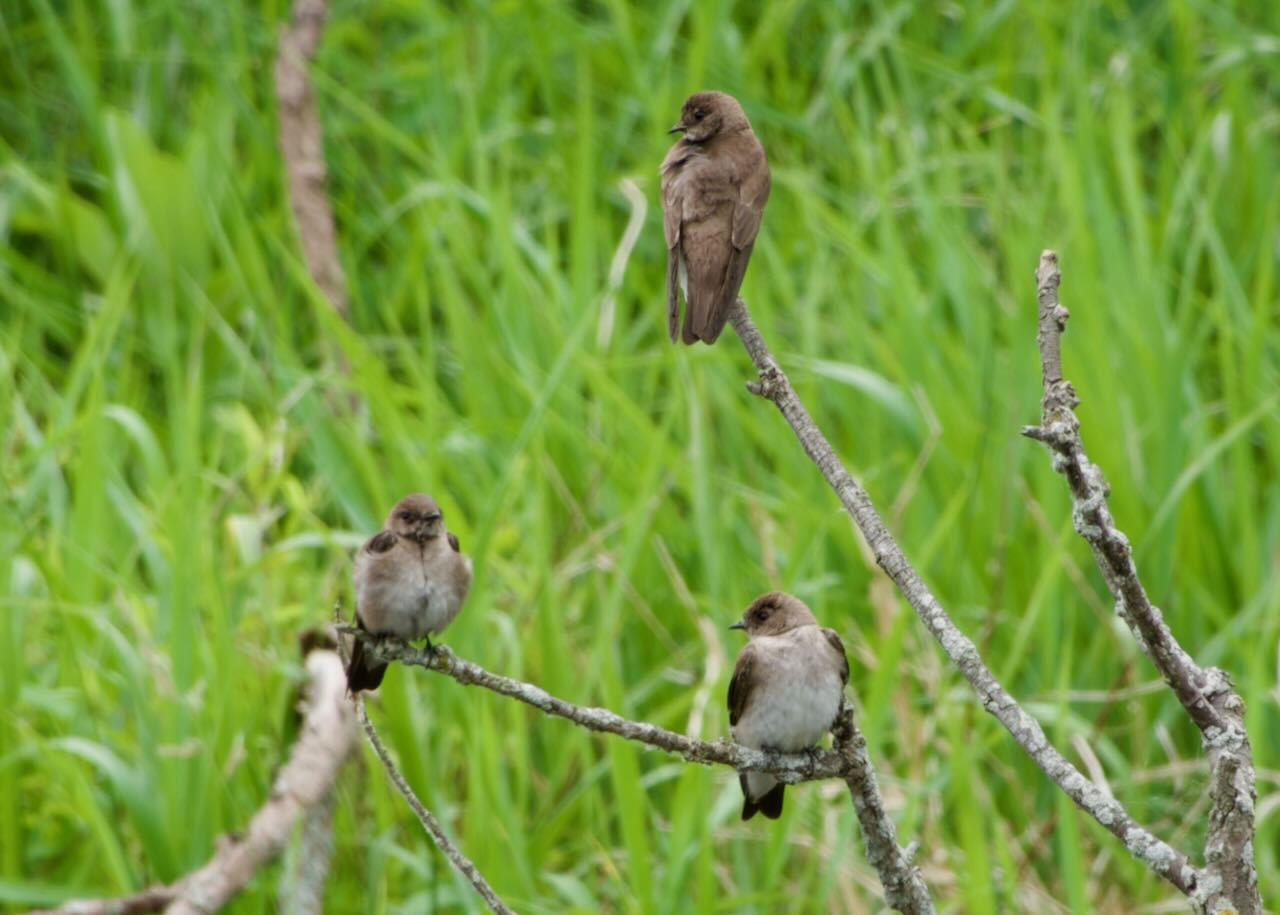
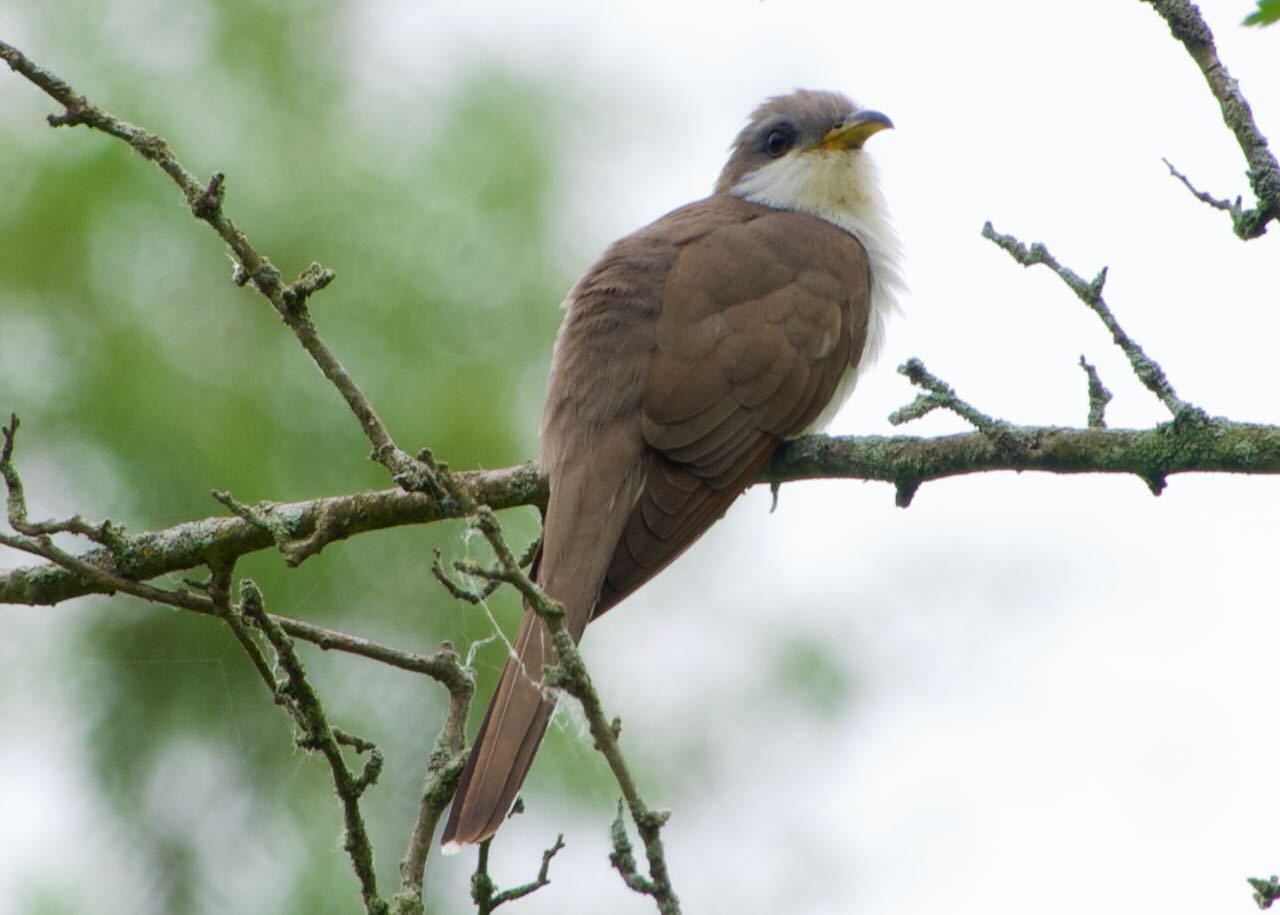
Northern Rough-winged SwallowYellow-billed Cuckoo
Many of the birds were only heard as the leaves are fully out and it is next to impossible to see the bird that was singing. When we first started seriously birding in 2013 we did not know bird songs or calls and we would see ebird reports for a birding spot and go to that spot and only see a tiny number of the birds that good birders saw. We kept thinking, “how do they see all these birds?” We finally realized that many of the reports were “heard only” reports and that good birders knew bird songs and didn’t need to see the bird to know it was there. We tried to learn, Jerry was more successful than I was. The sound all jumbled together for me and I could not tell one bird song from the next in the early years. We had some discs that came with our book and tried with that again with limited success. I slowly learned the common bird songs and managed to remember a few of the common warbler species.
The Merlin Sound ID App launched in 2021 changed everything. It is not 100% accurate, it can make mistakes BUT it can hear bird song and pretty reliably suggest to you what bird is making that sound. You have to use Merlin properly. When it alerts us to a bird song we stop and listen until we hear the song from the bird, then we keep listening, in the beginning we then took the time to find the bird to confirm that it was indeed the bird Merlin had suggested or we would confirm the song using another App Ibird Pro. Only then would the bird be added to our ebird list. Now if we recognize the song and know that it is the song we will add the bird to our list without sight confirmation, but only if we are absolutely confident that we know the bird making the song or call. If Merlin suggests a bird is singing and we do not hear the song or see the bird then it does not go on our list. Over the last few years we have birded with Merlin and stopped to check songs and calls over and over and then I started testing myself by saying what the song was I was hearing before looking at what Merlin reported and slowly I have been adding more and more songs and calls to my knowledge bank. I am impressed with how fast and far I have come with it particularly this year with warbler songs. If used properly, Merlin can help new birders learn the songs and calls a lot faster than discs or tapes ever could. The end result will be better birders IF birders use it as a learning tool. The problem is if birders just run Merlin and add everything that Merlin suggests without trying to learn the songs or see the birds, the ebird data base can be compromised and reports go out for rare birds that are clearly wrong. Some education is necessary so that Merlin is used as a helpful tool and not a “birding buddy”.
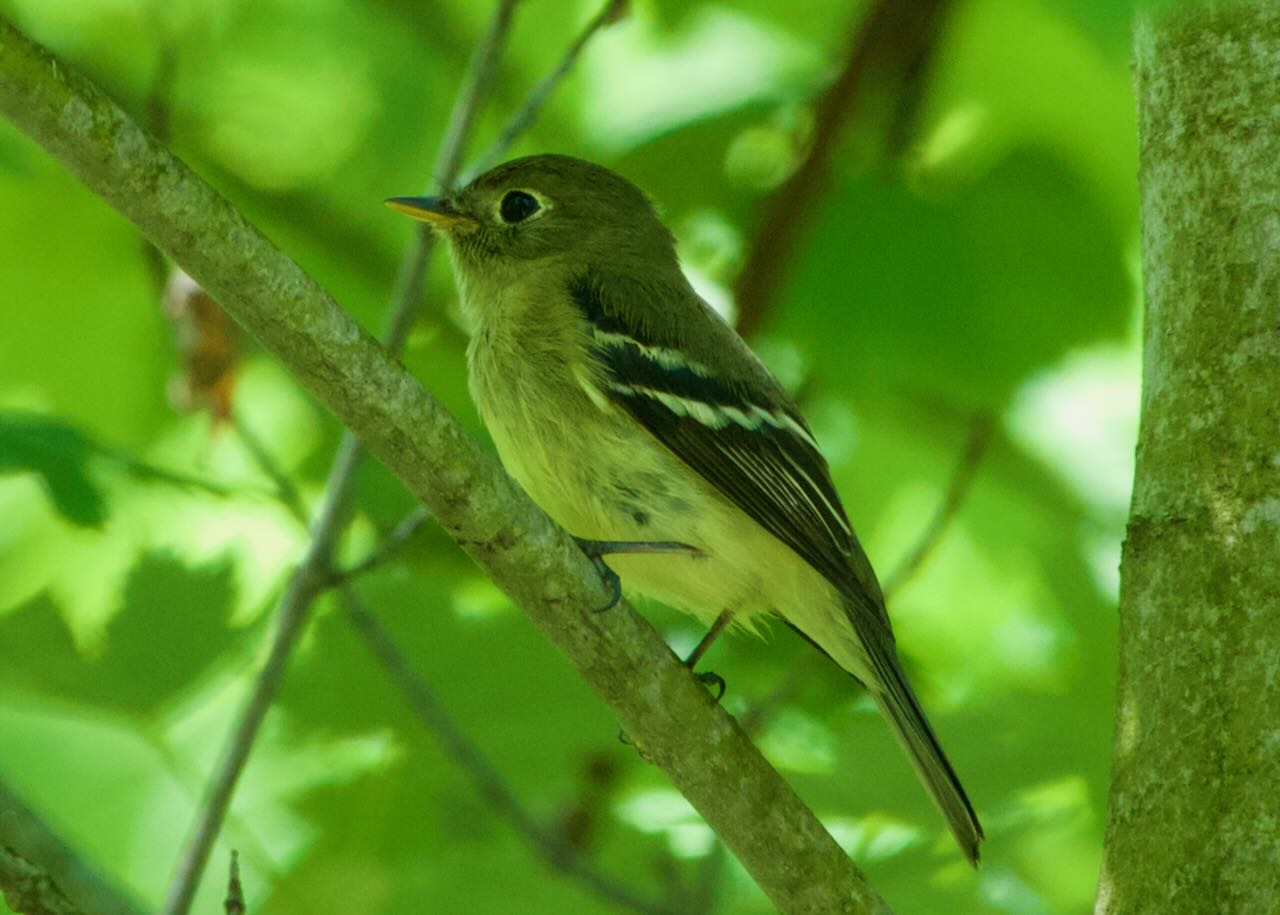
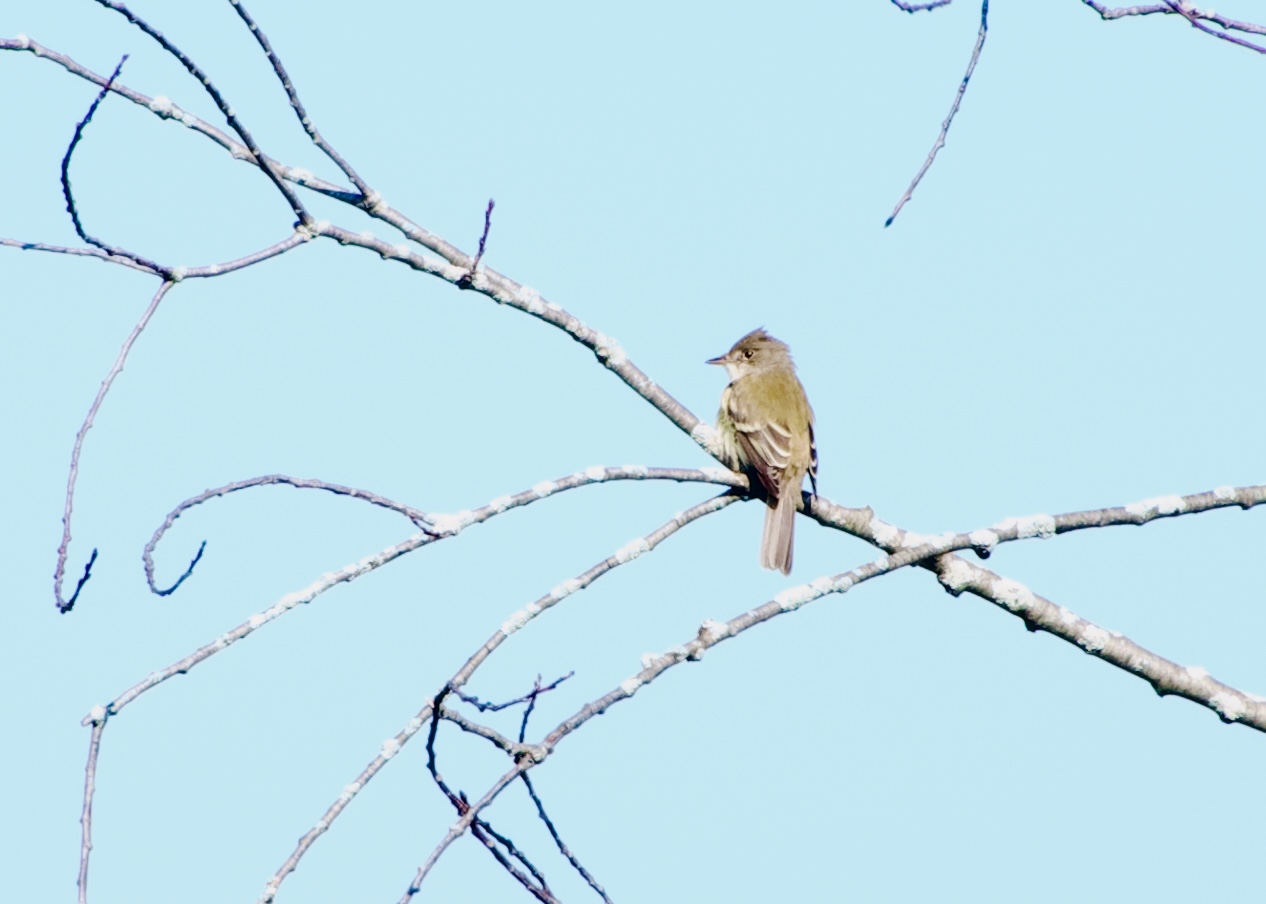
Tuesday we did caregiving again and then on Wednesday we headed down to Erieau and Rondeau. There was a Laughing Gull that hung out for three days last week I was hoping might return but that was not the case as we checked all the local fields and marina for gulls. We walked through some of the trails at Rondeau and had wonderful views of a Yellow-bellied Flycatcher allowing Jerry to get our first photos of this bird.
Yellow-bellied Flycatcher
On the way home we stopped at Komoka PP to see if Jerry could get better pictures of the Blue Grosbeak but it was only singing and not co-operating for photos.
My needs alert emails and Discord continued to be quiet all week with no rarities showing up that I needed or any other birds needed on the list except for a Brant still hanging in Ottawa. I found myself with a bit of “withdrawal” from the constant thoughts of birding. No adrenaline rushes from the chase to find a bird. I had time to have friends over for dinner, to plant some pots with flowers and to set up our little garden ponds complete with goldfish. There has to be more to life than birding LOL. I also managed to get back to the planning for the Canada Big Year and put together a framework of where we will be going and when. The coming heatwave will allow me to complete that planning I hope.
The strategy now is to still bird but bird areas/places that might perhaps yield a rarity or a bird that did not migrate that we need. We will also be concentrating on better pictures of birds we have already seen or trying to “see” birds that we have listed as “heard only”. There are a couple of birds we can try to get on their breeding grounds. Day trips every few days will be the norm for the next few weeks.
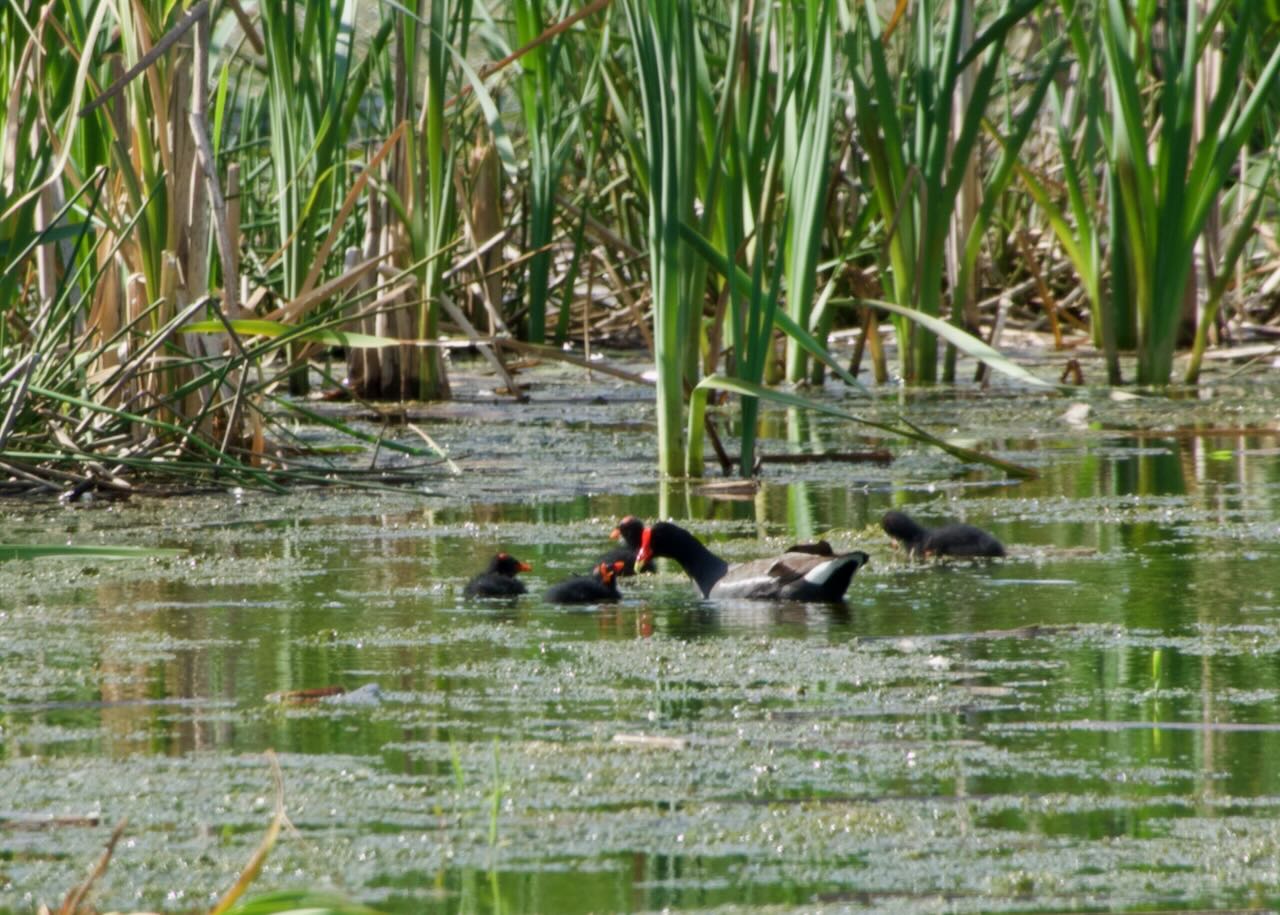
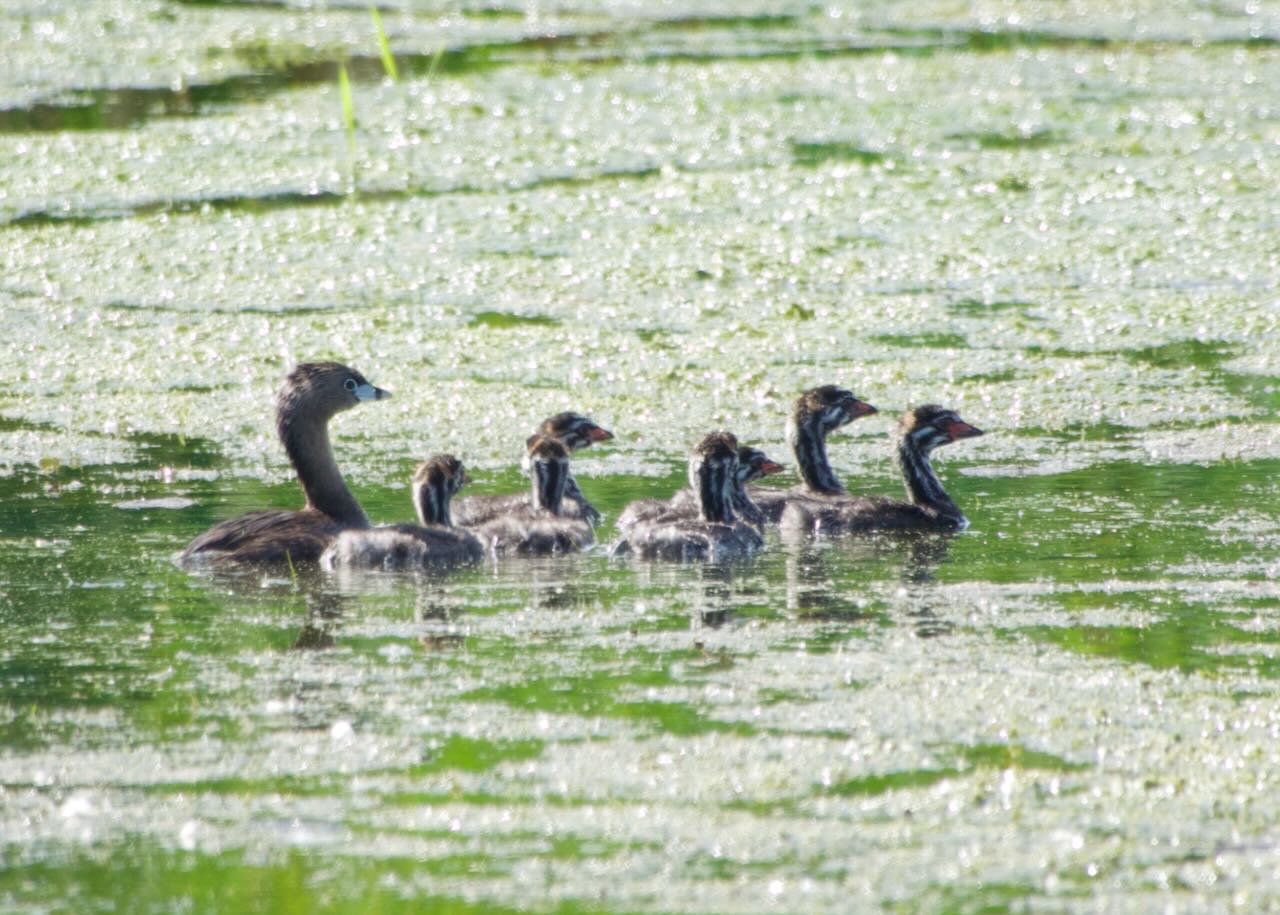
On Friday we made a quick stop at the Glen Morris Pond on our way home from Hamilton and there were chicks swimming about! Seven Pied-billed Grebe chicks with an adult and then ten Common Gallinule chicks with two adults…perhaps two family groups? Soooo cute!
Common Gallinule Chicks fed by AdultPied-billed Grebe Chicks with Adult
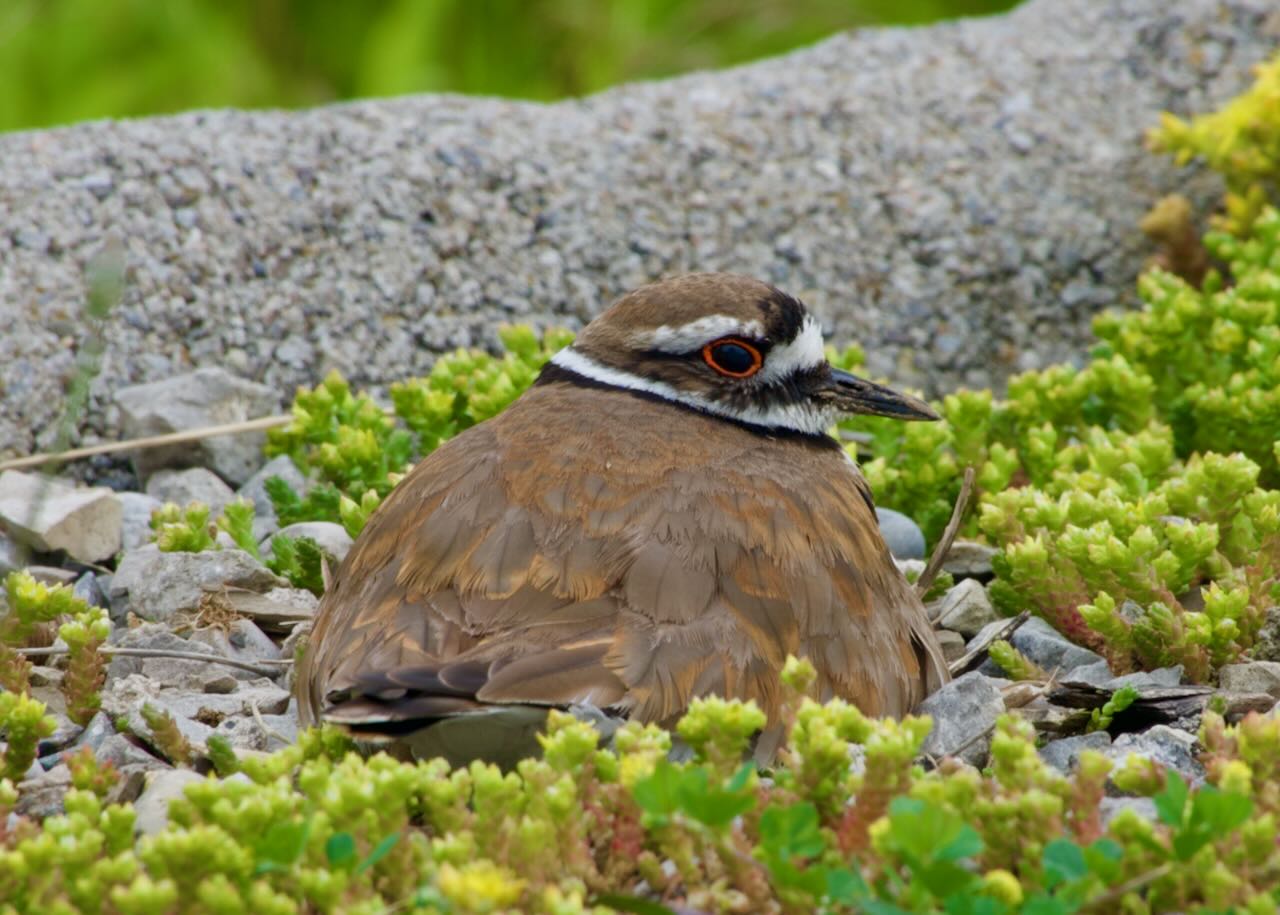
We had Killdeers nest beside our driveway in past years but the last 2 they have chosen other spots. This year they were back and picked the gravel at the side of our driveway. She laid 4 eggs and started sitting on them May 24. The adults have been out there through the storms, winds and sun since then with no protection, calmly switching with each other every few hours. The incubation is between 22-28 days so we started paying close attention on June 14. We have been lucky enough to witness the hatching in previous years so hope to catch it again this year. No hatching yet…hopefully next week I’ll have Killdeer baby pics!
Killdeer on nest.
On Sunday we took a short walk at a local birding spot hoping to see a Black-billed Cuckoo. We have it as a heard only bird at the moment but we always see one, if not in our backyard, at least somewhere in Brant County. We joked that as we were over there looking for one another was probably sitting in our backyard. I did hear one in the evening out further in the forest behind us so hopefully we see one in the next few days.
This is the first week of the year that we have not added a new bird! There will likely be a few more weeks like this ahead. I will endeavour to keep you entertained with all things birding…
Week 24 No new birds added Still #1 ebirders in Ontario 309 species seen J&E
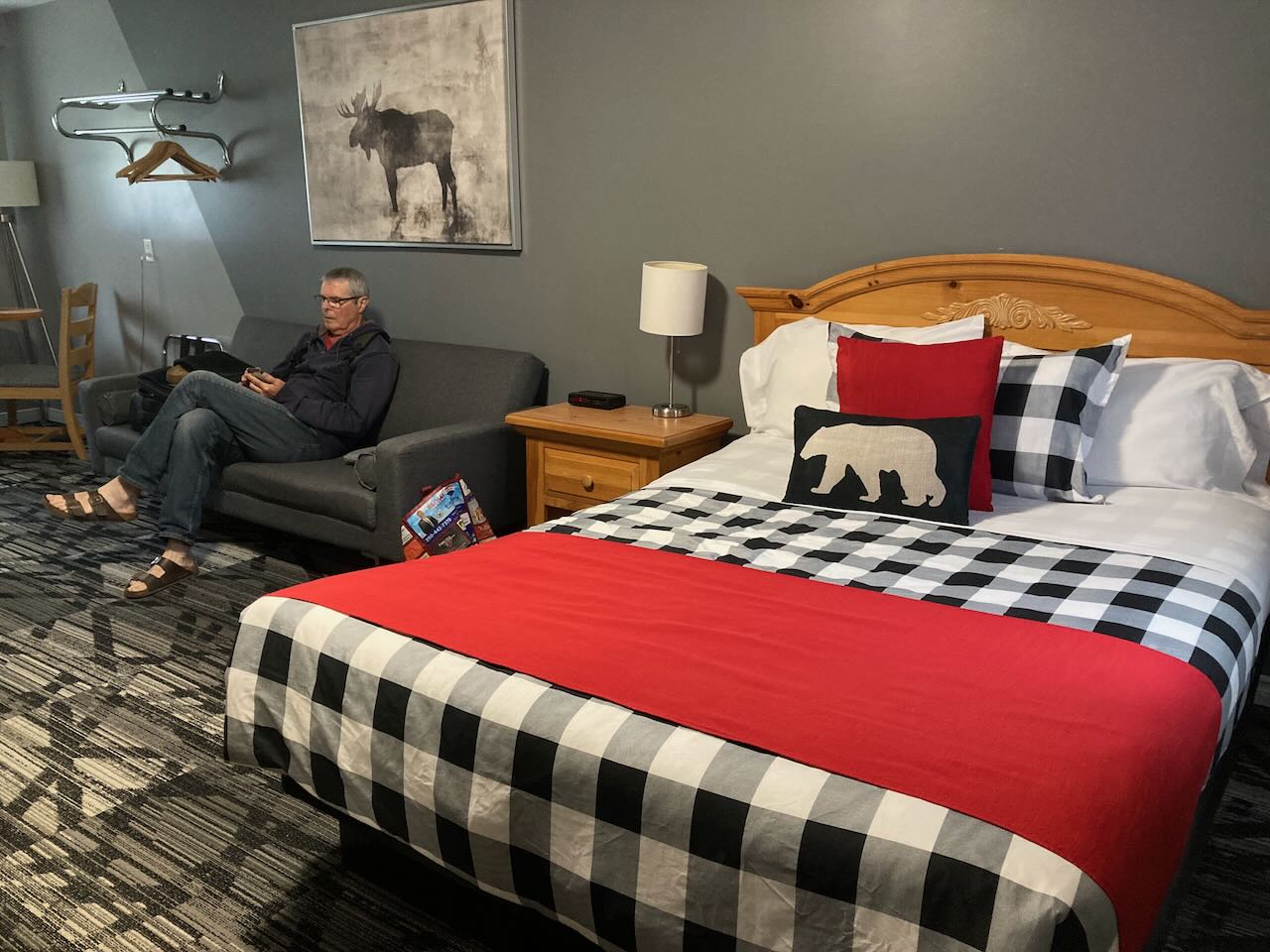
We left early Saturday and drove to Wawa with a couple of birding stops along the way. In Thessalon we looked for Eurasian Tree Sparrows that we had tried for twice in the winter. Its been a few weeks since they were reported and we found nothing at the two known spots. Wawa is a fav spot to stop on our way west and the Mystic Isle Motel does not disappoint. We birded the Wawa sewage lagoons and Magpie Falls.
Mystic Isle MotelMagpie Falls
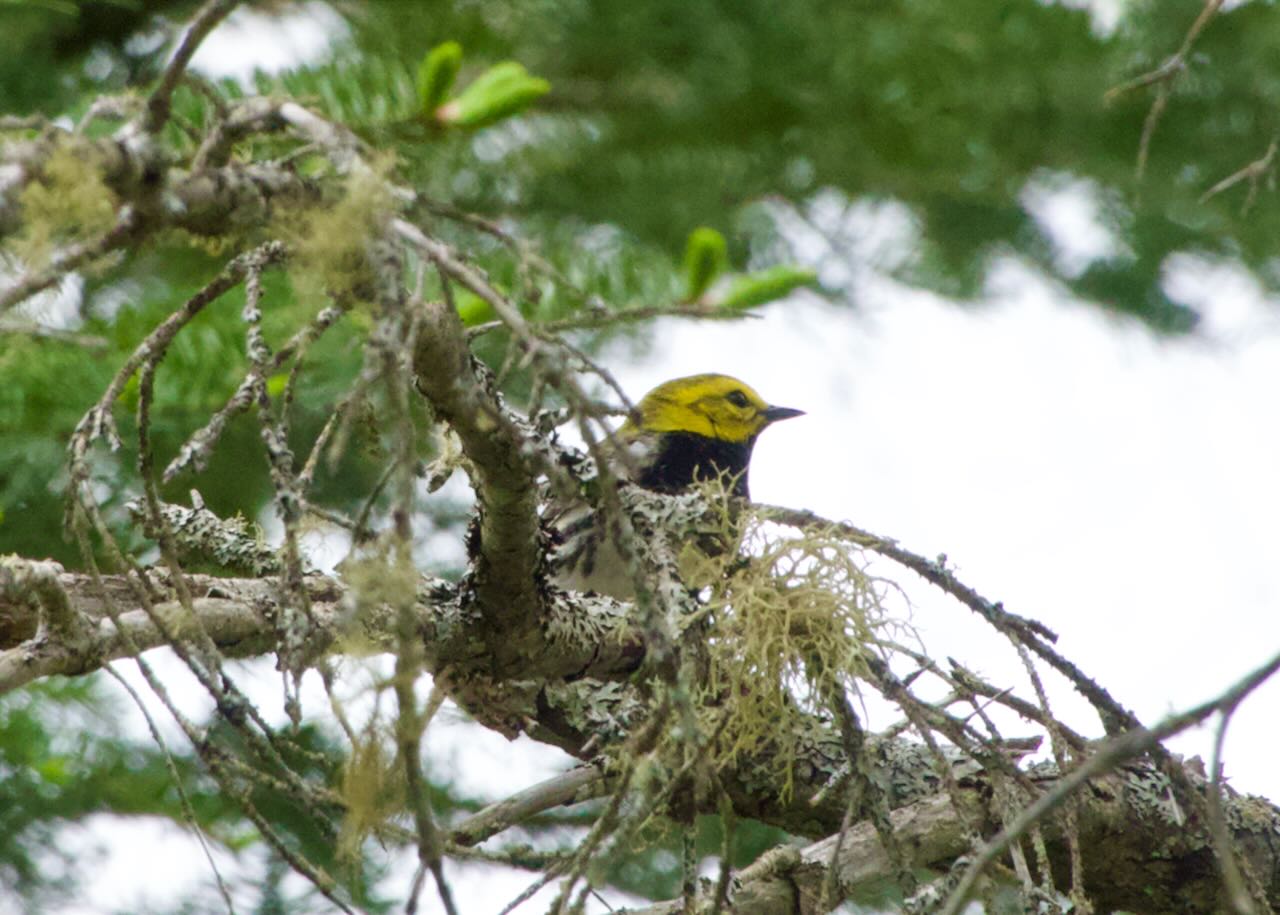
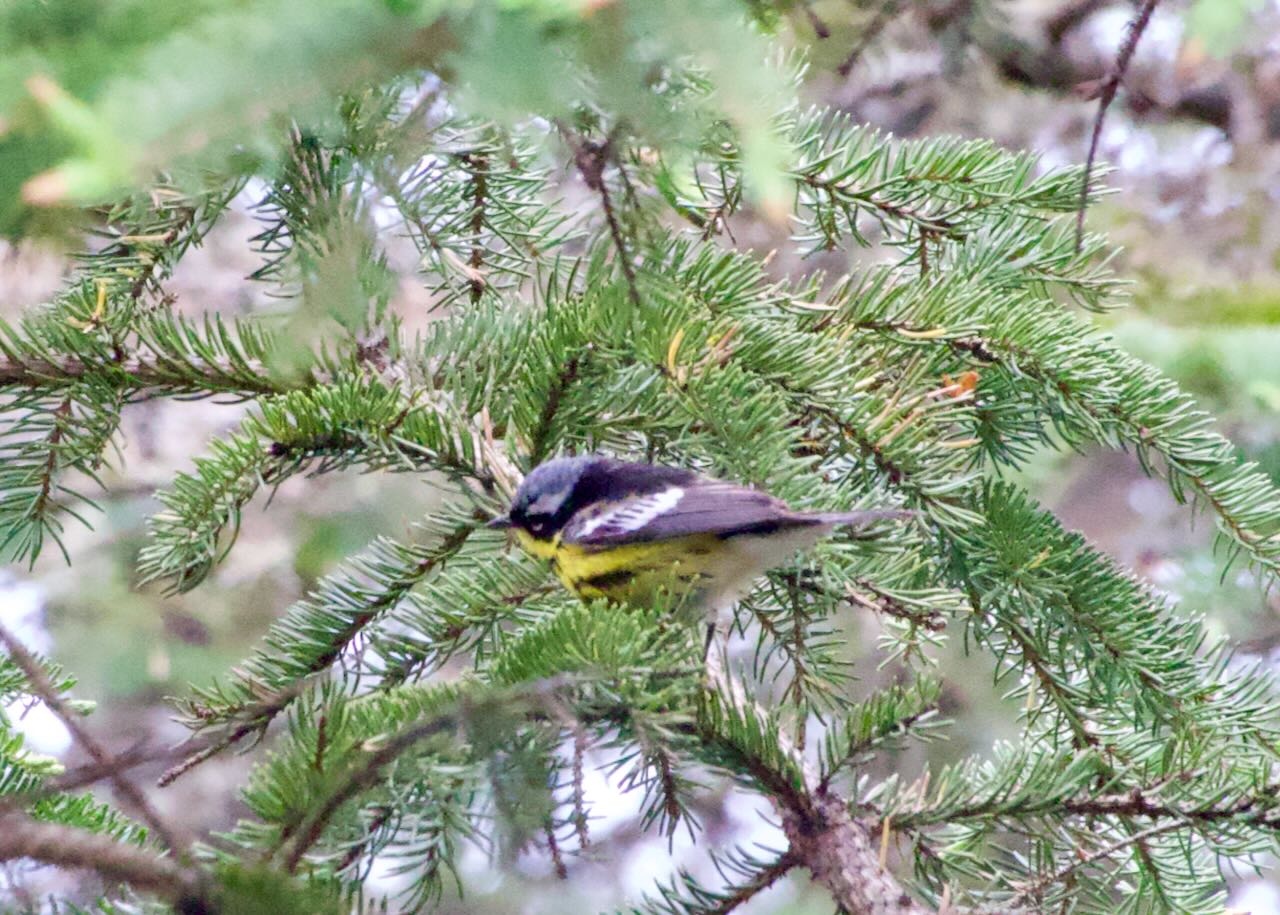
At the Falls the woods were full of warblers and we spent some time getting close eye level views of Black-throated Green, Blackburnian, Magnolia, Northern Parula and Redstarts. We also heard Northern Waterthrush, Tennessee and Black-and-white Warblers. It was lovely to have these views that we missed at Pelee this year.
Black-throated Green WarblerMagnolia Warbler
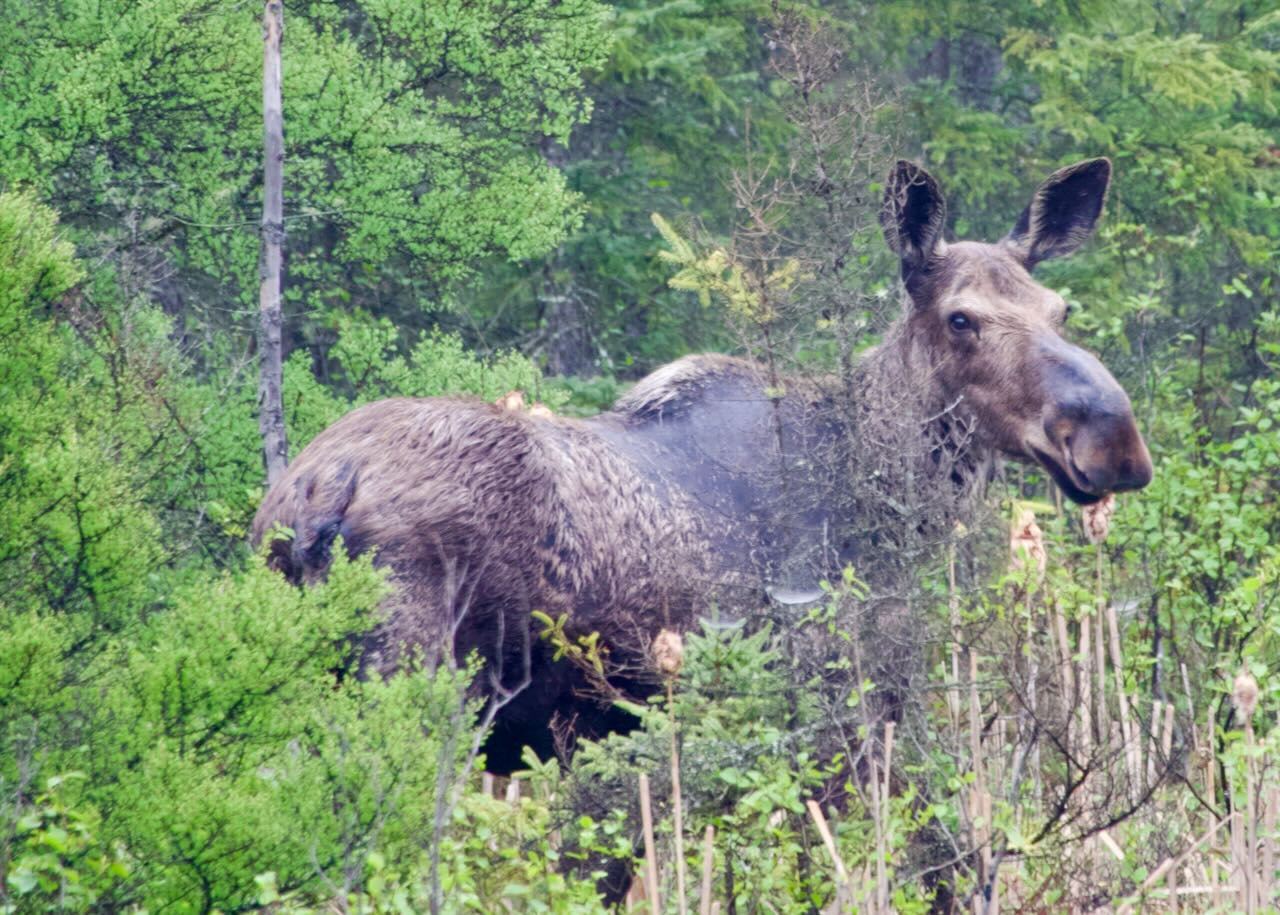
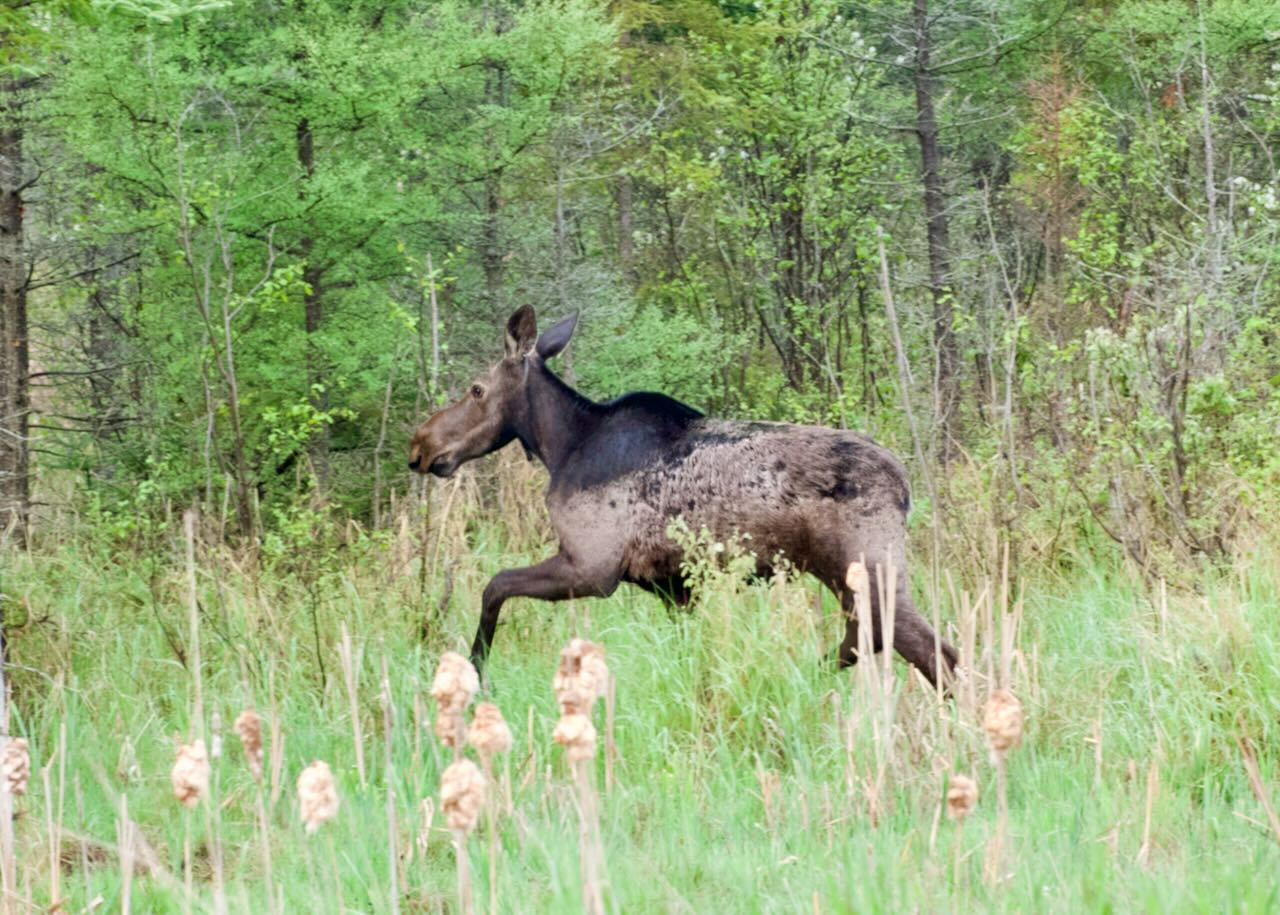
Sunday we only drove 5 hrs to Thunder Bay but birded a number of spots along the way hoping to turn up a rarity. We started the day in fog as seems to happen at this time of year along Lake Superior and as we hit some clearer areas we managed to see 1 moose and then further along 2 more moose and then a beautiful Cross fox (a melanistic red fox with black stripes across its shoulders and back).
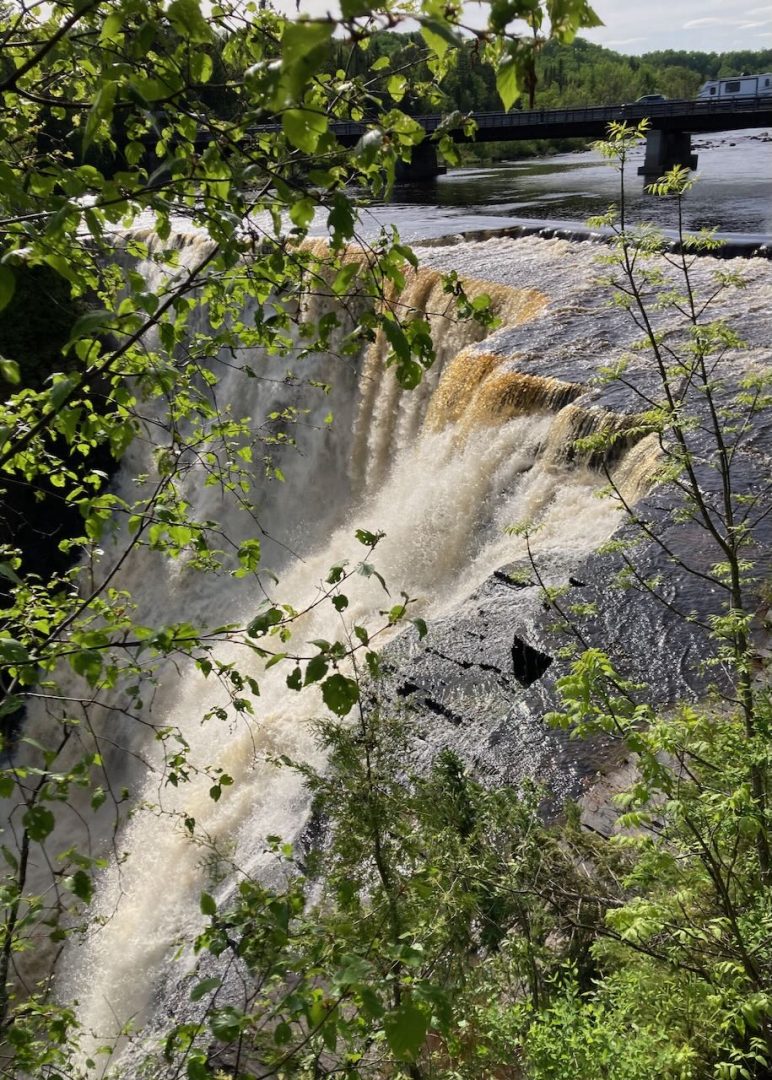
A lucky start to the day, would it result in being lucky with the birds? I spent the time scanning the sides of the road ever hopeful for an Owl. We stopped at Terrace Bay, Rossport, Hurkett Dock and then we visited the McKellar island Bird Observatory in Thunder Bay and stopped in at Chippewa Park. The birding was hit and miss and we found nothing to add to our list. We visited Kakabeka Falls in the evening but didn’t bird the trails.
Kakabeka Falls
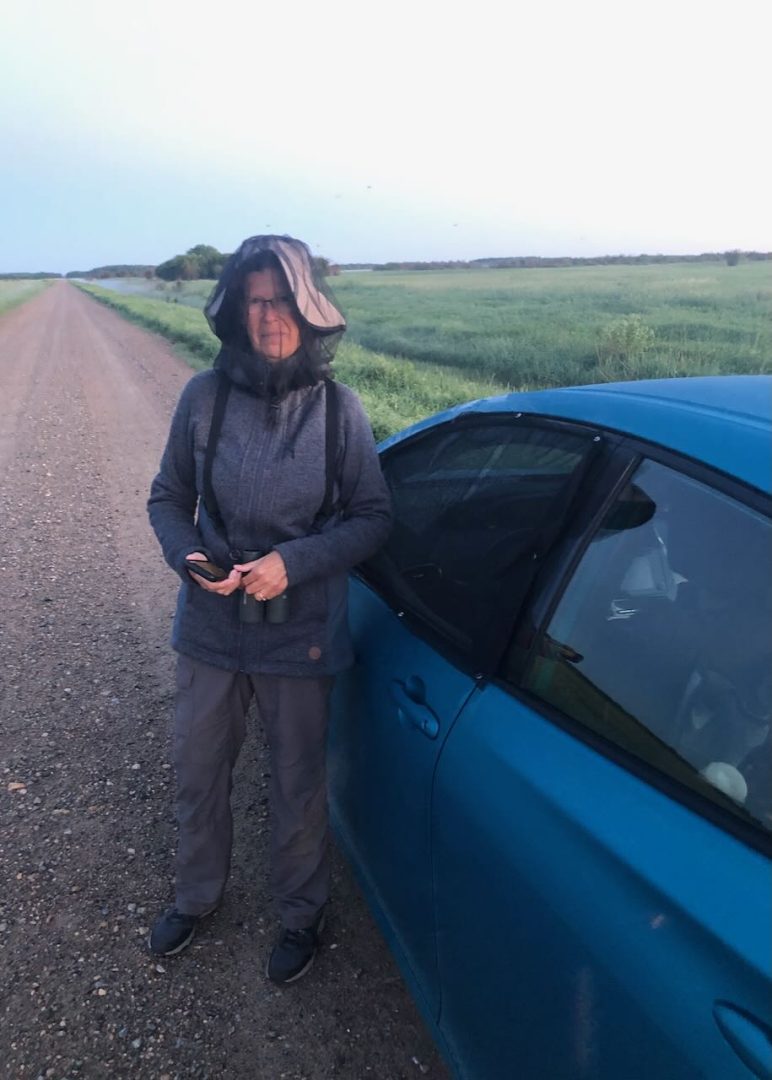
Monday we left early and because of gaining an hour we were in Rainy River by 10am. Along the way I spotted a Black Bear but it ran into the bush before we could get a photo. We stopped first at Spruce Island PP, the area where Connecticut Warblers nest and started a slow drive stopping often to hear warblers singing. The selection was great but most birds were only heard because of the thick forest. We used our car window screens that I made in 2022 for our car so we could listen but keep the hundreds of mosquitoes at bay.
Window Screens attach with magnets!
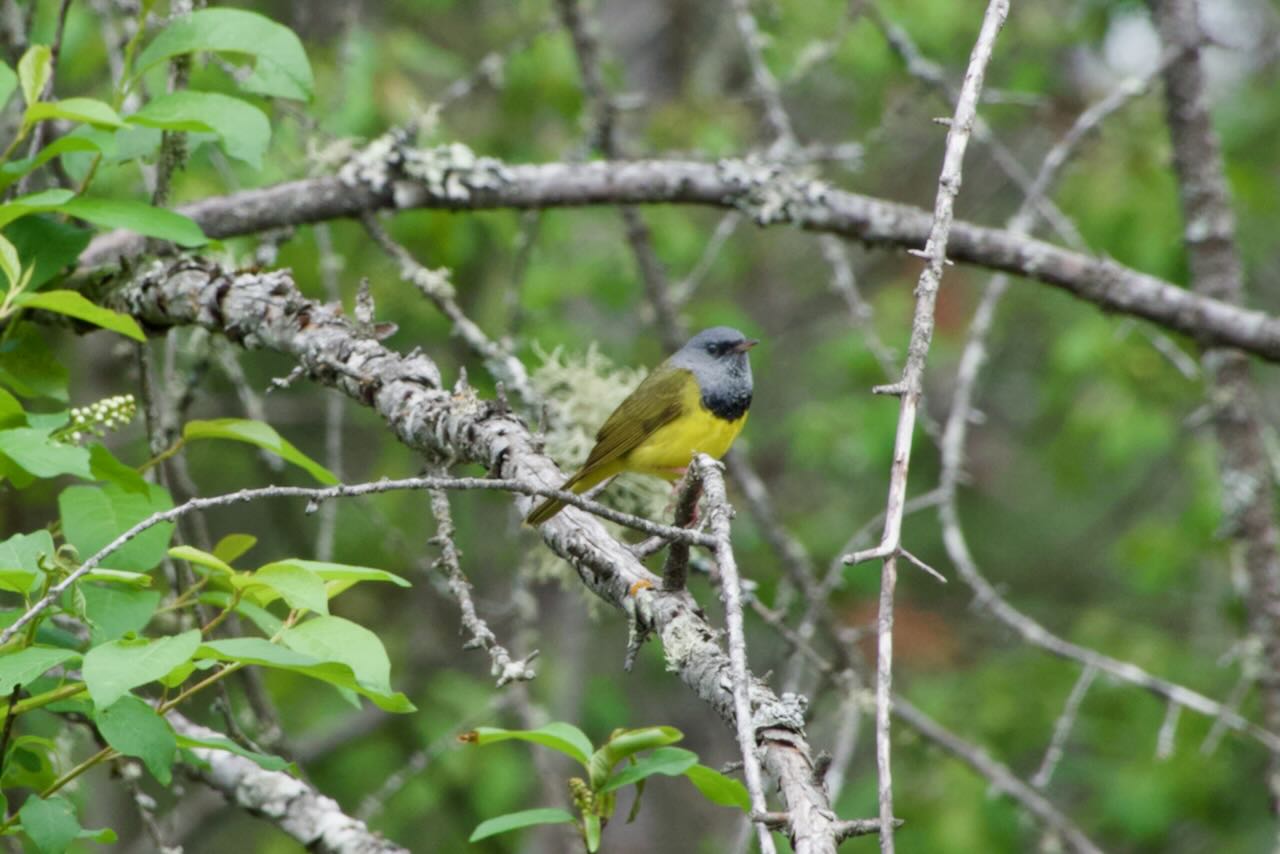
We could hear a Mourning Warbler close to the road and got out to find it singing gustily on an open branch on the edge of the road. Jerry was happy to take many pictures and I managed some video too. It was lovely to have such fantastic views of this often secretive bird.
Mourning Warbler
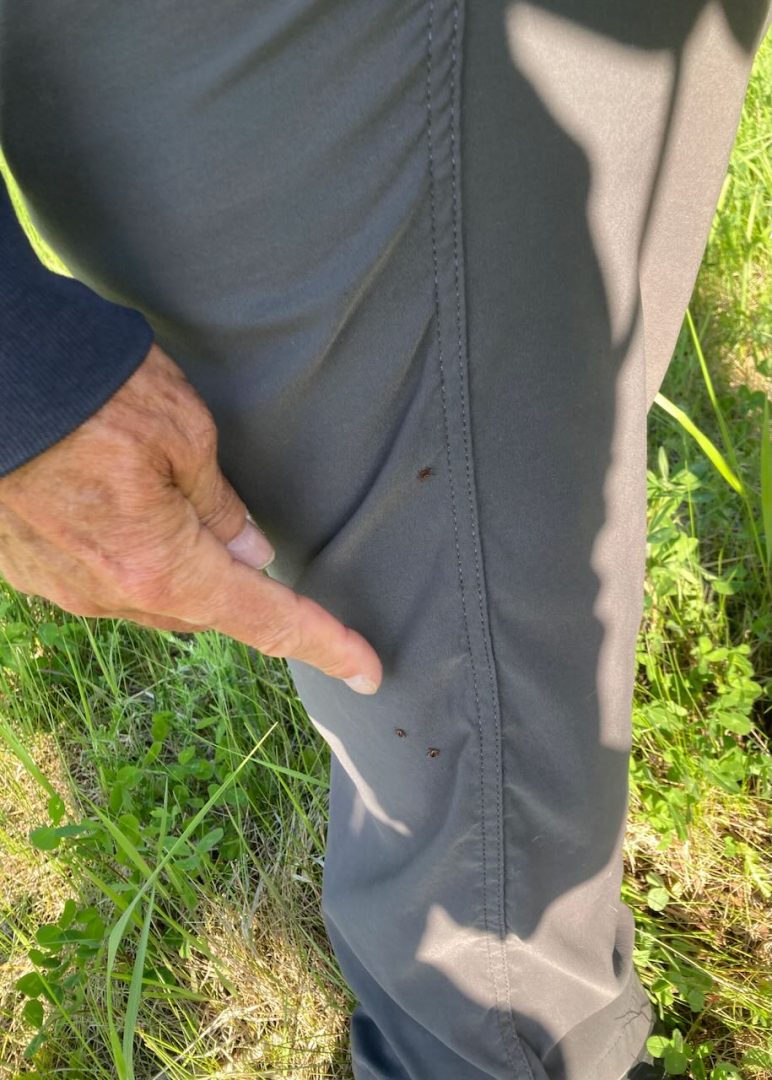
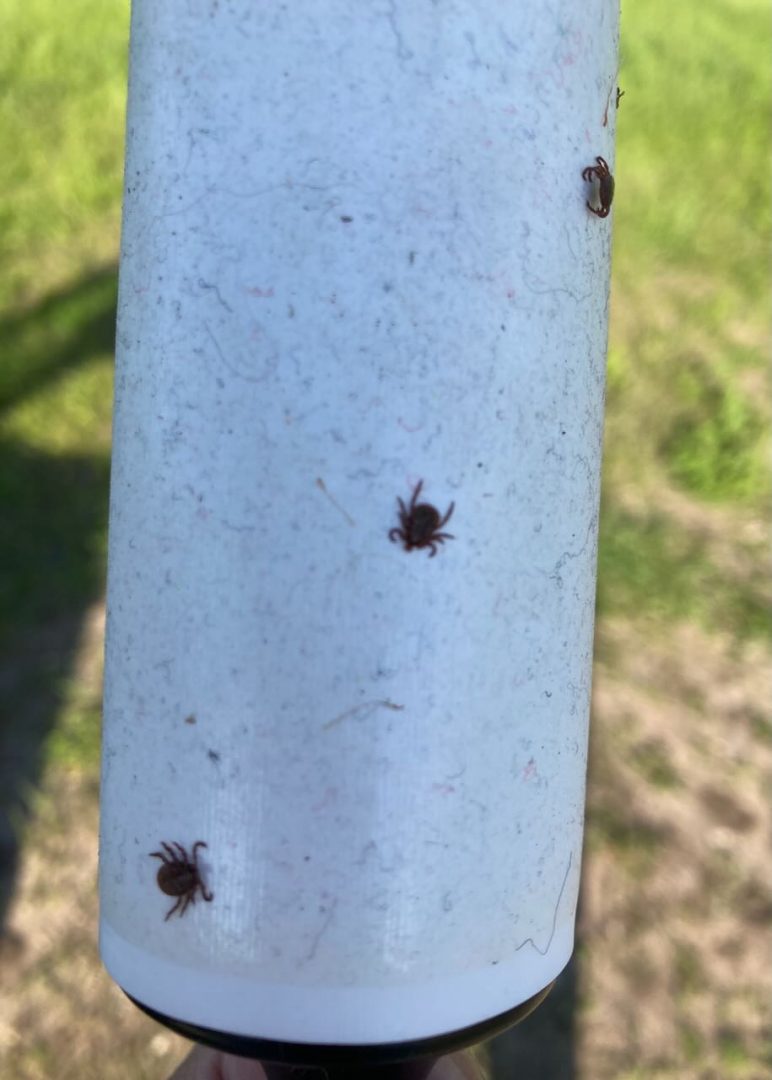
A bit further along we finally heard a Connecticut Warbler. We have yet to see this warbler and it remains on our life list as a heard only bird. We are hoping this trip that will change. Despite walking the road and hanging around listening to it sing we never got it to come closer or managed to see it. We moved on anxious to add more birds to our list and checked out fields where Marbled Godwits often rest but we did not see any. Then we headed to Wilson Creek Road, the known spot for Yellow Rail, Sedge Wrens and LeConte’s Sparrows. We have Yellow Rail already but will try for an early morning to get a recording for our blog and we added Sedge Wren and LeConte’s quite quickly. No photo of the Sparrow as they are another species that is notoriously skulky. We took an afternoon break, had an early dinner and headed back out in the evening to check out the sewage lagoons. I forgot about spraying for ticks and as we walked we could see them jumping on our pants. I must have pulled off 10-20 from myself and Jerry had just as many. We used our lint roller when we got back to the car and it worked quite well. For the next 3 hours we were pulling ticks off of ourselves, my neck, Jerry’s legs, our clothing all while we continued to bird. I cannot forget to spray before we get near any grass out here!
Wood (dog) TicksLint Rollers are awesome for getting them off your clothes!
To end the evening we did a dusk watch again on Wilson Creek Road hoping to hear an Eastern Whip-poor-will. As the sun set we were treated to calls and songs from American Bittern, American Woodcock, the wrens and sparrows. We also heard the hundreds of mosquitoes at our window screens trying desperately to get to us. A few made it in but for the most part it was enjoyable to sit and listen without the whine and bites from mosquitoes. And no I was not drunk but couldn’t get the the right angle for my phone LOL – A videographer I am not!
Just as it got dark we finally heard a far off Whip. We drove down the road and made it to a spot where the song was very loud. We listened and enjoyed it for many minutes before starting the drive home.
I was driving on a narrow gravel road, using high beams and we saw a couple of Whips flying up and around the roads. I was watching for animals coming out, birds on the road and other traffic and suddenly I noticed a small lump on the road. I braked hard, it went into the air, and the car hit it and I knew it was an Eastern Whip-poor-will! I was devastated. We checked on it but it was dead. I felt horrible. We went from the high of adding 5 birds during the day to the low of being responsible for a bird to die because of me being out there enjoying the birds.
We got back to the hotel past 10pm and needed to shower and de-tick ourselves. No way was I wanting any ticks in our bed! We fell in to a deep sleep at 11:30 and the alarm went off at 4:30 so we could get to the Sharp-tailed Grouse Lek in hope of getting some pictures.
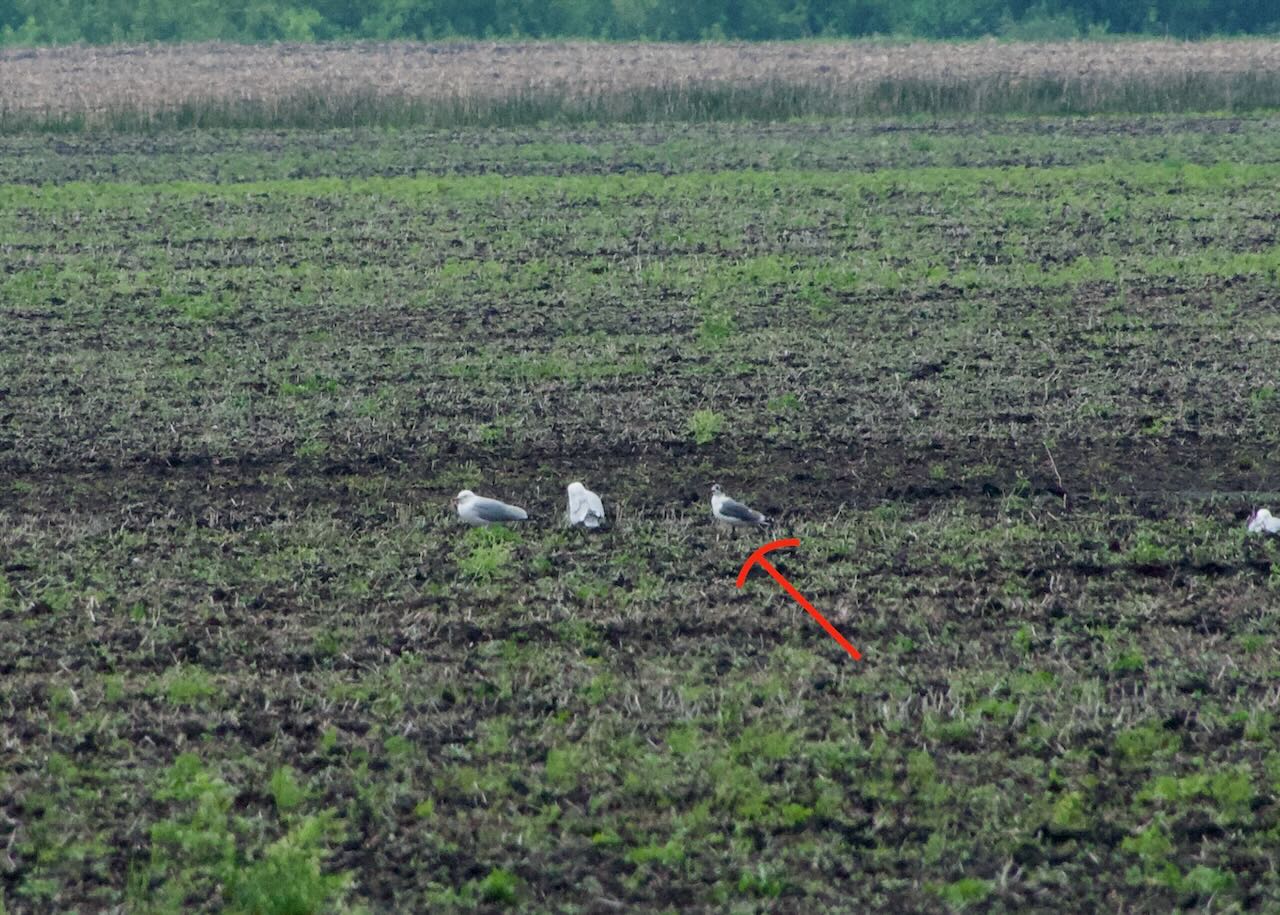
When we arrived at the Lek in the morning there were no Grouse around. Perhaps we were too late as it was light when we left our hotel and we are not sure what time they actually come into the fields. We did see a Western Meadowlark (the only place in Ontario to get this species) and Jerry got some nice photos in the morning light. We then headed up to the Connecticut Warbler spot again but again it was singing but not coming to the road. We are aware that people use pishing and playback to see and get pictures of these birds but we are not prepared to do this especially at breeding time so we will make numerous trips and hope that one day it will appear before us. We had a large bird flush from the trees and fly up the road ahead of us so we moved up the road as well. It landed in a tree quite a ways up and because of the low light (forest on both sides) it was difficult to make out and as soon as we moved the car it flew into the forest. I wondered if it was a Great Gray Owl, it seemed different from a flying hawk but we are not experts and without a pic or better look we had to let it go. It was a day with thunderstorms and rainstorms and so we moved around a bit trying to avoid the areas of rain and still look for Marbled Godwit and then we drove up to an area where you can often find a Franklin’s Gull (another Western species that shows up here). There were a few fields with Gulls but no Franklin’s. With another storm approaching we decided to head back to the hotel but stopped to check one last field. I scanned the gulls looking for the “different” one, one with a black head and smaller and suddenly, there it was in my bins. We quickly got out the scope to confirm that it was a Franklin’s Gull, not an adult but one with a black head coming in. Woohoo! I had a rarity I was hoping to get up here and bird #307. It always feels better when you find the birds yourself. As Jerry took some hurried pics the thunder and lightening started and we just got back in the car when the rain started.
Franklin’s Gull with Ring-billed Gulls
Heavy thunderstorms with tornado warnings continued and we lost power at our hotel for the next 3-4 hours so our birding day ended although Jerry got out for a quick walk later on. I was content to stay warm inside without lights but at least with a book on my phone to read and catch up on this blog.
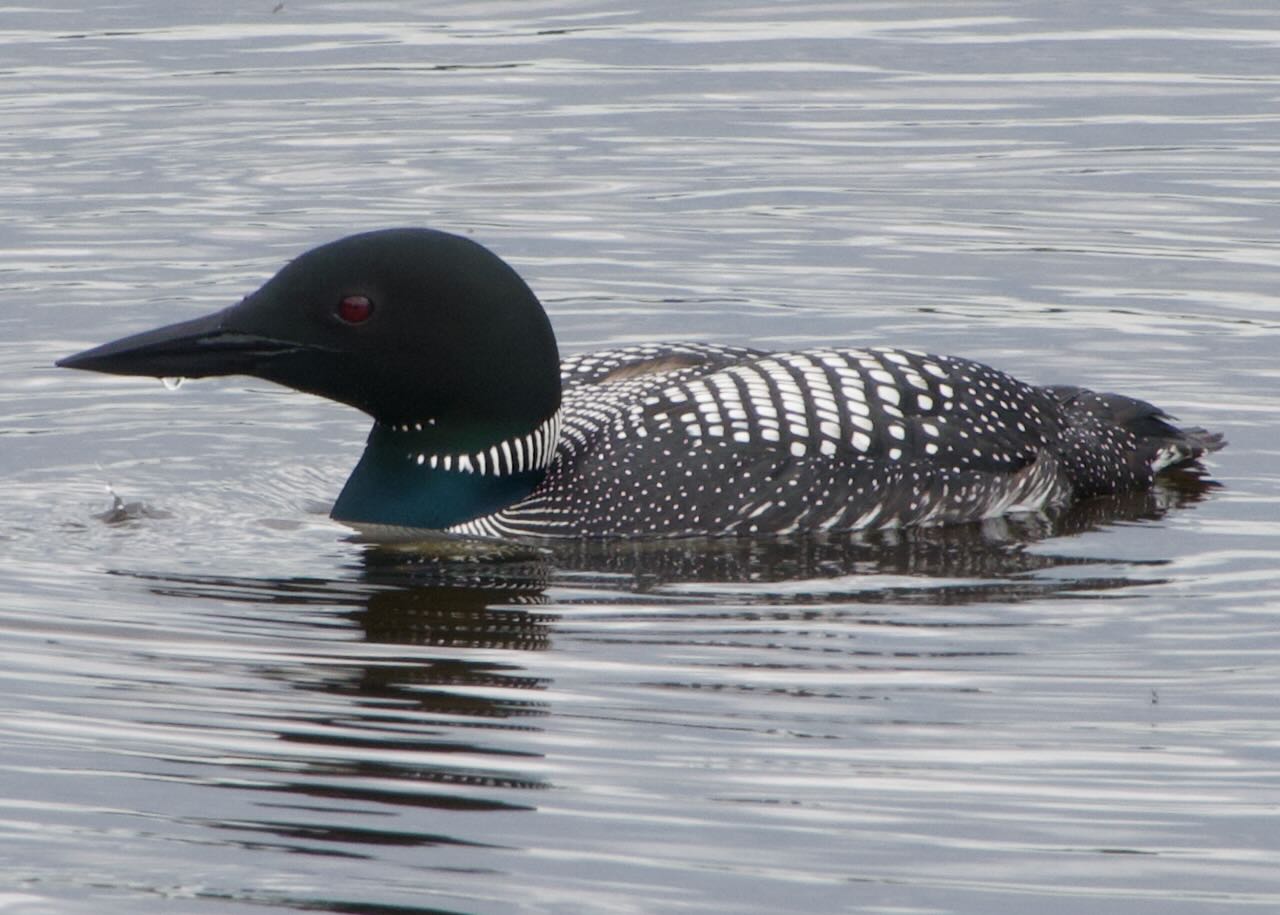
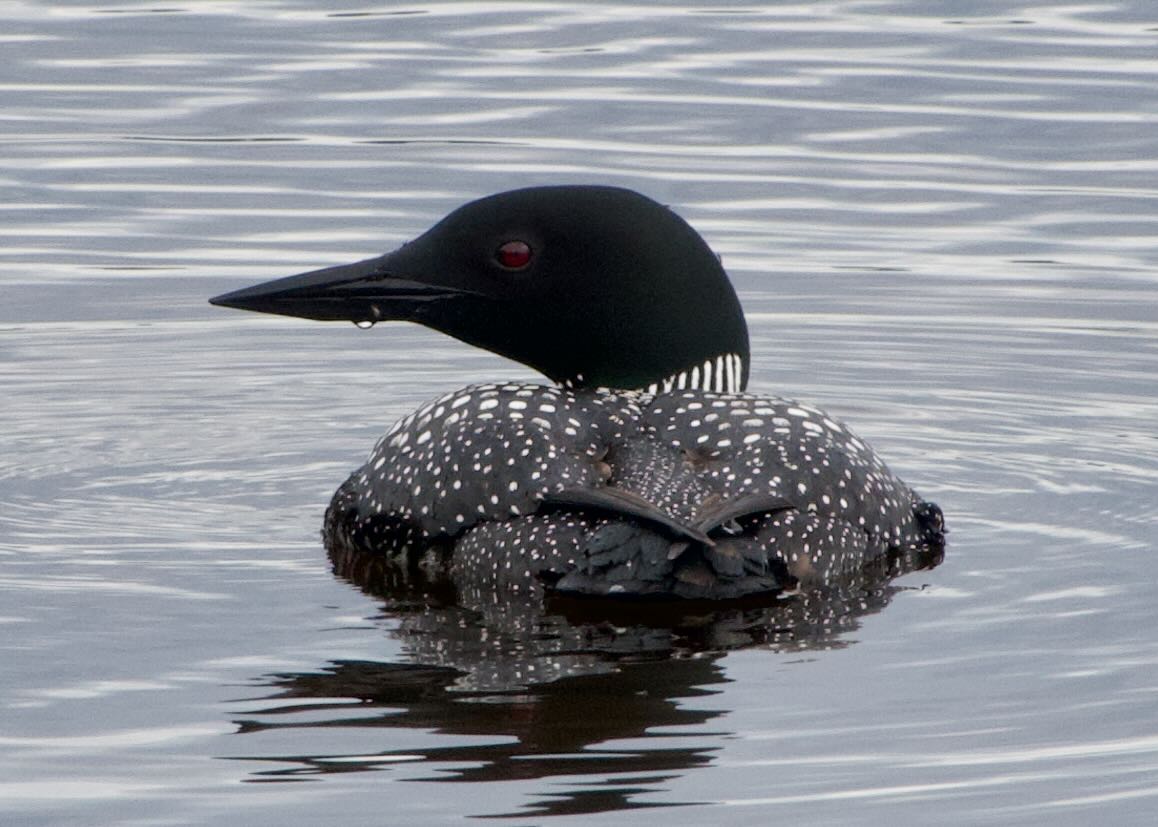
Wednesday we started out as we had previous mornings, looking for Marbled Godwit and having no success. We had decided to head an hour further north so we could finally get a birding checklist in one of the last 2 counties in Ontario we have yet to bird. And we wanted to search for a Great Gray Owl. We drove north scanning the roads and fields for Owls and stopped at Caliper Lake PP. The usual mix of warblers were noted and recorded and we had a checklist for Kenora District leaving only one county, Grey County, left in Ontario in which we have not birded. To clarify not for the year, but for all time. Jerry suggested we head a few minutes further north to Nestor Falls and it was there we had a great encounter with a Common Loon right up against the shore allowing us fantastic pics and video.
Common LoonCommon Loon
Finding the birds is one thing but then I want Jerry to get a photo of the bird, and not just a record shot but a great photo LOL. I have a list of photos needed and “better photos needed”. I don’t say it often on this blog but I hope I say it to him enough privately, that he is doing an awesome job! He has the more difficult job, of getting out and waiting for the shot, crouching at weird angles, ignoring swarming bugs, trying to follow fast moving birds etc etc. He does not have a high end camera with a huge lens so the fact that he gets the photos he does with a point and shoot is amazing to me. The Big Year was my dream and I am forever grateful that he bought into it and has not complained (much) of the ride we are on.
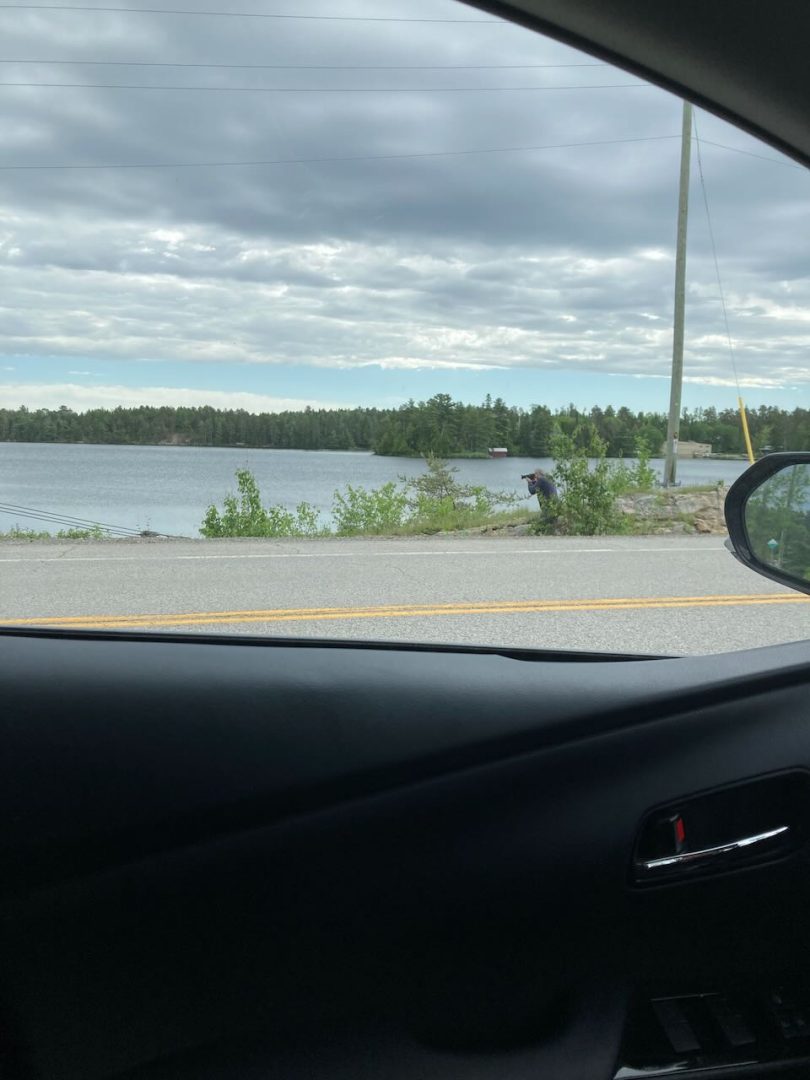
Jerry sent out for another “better” photo of a Loon!
We headed back and decided to give the Connecticut Warbler another try as it was on our way before trying for pictures of the LeConte’s Sparrow.
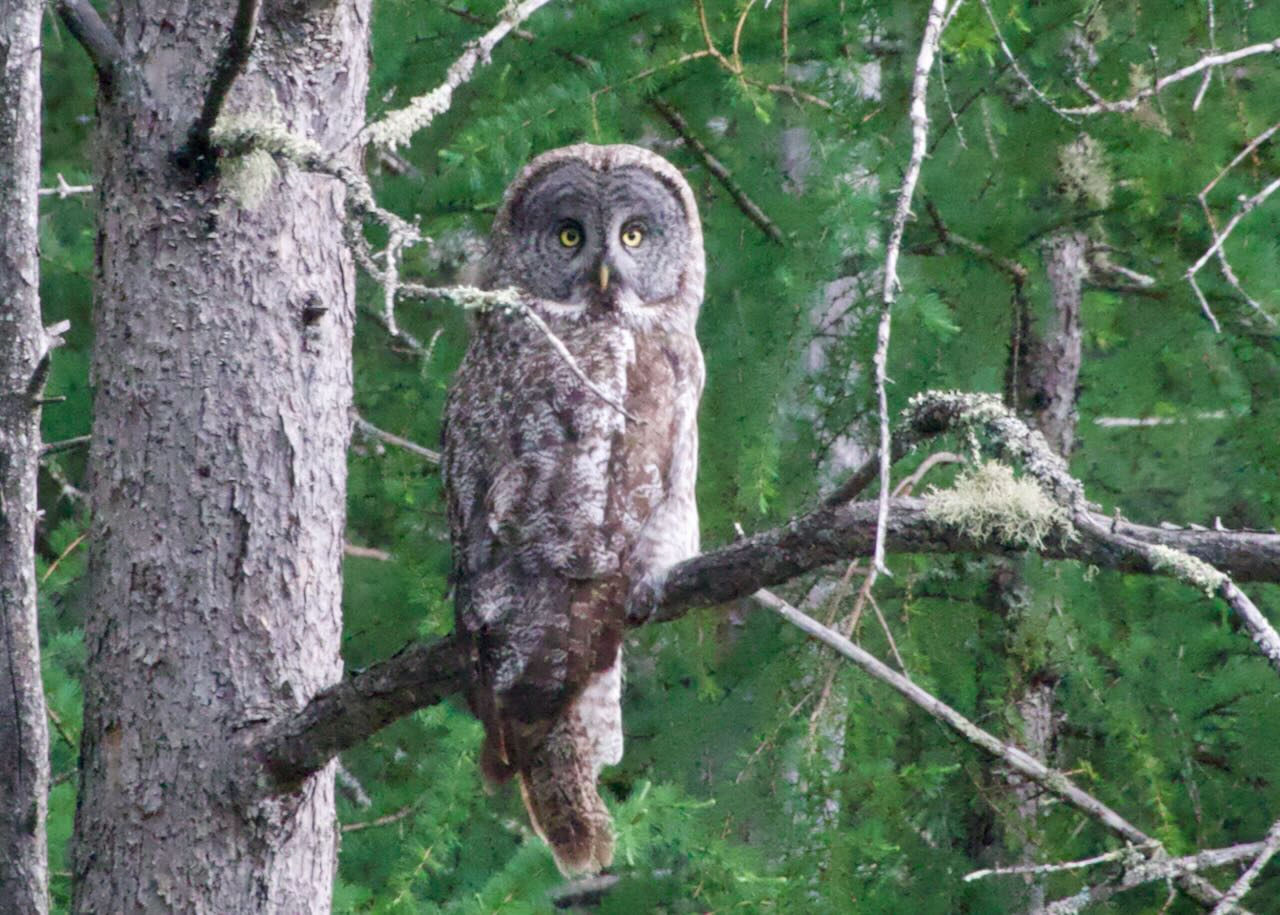
We often talk about the craziness of timing when it comes to birding and what followed was about to be one of those instances – we made the decision to go north for that list, spend the two hours driving north and south again, Jerry suggested going to Nestor Falls, a loon close to shore allowed us great pics and video, we checked for Godwits on our way back to the 619 and we stopped twice and got out of our car to walk listening for warblers and flycatchers hoping to see some to photograph. A thunderstorm was approaching, thunder and lightening could be heard, the wind was picking up and so we returned to our car. Jerry pulled out so I could get in without touching tick infested grass and he drove only a few feet forward at 1:02 pm and a large bird flew out from the left side of the trees and landed in a tree about 40 feet from our car and IT WAS A GREAT GRAY OWL!!!!!!!!!!!!!!!!!!!!!! I could not believe my eyes! My heart was pounding, my hands shaking, we could see it clearly without binoculars but through the windshield. Both of us raised our cameras (thankfully we both had them still on us) and took pics and video and I looked at it through my bins just to enjoy the shear awesomeness of it! It had actually happened! We had our Great Gray Owl! It probably was the bird that flushed yesterday in the same area perhaps nesting nearby. The rain started within seconds of us seeing the owl and within 3 minutes it was a deluge and the Owl hopped deeper into the trees. We sat there stunned and incredibly happy. A three minute encounter we had been waiting 11 years for! The euphoria, the sense of wonder at such a beautiful creature, the thankfulness that we had the opportunity to experience it…there is just something about Owls.
Great Gray Owl through the rain! LIFER #773 for me and bird #308 for the year
Because of the thunderstorms and winds we did not get back out birding again in the evening. We started discussing whether it made sense to stay until Friday or not. The forecast for Thursday was cold, rain and wind again. We had Marbled Godwit left as the bird I still wanted to add and Jerry had not got a photo of LeConte’s or the Connecticut but the chances were slim for both those birds. We decided to do an early morning drive and then decide to stay or leave. A White-winged Dove had been seen in Thunder Bay and I was waiting for an address if the homeowner wanted birders visiting.
Thursday morning we drove our usual route for Godwits but did not see any despite stopping again and scanning every possible field with our bins. It was very windy and cold and the birds for the most part were hunkered down. We opted to head home. I had done some research online for the poster of the White-winged Dove and had sent a message to the homeowner about a possible visit. I heard nothing back as we drove the 5 hours to Thunder Bay where we would have to take a different highway to the Dove. I had an address and we discussed whether we should just show up or not. It was clear the poster did not want people to just show up and I do not feel good about showing up and skulking around someone’s home looking for a bird even if I am on public property. It is a moral dilemma and so we drove on past and headed to Wawa for the night. Hours later the owner contacted me to say the bird was still around so again I probably made a “wrong” decision. It would have added 4 hours or more to a 10 hour driving day and rainstorms might have made finding the bird difficult but still…we probably should have gone for it.
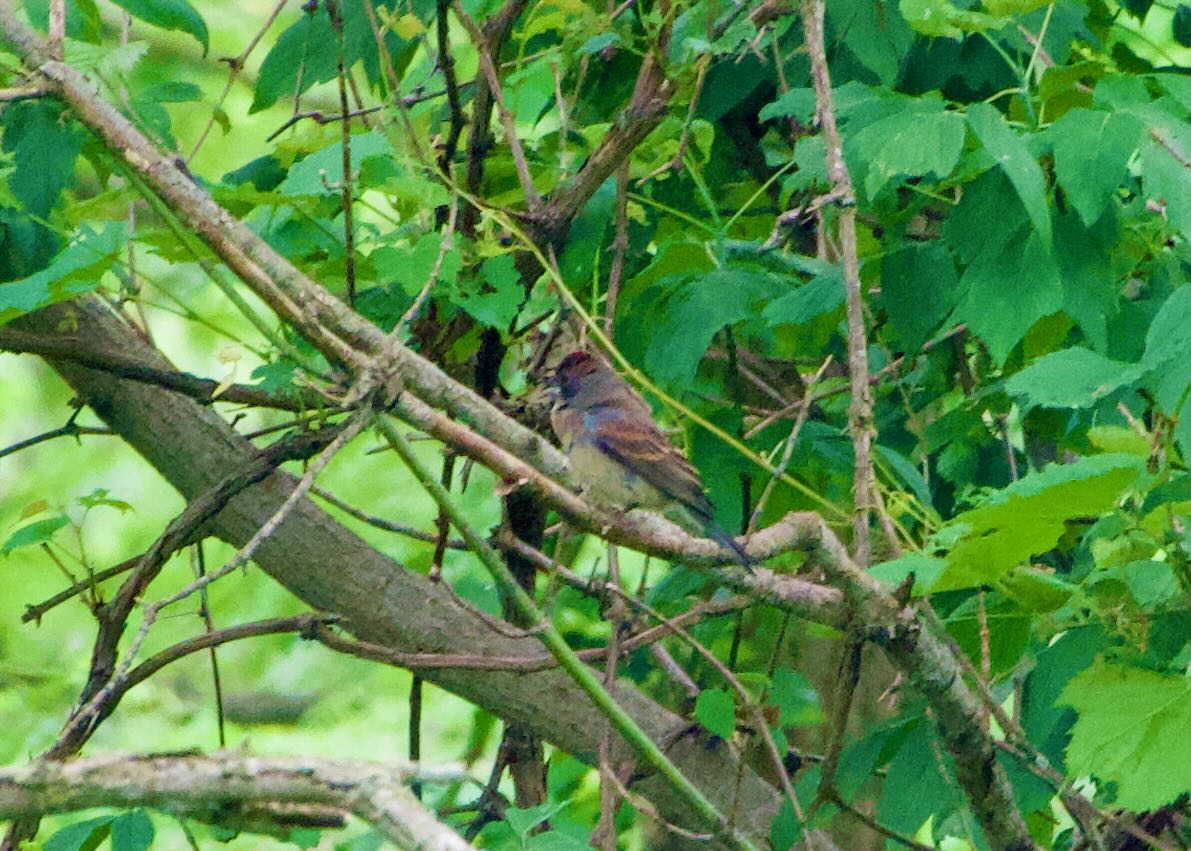
Back last Sunday a Blue Grosbeak had been found in London as we headed north and surprisingly it was still being reported a week later. We decided that on Friday we would head to London first before home and try to add the bird to our list. It was an 11 hour drive through multiple rain storms but thankfully little traffic and we arrived at Komoka PP at 3:54 and had the Blue Grosbeak singing as we got our bins and cameras from the car. So nice when that happens! Bird #309. Seeing it was another story. The bird was in trees in an area behind the parking lot fence with no trail access to the public. We scanned the trees, we looked deep into the trees, we tried to align with where the singing was coming from.
Where is the Blue Grosbeak?
Just after an hour or so of scanning and walking and scanning, I finally had a quick glimpse of the bird as it chased an Indigo Bunting from an area deep in the shadows of the trees. We tracked it a bit and Jerry had a quick glimpse. We continued scanning and looking and over the next hour managed to quickly see it a few more times. Jerry snapped a few photos but was not sure that he had a pic. It was out on a dead tree branch for a bit longer and I had it in my bins but trying to tell others where to look was difficult and Jerry missed that shot. After 2 hours we had to head for home – a very long day and we still had an hour to drive.
When we got home and Jerry looked through his pics he found he had a decent record shot of the Grosbeak! He knew he had a very blurry one but this one was markedly “better” showing the whole bird.
Blue Grosbeak
Saturday and Sunday were filled with caregiving duties, laundry and housekeeping chores. For the first time this year I had no “needs alert” emails on Sunday. I have one sparrow (sensitive species) to see and there is a Laughing Gull I have been trying to catch up with along Lake Erie but other than a rarity, I will probably have to wait until August shorebird migration to add more species. I have 12 birds I expect to see in the fall/winter which will take me into the 320’s. Then it will be whatever rarities show up that determine my final numbers. Still plenty of birding left to do though not at quite the pace it has been.
Week 23 8 more species added, 1 new LIFER, 309 species seen J&E
I’m ending this week early, on Friday and posting early so that I can write about the trip north in one blog.
When I originally started the blog I imagined a few non-birding friends and family might be casually interested in what we were doing but during my weeks at Pelee I talked to a lot of birders and handed out my card with the blog on it and I think, looking at the blog stats, there are a number of birders that have started following the adventure too. Welcome! I’m happy to share our ups and downs and for any future Big Year Birders perhaps there are lessons to be learned from watching our many mistakes.
Monday it rained and I was quite happy to be at home and not bird, in fact I missed putting in a checklist for the first time since January 1. After the craziness of May I needed to research for our Rainy River trip and cook some food to take on the trip as well as set our house in order. We had things to do for Jerry’s mom and so the “time off” from birding extended to Tuesday and then Wednesday we had a bottle drive for our local Lions and then Thursday more caregiving and packing. There were almost no reports of birds I needed or were chaseable. There was a Lazuli Bunting up north but just a one off sighting as is often the case with Buntings. A Western Kingbird was momentarily seen at Pelee, but not chaseable.
I also finally had time to go through all the videos I have been taking. Since it is quiet this week I thought I would share some of them. I’m still working on this, it is tough to be zoomed in and hold the camera on the bird without movement so I apologize for the “boat” ride in some of them LOL. Still I like the idea of capturing some of the bird behaviour we see and hearing the sounds around the birds we are seeing. Hopefully, it brings our adventure a bit closer to you too.
There were a few birds I needed to still get in Southern Ontario but I needed proper weather conditions and it looked like Friday would be the day. We headed out at 5am and picked up bird #299, an Alder Flycatcher that we only heard singing its “Free Beer” song. It is probably the one bird song that EVERYBODY remembers! Who doesn’t like free beer?
At our second site we were searching for another flycatcher but this time it was the Acadian. Its one song is often described as “peet-sah” or “pizza” as some have suggested. Do you see a theme with birder mnemonics? The forest was shaded, leafy, muddy and full of mosquitoes. Trish had given us some direction as to where she had seen the birds the day before and so we stopped in the same area. We were prepared for the bugs and not too bothered as we listened for the song among all the other songs. We could hear Eastern Wood-pewee, Hooded Warbler, Scarlet Tanager, Red-eyed Vireo, and a few Ovenbirds. A few minutes later another sound, not the song but just the “peet” call and we both said “Acadian” at the same time. We had bird #300. We didn’t celebrate, or even high five because we were intent on seeing the bird so we had to wait and listen and see if we could zero in on where the call was coming from and then search the trees for a tiny olive green bird. It was a challenge and was finally made easier by a bird flying past us and we had good quick looks at it. Jerry managed only one picture in the shadows of the forest but there was no doubt we had our 300 species. Then it was time for our traditional high-five! Thank you Trish!
Acadian Flycatcher
We stayed for a while hoping to see more of the Flycatcher, there was another one singing and we hoped to get a chance for better photos but they were not co-operating and eventually the mosquito repellant started to wear off and so we headed back to the car. Once in the car I let the relief of 300 wash over me. I know the year is not over, but it is nice to have hit the original goal as early as we have. Five months to get 300 and now I have six months to get 20-30 more birds? I have 7 birds to get on this next trip plus any rarities and then another 12 in the Fall migration and anything else will be rarities that show up so 320 should happen with 330 looking maybe possible. We will see…
There was one more stop I had planned, a Dickcissel had been heard and seen near Exeter in Huron so we headed up there and as we pulled up to the field we could hear the Dickcissel singing. Jerry got out and quickly went to try and find it and managed some photos of it in the grass. Again, we waited hoping for another view and it did come out and sing and I had great binocular views and Jerry got better pictures. Eventually, the bird flew further back in the field and so we ended our bird blitz and headed home to get ready for the Rainy River Trip.
Monday was a holiday and we said we were not going to be on any highways and just take another day off. We spent Sunday doing some gardening and enjoyed a pool day at our daughters. But there were birds being seen and so just at noon we found ourselves on the road back to Pelee to give the Tip one more chance. We had a free night at Best Western to use in the next few months so it made sense to use it up. The last two days a Neotropic Cormorant and Yellow-throated Warbler had been at the Tip, we hoped they might go for a third day with SW winds forecast. On the way we stopped at Keith McLean and added White-rumped Sandpiper to our list.
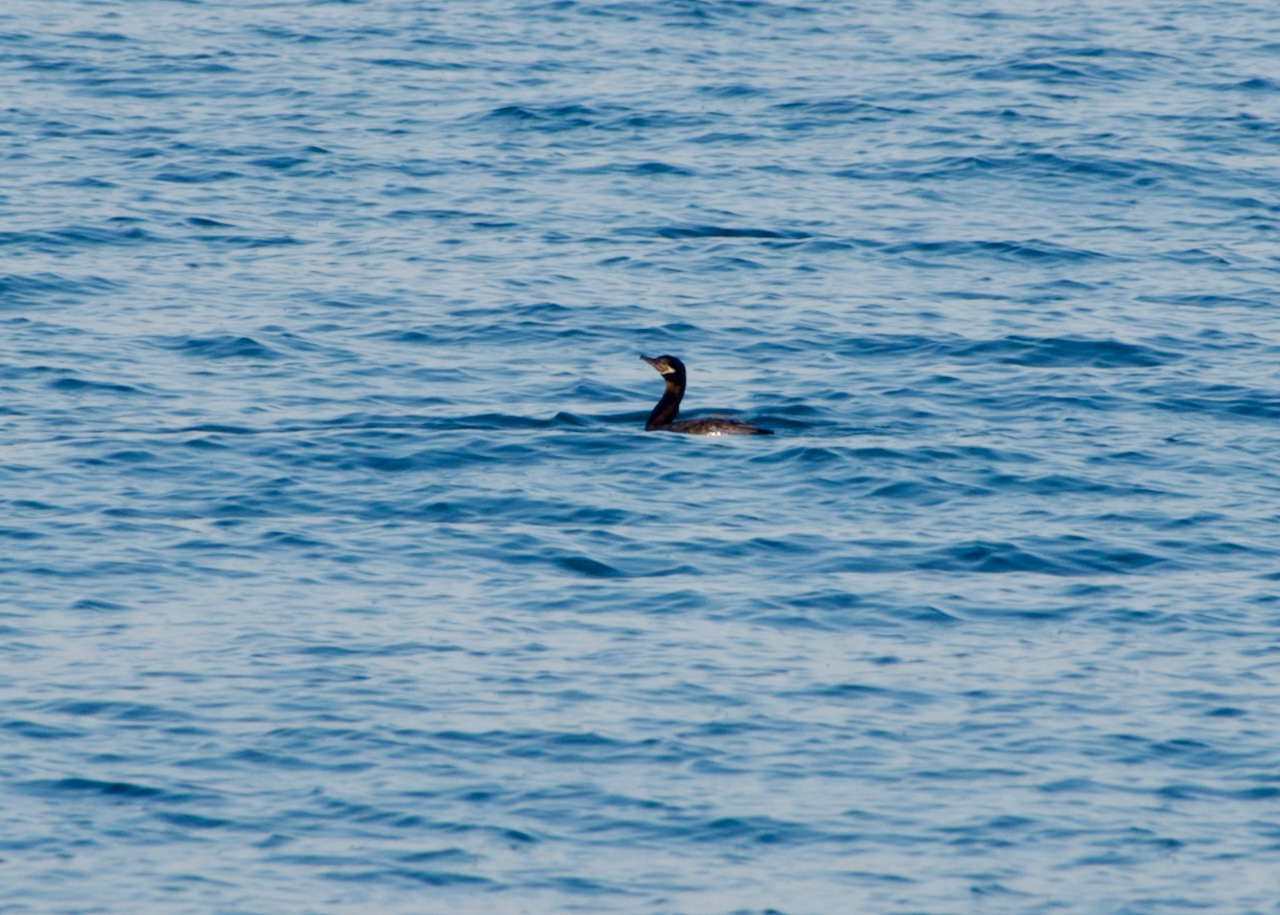
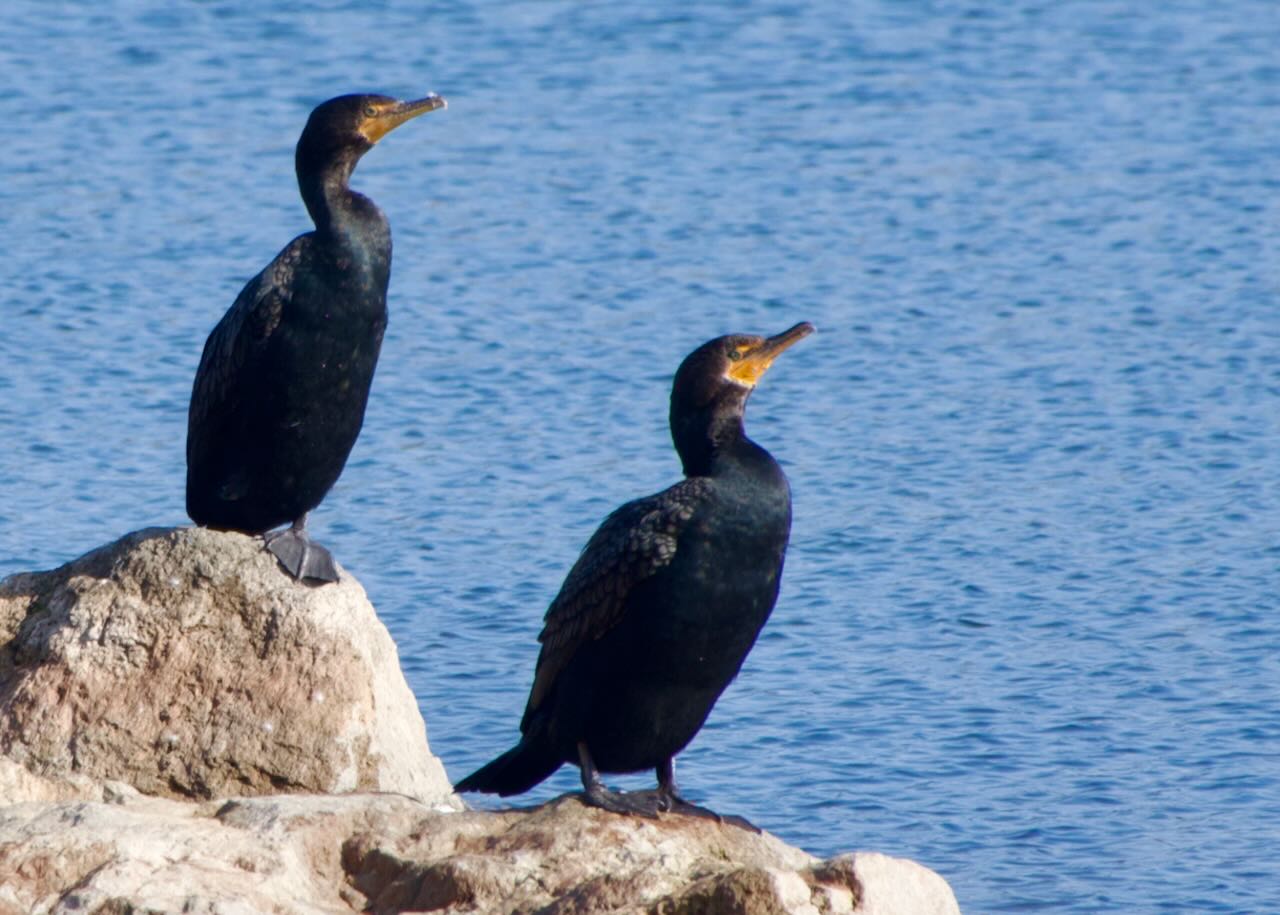
The Birding Festival was officially over so Tuesday the park was back to its regular hours and only opened at 6 so it was almost 7 before we got to the tip. There were only a few of us with scopes and we started scanning and checking any Cormorants that flew by. The Neotropic is smaller and has a wider white edging where its bill meets its face.
Neotropic Cormorant smaller with visible white edgingDouble-crested Cormorant larger with tiny bit of white
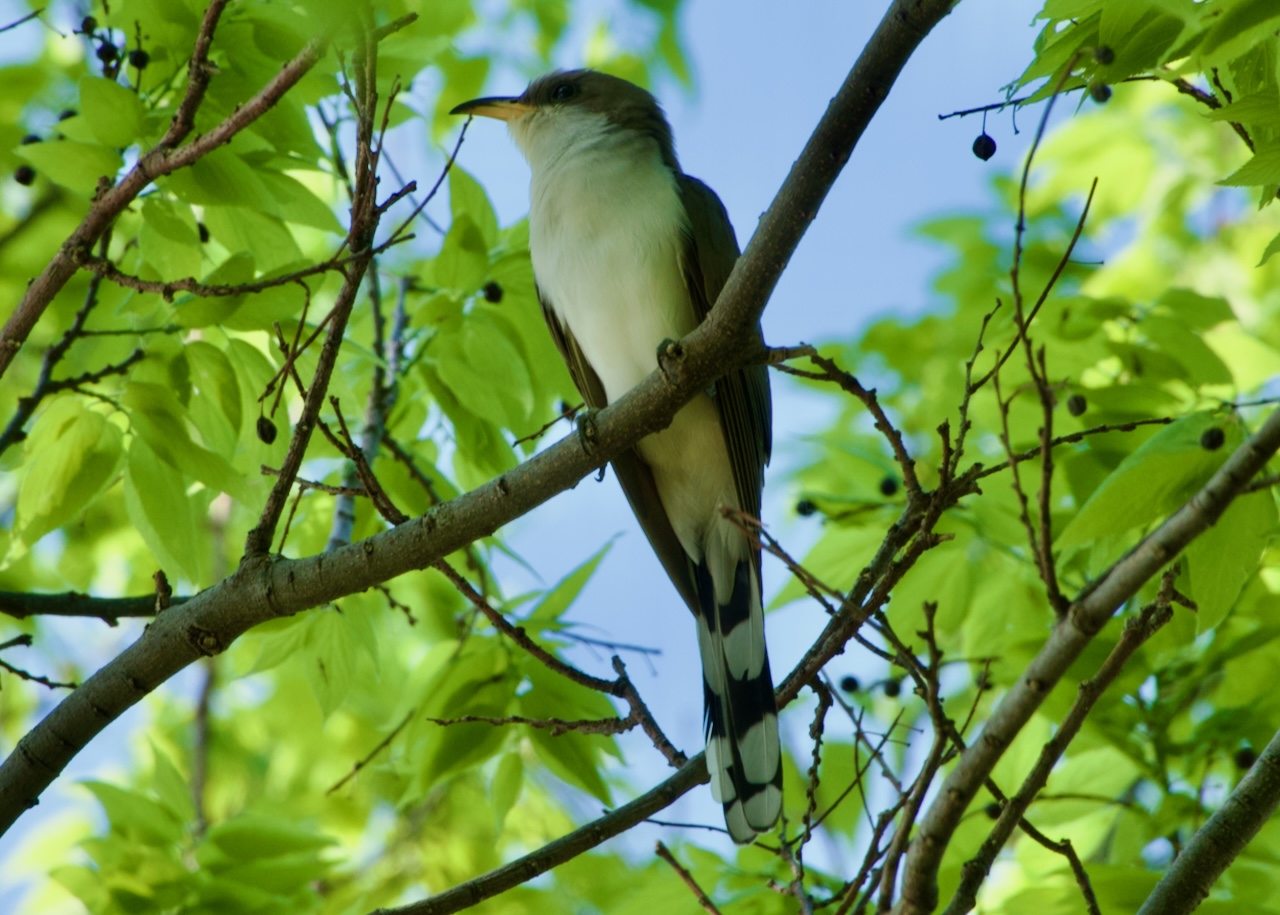
Jeremy found it floating just off the tip shortly after we arrived and we all had great views and photo ops as it moved a bit closer and then further away. It would end up returning 4-5 times through the morning. After 10am with little reverse migration and no sign of a Yellow-throated Warbler we started heading back to the Visitor Center but a Yellow-billed Cuckoo calling ka-ka-ka-kow-kowp got our attention and we tracked it down for photos and really nice looks. Can you believe we have birds that look like this nesting in Ontario? And their songs are fantastic. Google them.
Yellow-billed Cuckoo
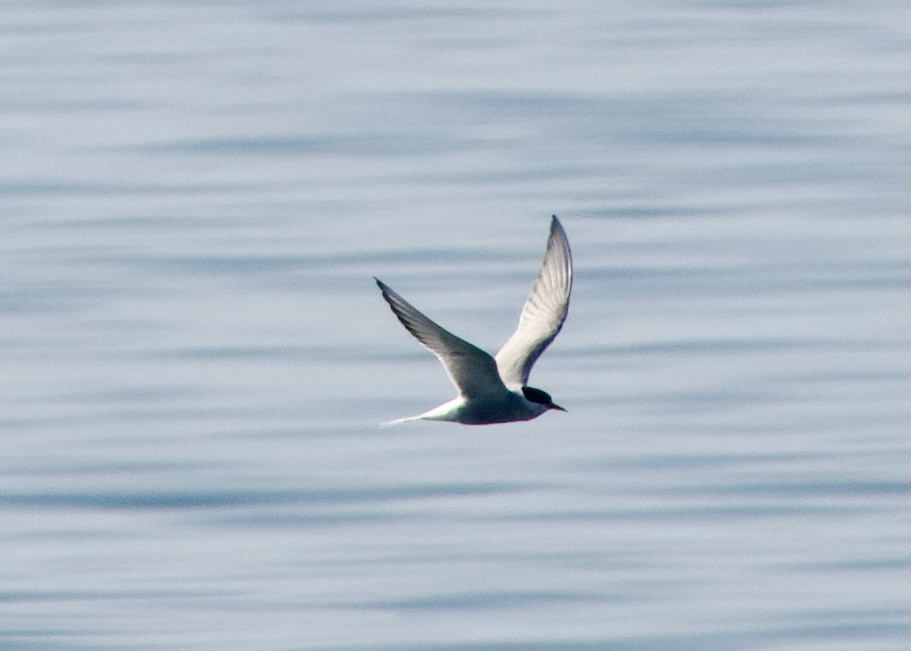
Cameron had suggested we could hang at the Visitor Center most of the afternoon hoping for a Kite to go past but when you have been standing for 3-4 hours and its 25C you start thinking nothing will happen. We headed out just before noon and shortly after Red Knots flew past the Tip and then a Mississippi Kite flew from the Tip parking lot! Ugggh! two birds missed by 30 minutes. We are never patient enough. We stopped at a few shorebird habitats on the way home and then word arrived of Arctic Terns in Toronto at the Whimbrel Watch. I had not expected to get Arctic Terns this year. A few of them are seen yearly in Ottawa on the river the last week of May but predicting which day is not possible and so I opted not to try for them by camping out in Ottawa for a week at a hotel. And here they were suddenly in Toronto where one or two might be seen, again, for only a day. A report had them flying east after the sighting and I figured that was it. Of course, the Terns turned back (lol) and were seen for hours during the afternoon and we had driven home instead.
Wednesday we headed into the Whimbrel Watch hoping for Terns or Red Knots to show up. They start watching at 5am but that was too early for us having just arrived back from Pelee the night before. We arrived at 8:30 and had been receiving updates from Margaret that an Arctic Tern was floating on a piece of driftwood! It was a bit tense as we battled rush hour Toronto traffic inching closer to the destination and hoping the bird would stay. As we made our way up the hill to the point Jean called over and said the Tern is in the scope! Thank you Jean! and Margaret for the updates! We had our Arctic Tern and had great looks of it as it flew around the point 5-6 times throughout the day.
Arctic Tern
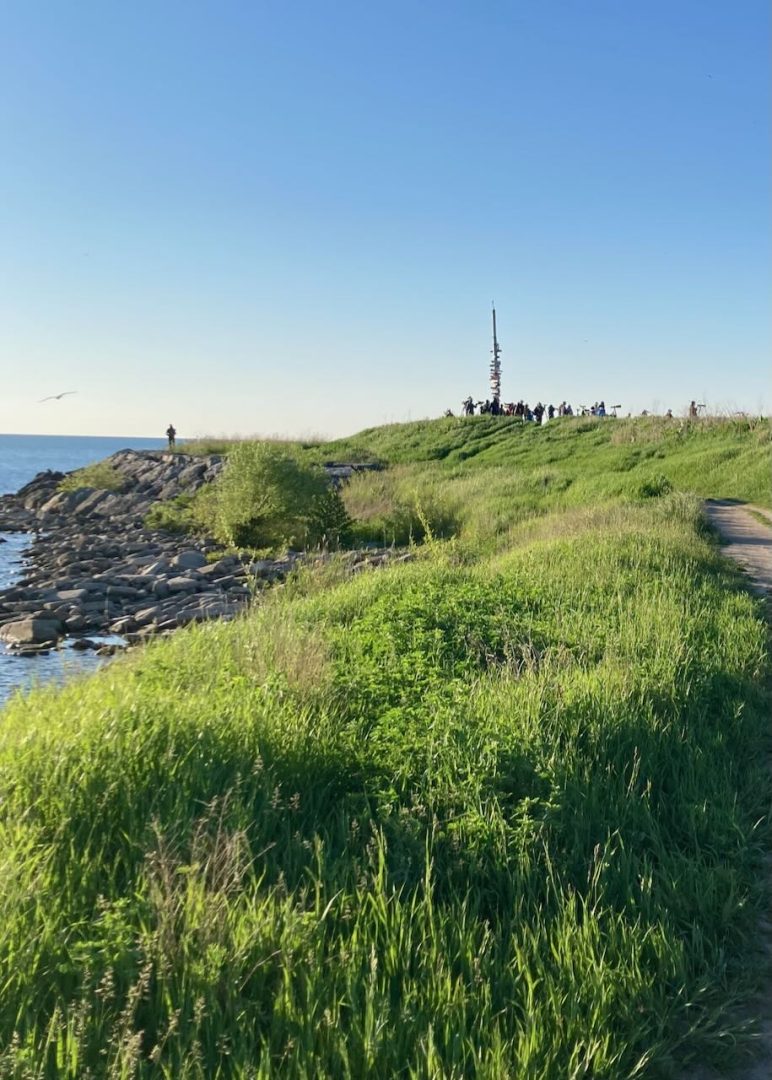
The Whimbrel Watch has taken place at Colonel Samuel Smith Park in Toronto since 2009 during the last week in May. Birders set up scopes and count each flock as well as shorebirds and raptors that head past the tip. These large shorebirds migrate from the Caribbean and South America to Hudson Bay and the Yukon. They stop over in Virginia and Georgia and counters there let counters here know how many birds have left the night before. It was our first watch and we really enjoyed ourselves as did the many Toronto birders that make it an annual event. Head counter Eric did a fantastic job of making sure everyone was on flock after flock.
Whimbrel Watch 2024
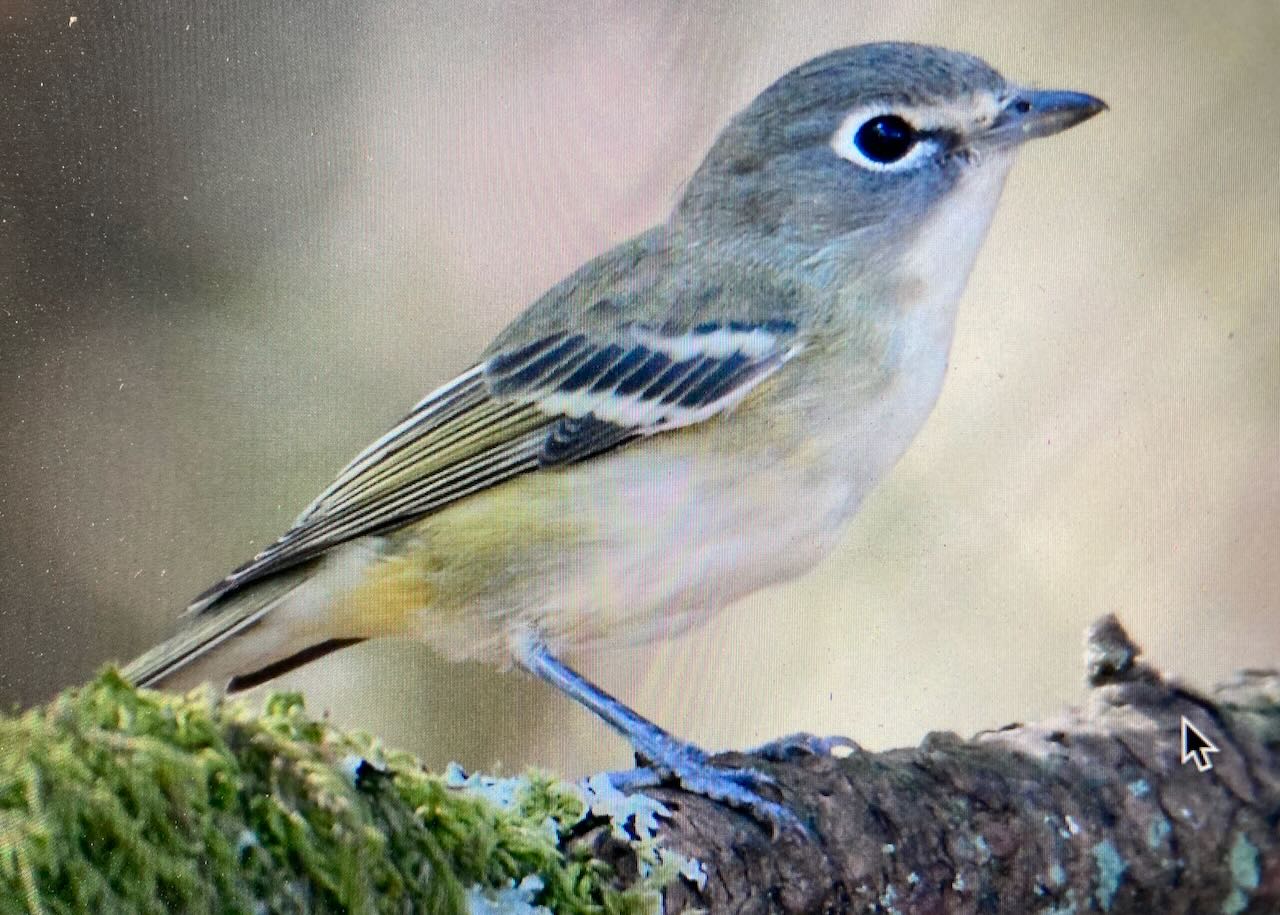
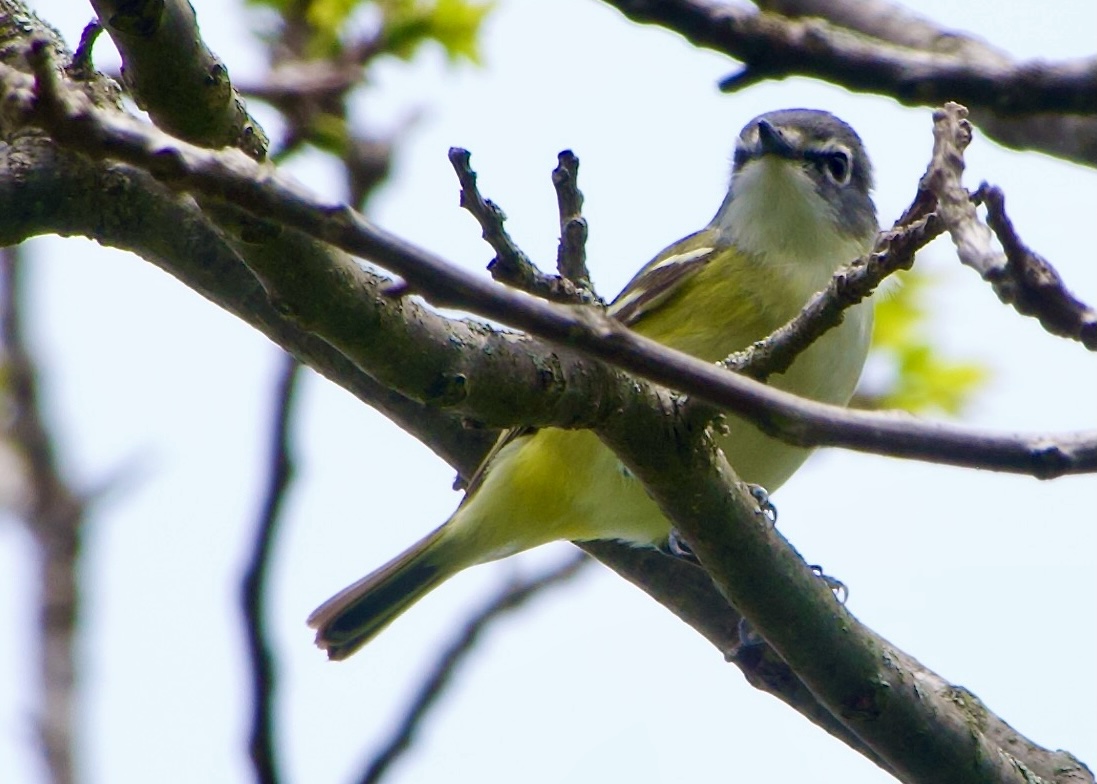
Thursday with no rarities to chase we headed down near Long Point to hike Backus Woods. Louisiana Waterthrush breed here and on occasion Worm-eating have been heard as well as Acadian Flycatchers. Jerry needs pictures of some species still so we were trying to bird areas that would also net him a photo op. We had only hiked a very short while when Discord chimed and it was a big one! A possible Cassin’s Vireo had been found. Near me? of course not, up near Barrie 3.5 hours away from where we were currently. I didn’t leave right away, waiting for a bit more confirmation. Cassin’s Vireo is the western equivalent to our Blue-headed Vireo and the two species are almost identical and very difficult to separate in the field.
Cassin’s VireoBlue-headed Vireo
There has never been a confirmed sighting in Ontario. This bird though was singing and the songs are different so that made the sighting pretty legitimate. We started walking back to the car. Back across Toronto for the second day, I was beginning to hate the highway. Before this Big Year we hardly ever drove on the Toronto highways but lately it has felt like we spend all our time on them.
We arrived at the marsh where the Vireo had been seen and a number of people were leaving having just seen and heard it. We waited around and then heard what sounded similar to a Yellow-throated Vireo but more raspy/gutteral. The bird sang a number of times but it was difficult to see with the leaf out. We waited, it was a beautiful afternoon with no mosquitoes and a bit of shade and in the company of the “usual” group of “chasers”. Ezra noticed a nest and was sure he was watching a Vireo with spectacles sitting in the nest ( a feature of Cassin’s and Blue-headed). Shortly after we finally saw the Cassin’s out and people rushed to look and take as many photos as possible. In order for the record to be accepted documentation will be needed. Ezra then realized that there was a Yellow-throated Vireo in the nest! Hmmmm! Was the Cassin’s mated with the Yellow-throat? Most of us left and later that evening Markus got proof via a photo of the “Cassin’s” in the nest. Now suddenly there were differing opinions suggesting a possible hybrid instead of full Cassin’s. The call maybe was not quite right etc etc. This bird will need to go to the OBRC and they will not make a decision until August 2025. I had a bit of a predicament as to how I add the bird to my list. If I put it as a Cassin’s it adds to my Big Year list but then if it is not accepted I will have to take the bird from my list but well after my Big Ontario Year is finished. I felt that the chance of it being accepted had gone down significantly with the nesting situation and the “odd” song. I ended up putting it in as a Solitary Vireo Species, meaning either Cassin’s or Blue-headed and that way it did not increase my total but if by chance it is accepted I can add it to my Big Year list after the fact. This made sense to me as I do not know 100% what this bird is so I cannot in good conscience, add it.
I have had another situation recently where I had to make a decision about what to add or not. Last week we did a Lake Watch on Zion Road and Josh was with us. Josh is an excellent birder and had a camera to take pics of birds flying over. I stuck with him trying to make sure I saw what he saw in case a rarity went over. A week later he was going through photos and realized he had a photo of a Blue Grosbeak from the watch. It is a bird that I really want to add to my list but we did not realize it was that bird at the time. It was likely called out as an Indigo Bunting, which I have on my list. But I cannot say with certainty that I saw that bird, I most likely did, but I could not, in good conscience again, add it to my list after the fact. Two birds I could have added…
The drive back home was brutal through Toronto at 5pm and we knew we wanted to go to the Whimbrel Watch in the morning again which meant another highway drive.
Friday we left early to get to Toronto before traffic and it was a pleasant drive in. It was quiet at the watch and after a few hours we opted to head east to Darlington Provincial Park for a Red Knot that had been on the beach the day before and was still there. It was not too hot and it was a nice walk along the beach in the sun. We almost walked over the Red Knot as it was tucked right beside a log completely camouflaged and jumped up on the log as we stepped near. We backed off quickly, giving it space and thankfully it did not fly off. Jerry took some nice photos. Since we were now east of Toronto we decided we might as well go for a Loggerhead Shrike on the Napanee Limestone Plains IBA instead of making another trip. We arrived around 1:30 on a hot day so not the ideal time for birding. Michelle and Paul from Ottawa had just seen one before we arrived and we chatted for a bit with a Conservation Officer who monitors the Loggerhead Shrikes as an endangered species. She was happy to tell us there is a nest in the area that has 7! nestlings in it. Great news for the program trying to bring this bird back from the brink in Ontario. We drove slowly up and down the road hoping for a sighting, we stopped for a bit, we drove, and almost two hours later we finally saw a Shrike in the same tree the birders from Ottawa had it. We had some very nice views watching it preen and clean its beak on the branch. We then headed home ending up crossing Toronto at 6 with horrible traffic once again. Bird #296
Saturday was a caregiving day and rainy. The dings from Discord have significantly slowed down and my Needs Alerts emails now have 1-3 birds on them most of the time. I was grateful for the “day off”.
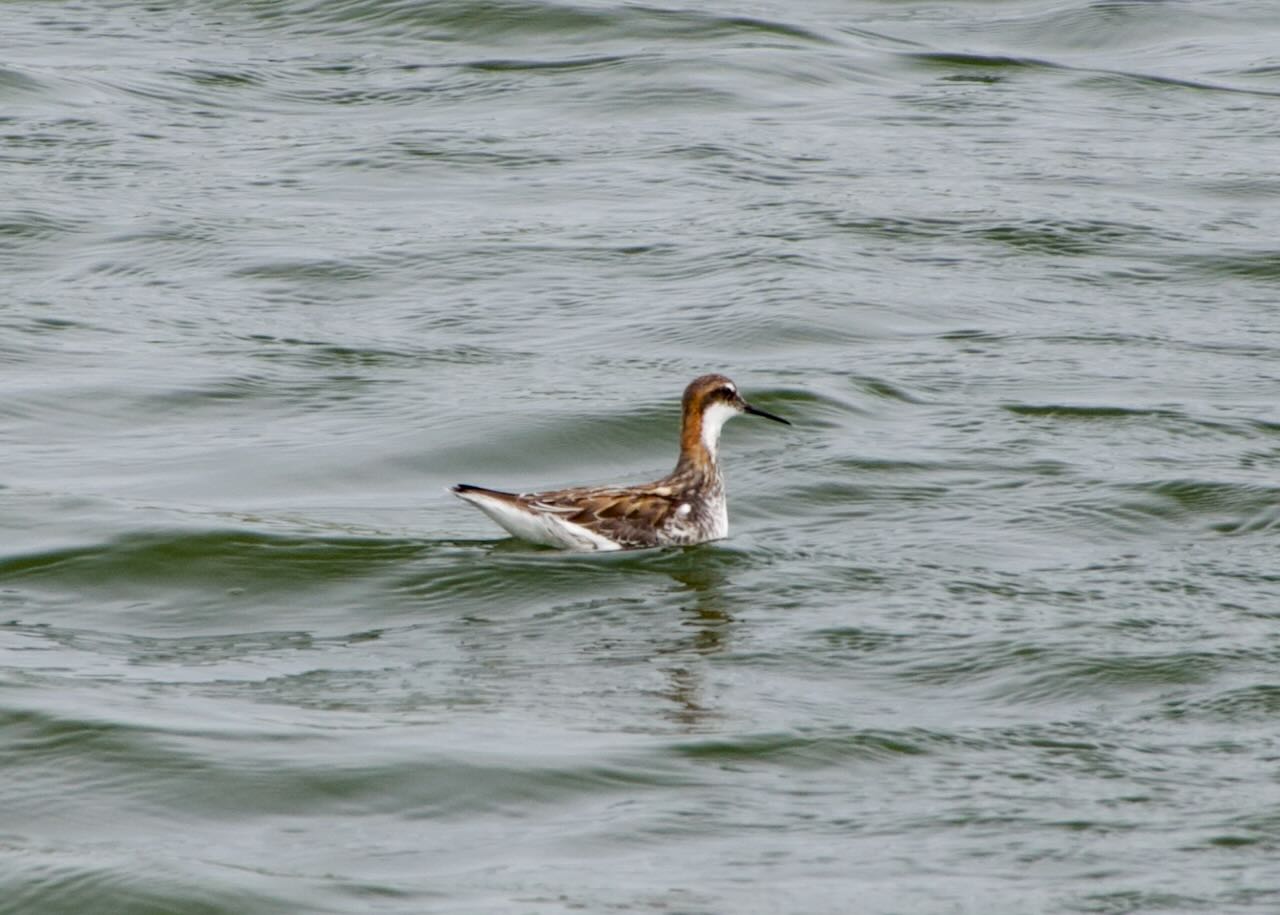
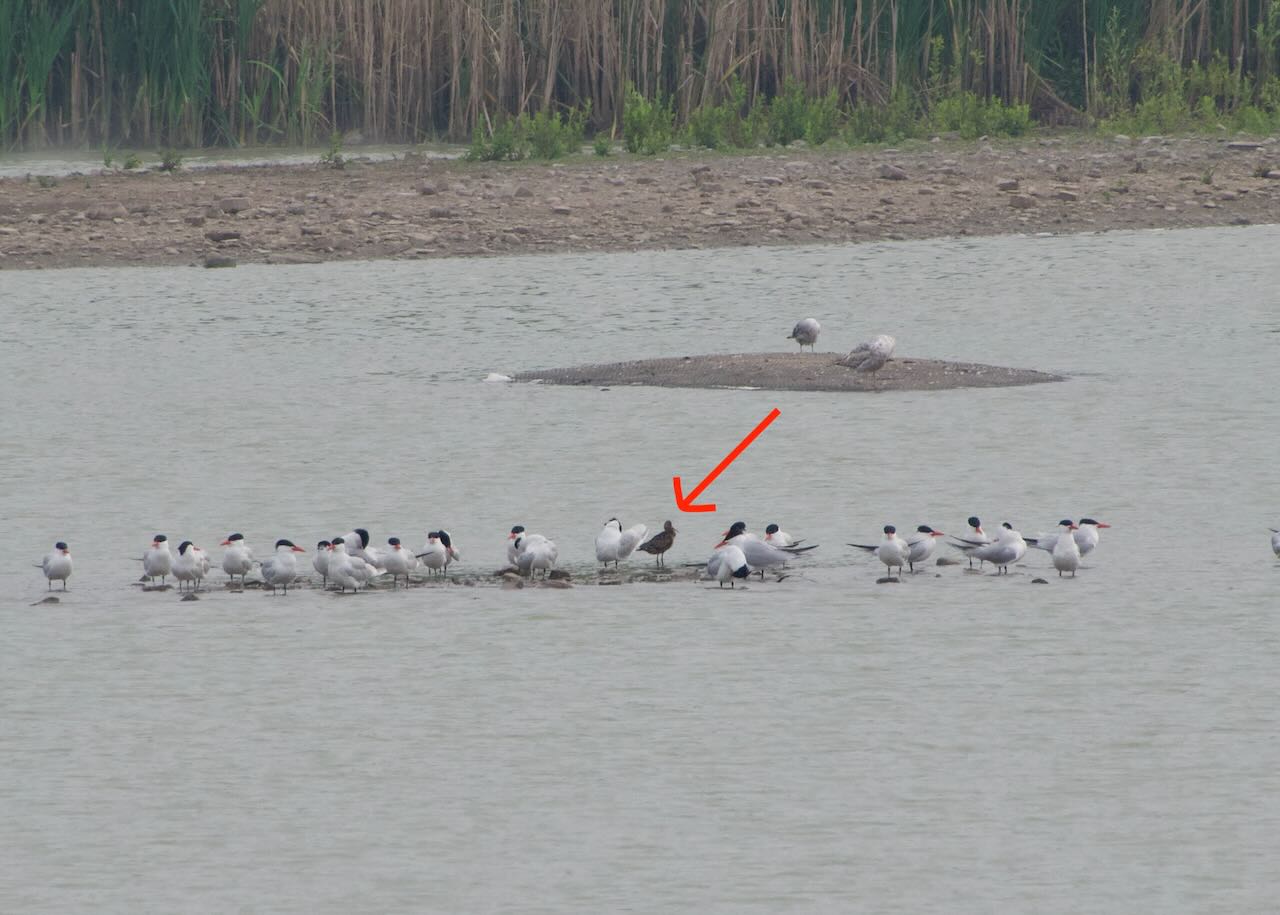
Sunday we headed down to Long Point as a Laughing Gull had been reported the day before and we kinda hoped we might finally catch up with it. There have been 4-5 reports of a Laughing Gull (a southern Gull) at different spots along the Lakes in the last few weeks but never where it can be chased because it never stays long enough. Sunday would be no different and we did not see the gull. We cruised along Lake Erie stopping at some spots east of Long Point and then eventually heading for home around 2. An alert that a Red-necked Phalarope was up at the West Perth Wetlands came in and we decide to head there as it is only an hour from home. When we were almost at the wetlands I get a note that a Godwit has been found at Windemere Basin in Hamilton. We continue on to the wetlands, see the Phalarope, enjoy it for all of 7 minutes and get back in the car and start the drive to Hamilton. This is the weekend the Linc is closed so all traffic is routing over the skyway or the city. We arrive at Windemere at 6 and Mourad and Markus do not have the Godwit in their scopes because they are thinking they have an ArcticTern. No problem, we know the bird is still there somewhere. We search and scope for about 20 minutes in fading light and finally the Godwit flies in and lands behind the Caspian Terns and we all get on it for good, distant looks. It is a Hudsonian Godwit and a welcome addition to my list at #298. Big thanks to Mourad and Markus for helping us get onto the bird!
Red-necked PhalaropeHudsonian Godwit
It is crazy to me that we are 2 away from 300 and it is not the end of May yet. I also know I still have a few spring migrants to add to the list and then the birds from the Rainy River trip. I am declaring tomorrow a rest day – it is supposed to rain- and I need to prep for the Rainy River trip and get some things done around the house while Jerry does errands with his Mom.
Week 21 Only 4 more needed for the Migration List 3 more rarities seen 7 more species added 298 for J&E
Monday found us at the Tip again for a bit of reverse migration but no great amounts of migrants and no rarities going off. Once we started up from the Tip with Theresa, Angela and Michael, we found our first of the year Philadelphia Vireo. It was high in the tree but Jerry managed some photos that show the yellow on the chest and the undertail coverts. It was HOT! The birding was ok but we did not add any other species. We did have good looks at an Olive-sided Flycatcher again and very nice views of roosting Common Nighthawks.
We staked out a few areas where Mourning and Canada Warblers had been seen and heard but we dipped on those. We spent the evening in the park because in the past we have found it can be quite birdy but the heat continued and things were quiet. We decided that we would head home on Tuesday, still do the tip in the morning but then head to Rondeau.
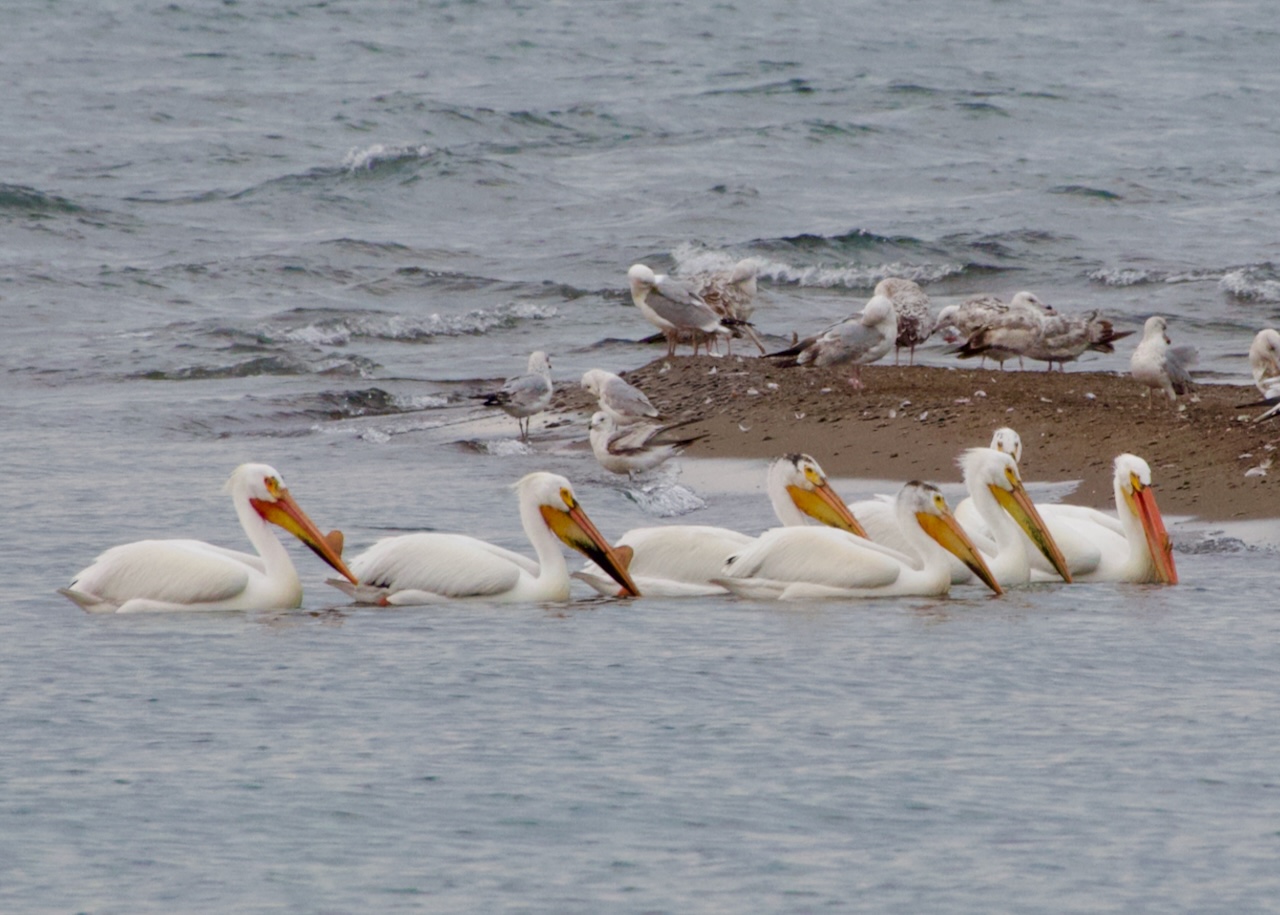
Tuesday at the Tip started with more shorebirds than there had been with closer looks at Ruddy Turnstone, Plovers and some Spotted Sandpipers. And then someone yelled out Pelicans and we all watched 7 American White Pelicans fly closer and closer and eventually land at the Tip! We will see these huge birds up near Rainy River but it was nice to get them off the list now and add them to my Point Pelee list.
American White Pelican
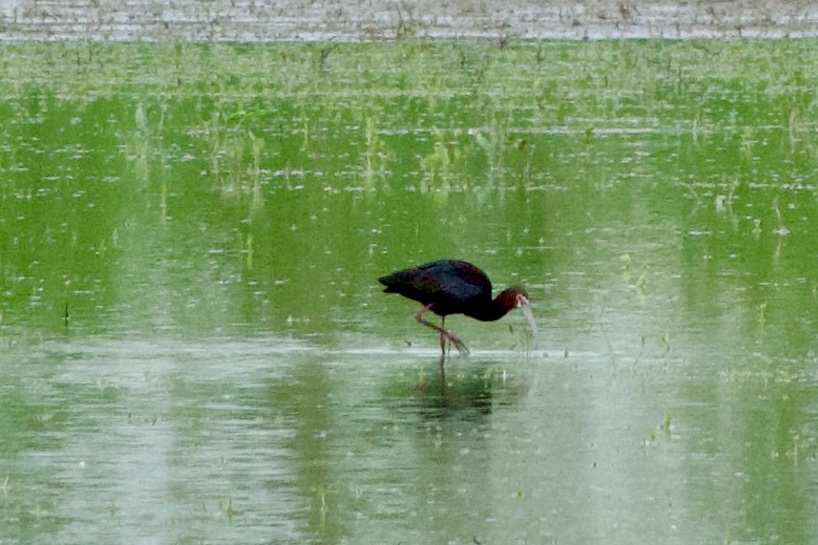
A few minutes later Keith and Cameron looked down at their phones (I had little reception as usual) and said White-faced Ibis at Hillman, start walking! This was the morning that the Trams had broken down and we had already done the walk up 3.7km but now were faced with the walk back and at a faster pace. It would be a great bird to add to my list. As we walked we fretted about the ID – Glossy Ibis and White-faced Ibis are very similar and many get mis-identified. We had to go for it though. We ran into Josh near the Visitor Center and had a quick convo with him assuring us the finder of the bird was a careful birder and the ID was probably correct. We reached our car a bit winded, ok a lot winded!, we are in our 60’s ya know, and started the excruciatingly slow drive (40km) out of the park and then to Hillman. My phone finally caught up and a note came in that the Ibis had flown, uggggh, then two minutes later, it was back! Yes! Then as we got closer to Hillman, a note from the Tip – a rare Yellow-throated Warbler had just reversed off! AHHHHH!, then a few minutes later, a rare Eurasian-Collared Dove had flown by the Tip. WHAT!!! There were a lot of choice words uttered in the car! The emotions went from low, high, low and ended in frustration. I have been at that Tip waiting for just those birds to go by for days and days and the one time I leave to get something else!! GRRRRRRR! We got to Hillman and I ran/walked to the Shorebird Cell terrified that the bird would fly before I could see it and there was the Ibis calmly feeding, without a care in the world. I got a great bird but missed two I really wanted to get. And that is this crazy hobby, best laid plans but nature has its own agenda and I have really little control as to how this will all pan out. And as it would turn out the White-faced Ibis stayed for 2 days so I could have stayed at the Tip for those other birds and sauntered over later, as many other birders did, but YOU JUST DO NOT KNOW!
White-faced Ibis
With Trams not working it made little sense to go back into the Park and do the 3.7km walk twice more in the hopes that the two rarities would reverse a few more times. They did reverse but not within a time frame that we could have got there again from where we were. We continued towards Rondeau and home and decided to make a stop at Zion Road, a spot for Lake Watching, with the thought that maybe the Dove would make a fly past as it did about a week ago. We met Tim and Jeremy doing a watch and joined them to see about 900 Black-bellied Plovers, Dunlins and Turnstones land in the fields and then take off and land again. Whimbrels joined them, other Passerines migrated overhead. What was also flying around? Millions of Midges had hatched. When we walked to the Tip in the morning I had heard this weird humming and commented that it sounded like a horror movie before some swarm of killer bees arrived and we had discussed what it might be and now I was seeing what it had been.
Eventually, the migration slowed and we had not seen a Eurasian-collared Dove or a Swallow-tailed Kite go past so we headed on to Rondeau. We spent the afternoon walking some of our favourite spots at Rondeau and finally tracked down 2 Gray-cheeked Thrush to add to our list as well as Jerry getting some better pictures of birds previously seen. Late afternoon we headed home arriving around 7pm. The heaviest migration week was over, we had survived and seen most of what we wanted to. Laundry, food, photos, lists all needed to be done. For the first time in 3 weeks we were not waking to an alarm although I was awake at 4:40 am anyway LOL.
Wednesday we chased a Stilt Sandpiper George and Marcus had found the day before but dipped on it, before heading to Jerry’s moms for caregiving duties. While home we missed a Bell’s Vireo found by Bob and Glenda at Pelee and a White-winged Dove found by Tim and Jeremy at Rondeau. Such are the constraints we have with this Big Year and there is nothing we can do about it. I’m grateful his Mom does not currently require more care and that we can get away for birding as much as we have. And I have my fingers permanently crossed that it continues until after our trip to Rainy River at the very least.
Thursday morning we were on duty to get our grandkids to school and then headed out to some of our local patches to mop up a few of the species we were still missing. We added Willow Flycatcher in the wetland behind their house to complete our list of 144 Common Species! We headed to Gilkison Flats where we met up with George S. and had a leisurely walk trying in vain to actually see the birds we were hearing. Within 10 minutes we had heard both Yellow-billed Cuckoo, a first for Jerry, and a Black-billed Cuckoo, a first for both of us. We will see these birds in the coming weeks as they routinely come through our yard and often stay in the area for the summer. We headed home and enjoyed some time on our back porch, listening and watching our yard Orioles and Grosbeaks and feeling quite relaxed for the first time in a few weeks. I even managed a nap. After dinner we headed out to local swamps to add our last two warblers we missed at Pelee when a report of a Blue Grosbeak came up in London, only an hour away. We headed there but a report came in when we were half-way there that it was a misidentification – it was a molting Indigo Bunting, that can look somewhat similar. Jerry suggested that we should have waited for confirmation but if we had and it was really the Grosbeak there would not have been enough daylight left to drive there and try to get the bird. So you can never win with these situations. We headed home, having not got our warblers or a Blue Grosbeak.
Willow Flycatcher the 144th and last Common Species
Friday morning we once again headed to the local swamps and quickly heard a Canada Warbler where we hear it most years. We tried for 10-15 minutes to find it in the dense shrubs and trees but despite it sounding like it was right in front of us we were not able to find it.
This is the continual frustration of this very quick spring and leaf out. We usually have a few weeks of barren branches with just buds allowing great looks at all the warblers but this year it has been almost impossible to see anything really well. I hope that we will see this bird on its breeding grounds on our north trip in a few weeks so that we can get a photo. We looked for a few other species that were singing and then moved on to the next swamp area where we heard the “churry churry churry” song of the Mourning Warbler to complete our needed Warblers list. Again, we hope to see this bird at some point at one of the breeding areas close by so that Jerry can get photos and we can actually see the bird.
On Saturday a Kirtland’s Warbler was finally heard singing at Pelee and since we were in the area we drove over to see if it could be seen or heard again. There had been some migration and birds were lower in the trees and in a bit more quantity than previous weeks so we enjoyed seeing some warblers including a Canada that we had just heard yesterday. We also had quick looks at a Yellow-bellied Flycatcher to add to the list. No one refound the Kirtland’s although it might have been re-heard a few times before we arrived. While we were searching for the Kirtland’s 6 hours east of us a Worm-eating Warbler was found and seen that day. I suspect that those were our last chances at those two rare warblers and they will not be added to our list this year.
This week we did add King Rail to our list. This is an Endangered and Sensitive Species in Ontario so I am not at liberty to tell the whereabouts or the story behind our getting it. Their nesting locations are kept very secret and we were fortunate to have an experienced birder take us to hear one. I have hidden the checklist as I know that people can see those on my profile and I do not want the birds put in jeopardy. Usually, I love nothing more than sharing locations and helping others find birds but this is one that, sadly, I cannot.
I expect that we will hit 300 species on the Rainy River trip in a few weeks unless some more rarities arrive in the next week. We are close…9 birds away.
Week 20 144 Common Species are completed All 28 expected Warbler species seen or heard 19 rare birds and 9 mega rare have been seen 10 more species added Total Species seen this year 291 for J&E