Thursday we started with an Ocean Watch at Cattle Point at Oak Bay. It was a calm morning and easy to view the waterfowl that was there, unfortunately there was not much to see but we scoped and checked out all along the rocks for those Turnstones and Surfbirds. Suddenly I saw a blob on a far away rock near shore and zoomed in for a better look at our lifer Black Turnstone! Yes, we had them! and then as more birds moved around the rocks it was apparent that there were some Surfbirds as well. We quickly looked at google maps to see if we could get access to the shore closer to the rocks the birds were on and started to walk but a local we asked suggested we drive so we hopped in the car and drove along to another public beach access and ended up right across from the rocks. We both had ok scope views of the birds, Jerry took some pics and then they flew back to where we had come from. We drove back and found them even closer on the rocks there, more pics and video. We then went to another spot along the coast and added a Marbled Murrelet but it was at such a distance that we just had a scope view with no chance at a picture. Jerry did manage to get a better picture of a Rhinoceros Auklet at that spot and we picked up a Eurasian-collared Dove on the wires above.
We then decided to drive along the coast and head to Whiffen Spit Point hoping to find a Western Gull, our new target on the list. The path winds between two bodies of water allowing great views of ducks, seals and sometimes whales. We were more enthralled with the fact there were 36 Black Turnstones foraging along the beach right beside us! All that driving for better views this morning and taking “better” pictures was erased as we had these little birds so close we could almost touch them. It never seems to fail that once you see a bird for the first time, suddenly you see them everywhere! The reason why they are called “Turnstones” is that they actually TURN STONES over in search of food! I got a video of them doing just that.
How cool is that? I was enthralled with these little guys and took way too many videos and pictures of them turning stones! And they could send those stones quite a distance!
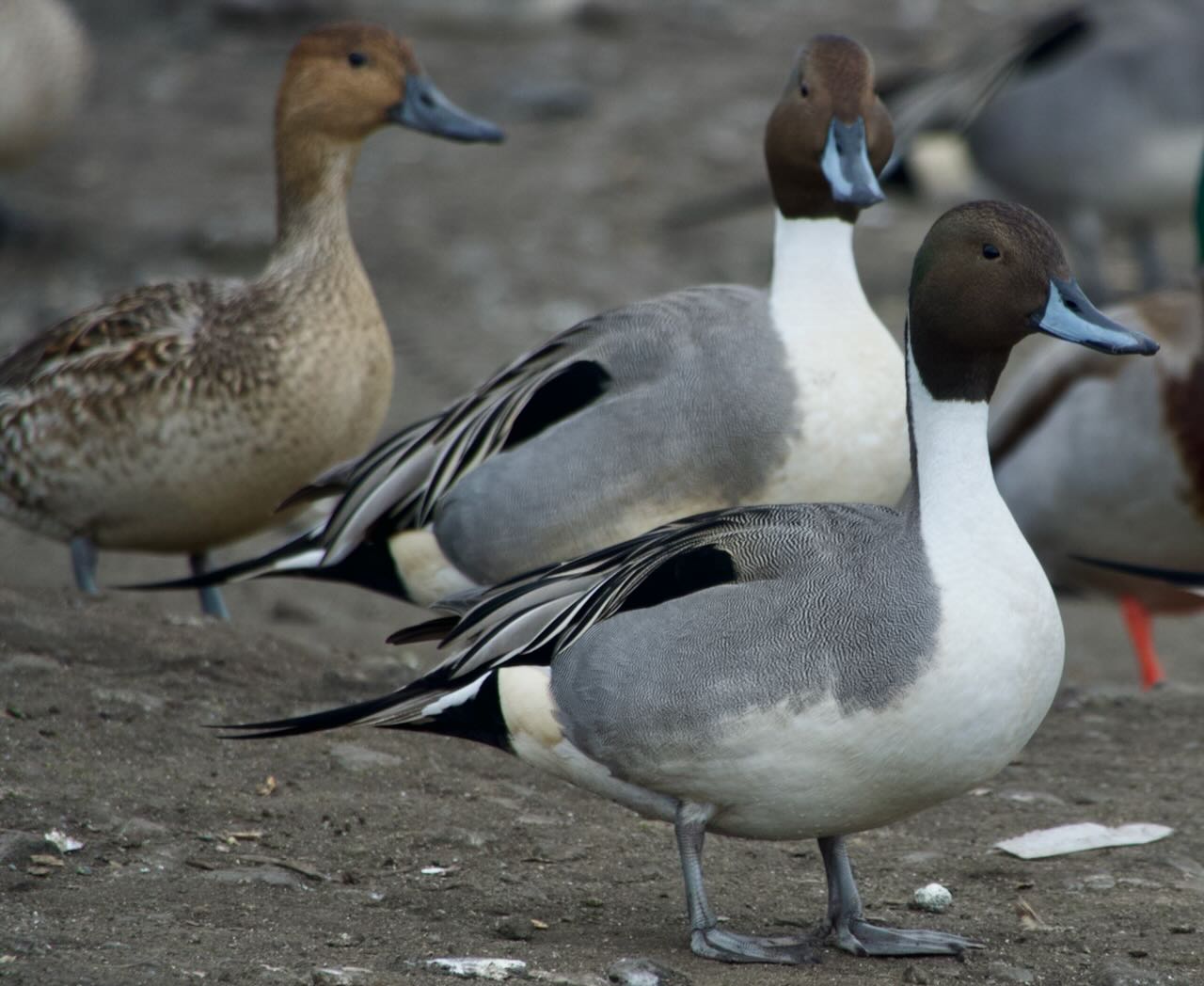
We then went to the Esquimalt Lagoons to try our luck there for a Western Gull. There were a lot of gulls around, unfortunately most of them hybrids and no Western in sight. We did have great views of Northern Pintails acting like park Mallards and just sitting and standing waiting for a handout and there were Brewer Blackbird’s to add to our year list. Someone had spent a lot of time fashioning these birds out of driftwood and placing them along the beach.
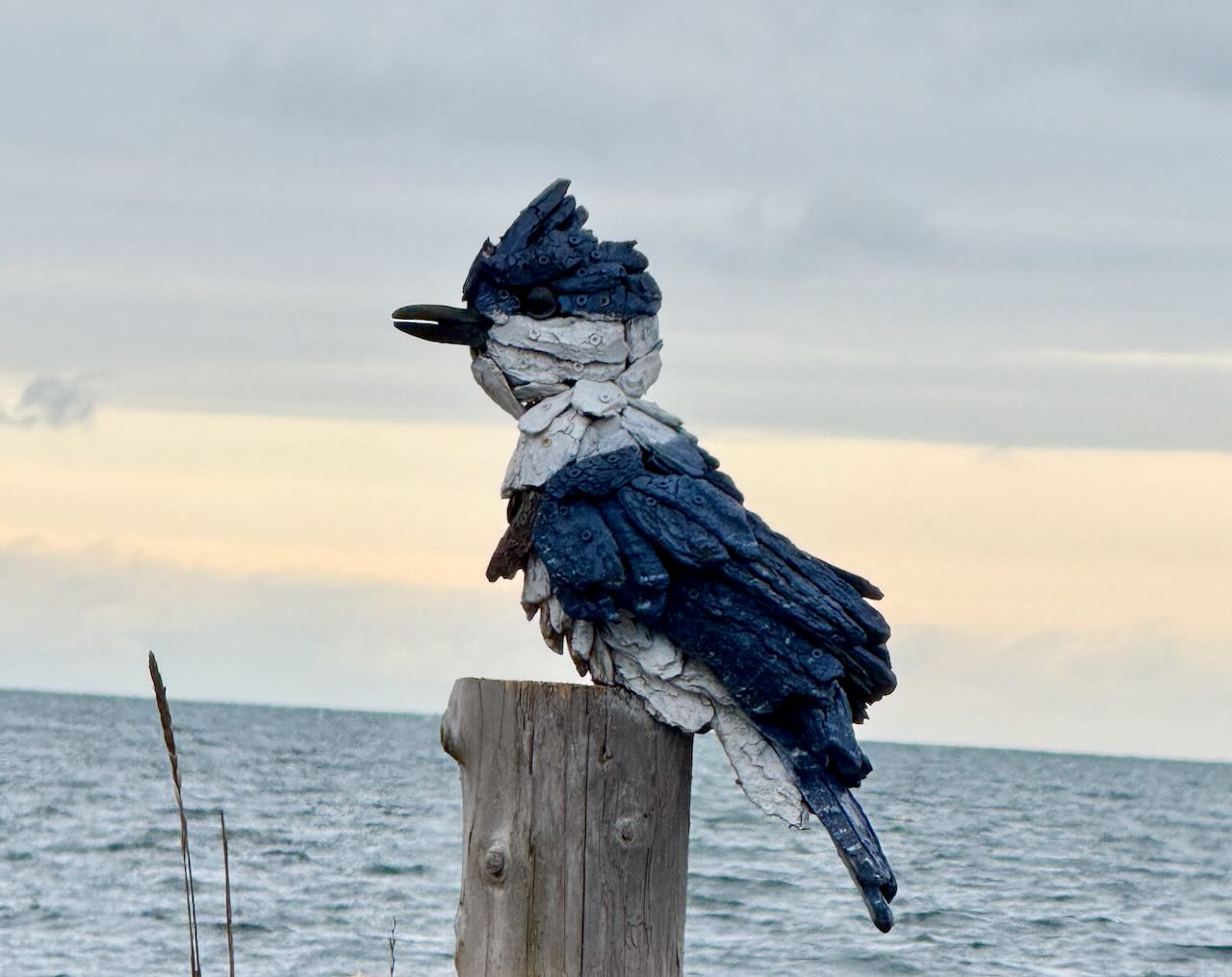
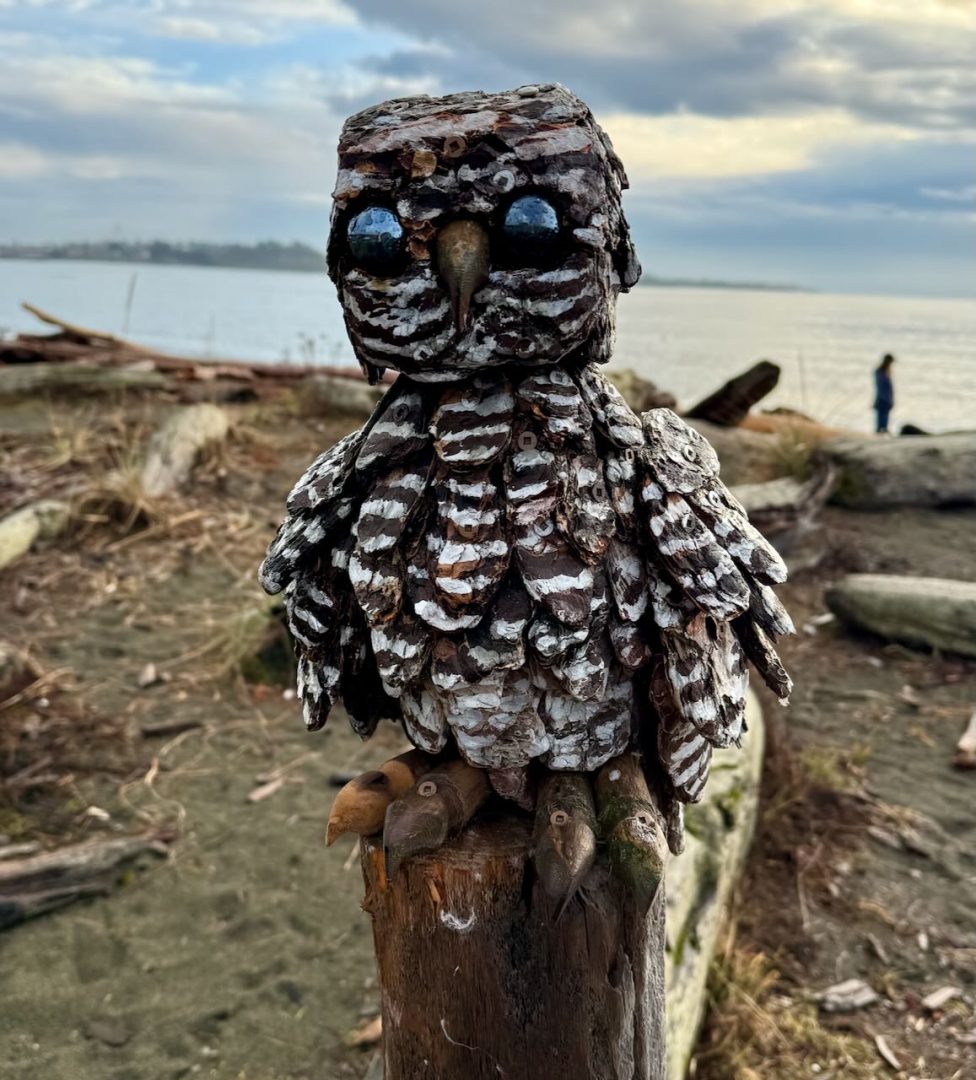
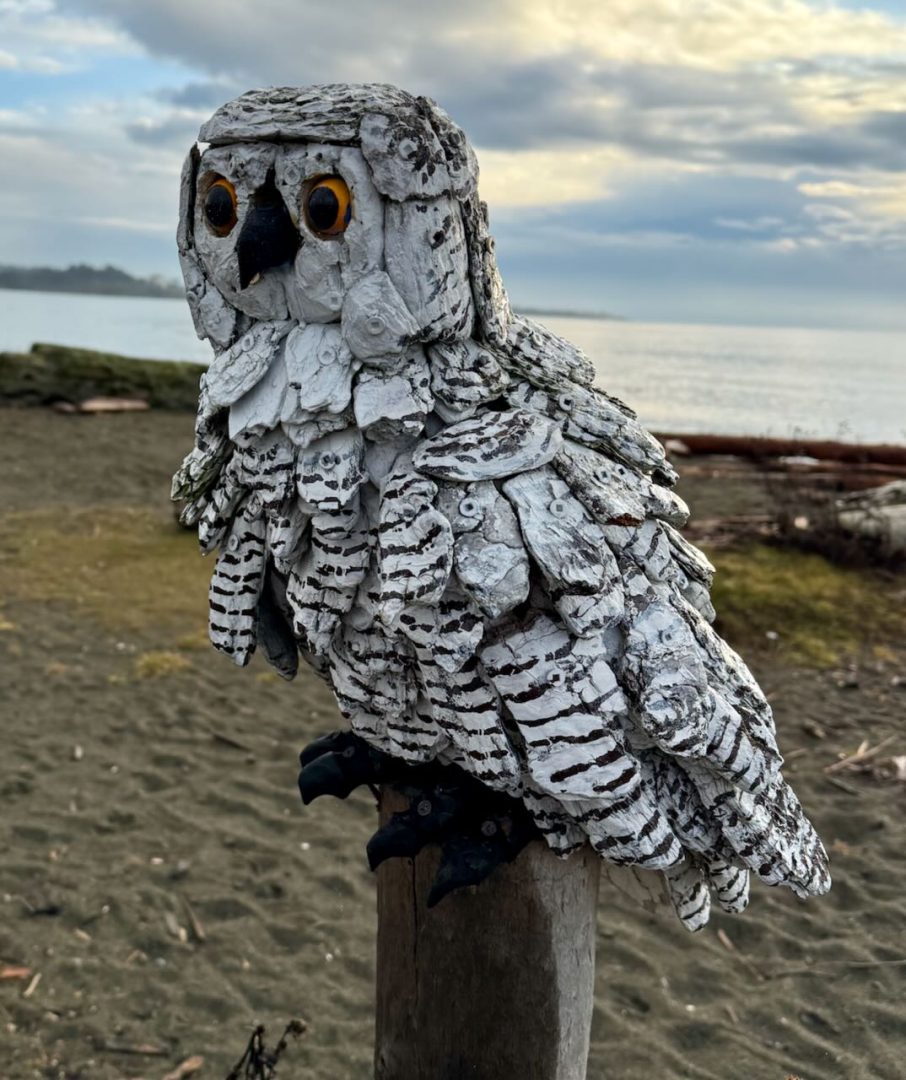
We called it a day and met our nephew, who is at the University, for a yummy Japanese dinner. I forgot to take pictures I was sooo hungry! The food was delicious.
With just a couple of birds left to chase on the island and those up near Nanaimo we decided to leave Victoria a day early. The forecast was for rain on Friday and snow arriving Sunday/Monday so we changed plans a bit in the hopes to still maximize our time. It made sense to spend time driving while it rained. Friday morning we took a quick detour back to the lagoons but still no Western Gull. The difficulty is that most of the gulls are hybrids of Western and Glaucous-winged gulls so it is very hard to find a pure Western Gull. This might be one of the species we miss.
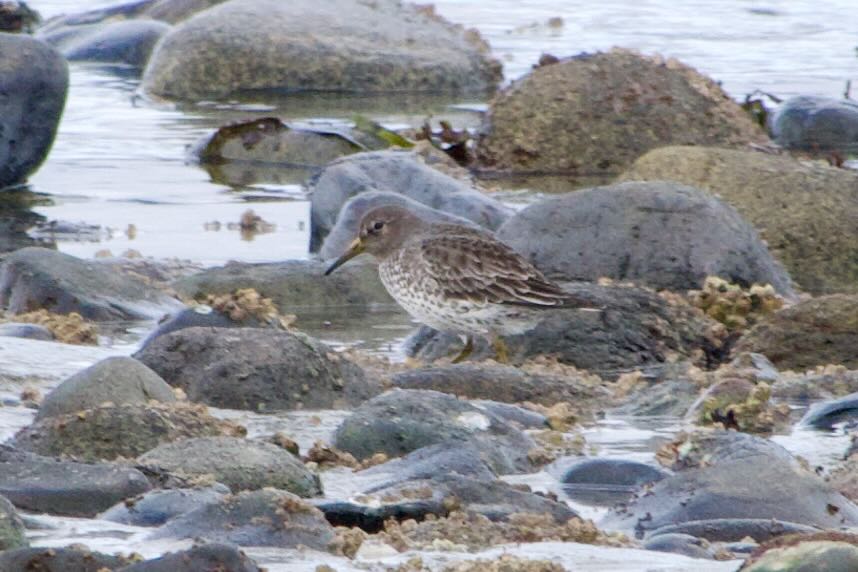
We headed up to Parksville and did a quick stop at Rathtrevor Park where Yellow-billed Loons have been seen. It was still raining on and off but we did a bit of a scan and walk before heading further north to Deep Bay to chase a Rock Sandpiper that had been reported. It was cold, windy and wet on and off. We scanned a bit of the beach, drove to the end of the road and scanned there and nothing. We returned to the original spot and I saw some Turnstones with my bins. We got out of the car and went out on the beach and scanned but could see nothing different. When the Turnstones flew we sort of followed and as we moved down the beach behind houses we realized there were a few hundred birds feeding on the rocky beach. We were now thinking the bird had to be there but, again it was like looking for a needle in a haystack. I scoped, I moved, I thought I had it and was super excited only for Jerry to realize that it was a Surfbird not the Sandpiper. The colouring is similar but the Sandpiper is smaller and has a longer, down-curved beak. I was so cold I was ready to give up, but I didn’t want to, I felt sure the bird was still there. We had been out there almost 2 hours at this point.
Jerry watched some Turnstones fly even further down the beach and he suggested we follow them. I lagged behind, set up my scope and got a couple of Turnstones in my scope and then suddenly there was a beautiful little sandpiper with a long down-curved bill!!! My heart stopped!!! I was excited, but also freaked that I was seeing another Surfbird, that it was not the bird. We took pics, we compared pictures with ebird. Yes it definitely was a Rock Sandpiper – another lifer! A local birder, Mark, came along just then and confirmed that it was indeed the bird so I could at least rest easy that we had that ID right.
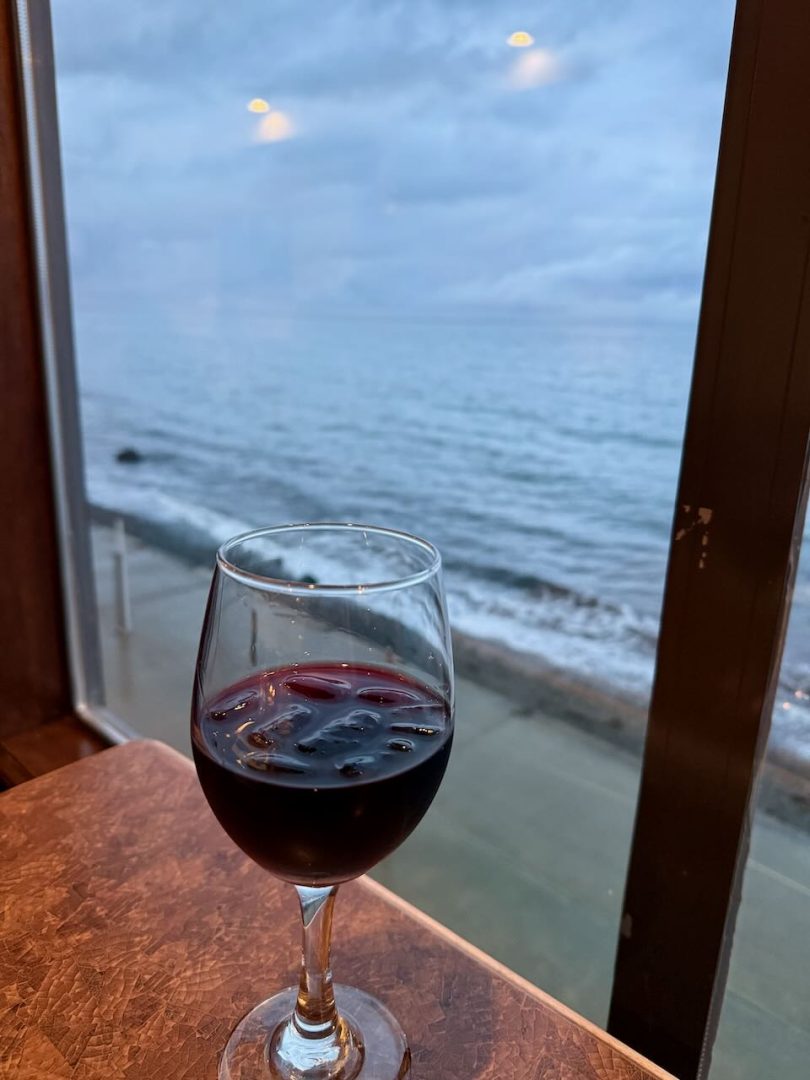
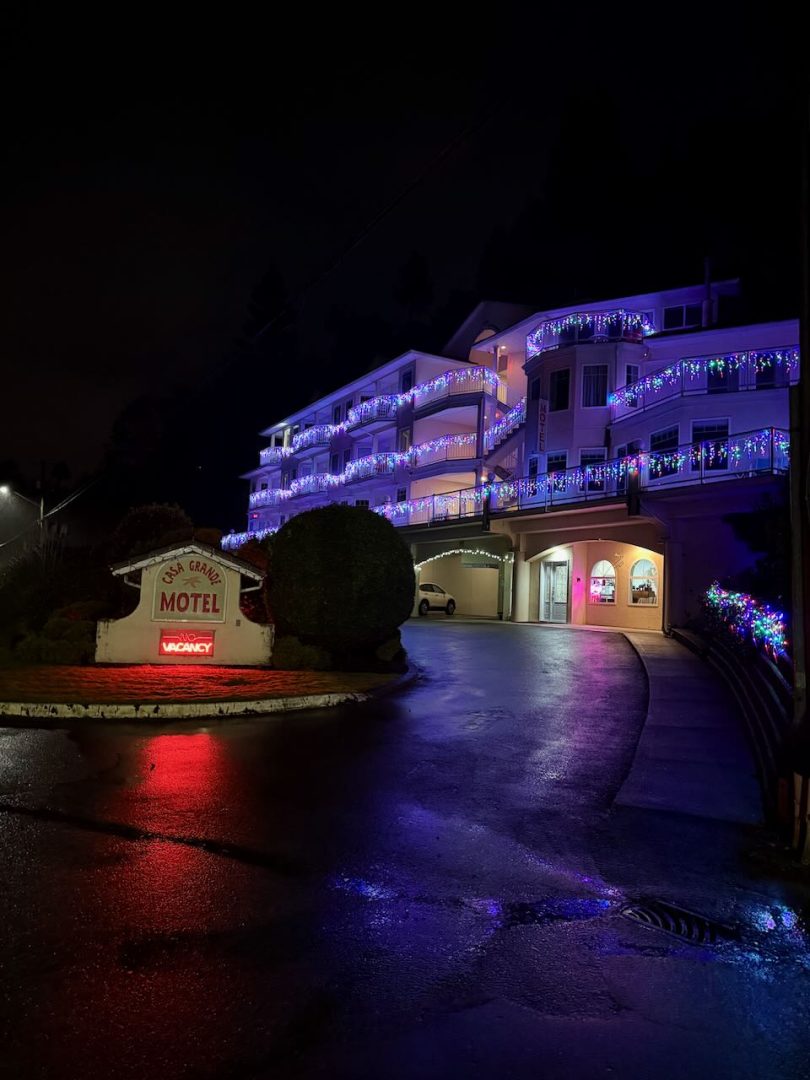
We chatted and enjoyed watching the bird for a bit and then headed to the spot where a Yellow-billed Loon has been reported somewhat regularly. It was still windy and the waves made it difficult to ID birds that were far out. We scoped for over an hour hoping for views of a large brownish loon with an ivory/yellow bill but did not see anything. It had been a long day and we were cold and hungry so we drove the 10 minutes to our hotel, checked in and headed across the street to a restaurant with an ocean view. So we could keep looking for the loon LOL. And yes, I drink my red wine with ice, waters it down a bit so it lasts longer…
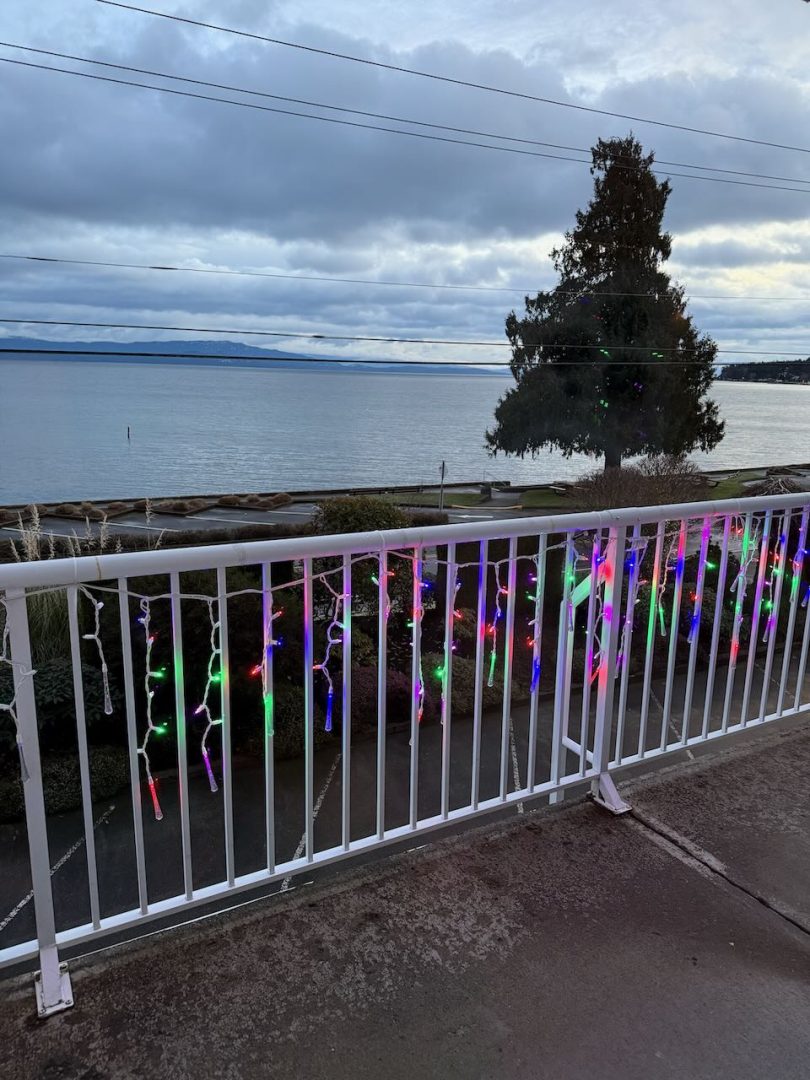
Saturday we were back at the Qualicum Estuary looking for the Yellow-billed Loon and Ancient Murrelets. In the morning the water is usually calm and it is less windy making for better viewing conditions. We were pretty sure we had seen the Murrelets on Friday but after looking at pictures we were unsure and wanted to make a positive ID. It was a pretty unsatisfactory lifer because all you could do is see them in a scope waaaaay out. They are tiny birds that fly very fast and have dark backs and heads. Once we figured out the sizing and ID of the other birds flying out there the Murrelets were easier to ID. Another lifer! Then we concentrated on looking through loons. There were many close up but almost all were Common. There were hundreds, maybe a thousand Pacific Loons waaaay out and we were trying to scope through them looking for one a bit different. It was difficult, I want to say impossible, but many birders do know how to pick it out from the group, we are not that good or lucky. We spent an hour or so and then decided to take a break and go for an American Dipper ten minutes away. Barking sea lions were a nice consolation.
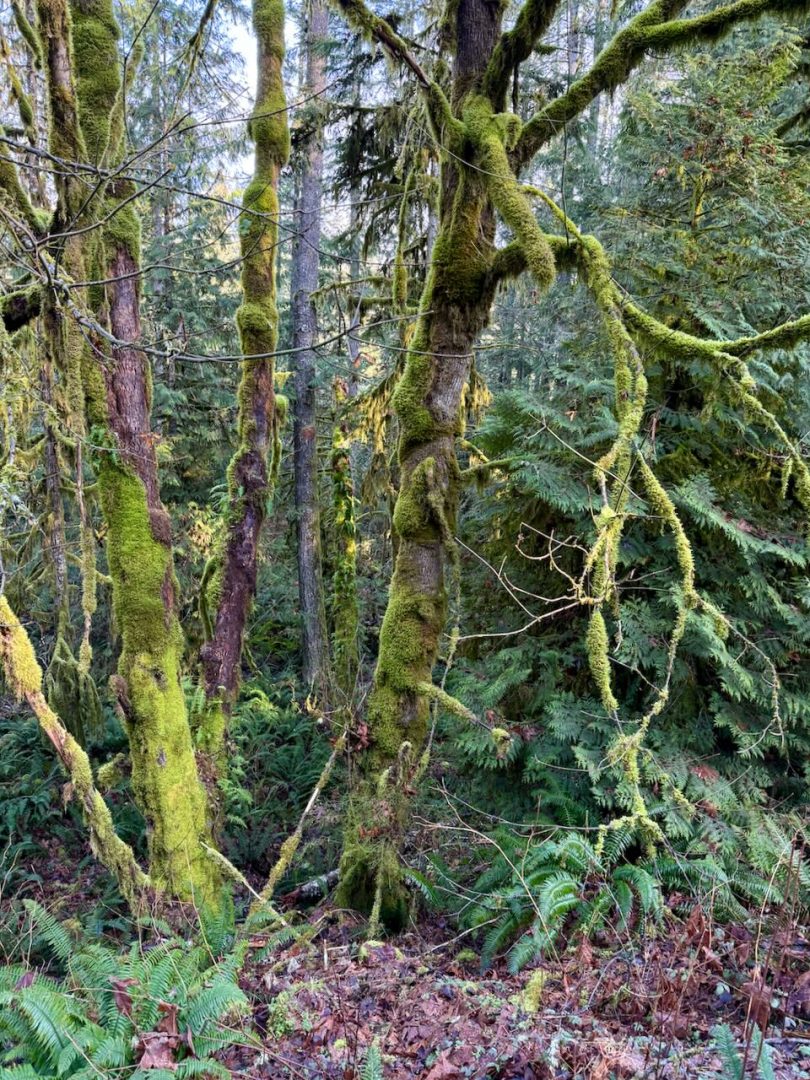
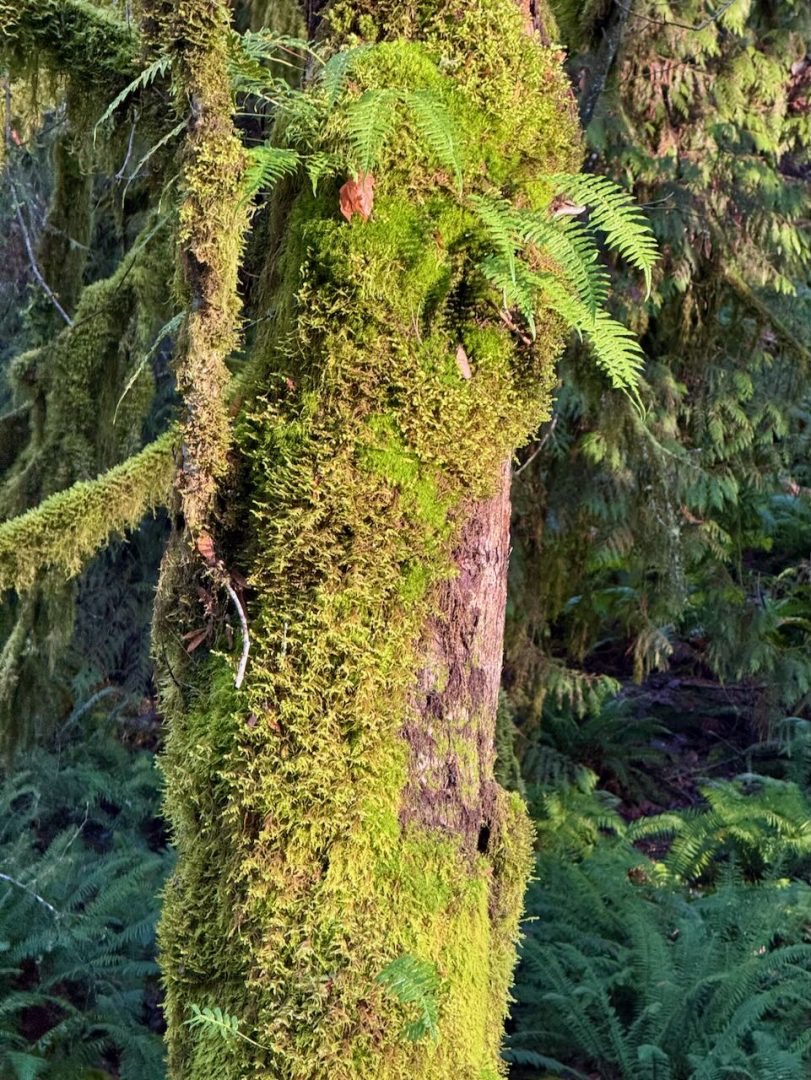
Almost all our time has been spent looking at water since most of the birds we came out for are waterbirds so it was a nice change to head into a bit of forest for a change of scenery. The moss!, the ferns!, the freshness of the greenery was so nice after the dullness of our winter.
We hiked in to a waterfall on a creek and looked around for the small bird that loves the water. The American Dipper is a boring pale grey/brown but it is anything but boring. It dives, jumps into streams to walk/swim in the water looking for small invertebrates to eat. It took us a few minutes to find him even though he was singing loudly, we just could not “see” where he was for a bit. We had been looking in the low trees as the sound seemed to be coming from there but he was right near the water using the metal pipe to amplify his song.
How crazy are those flashing eyelids? At first most people think it is the nictitating membrane that all birds have to protect the eye but it is an eyelid covered in white feathers and when it blinks it appears to have flashing lights going off. We do not know what the purpose is although some suggest it helps communicate in the loud environment of waterfalls and rushing streams. Oh and it also has a really cool “dance” it does. American Dipper, one of my top fav birds!
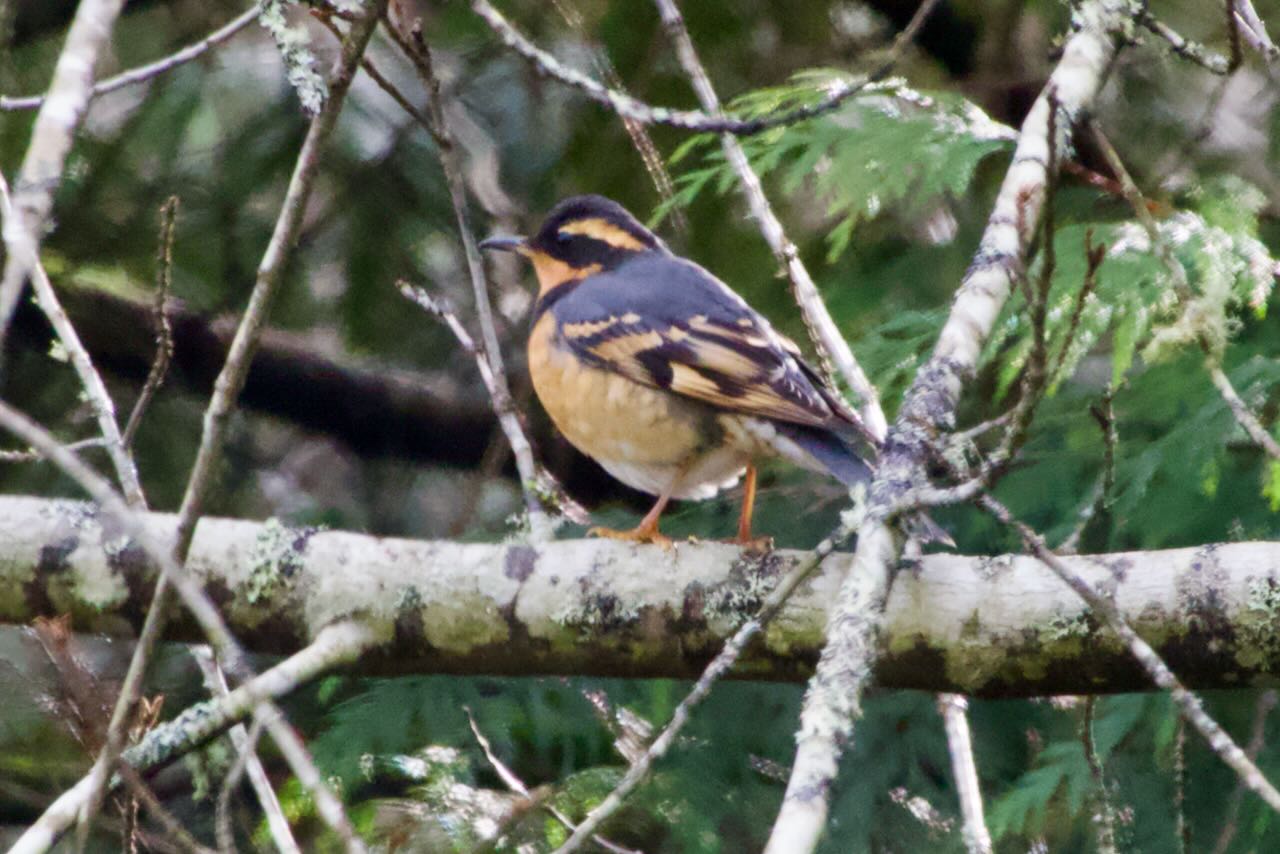
We added Red Crossbill and Pine Siskin to our year list having heard both these species on the way in and on the way back out we were actively looking for a Varied Thrush since they can be more difficult to see in the summer. I saw a small bird fly at the edge of the stream and so we moved over to see about finding it and Jerry saw another bird across the stream and realized it was the bird we had been hoping to get – a Varied Thrush. We both managed to see bits of it as it foraged in the leaf litter tucking in among the tree roots and then realized there were two. Jerry managed a few pictures for an ID and we waited around hoping they would pop out in the open but after 20 minutes we gave up and headed out.
We headed back to the Estuary for one more try for the Loon but by this time I had resigned myself to not getting it for this year. Unless the loon was super allowing us to clearly see it in our scope there was no way we were going to ID it from tiny specks in our scope that might look a bit different. Better birders probably can easily do it, BC birders in particular probably have no problem but we just cannot do it with our limited knowledge of the loon. We spent another hour or so and then accepted the failure and headed down the coast to try some other birding spots. On the way I saw two birds fly out on the sidewalk and shouted “Varied Thrush”! Of course! again, all that time spent trying to see them in the forest and here were two out on the sidewalk a few hours later. Jerry turned the car, got out and got his pics.
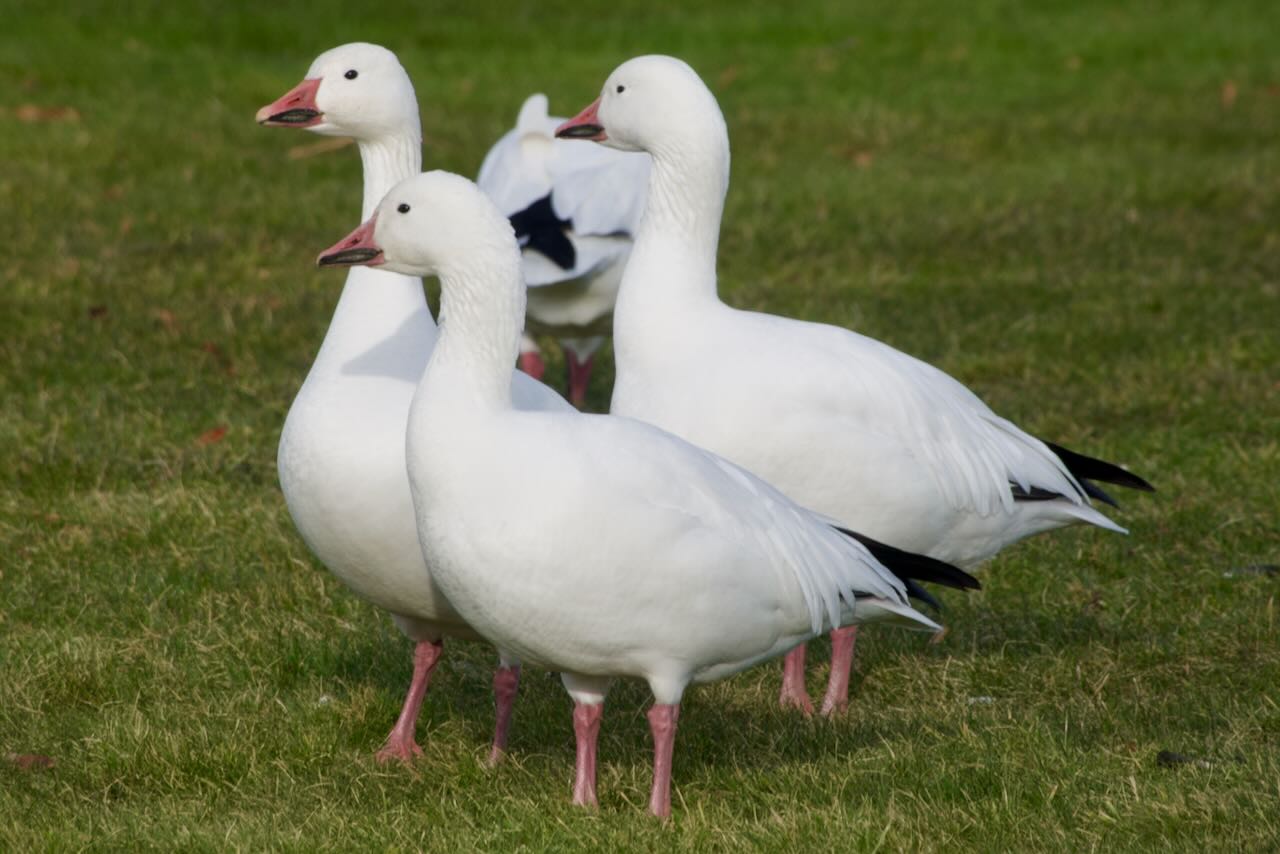
We stopped at Springwood Park for a short walk and saw Pine Siskins but didn’t see anything else to add. We then headed to Parksville Community Park because Snow Geese had been reported there. When we drove in there were 17 Snow Geese just browsing on the grass right beside the road. We rarely get to be this close to them in Ontario so it was a treat to get video and nice pictures of them. Jerry got a better pic of a Eurasian Wigeon too.
We had originally planned on taking the ferry from Nanaimo into northern Vancouver on Sunday but with a fair amount of snow forecast we opted to change plans again and head back down to Victoria and across to Tsawwassen where we were only 20 minutes from our hotel. There was snow on the ground Sunday morning but the road was not too bad until we hit the small mountain area before Victoria where they were forcing all trucks to stop and put chains on. Uh-oh! It was slow going but Jerry did a great job keeping us on the road in low gear and we made it down safely. By the time we got to Victoria it was sunny and the snow was melting. We stopped at Island View Beach and enjoyed a nice long walk before catching the ferry at noon. By the time we arrived in Vancouver the snow had melted away and so we stopped at Boundary Bay Park for a short scan of shorebirds. The tide was out so the birds were a long way out. We will be checking these spots again over the next couple of days as we move into Week 6 with 3 more days in Vancouver and hopefully more birds to add.

Week 5 ends with 51 species added! including 6 lifers 149 species J&E